TRIS logo image
Search275,000+ actors, artists, objects, artworks, films, exhibitions, archives

EN

EN

English

HI

Hindi

EN

EN

English

HI

Hindi

Tuli Research Centre for India Studies

Tuli Research Centre for India Studies

Vision

Manifesto

Archive & Library

Vanraja Sanctuary & Hospice

Home

Research Categories

Browse All

ICore

1_CinemaEducation_Cinema as a Critical Educational Resource

2_FineArts_Modern and Contemporary Indian Fine Arts

3_Photography_Photography in India

4_PopCulture_The Printed Image, Popular Arts, and Crafts

IIMaterial

5_ArcHeritage_India's Architectural Heritage as Inspiration

6_EconomicsArt_Economics of Art & Cultural Industry

7_Travel_Automobile, Transport and Travel Heritage

8_Uncertainty_Uncertainty

IIICritical

9_SocialDuty_Social Responsibility of the Creative Mind

10_Childhood_The Changing Smile of Childhood & Its Second Coming

11_Sensuality_The Sensual Discipline within Creativity

12_Scholarship_The History & Historiography of Scholarship in the Arts, Humanities, and Social Sciences

IVMeaningful

13_SeekJustice_Seeking Justice and Political Integrity

14_IndoWorld_India and her Relationship with the World

15_SpiritualPoetics_The Religious-Spiritual-Poetic-Philosophical Framework

16_Continuum_The Animal-Human-Nature Continuum

Explore

All

Posts

Masterlists

Calendar

Live | Upcoming

All Events

Timetable

Search275,000+ actors, artists, objects, artworks, films, exhibitions, archives

EN

EN

English

HI

Hindi

Asha Bhosle

Asha Bhosle

Personality.Playback Singer
On this Page
Introduction
Filmography553
Research Centre2,141
All2,141Library11
Archive2,127
Videos3
Calendar1
Home/1_CinemaEducation/Personality · Actor/Asha Bhosle
Asha Bhosle — featured artwork

Introduction

Asha Bhosle (8 September 1933 – 12 April 2026) was one of the most accomplished and influential playback singers in the history of Indian cinema. Celebrated for her extraordinary versatility, expressive vocal artistry, and remarkable longevity, she enjoyed a career spanning more than eight decades, during which she recorded over 12,000 songs for films and albums in more than twenty Indian and international languages. Her vast repertoire encompassed Hindustani classical music, ghazals, bhajans, folk songs, qawwalis, Rabindra Sangeet, pop, cabaret, and film music, establishing her as one of the most adaptable vocalists of the modern era. She received numerous distinctions, including two National Film Awards, nine Filmfare Awards, a Filmfare Lifetime Achievement Award, the Dadasaheb Phalke Award (2000), and the Padma Vibhushan (2008). In 2011, the Guinness Book of World Records recognised her as the most recorded artist in music history. Although the younger sister of Lata Mangeshkar, Asha Bhosle forged an independent artistic identity distinguished by innovation, emotional depth, and stylistic diversity.

Born Asha Mangeshkar in Goar, Sangli, into the illustrious musical family of Pandit Deenanath Mangeshkar and Shevanti Mangeshkar, she inherited a rich artistic tradition. Following her father's death when she was nine years old, the family relocated to Kolhapur and later Mumbai, where she and her elder sister began performing to support the household. She made her playback debut with Chala Chala Nav Bala in the Marathi film Majha Bal (1943), followed by her Hindi debut in Chunariya (1948). Her first solo Hindi playback song appeared in Raat Ki Rani (1949), while her Assamese debut came with Pokhiraj Ghora in Sikimik Bijuli (1969). She regarded herself as an accidental singer, attributing her musical education to constant observation of her father, his disciples, and Lata Mangeshkar. Lifelong dedication to rigorous riyaaz (practice) and openness to Western influences, particularly Elvis Presley and Bill Haley, broadened her artistic horizons.

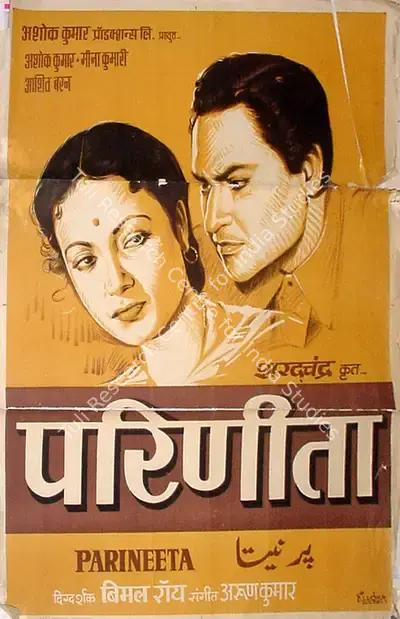
Bhosle's early career unfolded amidst intense competition from established playback singers. Nevertheless, her performances in Sangdil (1952), Parineeta (1953), and Boot Polish (1954) gradually established her reputation. Her decisive breakthrough came through her collaboration with O. P. Nayyar, whose compositions for Naya Daur (1957), Howrah Bridge (1958), Kashmir Ki Kali (1964), and Mere Sanam (1965) transformed her into the preferred playback voice for many leading actresses. She subsequently collaborated with eminent composers including Ravi, Sachin Dev Burman, Khayyam, Shankar–Jaikishan, Jaidev, Ilaiyaraaja, Anu Malik, and A. R. Rahman. Her refined interpretations of Dil Cheez Kya Hai, In Aankhon Ki Masti Ke, and Yeh Kya Jagah Hai Doston from Umrao Jaan (1981) earned her the National Film Award for Best Female Playback Singer, while Mera Kuchh Saamaan from Ijaazat (1987) secured her a second National Film Award. Although both Asha Bhosle and her sister Lata Mangeshkar had a strong foundation in Hindustani classical music, Asha often displayed greater vocal artistry and a more adventurous use of her classical training. This is evident in numerous songs such as Sooni Sooni Saans Ki Sitar Par (Lal Patthar, 1971), Piya Bawri (Khoobsurat, 1980), Paan Khaye Saiyan Hamaro (Teesri Kasam, 1966), and Re Man Sur Mein Ga (Lal Patthar, 1971), among many others. Her performances frequently featured imaginative improvisations, nuanced ornamentation, and a remarkable ability to shape a melody beyond its written framework. Lata Mangeshkar, by contrast, was renowned for her impeccable discipline and fidelity to the composer's vision, generally adhering closely to the composer's prescribed melody with comparatively little improvisation.

Among Asha Bhosle's most celebrated artistic collaborations was her partnership with Rahul Dev Burman, which began with Teesri Manzil (1966). Through iconic songs such as Aaja Aaja and O Haseena Zulfonwali (Teesri Manzil, 1966), O Mere Sona Re (Teesri Manzil, 1966), Piya Tu Ab To Aaja (Caravan1971), Dum Maro Dum (Hare Rama Hare Krishna, 1971), and Chura Liya Hai Tumne Jo Dil Ko (Yaadon Ki Baaraat, 1973), Bhosle redefined the soundscape of Hindi cinema. These recordings showcased her remarkable versatility and her effortless command of both Indian and Western musical idioms, enabling her to traverse genres with uncommon ease and originality. Their creative partnership, characterised by innovation and musical experimentation, profoundly influenced the evolution of modern Hindi film music and culminated in their marriage in 1980, enduring until Burman's death in 1994. Earlier, at the age of sixteen, she had married Ganpatrao Bhosle, a troubled union that ended after the birth of their three children. Bhosle remained artistically relevant across successive generations through memorable collaborations with A. R. Rahman in Rangeela (1995) and Lagaan (2001), while simultaneously expanding her global musical presence through projects with Boy George, Michael Stipe, the Kronos Quartet, and Gorillaz. In 2013, she made her acting debut in Mai, receiving critical acclaim for her performance. Hospitalised on 11 April 2026 owing to exhaustion and a pulmonary infection, she died the following day at the age of ninety-two from multiple organ failure, leaving an unparalleled legacy as one of the greatest and most versatile voices in the history of Indian and world music.

आशा भोंसले (8 सितंबर 1933 – 12 अप्रैल 2026) भारतीय सिनेमा के इतिहास की सबसे और प्रभावशाली पार्श्व गायिकाओं में एक थीं। अपनी असाधारण विविधता, भावपूर्ण गायकी और लंबे समय तक सक्रिय रहने के लिए मशहूर आशा भोंसले का करियर आठ दशकों से भी ज़्यादा लंबा रहा। इस दौरान उन्होंने बीस से ज़्यादा भारतीय और अंतरराष्ट्रीय भाषाओं में फ़िल्मों और एल्बमों के लिए 12,000 से ज़्यादा गाने रिकॉर्ड किए। उनके गायन के दायरे में हिंदुस्तानी शास्त्रीय संगीत, ग़ज़ल, भजन, लोक गीत, क़व्वाली, रवींद्र संगीत, पॉप, कैबरे और फ़िल्मी संगीत शामिल थे, जिसने उन्हें आधुनिक युग की सबसे बहुआयामी गायिकाओं में से एक के रूप में स्थापित किया। उन्हें कई सम्मान मिले, जिनमें दो राष्ट्रीय फ़िल्म पुरस्कार, नौ फ़िल्मफ़ेयर पुरस्कार, फ़िल्मफ़ेयर लाइफ़टाइम अचीवमेंट अवार्ड, दादा साहब फाल्के पुरस्कार (2000) और पद्म विभूषण (2008) शामिल हैं। 2011 में गिनीज़ बुक ऑफ़ वर्ल्ड रिकॉर्ड्स ने उन्हें संगीत के इतिहास में सबसे ज़्यादा गाने रिकॉर्ड करने वाली कलाकार के तौर पर मान्यता दी। लता मंगेशकर की छोटी बहन होने के बावजूद, आशा भोंसले ने अपनी एक अलग कलात्मक पहचान बनाई, जो नवीनता, भावनात्मक गहराई और शैलीगत विविधता के लिए जानी जाती थी।
सांगली के गोआर में पंडित दीनानाथ मंगेशकर और शेवंती मंगेशकर के मशहूर संगीत परिवार में जन्मीं आशा मंगेशकर को एक समृद्ध कलात्मक विरासत मिली। नौ साल की उम्र में पिता की मृत्यु के बाद, परिवार कोल्हापुर और बाद में मुंबई चला गया, जहाँ उन्होंने और उनकी बड़ी बहन ने घर चलाने के लिए गाना-बजाना शुरू किया। उन्होंने मराठी फ़िल्म 'माझा बाल' (1943) में 'चला चला नव बाला' गाने से प्लेबैक सिंगिंग की शुरुआत की, और इसके बाद हिंदी फ़िल्म 'चुनरिया' (1948) में हिंदी में डेब्यू किया। उनका पहला सोलो हिंदी प्लेबैक गाना 'रात की रानी' (1949) में आया, जबकि असमिया में उन्होंने 'सिकिमिक बिजली' (1969) फ़िल्म के 'पोखिराज घोरा' गाने से शुरुआत की। वह ख़ुद को एक 'एक्सीडेंटल सिंगर' (संयोग से बनी गायिका) मानती थीं और अपनी संगीत की शिक्षा का श्रेय अपने पिता, उनके शिष्यों और लता मंगेशकर को लगातार देखने-सुनने को देती थीं। कड़ी रियाज़ (अभ्यास) के प्रति जीवन भर का समर्पण और पश्चिमी संगीत के प्रभावों ख़ासकर एल्विस प्रेस्ली और बिल हेली के प्रति खुलेपन ने उनके कलात्मक दायरे को बढ़ाया।
भोसले का शुरुआती करियर स्थापित प्लेबैक गायकों के बीच कड़े मुक़ाबले के बीच आगे बढ़ा। फ़िर भी, 'संगदिल' (1952), 'परिणीता' (1953) और 'बूट पॉलिश' (1954) में उनके गानों ने धीरे-धीरे उनकी पहचान बनाई। उन्हें बड़ी सफलता ओ. पी. नय्यर के साथ काम करने से मिली। 'नया दौर' (1957), 'हावड़ा ब्रिज' (1958), 'कश्मीर की कली' (1964) और 'मेरे सनम' (1965) के लिए नय्यर के संगीत ने उन्हें कई प्रमुख अभिनेत्रियों की पसंदीदा प्लेबैक आवाज़ बना दिया। इसके बाद उन्होंने रवि, सचिन देव बर्मन, ख़य्याम, शंकर-जयकिशन, जयदेव, इलैयाराजा, अनु मलिक और ए. आर. रहमान जैसे मशहूर संगीतकारों के साथ काम किया। 'उमराव जान' (1981) के गानों 'दिल चीज़ क्या है', 'इन आँखों की मस्ती के' और 'ये क्या जगह है दोस्तों' को बेहतरीन ढंग से गाने के लिए उन्हें सर्वश्रेष्ठ महिला प्लेबैक गायिका का राष्ट्रीय फ़िल्म पुरस्कार मिला, जबकि 'इजाज़त' (1987) के गाने 'मेरा कुछ सामान' ने उन्हें दूसरा राष्ट्रीय फ़िल्म पुरस्कार दिलाया। हालांकि आशा भोंसले और उनकी बहन लता मंगेशकर, दोनों की ही हिंदुस्तानी शास्त्रीय संगीत की नींव बहुत मज़बूत थी, लेकिन आशा ने अक्सर अपनी आवाज़ का ज़्यादा हुनर ​​और अपनी शास्त्रीय ट्रेनिंग का ज़्यादा अनोखा इस्तेमाल दिखाया। यह बात 'सूनी-सूनी सांस की सितार पर' (लाल पत्थर, 1971), 'पिया बावरी' (ख़ूबसूरत, 1980), 'पान खाए सैंया हमारो' (तीसरी क़सम, 1966) और 'रे मन सुर में गा' (लाल पत्थर, 1971) जैसे कई गानों में साफ़ दिखती है। उनके गाने के अंदाज़ में अक्सर कल्पनाशील बदलाव (इम्प्रोवाइज़ेशन), बारीकियों के साथ सजावट और धुन को उसके लिखे हुए ढांचे से आगे ले जाकर ढालने की अद्भुत क्षमता देखने को मिलती थी। इसके उलट, लता मंगेशकर अपने ज़बरदस्त अनुशासन और संगीतकार की सोच के प्रति वफ़ादारी के लिए जानी जाती थीं। वे आम तौर पर संगीतकार की तय की गई धुन का ही पालन करती थीं और उसमें बहुत कम बदलाव करती थीं।
आशा भोंसले के सबसे मशहूर आर्टिस्टिक कोलैबोरेशन में से एक राहुल देव बर्मन के साथ उनकी पार्टनरशिप थी, जिसकी शुरुआत 'तीसरी मंज़िल' (1966) से हुई थी। 'आजा आजा' और 'ओ हसीना ज़ुल्फ़ोंवाली' ('तीसरी मंज़िल', 1966), 'ओ मेरे सोना रे' ('तीसरी मंज़िल', 1966), 'पिया तू अब तो आजा' ('कारवां', 1971), 'दम मारो दम' ('हरे रामा हरे कृष्णा', 1971), और 'चुरा लिया है तुमने जो दिल को' ('यादों की बारात', 1973) जैसे यादगार गानों के ज़रिए भोंसले ने हिंदी सिनेमा के म्यूज़िक के अंदाज़ को नए सिरे से परिभाषित किया। इन रिकॉर्डिंग्स ने उनकी ज़बरदस्त विवधता और भारतीय व पश्चिमी म्यूज़िकल शैलियों पर उनकी सहज पकड़ को दिखाया, जिससे वह अलग-अलग जॉनर (विधा) में बड़ी आसानी और मौलिकता के साथ काम कर पाईं। उनकी मौलिक भागीदारी, जो इनोवेशन और म्यूज़िकल नए तरीक़ों के लिए जानी जाती थी, ने मॉडर्न हिंदी फ़िल्म म्यूज़िक के विकास पर गहरा असर डाला और 1980 में उनकी शादी में बदली, जो 1994 में बर्मन की मौत तक चली। इससे पहले, सोलह साल की उम्र में उन्होंने गणपतराव भोंसले से शादी की थी, लेकिन यह रिश्ता मुश्किल भरा रहा और तीन बच्चों के जन्म के बाद ख़त्म हो गया। भोंसले ने 'रंगीला' (1995) और 'लगान' (2001) में ए. आर. रहमान के साथ यादगार सहयोग के ज़रिए अलग-अलग पीढ़ियों के बीच अपनी आर्टिस्टिक पहचान बनाए रखी, साथ ही बॉय जॉर्ज, माइकल स्टाइप, क्रोनोस क्वार्टेट और गोरिल्लाज़ जैसे आर्टिस्ट्स के साथ प्रोजेक्ट्स के ज़रिए ग्लोबल म्यूज़िकल मौजूदगी भी बढ़ाई। 2013 में, उन्होंने 'माई' फ़िल्म से एक्टिंग में डेब्यू किया और अपनी परफ़ॉर्मेंस के लिए काफ़ी तारीफ़ें बटोरीं। थकान और पल्मोनरी इन्फेक्शन की वजह से 11 अप्रैल 2026 को उन्हें अस्पताल में भर्ती कराया गया, और अगले ही दिन 92 साल की उम्र में मल्टीपल ऑर्गन फ़ेलियर के कारण उनका निधन हो गया। वह भारतीय और विश्व संगीत के इतिहास में सबसे महान और विवधता आवाज़ों में से एक के तौर पर एक बेमिसाल विरासत छोड़ गईं।
No personalia records available yet.

Filmography 553

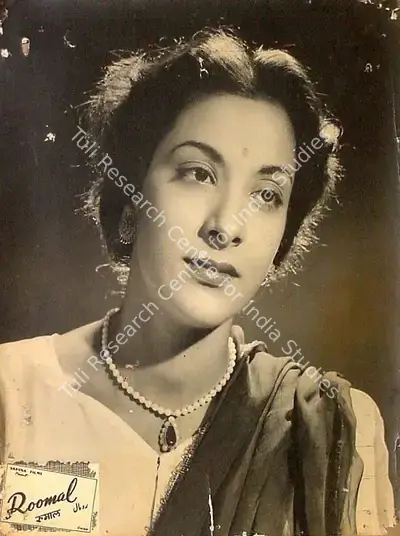
Roomal, Playback Singer, 1949
Roomal | Hindi | Playback Singer
1949 | Feature | Fiction | Black and White | India
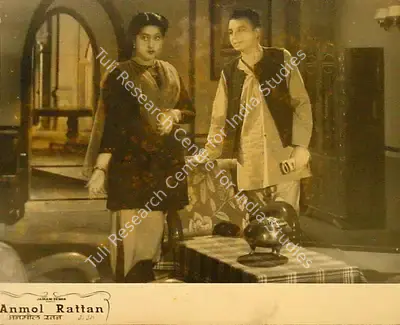
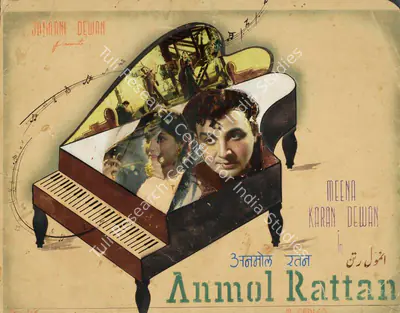
Anmol Rattan, Playback Singer, 1950
Anmol Rattan | Hindi | Playback Singer
1950 | Feature | Fiction | Black and White | India
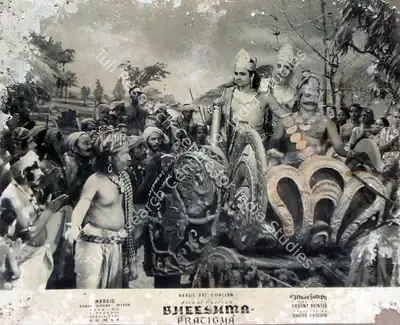
Bheeshma Pratigya, Playback Singer, 1950
Bheeshma Pratigya | Hindi | Playback Singer
1950 | Feature | Fiction | Black and White | India
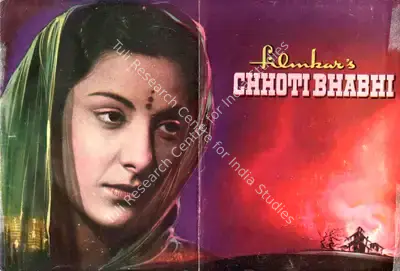
Chhoti Bhabhi, Playback Singer, 1950
Chhoti Bhabhi | Hindi | Playback Singer
1950 | Feature | Fiction | Black and White | India
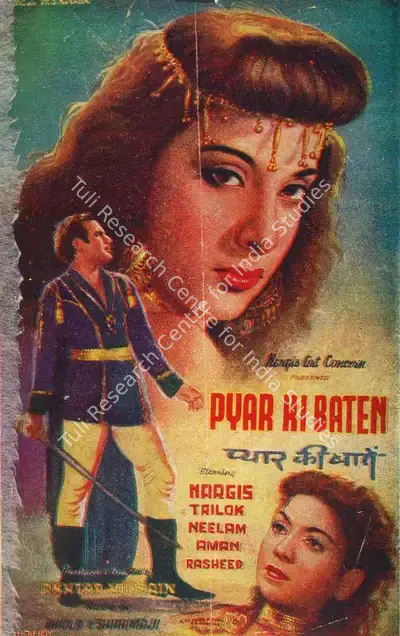
Pyar Ki Baten, Playback Singer, 1951
Pyar Ki Baten | Hindi | Playback Singer
1951 | Feature | Fiction | Black and White | India
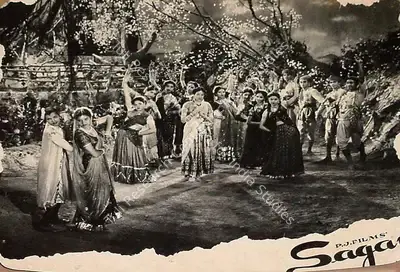
Sagar, Playback Singer, 1951
Sagar | Hindi | Playback Singer
1951 | Feature | Fiction | Black and White | India
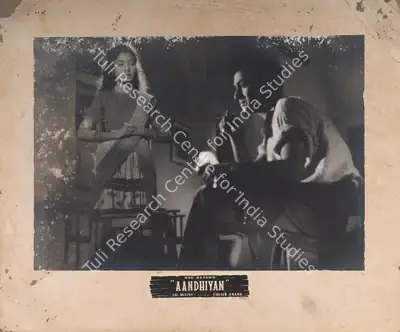
Aandhiyan, Playback Singer, 1952
Aandhiyan | Hindi | Playback Singer
1952 | Feature | Fiction | Black and White | India
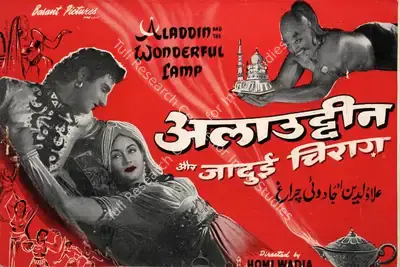
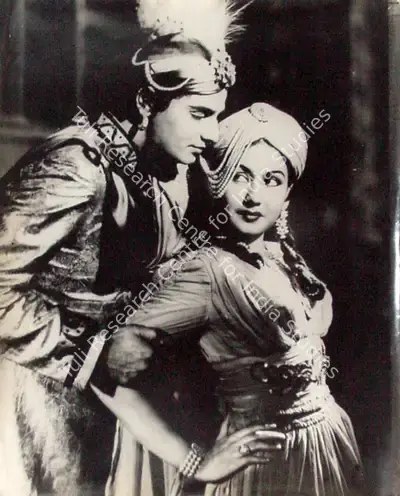
Aladdin Aur Jaadui Chiraag, Playback Singer, 1952
Aladdin Aur Jaadui Chiraag | Hindi | Playback Singer
1952 | Feature | Fiction | India
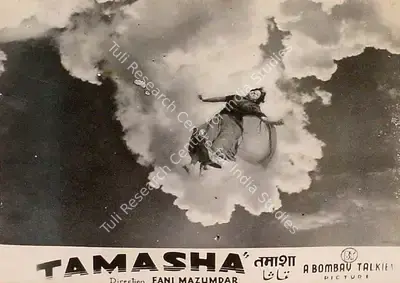
Tamasha, Playback Singer, 1952
Tamasha | Hindi | Playback Singer
1952 | Feature | Fiction | Black and White | India
Aag Ka Darya, Playback Singer, 1953
Aag Ka Darya | Hindi | Playback Singer
1953 | Feature | Fiction | Black and White | India
Chacha Chowdhury
1953
Chacha Chowdhury | Hindi | Playback Singer
1953 | Feature | Fiction | Black and White | India
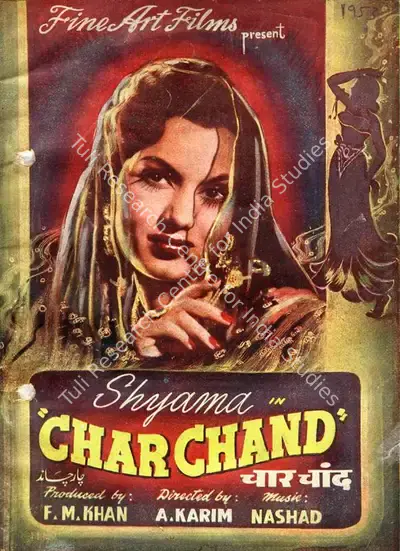
Char Chand, Playback Singer, 1953
Char Chand | Hindi | Playback Singer
1953 | Feature | Fiction | Black and White | India
Daaera, Playback Singer, 1953
Daaera | Hindi | Playback Singer
1953 | Feature | Fiction | Black and White | India
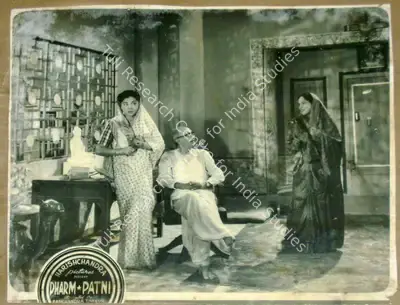
Dharm Patni, Playback Singer, 1953
Dharm Patni | Hindi | Playback Singer
1953 | Feature | Fiction | Black and White | India
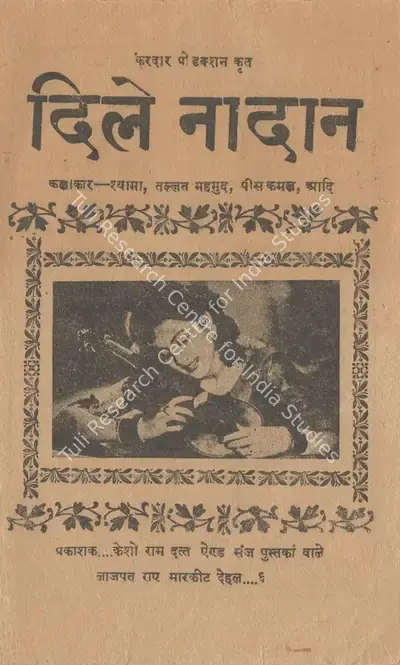
Dil E Nadaan, Playback Singer, 1953
Dil E Nadaan | Hindi | Playback Singer
1953 | Feature | Fiction | Black and White | India
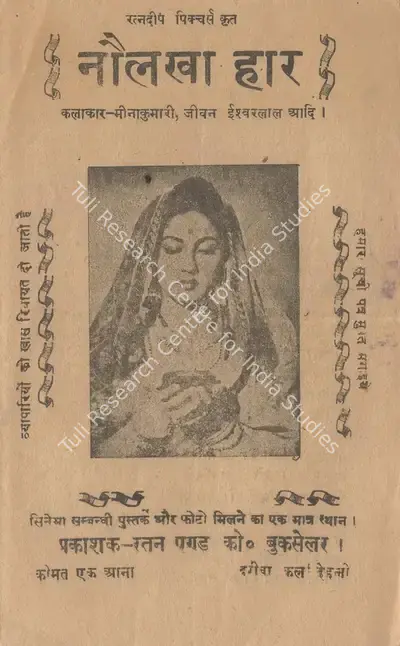
Naulakha Haar, Playback Singer, 1953
Naulakha Haar | Hindi | Playback Singer
1953 | Feature | Fiction | Black and White | India
Pahli Shadi, Playback Singer, 1953
Pahli Shadi | Hindi | Playback Singer
1953 | Feature | Fiction | Black and White | India
Parineeta, Playback Singer, 1953
Parineeta | Hindi | Playback Singer
1953 | Feature | Fiction | Black and White | India
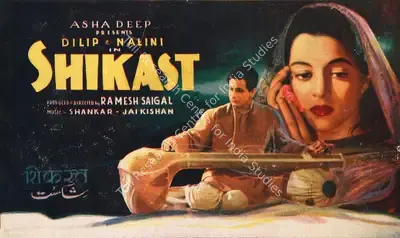
Shikast, Playback Singer, 1953
Shikast | Hindi | Playback Singer
1953 | Feature | Fiction | Black and White | India
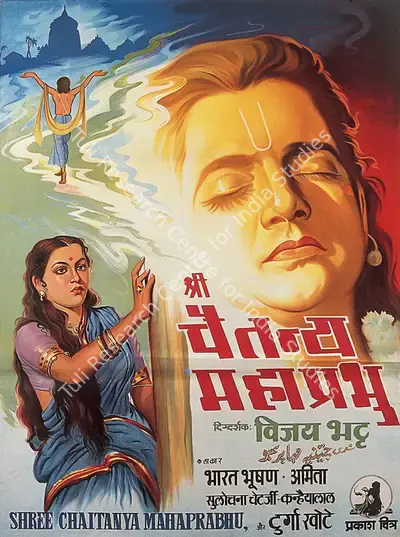
Shree Chaitanya Mahaprabhu, Playback Singer, 1953
Shree Chaitanya Mahaprabhu | Hindi | Playback Singer
1953 | Fiction | India
20 of 553

Research Centre
Qamar Jalalabadi (Producer), Chhoti Bhabhi, 1950, Song-Synopsis Booklet
Jalalabadi, Qamar (Producer), Chhoti Bhabhi, 1950 | Song-Synopsis Booklet
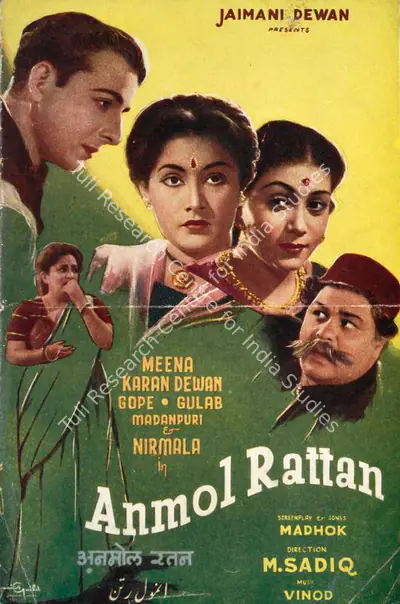
Jaimani Dewan (Producer), Anmol Rattan, 1950, Song-Synopsis Booklet
Dewan, Jaimani (Producer), Anmol Rattan, 1950 | Song-Synopsis Booklet
Jaimani Dewan (Producer), Anmol Rattan, 1950, Showcard
Dewan, Jaimani (Producer), Anmol Rattan, 1950 | Showcard
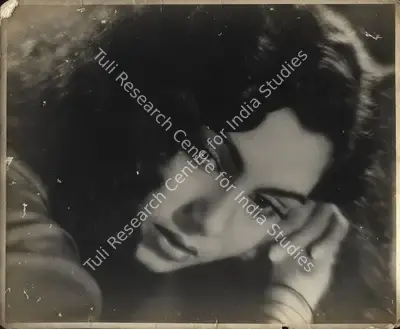
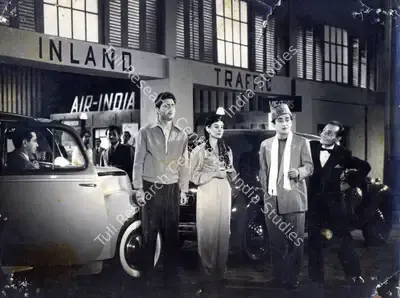
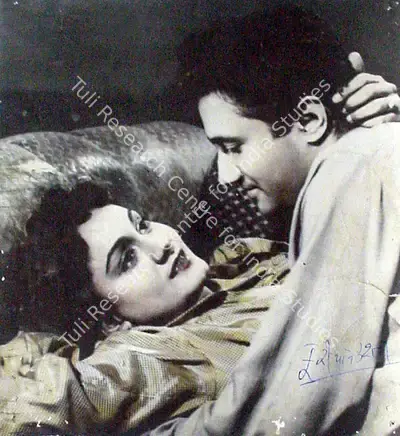
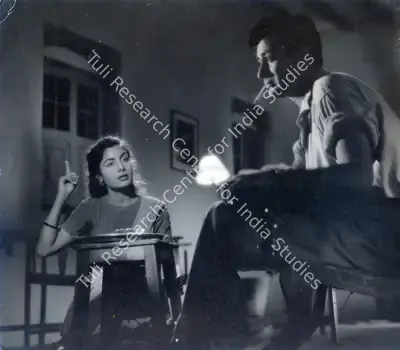
Jal Mistry (Cinematographer), Aandhiyan, 1952, Photographic Still
Mistry, Jal (Cinematographer), Aandhiyan, 1952 | Photographic Still
Jal Mistry (Cinematographer), Aandhiyan, 1952, Photographic Still
Mistry, Jal (Cinematographer), Aandhiyan, 1952 | Photographic Still
Jal Mistry (Cinematographer), Aandhiyan, 1952, Photographic Still
Mistry, Jal (Cinematographer), Aandhiyan, 1952 | Photographic Still
Jal Mistry (Cinematographer), Aandhiyan, 1952, Photographic Still
Mistry, Jal (Cinematographer), Aandhiyan, 1952 | Photographic Still
Jal Mistry (Cinematographer), Aandhiyan, 1952, Photographic Still
Mistry, Jal (Cinematographer), Aandhiyan, 1952 | Photographic Still
Jal Mistry (Cinematographer), Aandhiyan, 1952, Photographic Still
Mistry, Jal (Cinematographer), Aandhiyan, 1952 | Photographic Still
Jal Mistry (Cinematographer), Aandhiyan, 1952, Photographic Still
Mistry, Jal (Cinematographer), Aandhiyan, 1952 | Photographic Still
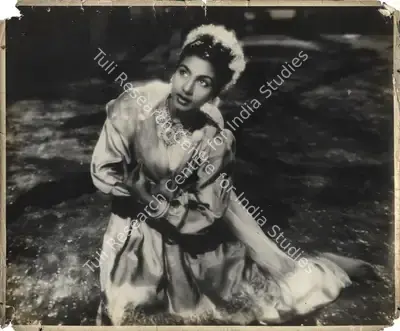
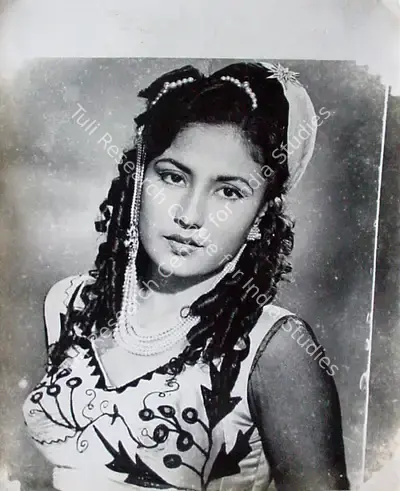
Roque M. Layton (Cinematographer), Tamasha, 1952, Photographic Still
Layton, Roque M. (Cinematographer), Tamasha, 1952 | Photographic Still
Roque M. Layton (Cinematographer), Tamasha, 1952, Photographic Still
Layton, Roque M. (Cinematographer), Tamasha, 1952 | Photographic Still
Roque M. Layton (Cinematographer), Tamasha, 1952, Photographic Still
Layton, Roque M. (Cinematographer), Tamasha, 1952 | Photographic Still
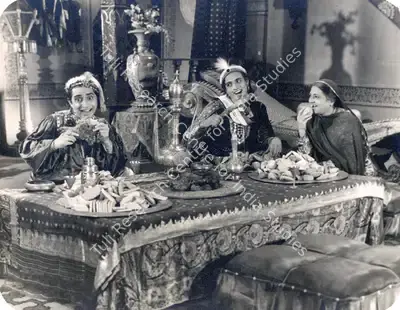
Anant Wadadeker (Cinematographer), Aladdin Aur Jaadui Chiraag, 1952, Photographic Still
Wadadeker, Anant (Cinematographer), Aladdin Aur Jaadui Chiraag, 1952 | Photographic Still
Anant Wadadeker (Cinematographer), Aladdin Aur Jaadui Chiraag, 1952, Photographic Still
Wadadeker, Anant (Cinematographer), Aladdin Aur Jaadui Chiraag, 1952 | Photographic Still
Anant Wadadeker (Cinematographer), Aladdin Aur Jaadui Chiraag, 1952, Photographic Still
Wadadeker, Anant (Cinematographer), Aladdin Aur Jaadui Chiraag, 1952 | Photographic Still
Jal Mistry (Cinematographer), Aandhiyan, 1952, Photographic Still
Mistry, Jal (Cinematographer), Aandhiyan, 1952 | Photographic Still
Jal Mistry (Cinematographer), Aandhiyan, 1952, Photographic Still
Mistry, Jal (Cinematographer), Aandhiyan, 1952 | Photographic Still
Jal Mistry (Cinematographer), Aandhiyan, 1952, Photographic Still
Mistry, Jal (Cinematographer), Aandhiyan, 1952 | Photographic Still
Jal Mistry (Cinematographer), Aandhiyan, 1952, Photographic Still
Mistry, Jal (Cinematographer), Aandhiyan, 1952 | Photographic Still
20 of 2,141
B.K. Karanjia (Editor), Filmfare, 1967, Magazine
Karanjia, B.K. (Editor). Filmfare, 08 December 1967 | Magazine | 00793369
B.K. Karanjia (Editor), Filmfare, 1967, Magazine
Karanjia, B.K. (Editor). Filmfare, 08 December 1967 | Magazine | 00793369
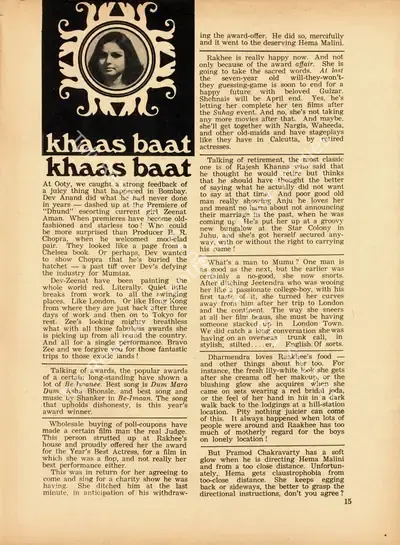
Khaas Baat, 1973, Column
Khaas Baat. In Sunday. 01 April 1973 | Column | 00802252
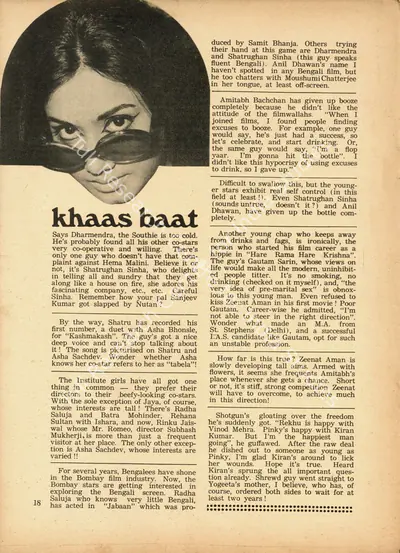
Khaas Baat, 1973, Column
Khaas Baat. In Sunday. 18 March 1973 | Column | 00802248
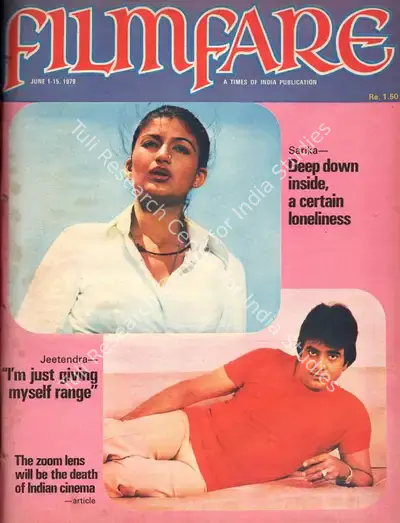
Bikram Singh (Assistant Editor), Filmfare, 1979, Magazine
Singh, Bikram (Assistant Editor). Filmfare, 01 June 1979 | Magazine | 00793654
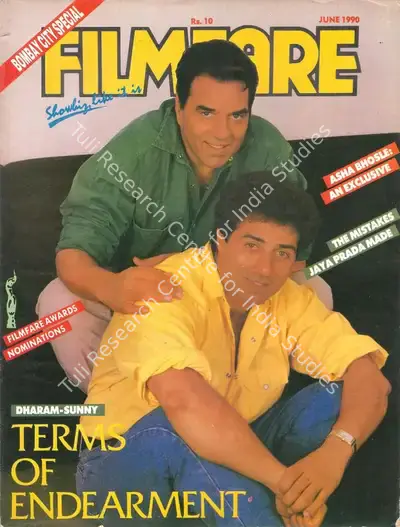
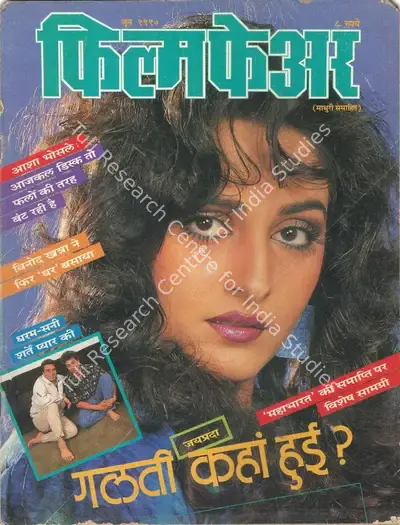
Rauf Ahmed (Editor), Filmfare, 1990, Magazine
Ahmed, Rauf (Editor). Filmfare, 01 June 1990 | Magazine | 00794019
Rauf Ahmed (Editor), Filmfare, 1990, Magazine
Ahmed, Rauf (Editor). Filmfare, 01 June 1990 | Magazine | 00794020
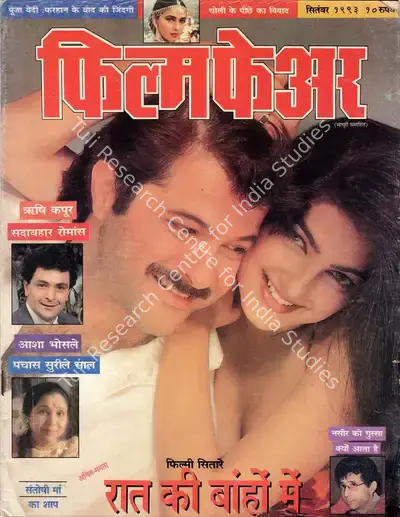
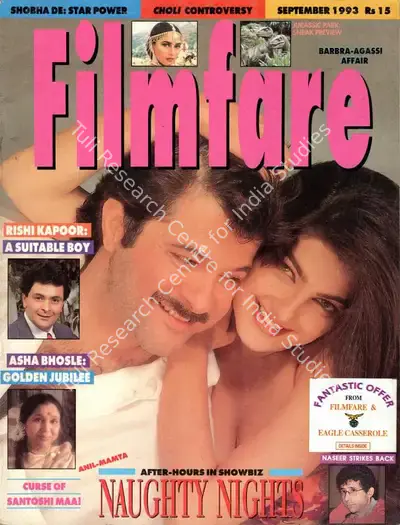
Khalid Mohamed (Consulting Editor), Filmfare, 1993, Magazine
Mohamed, Khalid (Consulting Editor). Filmfare, 01 September 1993 | Magazine | 00794124
Khalid Mohamed (Consulting Editor), Filmfare, 1993, Magazine
Mohamed, Khalid (Consulting Editor). Filmfare, 01 September 1993 | Magazine | 00794125
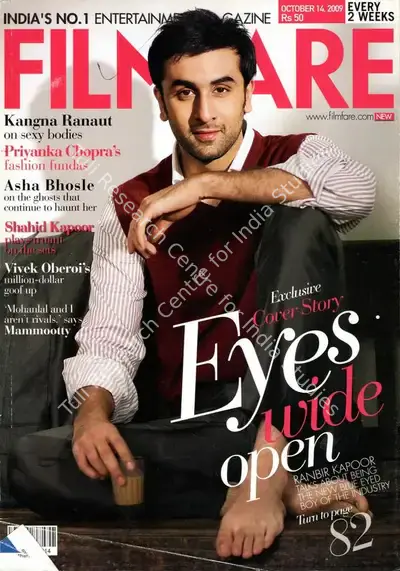
Jitesh Pillaai (Editor), Filmfare, 2009, Magazine
Pillaai, Jitesh (Editor). Filmfare, 14 October 2009 | Magazine | 00793891
Jitesh Pillaai (Editor), Filmfare, 2009, Magazine
Pillaai, Jitesh (Editor). Filmfare, 14 October 2009 | Magazine | 00793891
Qamar Jalalabadi (Producer), Chhoti Bhabhi, 1950, Song-Synopsis Booklet
Jalalabadi, Qamar (Producer), Chhoti Bhabhi, 1950 | Song-Synopsis Booklet
Jaimani Dewan (Producer), Anmol Rattan, 1950, Song-Synopsis Booklet
Dewan, Jaimani (Producer), Anmol Rattan, 1950 | Song-Synopsis Booklet
Jaimani Dewan (Producer), Anmol Rattan, 1950, Showcard
Dewan, Jaimani (Producer), Anmol Rattan, 1950 | Showcard
Jal Mistry (Cinematographer), Aandhiyan, 1952, Photographic Still
Mistry, Jal (Cinematographer), Aandhiyan, 1952 | Photographic Still
Jal Mistry (Cinematographer), Aandhiyan, 1952, Photographic Still
Mistry, Jal (Cinematographer), Aandhiyan, 1952 | Photographic Still
Jal Mistry (Cinematographer), Aandhiyan, 1952, Photographic Still
Mistry, Jal (Cinematographer), Aandhiyan, 1952 | Photographic Still
Jal Mistry (Cinematographer), Aandhiyan, 1952, Photographic Still
Mistry, Jal (Cinematographer), Aandhiyan, 1952 | Photographic Still
Jal Mistry (Cinematographer), Aandhiyan, 1952, Photographic Still
Mistry, Jal (Cinematographer), Aandhiyan, 1952 | Photographic Still
Jal Mistry (Cinematographer), Aandhiyan, 1952, Photographic Still
Mistry, Jal (Cinematographer), Aandhiyan, 1952 | Photographic Still
Jal Mistry (Cinematographer), Aandhiyan, 1952, Photographic Still
Mistry, Jal (Cinematographer), Aandhiyan, 1952 | Photographic Still
Roque M. Layton (Cinematographer), Tamasha, 1952, Photographic Still
Layton, Roque M. (Cinematographer), Tamasha, 1952 | Photographic Still
Roque M. Layton (Cinematographer), Tamasha, 1952, Photographic Still
Layton, Roque M. (Cinematographer), Tamasha, 1952 | Photographic Still
Roque M. Layton (Cinematographer), Tamasha, 1952, Photographic Still
Layton, Roque M. (Cinematographer), Tamasha, 1952 | Photographic Still
Anant Wadadeker (Cinematographer), Aladdin Aur Jaadui Chiraag, 1952, Photographic Still
Wadadeker, Anant (Cinematographer), Aladdin Aur Jaadui Chiraag, 1952 | Photographic Still
Anant Wadadeker (Cinematographer), Aladdin Aur Jaadui Chiraag, 1952, Photographic Still
Wadadeker, Anant (Cinematographer), Aladdin Aur Jaadui Chiraag, 1952 | Photographic Still
Anant Wadadeker (Cinematographer), Aladdin Aur Jaadui Chiraag, 1952, Photographic Still
Wadadeker, Anant (Cinematographer), Aladdin Aur Jaadui Chiraag, 1952 | Photographic Still
Jal Mistry (Cinematographer), Aandhiyan, 1952, Photographic Still
Mistry, Jal (Cinematographer), Aandhiyan, 1952 | Photographic Still
Jal Mistry (Cinematographer), Aandhiyan, 1952, Photographic Still
Mistry, Jal (Cinematographer), Aandhiyan, 1952 | Photographic Still
Jal Mistry (Cinematographer), Aandhiyan, 1952, Photographic Still
Mistry, Jal (Cinematographer), Aandhiyan, 1952 | Photographic Still
Jal Mistry (Cinematographer), Aandhiyan, 1952, Photographic Still
Mistry, Jal (Cinematographer), Aandhiyan, 1952 | Photographic Still
20 of 2,127
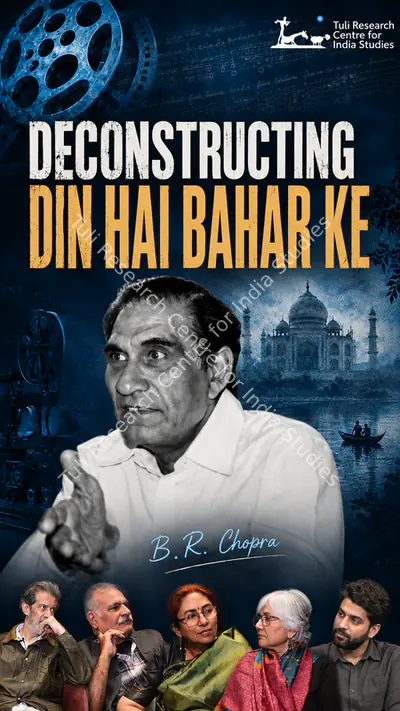
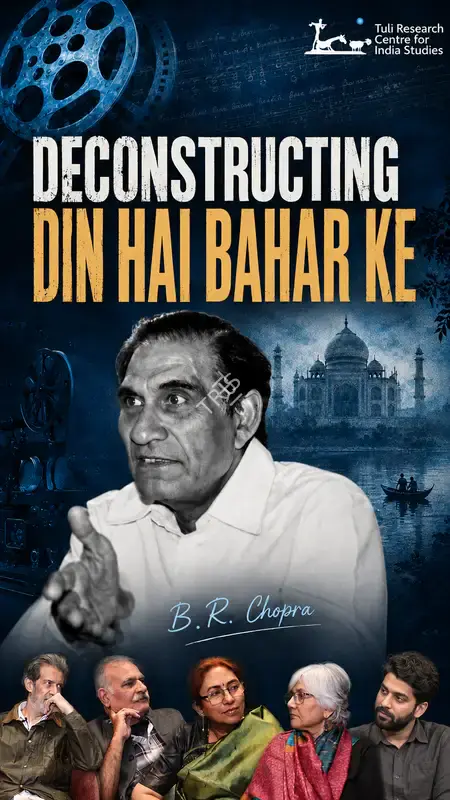
Tuli Research Centre for India Studies (Editor). "Din Hai Bahar Ke" - The Coming Together of Folk and Modern Sensibilities, 31 August 2026 | In-house Video, 2026 · 1 min 01 sec · Vertical Video
▶
Tuli Research Centre for India Studies (Editor). "Din Hai Bahar Ke" - The Coming Together of Folk and Modern Sensibilities, 31 August 2026 | In-house Video
2026 · 1 min 01 sec · Vertical Video
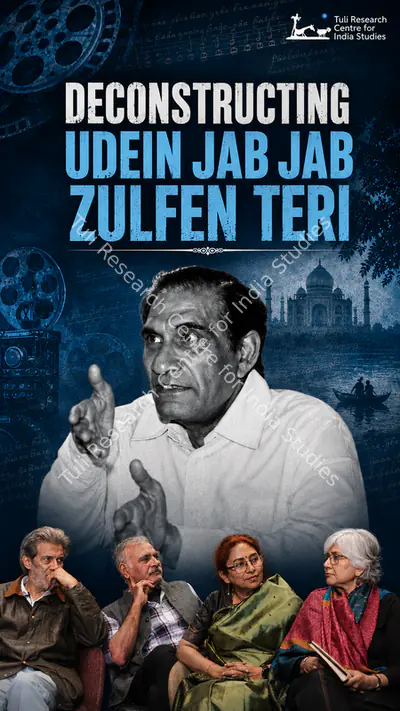
Tuli Research Centre for India Studies (Editor). "Udein Jab Jab Zulfein Teri" - Romance, Folklore, and the Looming Motor Car, 31 August 2026 | In-house Video, 2026 · 1 min 26 sec · Vertical Video
▶
Tuli Research Centre for India Studies (Editor). "Udein Jab Jab Zulfein Teri" - Romance, Folklore, and the Looming Motor Car, 31 August 2026 | In-house Video
2026 · 1 min 26 sec · Vertical Video
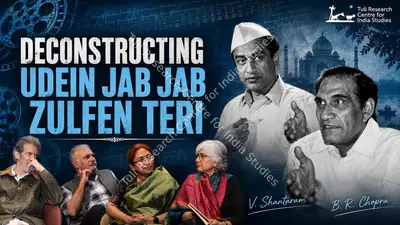
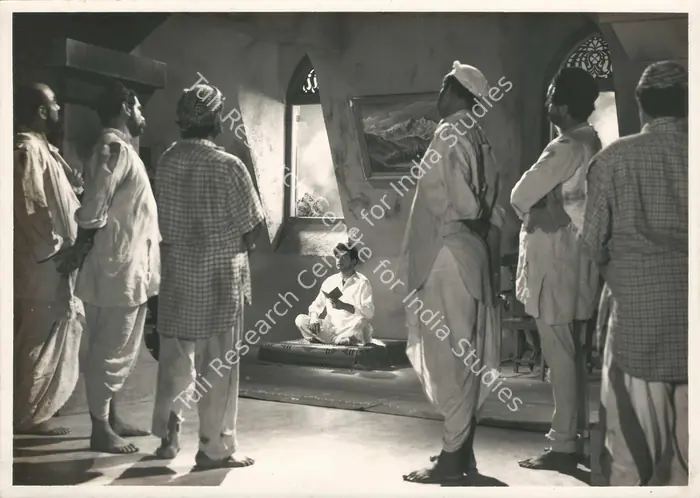
Tuli Research Centre for India Studies (Editor). "Udein Jab Jab Zulfen Teri" - Romance and Resistance in BR Chopra's Naya Daur (1957), 31 August 2026 | In-house Video, 2026 · 16 min 27 sec · Long-form Video
▶
Tuli Research Centre for India Studies (Editor). "Udein Jab Jab Zulfen Teri" - Romance and Resistance in BR Chopra's Naya Daur (1957), 31 August 2026 | In-house Video
2026 · 16 min 27 sec · Long-form Video

Calendar 1

View All →
  1. A Musical Glue for Nation-Building
    ArchivedDeconstructing the Hindi Film SongProject 63
    A Musical Glue for Nation-Building
    Four Classic Songs from the cinema of V. Shantaram and B.R. Chopra and the genius of Vasant Desai, O.P. Nayyar, Ravi, Bharat Vyas, Sahir Ludhianvi, Hasan Kamal, Asha Bhosle, Salma Agha & Mohammed RafinnAye Maalik Tere Bande Ham | Do Aankhen Baara Haath-1957 nUdein Jab Jab Zulfen Teri | Naya Daur-1957 nDin Hai Bahar Ke | Waqt-1965 nDil Ke Armaan Aansuon Mein Bah Gaye | Nikaah-1982
    19th February 2026
    11:30am
    M.L. Bhartia Auditorium, Alliance Francaise de Delhi, 72 K.K. Birla Lane, Lodi Estate, New Delhi, 110007
    Madan Gopal Singh, Ravikant, Shikha Jhingan, Antara Mondal & Neville Tuli
    A key section of the India Studies framework at The Tuli Research Centre for India Studies (T.R.I.S.) is “Deconstructing the Hindi Film Song”. It will begin with a series of four workshops that brings together leading scholars & academics, film practitioners & students, along with fans of the Hindi film song. The objective of these workshops is to deconstruct iconic Hindi film songs to examine their formation across music, lyrics, playback, choreography, directorial visualisation, as they fuse into sites where aesthetics, ideology, and performance intersect. The Hindi Film Song functions as a narrative device, conveying myriad textures of emotion through melody, voice and poetry. As cultural texts that encode memory, desire, and ideology, songs are integral to the circulation and resonance of films in the public realm. Over time they have become autonomous bundles of creative energy - the glue that binds us over time, articulating and perhaps even defining the idea of Indianness. The first Workshops are an attempt to understand the nature and power of this glue, while contemplating the ways to situate it within TRIS' academic framework for Contemporary India Studies.
    Read More →
    1_CinemaEducation·12_Scholarship
    +9 more

Related

43

Films

22

Ab Dilli Dur Nahin (1957)Playback Singer
Anupama 1966Comparable Artworks
Aradhana (1969)Playback Singer
Bombai Ka Babu (1960)Playback Singer
Bombay To Goa (1972)Playback Singer
Boot Polish (1954)Playback Singer
C I D (1956)Playback Singer
Chalti Ka Nam Gadi (1958)Playback Singer
Chandni 1989Comparable Artworks
Don (1978)Playback Singer
Ek Ke Baad Ek (1960)Playback Singer
House No 44 (1955)Playback Singer
Hum Dono (1961)Playback Singer
Jawab 1970Playback Singer
Kashmir Ki Kali (1964)Playback Singer
Leader (1964)Playback Singer
Main Nashe Men Hoon (1959)Playback Singer
Nau Do Gyarah (1957)Playback Singer
Paying Guest (1957)Playback Singer
Priyatama 1977Lyricist
Ram Aur Shyam (1967)Playback Singer
Satluj De Kande 1964Playback Singer

Personalities

21

A.R. KardarComparable Artworks
Amitabh BachchanComparable Artworks
Anil KapoorComparable Artworks
Ashok MehtaComparable Artworks
B.R. ChopraComparable Artworks
Bimal RoyComparable Artworks
Binod PradhanComparable Artworks
Chetan AnandComparable Artworks
Dev AnandComparable Artworks
Dharam ChopraComparable Artworks
DharmendraComparable Artworks
Dilip GuptaComparable Artworks
Dilip KumarComparable Artworks
Dwarka DivechaComparable Artworks
Fali MistryComparable Artworks
Faredoon A. IraniComparable Artworks
G.P. SippyComparable Artworks
Madhuri DixitComparable Artworks
Naseeruddin ShahComparable Artworks
Rajesh KhannaComparable Artworks
Sunny DeolComparable Artworks
Tuli Research Centre for India Studies
Tuli Research Centre
for India Studies

A free and open knowledge base for the modern and contemporary Indian arts, cinema, photography and cultural heritage.

Support

Contact Us

Discover

Tuli Research Centre for India StudiesVisionManifestoArchive & LibraryVanraja Sanctuary & Hospice
Legal

Privacy PolicyTerms & Conditions

Follow us

Youtube

Youtube

Instagram

Instagram

Facebook

Facebook

© Tuli Research Centre for India Studies 2026
Tuli Research Centre for India Studies
Tuli Research Centre
for India Studies

A free and open knowledge base for the modern and contemporary Indian arts, cinema, photography and cultural heritage.

Tuli Research Centre for India StudiesVisionManifestoArchive & LibraryVanraja Sanctuary & Hospice
Contact Us
Privacy PolicyTerms & Conditions

Follow us

YoutubeInstagramFacebook

© Tuli Research Centre for India Studies 2026
                          Tuli Research Centre for India Studies (Editor). "Din Hai Bahar Ke" - The Coming Together of Folk and Modern Sensibilities, 31 August 2026 | In-house Video | CinemaEducation | 00891676
                          1 min 01 sec · Vertical Video

                          "Din Hai Bahar Ke" - The Coming Together of Folk and Modern Sensibilities

                          Tuli Research Centre for India Studies (Editor)
                          Document TypeIn-house Video
                          Date31 August 2026
                          Duration1 min 01 sec
                          FormatVertical Video
                          Description
                          Among the most charming romantic duets of the 1960s, "Din Hai Bahar Ke" from Waqt (1965) offers a vibrant portrait of youthful love, modern aspirations, and changing social sensibilities. Bringing together Shikha Jhingan, Ravikant, Antara Mondal, and Neville Tuli, this session of 'A Musical Glue for Nation-Building: Deconstructing the Film Song' explored the many layers of this playful romantic duet. Produced by B.R. Chopra and directed by Yash Chopra, the song was composed by Ravi, written by Sahir Ludhianvi, and sung by Asha Bhosle and Mahendra Kapoor. The song is picturised on Shashi Kapoor and Sharmila Tagore aboard a boat, creating a vibrant portrait of youthful romance. The discussion reflected on the song's fusion of folk influences with emerging modern musical styles, as well as the ways in which costume, choreography, setting, and performance convey the urban sensibilities of the period. As part of our ongoing exploration of Cinema as a Critical Educational Resource, these excerpts invite us to engage with the Film Song as a valuable lens through which to understand changing ideas of modernity, identity, and popular culture in India.

                          Related Links22

                          Masterlist21
                          B R ChopraSahir LudhianviDigital in House VideosYash ChopraAsha BhosleMahendra KapoorShashi KapoorSharmila TagoreDeconstructing the Film Song 2026Neville TuliSunil DuttRaaj KumarSadhanaLeela ChitnisAchala SachdevBalraj SahniShashikalaDharam ChopraBombay RaviManna DeyMohammad Rafi
                          Research Categories
                          01Cinema as a Critical Educational Resource