From the archive


Introduction
Gopaldas Parmanand Sipahimalani (14 September 1914 – 25 December 2007) better known as G. P. Sippy, he was a prominent Indian film producer and director whose career left an indelible imprint on Hindi cinema. Born into the affluent Sindhi Hindu Sipahimalani trading family in Sindh, British India (now
Pakistan), Sippy inherited a legacy of enterprise and adaptability. The family's frequent interactions with British and European clients led to the informal shortening of their surname to “Sippy,” a name that eventually became part of their public identity.
Until the Partition of 1947, the family lived in Karachi, where their prosperity made them a conspicuous target amid rising communal tensions. Like many Sindhi Hindus, they were compelled to abandon their home, land, and property as the region became part of the newly formed Pakistan. Sippy, a qualified lawyer, resettled in Bombay (now Mumbai) with his wife Mohini and their two sons. Although the family suffered significant losses, they retained valuable property in Mumbai and received partial compensation for assets left behind. Leveraging these resources, Sippy established himself as a builder, developing several buildings in upscale areas such as Colaba and Churchgate.
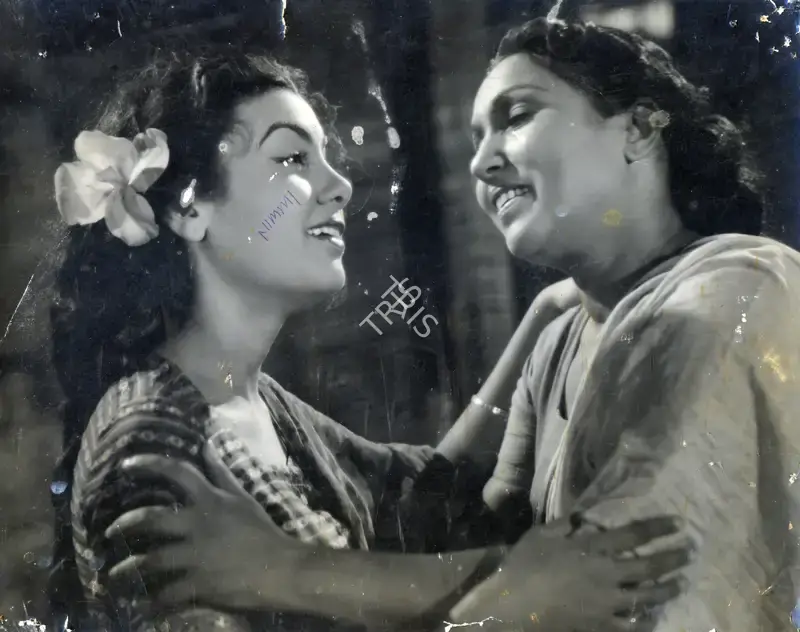
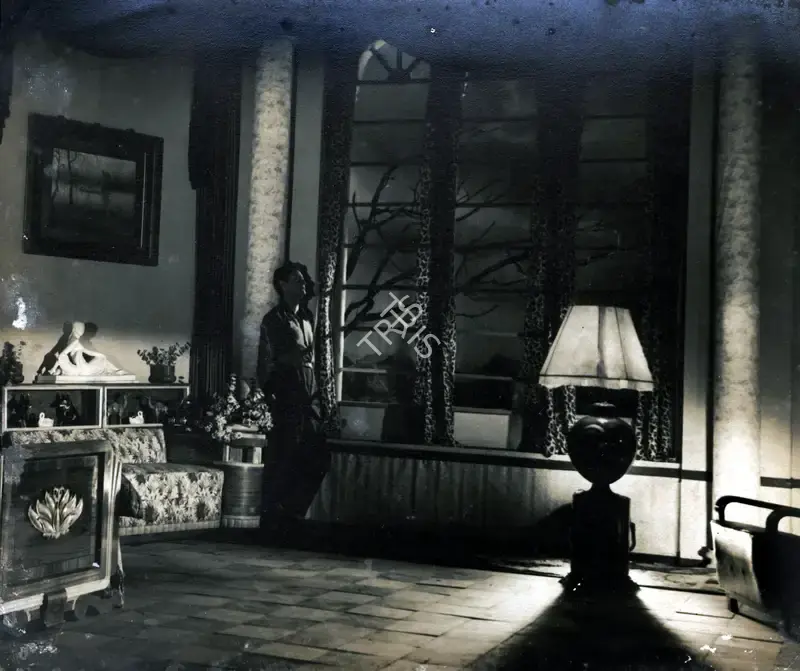
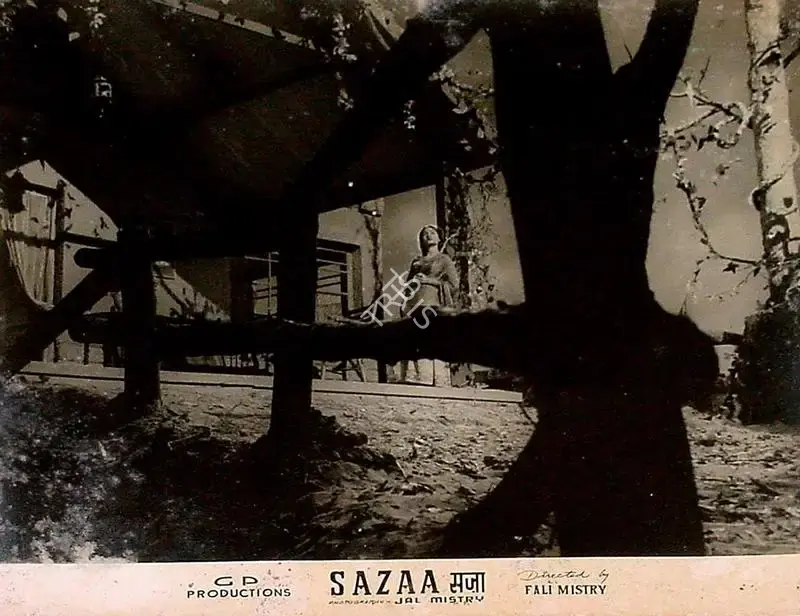
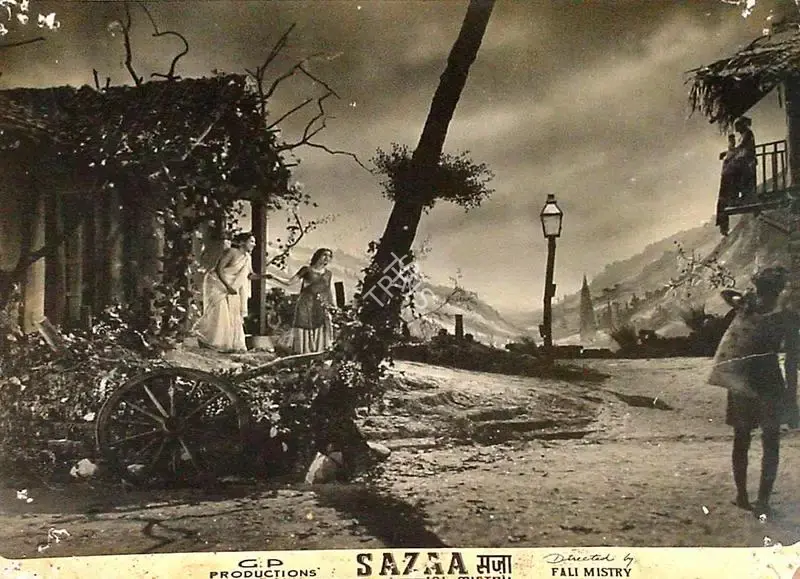
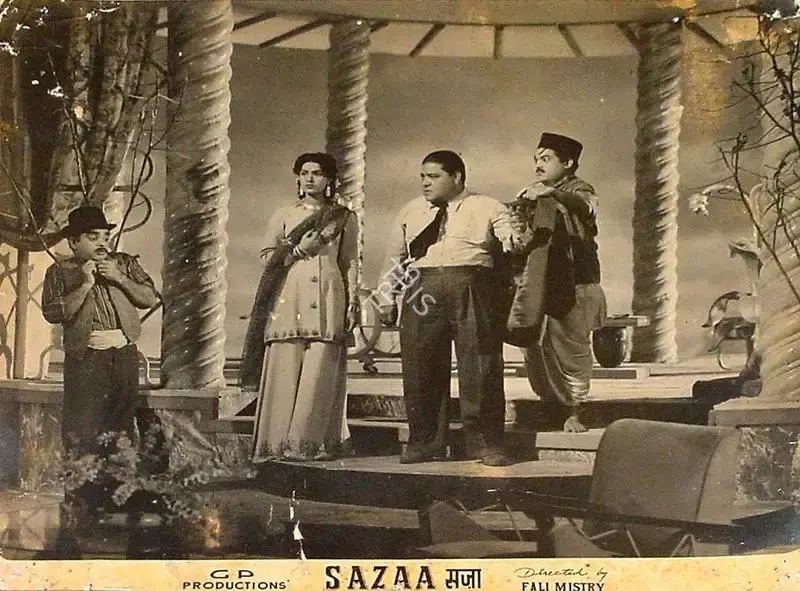
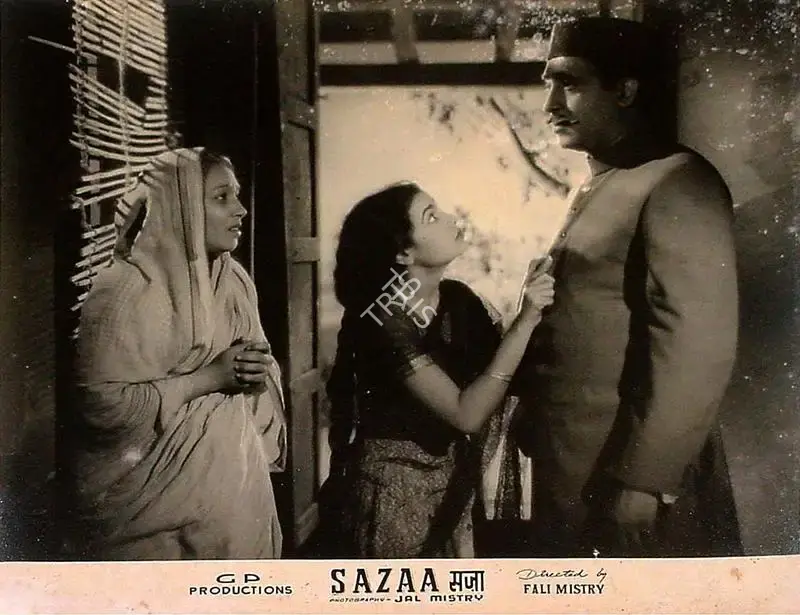
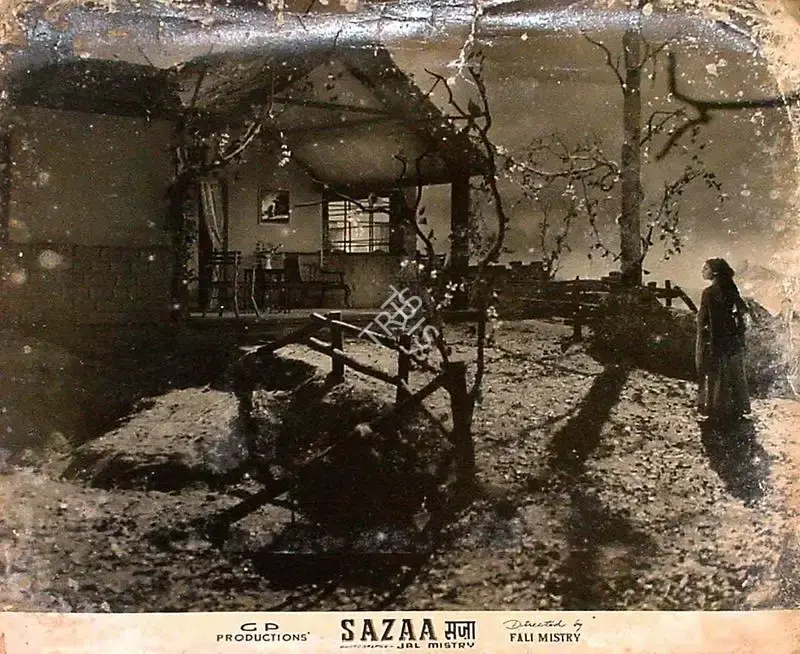
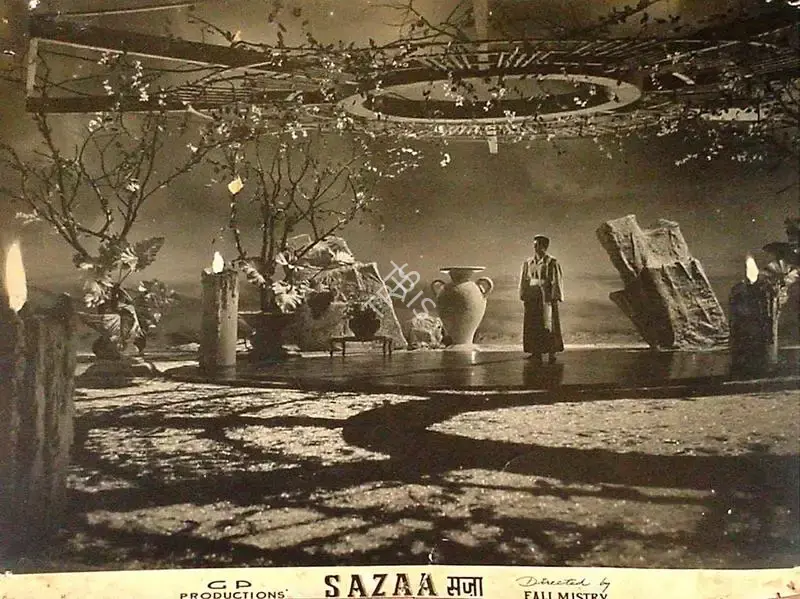
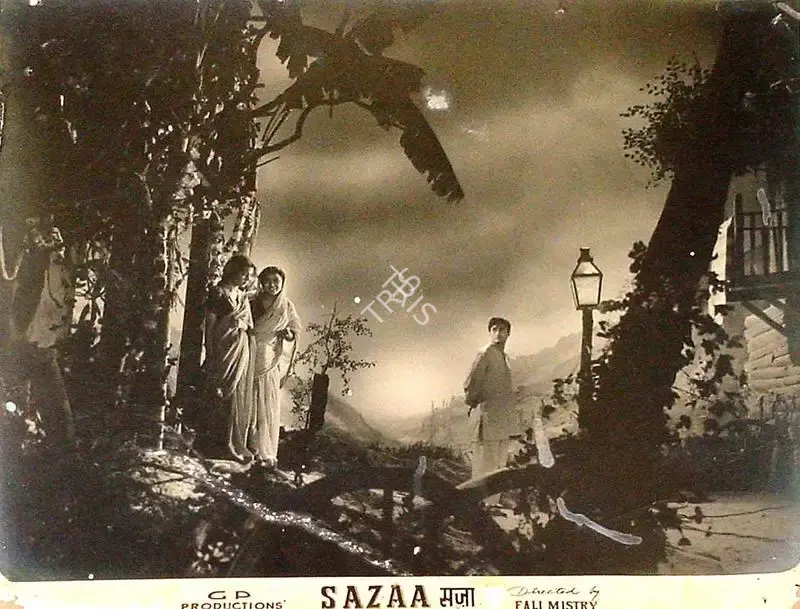
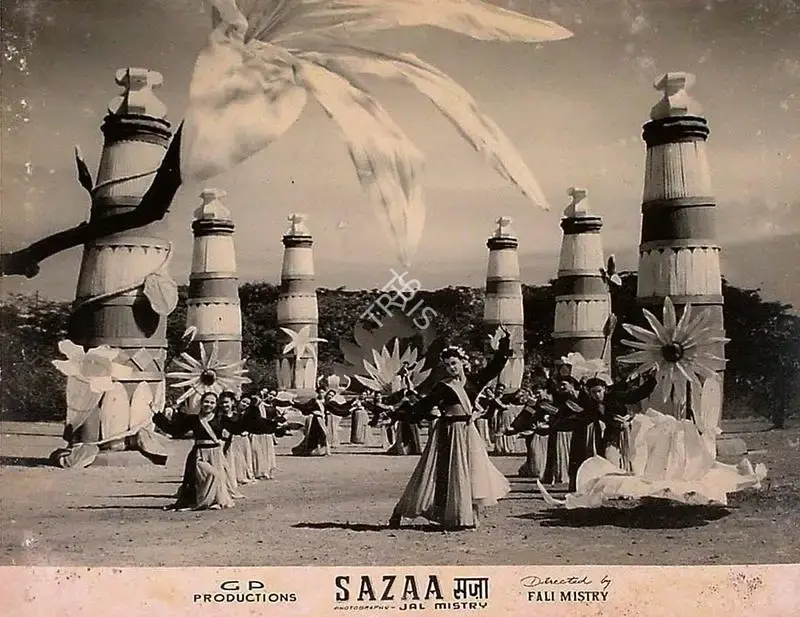
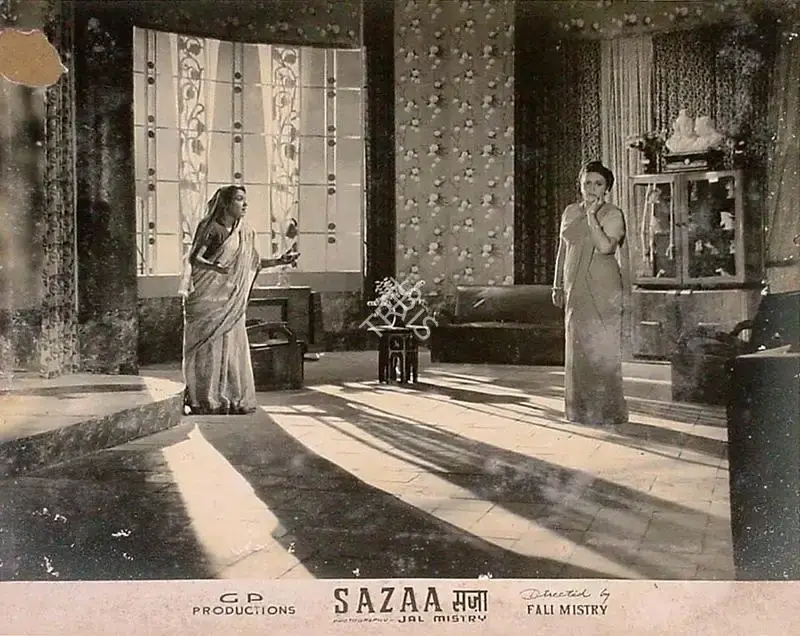
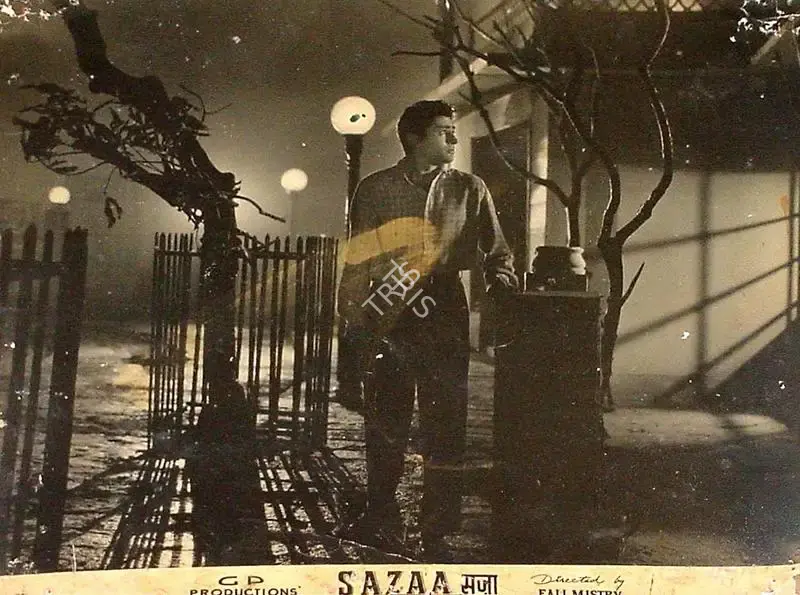
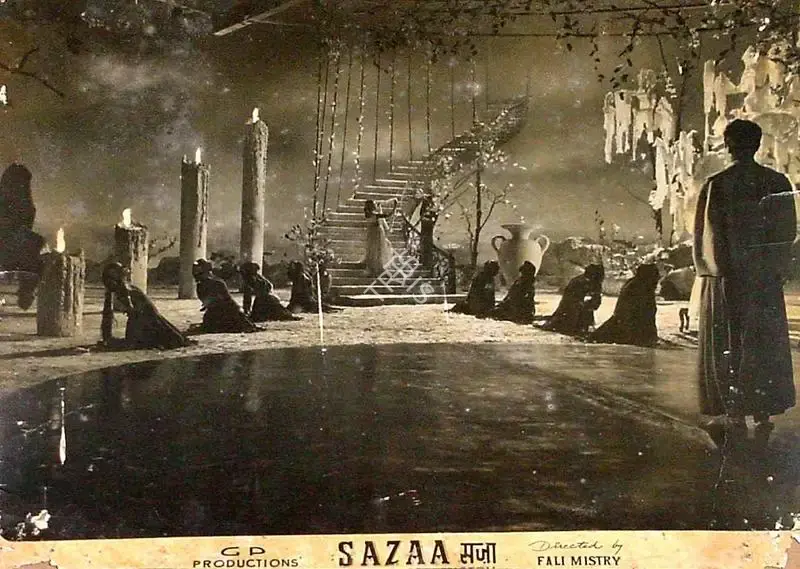
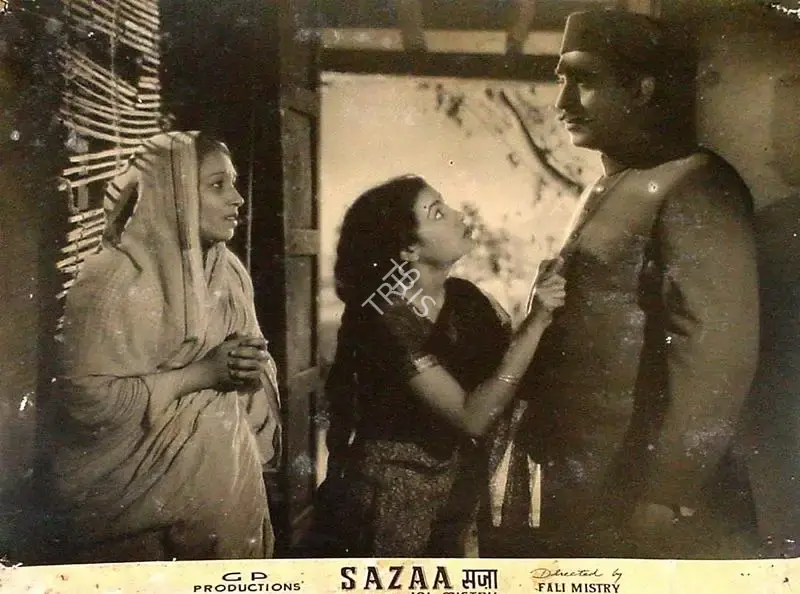
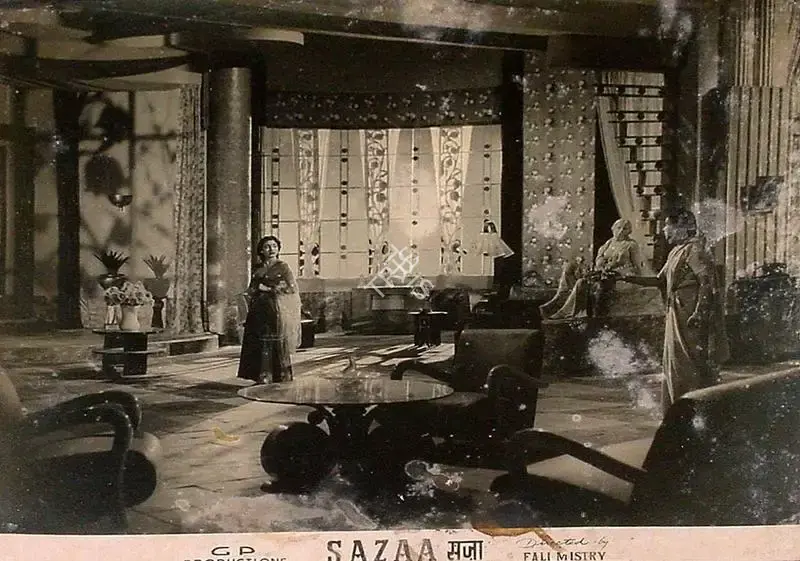
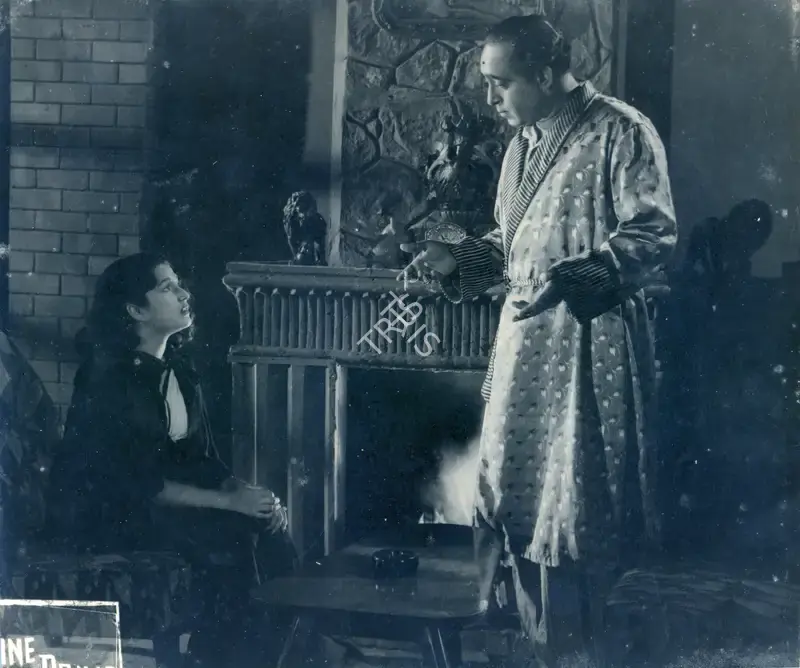
Sippy's entry into cinema came almost serendipitously. While constructing the Govind Mahal building on Marine Lines, he sold the development rights to a Muslim builder and used the proceeds to finance his first film, Sazaa (1951). Directed by his friend Fali Mistry and starring Dev Anand and Nimmi, the film
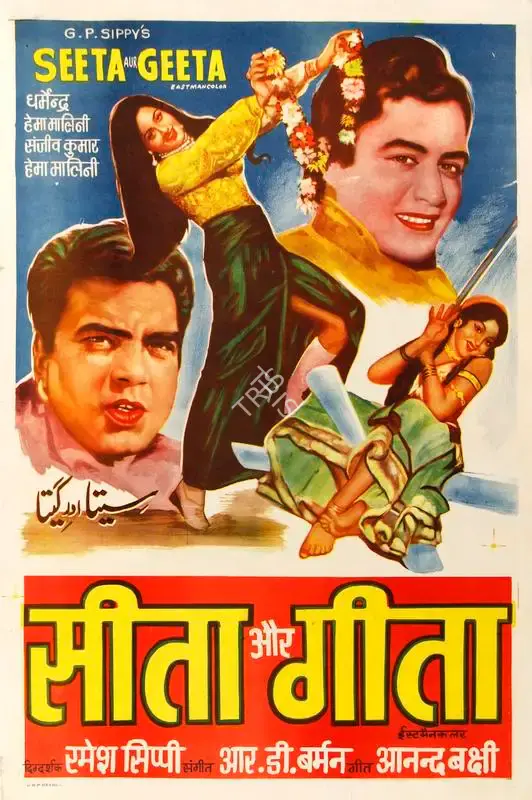
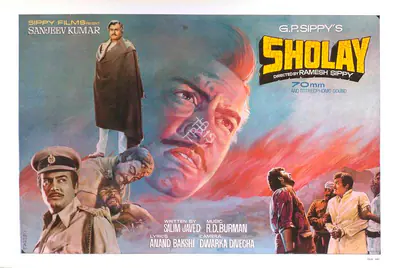
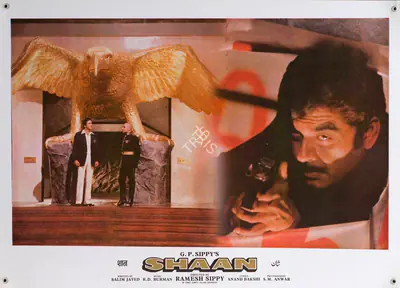
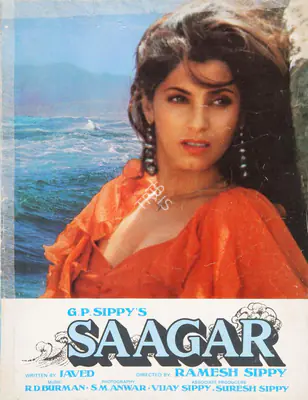
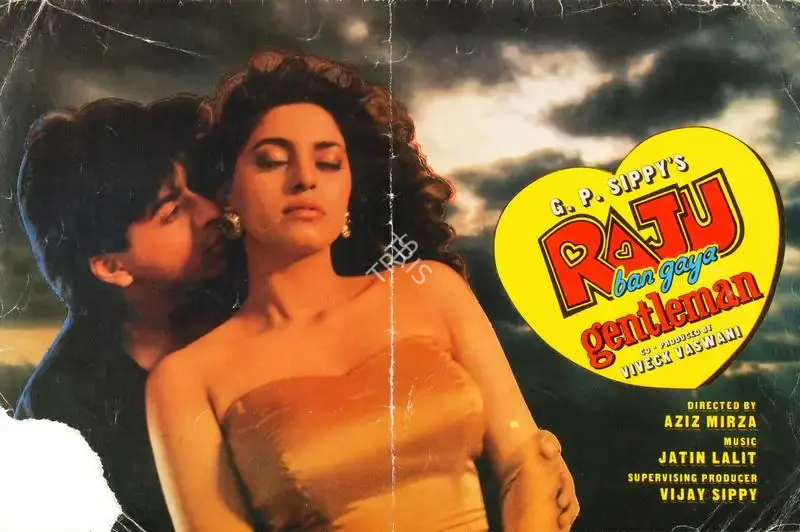
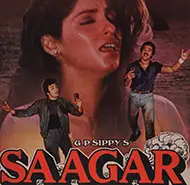
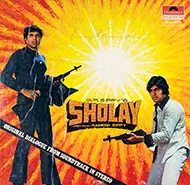
achieved moderate success but firmly drew Sippy into the world of filmmaking. He went on to establish Sippy Films, producing a series of commercially successful and culturally significant films. Among his most notable productions were Seeta Aur Geeta (1972), Shaan (1980), Saagar (1985), and Raju Ban Gaya Gentleman (1992). His most outstanding achievement remains Sholay (1975), produced in collaboration
with his son Ramesh Sippy, now regarded as one of Indian cinema's greatest films.
Sippy also played a significant role in industry leadership, serving multiple terms as President of the Film Federation of India (1972–73, 1985–86, and 1988–92) and chairing the Film and TV Producers Guild of India. He was honoured with Filmfare Awards in 1968 and 1982.
Married to Mohini Devi in an arranged union, Sippy had four sons—Ajit, Ramesh, Vijay, and Suresh—and a daughter, Soni Uttamsingh. Despite professional triumphs, his later years were marked by personal tragedy,
including the deaths of Vijay in 1998 and Soni shortly thereafter.
G. P. Sippy died in Mumbai in 2007 at the age of 93, leaving behind a legacy foundational to modern Hindi cinema.
Pakistan), Sippy inherited a legacy of enterprise and adaptability. The family's frequent interactions with British and European clients led to the informal shortening of their surname to “Sippy,” a name that eventually became part of their public identity.
Until the Partition of 1947, the family lived in Karachi, where their prosperity made them a conspicuous target amid rising communal tensions. Like many Sindhi Hindus, they were compelled to abandon their home, land, and property as the region became part of the newly formed Pakistan. Sippy, a qualified lawyer, resettled in Bombay (now Mumbai) with his wife Mohini and their two sons. Although the family suffered significant losses, they retained valuable property in Mumbai and received partial compensation for assets left behind. Leveraging these resources, Sippy established himself as a builder, developing several buildings in upscale areas such as Colaba and Churchgate.
Sippy's entry into cinema came almost serendipitously. While constructing the Govind Mahal building on Marine Lines, he sold the development rights to a Muslim builder and used the proceeds to finance his first film, Sazaa (1951). Directed by his friend Fali Mistry and starring Dev Anand and Nimmi, the film
achieved moderate success but firmly drew Sippy into the world of filmmaking. He went on to establish Sippy Films, producing a series of commercially successful and culturally significant films. Among his most notable productions were Seeta Aur Geeta (1972), Shaan (1980), Saagar (1985), and Raju Ban Gaya Gentleman (1992). His most outstanding achievement remains Sholay (1975), produced in collaboration
with his son Ramesh Sippy, now regarded as one of Indian cinema's greatest films.
Sippy also played a significant role in industry leadership, serving multiple terms as President of the Film Federation of India (1972–73, 1985–86, and 1988–92) and chairing the Film and TV Producers Guild of India. He was honoured with Filmfare Awards in 1968 and 1982.
Married to Mohini Devi in an arranged union, Sippy had four sons—Ajit, Ramesh, Vijay, and Suresh—and a daughter, Soni Uttamsingh. Despite professional triumphs, his later years were marked by personal tragedy,
including the deaths of Vijay in 1998 and Soni shortly thereafter.
G. P. Sippy died in Mumbai in 2007 at the age of 93, leaving behind a legacy foundational to modern Hindi cinema.
गोपालदास परमानंद सिपाहीमलानी (14 सितंबर, 1914 - 25 दिसंबर, 2007) जिन्हें दुनिया जी. पी. सिप्पी के नाम से जानती है, भारतीय सिनेमा उद्योग के एक प्रमुख फ़िल्म निर्माता और निर्देशक थे। जी. पी. सिप्पी के काम ने हिन्दी फ़िल्म उद्योग पर अपनी अमिट छाप छोड़ी है। ब्रिटिशकालीन भारत के सिंध प्रांत में एक व्यापारी, सम्पन्न सिंधी परिवार में पैदा हुए जी. पी. सिप्पी ने उद्यमिता और अपने को परिस्थितियों के अनुकूल ढालने का अभ्यास विरासत में पाया। उनका व्यापारी परिवार ब्रिटिश और यूरोपीय ग्राहकों के साथ लगातार लेनदेन किया करता था। इसी के चलते उनके उपनाम “सिपाहीमलानी” को सरल और छोटा करने की ज़रूरत महसूस हुई क्योंकि विदेशी इसे ठीक से बोल नहीं पा रहे थे। यहीं से उन्हें “सिप्पी” कहा जाने लगा जो बाद में उनके परिवार की सार्वजनिक पहचान का हिस्सा बन गया।
सन् 1947 में हुए मुल्क के विभाजन तक यह परिवार कराची में रहता था। सम्पन्न कुटुंब अक्सर बढ़ते सांप्रदायिक तनाव के बीच निशाना बनाया जाता। सिंध प्रांत में रहनेवाले अनेक हिंदू परिवारों की तरह उन्हें भी पाकिस्तान बनने पर अपना घर, ज़मीन और संपत्ति छोड़कर हिन्दुस्तान आने के लिए मजबूर होना पड़ा। सिप्पी खुद कानून की शिक्षा हासिल कर चुके थे। बंटवारे के बाद वे अपनी पत्नी मोहिनी और दोनों बेटों के साथ बंबई (अब मुंबई) आकर रहने लगे। हालाँकि परिवार को इस सबमें भारी नुकसान झेलना पड़ा, फिर भी उनके पास मुंबई में कुछ संपत्तियाँ थीं और सिंध में छूटी जायदाद के बदले उन्हें कुछ आंशिक मुआवज़ा मिला। इन्हीं सब संसाधनों का इस्तेमाल करते हुए सिप्पी ने मुंबई में एक बिल्डर के रूप में खुद को स्थापित किया और कोलाबा तथा चर्चगेट जैसे शहर के धनाड्य इलाकों में कई इमारतों का निर्माण किया।
जी. पी. सिप्पी का सिनेमा की दुनिया में आगमन लगभग संयोगवश हुआ। वे मरीन लाइंस पर 'गोविंद महल' नामक इमारत बना रहे थे। पर उस समय उन्होंने इमारत के निर्माण के अधिकार एक मुस्लिम बिल्डर को बेच दिए और उससे हासिल हुए रुपयों से अपनी पहली फ़िल्म सज़ा (1951) का निर्माण शुरु किया। उनके ही दोस्त फ़ली मिस्त्री के निर्देशन में बनी इस फ़िल्म में देव आनंद और निम्मी मुख्य भूमिकाएँ निभा रहे थे। यह फ़िल्म व्यावसायिक रूप से ठीक-ठाक कामयाब रही और यहीं से जी. पी. सिप्पी पूरी मज़बूती से फ़िल्में बनाने की इस मायावी दुनिया का हिस्सा बन गए। इसके बाद में उन्होंने “सिप्पी फ़िल्म्स” नामक निर्माण कंपनी की स्थापना की और इसके बैनर तले अनेक कामयाब व उस दौर की सामुदायिक स्मृति पर गहरा प्रभाव डालनेवाली फ़िल्मों का निर्माण किया।
जी. पी. सिप्पी ने निर्माता के रूप में जिन प्रमुख फ़िल्मों का निर्माण किया उनमें सीता और गीता (1972), शान (1980), सागर (1985) और राजू बन गया जेंटलमैन (1992) जैसी फ़िल्में शामिल हैं। लेकिन भारतीय सिनेमा इतिहास में उनकी सबसे महान उपलब्धि शोले (1975) को माना जा सकता है, जिसे उन्होंने अपने बेटे रमेश सिप्पी के साथ मिलकर बनाया। यह किवदंती बन चुकी सिनेमाई शाहकार फ़िल्म शोले आज तक भारतीय सिनेमा की सबसे महान फ़िल्मों की सूची में सबसे ऊपर गिनी जाती है।
जी. पी. सिप्पी ने इसके साथ फ़िल्मी उद्योगजगत में एक नेतृत्व देनेवाले संगठनकर्ता की भी भूमिका निभाई। उन्होंने 'फ़िल्म फ़ेडरेशन ऑफ़ इंडिया' के अध्यक्ष के रूप में चुने जाने पर 1972-73, 1985-86 और 1988-92 का कार्यकाल पूरा किया और 'फ़िल्म एंड टीवी प्रोड्यूसर्स गिल्ड ऑफ़ इंडिया' के भी वे अध्यक्ष रहे। उन्हें सन् 1968 और 1982 में फ़िल्मफ़ेयर पुरस्कार से भी सम्मानित किया गया।
मोहिनी देवी के साथ उनका विवाह हुआ। इस दंपति की पांच संतानें हुईं। बेटे अजीत, रमेश, विजय और सुरेश तथा एक बेटी सोनी उत्तम सिंह। अपने कामयाब फ़िल्म करियर से इतर उनके जीवन के अंतिम वर्ष व्यक्तिगत त्रासदियों से घिरे रहे जिनमें सन् 1998 में बेटे विजय की मृत्यु और उसके कुछ ही बाद बेटी सोनी का निधन शामिल है।
जी. पी. सिप्पी का 93 वर्ष की आयु में मुंबई में सन् 2007 में निधन हुआ। उन्हें सदा लोकप्रिय हिन्दी सिनेमा की इमारत को मज़बूत करने वाले सबसे अग्रणी फ़िल्म निर्माताओं में से एक के रूप में याद रखा जायेगा।
सन् 1947 में हुए मुल्क के विभाजन तक यह परिवार कराची में रहता था। सम्पन्न कुटुंब अक्सर बढ़ते सांप्रदायिक तनाव के बीच निशाना बनाया जाता। सिंध प्रांत में रहनेवाले अनेक हिंदू परिवारों की तरह उन्हें भी पाकिस्तान बनने पर अपना घर, ज़मीन और संपत्ति छोड़कर हिन्दुस्तान आने के लिए मजबूर होना पड़ा। सिप्पी खुद कानून की शिक्षा हासिल कर चुके थे। बंटवारे के बाद वे अपनी पत्नी मोहिनी और दोनों बेटों के साथ बंबई (अब मुंबई) आकर रहने लगे। हालाँकि परिवार को इस सबमें भारी नुकसान झेलना पड़ा, फिर भी उनके पास मुंबई में कुछ संपत्तियाँ थीं और सिंध में छूटी जायदाद के बदले उन्हें कुछ आंशिक मुआवज़ा मिला। इन्हीं सब संसाधनों का इस्तेमाल करते हुए सिप्पी ने मुंबई में एक बिल्डर के रूप में खुद को स्थापित किया और कोलाबा तथा चर्चगेट जैसे शहर के धनाड्य इलाकों में कई इमारतों का निर्माण किया।
जी. पी. सिप्पी का सिनेमा की दुनिया में आगमन लगभग संयोगवश हुआ। वे मरीन लाइंस पर 'गोविंद महल' नामक इमारत बना रहे थे। पर उस समय उन्होंने इमारत के निर्माण के अधिकार एक मुस्लिम बिल्डर को बेच दिए और उससे हासिल हुए रुपयों से अपनी पहली फ़िल्म सज़ा (1951) का निर्माण शुरु किया। उनके ही दोस्त फ़ली मिस्त्री के निर्देशन में बनी इस फ़िल्म में देव आनंद और निम्मी मुख्य भूमिकाएँ निभा रहे थे। यह फ़िल्म व्यावसायिक रूप से ठीक-ठाक कामयाब रही और यहीं से जी. पी. सिप्पी पूरी मज़बूती से फ़िल्में बनाने की इस मायावी दुनिया का हिस्सा बन गए। इसके बाद में उन्होंने “सिप्पी फ़िल्म्स” नामक निर्माण कंपनी की स्थापना की और इसके बैनर तले अनेक कामयाब व उस दौर की सामुदायिक स्मृति पर गहरा प्रभाव डालनेवाली फ़िल्मों का निर्माण किया।
जी. पी. सिप्पी ने निर्माता के रूप में जिन प्रमुख फ़िल्मों का निर्माण किया उनमें सीता और गीता (1972), शान (1980), सागर (1985) और राजू बन गया जेंटलमैन (1992) जैसी फ़िल्में शामिल हैं। लेकिन भारतीय सिनेमा इतिहास में उनकी सबसे महान उपलब्धि शोले (1975) को माना जा सकता है, जिसे उन्होंने अपने बेटे रमेश सिप्पी के साथ मिलकर बनाया। यह किवदंती बन चुकी सिनेमाई शाहकार फ़िल्म शोले आज तक भारतीय सिनेमा की सबसे महान फ़िल्मों की सूची में सबसे ऊपर गिनी जाती है।
जी. पी. सिप्पी ने इसके साथ फ़िल्मी उद्योगजगत में एक नेतृत्व देनेवाले संगठनकर्ता की भी भूमिका निभाई। उन्होंने 'फ़िल्म फ़ेडरेशन ऑफ़ इंडिया' के अध्यक्ष के रूप में चुने जाने पर 1972-73, 1985-86 और 1988-92 का कार्यकाल पूरा किया और 'फ़िल्म एंड टीवी प्रोड्यूसर्स गिल्ड ऑफ़ इंडिया' के भी वे अध्यक्ष रहे। उन्हें सन् 1968 और 1982 में फ़िल्मफ़ेयर पुरस्कार से भी सम्मानित किया गया।
मोहिनी देवी के साथ उनका विवाह हुआ। इस दंपति की पांच संतानें हुईं। बेटे अजीत, रमेश, विजय और सुरेश तथा एक बेटी सोनी उत्तम सिंह। अपने कामयाब फ़िल्म करियर से इतर उनके जीवन के अंतिम वर्ष व्यक्तिगत त्रासदियों से घिरे रहे जिनमें सन् 1998 में बेटे विजय की मृत्यु और उसके कुछ ही बाद बेटी सोनी का निधन शामिल है।
जी. पी. सिप्पी का 93 वर्ष की आयु में मुंबई में सन् 2007 में निधन हुआ। उन्हें सदा लोकप्रिय हिन्दी सिनेमा की इमारत को मज़बूत करने वाले सबसे अग्रणी फ़िल्म निर्माताओं में से एक के रूप में याद रखा जायेगा।
- Date of Birth
- 14 Sep 1914
- Date of Death
- 25 Dec 2007
- Age
- 93
Filmography 30



Research Centre
Related
28
Films
21
Personalities
5