

Introduction
He is a seminal figure in Hindi cinema, acclaimed as a director, producer, and occasional actor. He is best known for Sholay (1975), a film widely regarded by scholars and audiences as one of the most influential works in Indian cinematic history.
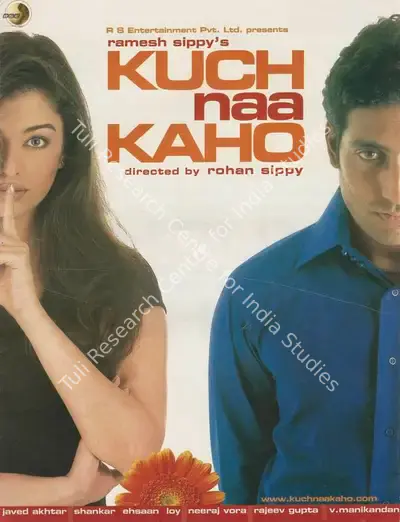
Born in Karachi, then part of British India, Sippy is the son of noted producer G. P. Sippy. He is married to former actress Kiran Juneja and was previously married to Geeta, with whom he has three children. His son, Rohan Sippy, is a prominent film director, while his daughter Sheena was formerly married to Kunal Kapoor, son of Shashi Kapoor. Their son, Zahan Kapoor, has emerged as a promising actor in films and theatre.
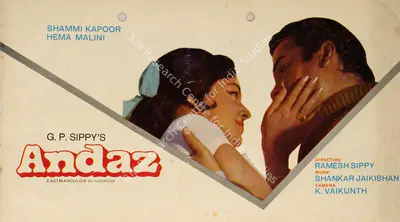
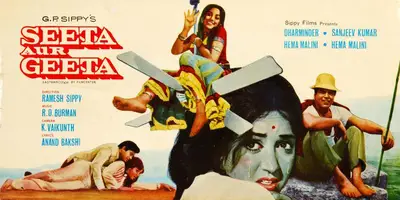
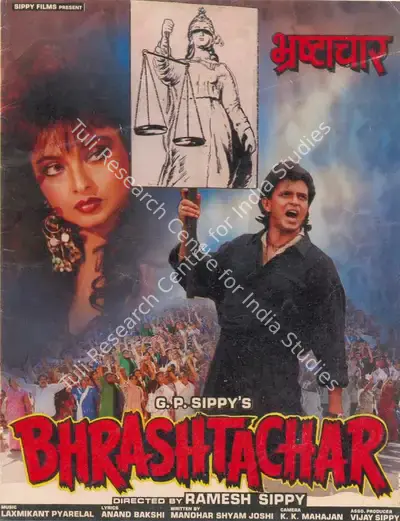
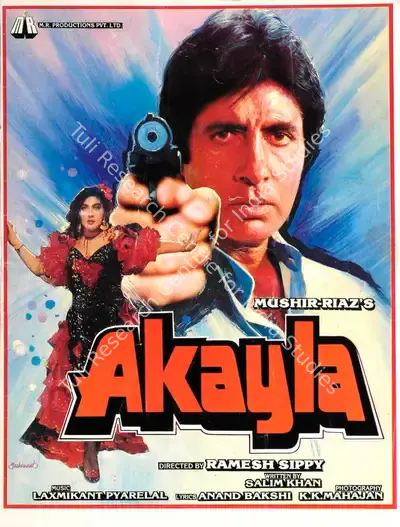
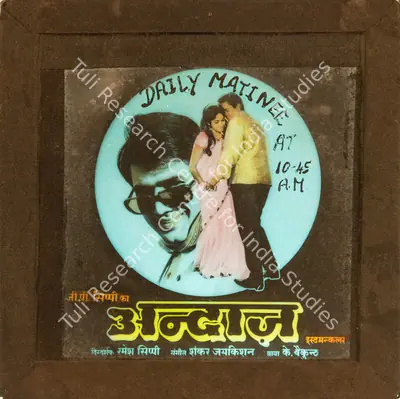
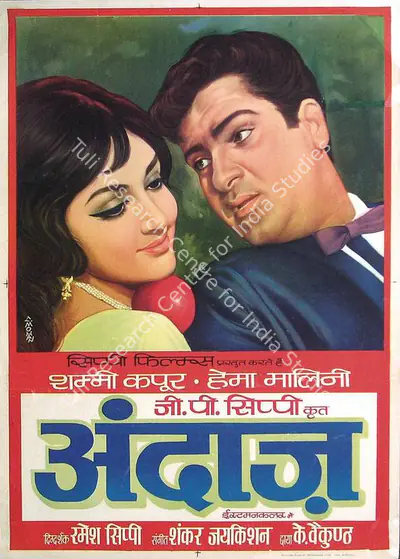
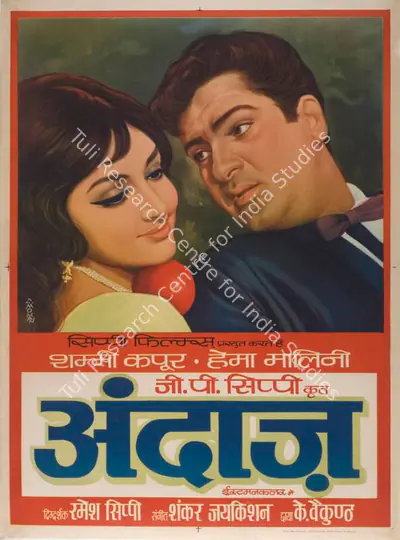
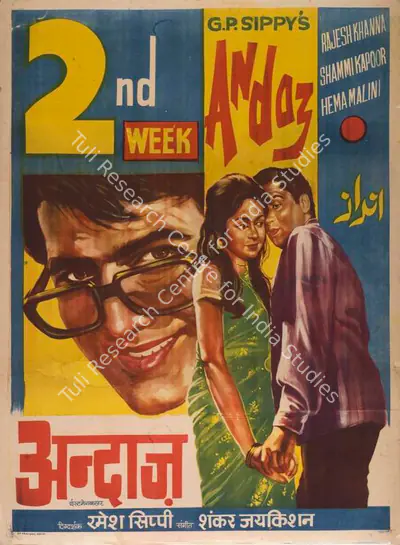
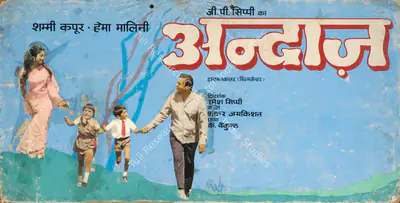
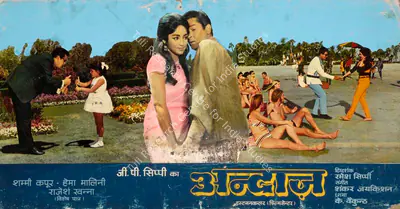
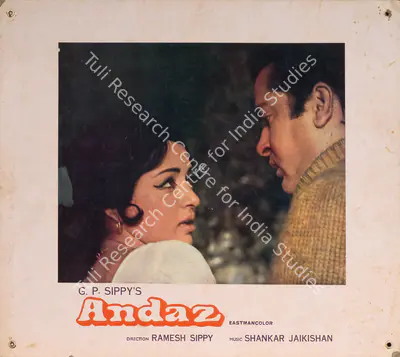
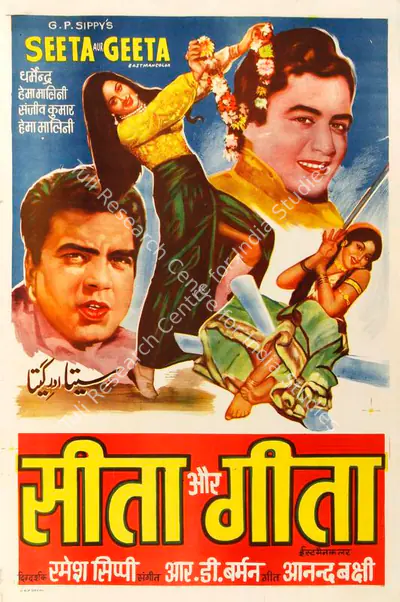
Sippy's engagement with cinema began early. At age six, he visited the sets of Sazaa, his father's first production. His first on-screen appearance came at age nine in Shahenshah (1953), in which he played Achala Sachdev's son. He went on to work across production and direction in films such as Johar-Mehmood in Goa and Mere Sanam. After seven years as an assistant director, he made his directorial debut with Andaz (1971), followed by the blockbuster Seeta Aur Geeta (1972), which catapulted Hema Malini to superstardom.
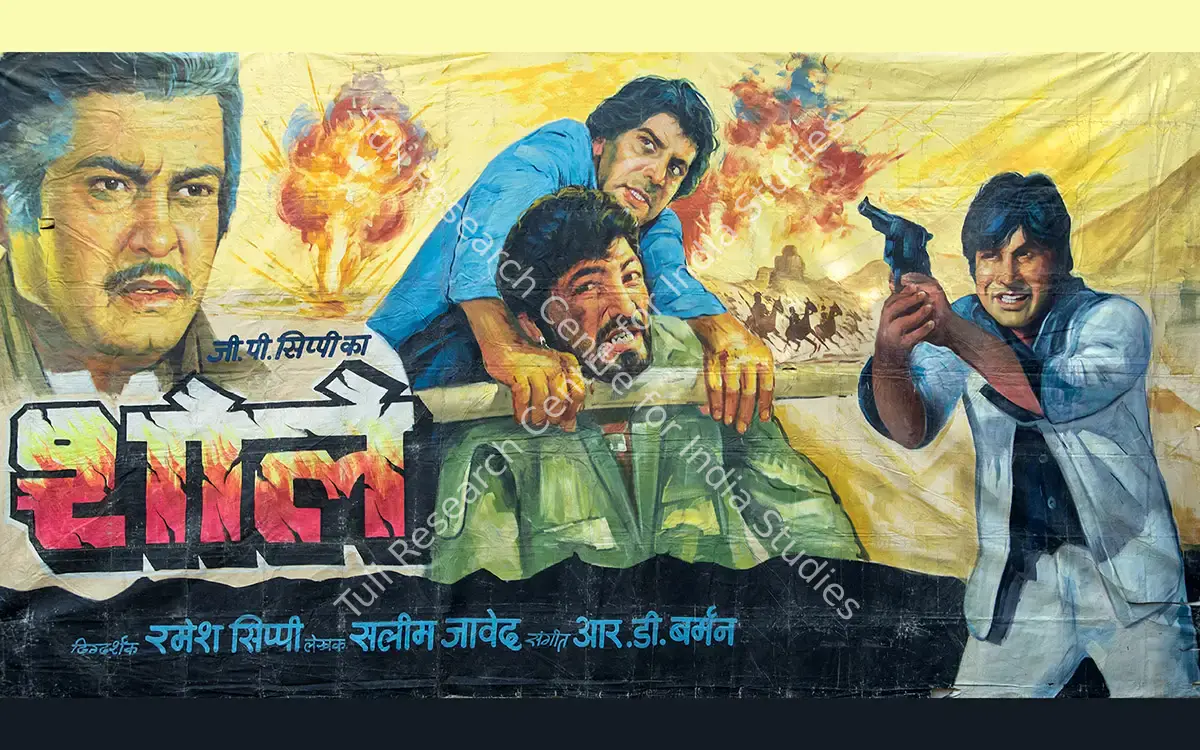
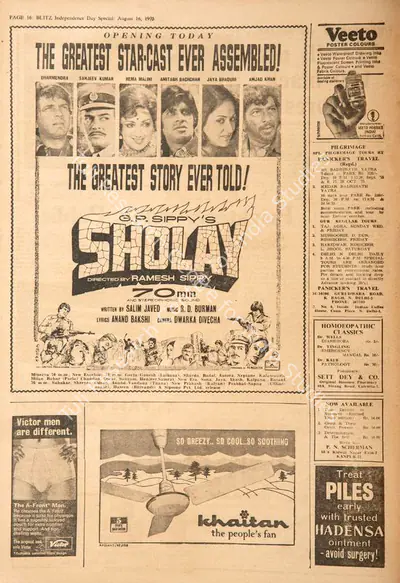
Sholay, released in 1975, became Sippy's magnum opus. Featuring an ensemble cast including Dharmendra, Amitabh Bachchan, Sanjeev Kumar, Hema Malini, Jaya Bhaduri, and Amjad Khan—whose portrayal of Gabbar Singh became iconic—the film redefined Indian popular cinema. Initially slow at the box office, it evolved into the industry's biggest commercial success and remains a cultural landmark.
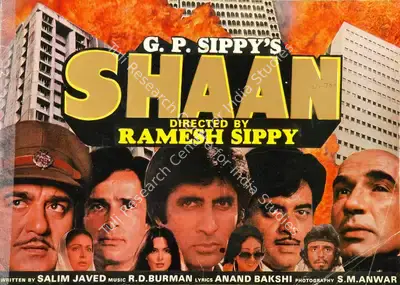
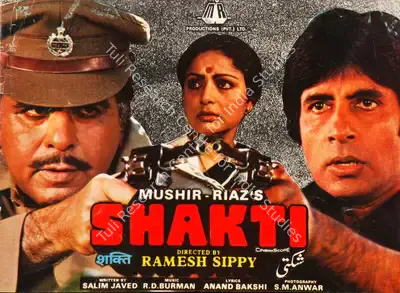
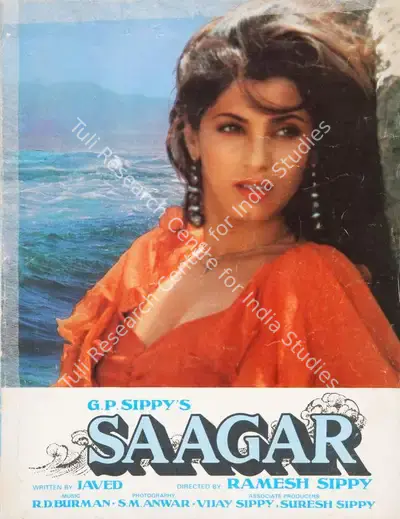
Although later works such as Shaan (1980), Shakti (1982), and Saagar (1985) met with mixed commercial response, they reinforced Sippy's reputation for ambitious, genre-spanning filmmaking. He also achieved major success on television with the Partition-themed series Buniyaad (1986–87). After a hiatus from filmmaking, he returned with Shimla Mirchi, released on Netflix in 2020.
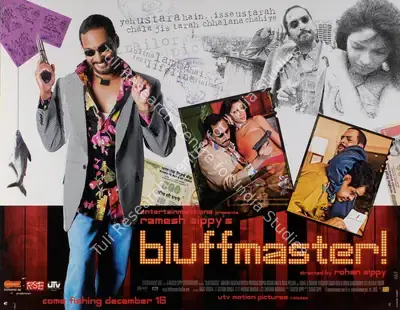
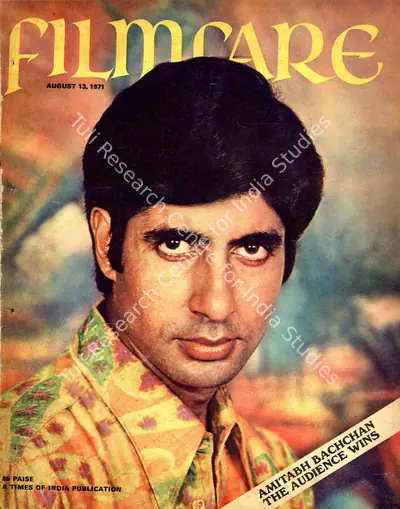
A long-time collaborator of Amitabh Bachchan, Sippy has also produced several contemporary films, including those directed by his son. His honours include the Filmfare Best Film of 50 Years Award for Sholay (2005), the IIFA Award for Outstanding Contribution to Indian Cinema (2012), the Padma Shri (2013), and the Filmfare Lifetime Achievement Award (2020). In 2017, he founded the Ramesh Sippy Academy of Cinema & Entertainment in Mumbai.
कराची (तत्कालीन ब्रिटिश भारत) में जन्मे रमेश सिप्पी प्रसिद्ध फ़िल्म निर्माता जी.पी. सिप्पी के बेटे हैं। उनकी वर्तमान पत्नी किरण जुनेजा भी अभिनेत्री रही हैं जिन्हें अस्सी के दशक के मशहूर सोप ऑपेरा बुनियाद (1986) में निभाए वीरांवाली के किरदार से प्रसिद्धि मिली। इससे पहले रमेश सिप्पी का पहला विवाह गीता से हुआ था। इस विवाह से उनकी तीन संतानें हैं। उनके बेटे रोहन सिप्पी भी एक प्रमुख फ़िल्म निर्देशक के तौर पर उभरे हैं जबकि उनकी बेटी शीना का विवाह अभिनेता शशि कपूर के बेटे कुनाल कपूर से हुआ। शीना और कुणाल के बेटे ज़ेहान कपूर भी आज ओटीटी और रंगमंच की दुनिया में जानामाना नाम बन चुके हैं।
रमेश सिप्पी का फ़िल्मी दुनिया से रिश्ता बचपन से ही शुरू हो गया था। सिर्फ़ छह साल की उम्र में वे अपने पिता के निर्माण में बन रही फ़िल्म सज़ा (1951) के सेट पर मौजूद थे। इसके कुछ ही साल बाद सिर्फ़ नौ वर्ष की आयु में उन्हें पहली बार शहंशाह (1953) में पर्दे पर आने का मौका मिला, जहाँ उन्होंने अचला सचदेव द्वारा निभाए पात्र के पुत्र का किरदार निभाया। इसके बाद उन्होंने जौहर-महमूद इन गोवा (1965) और मेरे सनम (1965) जैसी फिल्मों के प्रोडक्शन और निर्देशन विभाग में काम किया। सात वर्षों तक इंडस्ट्री में सहायक निर्देशक के रूप में काम करने के बाद रमेश सिप्पी ने अंदाज़ (1971) के साथ निर्देशन के क्षेत्र में पदार्पण किया। इसके एक वर्ष बाद आई सीता और गीता (1972) तो ब्लॉकबस्टर साबित हुई और इसने हेमा मालिनी को रातोंरात सुपरस्टार बना दिया।
सन् 1975 में रिलीज़ हुई शोले रमेश सिप्पी का सबसे यादगार सिनेमाई शाहकार मानी जाती है। धर्मेंद्र, अमिताभ बच्चन, संजीव कुमार, हेमा मालिनी, जया भादुड़ी और अमजद खान जैसे शानदार अभिनेताओं की कला से सजी इस फ़िल्म ने भारतीय लोकप्रिय सिनेमा की जैसे परिभाषा ही बदल दी। फ़िल्म में अमजद खान द्वारा निभाया 'गब्बर सिंह' का किरदार तो जैसे भारत की सामुदायिक स्मृति में हमेशा के लिए अमर हो गया है। शुरुआत में धीमे व्यवसाय के बाद यह फ़िल्म आगे के दिनों में भारतीय फ़िल्म इतिहास की सबसे बड़ी व्यावसायिक कामयाबी बनी और एक फ़िल्म भर होने से कहीं आगे जाकर एक सांस्कृतिक स्मृति के रूप में भारतीय समाज का अभिन्न हिस्सा बन गई।
इसके बाद आईं शान (1980), शक्ति (1982) और सागर (1985) जैसी फ़िल्मों को मिश्रित सफ़लता मिली लेकिन इन तमाम फ़िल्मों में रमेश सिप्पी का महत्वाकांक्षी सिनेमाई अंदाज़ और उनकी फ़िल्म निर्माण शैली की विविधता और क्षमता साफ़ देखी जा सकती है। अस्सी के दशक में जब टेलीविज़न ने भारतीय मध्यमवर्गीय घरों में पैठ बनाई तो यहाँ भी रमेश सिप्पी ने विभाजन से जुड़े कथानक पर आधारित महान धारावाहिक धारावाहिक बुनियाद (1986-87) बनाकर बड़ी कामयाबी हासिल की। नब्बे के दशक में ही निर्देशन से दूरी बना चुके सिप्पी एक लंबे अंतराल के बाद सन् 2020 में नेटफ्लिक्स पर रिलीज़ हुई शिमला मिर्ची से निर्देशन में वापस लौटे।
अमिताभ बच्चन के साथ लंबी निर्देशकीय पारी खेलने वाले सिप्पी ने निर्माता के बतौर इक्कीसवीं सदी में कुछ फ़िल्मों का निर्माण भी किया। इनमें से कई का निर्देशन उनके बेटे रोहन सिप्पी ने किया था। उन्हें मिले प्रमुख सम्मानों में शोले को मिला “पचास वर्ष की सर्वश्रेष्ठ फ़िल्म” का फ़िल्मफ़ेयर पुरस्कार (2005), आईफ़ा का “उत्कृष्ट योगदान पुरस्कार” (2012), पद्मश्री (2013) और फ़िल्मफ़ेयर लाइफ़टाइम अचीवमेंट अवॉर्ड (2020) शामिल हैं। सन् 2017 में उन्होंने मुंबई में “रमेश सिप्पी एकेडेमी ऑफ़ सिनेमा एंड एंटरटेनमेंट” की स्थापना की है।
- Date of Birth
- 23 Jan 1947
- Age
- 79
- Nationality
- Indian
- Place of Birth
- Karachi, Sindh Province, British India
- Spouse(s)
- Kiran Junejab. 10 Feb 1964Geeta Sippy
- Children
- Parent(s)
- G.P. Sippy14 Sep 1914 – 25 Dec 2007Mohini Devi
- Grandparent(s)
- Parmanand Sipahimalani
- Siblings
- Bombay Scottish School, Mahim, Mumbai, Maharashtra
- London School of Economics, London, England
2017
- Founder, Ramesh Sippy Academy of Cinema & EntertainmentAssociated Institution
Filmography 16


Integrated Timeline
Economics of Cinema
2005
- Filmfare Award
Best Film of 50 Years · The Times Group
Research Centre

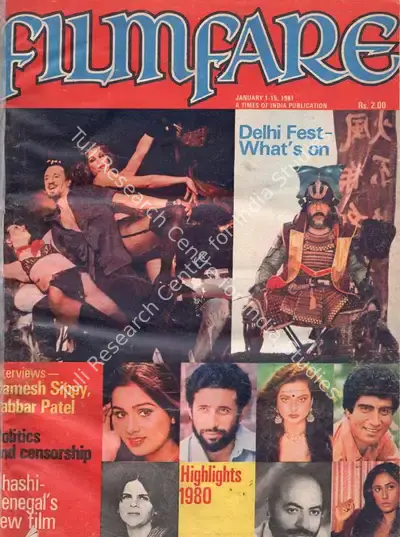
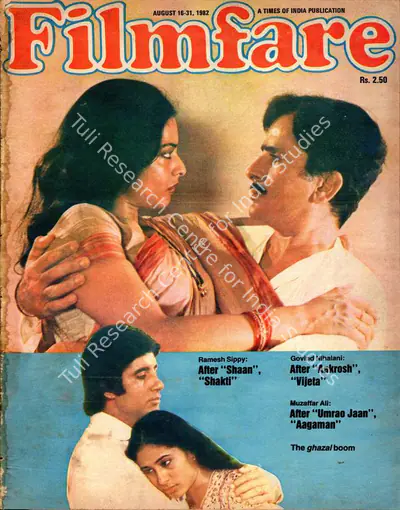
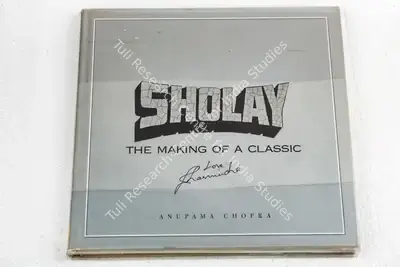
Posts 1
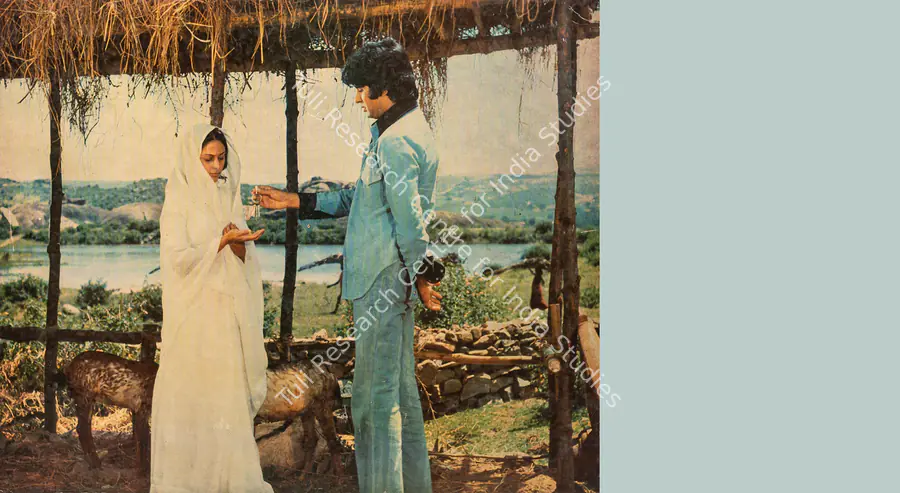
- The iconic mouth-organ scene from the 1975 Ramesh Sippy film Sholay was performed by Bhanu Gupta, an integral part of the film's music composer R.D. Burman's team. Primarily a dacoit film, also referred to as a Dacoit Western, combining tropes of Hollywood Curry Westerns and Indian dacoit films, this scene was a rare moment of expression of outward calm, inner loneliness and an unspoken connection, portrayed beautifully by Amitabh and Jaya Bachchan (née Bhaduri). A review in the popular film magazine of the time Star & Style (12 September 1975) noted that, “Jaya conveys almost everything with her face…we have hardly any other Hindi actress who can do such a feat, of expressing sadness and hope.” In the scene, filmed at dusk, Radha, the young widow of the Thakur's son, lights the lamp of the house while Jai is sitting downstairs playing a melancholic tune on his mouth organ. The sadness of Radha and the longing that Jai feels for her is portrayed beautifully establishing a moment of tranquillity between the two characters with a doomed ending. Ramesh Sippy in an interview recounted how the scene took several days to be satisfactorily filmed as he wanted to capture the perfect lighting and mood for the shot. Termed as a non-starter upon its release and panned by the critics, the film went on to become a cult classic, remembered for its story, acting, music and overall production values, drawing audiences in droves to the theatres. Sholay, has been revered by many film critics and enthusiasts over the years gaining accolades such as the “Top 10 Indian Films” of all time by the British Film Institute in 2002 and the “Best Film of 50 Years” by the Filmfare Awards in 2005.
Related
27
Films
16
Personalities
10