
Introduction
Rekha (born Bhanurekha Ganesan on 10 October 1954 in Madras (now Chennai) She is among the most accomplished and enduring actresses of Indian cinema. Over a career spanning several decades and more than two hundred films, she has demonstrated remarkable artistic range, portraying women of emotional depth and complexity across both mainstream and parallel cinema. Her contributions have been recognised with numerous honours, including a National Film Award, multiple Filmfare Awards, and the Padma Shri conferred by the Government of India.
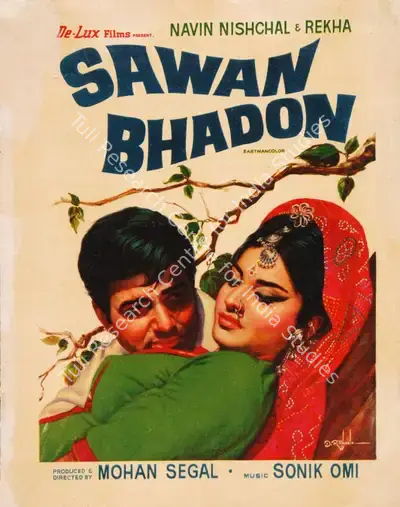
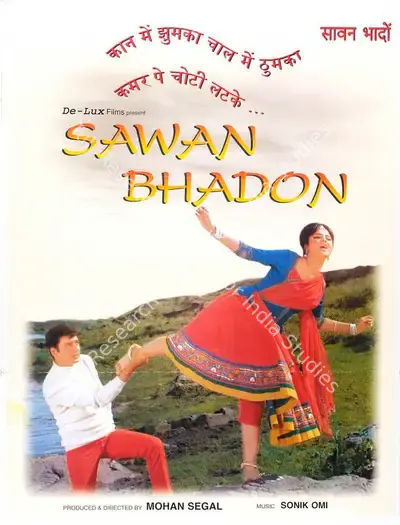
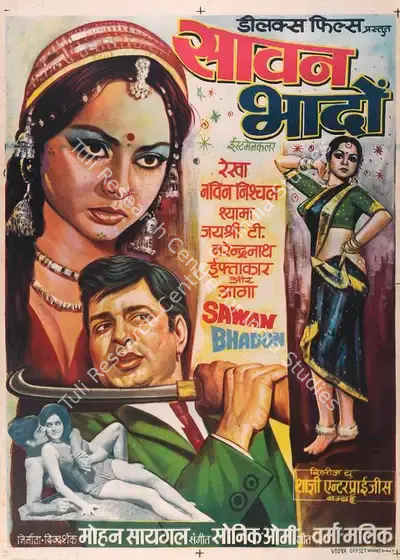
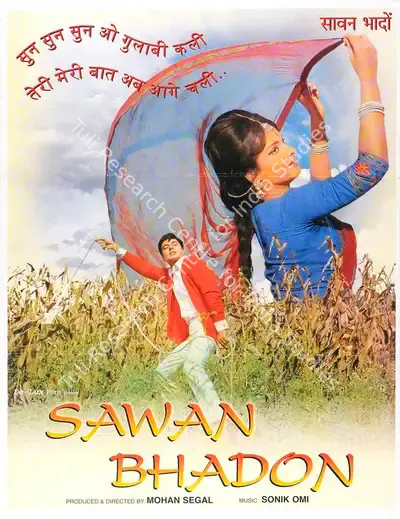
The daughter of actors Gemini Ganesan and Pushpavalli, Rekha's early life was marked by personal and financial instability. She began acting as a child in Telugu films, eventually transitioning to lead roles, and made her Hindi debut with Sawan Bhadon (1970). Despite early commercial success, she faced considerable criticism regarding her appearance and linguistic limitations. Demonstrating formidable resolve, she undertook a disciplined transformation—refining her command of Hindi, cultivating a distinctive style, and honing her craft with diligence and care.
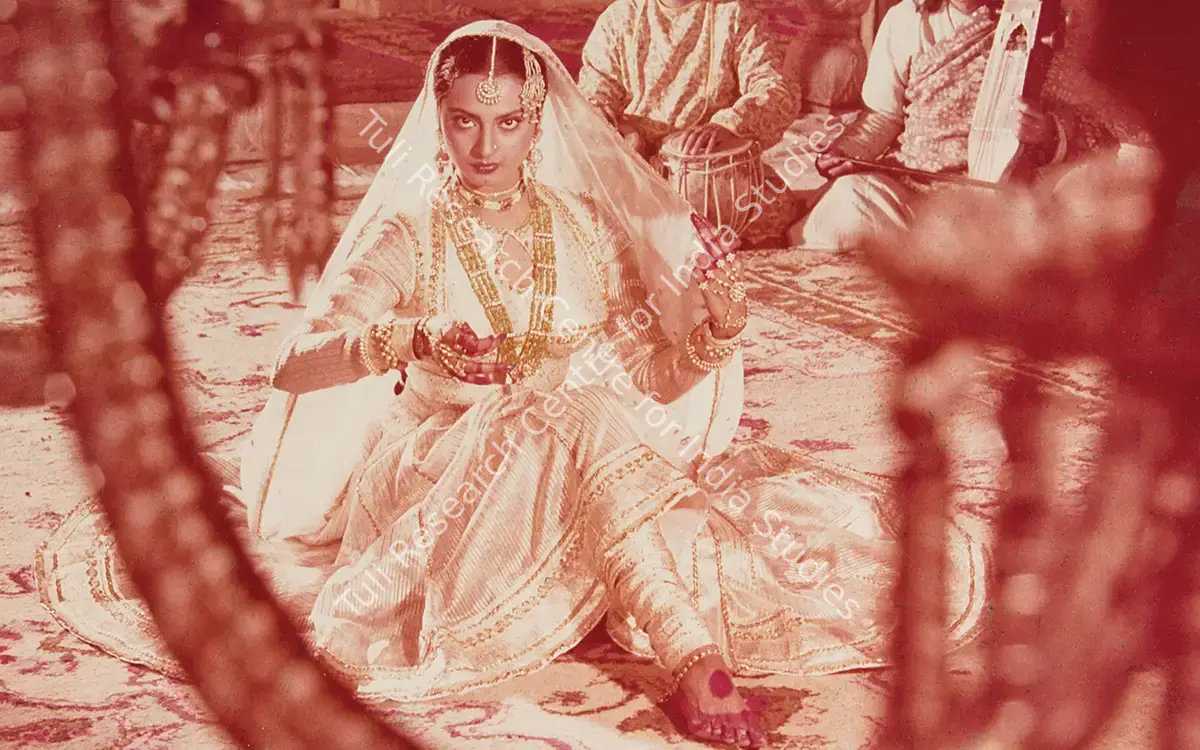
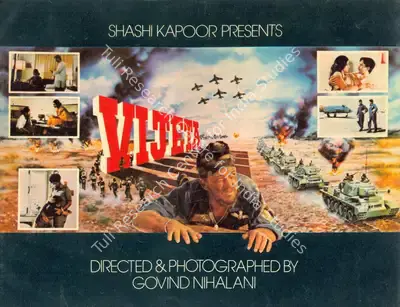
The late 1970s marked a decisive turning point. Her performances in Ghar (1978) and Muqaddar Ka Sikandar (1978) established her as a formidable presence, inaugurating a period of sustained success through the 1980s. She achieved critical acclaim in Khubsoorat (1980), for which she received the Filmfare Award for Best Actress, and delivered compelling performances in films such as Baseraa (1981), Jeevan Dhaara (1982), and Agar Tum Na Hote (1983). Concurrently, she explored parallel cinema, attaining artistic distinction in Kalyug (1981), Vijeta (1982), and Utsav (1984). Her portrayal of a courtesan in Umrao Jaan (1981) remains one of the most celebrated performances in Indian film history, earning her the National Film Award for Best Actress. Later, she revitalised her career with the revenge drama Khoon Bhari Maang (1988), securing another Filmfare Award.
In the 1990s, her career experienced a relative decline, though she continued to pursue unconventional roles. Her performances in Khiladiyon Ka Khiladi (1996), Kama Sutra: A Tale of Love (1996), and Aastha: In the Prison of Spring (1997) reflected her willingness to challenge convention and embrace complexity, often provoking both critical admiration and public debate.
From 2001 to 2007, Rekha adopted a more selective approach, transitioning gracefully into character roles. She delivered dignified performances in Lajja (2001) and Zubeidaa (2001), and reached a new generation through her maternal role in Koi... Mil Gaya (2003) and its sequel Krrish (2006). Smaller yet meaningful appearances, including Yatra (2007) and a memorable sequence in Parineeta (2005), sustained her presence with characteristic elegance.
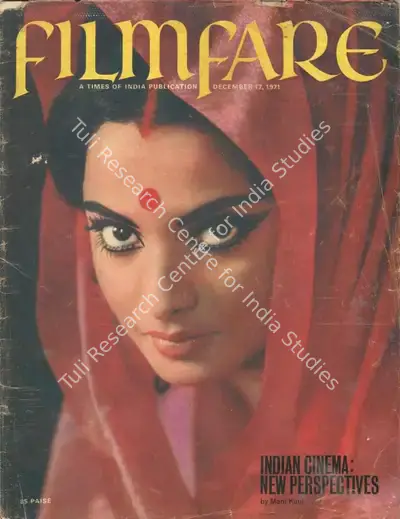
Beyond cinema, she served as a Member of Parliament in the Rajya Sabha from 2012 to 2018. Notwithstanding enduring public fascination with her private life, Rekha has preserved an aura of mystery, her legacy defined ultimately by artistic resilience, reinvention, and an unwavering commitment to her craft. Rekha is perhaps one of the most photographed actresses in Hindi cinema, with a career spanning more than four decades. She has consistently broken stereotypical portrayals of women on Indian celluloid, earning a reputation for being iconoclastic. Even today, she often remains a director's first choice for roles that demand depth, elegance, and a novel thematic approach.
Her performances in films like Khoobsurat (1980), directed by Hrishikesh Mukherjee, Manik Chatterjee's Ghar (1978), and the Rakesh Roshan directed Khoon Bhari Maang (1988) showcase her remarkable range and ability to redefine female characters on screen. Even in later years, she continued to leave a lasting impression. In Parineeta (2005), director Pradeep Sarkar envisioned a retro 1950s aesthetic and cast her in a special appearance for the song Kaisi Paheli Zindagani, composed by Shantanu Moitra and sung by Sunidhi Chauhan—a cameo that only Rekha could have carried off with such allure and grace. She also appeared briefly in Farah Khan's Om Shanti Om (2007), as part of the iconic closing song “Deewangi Deewangi,” where numerous Hindi film stars made cameo appearances alongside Shah Rukh Khan. Though her appearance was short, it was striking and memorable.
Presently, she continues to make occasional appearances, albeit only in roles of substance and discernment, reflecting a sustained commitment to artistic integrity and measured selectivity.
अभिनेता जेमिनी गणेशन और पुष्पावल्ली की पुत्री रेखा का प्रारंभिक जीवन व्यक्तिगत और आर्थिक अस्थिरता से भरा था। उन्होंने बाल कलाकार के रूप में तेलुगु फिल्मों में अभिनय शुरू किया और धीरे-धीरे मुख्य भूमिकाओं की ओर रुख़ किया। उन्होंने सावन भादों (1970) से हिंदी फिल्मों में पदार्पण किया। शुरुआती व्यावसायिक सफलता के बावजूद, उन्हें अपनी सूरत और भाषाई सीमाओं को लेकर काफी आलोचनाओं का सामना करना पड़ा। अद्भुत दृढ़ संकल्प का परिचय देते हुए, उन्होंने अपने आप को पूरी तरह बदलने का निर्णय लिया—हिंदी भाषा पर अपनी पकड़ को बेहतर बनाया, एक विशिष्ट शैली विकसित की, और गहन परिश्रम तथा सावधानी के साथ अपने अभिनय कौशल को निखारा।
1970 के दशक का उत्तरार्ध एक निर्णायक मोड़ साबित हुआ। 'घर' (1978) और 'मुकद्दर का सिकंदर' (1978) में उनके अभिनय ने उन्हें एक सशक्त अभिनेत्री के रूप में स्थापित किया और 1980 के दशक में उनकी निरंतर सफलता का मार्ग प्रशस्त किया। ' ख़ूबसूरत' (1980) में उनके अभिनय की व्यापक सराहना हुई, जिसके लिए उन्हें सर्वश्रेष्ठ अभिनेत्री का फिल्मफ़ेयर पुरस्कार मिला। उन्होंने 'बसेरा' (1981), 'जीवन धारा' (1982) और 'अगर तुम ना होते' (1983) जैसी फिल्मों में भी प्रभावशाली भूमिकाएँ निभाईं। साथ ही, उन्होंने समानांतर सिनेमा में भी अपनी पहचान बनाई और 'कलयुग' (1981), 'विजेता' (1982) और 'उत्सव' (1984) जैसी फिल्मों में कलात्मक विशिष्टता हासिल की। 'उमराव जान' (1981) में एक वेश्या के रूप में उनकी भूमिका भारतीय फिल्म इतिहास में सबसे चर्चित प्रदर्शनों में से एक है, जिसके लिए उन्हें सर्वश्रेष्ठ अभिनेत्री का राष्ट्रीय फिल्म पुरस्कार मिला। बाद में, उन्होंने बदला लेने पर आधारित ड्रामा फिल्म 'ख़ून भरी मांग (1988)' से अपने करियर को नई ऊर्जा दी और एक और फिल्मफ़ेयर पुरस्कार जीता।
1990 के दशक में, उनके करियर में कुछ गिरावट आई, हालांकि उन्होंने अपरंपरागत भूमिकाएँ निभाना जारी रखा। खिलाड़ियों का खिलाड़ी (1996), कामसूत्र: प्रेम की कहानी (1996), और आस्था: इन द प्रिज़न ऑफ़ स्प्रिंग (1997) में उनके अभिनय ने परंपराओं को चुनौती देने और जटिलता को अपनाने की उनकी तत्परता को दर्शाया, जिसने अक्सर आलोचकों की प्रशंसा और सार्वजनिक बहस दोनों को जन्म दिया।
2001 से 2007 तक, रेखा ने अधिक चयनात्मक भूमिकाएँ निभाईं और सहजता से चरित्र भूमिकाओं में ढल गईं। उन्होंने लज्जा (2001) और ज़ुबैदा (2001) में गरिमामय और प्रभावशाली प्रदर्शन किए, जबकि नई पीढ़ी तक उन्होंने माँ की भूमिका के माध्यम से पहुँच बनाई और कोई मिल गया (2003) और इसके सीक्वल कृष (2006) में। यात्रा (2007) और परिणीता (2005) में एक यादगार दृश्य सहित छोटी लेकिन महत्वपूर्ण भूमिकाओं ने उनकी विशिष्ट शालीनता के साथ उनकी उपस्थिति को बरकरार रखा।
सिनेमा के अलावा, उन्होंने 2012 से 2018 तक राज्यसभा में सांसद के रूप में भी कार्य किया। अपने निजी जीवन के प्रति जनता की अटूट जिज्ञासा के बावजूद, रेखा ने अपने व्यक्तित्व में एक रहस्यमयता का भाव बरकरार रखा है। उनकी विरासत अंततः कलात्मक दृढ़ता, नए प्रयोगों और अपने काम के प्रति अटूट समर्पण से परिभाषित होती है। रेखा शायद हिंदी सिनेमा की सबसे अधिक तस्वीरें खिंचवाने वाली अभिनेत्रियों में से एक हैं, जिनका करियर चार दशकों से अधिक लंबा है। उन्होंने भारतीय सिनेमा में महिलाओं के रूढ़िवादी चित्रणों को लगातार तोड़ा है और एक विद्रोही अभिनेत्री के रूप में ख्याति अर्जित की है। आज भी, वे अक्सर निर्देशकों की पहली पसंद बनी रहती हैं, खासकर उन भूमिकाओं के लिए जिनमें गहराई, शालीनता और एक नवीन विषयगत दृष्टिकोण की आवश्यकता होती है।
रेखा शायद हिंदी सिनेमा की सबसे ज़्यादा फ़ोटो खिंचवाने वाली अभिनेत्रियों में से एक हैं, जिनका करियर पाँच दशकों से भी ज़्यादा लंबा है। उन्होंने भारतीय सिनेमा में महिलाओं के रूढ़िवादी चित्रणों को लगातार तोड़ा है और एक विद्रोही अभिनेत्री के रूप में ख्याति अर्जित की है। आज भी, वे अक्सर निर्देशकों की पहली पसंद बनी रहती हैं, खासकर उन भूमिकाओं के लिए जिनमें गहराई, शालीनता और एक नवीन विषयवस्तु की आवश्यकता होती है। ऋषिकेश मुखर्जी द्वारा निर्देशित फ़िल्म 'खूबसूरत' (1980), माणिक चटर्जी की 'घर' (1978) और राकेश रोशन द्वारा निर्देशित 'खून भरी मांग' (1988) जैसी फ़िल्मों में उनके अभिनय ने पर्दे पर महिला किरदारों को नया रूप देने की उनकी अद्भुत क्षमता और प्रतिभा को प्रदर्शित किया है। बाद के वर्षों में भी उन्होंने अपनी अमिट छाप छोड़ी। 'परिणीता' (2005) में, निर्देशक प्रदीप सरकार ने 1950 के दशक के रेट्रो सौंदर्य की कल्पना की और उन्हें शांतनु मोइत्रा द्वारा संगीतबद्ध और सुनिधि चौहान द्वारा गाए गए गीत 'कैसी पहेली ज़िंदगानी' में एक विशेष भूमिका दी - एक कैमियो जिसे केवल रेखा ही इतने आकर्षण और गरिमा के साथ निभा सकती थीं।
वह फ़रा ख़ान की फिल्म ओम शांति ओम (2007) में भी छोटी भूमिका में दिखाई दीं, ख़ासकर फिल्म के मशहूर गीत "दीवानगी दीवानगी" में, जहां शाहरुख ख़ान के साथ कई हिंदी फिल्म सितारों ने कैमियो भूमिकाएं निभाई हैं। हालांकि उनकी भूमिका संक्षिप्त थी, लेकिन प्रभावशाली और यादगार है।
वर्तमान में, वह कभी-कभार ही दिखाई देती हैं, हालांकि केवल सार्थक और विवेकपूर्ण भूमिकाओं में, जो कलात्मक निष्ठा और सधी हुई चयनशीलता के प्रति उनकी निरंतर प्रतिबद्धता को दर्शाती हैं।
- Age
- 71
Filmography 187
Research Centre

Related
61
Personalities
38
Films
20