

Zubeidaa2001
Introduction
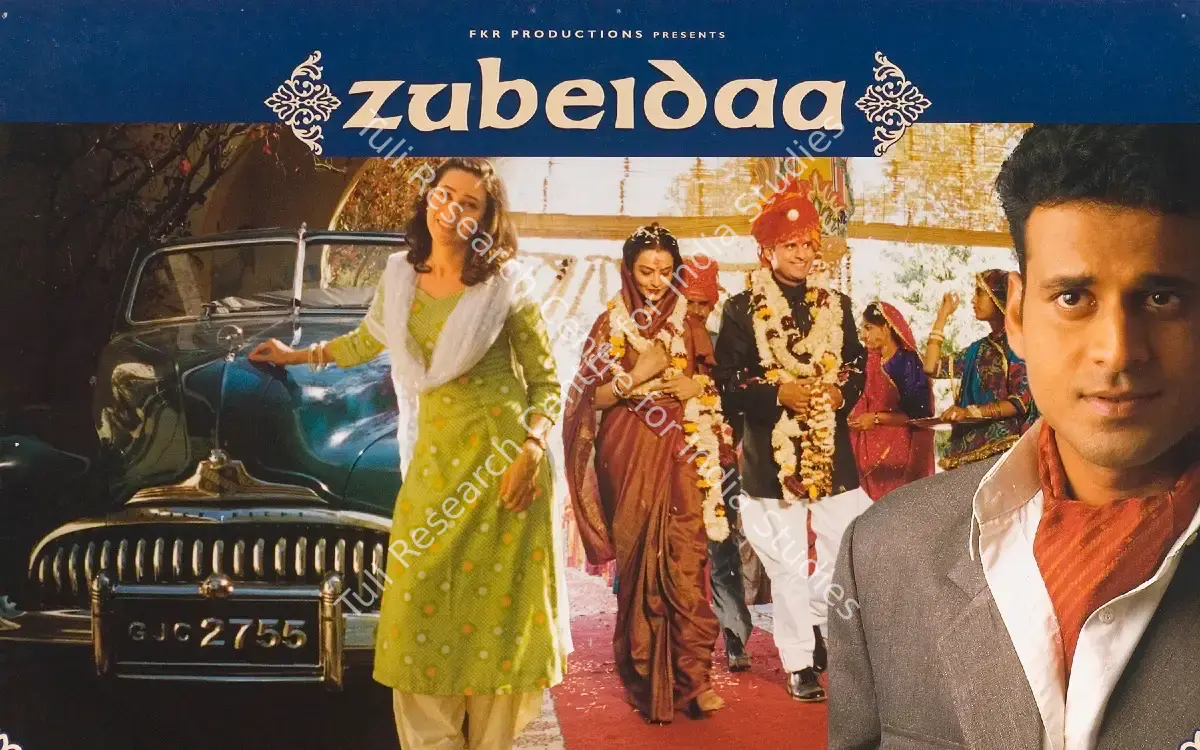
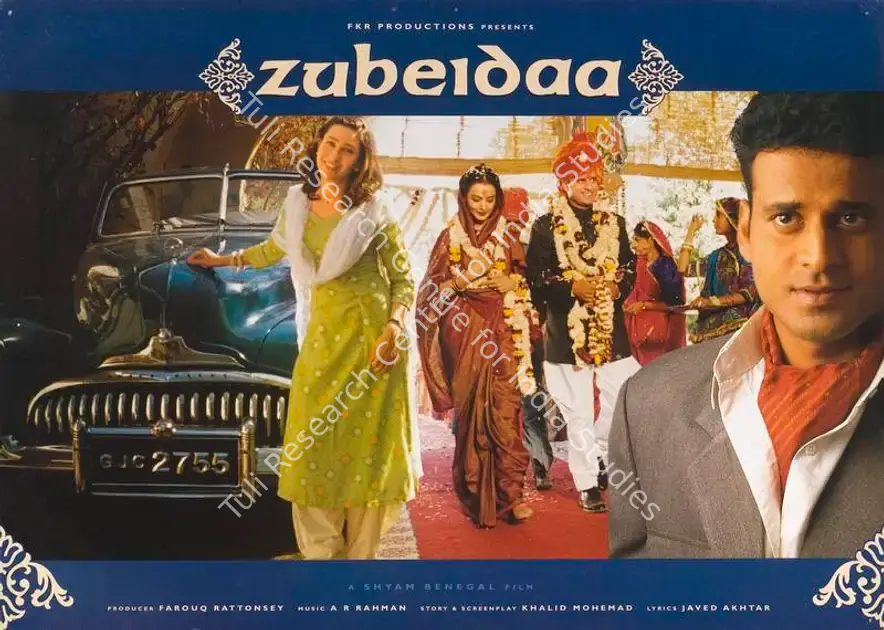
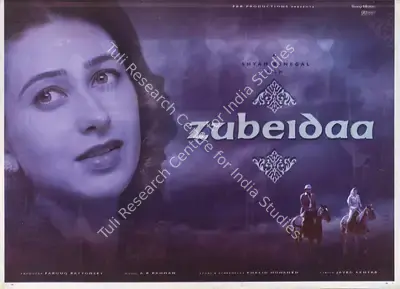
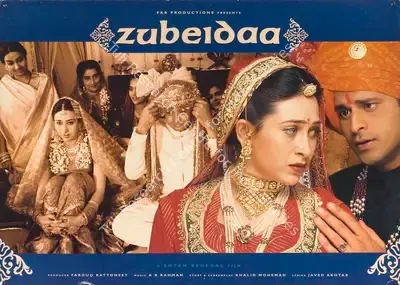
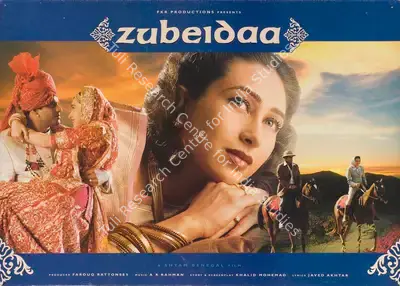
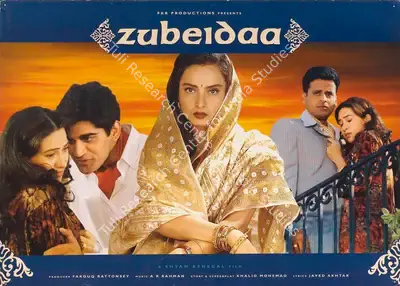
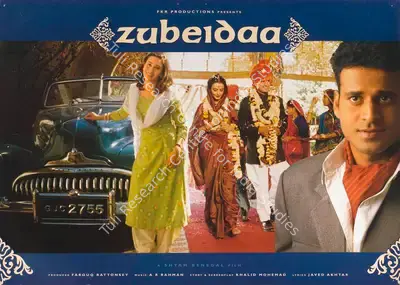
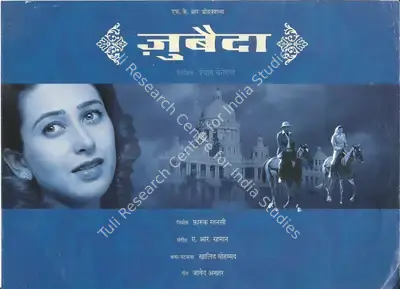
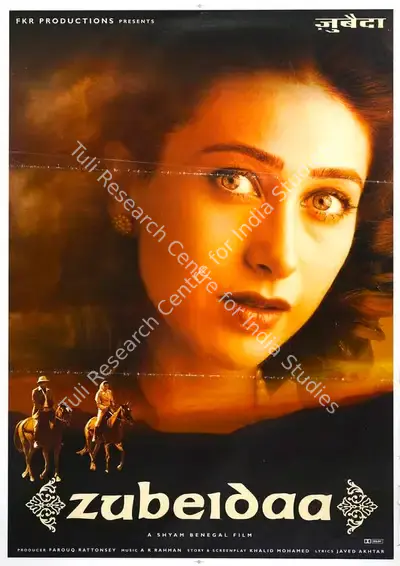
Zubeidaa (2001) Directed by the acclaimed Shyam Benegal and written by journalist and screenwriter Khalid Mohamed, the film is a poignant and richly layered film starring Karisma Kapoor, Rekha, Manoj Bajpayee, Surekha Sikri, Rajit Kapoor, Lillete Dubey, Amrish Puri, Farida Jalal, and Shakti Kapoor. The story is a dramatised account of the tragic life of Zubeida Begum, an ill-fated Muslim actress who secretly pursued a career in films, later married Maharaja Hanwant Singh of Jodhpur, and became the mother of the film's writer, Khalid Mohamed.
Zubeidaa serves as the final installment in Benegal's acclaimed trilogy, following Mammo (1994) and Sardari Begum (1996), each exploring the lives of strong, complex women navigating restrictive social structures.
The narrative centers on Zubeidaa (played with haunting depth by Karisma Kapoor), a spirited and ambitious young woman yearning to make her mark in cinema. Forced to live a double life, she secretly acts in films until her conservative father discovers her aspirations. Disapproving, he hastily arranges her marriage to Dr. Mehboob Alam, the son of a close family friend. For a brief period, Zubeidaa finds contentment—especially after the birth of her son, Riyaz. However, a bitter disagreement between her father and Mehboob's father leads to an abrupt divorce shortly after childbirth, leaving Zubeidaa shattered.
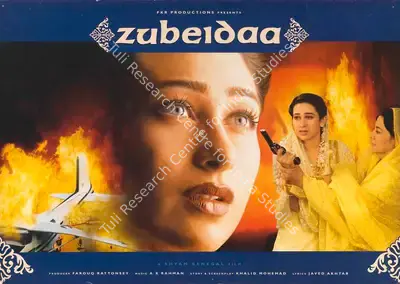
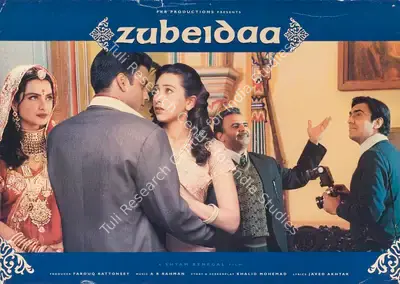
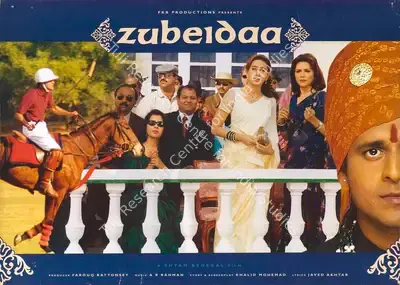
In the aftermath of her heartbreak, Zubeidaa crosses paths with Maharaja Vijayendra Singh of Fatehpur (played by Manoj Bajpayee), a charismatic rajput royal already married to the dignified Maharani Mandira Devi (Rekha) and father to two children. Despite societal norms and palace politics, Vijayendra falls deeply in love with Zubeidaa and marries her as his second wife. But life within the palace walls is far from a fairy tale. Zubeidaa finds herself torn between passion and oppression, battling her own insecurities while navigating a complicated, often strained relationship with the Maharaja. The film crescendos toward a devastating finale, one shaped by love, power, and the choices of a woman desperate to define her own identity.
The soul-stirring soundtrack, composed by A. R. Rahman with lyrics by Javed Akhtar, features eight beautifully crafted songs. Legendary singer Lata Mangeshkar lends her voice to two tracks, while Kavita Krishnamurthy and Alka Yagnik garnered immense praise for their renditions. Standout numbers include Dheeme Dheeme and Main Albeli (Kavita Krishnamurthy, Sukhwinder Singh), the iconic Mehndi Hai Rachnewali (Alka Yagnik), the haunting lullaby So Gaye Hain (Lata Mangeshkar), Hai Na (Alka Yagnik, Udit Narayan), Pyaara Sa Gaon (Lata Mangeshkar), and the traditional thumri, Chhodo More Baiyyan rendered soulfully by Richa Sharma.
Zubeidaa received critical acclaim and was honored with the National Film Award for Best Feature Film in Hindi. Karisma Kapoor's powerful, emotionally nuanced performance earned her the Filmfare Critics Award for Best Actress and is widely regarded as one of the finest of her career alongside her role in Fiza (2000).
The film stands as a landmark in Indian cinema, seamlessly blending the aesthetics of parallel cinema with the emotive pull of mainstream storytelling. It remains one of Shyam Benegal's most celebrated works, a timeless tale of a woman's quest for love, freedom, and identity amid the constraints of a patriarchal world.
यह फ़िल्म बेनेगल की चर्चित त्रयी का अंतिम अध्याय है, जिसमें मम्मो (1994) और सरदारी बेगम (1996) शामिल हैं, और जो सामाजिक बंधनों से जूझती सशक्त, जटिल स्त्रियों के जीवन को चित्रित करती हैं।
कहानी के केंद्र में है ज़ुबैदा (करिश्मा कपूर) का किरदार है। ज़ुबैदा एक ज़िन्दगी से भरी और महत्वाकांक्षी लड़की है जो सिनेमा की दुनिया में अपनी पहचान बनाने की तमन्ना रखती है। वह अपने पिता से छिपकर फ़िल्मों में अभिनय भी करती है, लेकिन जैसे ही उसके रुढ़िवादी पिता (अमरीश पुरी) को उसके सिनेमा की दुनिया में मुकाम बनाने के ख्वाबों की भनक लगाती है, वह फ़ौरन ही उसकी शादी डॉ. महबूब आलम से तय कर देते हैं। महबूब उनके पारिवारिक मित्र का बेटा है। शादी के बाद कुछ वक्त ज़ुबैदा अपने जीवन से संतुष्ट दिखती है और पहली संतान की पैदाइश के बाद थोड़ा वक्त अच्छा बीतता है। ज़ुबैदा की जान अपने बेटे रियाज़ में बसती है। लेकिन जब ज़ुबैदा के पिता और महबूब के पिता के बीच हुए अप्रिय विवाद के चलते संतान की पैदाइश के कुछ ही वक्त बाद ज़ुबैदा और महबूब का विवाह टूट जाता है तो ज़ुबैदा एकदम बिखर सी जाती है।
ज़ुबैदा की दिल टूटा है। इसी नाज़ुक मौके पर ज़ुबैदा की ज़िन्दगी में फ़तेहपुर के महाराणा कुँवर विजयेंद्र सिंह (मनोज बाजपेयी) का आगमन होता है। हुकुम विजयेंद्र सिंह एक करिश्माई राजपूत महाराणा हैं जो पहले से राजपरिवार की सम्मानित राजमाता मन्दिरा देवी (रेखा) से विवाहित हैं और दो बच्चों के पिता भी हैं। सामाजिक रुढ़ियों और महल की अन्दरूनी राजनीति के विरोध के बावजूद राजा विजयेंद्र सिंह ज़ुबैदा से डूबकर प्रेम करते हैं और खुद आगे बढ़कर उसे अपनी दूसरी पत्नी बनाते हैं। लेकिन शादी के बाद ज़ुबैदा को अहसास होता है कि राजमहल की ज़िन्दगी किसी परीकथा सरीख़ी नहीं होती। ज़ुबैदा का किरदार फ़िल्म में अपनी अनगिनत चाहतों और महल के सख़्त कायदे-कानूनों के बीच झूलता रहता है। अपनी असुरक्षाओं से जूझती ज़ुबैदा महाराणा को खोना भी नहीं चाहती और उन्हें किसी के साथ बाँटना भी उसे मंज़ूर नहीं। पर राजा के साथ अपने जटिल होते रिश्ते को वह खूब संभालने की कोशिश करती है। फ़िल्म के आख़िरी हिस्से में कहानी एक विध्वंसक अंजाम की ओर बढ़ती है। इस अंत में इंसानी प्रेम और सत्ता की मर्यादा की आपसी टकराहट भी है और एक स्वतंत्रचेता स्त्री की अपनी पहचान के लिए तड़प भी। अपने अस्तित्व को खुद परिभाषित करने की ज़िद लेकर बैठी ज़ुबैदा एक अन्तिम निर्णायक कदम उठाती है।
इस फ़िल्म के लिए मर्मस्पर्शी संगीत महान संगीतकार ए. आर. रहमान ने तैयार किया था और इसके लिए गीतों के बोल जावेद अख़्तर ने लिखे। इस फ़िल्म में आठ गीत हैं और सभी खूबसूरत बन पड़े हैं। महान गायिका लता मंगेशकर ने फ़िल्म के दो गीतों को अपनी आवाज़ दी है जबकि कविता कृष्णमूर्ति और अलका याग्निक ने अपने गीतों के लिए विशेष प्रशंसा हासिल की। फ़िल्म के उल्लेखनीय गीतों में “धीमे धीमे गाऊँ” और “मैं अलबेली” हैं जिन्हें कविता कृष्णमूर्ति और सुखविंदर सिंह ने गाया है, प्यारा सा “मेहंदी है रचनेवाली” गीत जिसे अलका याग्निक ने अपनी आवाज़ दी है, “महकी महकी हैं राहें” जिसे अलका याग्निक और उदित नारायण ने गाया है, लता मंगेशकर की आवाज़ में नाज़ुक गीत “प्यारा सा गाँव” और कर्णप्रिय लोरी “सो गए हैं” और आखिर में रिचा शर्मा की गाई पारंपरिक ठुमरी “छोड़ो मोरी बइयाँ” जैसे यादगार गीत शामिल हैं।
ज़ुबैदा को आलोचकों ने सराहा और इसे 'सर्वश्रेष्ठ हिन्दी फ़ीचर फ़िल्म' का राष्ट्रीय फ़िल्म पुरस्कार हासिल हुआ। ख़ासकर नायिका करिश्मा कपूर के शीर्षक भूमिका में भावनाओं से भरे आवेगपूर्ण अभिनय ने उन्हें फ़िल्मफ़ेयर का सर्वश्रेष्ठ अभिनेत्री का क्रिटिक्स अवॉर्ड दिलवाया। बहुत से लोग इस फ़िल्म में उनके काम को कुछ ही पहले आई फ़िज़ा (2000) जिसके निर्देशक ख़ालिद मोहम्मद थे, में उनके अभिनय के साथ उनके फ़िल्मी करियर के श्रेष्ठ प्रदर्शनों में से एक गिनते हैं।
यह फ़िल्म भारतीय सिनेमा इतिहास का एक महत्वपूर्ण पड़ाव मानी जाती है जिसमें समांतर सिनेमा की कलात्मक सौंदर्यात्मकता और मुख्यधारा सिनेमा के जज़्बाती आवेग को सहजता से साथ पिरोया गया है। यह फ़िल्म निर्देशक श्याम बेनेगल की सबसे लोकप्रिय और चर्चित कृतियों में से एक है। एक ऐसी एक यादगार फ़िल्म जिसमें पितृसत्तात्मक रुढ़ियों और सत्ता के गलियारों से बँधे समाज के मध्य निश्छल प्रेम, अपनी आज़ादी और पहचान की तलाश करती एक स्वतंत्रचेता स्त्री की कठिन पर मानीख़ेज जीवन यात्रा दिखाई गई है।
Body of Work
Research Centre
Related
3