

Sardari Begum1997
Introduction
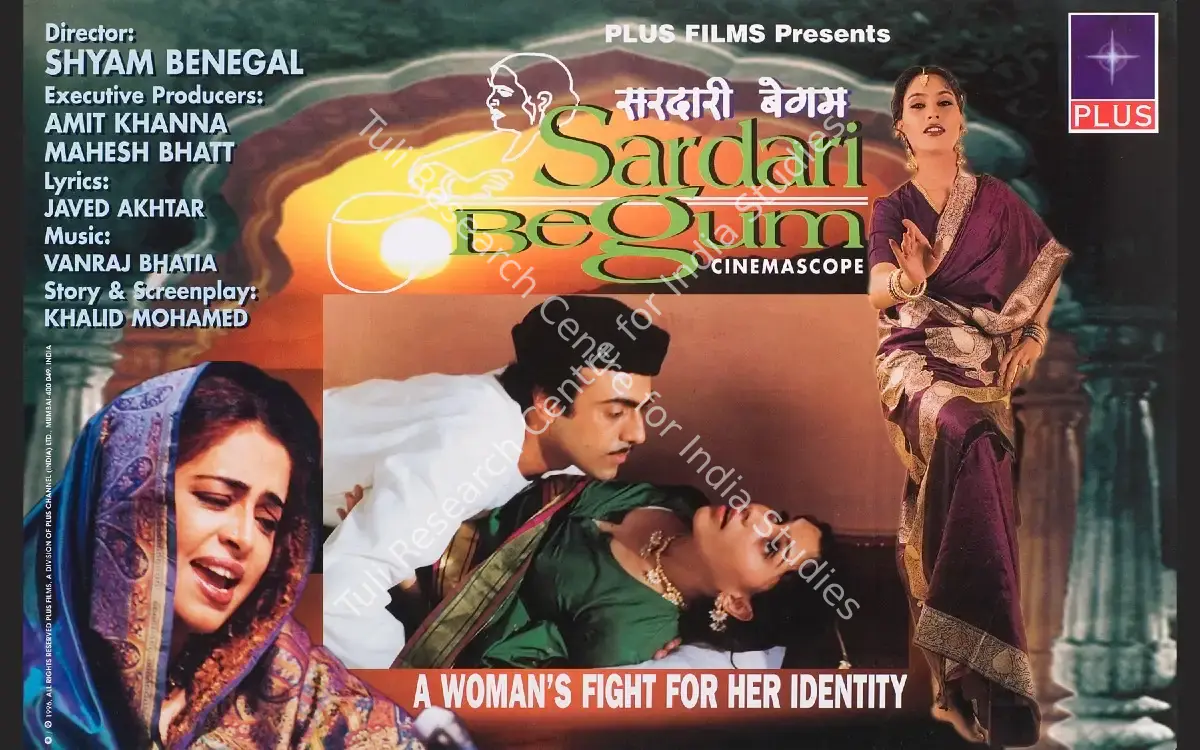
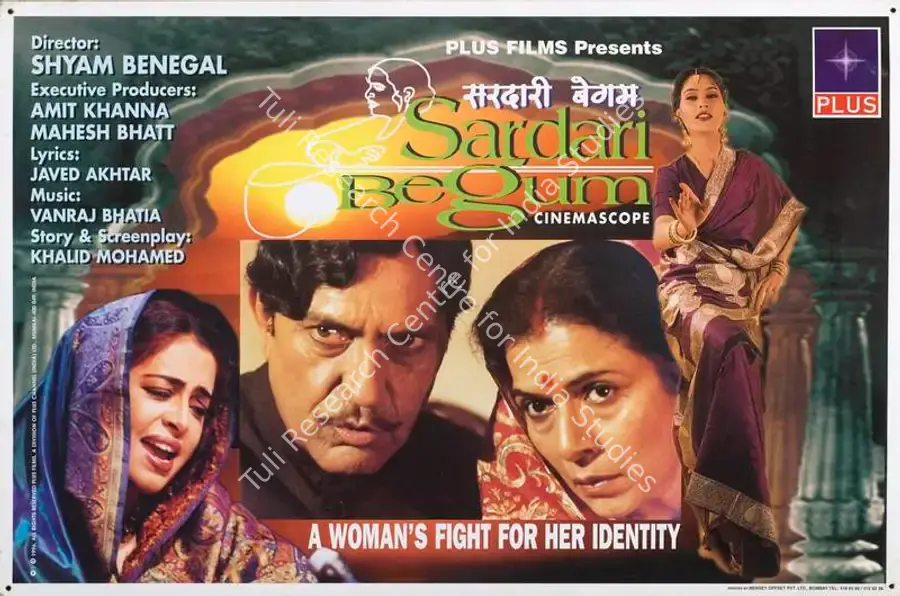
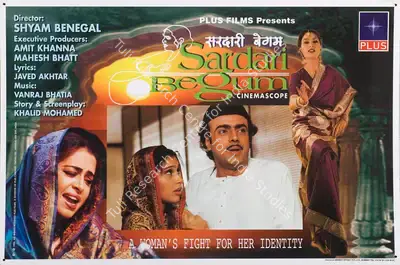
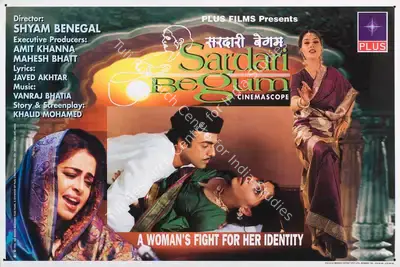
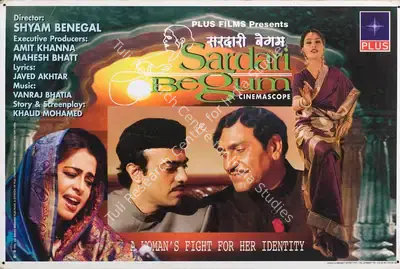
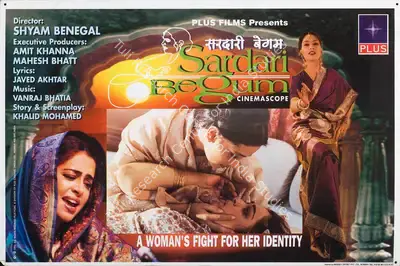
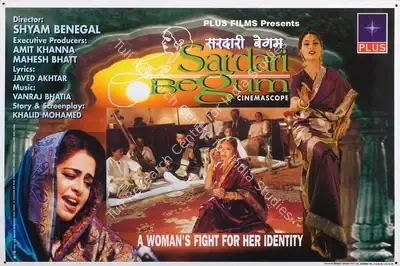
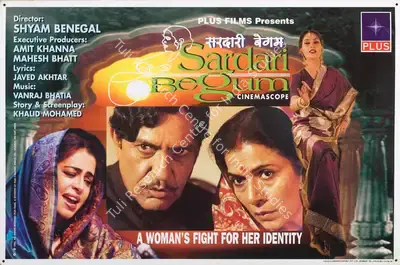
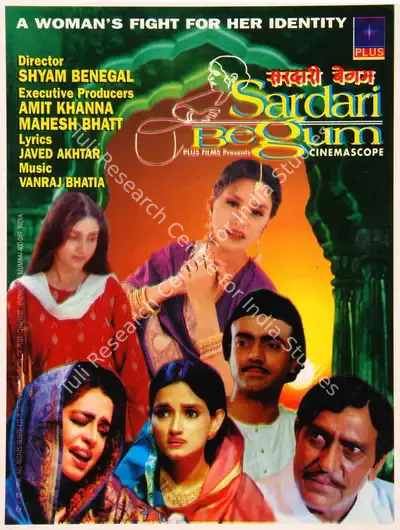
Sardari Begum (1996) A musical drama directed by the acclaimed Shyam Benegal, the film weaves a richly layered narrative exploring themes of passion, rebellion, generational conflict, and the shifting social mores of Indian society. Featuring a stellar ensemble cast including Kirron Kher, Amrish Puri, Rajit Kapur, Rajeshwari Sachdev, Smriti Mishra, and Surekha Sikri, the film offers a compelling portrait of a thumri singer who defies conservative norms to carve a space for herself in a male-dominated world.
At the heart of the story is Sardari Begum (Kirron Kher), a fiercely independent and talented singer whose pursuit of music places her at odds with her traditional family and society. Told in a nonlinear narrative through flashbacks, the film follows a journalist's investigation into Sardari's life after her untimely death, gradually revealing the complex dynamics between Sardari and her estranged daughter, Sakeena (Rajeshwari Sachdev). Their troubled relationship highlights themes of emotional control, freedom, and the personal costs of living life on one's own terms.
Though it is not a strict biopic, it draws inspiration from the life and legacy of the legendary thumri singer Begum Akhtar. Much like Akhtar, Sardari is portrayed as both a celebrated artist and a woman who challenged societal boundaries, navigating the roles of performer, courtesan, and mother within a rigid cultural framework.
The film is part of Benegal's unofficial trilogy on Muslim women in India, alongside Mammo (1994) and Zubeidaa (2001). Known for his realistic storytelling and deep social insight, Benegal brings a powerful feminist lens to the narrative, capturing both the vulnerability and resilience of his protagonist. Sardari's story is not just about music; it's also a reflection on the constraints placed on women and the sacrifices demanded by art and ambition.
Music is central to the film's emotional landscape. Songs are not merely decorative but serve as extensions of Sardari's inner world and her evolving circumstances. Highlights include Chahe Maar Dalo Rajaa spirited piece by Asha Bhosle that captures Sardari's vivacity; Raah Mein Bichhi Hai Palkea delicate duet by Arati Ankalikar-Tikekar and Shubha Joshi, evoking the mentor-student bond; and More Kanha Jo Aaye signaling Sardari's foray into commercial music. Ghar Nahi Hamre Shyam, another standout by Arati Ankalikar-Tikekar, exudes poignancy and longing, while Sawariya Dekh Zara and the popular Chali Pee Ke Nagar add depth and variety to the film's musical tapestry.
Despite its modest box office performance, it earned critical acclaim for its nuanced storytelling, powerful performances, and rich musicality. Kirron Kher received the National Film Award – Special Jury Award in 1997, and Rajeshwari Sachdev won Best Supporting Actress the same year, cementing the film's legacy as a bold and resonant exploration of identity, artistry, and womanhood.
इस कहानी के केंद्र में सरदारी बेग़म (किरण खेर) का किरदार है। सरदारी एक दृढ़निश्चयी और स्वतंत्रचेता प्रतिभाशाली गायिका है जिसकी संगीत के प्रति साधना उसे अपने रूढ़िवादी परिवार और समाज से टकराव की स्थिति में ला देती है। फ़िल्म में कथानक को क्रमबद्धता तोड़ते हुए फ़्लैशबैक के माध्यम से प्रस्तुत किया गया है जहाँ एक पत्रकार द्बारा सरदारी की असमय मृत्यु के बाद उसके जीवन से जुड़े प्रसंगों की खोज की जा रही है। धीरे-धीरे सरदारी और उनसे अलगाव की मुद्रा में आई उनकी बेटी सकीना (राजेश्वरी सचदेव) के बीच के जटिल रिश्तों का खुलासा होता है। माँ-बेटी का यह तनावपूर्ण संबंध भावनात्मक नियंत्रण, स्वतंत्रता की चाह और अपनी शर्तों पर जीवन जीने के लिए चुकाई गई कीमत जैसे मुद्दों को सामने रखता है।
हालाँकि यह फ़िल्म जीवनीपरक नहीं है लेकिन इस कहानी का प्रेरणास्रोत महान ठुमरी गायिका बेग़म अख़्तर के जीवन और उनकी विरासत को माना जाता है। बेग़म अख़्तर की तरह ही सरदारी बेग़म का फ़िल्म में किरदार भी एक नामचीन कलाकार, समाज की बाँधी चौहद्दियों को चुनौती देने वाली स्त्री होने के साथ-साथ एक कलाकार, एक तवायफ़ और एक माँ की तिहरी भूमिकाओं के बीच संतुलन साधने वाली शख़्सियत के रूप में दिखाया गया है।
यह फ़िल्म श्याम बेनेगल की मुस्लिम स्त्री किरदारों पर आधारित अनौपचारिक फ़िल्म त्रयी का हिस्सा मानी जाती है। इस क्रम में मम्मो (1994) और ज़ुबैदा (2001) जैसी फ़िल्में शामिल हैं। यथार्थपरक नज़रिये से कहानी कहने की अपनी शैली और गहरी सामाजिक दृष्टि के लिए प्रसिद्ध बेनेगल ने इस कहानी को स्त्रीवादी दृष्टिकोण से प्रस्तुत किया है जिसमें नायिका के किरदार की नर्मी और उसकी दृढ़ता दोनों समान रूप से उभरकर आती हैं। सरदारी की कहानी सिर्फ़ संगीत तक सीमित नहीं है बल्कि यह समाज द्बारा तमाम स्वतंत्रचेता स्त्रियों पर लगाए जा रहे बँधनों और कला की साधना व कुछ हासिल करने की चाह इंसान से कैसी कीमत वसूल करती है, इन मुद्दों पर भी गहन चिंतन पेश करती है।
इस फ़िल्म की भाव संरचना में संगीत की केंद्रीय भूमिका है। यहाँ गीत केवल सजावटी अलंकरण भर नहीं बल्कि सरदारी बेग़म की भीतरी दुनिया की तड़प और उसके नित बदलते हालातों का पता बतानेवाले सूचकों के बतौर काम करते हैं। फ़िल्म के प्रमुख गीतों में आशा भोंसले का गाया अठखेलियों से भरा “चाहे मार डालो राजा”, आरती अंकलेकर-टिकेकर और शुभा जोशी का गाया कोमल युगल गीत “राह में बिछी है पलकें” जो गुरु-शिष्य संबंधों की परतें उघाड़ता है और “मोरे कान्हा जो आए” जो सरदारी के किरदार के व्यावसायिक संगीत में आगमन से जुड़ा है जैसे गीत शामिल हैं। इसके अलावा आरती अंकलेकर-टिकेकर का गाया “घर नहीं हमारे श्याम” गहरा दर्द और तड़प लिए हुए है जबकि “साँवरिया देख ज़रा” और लोकप्रिय “चली पी के नगर” जैसे अन्य गीत फ़िल्म के संगीतमय परिदृश्य को और समृद्ध बनाते हैं।
हालाँकि फ़िल्म को सीमित व्यावसायिक सफलता मिली लेकिन इसे अपनी गहराई लिए कथावस्तु, दमदार अभिनय और समृद्ध संगीत के लिए आलोचनात्मक सराहना हासिल हुई। अभिनेत्री किरण खेर ने अपनी शीर्षक भूमिका के लिए वर्ष 1997 के राष्ट्रीय फ़िल्म पुरस्कारों में 'विशेष जूरी पुरस्कार' और राजेश्वरी सचदेव ने 'सर्वश्रेष्ठ सहायक अभिनेत्री' का राष्ट्रीय पुरस्कार हासिल किया। कह सकते हैं कि यह फ़िल्म इंसानी पहचान, कला से जुड़ी अस्मिता और स्त्री के होने की एक साहसिक और लयबद्ध खोज के रूप में हमारे सामने आती है।
Body of Work
Research Centre
Related
2