
Shama Zaidi
Shama Zaidi (born 25 September 1938) She is one of the most distinguished and versatile figures in modern Indian cultural production—an accomplished screenwriter, costume designer, art director, theatre practitioner, art critic, and documentary filmmaker. Widely celebrated for her contributions to India's Parallel Cinema movement, she is particularly renowned for her long and fruitful collaboration with Shyam Benegal and for her seminal work on the landmark film Garam Hava (1974). Married to the noted director M. S. Sathyu, Zaidi's lifelong commitment to artistic excellence has been recognised with numerous honours, including a Lifetime Achievement Award at the International Cultural Artifact Film Festival in 2021.
Born into an intellectually vibrant and politically engaged family, Zaidi is the daughter of Bashir Hussain Zaidi and Qudsia Zaidi. Her mother, closely associated with Habib Tanvir, played a formative role in shaping Zaidi's early exposure to theatre and progressive cultural thought. Raised in an environment deeply influenced by leftist ideals, Zaidi developed a keen awareness of social and political realities—an awareness that would later inform her artistic oeuvre. She was educated at Woodstock School in Mussoorie and subsequently at Miranda House, University of Delhi, where she earned a bachelor's degree in English. Her formal training in visual and stage aesthetics was further refined at the Slade School of Art in London, where she pursued a diploma in stage design.
Following her studies, Zaidi gained valuable international experience in Germany, working at the Frankfurt Municipal Theatre and observing the practices of the Berliner Ensemble. Upon her return to India in 1961, she began her professional journey with Hindustani Theatre, contributing significantly as a costume designer and performer. By 1965, she had moved to Bombay, where her association with the Indian People's Theatre Association marked a crucial phase in her multidisciplinary career. Over time, her creative focus expanded increasingly towards film and television, where she left an indelible mark.
Zaidi's contributions to theatre include work on productions such as Shakuntala (classical Sanskrit play, traditionally dated c. 4th–5th century CE), Mitti ki Gaadi (1958, Hindi adaptation of Mṛcchakaṭika), Khalid Ki Khala (20th century, IPTA repertoire), Mudrarakshas (classical Sanskrit play, c. 7th–8th century CE), and Sufaid Kundali (20th century production), in capacities ranging from costume design to direction and performance. Her engagement with theatre extended beyond practice to mentorship and adjudication, notably through her long-standing association with IPTA's intercollegiate drama competitions. She has also made significant contributions as a translator and adaptor, rendering numerous plays into Hindustani, and as an art critic writing for prominent publications.
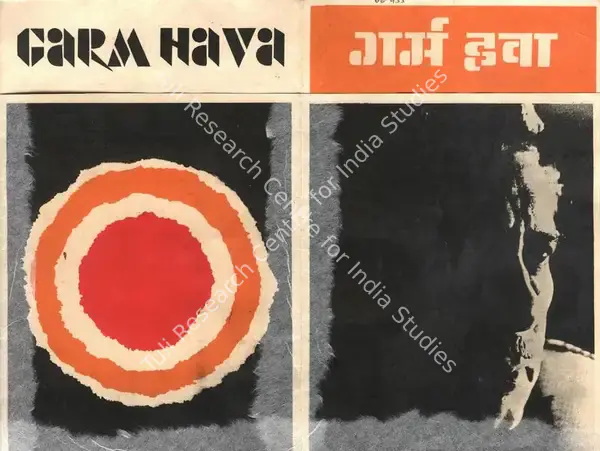
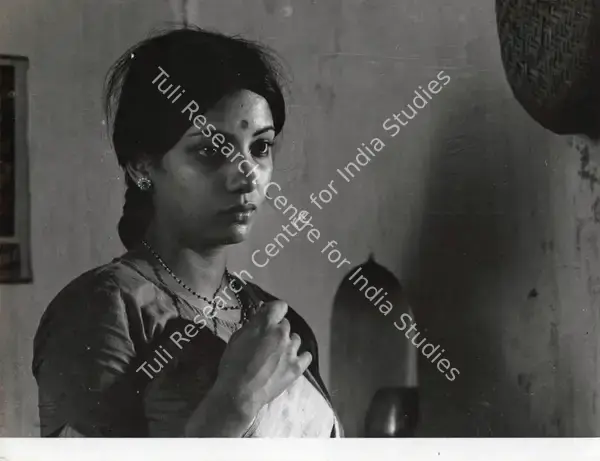
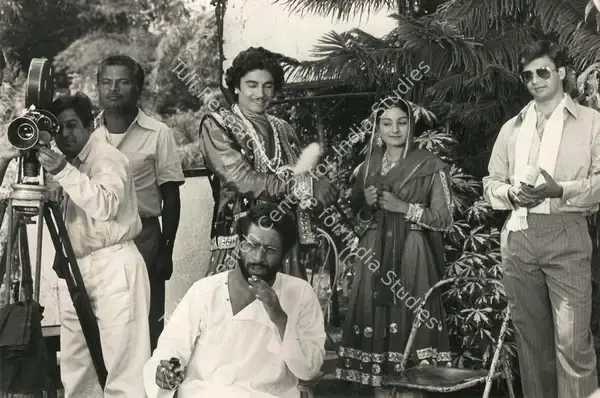
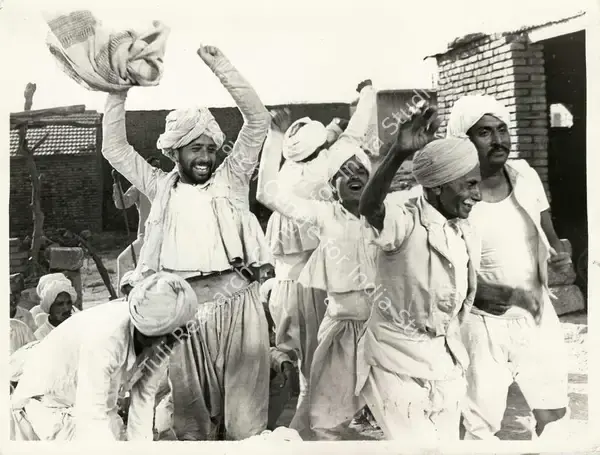
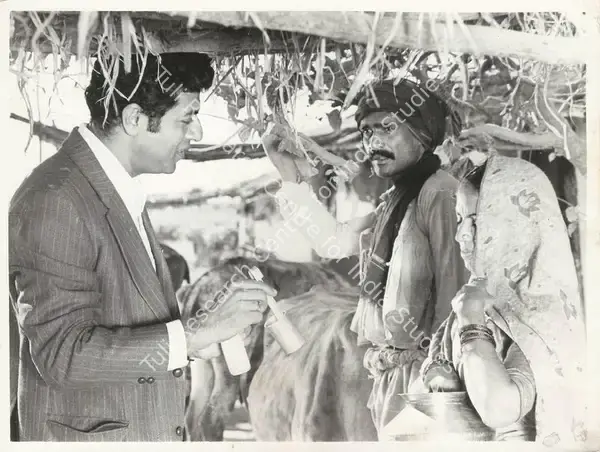
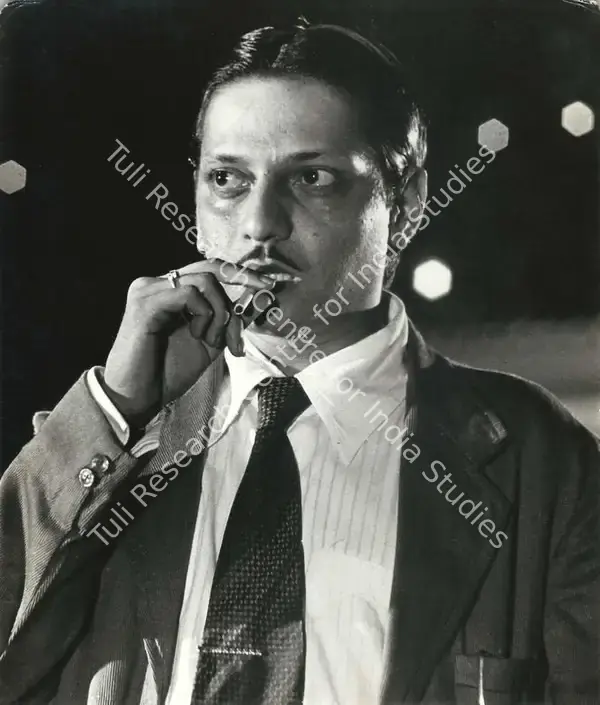
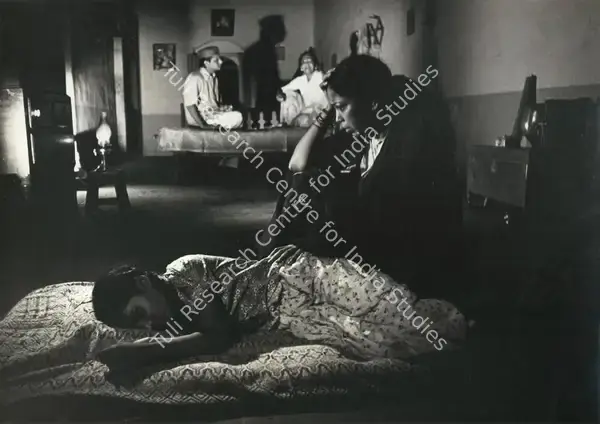
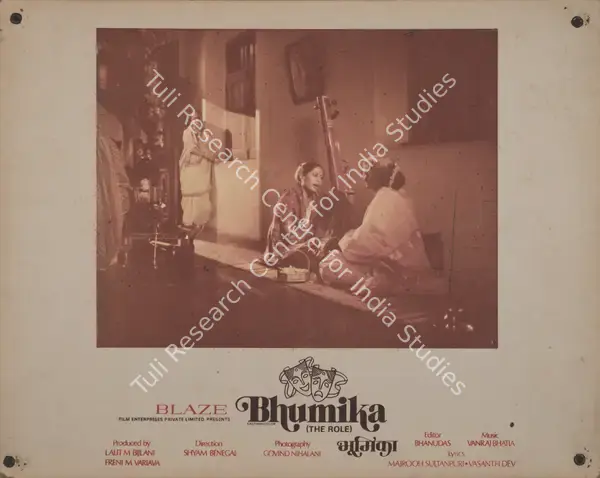
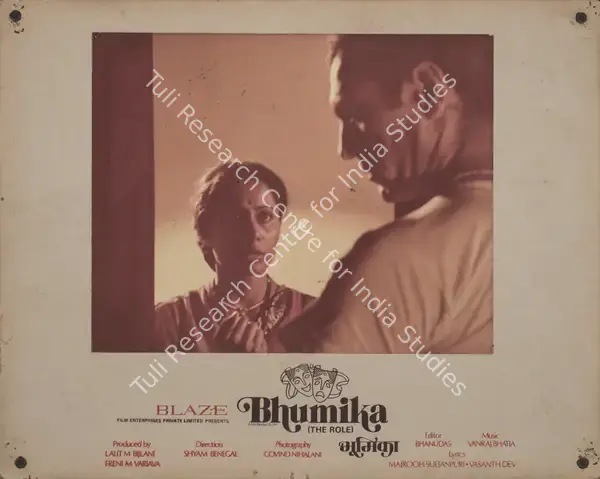
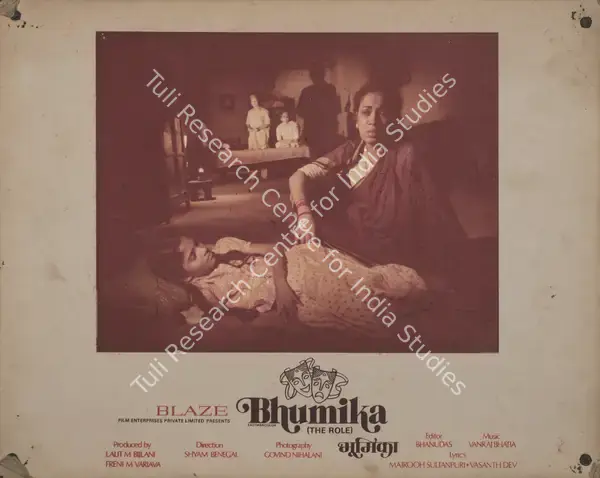
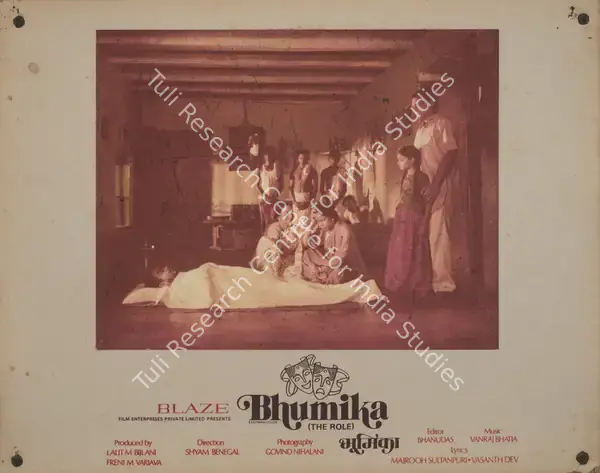
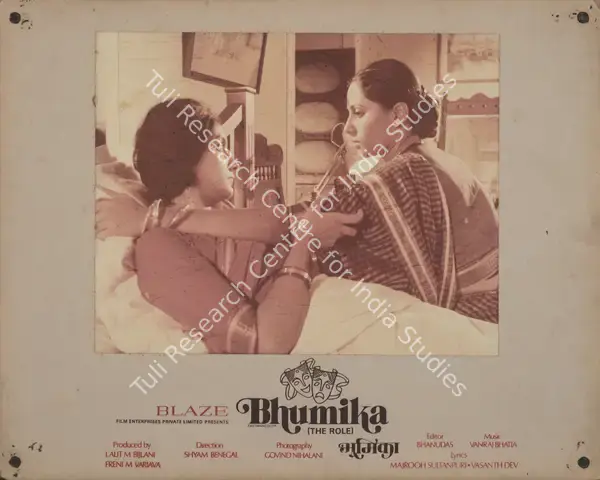
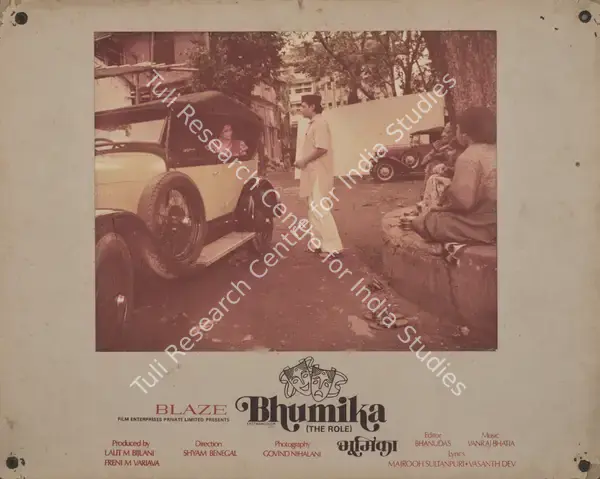
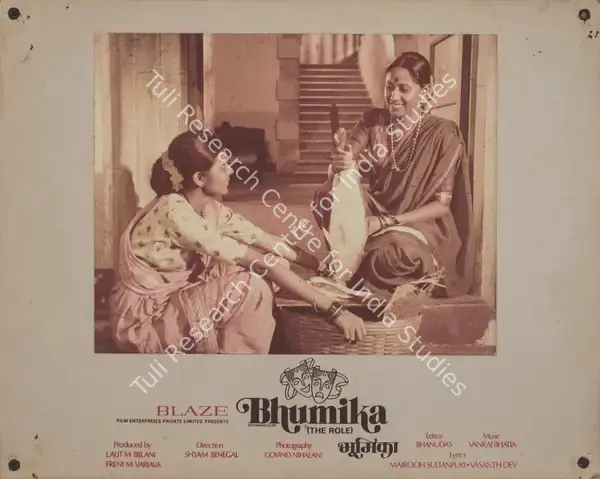
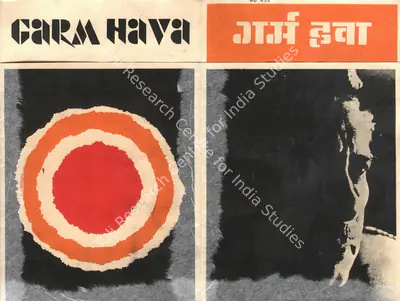
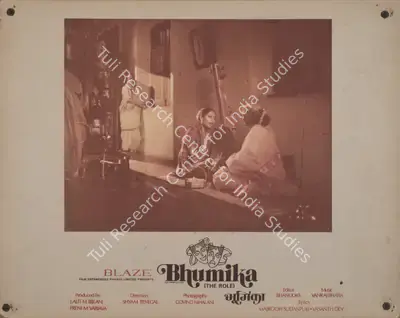
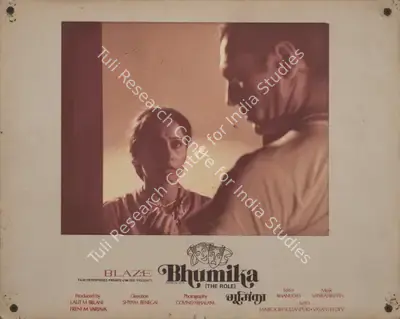
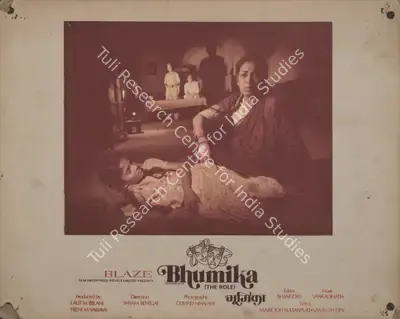
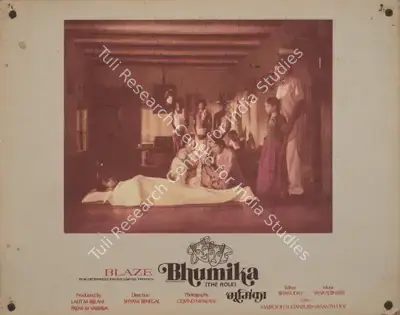
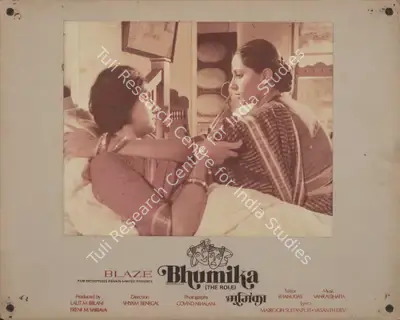
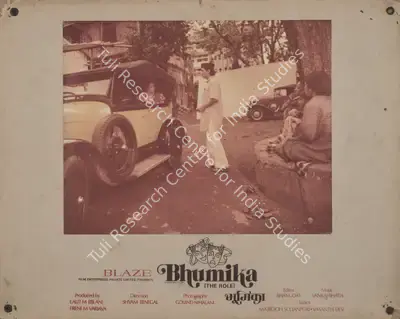
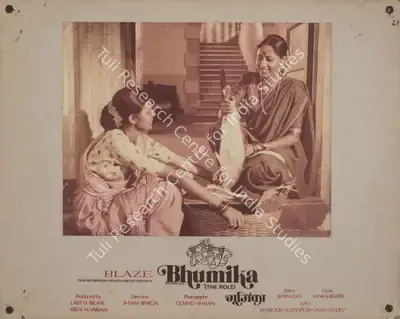
In cinema, Zaidi's achievements are both extensive and profound. She co-wrote the screenplay for Garam Hava (1974) with Kaifi Azmi, earning the Filmfare Award for Best Screenplay. The film, based on a story by Ismat Chughtai, remains a defining work in Indian cinematic history. Her collaborations with Benegal yielded a remarkable body of work, including Charandas Chor (1975), Manthan (1976), Bhumika (1977), Mandi (1983), Susman (1987), and Suraj Ka Satvan Ghoda (1992), demonstrating her versatility across writing and design.
She also collaborated with Satyajit Ray on Shatranj Ke Khilari (1977), contributing to research and dialogue adaptation, and worked on notable films such as Umrao Jaan (1981), Chakra (1981), and Sardari Begum (1996). Her narratives frequently draw upon literary sources and historical realities, reflecting a sustained engagement with India's cultural and socio-political fabric. In later years, she continued her collaboration with Benegal on Mammo (1994), The Making of the Mahatma (1996), Zubeidaa (2001), and Netaji Subhas Chandra Bose: The Forgotten Hero (2004), and more recently on Mujib: The Making of a Nation (2023), underscoring her enduring commitment to historically grounded storytelling.
Zaidi's career exemplifies a rare synthesis of intellectual depth, artistic sensitivity, and political awareness, securing her a singular place in the annals of Indian cinema and theatre.
Born into an intellectually vibrant and politically engaged family, Zaidi is the daughter of Bashir Hussain Zaidi and Qudsia Zaidi. Her mother, closely associated with Habib Tanvir, played a formative role in shaping Zaidi's early exposure to theatre and progressive cultural thought. Raised in an environment deeply influenced by leftist ideals, Zaidi developed a keen awareness of social and political realities—an awareness that would later inform her artistic oeuvre. She was educated at Woodstock School in Mussoorie and subsequently at Miranda House, University of Delhi, where she earned a bachelor's degree in English. Her formal training in visual and stage aesthetics was further refined at the Slade School of Art in London, where she pursued a diploma in stage design.
Following her studies, Zaidi gained valuable international experience in Germany, working at the Frankfurt Municipal Theatre and observing the practices of the Berliner Ensemble. Upon her return to India in 1961, she began her professional journey with Hindustani Theatre, contributing significantly as a costume designer and performer. By 1965, she had moved to Bombay, where her association with the Indian People's Theatre Association marked a crucial phase in her multidisciplinary career. Over time, her creative focus expanded increasingly towards film and television, where she left an indelible mark.
Zaidi's contributions to theatre include work on productions such as Shakuntala (classical Sanskrit play, traditionally dated c. 4th–5th century CE), Mitti ki Gaadi (1958, Hindi adaptation of Mṛcchakaṭika), Khalid Ki Khala (20th century, IPTA repertoire), Mudrarakshas (classical Sanskrit play, c. 7th–8th century CE), and Sufaid Kundali (20th century production), in capacities ranging from costume design to direction and performance. Her engagement with theatre extended beyond practice to mentorship and adjudication, notably through her long-standing association with IPTA's intercollegiate drama competitions. She has also made significant contributions as a translator and adaptor, rendering numerous plays into Hindustani, and as an art critic writing for prominent publications.
In cinema, Zaidi's achievements are both extensive and profound. She co-wrote the screenplay for Garam Hava (1974) with Kaifi Azmi, earning the Filmfare Award for Best Screenplay. The film, based on a story by Ismat Chughtai, remains a defining work in Indian cinematic history. Her collaborations with Benegal yielded a remarkable body of work, including Charandas Chor (1975), Manthan (1976), Bhumika (1977), Mandi (1983), Susman (1987), and Suraj Ka Satvan Ghoda (1992), demonstrating her versatility across writing and design.
She also collaborated with Satyajit Ray on Shatranj Ke Khilari (1977), contributing to research and dialogue adaptation, and worked on notable films such as Umrao Jaan (1981), Chakra (1981), and Sardari Begum (1996). Her narratives frequently draw upon literary sources and historical realities, reflecting a sustained engagement with India's cultural and socio-political fabric. In later years, she continued her collaboration with Benegal on Mammo (1994), The Making of the Mahatma (1996), Zubeidaa (2001), and Netaji Subhas Chandra Bose: The Forgotten Hero (2004), and more recently on Mujib: The Making of a Nation (2023), underscoring her enduring commitment to historically grounded storytelling.
Zaidi's career exemplifies a rare synthesis of intellectual depth, artistic sensitivity, and political awareness, securing her a singular place in the annals of Indian cinema and theatre.
The whole holding


Research Centre


20 of 94
20 of 94