TRIS logo image
Search275,000+ actors, artists, objects, artworks, films, exhibitions, archives

EN

EN

English

HI

Hindi

EN

EN

English

HI

Hindi

Tuli Research Centre for India Studies

Tuli Research Centre for India Studies

Vision

Manifesto

Archive & Library

Vanraja Sanctuary & Hospice

Home

Research Categories

Browse All

ICore

1_CinemaEducation_Cinema as a Critical Educational Resource

2_FineArts_Modern and Contemporary Indian Fine Arts

3_Photography_Photography in India

4_PopCulture_The Printed Image, Popular Arts, and Crafts

IIMaterial

5_ArcHeritage_India's Architectural Heritage as Inspiration

6_EconomicsArt_Economics of Art & Cultural Industry

7_Travel_Automobile, Transport and Travel Heritage

8_Uncertainty_Uncertainty

IIICritical

9_SocialDuty_Social Responsibility of the Creative Mind

10_Childhood_The Changing Smile of Childhood & Its Second Coming

11_Sensuality_The Sensual Discipline within Creativity

12_Scholarship_The History & Historiography of Scholarship in the Arts, Humanities, and Social Sciences

IVMeaningful

13_SeekJustice_Seeking Justice and Political Integrity

14_IndoWorld_India and her Relationship with the World

15_SpiritualPoetics_The Religious-Spiritual-Poetic-Philosophical Framework

16_Continuum_The Animal-Human-Nature Continuum

Explore

All

Posts

Masterlists

Calendar

Live | Upcoming

All Events

Timetable

Search275,000+ actors, artists, objects, artworks, films, exhibitions, archives

EN

EN

English

HI

Hindi

Home/Shama Zaidi

Shama Zaidi

Shama Zaidi (born 25 September 1938) She is one of the most distinguished and versatile figures in modern Indian cultural production—an accomplished screenwriter, costume designer, art director, theatre practitioner, art critic, and documentary filmmaker. Widely celebrated for her contributions to India's Parallel Cinema movement, she is particularly renowned for her long and fruitful collaboration with Shyam Benegal and for her seminal work on the landmark film Garam Hava (1974). Married to the noted director M. S. Sathyu, Zaidi's lifelong commitment to artistic excellence has been recognised with numerous honours, including a Lifetime Achievement Award at the International Cultural Artifact Film Festival in 2021.

Born into an intellectually vibrant and politically engaged family, Zaidi is the daughter of Bashir Hussain Zaidi and Qudsia Zaidi. Her mother, closely associated with Habib Tanvir, played a formative role in shaping Zaidi's early exposure to theatre and progressive cultural thought. Raised in an environment deeply influenced by leftist ideals, Zaidi developed a keen awareness of social and political realities—an awareness that would later inform her artistic oeuvre. She was educated at Woodstock School in Mussoorie and subsequently at Miranda House, University of Delhi, where she earned a bachelor's degree in English. Her formal training in visual and stage aesthetics was further refined at the Slade School of Art in London, where she pursued a diploma in stage design.

Following her studies, Zaidi gained valuable international experience in Germany, working at the Frankfurt Municipal Theatre and observing the practices of the Berliner Ensemble. Upon her return to India in 1961, she began her professional journey with Hindustani Theatre, contributing significantly as a costume designer and performer. By 1965, she had moved to Bombay, where her association with the Indian People's Theatre Association marked a crucial phase in her multidisciplinary career. Over time, her creative focus expanded increasingly towards film and television, where she left an indelible mark.

Zaidi's contributions to theatre include work on productions such as Shakuntala (classical Sanskrit play, traditionally dated c. 4th–5th century CE), Mitti ki Gaadi (1958, Hindi adaptation of Mṛcchakaṭika), Khalid Ki Khala (20th century, IPTA repertoire), Mudrarakshas (classical Sanskrit play, c. 7th–8th century CE), and Sufaid Kundali (20th century production), in capacities ranging from costume design to direction and performance. Her engagement with theatre extended beyond practice to mentorship and adjudication, notably through her long-standing association with IPTA's intercollegiate drama competitions. She has also made significant contributions as a translator and adaptor, rendering numerous plays into Hindustani, and as an art critic writing for prominent publications.

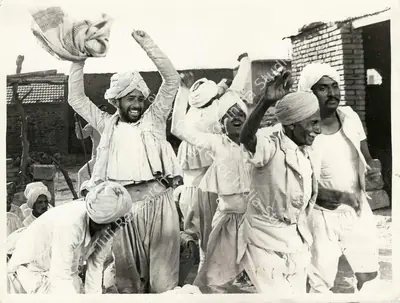
In cinema, Zaidi's achievements are both extensive and profound. She co-wrote the screenplay for Garam Hava (1974) with Kaifi Azmi, earning the Filmfare Award for Best Screenplay. The film, based on a story by Ismat Chughtai, remains a defining work in Indian cinematic history. Her collaborations with Benegal yielded a remarkable body of work, including Charandas Chor (1975), Manthan (1976), Bhumika (1977), Mandi (1983), Susman (1987), and Suraj Ka Satvan Ghoda (1992), demonstrating her versatility across writing and design.

She also collaborated with Satyajit Ray on Shatranj Ke Khilari (1977), contributing to research and dialogue adaptation, and worked on notable films such as Umrao Jaan (1981), Chakra (1981), and Sardari Begum (1996). Her narratives frequently draw upon literary sources and historical realities, reflecting a sustained engagement with India's cultural and socio-political fabric. In later years, she continued her collaboration with Benegal on Mammo (1994), The Making of the Mahatma (1996), Zubeidaa (2001), and Netaji Subhas Chandra Bose: The Forgotten Hero (2004), and more recently on Mujib: The Making of a Nation (2023), underscoring her enduring commitment to historically grounded storytelling.

Zaidi's career exemplifies a rare synthesis of intellectual depth, artistic sensitivity, and political awareness, securing her a singular place in the annals of Indian cinema and theatre.

शमा ज़ैदी (जन्म 25 सितंबर 1938) आधुनिक भारतीय सांस्कृतिक निर्माण में सबसे प्रतिष्ठित और बहुमुखी प्रतिभा की धनी हस्तियों में से एक हैं। वे एक कुशल पटकथा लेखिका, वे कॉस्ट्यूम डिज़ाइनर, कला निर्देशक, रंगमंच कलाकार, कला समीक्षक और डॉक्यूमेंट्री फ़िल्म निर्माता हैं। भारत के समानांतर सिनेमा आंदोलन में उनके योगदान के लिए उन्हें व्यापक रूप से सराहा जाता है। विशेष रूप से श्याम बेनेगल के साथ उनके लंबे और सफल सहयोग और ऐतिहासिक फ़िल्म गरम हवा (1974) में उनके महत्वपूर्ण योगदान के लिए वे प्रसिद्ध हैं। प्रख्यात निर्देशक एम. एस. सथ्यू से विवाहित जैदी की कलात्मक उत्कृष्टता के प्रति आजीवन प्रतिबद्धता को कई सम्मानों से नवाज़ा गया है, जिनमें 2021 में अंतर्राष्ट्रीय सांस्कृतिक कलाकृति फ़िल्म महोत्सव में दिया गया लाइफटाइम अचीवमेंट पुरस्कार भी शामिल है।
एक बौद्धिक रूप से जीवंत और राजनीतिक रूप से सक्रिय परिवार में जन्मीं ज़ैदी, बशीर हुसैन ज़ैदी और कुदसिया ज़ैदी की पुत्री हैं। उनकी माता, हबीब तनवीर से घनिष्ठ रूप से जुड़ी हुई थीं, जिन्होंने ज़ैदी को रंगमंच और प्रगतिशील सांस्कृतिक विचारों से प्रारंभिक रूप से परिचित कराने में महत्वपूर्ण भूमिका निभाई। वामपंथी आदर्शों से गहराई से प्रभावित वातावरण में पली-बढ़ी ज़ैदी ने सामाजिक और राजनीतिक वास्तविकताओं की गहरी समझ विकसित की एक ऐसी समझ जिसने बाद में उनके कलात्मक कार्यों को प्रभावित किया। उन्होंने मसूरी के वुडस्टॉक स्कूल और बाद में दिल्ली विश्वविद्यालय के मिरांडा हाउस में शिक्षा प्राप्त की, जहाँ उन्होंने अंग्रेज़ी में स्नातक की उपाधि प्राप्त की। दृश्य और मंच सौंदर्यशास्त्र में उनका औपचारिक प्रशिक्षण लंदन के स्लेड स्कूल ऑफ आर्ट में और भी निखरा, जहाँ उन्होंने मंच डिज़ाइन में डिप्लोमा किया।
अपनी पढ़ाई पूरी करने के बाद, ज़ैदी ने जर्मनी में फ्रैंकफर्ट म्युनिसिपल थिएटर में काम करते हुए और बर्लिनर एन्सेम्बल की कार्यशैली को समझते हुए बहुमूल्य अंतरराष्ट्रीय अनुभव प्राप्त किया। 1961 में भारत लौटने पर, उन्होंने हिंदुस्तानी थिएटर से अपने पेशेवर करियर की शुरुआत की, जहाँ उन्होंने कॉस्ट्यूम डिज़ाइनर और कलाकार के रूप में महत्वपूर्ण योगदान दिया। 1965 तक, वह बॉम्बे में बस गईं, जहाँ इंडियन पीपुल्स थिएटर एसोसिएशन के साथ उनके जुड़ाव ने उनके बहुआयामी करियर में एक महत्वपूर्ण मोड़ लाया। समय के साथ, उनका रचनात्मक ध्यान धीरे-धीरे फ़िल्म और टेलीविज़न की ओर बढ़ा, जहाँ उन्होंने अपनी अमिट छाप छोड़ी।
ज़ैदी का रंगमंच में योगदान शकुंतला (शास्त्रीय संस्कृत नाटक, जिसे परंपरागत रूप से लगभग चौथी-पाँचवीं शताब्दी ईस्वी का माना जाता है), मिट्टी की गाड़ी (1958, मृच्छकटिका का हिंदी रूपांतरण), ख़ालिद की ख़ाला (20वीं शताब्दी, आईपीटीए का प्रदर्शन), मुद्राराक्षस (शास्त्रीय संस्कृत नाटक, लगभग सातवीं-आठवीं शताब्दी ईस्वी) और सफ़ेद कुंडली (20वीं शताब्दी का निर्माण) जैसे नाटकों के निर्माण में रहा है। उन्होंने वेशभूषा डिज़ाइन से लेकर निर्देशन और अभिनय तक विभिन्न भूमिकाएँ निभाई हैं। रंगमंच के प्रति उनका जुड़ाव केवल अभिनय तक ही सीमित नहीं था, बल्कि वे मार्गदर्शन और निर्णायक के रूप में भी सक्रिय रहीं, विशेष रूप से आईपीटीए की अंतरमहाविद्यालयीय नाटक प्रतियोगिताओं से उनके दीर्घकालिक जुड़ाव के माध्यम से। उन्होंने अनुवादक और अनुकूलक के रूप में भी महत्वपूर्ण योगदान दिया है, उन्होंने कई नाटकों का हिंदुस्तानी में अनुवाद किया है, और एक कला समीक्षक के रूप में भी उन्होंने प्रमुख प्रकाशनों के लिए लेखन किया है।
सिनेमा जगत में ज़ैदी की उपलब्धियां व्यापक और गहन दोनों हैं। उन्होंने कैफ़ी आज़मी के साथ गरम हवा (1974) की पटकथा लिखी, जिसके लिए उन्हें सर्वश्रेष्ठ पटकथा का फ़िल्मफ़ेयर पुरस्कार मिला। इस्मत चुगताई की कहानी पर आधारित यह फ़िल्म भारतीय सिनेमा के इतिहास में एक महत्वपूर्ण कृति बनी हुई है। बेनेगल के साथ उनके सहयोग से बनी फ़िल्मों में चरनदास चोर (1975), मंथन (1976), भूमिका (1977), मंडी (1983), सुस्मान (1987) और सूरज का सातवां घोड़ा (1992) जैसी उल्लेखनीय फ़िल्में शामिल हैं, जो लेखन और डिज़ाइन दोनों क्षेत्रों में उनकी बहुमुखी प्रतिभा को दर्शाती हैं।
उन्होंने सत्यजीत रे के साथ शतरंज के खिलाड़ी (1977) पर भी काम किया, जिसमें उन्होंने शोध और संवाद रूपांतरण में योगदान दिया, और उमराव जान (1981), चक्र (1981) और सरदारी बेगम (1996) जैसी उल्लेखनीय फ़िल्मों पर भी काम किया। उनकी कहानियाँ अक्सर साहित्यिक स्रोतों और ऐतिहासिक वास्तविकताओं पर आधारित होती हैं, जो भारत की सांस्कृतिक और सामाजिक-राजनीतिक संरचना के साथ उनके निरंतर जुड़ाव को दर्शाती हैं। बाद के वर्षों में, उन्होंने बेनेगल के साथ मम्मो (1994), द मेकिंग ऑफ़ द महात्मा (1996), जुबैदा (2001) और नेताजी सुभाष चंद्र बोस: द फ़ॉरगॉटन हीरो (2004) में सहयोग जारी रखा, और हाल ही में मुजीब: द मेकिंग ऑफ़ ए नेशन (2023) में भी काम किया, जो ऐतिहासिक तथ्यों पर आधारित कहानी कहने के प्रति उनकी अटूट प्रतिबद्धता को रेखांकित करता है।
ज़ैदी का करियर बौद्धिक गहराई, कलात्मक संवेदनशीलता और राजनीतिक जागरूकता के दुर्लभ संश्लेषण का उदाहरण है, जिसने उन्हें भारतीय सिनेमा और रंगमंच के इतिहास में एक विशिष्ट स्थान दिलाया है।
The whole holding
Scroll→

Research Centre

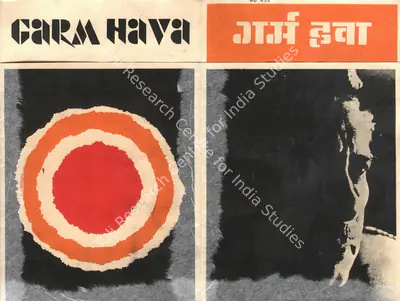
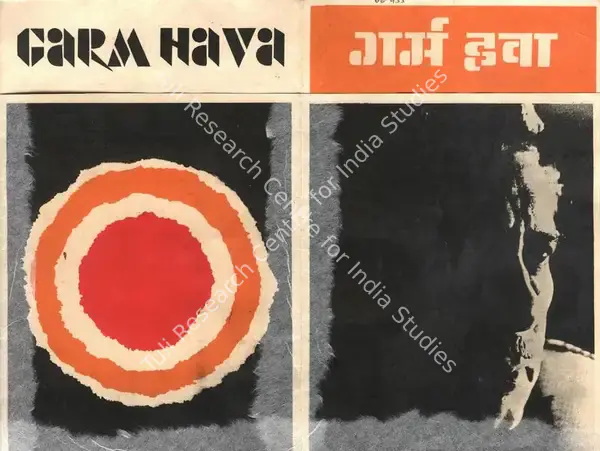
Ishan Arya (Producer), Garm Hava, 1973, Song-Synopsis Booklet
Arya, Ishan (Producer), Garm Hava, 1973 | Song-Synopsis Booklet
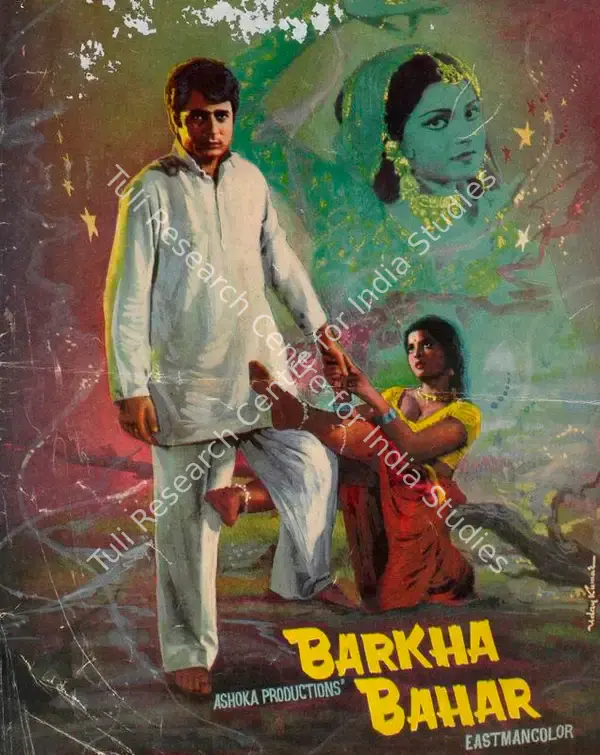
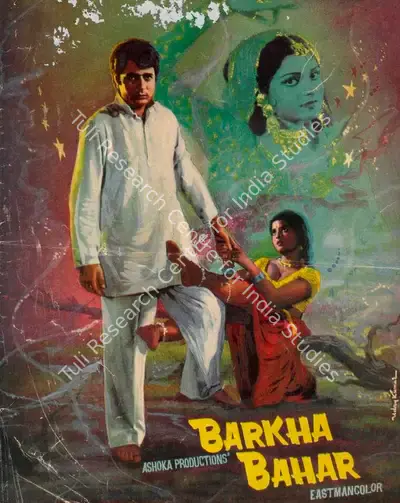
Amar Kumar (Producer), Barkha Bahar, 1973, Song-Synopsis Booklet
Kumar, Amar (Producer), Barkha Bahar, 1973 | Song-Synopsis Booklet
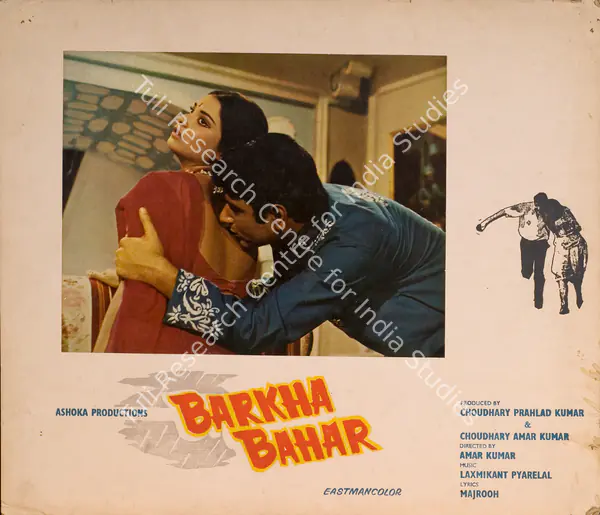
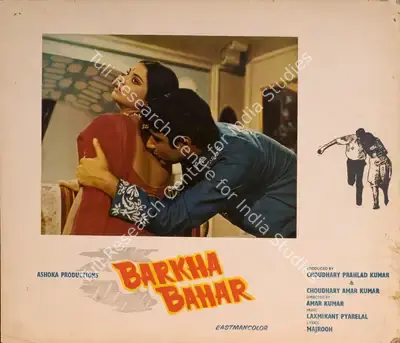
Amar Kumar (Producer), Barkha Bahar, 1973, Photographic Still Mounted on Lobby Card
Kumar, Amar (Producer), Barkha Bahar, 1973 | Photographic Still Mounted on Lobby Card
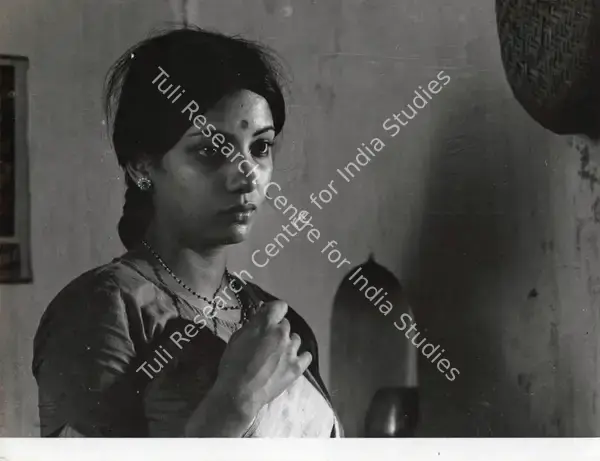
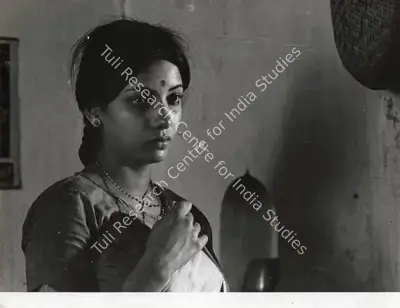
Govind Nihalani (Cinematographer), Nishant, 1975, Photographic Still
Nihalani, Govind (Cinematographer), Nishant, 1975 | Photographic Still
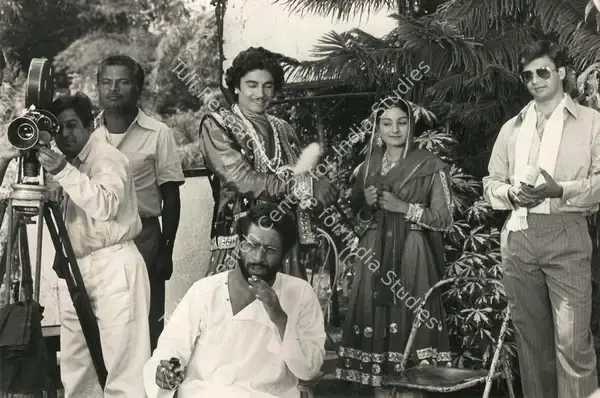
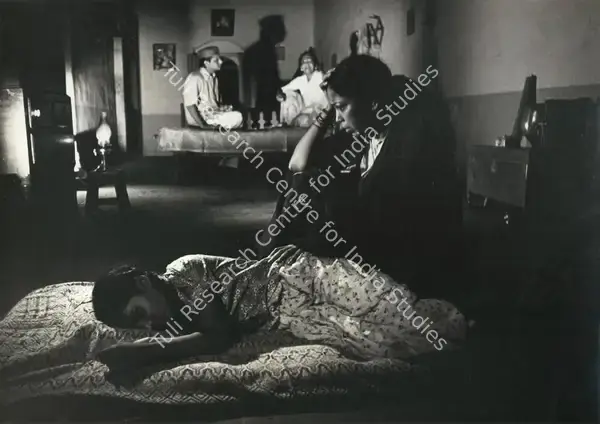
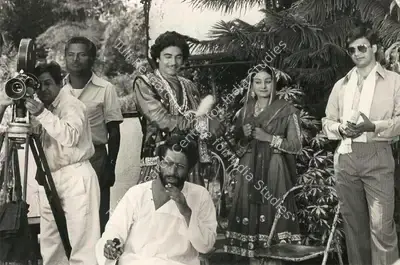
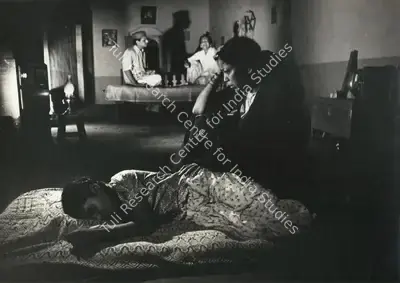
Govind (Cinematographer), Bhumika, 1976, Working Still
Govind (Cinematographer), Bhumika, 1976. Naseeruddin Shah, Anant Nag And Others On The Sets | Working Still
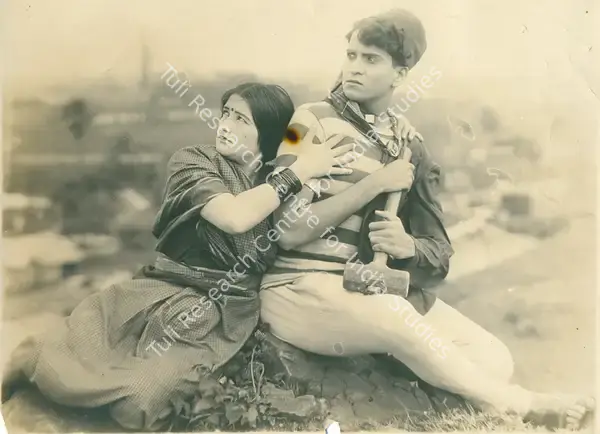
Govind (Cinematographer), Manthan, 1976, Photographic Still
Govind (Cinematographer), Manthan, 1976 | Photographic Still
Govind (Cinematographer), Manthan, 1976, Photographic Still
Govind (Cinematographer), Manthan, 1976 | Photographic Still
Govind (Cinematographer), Bhumika, 1976, Photographic Still
Govind (Cinematographer), Bhumika, 1976 | Photographic Still
Govind (Cinematographer), Bhumika, 1976, Photographic Still
Govind (Cinematographer), Bhumika, 1976 | Photographic Still
Govind (Cinematographer), Bhumika, 1976, Photographic Still
Govind (Cinematographer), Bhumika, 1976 | Photographic Still
Govind (Cinematographer), Bhumika, 1976, Photographic Still
Govind (Cinematographer), Bhumika, 1976 | Photographic Still
Govind (Cinematographer), Bhumika, 1976, Photographic Still
Govind (Cinematographer), Bhumika, 1976 | Photographic Still
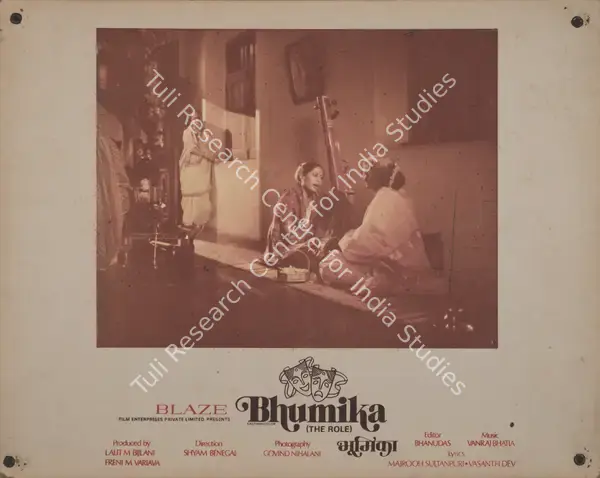
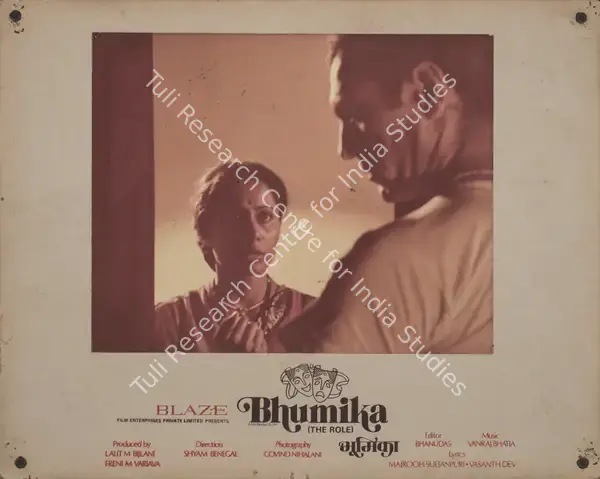
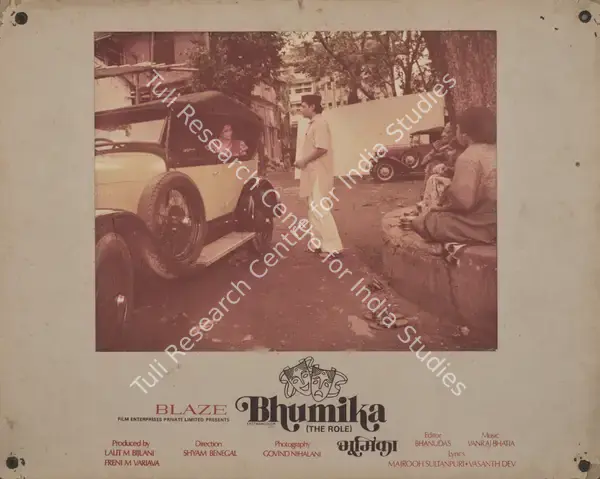
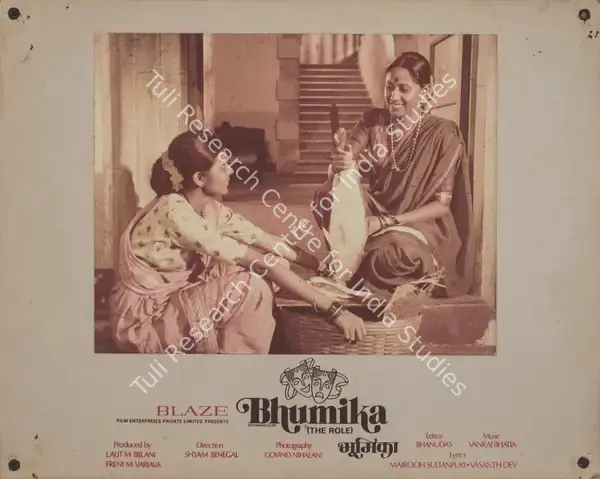
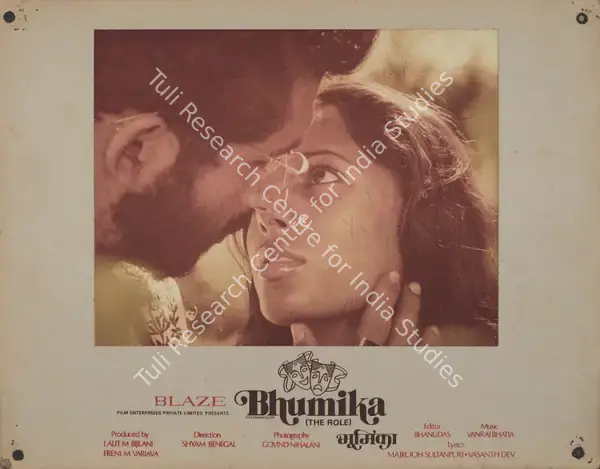
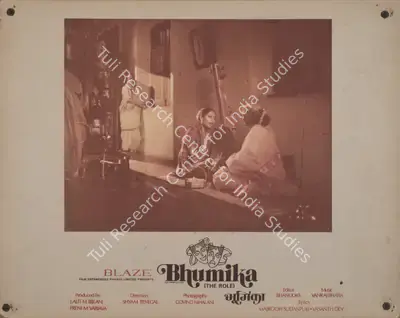
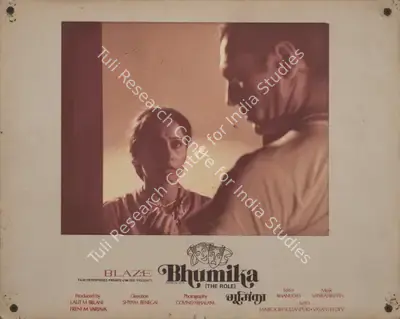
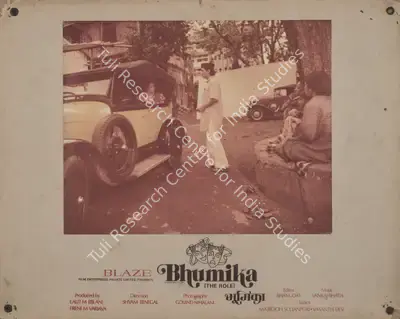
Govind Nihalani (Cinematographer), Bhumika, 1976, Photographic Still Mounted on Lobby Card
Nihalani, Govind (Cinematographer), Bhumika, 1976 | Photographic Still Mounted on Lobby Card
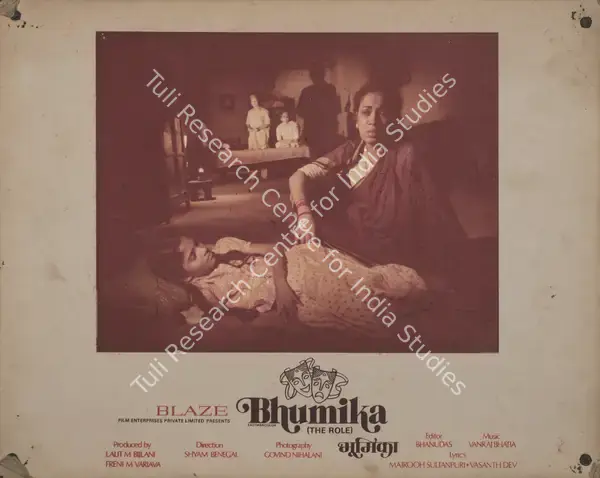
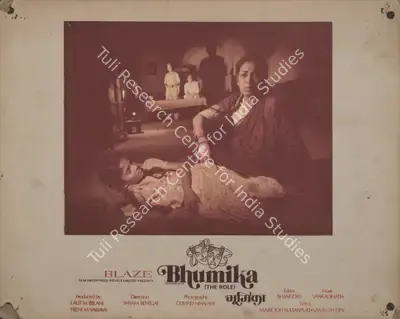
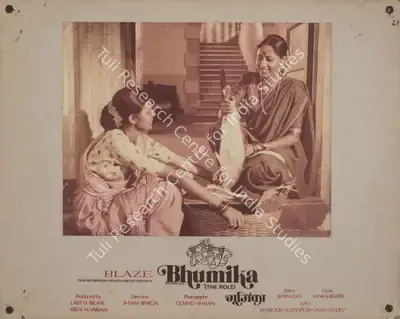
Govind Nihalani (Cinematographer), Bhumika, 1976, Photographic Still Mounted on Lobby Card
Nihalani, Govind (Cinematographer), Bhumika, 1976 | Photographic Still Mounted on Lobby Card
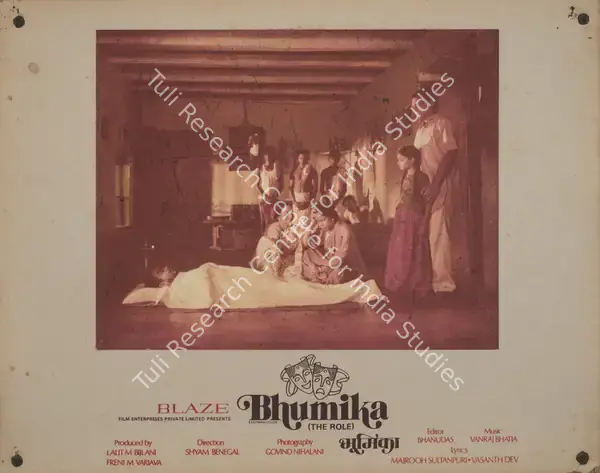
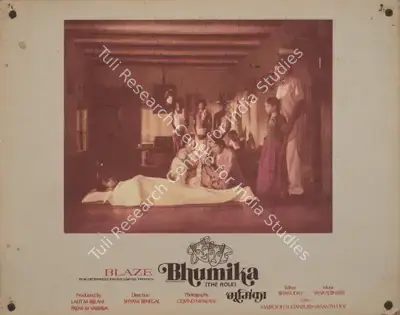
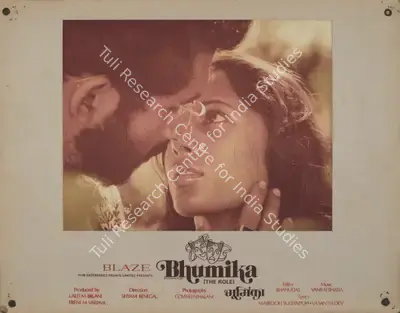
Govind Nihalani (Cinematographer), Bhumika, 1976, Photographic Still Mounted on Lobby Card
Nihalani, Govind (Cinematographer), Bhumika, 1976 | Photographic Still Mounted on Lobby Card
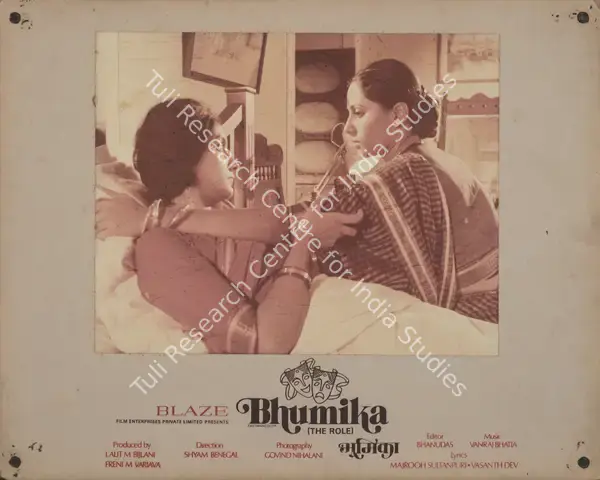
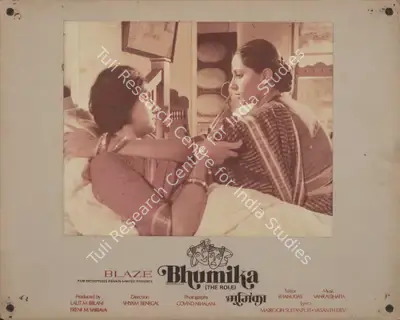
Govind Nihalani (Cinematographer), Bhumika, 1976, Photographic Still Mounted on Lobby Card
Nihalani, Govind (Cinematographer), Bhumika, 1976 | Photographic Still Mounted on Lobby Card
Govind Nihalani (Cinematographer), Bhumika, 1976, Photographic Still Mounted on Lobby Card
Nihalani, Govind (Cinematographer), Bhumika, 1976 | Photographic Still Mounted on Lobby Card
Govind Nihalani (Cinematographer), Bhumika, 1976, Photographic Still Mounted on Lobby Card
Nihalani, Govind (Cinematographer), Bhumika, 1976 | Photographic Still Mounted on Lobby Card
Govind Nihalani (Cinematographer), Bhumika, 1976, Photographic Still Mounted on Lobby Card
Nihalani, Govind (Cinematographer), Bhumika, 1976 | Photographic Still Mounted on Lobby Card
Govind Nihalani (Cinematographer), Bhumika, 1976, Photographic Still Mounted on Lobby Card
Nihalani, Govind (Cinematographer), Bhumika, 1976 | Photographic Still Mounted on Lobby Card
20 of 94
Ishan Arya (Producer), Garm Hava, 1973, Song-Synopsis Booklet
Arya, Ishan (Producer), Garm Hava, 1973 | Song-Synopsis Booklet
Amar Kumar (Producer), Barkha Bahar, 1973, Song-Synopsis Booklet
Kumar, Amar (Producer), Barkha Bahar, 1973 | Song-Synopsis Booklet
Amar Kumar (Producer), Barkha Bahar, 1973, Photographic Still Mounted on Lobby Card
Kumar, Amar (Producer), Barkha Bahar, 1973 | Photographic Still Mounted on Lobby Card
Govind Nihalani (Cinematographer), Nishant, 1975, Photographic Still
Nihalani, Govind (Cinematographer), Nishant, 1975 | Photographic Still
Govind (Cinematographer), Bhumika, 1976, Working Still
Govind (Cinematographer), Bhumika, 1976. Naseeruddin Shah, Anant Nag And Others On The Sets | Working Still
Govind (Cinematographer), Manthan, 1976, Photographic Still
Govind (Cinematographer), Manthan, 1976 | Photographic Still
Govind (Cinematographer), Manthan, 1976, Photographic Still
Govind (Cinematographer), Manthan, 1976 | Photographic Still
Govind (Cinematographer), Bhumika, 1976, Photographic Still
Govind (Cinematographer), Bhumika, 1976 | Photographic Still
Govind (Cinematographer), Bhumika, 1976, Photographic Still
Govind (Cinematographer), Bhumika, 1976 | Photographic Still
Govind (Cinematographer), Bhumika, 1976, Photographic Still
Govind (Cinematographer), Bhumika, 1976 | Photographic Still
Govind (Cinematographer), Bhumika, 1976, Photographic Still
Govind (Cinematographer), Bhumika, 1976 | Photographic Still
Govind (Cinematographer), Bhumika, 1976, Photographic Still
Govind (Cinematographer), Bhumika, 1976 | Photographic Still
Govind Nihalani (Cinematographer), Bhumika, 1976, Photographic Still Mounted on Lobby Card
Nihalani, Govind (Cinematographer), Bhumika, 1976 | Photographic Still Mounted on Lobby Card
Govind Nihalani (Cinematographer), Bhumika, 1976, Photographic Still Mounted on Lobby Card
Nihalani, Govind (Cinematographer), Bhumika, 1976 | Photographic Still Mounted on Lobby Card
Govind Nihalani (Cinematographer), Bhumika, 1976, Photographic Still Mounted on Lobby Card
Nihalani, Govind (Cinematographer), Bhumika, 1976 | Photographic Still Mounted on Lobby Card
Govind Nihalani (Cinematographer), Bhumika, 1976, Photographic Still Mounted on Lobby Card
Nihalani, Govind (Cinematographer), Bhumika, 1976 | Photographic Still Mounted on Lobby Card
Govind Nihalani (Cinematographer), Bhumika, 1976, Photographic Still Mounted on Lobby Card
Nihalani, Govind (Cinematographer), Bhumika, 1976 | Photographic Still Mounted on Lobby Card
Govind Nihalani (Cinematographer), Bhumika, 1976, Photographic Still Mounted on Lobby Card
Nihalani, Govind (Cinematographer), Bhumika, 1976 | Photographic Still Mounted on Lobby Card
Govind Nihalani (Cinematographer), Bhumika, 1976, Photographic Still Mounted on Lobby Card
Nihalani, Govind (Cinematographer), Bhumika, 1976 | Photographic Still Mounted on Lobby Card
Govind Nihalani (Cinematographer), Bhumika, 1976, Photographic Still Mounted on Lobby Card
Nihalani, Govind (Cinematographer), Bhumika, 1976 | Photographic Still Mounted on Lobby Card
20 of 94
Tuli Research Centre for India Studies

Tuli Research Centre

for India Studies

A free and open knowledge base for the modern and contemporary Indian arts, cinema, photography and cultural heritage.

Support

Contact Us

Discover

Tuli Research Centre for India StudiesVisionManifestoArchive & LibraryVanraja Sanctuary & Hospice

Legal

Privacy PolicyTerms & Conditions

Follow us

Youtube

Youtube

Instagram

Instagram

Facebook

Facebook

© Tuli Research Centre for India Studies 2026

Tuli Research Centre for India Studies

Tuli Research Centre

for India Studies

A free and open knowledge base for the modern and contemporary Indian arts, cinema, photography and cultural heritage.

Tuli Research Centre for India StudiesVisionManifestoArchive & LibraryVanraja Sanctuary & Hospice
Contact Us
Privacy PolicyTerms & Conditions

Follow us

YoutubeInstagramFacebook

© Tuli Research Centre for India Studies 2026

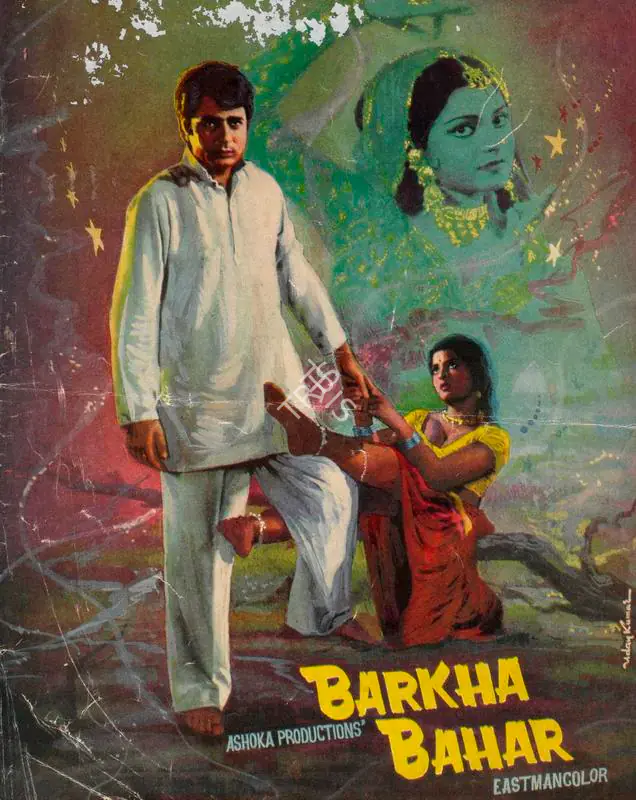
                          Kumar, Amar (Producer), Barkha Bahar, 1973 | Song-Synopsis Booklet | CinemaEducation | 00863361

                          Kumar, Amar (Producer), Barkha Bahar, 1973 | Song-Synopsis Booklet

                          ProducerAmar Kumar
                          Document TypeSong-Synopsis Booklet
                          Film TitleBarkha Bahar, 1973, India, Hindi
                          DirectorAmar KumarBannerAshoka Productions
                          CastNavin Nischol, Rajita Thakur, Hiralal, Rekha, Mohd. Abbas, Master Alankar, Bishan Khanna, Kirti Kumar, Shyam Kumar, Radha Rani, B.S. Thapa, Shama Zaidi, Bhagwan, Deepak, Dulari, Kamran, Madhumal, Mubarak, Murad, Paro, Sheela, Sonal, Subrata
                          Copyright of ImageWith Producer | Archive Object

                          Research Categories

                          1_CinemaEducation

                          Related Links3

                          Masterlist2
                          RekhaThe Hindi Film Song Synopsis Booklet
                          Research Categories
                          01Cinema as a Critical Educational Resource