Farida Jalal
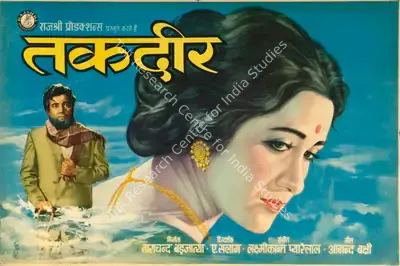
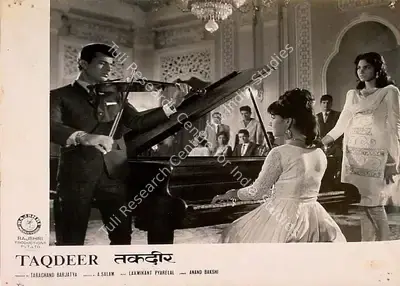
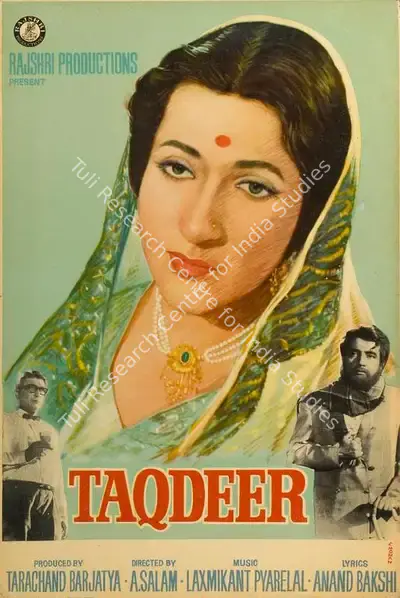
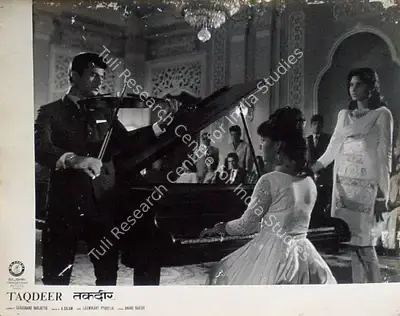
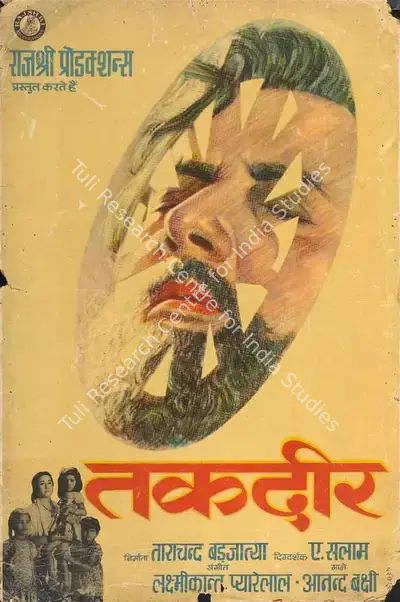
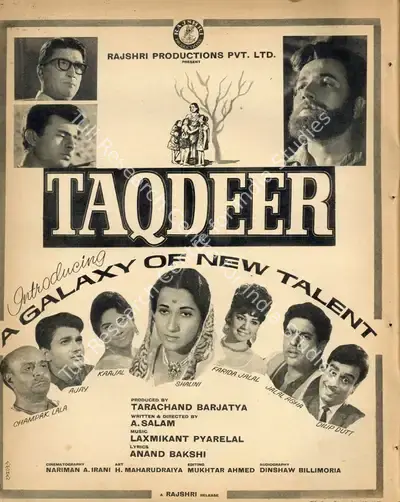
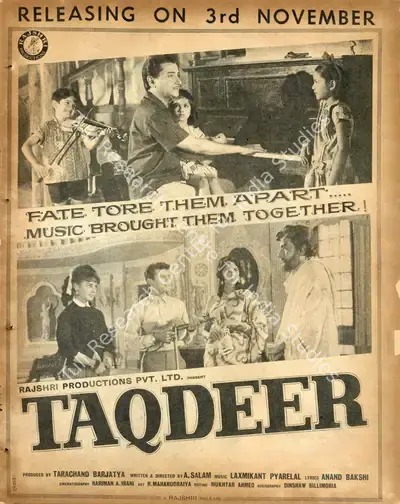
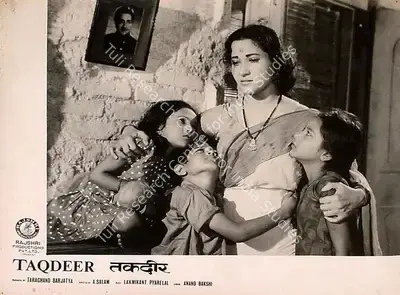
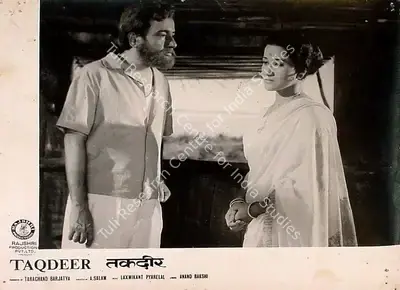
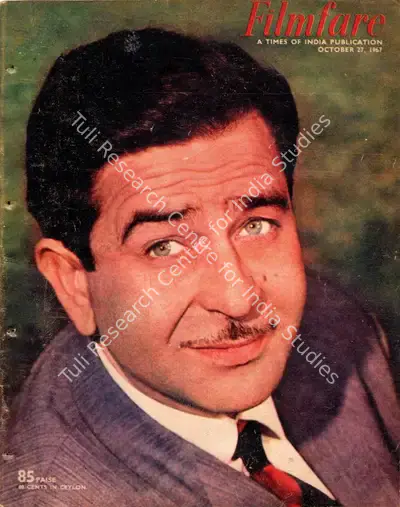
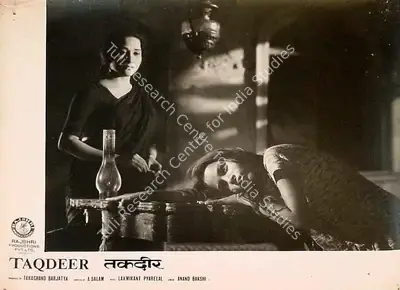
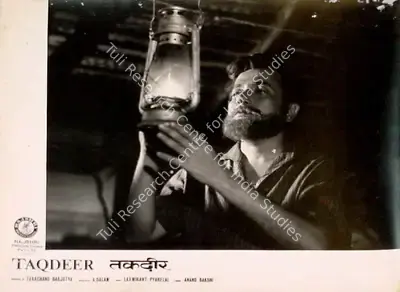
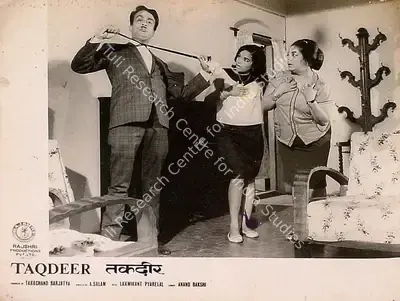
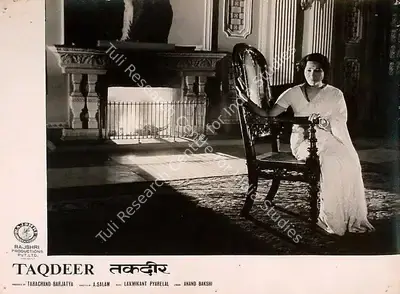
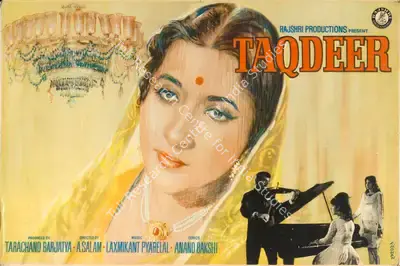
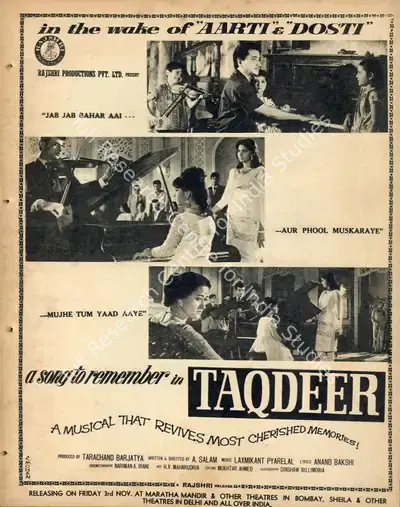
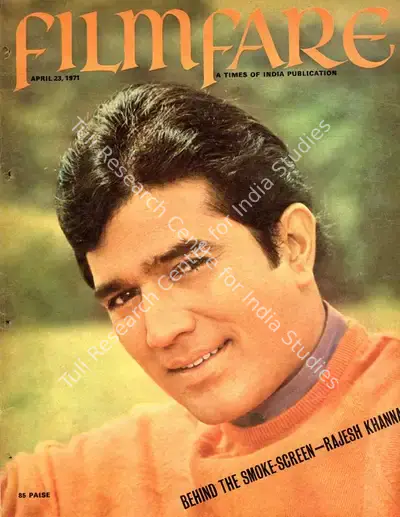
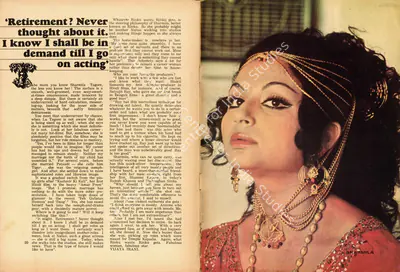
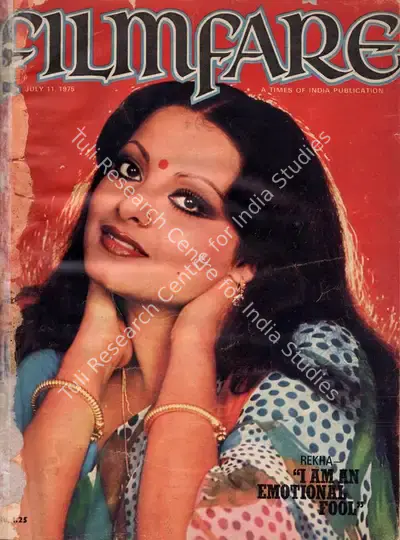
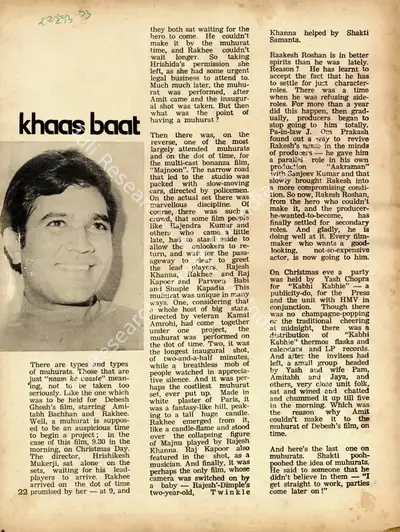
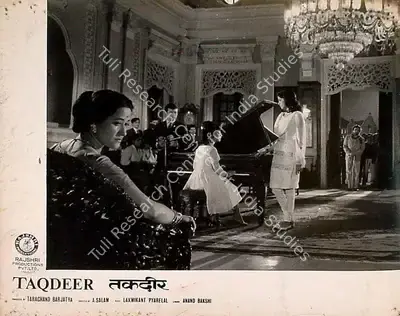
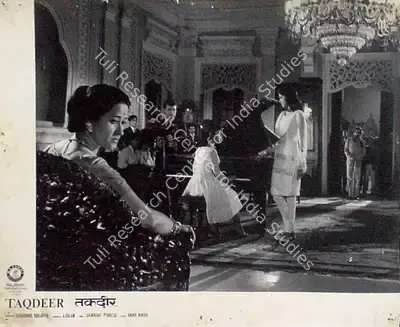
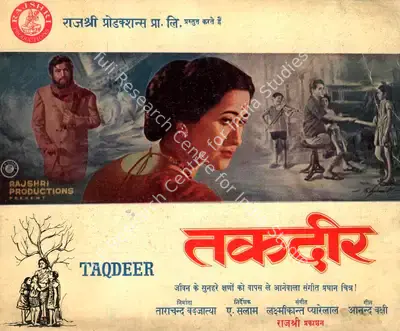
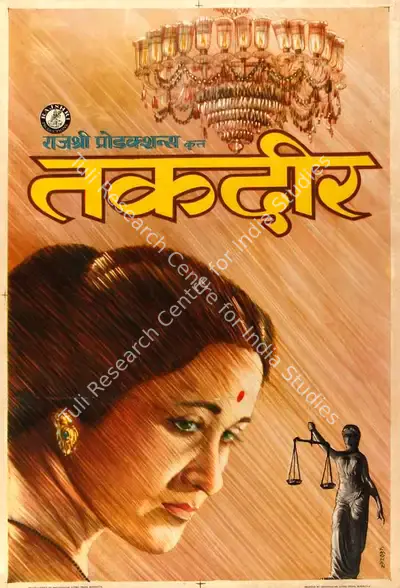
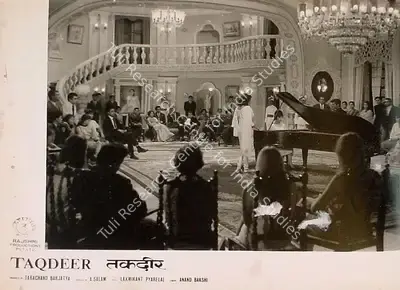
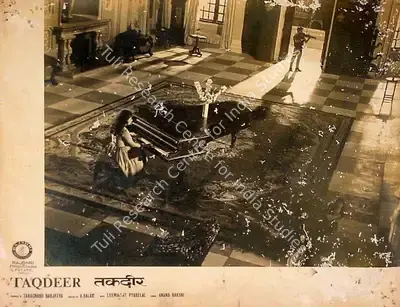
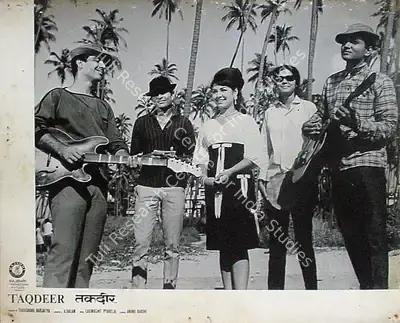
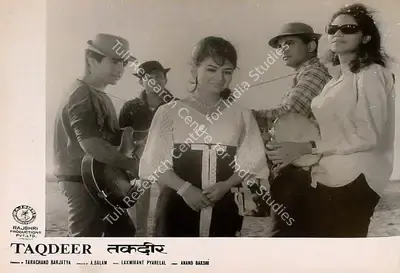
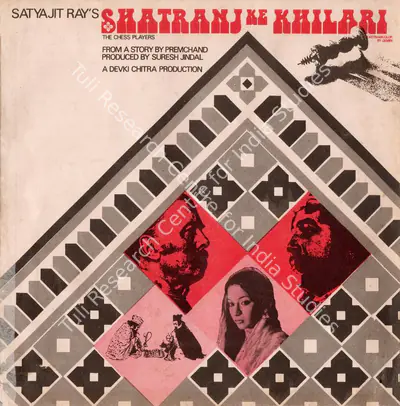
Farida Jalal occupies a singular place in the history of Indian cinema. Across a career spanning nearly five decades and more than 200 films, she moved effortlessly between mainstream Hindi cinema, television and character-driven films. Yet her distinction lies less in longevity or accolades than in the uncommon sensitivity with which she inhabited women who might otherwise have remained at the margins of the narrative. Her rare gift was to give even the smallest role an inner life—warm, vulnerable, humorous, resilient and quietly complex. Her entry into cinema was almost accidental. In 1965, shortly after leaving St Joseph's Convent in Panchgani, Jalal entered the United Producers Talent Hunt, sponsored by Filmfare, more for the experience than with any serious expectation of becoming an actress. She emerged as a finalist alongside Rajesh Khanna, and the two were presented on stage as winners at the Filmfare Awards ceremony. Among those in the audience was producer Tarachand Barjatya, who was impressed by the young Jalal and offered her a role in Taqdeer (1967), giving her a screen debut. The coincidence would prove fateful: the young man who had stood beside her as a fellow talent-hunt winner would soon become her co-star in Aradhana (1969). Jalal followed Taqdeer (1967) with Baharon Ki Manzil (1968), playing Nalini S. S. Roy, and Mahal (1969), in which she appeared as a nurse. These were modest assignments, but they provided valuable experience and began establishing her as a dependable young supporting actress. Her first major visibility came with Shakti Samanta's Aradhana (1969). Chosen from among several young contenders, she was cast opposite Rajesh Khanna as Renu, the young woman who becomes his character's love interest in the film's second half. Her appearance in the popular song Baaghon Mein Bahar Hai further familiarised her to audiences. The enormous success of the film gave the still-new actress considerable exposure and reunited her on screen with her former talent-hunt companion. Jalal spent the next several years steadily building her repertoire through supporting roles in Puraskar (1970), Naya Raasta (1970), Gopi (1970) and Devi (1970); Khoj (1971), Pyar Ki Kahani (1971) and Lagan (1971); and Zindagi Zindagi (1972), Rivaaj (1972), Buniyaad (1972) and Aankh Micholi (1972). These roles were seldom central, but Jalal was developing the quality that would become her hallmark: the ability to make a character register without demanding disproportionate screen time. A decisive early milestone came with Paras (1971), in which she played Bela Singh. Her performance won her the Filmfare Award for Best Supporting Actress and brought recognition from the Bengal Film Journalists' Association. By the time Raj Kapoor cast her in Bobby (1973), she was therefore an established supporting actress rather than a newcomer waiting for a breakthrough. Her role as Alka “Nikki” Sharma, the somewhat childlike daughter of a wealthy businessman, was brief but unusually memorable. Jalal invested the character with innocence and poignancy rather than reducing her to caricature. The performance would have consequences far beyond its screen time. Satyajit Ray was among those who noticed her work in Bobby (1973). Impressed by what she had achieved in such a small role, he eventually sought Raj Kapoor's help in contacting her and cast her opposite Saeed Jaffrey in Shatranj Ke Khilari (1977), his first Hindi film. Thus, what appeared to be a minor supporting appearance became an unexpected bridge towards a more character-oriented cinema in which psychological texture mattered more than conventional star presence. Her work in films such as Jurmana (1979), Khushboo (1975) and Henna (1991) further revealed that range. The culmination of this evolution came with Shyam Benegal's Mammo (1994). The title role had originally been conceived for Waheeda Rehman, who ultimately declined it; Shabana Azmi and Jaya Bachchan were also considered. Writer Khalid Mohamed recommended Jalal, while Benegal already knew her work from Bobby (1973). When Jalal met him, he reportedly placed the script in her lap and told her, “This is the script of Mammo and you are Mammo.” Overwhelmed by the opportunity, she abandoned a planned shopping trip with her mother and began reading the script on the way home. As Mehmooda Begum, an ageing woman negotiating displacement, loneliness, humour, dignity and an enduring longing for belonging, Jalal delivered perhaps the most eloquent expression of her artistry. Nothing is overstated: emotion emerges through gesture, silence, inflection and the rhythms of ordinary conversation. Her Mammo is wounded yet resilient, comic yet deeply moving, affectionate yet solitary. She does not ask for sympathy; she allows the character's humanity to command it. Her performance won the Filmfare Critics Award for Best Actress. Her celebrated work in Aradhana (1969), Paras (1971), Henna (1991) and Dilwale Dulhania Le Jayenge (1995), together with television landmarks such as Yeh Jo Hai Zindagi, Dekh Bhai Dekh and Shararat, confirmed her extraordinary range and popular appeal. Her honours—including four Filmfare Awards, a Filmfare Critics Award, two Bengal Film Journalists' Association Awards, a National Film Award, a Lifetime Achievement Award from the Film Critics' Guild and international recognition—only partially capture her achievement. Jalal's career ultimately challenges the hierarchy implicit in the phrase “supporting actress.” Her characters may occupy the margins of the frame, but she repeatedly made them indispensable to a film's emotional and moral texture. Her enduring contribution is the art of presence: the ability to make a glance, a pause, a tremor in the voice or a quiet gesture carry the weight of an entire life. In her finest work, the peripheral becomes profoundly central—and that may be Farida Jalal's most lasting gift to Indian cinema.
Source: https://en.wikipedia.org/wiki/Farida_Jalal
https://indianexpress.com/about/farida-jalal/
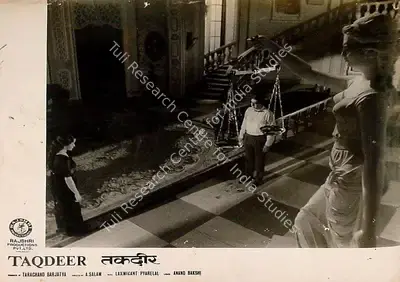
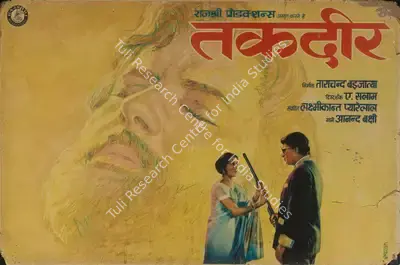
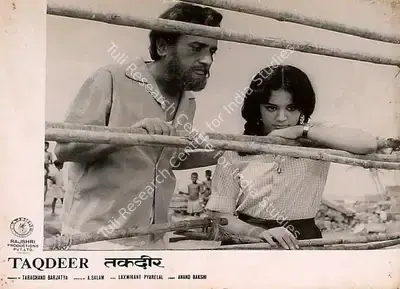
सिनेमा में उनका आना लगभग इत्तेफ़ाक से हुआ। 1965 में, पंचगनी के सेंट जोसेफ कॉन्वेंट से निकलने के कुछ ही समय बाद, जलाल ने फ़िल्मफ़ेयर द्वारा प्रायोजित 'यूनाइटेड प्रोड्यूसर्स टैलेंट हंट' में हिस्सा लिया। उन्होंने यह अनुभव के लिए किया था न कि अभिनेत्री बनने की किसी गंभीर उम्मीद के साथ। वह राजेश खन्ना के साथ फाइनलिस्ट बनीं और फ़िल्मफ़ेयर अवार्ड्स समारोह में दोनों को विजेताओं के तौर पर मंच पर पेश किया गया। दर्शकों में प्रोड्यूसर ताराचंद बड़जात्या भी मौजूद थे, जो युवा जलाल से प्रभावित हुए और उन्हें 'तक़दीर' (1967) में एक रोल ऑफ़र किया, जिससे उन्हें स्क्रीन पर डेब्यू करने का मौका मिला। यह इत्तेफ़ाक आगे चलकर बहुत अहम साबित हुआ। टैलेंट हंट में उनके साथ विजेता बने वही युवा कलाकार जल्द ही 'आराधना' (1969) में उनके को-स्टार बने।
'तक़दीर' (1967) के बाद जलाल ने 'बहारों की मंज़िल' (1968) में नलिनी एस. एस. रॉय और 'महल' (1969) में नर्स का किरदार निभाया। ये छोटे रोल थे, लेकिन इनसे उन्हें कीमती अनुभव मिला और एक भरोसेमंद युवा सपोर्टिंग एक्ट्रेस के तौर पर उनकी पहचान बनने लगी। उन्हें पहली बड़ी पहचान शक्ति सामंत की 'आराधना' (1969) से मिली। कई युवा दावेदारों में से चुने जाने के बाद, उन्हें राजेश खन्ना के अपोज़िट 'रेणु' का रोल मिला। यह वह युवा महिला थी जो फ़िल्म के दूसरे हिस्से में उनके किरदार की प्रेमिका बनती है। मशहूर गाने 'बाग़ों में बहार है' में उनकी मौजूदगी ने उन्हें दर्शकों के बीच और भी लोकप्रिय बना दिया। फ़िल्म की ज़बरदस्त क़ामयाबी ने इस नई अभिनेत्री को काफ़ी पहचान दिलाई और उन्हें टैलेंट हंट के अपने पुराने साथी के साथ फिर से स्क्रीन पर काम करने का मौका दिया।
जलाल ने अगले कुछ सालों तक 'पुरस्कार' (1970), 'नया रास्ता' (1970), 'गोपी' (1970) और 'देवी' (1970); 'खोज' (1971), 'प्यार की कहानी' (1971) और 'लगन' (1971) और 'ज़िंदगी ज़िंदगी' (1972), 'रिवाज़' (1972), 'बुनियाद' (1972) और 'आँख मिचौली' (1972) जैसी फ़िल्मों में सहायक भूमिकाएँ निभाकर अपने काम का दायरा बढ़ाया। ये भूमिकाएँ शायद ही कभी मुख्य होती थीं, लेकिन जलाल उस ख़ूबी को विकसित कर रही थीं जो उनकी पहचान बन गई। बिना ज़्यादा स्क्रीन टाइम लिए किसी किरदार को यादगार बनाने की क्षमता थी ।
उनके शुरुआती दौर में एक अहम मोड़ 'पारस' (1971) से आया, जिसमें उन्होंने बेला सिंह का किरदार निभाया था। उनके अभिनय के लिए उन्हें सर्वश्रेष्ठ सहायक अभिनेत्री का फ़िल्मफ़ेयर पुरस्कार मिला और बंगाल फ़िल्म जर्नलिस्ट्स एसोसिएशन से पहचान मिली। जब राज कपूर ने उन्हें 'बॉबी' (1973) में कास्ट किया तब तक वह एक नई कलाकार के बजाय एक स्थापित सहायक अभिनेत्री बन चुकी थीं। एक अमीर व्यापारी की थोड़ी बचकानी बेटी अल्का "निक्की" शर्मा के रूप में उनकी भूमिका छोटी थी, लेकिन बहुत यादगार थी। जलाल ने किरदार को मज़ाकिया या अजीब दिखाने के बजाय मासूमियत और भावुकता से भरा। उनके अभिनय का असर स्क्रीन टाइम से कहीं ज़्यादा रहा।
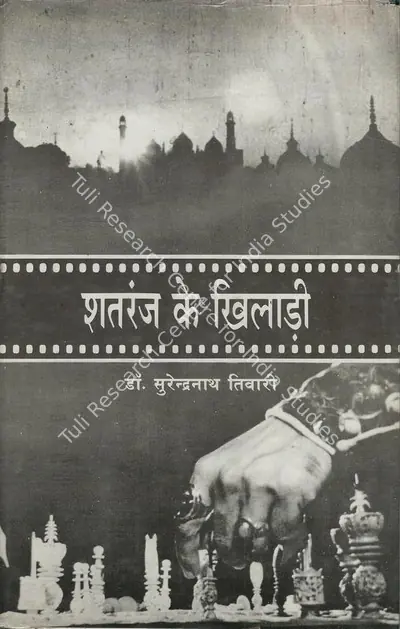
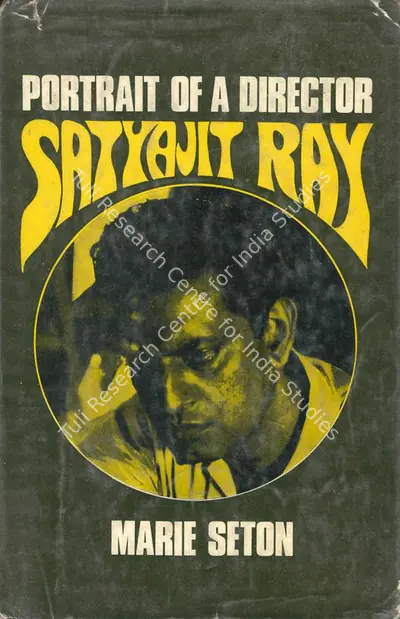
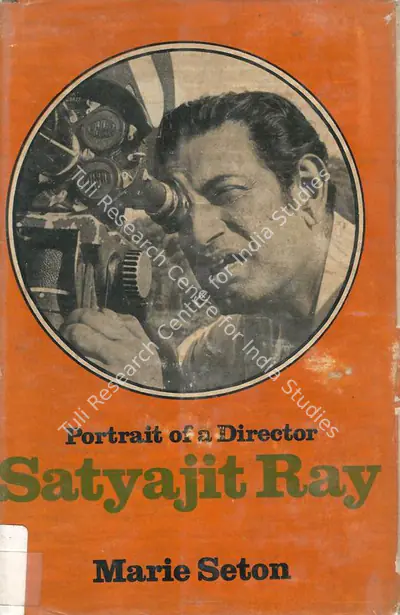
सत्यजीत रे भी उन लोगों में शामिल थे जिन्होंने 'बॉबी' (1973) में उनके काम पर ध्यान दिया। इतनी छोटी भूमिका में उनके काम से प्रभावित होकर, उन्होंने उनसे संपर्क करने के लिए राज कपूर की मदद ली और अपनी पहली हिंदी फ़िल्म 'शतरंज के खिलाड़ी' (1977) में सईद जाफ़री के साथ उन्हें कास्ट किया। इस तरह, जो एक छोटी सी सहायक भूमिका लग रही थी, वह किरदार-प्रधान सिनेमा की ओर एक अप्रत्याशित पुल बन गई, जिसमें पारंपरिक स्टार उपस्थिति से ज़्यादा मनोवैज्ञानिक गहराई मायने रखती थी। 'जुर्माना' (1979), 'ख़ुशबू' (1975) और 'हिना' (1991) जैसी फ़िल्मों में उनके काम ने उनकी इस क्षमता को और दिखाया।
इस विकास का चरम बिंदु श्याम बेनेगल की 'मम्मो' (1994) के साथ आया। मुख्य भूमिका मूल रूप से वहीदा रहमान के लिए सोची गई थी, जिन्होंने अंततः इसे करने से मना कर दिया। शबाना आज़मी और जया बच्चन के नामों पर भी विचार किया गया था। लेखक खालिद मोहम्मद ने जलाल का नाम सुझाया था, जबकि बेनेगल 'बॉबी' (1973) से ही उनके काम से वाक़िफ़ थे। जब जलाल उनसे मिलीं, तो कहा जाता है कि उन्होंने स्क्रिप्ट उनकी गोद में रख दी और उनसे कहा, "यह 'मम्मो' की स्क्रिप्ट है और तुम ही मम्मो हो।" इस मौके से अभिभूत होकर, उन्होंने अपनी माँ के साथ शॉपिंग पर जाने का प्लान छोड़ दिया और घर लौटते समय ही स्क्रिप्ट पढ़ना शुरू कर दिया।
महमूदा बेगम के किरदार में जो विस्थापन, अकेलेपन, हास्य, गरिमा और अपनेपन की गहरी चाहत से जूझती एक बुजुर्ग महिला हैं। जलाल ने शायद अपनी कला का सबसे बेहतरीन प्रदर्शन किया। इसमें कुछ भी बढ़ा-चढ़ाकर नहीं दिखाया गया है। भावनाएं हाव-भाव, ख़ामोशी, आवाज़ के उतार-चढ़ाव और आम बातचीत के लहज़े से उभरती हैं। उनकी 'मम्मो' घायल है पर मज़बूत इरादों वाली, मज़ेदार पर दिल को छू लेने वाली, और प्यार करने वाली पर अकेली है। वह सहानुभूति नहीं मांगतीं। वह किरदार की इंसानियत को ही सहानुभूति पाने का ज़रिया बनाती हैं। उनके इस अभिनय के लिए उन्हें सर्वश्रेष्ठ अभिनेत्री का फ़िल्मफ़ेयर क्रिटिक्स अवॉर्ड मिला।
'आराधना' (1969), 'पारस' (1971), 'हिना' (1991) और 'दिलवाले दुल्हनिया ले जाएंगे' (1995) जैसी मशहूर फ़िल्मों और 'ये जो है ज़िंदगी', 'देख भाई देख' व 'शरारत' जैसे टीवी के यादगार शो में उनके काम ने उनकी ज़बरदस्त रेंज और लोकप्रियता को साबित किया। उन्हें मिले सम्मान, जिनमें चार फ़िल्मफ़ेयर अवॉर्ड, एक फ़िल्मफ़ेयर क्रिटिक्स अवॉर्ड, बंगाल फ़िल्म जर्नलिस्ट्स एसोसिएशन के दो अवॉर्ड, एक नेशनल फ़िल्म अवॉर्ड, फ़िल्म क्रिटिक्स गिल्ड का लाइफ़टाइम अचीवमेंट अवॉर्ड और अंतरराष्ट्रीय पहचान शामिल हैं। उनकी उपलब्धियों का बस एक छोटा सा हिस्सा ही बयां करते हैं।
जलाल का करियर असल में "सपोर्टिंग एक्ट्रेस" (सहायक अभिनेत्री) कहे जाने वाले पदक्रम को चुनौती देता है। उनके किरदार भले ही फ़िल्म के फ़्रेम में किनारे पर हों, लेकिन उन्होंने बार-बार उन्हें फ़िल्म के भावनात्मक और नैतिक ताने-बाने के लिए ज़रूरी बनाया। उनका सबसे बड़ा योगदान 'मौजूदगी की कला' है: यानी एक नज़र, एक ठहराव, आवाज़ में हल्की सी थरथराहट या एक शांत इशारे से पूरी ज़िंदगी का एहसास करा देने की क़ाबिलियत। उनके बेहतरीन कामों में, जो चीज़ें किनारे पर होती हैं, वे ही असल में केंद्र में आ जाती हैं और शायद यही भारतीय सिनेमा को फ़रीदा जलाल की सबसे बड़ी और यादगार देन है।
स्रोत:
https://en.wikipedia.org/wiki/Farida_Jalal
https://indianexpress.com/about/farida-jalal/