Introduction
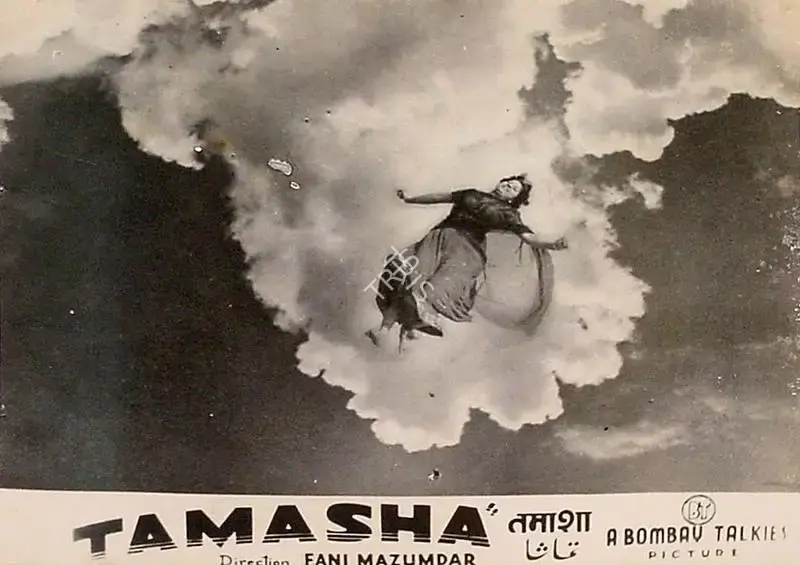
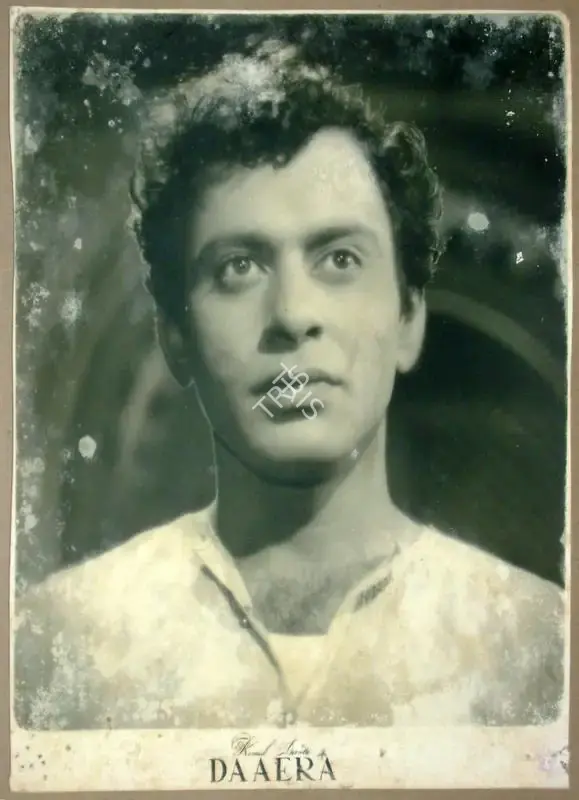
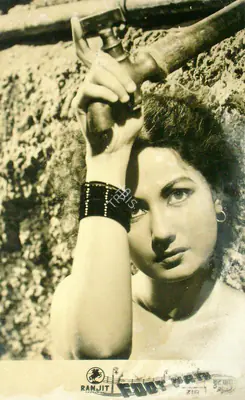
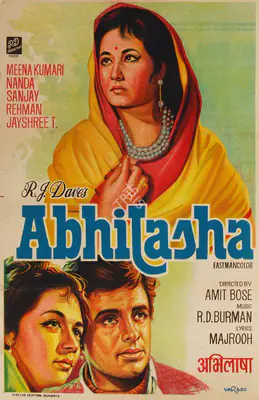
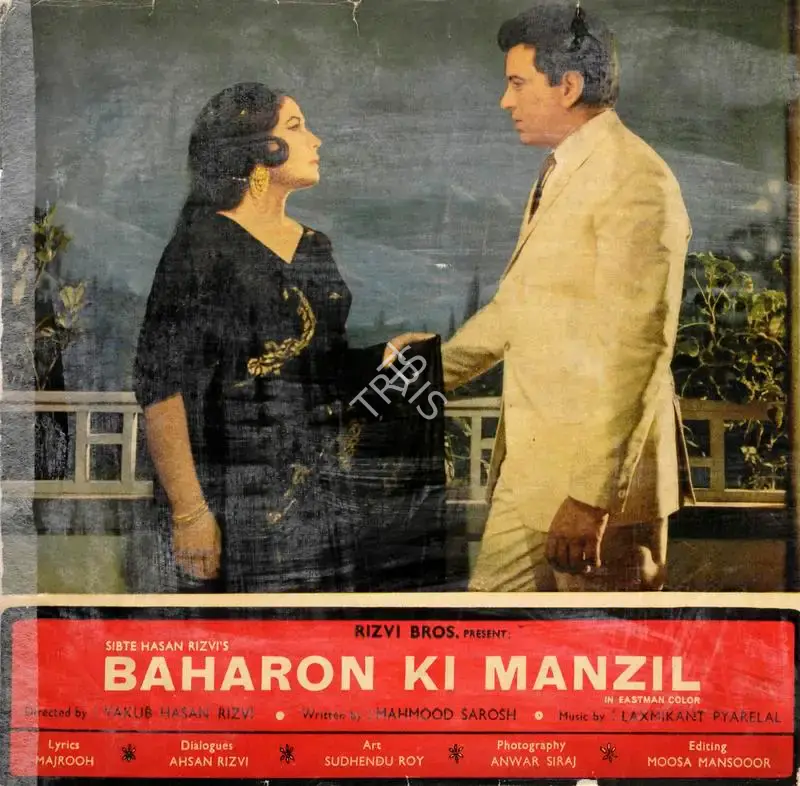
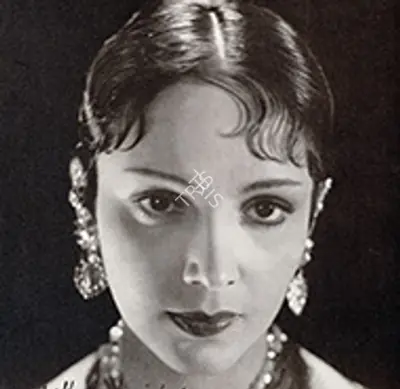
Meena Kumari (1 August 1933 - 1 August 1933 – 31 March 1972), Born Mahjabeen Bano, she became one of Indian cinema's most enduring figures. Over a 33-year career that began in childhood, she appeared in more than 90 films and earned a reputation as Hindi cinema's Tragedy Queen. Her performances captured the emotional and social struggles of Indian women in the 1950s and 1960s, and colleagues often referred to her as the embodiment of the ideal Indian woman.
Raised in a family of performers, Kumari was the daughter of theatre veteran Ali Bux and former stage actress Iqbal Begum, who converted from Christianity to Islam after marriage. Economic hardship marked her early years; she was briefly left at an orphanage after birth because her father could not pay the doctor. By four, she had entered films with Vijay Bhatt's Leatherface, becoming the household breadwinner while also pursuing fragmented schooling through private tutoring.
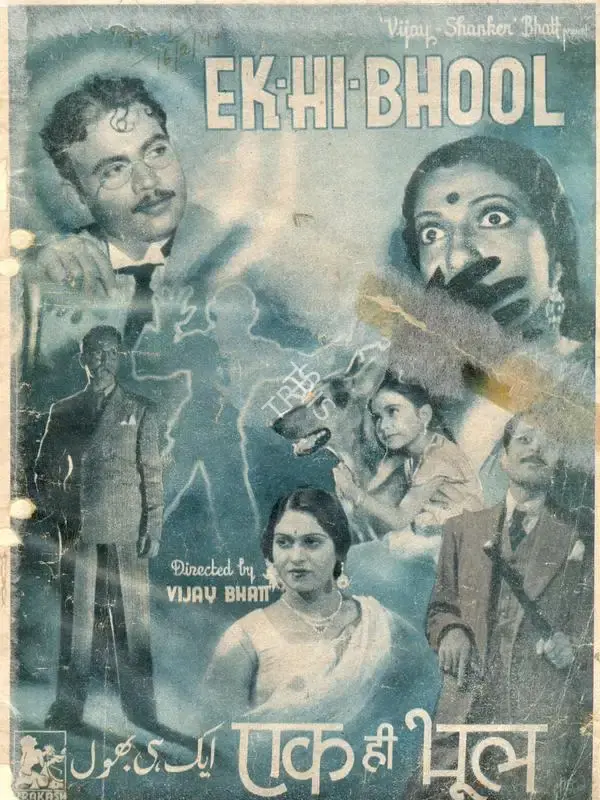
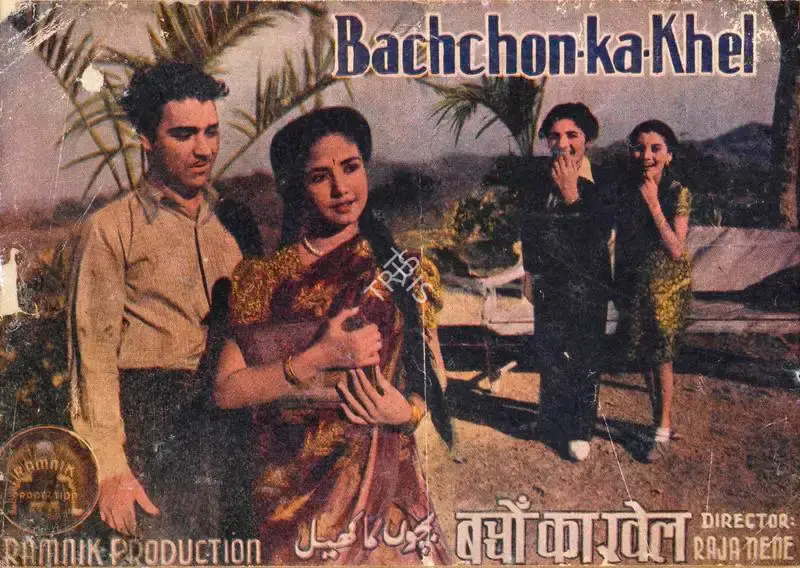
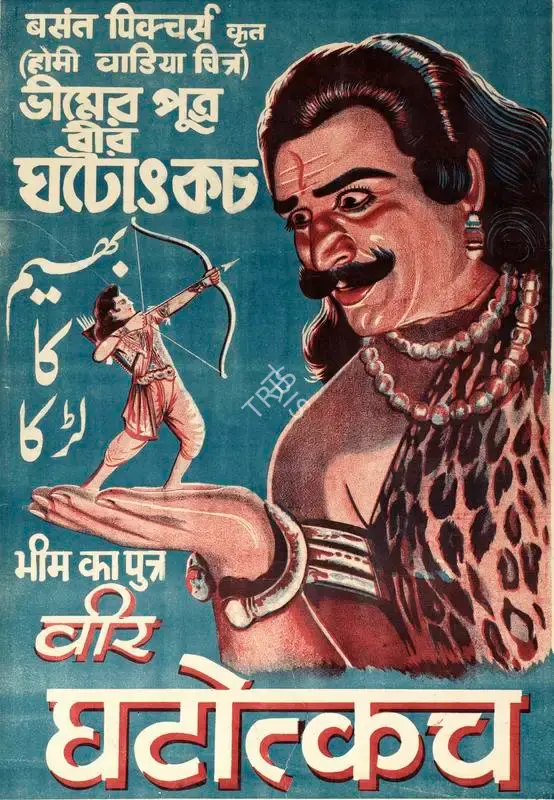
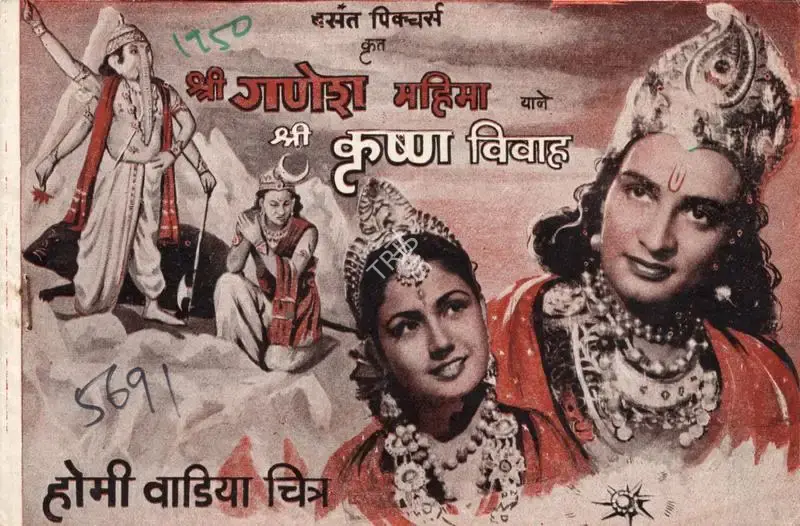
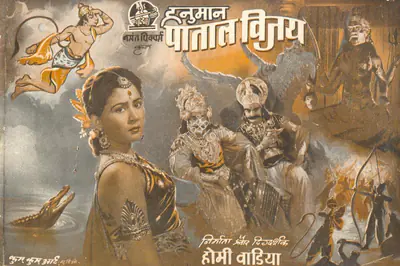
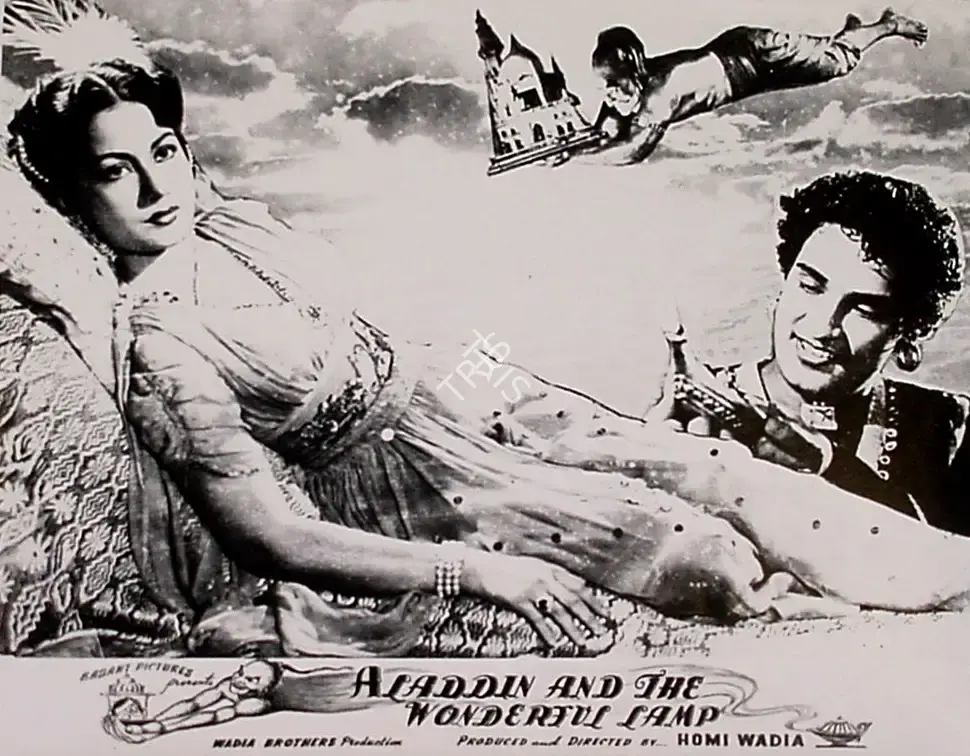
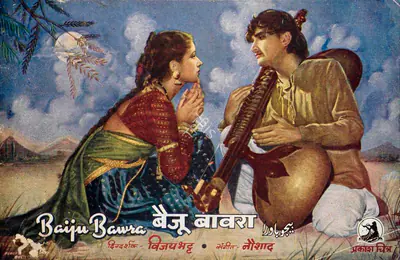
As Baby Meena, she acted in Bhatt's productions including Adhuri Kahani, Pooja and Ek Hi Bhool. She adopted the screen name Meena Kumari with Bachchon Ka Khel in 1946. The death of her mother in 1947 was a profound personal blow. Through the late 1940s and early '50s she appeared in mythology and fantasy films such as Veer Ghatotkach, Shri Ganesh Mahima, Hanuman Patal Vijay and Aladdin Aur Jadui Chirag, before gaining major attention with Bhatt's musical Baiju Bawra in 1952.
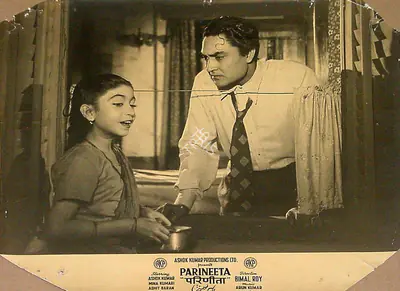
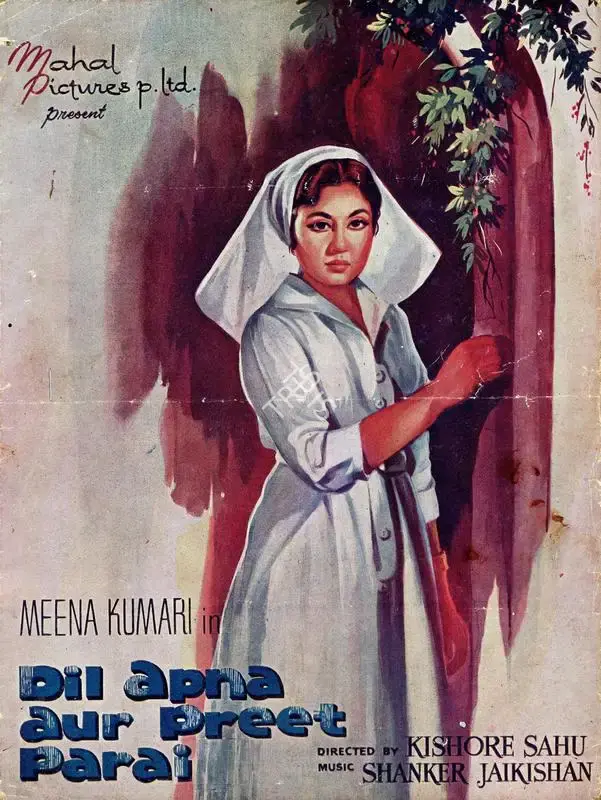
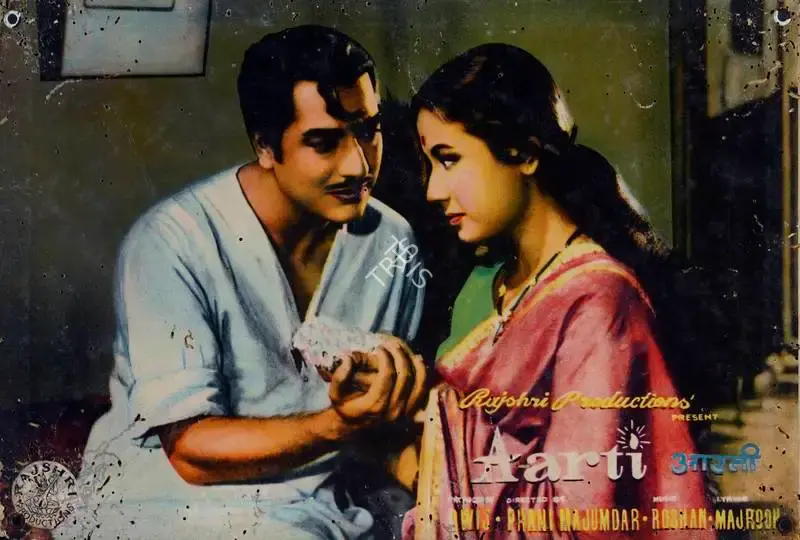
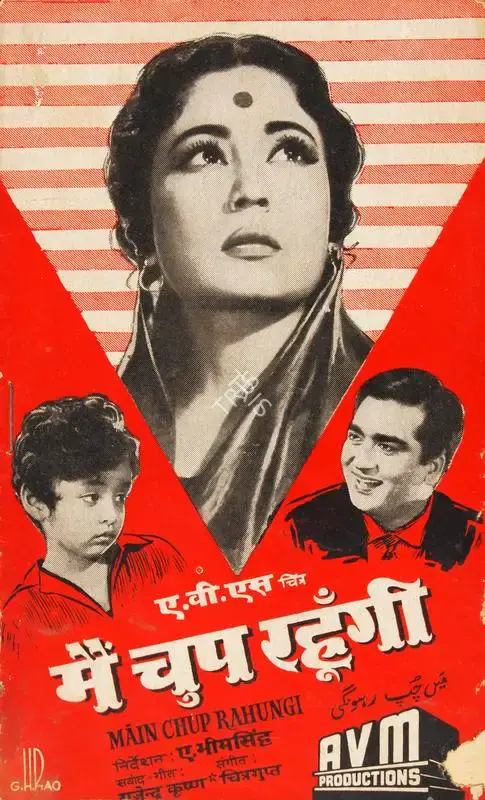
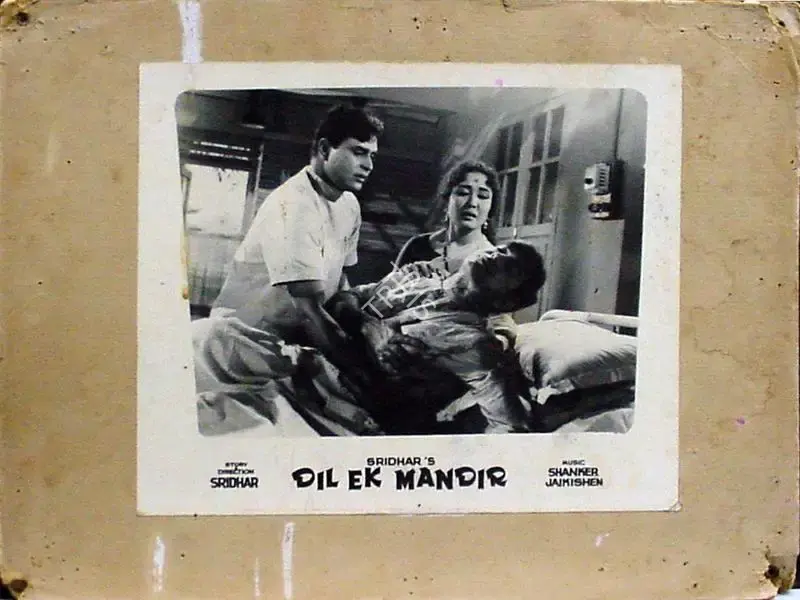
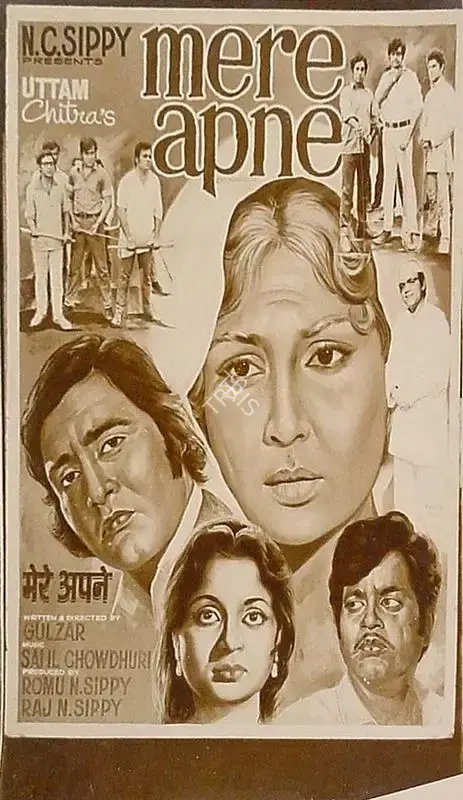
Kumari went on to win four Filmfare Awards for Best Actress, including the inaugural trophy for Baiju Bawra and a historic triple nomination at the 1963 ceremony, where she won for Sahib Bibi Aur Ghulam. She delivered acclaimed performances in films such as Parineeta, Aarti, Dil Apna Aur Preet Parai, Main Chup Rahungi, Dil Ek Mandir and Mere Apne.
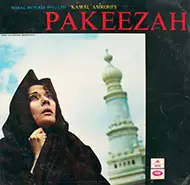
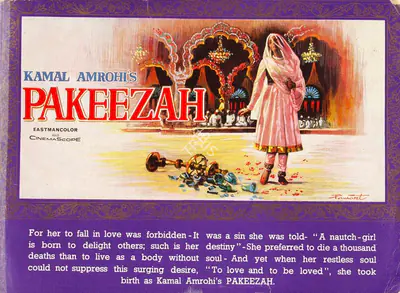
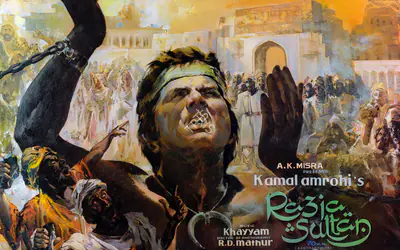
Her portrayal of Sahibjaan in Pakeezah, directed by Kamal Amrohi, became a cultural milestone. Despite declining health and alcoholism in her later years, she completed the film with determination. Released in 1972, Pakeezah enjoyed a long theatrical run, earning her a posthumous Filmfare nomination.
Kumari was also a poet who wrote under the name Naaz, and a playback singer whose early recordings and later album I Write, I Recite showcased her lyrical voice. She died on 31 March 1972, aged 38, from cirrhosis of the liver. Admired by colleagues from Dilip Kumar to Satyajit Ray and Amitabh Bachchan, Meena Kumari remains a towering figure whose artistry continues to define an era of Hindi cinema.
Raised in a family of performers, Kumari was the daughter of theatre veteran Ali Bux and former stage actress Iqbal Begum, who converted from Christianity to Islam after marriage. Economic hardship marked her early years; she was briefly left at an orphanage after birth because her father could not pay the doctor. By four, she had entered films with Vijay Bhatt's Leatherface, becoming the household breadwinner while also pursuing fragmented schooling through private tutoring.
As Baby Meena, she acted in Bhatt's productions including Adhuri Kahani, Pooja and Ek Hi Bhool. She adopted the screen name Meena Kumari with Bachchon Ka Khel in 1946. The death of her mother in 1947 was a profound personal blow. Through the late 1940s and early '50s she appeared in mythology and fantasy films such as Veer Ghatotkach, Shri Ganesh Mahima, Hanuman Patal Vijay and Aladdin Aur Jadui Chirag, before gaining major attention with Bhatt's musical Baiju Bawra in 1952.
Kumari went on to win four Filmfare Awards for Best Actress, including the inaugural trophy for Baiju Bawra and a historic triple nomination at the 1963 ceremony, where she won for Sahib Bibi Aur Ghulam. She delivered acclaimed performances in films such as Parineeta, Aarti, Dil Apna Aur Preet Parai, Main Chup Rahungi, Dil Ek Mandir and Mere Apne.
Her portrayal of Sahibjaan in Pakeezah, directed by Kamal Amrohi, became a cultural milestone. Despite declining health and alcoholism in her later years, she completed the film with determination. Released in 1972, Pakeezah enjoyed a long theatrical run, earning her a posthumous Filmfare nomination.
Kumari was also a poet who wrote under the name Naaz, and a playback singer whose early recordings and later album I Write, I Recite showcased her lyrical voice. She died on 31 March 1972, aged 38, from cirrhosis of the liver. Admired by colleagues from Dilip Kumar to Satyajit Ray and Amitabh Bachchan, Meena Kumari remains a towering figure whose artistry continues to define an era of Hindi cinema.
मीना कुमारी (1 अगस्त 1933 - 31 मार्च 1972), जिनका जन्म महजबीं बानो के नाम से हुआ था, भारतीय सिनेमा की सबसे अमर हस्तियों में से एक बन गईं। बचपन से शुरू हुए 33 वर्षों के अपने करियर में उन्होंने 90 से अधिक फ़िल्मों में अभिनय किया और हिंदी सिनेमा की त्रासदी रानी के रूप में ख्याति अर्जित की। उनके अभिनय ने 1950 और 1960 के दशक में भारतीय महिलाओं के भावनात्मक और सामाजिक संघर्षों को ब-ख़ूबी दर्शाया और उनके सहकर्मी अक्सर उन्हें आदर्श भारतीय महिला का प्रतीक मानते थे।
कलाकारों के परिवार में पली-बढ़ीं कुमारी, रंगमंच के दिग्गज अली बक्स और पूर्व अभिनेत्री इक़बाल बेगम की बेटी थीं, जिन्होंने शादी के बाद ईसाई धर्म से इस्लाम धर्म अपना लिया था। आर्थिक तंगी ने उनके शुरुआती जीवन को प्रभावित किया, जिन्हें जन्म के बाद उन्हें कुछ समय के लिए अनाथालय में छोड़ दिया गया था क्योंकि उनके पिता डॉक्टर का खर्च नहीं उठा सकते थे। चार साल की उम्र में उन्होंने विजय भट्ट की फ़िल्म 'लेदरफेस' (1939) से फ़िल्मों में कदम रखा और घर की आर्थिक जिम्मेदारी संभालने के साथ-साथ निजी ट्यूशन के माध्यम से अपनी अधूरी शिक्षा को जारी रखा।
बेबी मीना के रूप में उन्होंने भट्ट की फ़िल्मों जैसे अधूरी कहानी (1939), पूजा (1940) और एक ही भूल (1940) में अभिनय किया। 1946 में आई फ़िल्म बच्चों का खेल से उन्होंने मीना कुमारी का उपनाम अपनाया। 1947 में अपनी मां के निधन से उन्हें गहरा सदमा लगा। 1940 के दशक के अंत और 1950 के दशक के आरंभ में उन्होंने वीर घटोत्कच (1949), श्री गणेश महिमा (1950), हनुमान पाताल विजय (1951) और अलादीन और जादुई चिराग (1952) जैसी पौराणिक और काल्पनिक फ़िल्मों में काम किया, और अंत में 1952 में भट्ट की संगीतमय फ़िल्म बैजू बावरा से उन्हें काफी प्रसिद्धि मिली।
कुमारी ने सर्वश्रेष्ठ अभिनेत्री के लिए चार फ़िल्मफेयर पुरस्कार जीते, जिसमें बैजू बावरा (1952) के लिए उद्घाटन ट्रॉफी और 1963 के समारोह में एक ऐतिहासिक ट्रिपल नामांकन शामिल था, जहां उन्होंने साहिब बीबी और गुलाम (1962) के लिए पुरस्कार जीता था। उन्होंने परिणीता (1953), आरती (1962), दिल अपना और प्रीत पराई (1960), मैं चुप रहूंगी (1962), दिल एक मंदिर (1963) और मेरे अपने (1971) जैसी फ़िल्मों में प्रशंसित अभिनय किया।
कमाल अमरोही द्वारा निर्देशित फ़िल्म 'पाक़ीज़ा' (1972) में साहिबजान के रूप में उनका अभिनय एक सांस्कृतिक मील का पत्थर बन गया। अपने जीवन के अंतिम वर्षों में गिरते स्वास्थ्य और शराब की लत के बावजूद, उन्होंने दृढ़ संकल्प के साथ फ़िल्म पूरी की। 1972 में रिलीज़ हुई ' पाक़ीज़ा' सिनेमाघरों में लंबे समय तक चली और इसके लिए उन्हें मरणोपरांत फ़िल्मफेयर नामांकन मिला।
कुमारी एक कवयित्री भी थीं, जो नाज़ नाम से लिखती थीं, और एक पार्श्व गायिका भी थीं, जिनके शुरुआती गीतों और बाद के एल्बम 'आई राइट, आई रिसाइट' में उनकी मधुर आवाज़ की झलक मिलती है। 31 मार्च 1972 को 38 वर्ष की आयु में लिवर सिरोसिस के कारण उनका निधन हो गया। दिलीप कुमार से लेकर सत्यजीत रे और अमिताभ बच्चन तक के सहकर्मियों द्वारा प्रशंसित मीना कुमारी एक ऐसी महान हस्ती बनीं, जिनकी कला हिंदी सिनेमा के एक युग को परिभाषित करती है।
कलाकारों के परिवार में पली-बढ़ीं कुमारी, रंगमंच के दिग्गज अली बक्स और पूर्व अभिनेत्री इक़बाल बेगम की बेटी थीं, जिन्होंने शादी के बाद ईसाई धर्म से इस्लाम धर्म अपना लिया था। आर्थिक तंगी ने उनके शुरुआती जीवन को प्रभावित किया, जिन्हें जन्म के बाद उन्हें कुछ समय के लिए अनाथालय में छोड़ दिया गया था क्योंकि उनके पिता डॉक्टर का खर्च नहीं उठा सकते थे। चार साल की उम्र में उन्होंने विजय भट्ट की फ़िल्म 'लेदरफेस' (1939) से फ़िल्मों में कदम रखा और घर की आर्थिक जिम्मेदारी संभालने के साथ-साथ निजी ट्यूशन के माध्यम से अपनी अधूरी शिक्षा को जारी रखा।
बेबी मीना के रूप में उन्होंने भट्ट की फ़िल्मों जैसे अधूरी कहानी (1939), पूजा (1940) और एक ही भूल (1940) में अभिनय किया। 1946 में आई फ़िल्म बच्चों का खेल से उन्होंने मीना कुमारी का उपनाम अपनाया। 1947 में अपनी मां के निधन से उन्हें गहरा सदमा लगा। 1940 के दशक के अंत और 1950 के दशक के आरंभ में उन्होंने वीर घटोत्कच (1949), श्री गणेश महिमा (1950), हनुमान पाताल विजय (1951) और अलादीन और जादुई चिराग (1952) जैसी पौराणिक और काल्पनिक फ़िल्मों में काम किया, और अंत में 1952 में भट्ट की संगीतमय फ़िल्म बैजू बावरा से उन्हें काफी प्रसिद्धि मिली।
कुमारी ने सर्वश्रेष्ठ अभिनेत्री के लिए चार फ़िल्मफेयर पुरस्कार जीते, जिसमें बैजू बावरा (1952) के लिए उद्घाटन ट्रॉफी और 1963 के समारोह में एक ऐतिहासिक ट्रिपल नामांकन शामिल था, जहां उन्होंने साहिब बीबी और गुलाम (1962) के लिए पुरस्कार जीता था। उन्होंने परिणीता (1953), आरती (1962), दिल अपना और प्रीत पराई (1960), मैं चुप रहूंगी (1962), दिल एक मंदिर (1963) और मेरे अपने (1971) जैसी फ़िल्मों में प्रशंसित अभिनय किया।
कमाल अमरोही द्वारा निर्देशित फ़िल्म 'पाक़ीज़ा' (1972) में साहिबजान के रूप में उनका अभिनय एक सांस्कृतिक मील का पत्थर बन गया। अपने जीवन के अंतिम वर्षों में गिरते स्वास्थ्य और शराब की लत के बावजूद, उन्होंने दृढ़ संकल्प के साथ फ़िल्म पूरी की। 1972 में रिलीज़ हुई ' पाक़ीज़ा' सिनेमाघरों में लंबे समय तक चली और इसके लिए उन्हें मरणोपरांत फ़िल्मफेयर नामांकन मिला।
कुमारी एक कवयित्री भी थीं, जो नाज़ नाम से लिखती थीं, और एक पार्श्व गायिका भी थीं, जिनके शुरुआती गीतों और बाद के एल्बम 'आई राइट, आई रिसाइट' में उनकी मधुर आवाज़ की झलक मिलती है। 31 मार्च 1972 को 38 वर्ष की आयु में लिवर सिरोसिस के कारण उनका निधन हो गया। दिलीप कुमार से लेकर सत्यजीत रे और अमिताभ बच्चन तक के सहकर्मियों द्वारा प्रशंसित मीना कुमारी एक ऐसी महान हस्ती बनीं, जिनकी कला हिंदी सिनेमा के एक युग को परिभाषित करती है।
- Age
- 39
Filmography 96
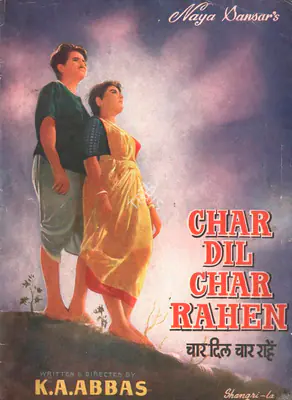
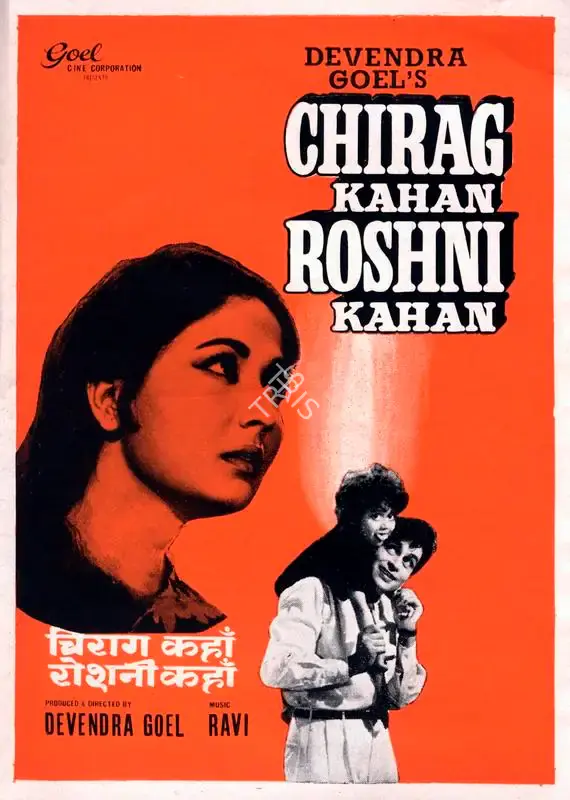
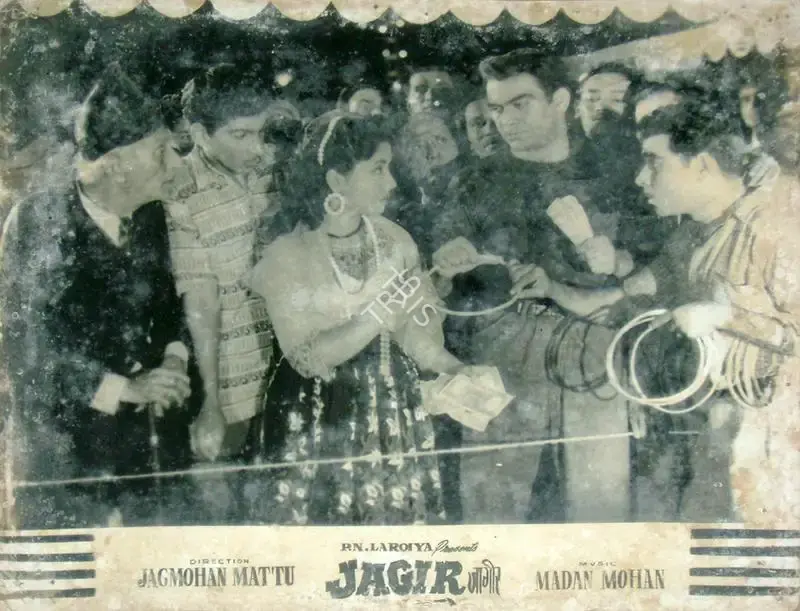
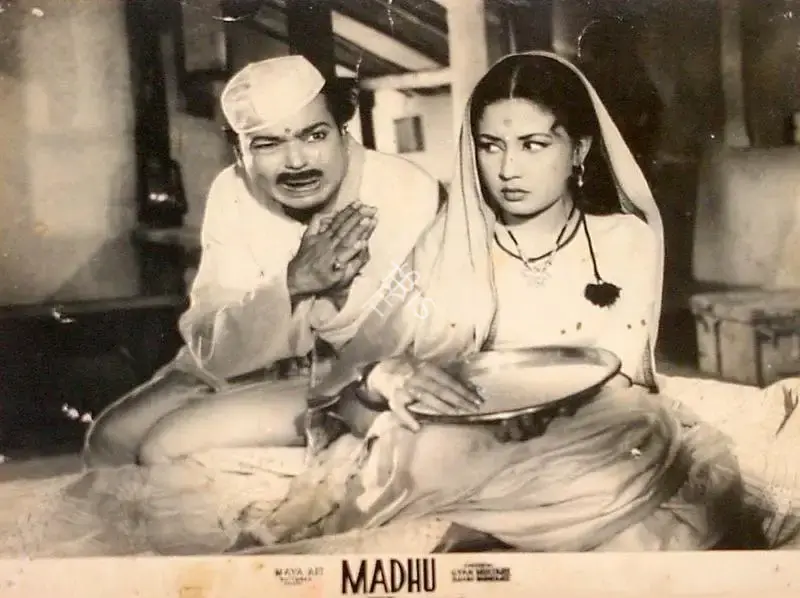
Research Centre
Related
69
Personalities
46

Films
21