

Introduction
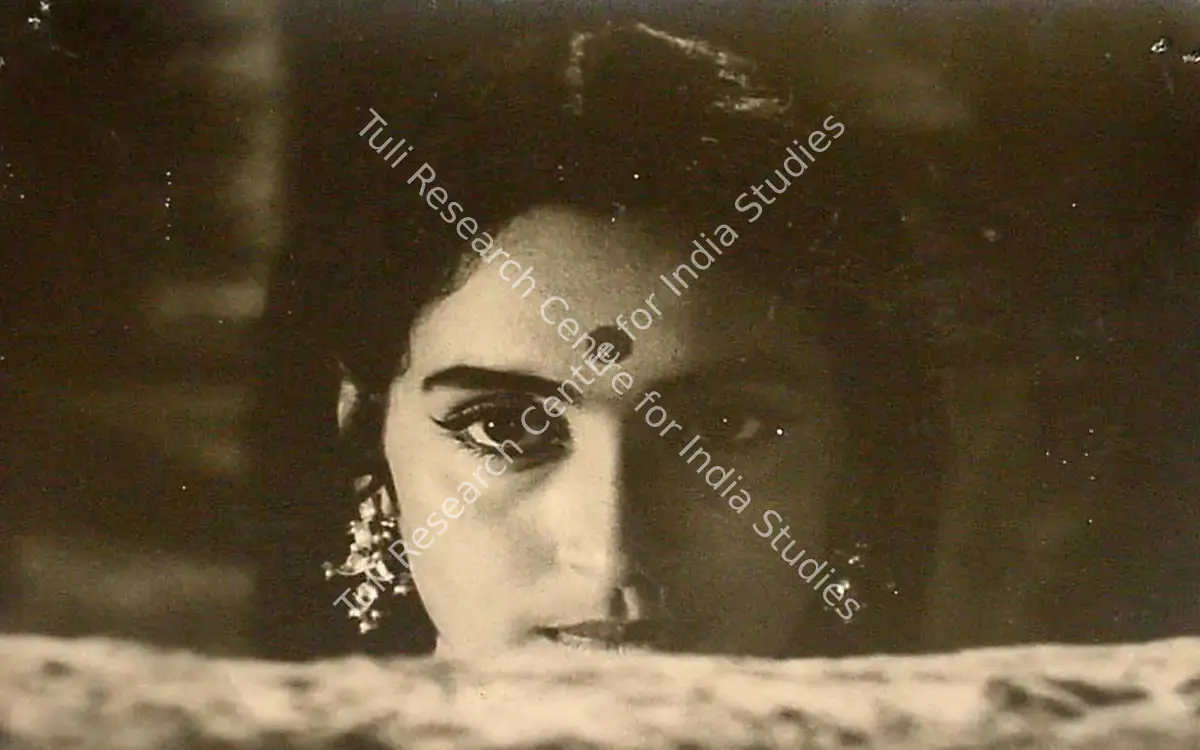
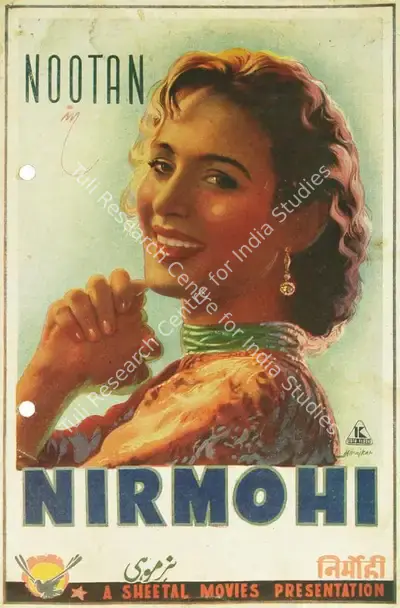
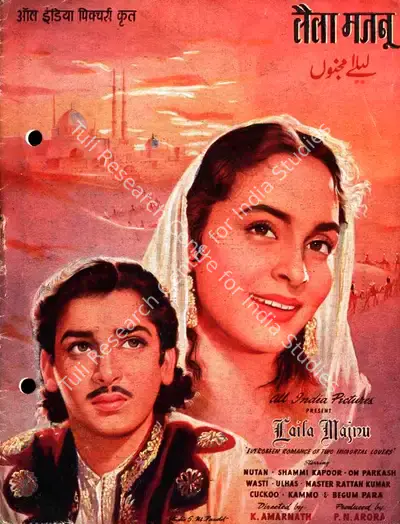
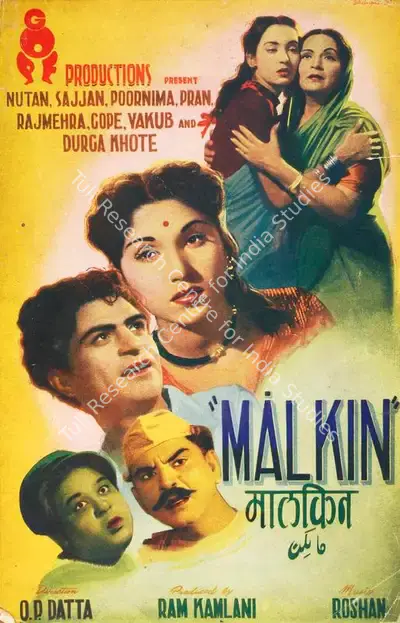
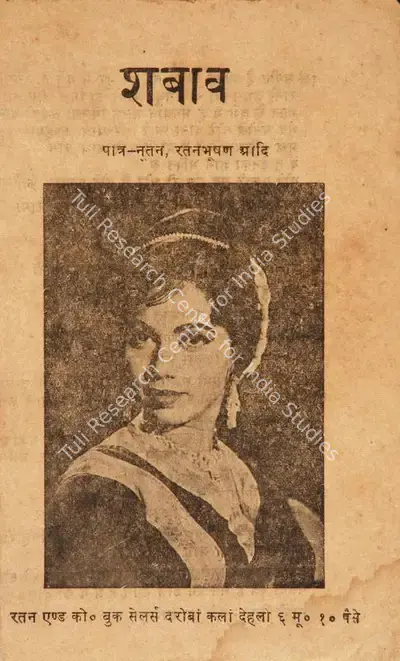
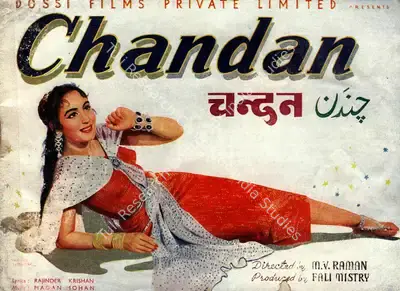
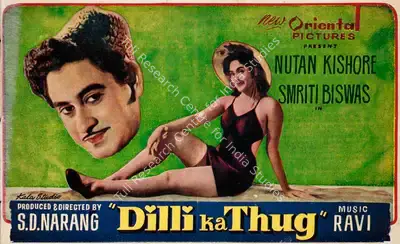
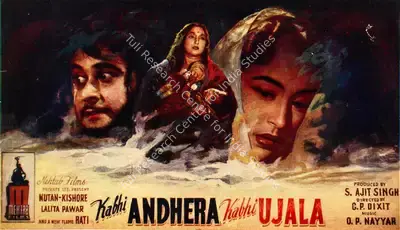
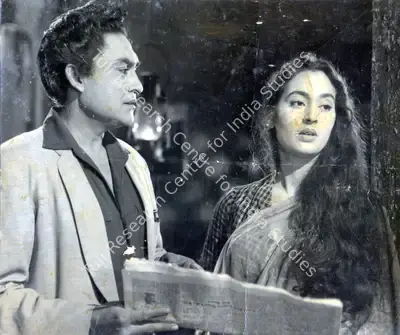
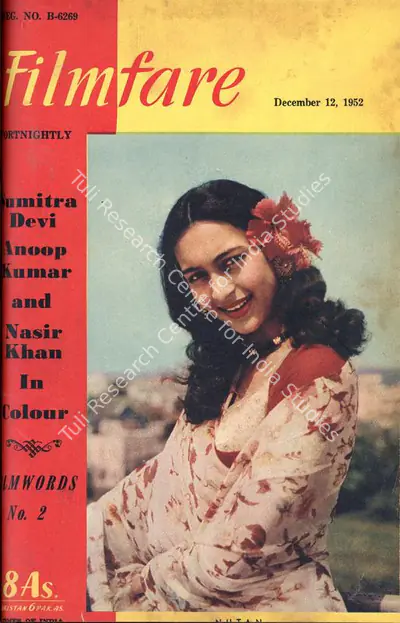
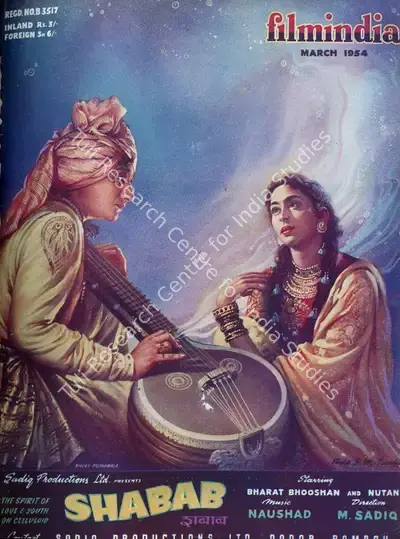
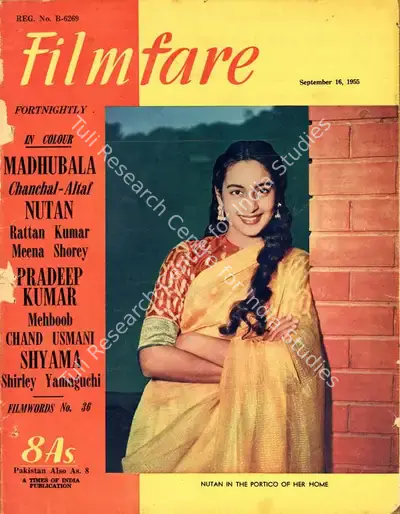
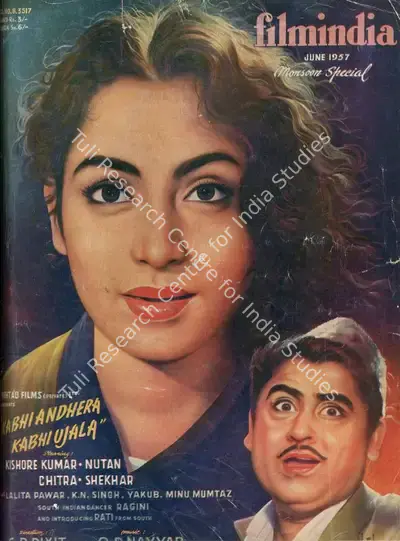
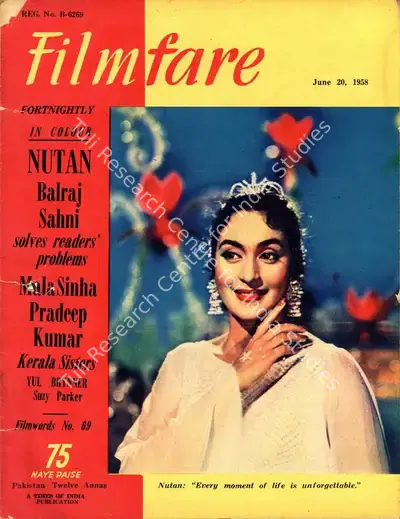
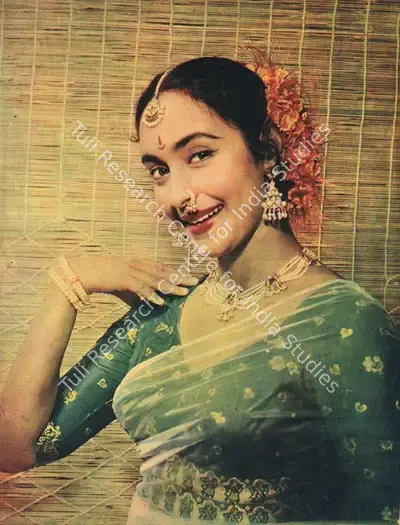
Nutan (born Nutan Samarth-Bahl; 4 June 1936 – 21 February 1991) She remains one of the most revered figures in the history of Indian cinema. Celebrated for her naturalistic performances and her willingness to inhabit emotionally complex, unconventional roles, she reshaped the portrayal of women in Hindi films. Over a career spanning four decades and more than 80 films, Nutan brought uncommon depth and restraint to characters who often stood shoulder-to-shoulder with their male counterparts. Her artistry earned her six competitive Filmfare Awards, including a then-record five for Best Actress, and the Padma Shri in 1974, India's fourth-highest civilian honour.
Born in Bombay into a distinguished film family, Nutan was the eldest child of filmmaker-poet Kumarsen Samarth and actor-director Shobhna Samarth. Her siblings included actor Tanuja, Chatura, and Jaideep. Cinema ran deep in her lineage: her maternal grandmother Rattan Bai and aunt Nalini Jaywant were also actors, and her nieces, including Kajol, would go on to achieve prominence in the industry. Nutan's early years were marked by self-doubt about her appearance, yet she demonstrated academic aptitude and trained in classical music under Jagannath Prasad. In 1953, following intense early work commitments and significant weight loss, she was sent to a finishing school in Switzerland, an experience she later described as among the happiest of her life.
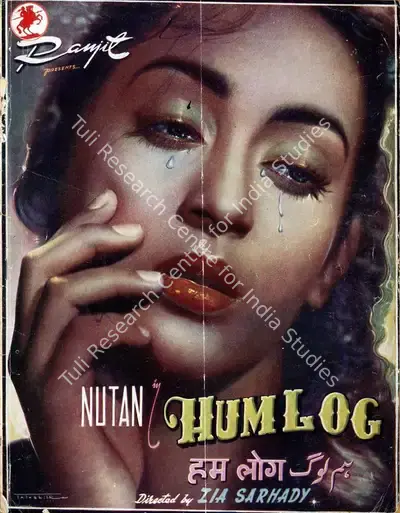
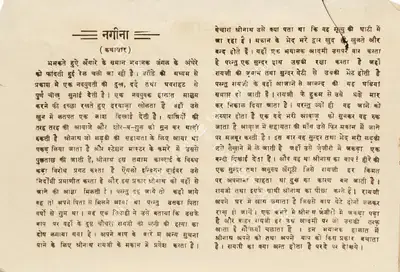
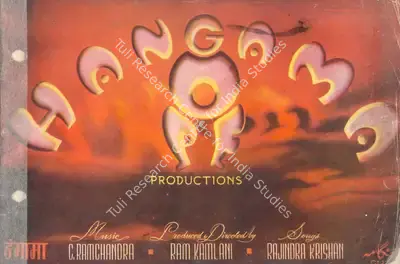
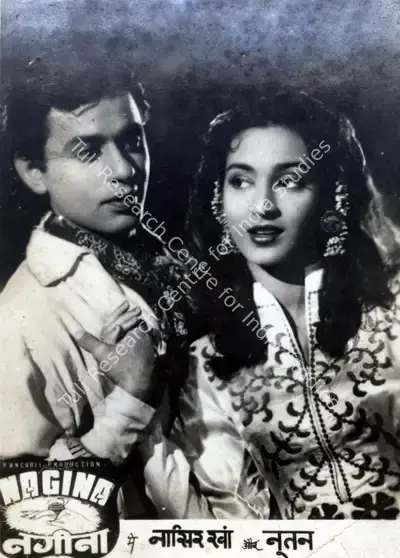
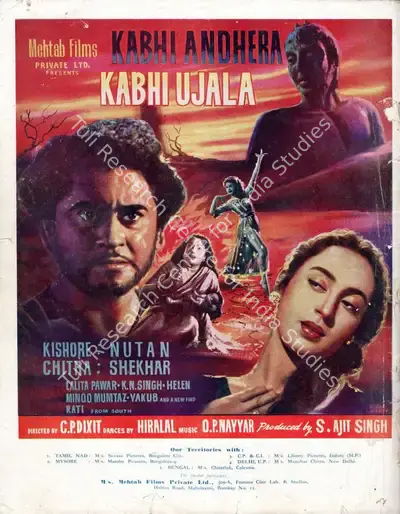
Nutan first appeared on screen as a child in her father's 1945 (Nal Damyanti) film, but her formal debut came at 14 in Hamari Beti (1950), directed by her mother. Early successes followed with Nagina and Hum Log (both 1951), which established her as a rising star. Her breakthrough arrived with Seema (1955), a searing social drama that won her the Filmfare Award for Best Actress and heralded a new era of female-centric storytelling.
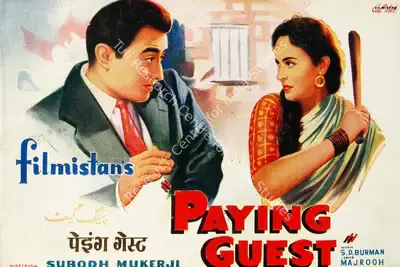
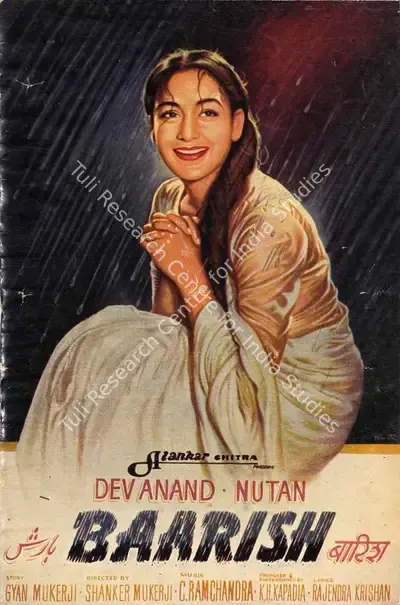
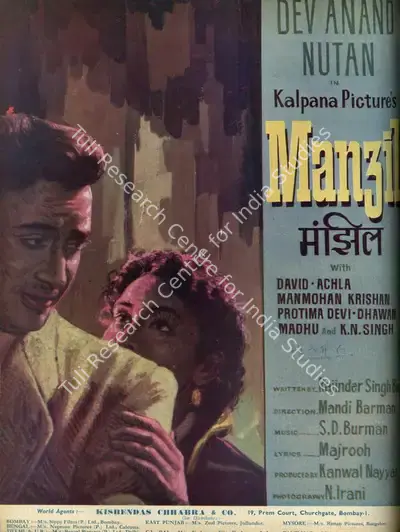
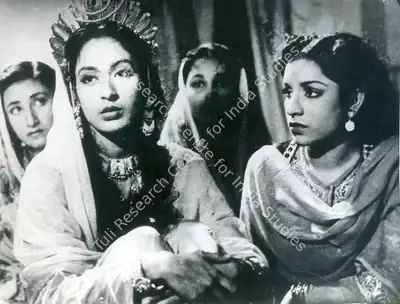
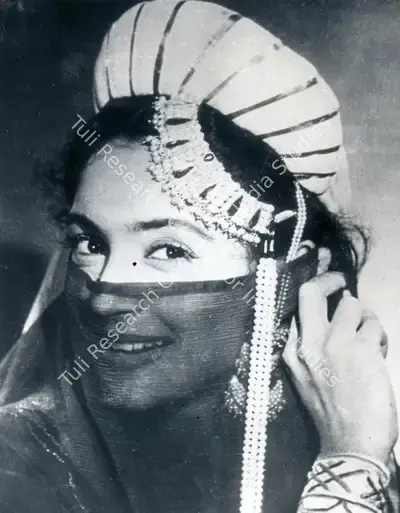
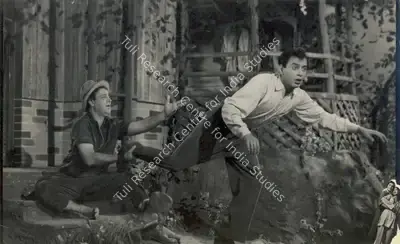
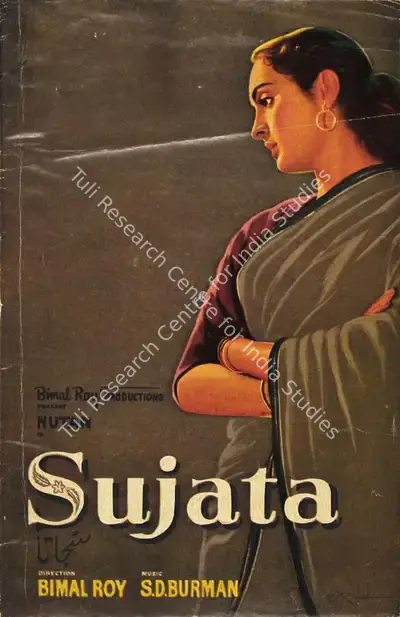
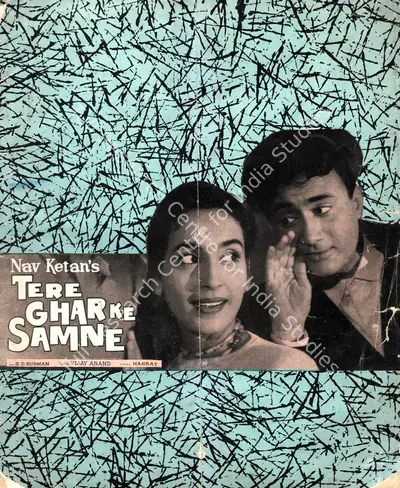
The late 1950s and 1960s marked her artistic zenith. In 1959 alone, she delivered acclaimed performances in Anari (1959) opposite Raj Kapoor and in Sujata (1959), earning her another Best Actress award. Her collaborations with Dev Anand—including Paying Guest (1957), Baarish (1957), Manzil (1960), and Tere Ghar Ke Samne (1963)—proved especially popular. Yet it was her work in Bandini (1963), directed by Bimal Roy, that is often cited as her finest achievement. Portraying a wronged woman driven to murder, Nutan conveyed a tempest of conflicting emotions with remarkable subtlety. Critics have hailed the performance as among the greatest ever delivered by a leading actress in Indian cinema.
She continued to expand her repertoire with films such as Milan (1967), Saraswatichandra (1968), Saudagar (1973), and Main Tulsi Tere Aangan Ki (1978), the last earning her a fifth Best Actress Filmfare Award— a record that stood for over three decades. In the 1980s, she transitioned seamlessly to character roles, delivering memorable performances in Saajan Ki Saheli (1981), Meri Jung (1985)—for which she won Best Supporting Actress—and Naam (1986).
In 1959, Nutan married naval officer Rajnish Bahl; their son, Mohnish Bahl, later became a successful actor. Nutan continued working almost until her death from breast cancer in 1991.
Measured, introspective, and resolutely individualistic, Nutan's legacy endures not merely in awards or box-office triumphs but in the quiet revolution she wrought in screen acting. Her performances remain touchstones of emotional intelligence and artistic courage in Indian cinema.
मुंबई में एक प्रतिष्ठित फ़िल्मी परिवार में जन्मीं नूतन, फ़िल्म निर्माता-कवि कुमारसेन समर्थ और अभिनेत्री-निर्देशक शोभना समर्थ की सबसे बड़ी संतान थीं। उनके भाई-बहनों में अभिनेत्री तनुजा, चतुरा और जयदीप शामिल थे। सिनेमा उनके खानदानी परंपरा का अभिन्न अंग था: उनकी नानी रतनबाई और मौसी नलिनी जयवंत भी अभिनेत्रियां थीं, और उनकी भतीजियां, जिनमें काजोल भी शामिल हैं, फ़िल्म जगत में नाम कमा चुकी हैं। नूतन के शुरुआती साल अपनी शक्ल-सूरत को लेकर संशय से भरे थे, फिर भी उन्होंने पढ़ाई में उत्कृष्ट प्रतिभा दिखाई और जगन्नाथ प्रसाद से शास्त्रीय संगीत की शिक्षा प्राप्त की। 1953 में, शुरुआती व्यस्तताओं और काफी वजन कम होने के बाद, उन्हें स्विट्जरलैंड के एक प्रशिक्षण केंद्र में भेजा गया, जिसे उन्होंने बाद में अपने जीवन के सबसे सुखद अनुभवों में से एक बताया।
नूतन पहली बार अपने पिता की 1945 (नल दमयंती) की फ़िल्म में एक बाल कलाकार के रूप में पर्दे पर दिखाई दीं, लेकिन उनकी औपचारिक शुरुआत 14 साल की उम्र में उनकी मां द्वारा निर्देशित फ़िल्म हमारी बेटी (1950) से हुई। नागीना और हम लोग (दोनों 1951) जैसी शुरुआती सफलताओं ने उन्हें एक उभरती हुई स्टार के रूप में स्थापित किया। उनकी असली पहचान सीमा (1955) से मिली, जो एक मार्मिक सामाजिक नाटक था और जिसने उन्हें सर्वश्रेष्ठ अभिनेत्री का फ़िल्मफेयर पुरस्कार दिलाया और महिला-केंद्रित कहानी कहने के एक नए युग की शुरुआत की।
1950 के दशक के उत्तरार्ध और 1960 के दशक उनके कलात्मक उत्कर्ष का समय था। अकेले 1959 में ही उन्होंने राज कपूर के साथ अनाड़ी (1959) और सुजाता (1959) में शानदार अभिनय किया, जिसके लिए उन्हें सर्वश्रेष्ठ अभिनेत्री का एक और पुरस्कार मिला। देव आनंद के साथ उनकी फ़िल्में - जिनमें पेइंग गेस्ट (1957), बारिश (1957), मंज़िल (1960) और तेरे घर के सामने (1963) शामिल और विशेष रूप से लोकप्रिय रहीं। फिर भी, बिमल रॉय द्वारा निर्देशित फ़िल्म बंदिनी (1963) में उनके अभिनय को अक्सर उनकी सर्वश्रेष्ठ उपलब्धि माना जाता है। एक पीड़ित महिला को हत्या करने के लिए विवश करते हुए, नूतन ने परस्पर विरोधी भावनाओं के बवंडर को उल्लेखनीय सूक्ष्मता से व्यक्त किया। आलोचकों ने इस अभिनय को भारतीय सिनेमा में किसी प्रमुख अभिनेत्री द्वारा दिए गए अब तक के सर्वश्रेष्ठ अभिनय में से एक बताया है।
उन्होंने मिलन (1967), सरस्वतीचंद्र (1968), सौदागर (1973) और मैं तुलसी तेरे आँगन (1978) की जैसी फ़िल्मों से अपने अभिनय कौशल को और निखारा। इनमें से आख़िरी फ़िल्म के लिए उन्हें पांचवां सर्वश्रेष्ठ अभिनेत्री का फ़िल्मफ़ेयर पुरस्कार मिला और यह रिकॉर्ड तीन दशकों से अधिक समय तक कायम रहा। 1980 के दशक में, उन्होंने सहजता से चरित्र भूमिकाओं में कदम रखा और साजन की सहेली (1981), मेरी जंग (1985) (जिसके लिए उन्होंने सर्वश्रेष्ठ सहायक अभिनेत्री का पुरस्कार मिला) और नाम (1986) जैसी फ़िल्मों में यादगार प्रदर्शन दिए।
1959 में नूतन ने नौसेना अधिकारी रजनीश बहल से शादी की और उनके बेटे मोहनीश बहल बाद में एक सफल अभिनेता बने। नूतन ने 1991 में स्तन कैंसर से अपनी निधन तक लगभग काम करना ज़ारी रखा।
संयमित, आत्मविश्लेषणात्मक और दृढ़ निश्चयी व्यक्तित्व वाली नूतन की विरासत केवल पुरस्कारों या बॉक्स ऑफ़िस की सफलताओं में ही नहीं, बल्कि पर्दे पर अभिनय के क्षेत्र में उनके द्वारा लाई गई शांत क्रांति में भी अमर है। उनके अभिनय भारतीय सिनेमा में भावनात्मक बुद्धिमत्ता और कलात्मक साहस के मानक बने हुए हैं।
- Age
- 55
Filmography 90
Research Centre







Related
67
Personalities
45
Films
21
Themes
1