
R.D. Mathur

R.D. Mathur
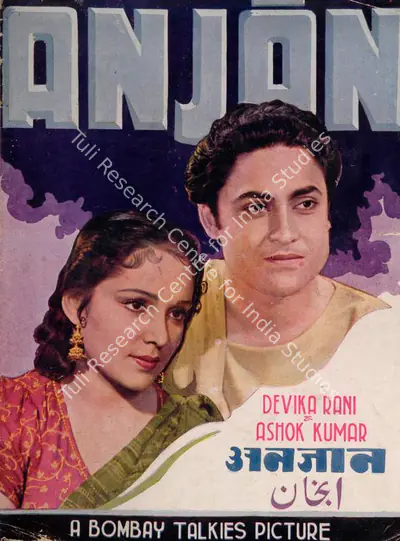
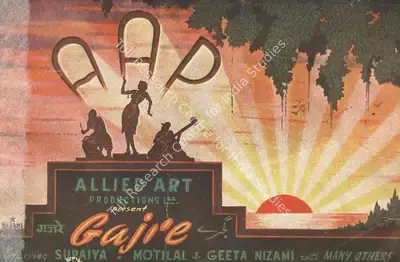
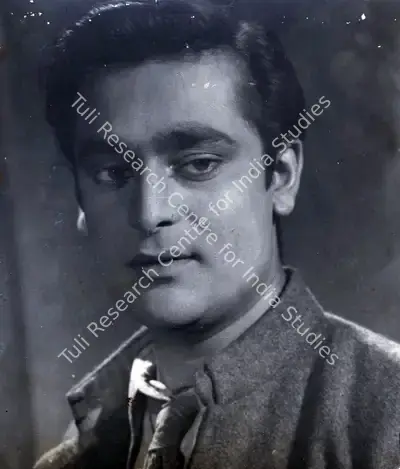
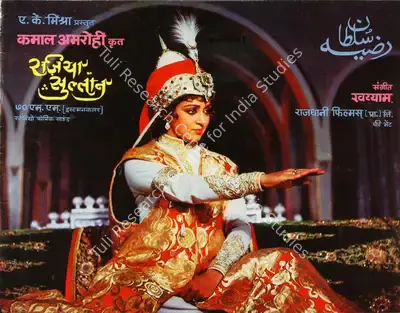
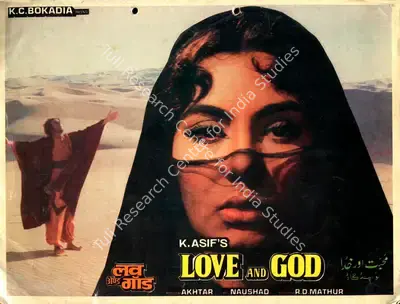
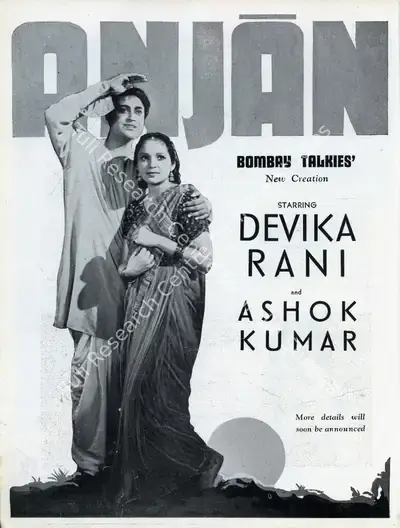
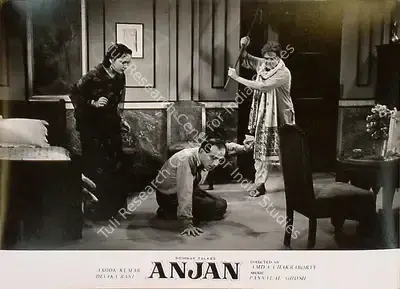
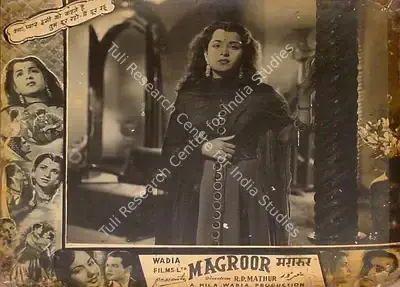
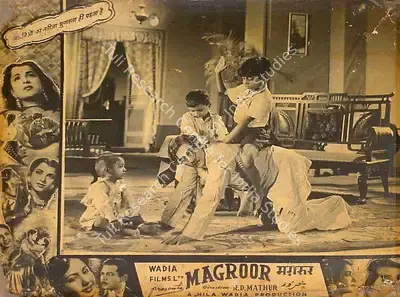
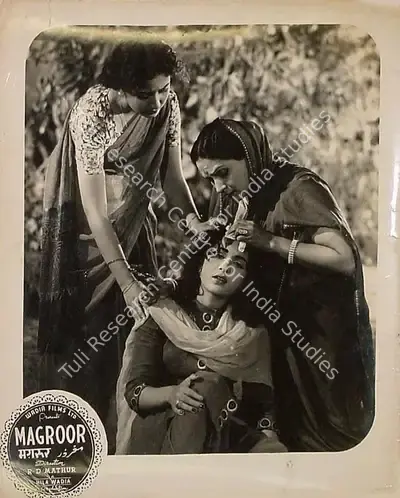
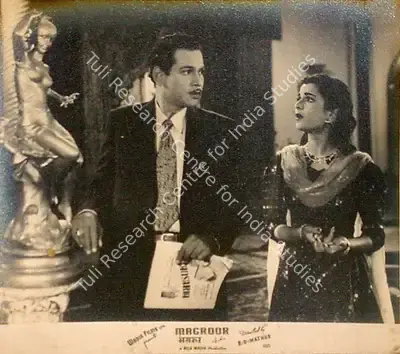
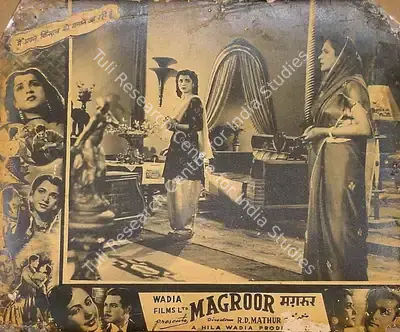
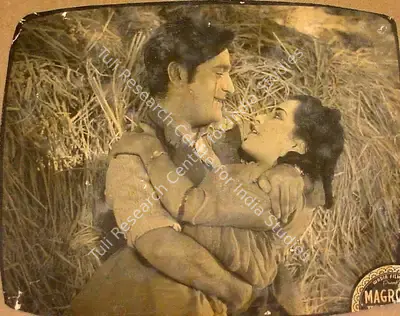
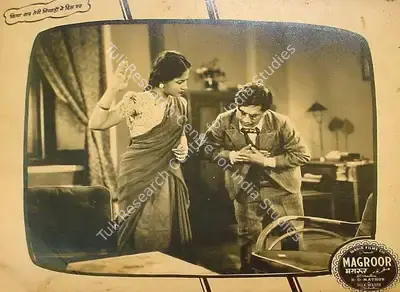
Rameshwar Dayal Mathur (1915-2001) was an accomplished cinematographer known for his work on opulent period dramas such as Mughal-e-Azam (1960), Pakeezah (1972), and Razia Sultan (1983). He studied portrait photography, commercial photography, cinematography and film processing at the New York Institute of Photography and Cinematography. Following this, he worked in Hollywood for a short period, undergoing practical training at MGM studios and the Fox Film Corporation (later 20th Century Fox). Upon returning to India in 1934/1935, Mathur started working with Himanshu Rai's Bombay Talkies, assisting German Cinematographer Josef Wirsching. When the German technicians were called back due to the Second World War, Mathur got his independent break with Anjaan (1941), starring Devika Rani along with Ashok Kumar. He is known to be the first Indian cinematographer to photograph Devika Rani, the 'first lady of the Indian screen', who, till then, had been photographed only by foreign technicians. He continued working for Bombay Talkies, including films such as Basant (1942), Hamari Baat (1943) and Pratima (1945). He further went on to photograph and direct Gajre (1948), Maghroor (1950) starring Meena Kumari, and Aagosh (1953) with Nutan. Mathur started working on the epic historical drama, K. Asif's Mughal-E-Azam, in the early 1950s. One of the most widely recognised classics of Indian cinema, the production of which took over a decade. Known for its extravagantly lavish sets and exquisite lighting, Mathur reportedly shot with up to 14 cameras and employed around 500 truck headlights with about 100 reflectors. When the presence of innumerable mirrors on the 'Sheesh Mahal' set caused difficulty in filming due to intense glare, Mathur and Asif devised a way to reduce the glare. They covered the mirrors with a thin layer of wax and also strategically placed cloth strips for bounce lighting. His deep focus compositions of the battle sequences demonstrated his technical mastery. For his work in the film, he earned the Filmfare Award for Best Cinematography. He stepped in for his mentor, Josef Wirsching, when the latter passed away in 1967, to complete Kamal Amrohi's period epic, Pakeezah, as the film's production took 15 years. It had huge sets rich in architectural grandeur, now familiar to him. A highlight of the portion shot by him in the film was the song Chalo Dildaar Chalo. Following Pakeezah, Mathur worked with Amrohi on his next film, Razia Sultan (1983), a film remembered for its opulent sets. His work in both grand studio spectacles and modest productions demonstrated his technical mastery and remarkable versatility. Mathur's legacy lives on through the timeless imagery of Mughal-e-Azam. He was also known for his evocative close-ups, courtesy of his training in portrait photography.

Research Centre
Chakravarty, Amiya (Director), Anjan, 1941 | Song-Synopsis Booklet

Chakravarty, Amiya (Director), Anjan, 1941 | Song-Synopsis Booklet

Chakravarty, Amiya (Director), Anjan, 1941 | Advertisement

Chakravarty, Amiya (Director), Anjan, 1941 | Advertisement

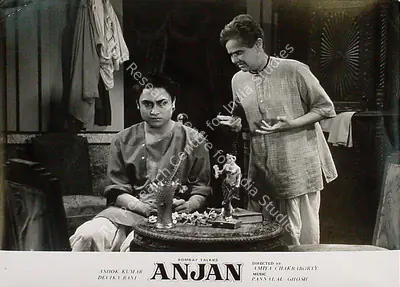
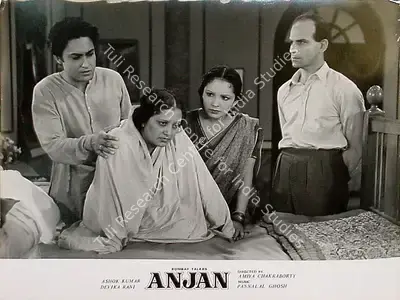
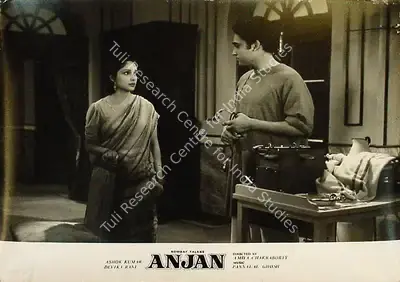
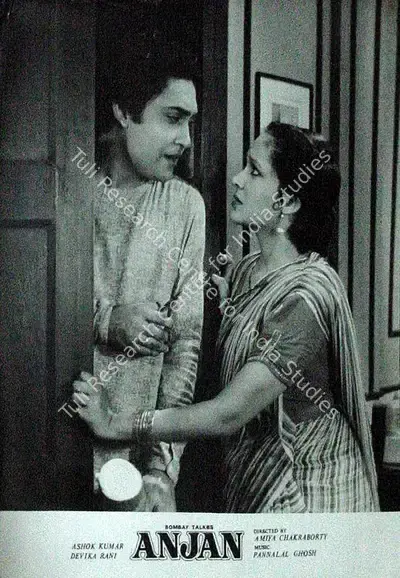
Mathur, R.D. (Cinematographer), Anjan, 1941 | Lobby Card

Mathur, R.D. (Cinematographer), Anjan, 1941 | Lobby Card

Mathur, R.D. (Cinematographer), Anjan, 1941 | Lobby Card

Mathur, R.D. (Cinematographer), Anjan, 1941 | Lobby Card

Mathur, R.D. (Cinematographer), Anjan, 1941 | Lobby Card

Mathur, R.D. (Cinematographer), Anjan, 1941 | Lobby Card

Mathur, R.D. (Cinematographer), Anjan, 1941 | Lobby Card

Mathur, R.D. (Cinematographer), Anjan, 1941 | Lobby Card

Mathur, R.D. (Cinematographer), Anjan, 1941 | Lobby Card

Mathur, R.D. (Cinematographer), Anjan, 1941 | Lobby Card

Malik Brothers (Producer), Gajre, 1948 | Song-Synopsis Booklet

Malik Brothers (Producer), Gajre, 1948 | Song-Synopsis Booklet

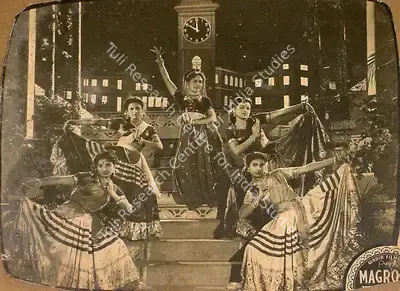
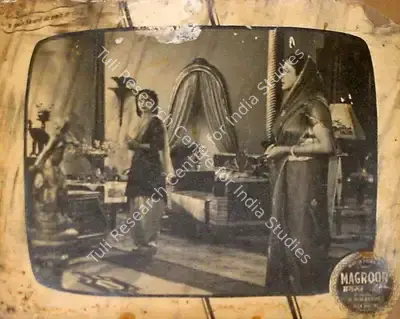
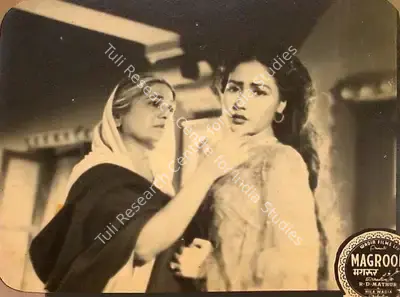
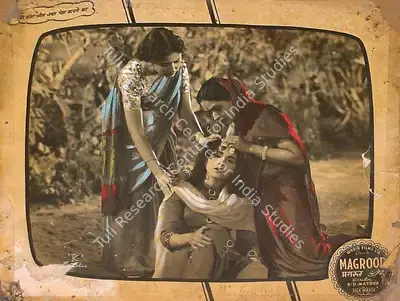
Mathur, R.D. (Cinematographer), Magroor, 1950 | Lobby Card

Mathur, R.D. (Cinematographer), Magroor, 1950 | Lobby Card

Mathur, R.D. (Cinematographer), Magroor, 1950 | Lobby Card

Mathur, R.D. (Cinematographer), Magroor, 1950 | Lobby Card

Mathur, R.D. (Cinematographer), Magroor, 1950 | Lobby Card

Mathur, R.D. (Cinematographer), Magroor, 1950 | Lobby Card

Mathur, R.D. (Cinematographer), Magroor, 1950 | Lobby Card

Mathur, R.D. (Cinematographer), Magroor, 1950 | Lobby Card

Mathur, R.D. (Cinematographer), Magroor, 1950 | Lobby Card

Mathur, R.D. (Cinematographer), Magroor, 1950 | Lobby Card

Mathur, R.D. (Cinematographer), Magroor, 1950 | Lobby Card

Mathur, R.D. (Cinematographer), Magroor, 1950 | Lobby Card

Mathur, R.D. (Cinematographer), Magroor, 1950 | Lobby Card

Mathur, R.D. (Cinematographer), Magroor, 1950 | Lobby Card

Mathur, R.D. (Cinematographer), Magroor, 1950 | Lobby Card

Mathur, R.D. (Cinematographer), Magroor, 1950 | Lobby Card

Mathur, R.D. (Cinematographer), Magroor, 1950 | Lobby Card

Mathur, R.D. (Cinematographer), Magroor, 1950 | Lobby Card

Mathur, R.D. (Cinematographer), Magroor, 1950 | Lobby Card

Mathur, R.D. (Cinematographer), Magroor, 1950 | Lobby Card

Mathur, R.D. (Cinematographer), Magroor, 1950 | Lobby Card

Mathur, R.D. (Cinematographer), Magroor, 1950 | Lobby Card

Mathur, R.D. (Cinematographer), Magroor, 1950 | Lobby Card

Mathur, R.D. (Cinematographer), Magroor, 1950 | Lobby Card

Loading...
TRIS logo image