
Kamal Bose

Kamal Bose
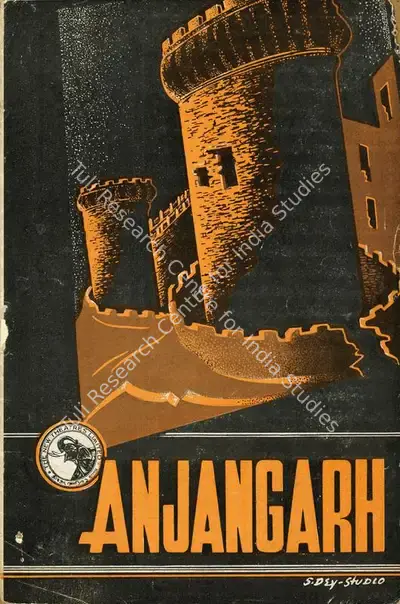
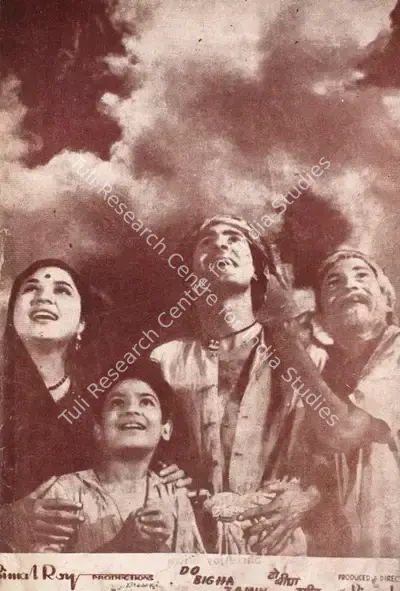
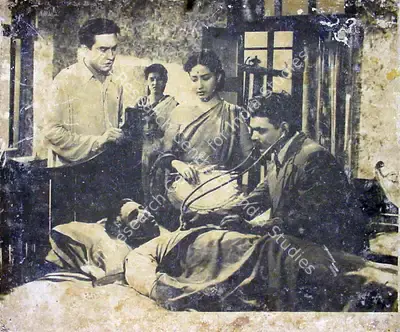
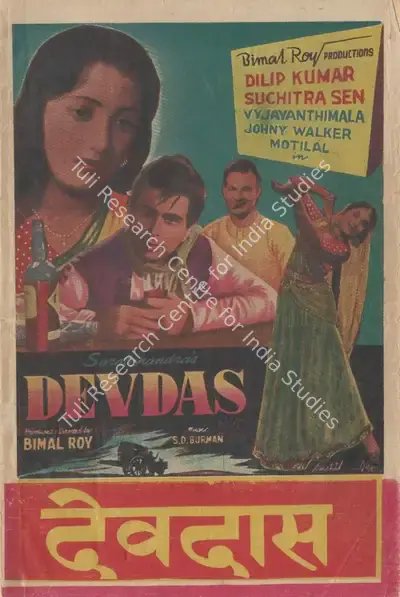
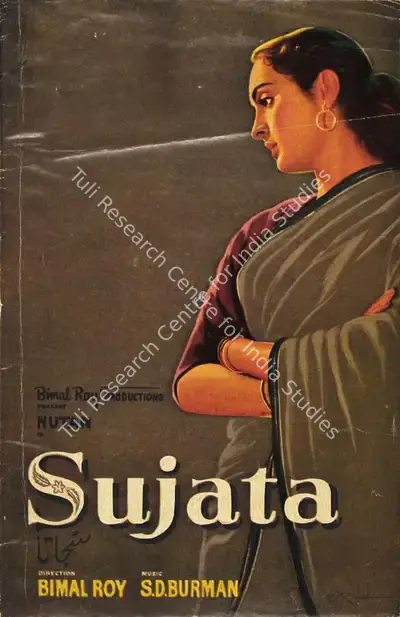
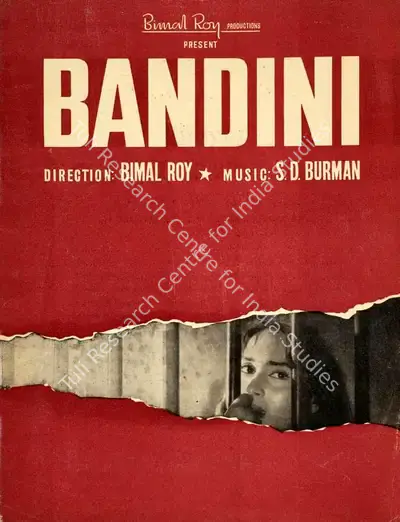
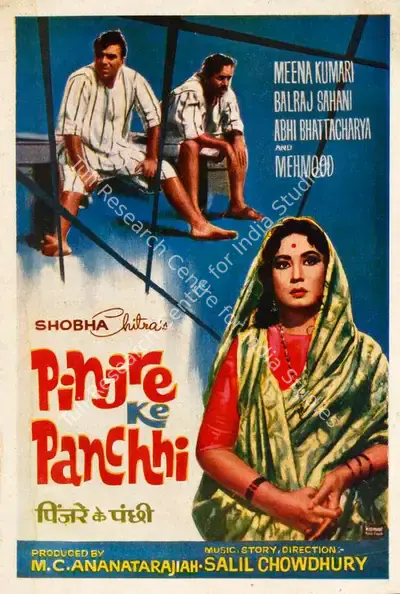
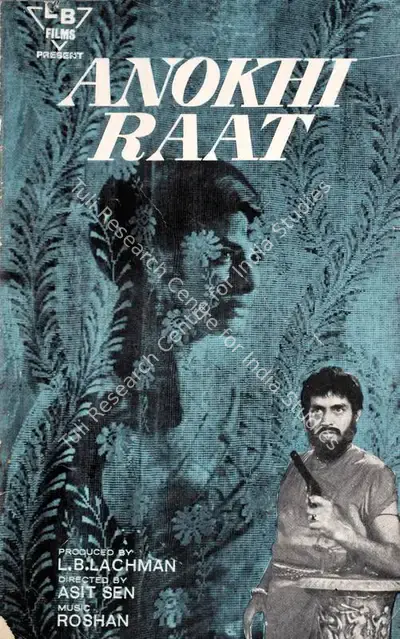
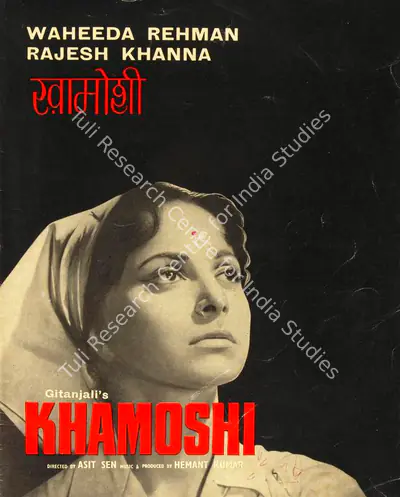
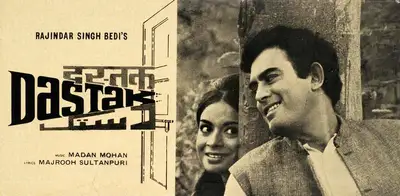
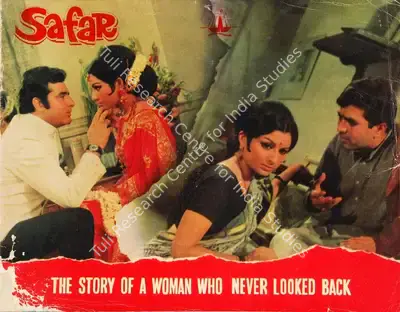
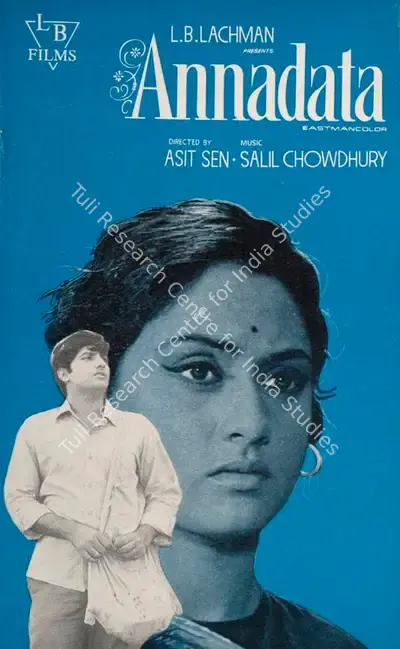
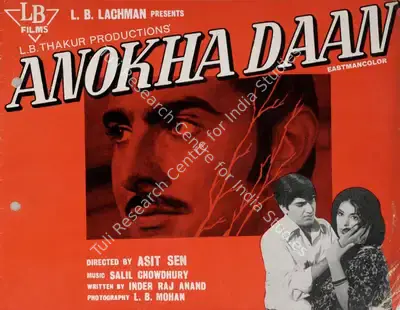
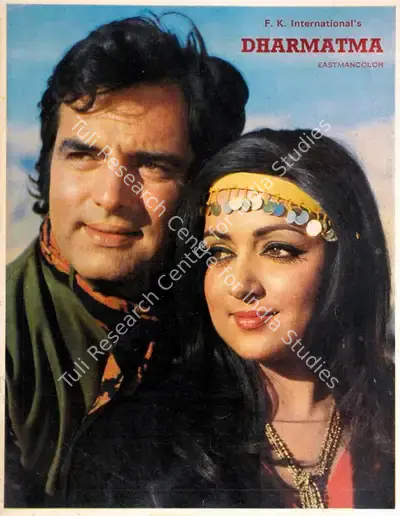
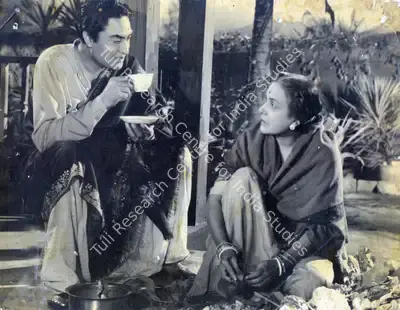
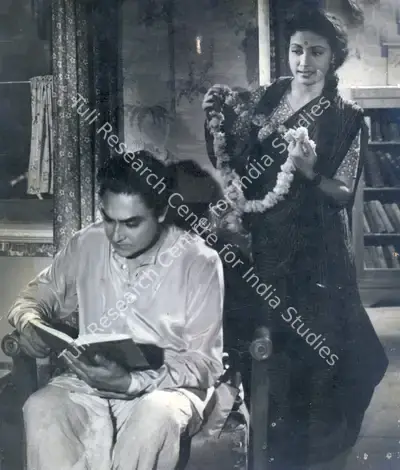
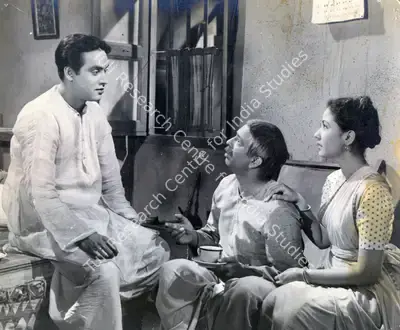
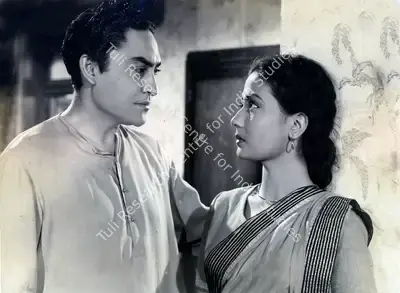
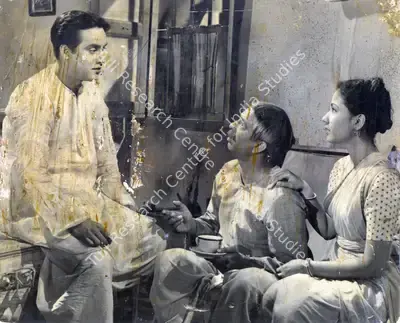
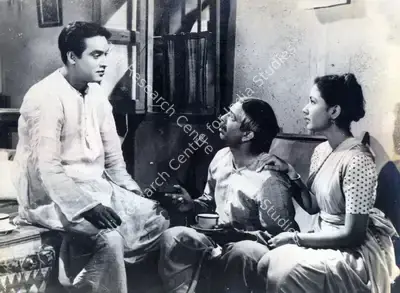
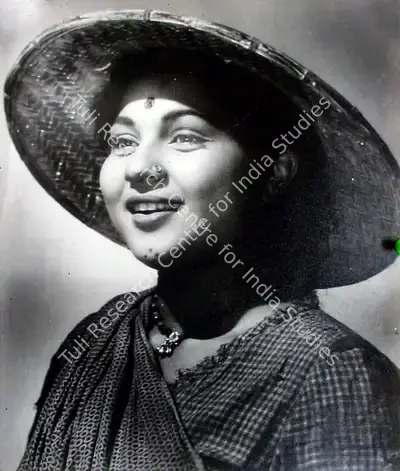
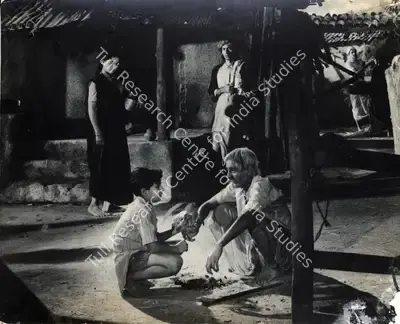
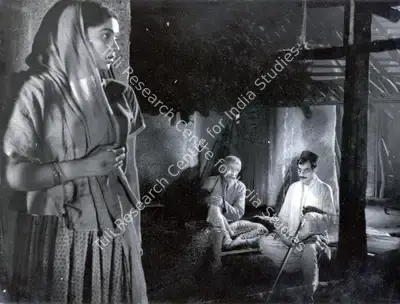
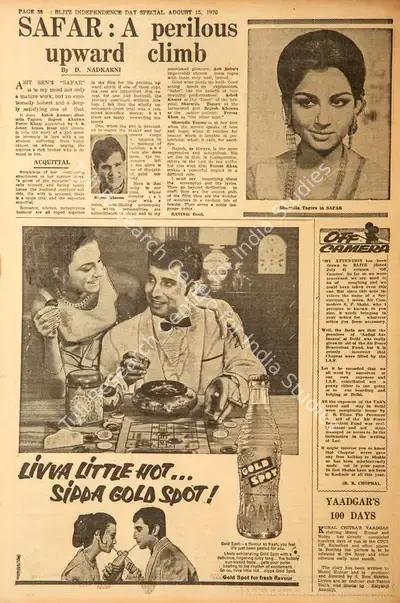
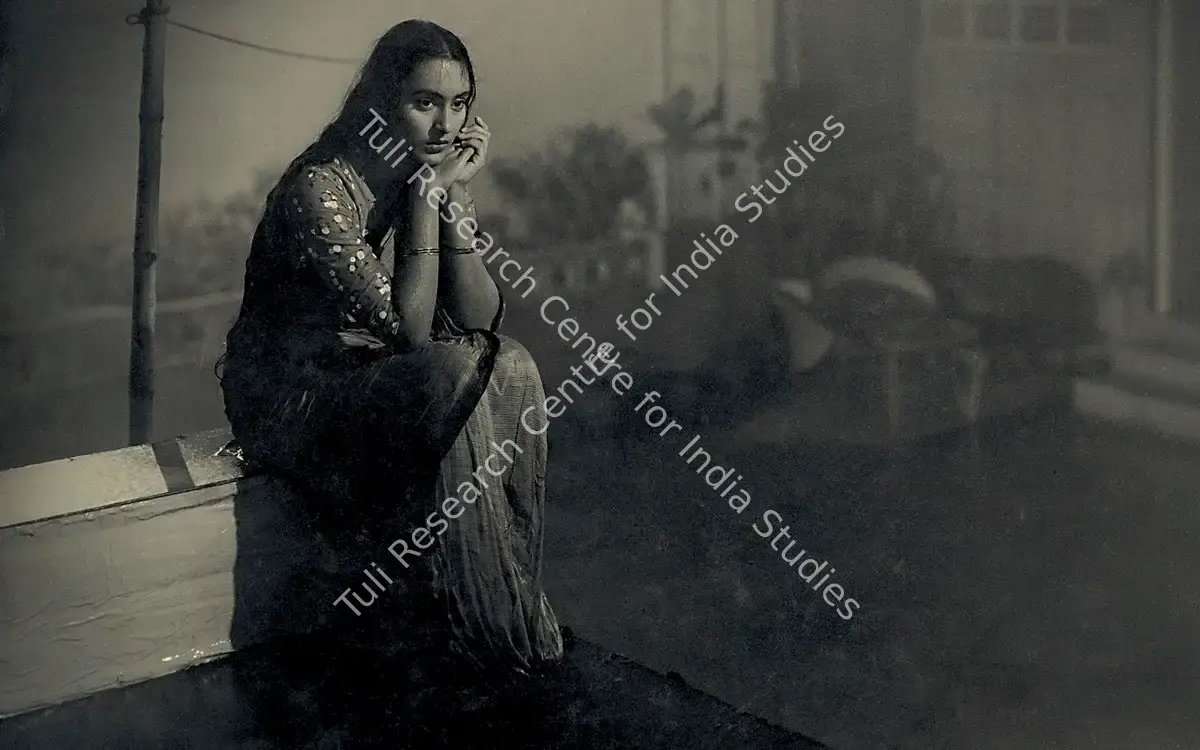
Kamal Bose (1915-1995) was a noted Indian cinematographer, best known for his collaboration with Bimal Roy on films such as Anjangarh (1948), Do Bigha Zamin (1953), Parineeta (1953), Devdas (1955), Sujata (1960), and Bandini (1963). Do Bigha Zamin, a landmark film in Indian cinema, was inspired by Vittorio De Sica's Bicycle Thieves (1948). The film blended the formalist approach of neo-realist cinema with the style of studio-produced social melodramas in the Indian context. Here, Bose's long shots and fluid pans captured the new frenzied modernity of Calcutta, foregrounding the social realist theme of the narrative. The film went on to win numerous awards, including the first Filmfare Awards in the Best Film and Best Director categories, as well as the International Prize at the Cannes Film Festival in 1954. His lighting in the film, Devdas (1955), was noted for articulating the emotional torment of the protagonist, played by Dilip Kumar. Like Roy, Kamal Bose was influenced by the Italian neo-realist aesthetic and experimented with expressive lighting, textured black & white imagery, soft illumination, and tonal variation to serve the social realist narratives of the films. Following Roy's death in 1966, Bose began working closely with Asit Sen, earning critical acclaim for his black & white cinematography in Anokhi Raat (1968) and the psychiatric-ward drama Khamoshi (1969), starring Rajesh Khanna and Waheeda Rehman, which showcased his hold on mood-driven compositions. With Safar (1970), he seamlessly transitioned to colour cinema. In the latter part of his career, his collaboration with Feroz Khan showcased a different style. His work on Dharmatma (1975) employed a bolder, kinetic style, exemplified by the dynamic and risk-laden Buzkashi sequence shot in Afghanistan. In the 1980s, he worked on highly glamorous films like Qurbani (1980), Janbaaz (1986), and Dayavaan (1988). His legacy rests on a style that used light, shadow, and composition to blend realism with calculated visual compositions and framings. Across a career span of four decades, Bose won five Filmfare Awards for Best Cinematography for Bandini (1964, B&W), Anokhi Raat (1970, B&W), Khamoshi (1971, B&W), Dastak (1972, B&W) and Dharmatma (1976, Colour).

Research Centre
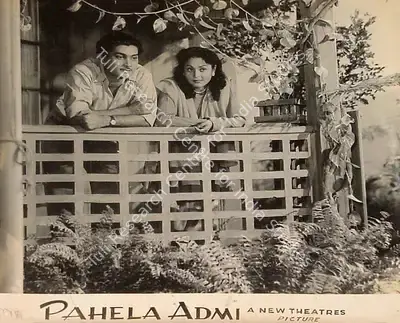
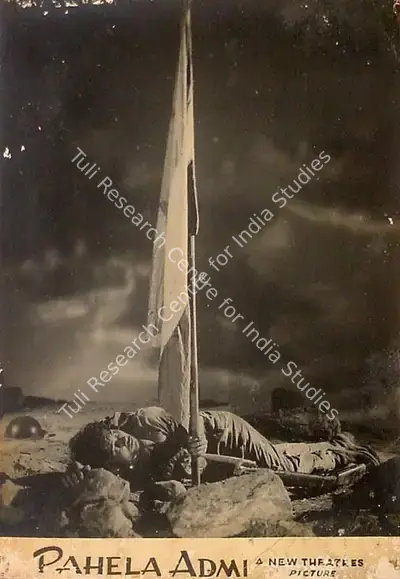
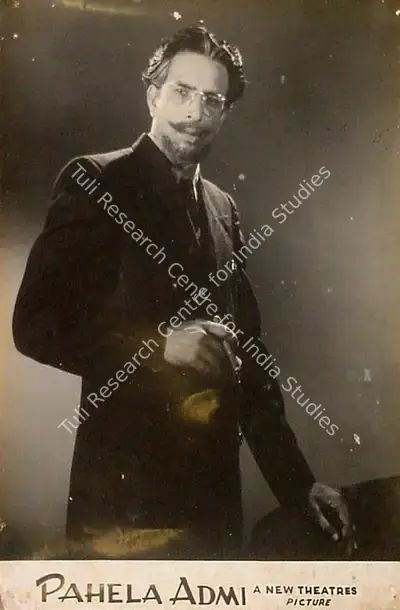
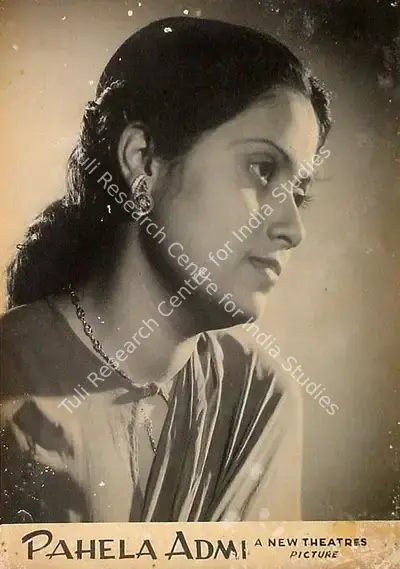
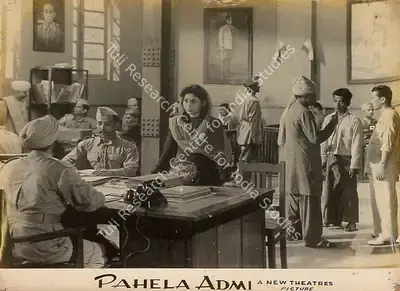
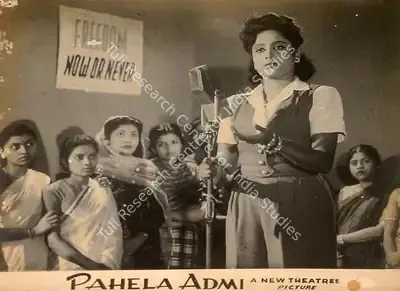
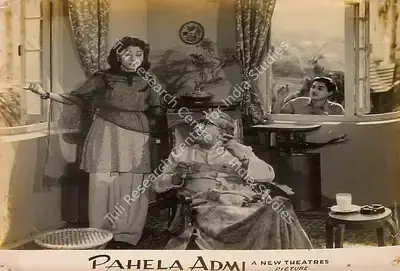
Bose, Kamal (Cinematographer), Pahela Admi, 1950 | Lobby Card

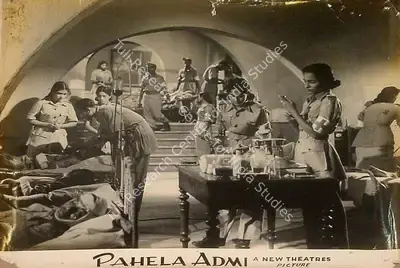
Bose, Kamal (Cinematographer), Pahela Admi, 1950 | Lobby Card

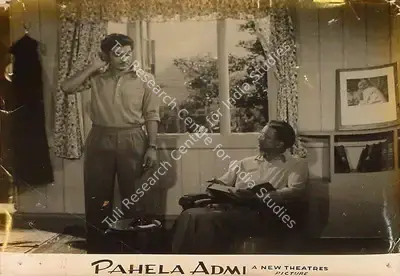
Bose, Kamal (Cinematographer), Pahela Admi, 1950 | Lobby Card

Bose, Kamal (Cinematographer), Pahela Admi, 1950 | Lobby Card

Bose, Kamal (Cinematographer), Pahela Admi, 1950 | Lobby Card

Bose, Kamal (Cinematographer), Pahela Admi, 1950 | Lobby Card

Bose, Kamal (Cinematographer), Pahela Admi, 1950 | Lobby Card

Bose, Kamal (Cinematographer), Pahela Admi, 1950 | Lobby Card

Bose, Kamal (Cinematographer), Pahela Admi, 1950 | Lobby Card

Bose, Kamal (Cinematographer), Pahela Admi, 1950 | Lobby Card

Bose, Kamal (Cinematographer), Pahela Admi, 1950 | Lobby Card

Bose, Kamal (Cinematographer), Pahela Admi, 1950 | Lobby Card

Bose, Kamal (Cinematographer), Pahela Admi, 1950 | Lobby Card

Bose, Kamal (Cinematographer), Pahela Admi, 1950 | Lobby Card

Bose, Kamal (Cinematographer), Pahela Admi, 1950 | Lobby Card

Bose, Kamal (Cinematographer), Pahela Admi, 1950 | Lobby Card

Bose, Kamal (Cinematographer), Pahela Admi, 1950 | Lobby Card

Bose, Kamal (Cinematographer), Pahela Admi, 1950 | Lobby Card

Roy, Bimal (Producer), Do Bigha Zamin, 1953 | Song-Synopsis Booklet

Roy, Bimal (Producer), Do Bigha Zamin, 1953 | Song-Synopsis Booklet

Roy, Bimal (Producer), Do Bigha Zamin, 1953 | Song-Synopsis Booklet

Roy, Bimal (Producer), Do Bigha Zamin, 1953 | Song-Synopsis Booklet

Bose, Kamal (Cinematographer), Parineeta, 1953 | Lobby Card

Bose, Kamal (Cinematographer), Parineeta, 1953 | Lobby Card

Bose, Kamal (Cinematographer), Parineeta, 1953 | Lobby Card

Bose, Kamal (Cinematographer), Parineeta, 1953 | Lobby Card

Bose, Kamal (Cinematographer), Parineeta, 1953 | Lobby Card

Bose, Kamal (Cinematographer), Parineeta, 1953 | Lobby Card

Bose, Kamal (Cinematographer), Parineeta, 1953 | Lobby Card

Bose, Kamal (Cinematographer), Parineeta, 1953 | Lobby Card

Bose, Kamal (Cinematographer), Parineeta, 1953 | Lobby Card

Bose, Kamal (Cinematographer), Parineeta, 1953 | Lobby Card

Bose, Kamal (Cinematographer), Parineeta, 1953 | Lobby Card

Bose, Kamal (Cinematographer), Parineeta, 1953 | Lobby Card

Bose, Kamal (Cinematographer), Do Bigha Zamin, 1953 | Lobby Card

Bose, Kamal (Cinematographer), Do Bigha Zamin, 1953 | Lobby Card

Bose, Kamal (Cinematographer), Do Bigha Zamin, 1953 | Lobby Card

Bose, Kamal (Cinematographer), Do Bigha Zamin, 1953 | Lobby Card

Bose, Kamal (Cinematographer), Do Bigha Zamin, 1953 | Lobby Card

Bose, Kamal (Cinematographer), Do Bigha Zamin, 1953 | Lobby Card

Loading...
TRIS logo image