

Introduction
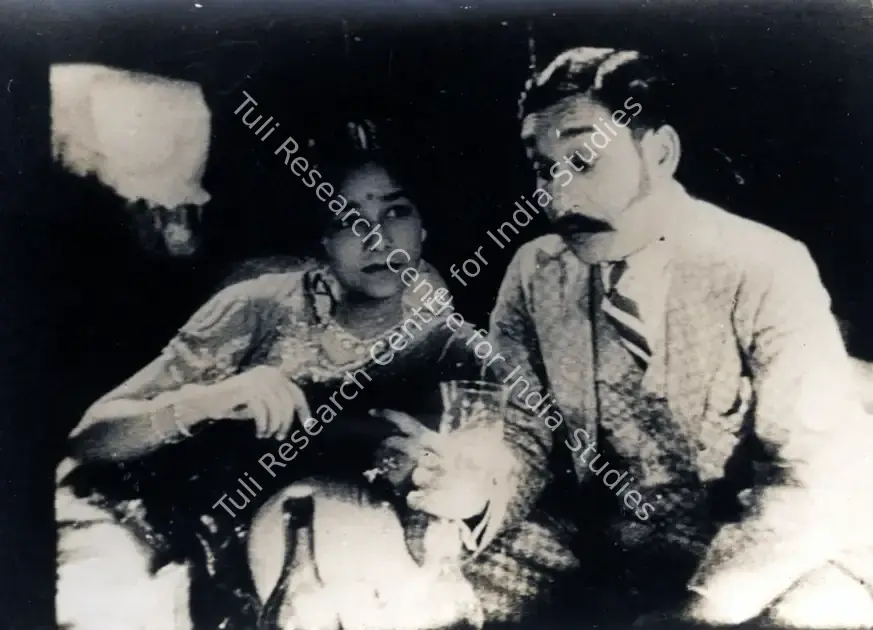
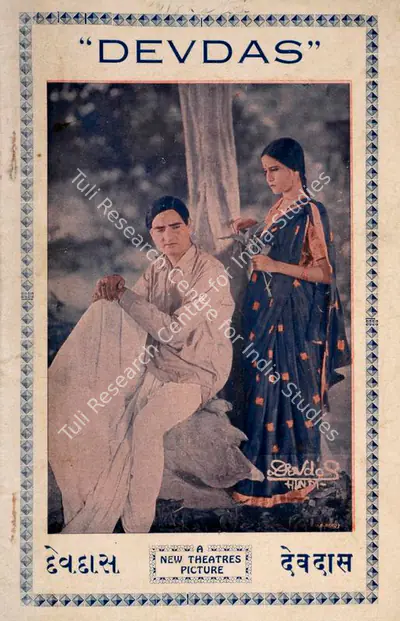
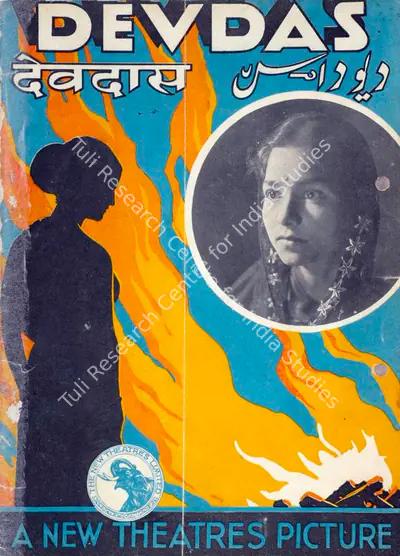
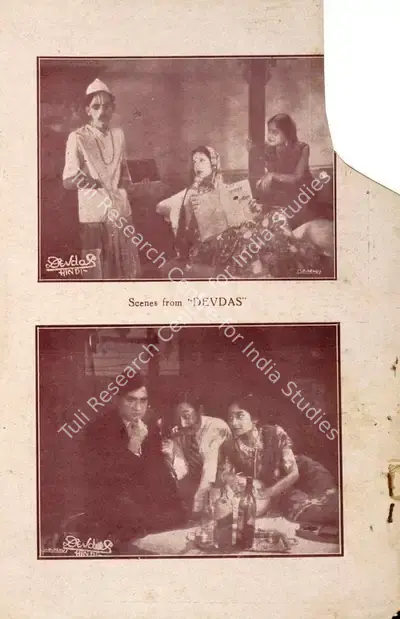
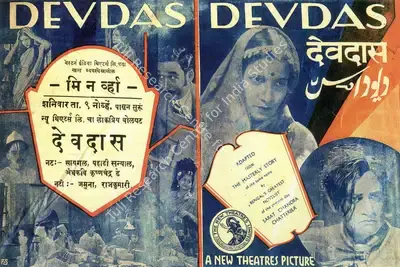
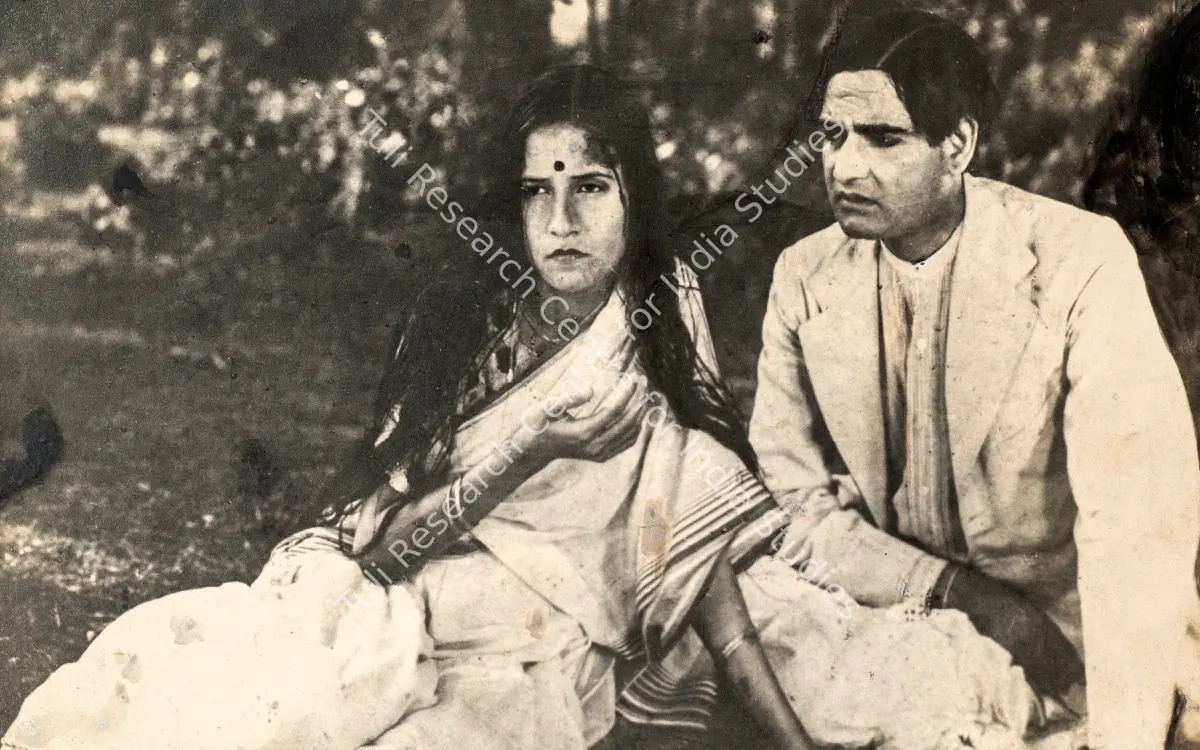
Devdas, directed by and starring Pramathesh Barua, stands as a seminal work in early Indian cinema, embodying the complexities of love and societal constraints. Adapted from Sarat Chandra Chattopadhyay's novel, Barua's film vividly portrays the tragic arc of Devdas, whose descent into self-destruction highlights the rigid caste system and the disillusionment of colonial Bengal. The film captures the sociopolitical anxiety of pre-independence India, reflecting the tension between traditional values and modern aspirations.
Devdas's impact persisted through its remakes, notably the 1955 version starring Dilip Kumar, the 2002 adaptation featuring Shahrukh Khan as well as the modern and youth-oriented interpretation titled Dev D., starring Abhay Deol. These remakes, which garnered significant acclaim, attest to the enduring appeal of the story and its themes. Each version reinterprets the tragic romance to reflect contemporary concerns, ensuring the narrative's relevance across generations and reinforcing its status as a cornerstone of Indian cinematic storytelling.
सिनेमा के पर्दे पर देवदास के किरदार का मिथक इसके बार-बार होते रीमेक के माध्यम से बना रहा। इनमें विशेष रूप से दिलीप कुमार की शीर्ष भूमिका वाली बिमल राय की देवदास (1955), शाहरुख खान की शीर्ष भूमिका से सजी संजय लीला भंसाली की देवदास (2002) और नए दौर की युवा पीढ़ी को संबोधित करते हुए अभय देओल की शीर्षक भूमिका वाली अनुराग कश्यप की उत्तर-आधुनिक व्याख्या देव डी (2009) सबसे पहले याद आती हैं। इन तमाम रीमेक ने जो मशहूरी हासिल की उससे यह तो साफ़ होता है कि देव की कहानी और इसके माध्यम से उठाए गये मुद्दे आज भी समीचीन बने हुए हैं। कहानी का प्रत्येक संस्करण अपने दौर की युवा बेचैनियों को इस त्रासद रोमांस के माध्यम से बयां करता है। पीढ़ियाँ बदलती चली जाती हैं लेकिन देवदास की इस कहानी की प्रासंगिकता बनी रहती है और यह कथानक नए नए अर्थों के साथ बारम्बार दोहराया जाता भारतीय सिनेमाई इतिहास का सबसे लोकप्रिय कथानक बना रहता है।