
Introduction
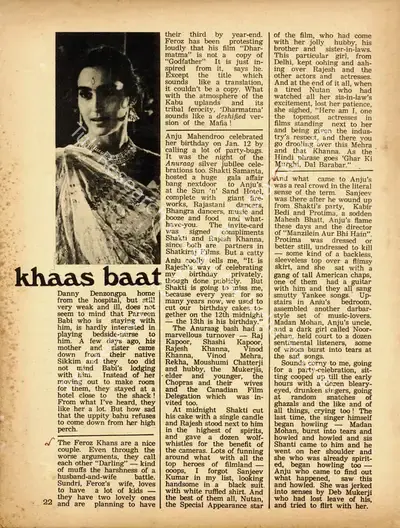
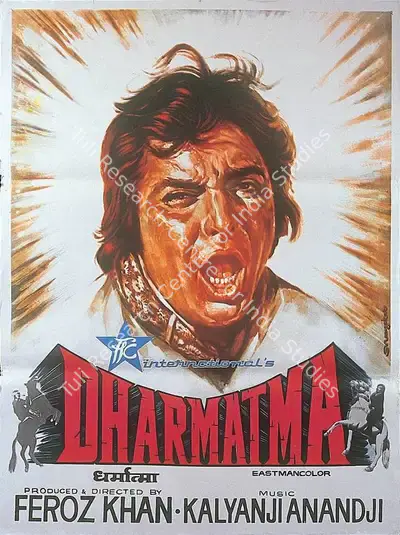
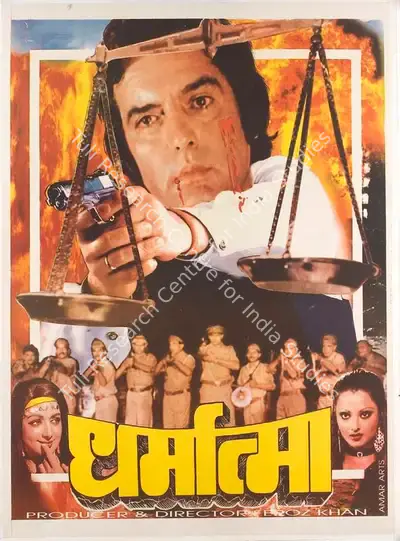
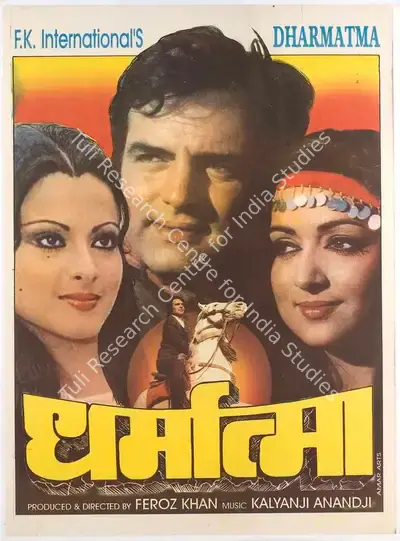
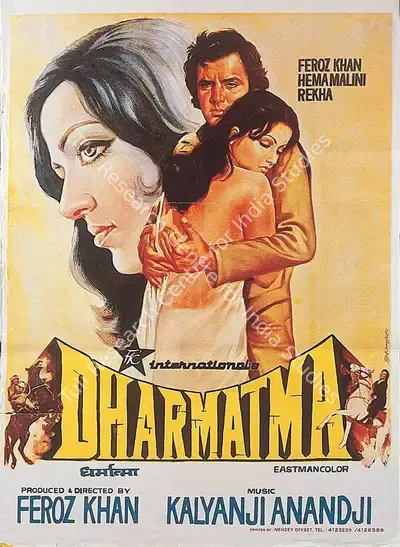
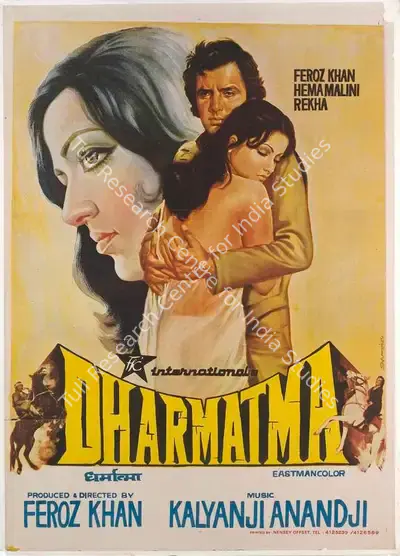
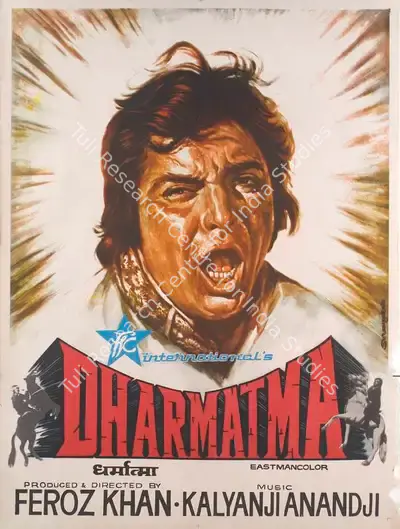
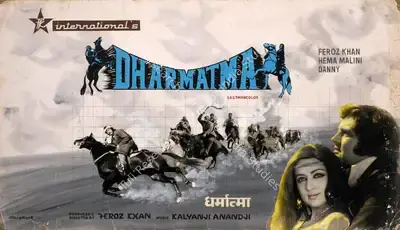
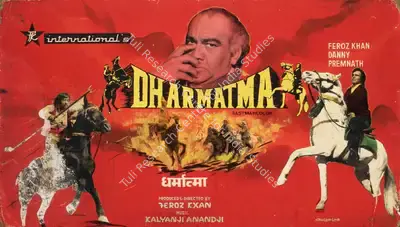
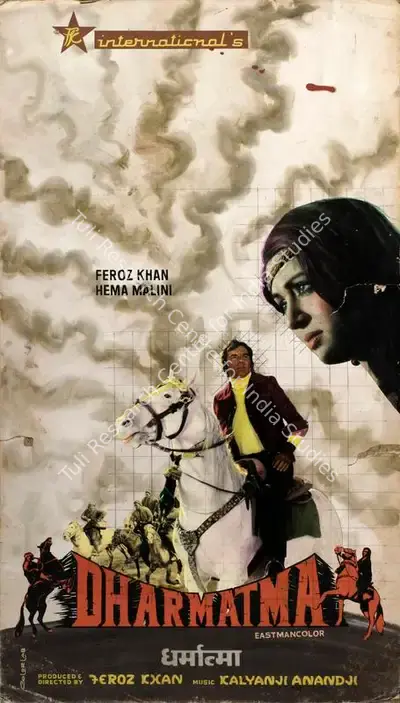
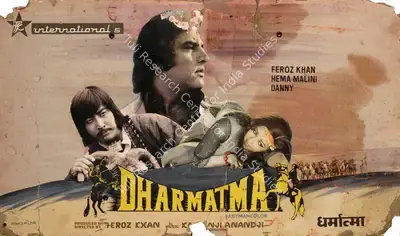
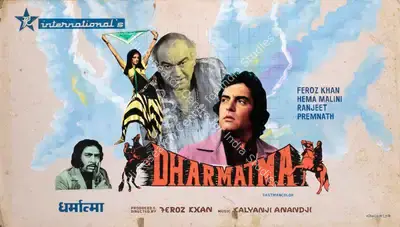
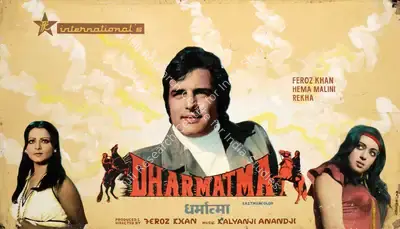
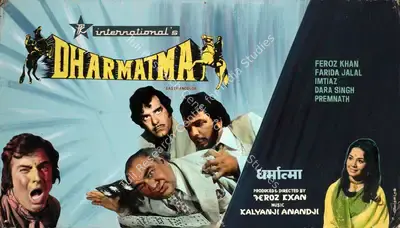
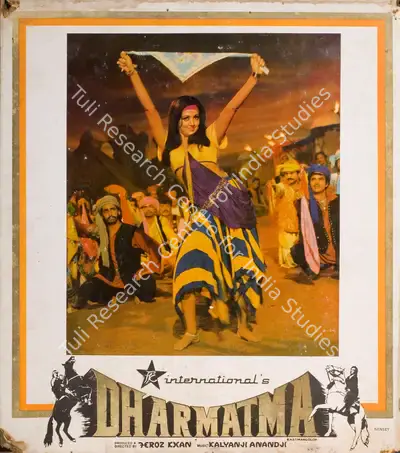
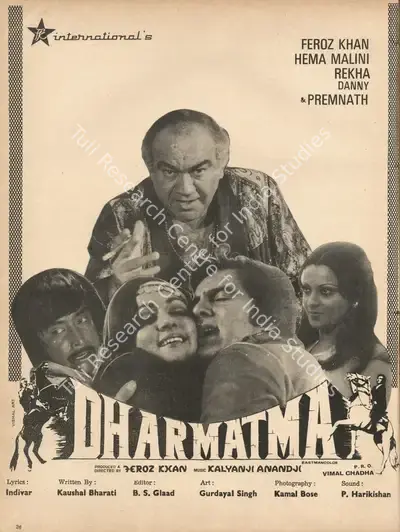
Dharmatma (1975), directed by actor-producer Feroze Khan, is often regarded as one of the most prominent Bollywood Hindi films inspired by the American classic The Godfather (1972). While it was not a direct remake, Khan's film closely mirrored key elements from The Godfather, including its characters, relationships, and underlying tensions. The original The Godfather, directed by Francis Ford Coppola and based on Mario Puzo's novel, launched its lead role actor Marlon Brando to stardom and helped define the types of characters he would play in the future. It set the stage for Al Pacino's iconic portrayal of Michael Corleone. Dharmatma, on the other hand, localized the American story for an Indian audience, adapting it to the context of the Indian mafia, particularly the underworld of gambling.
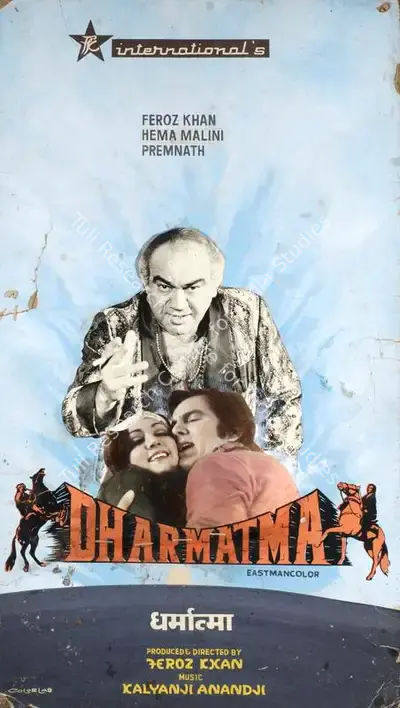
The film's protagonist, Premnath, was inspired by the real-life kingpin of 'Matka' gambling, a notorious form of betting popular in India at the time. Unlike The Godfather, which focuses on the transformation of Michael Corleone from a reluctant outsider to a ruthless mafia patriarch, Dharmatma explores more localized themes, such as family loyalty and the challenges of navigating criminal enterprises in India.
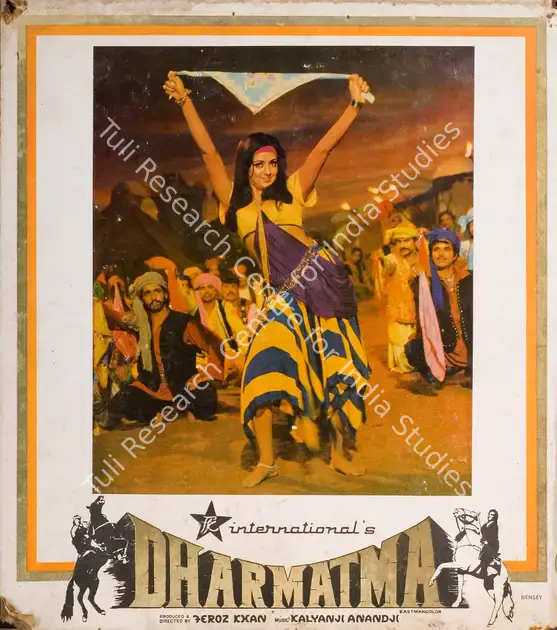
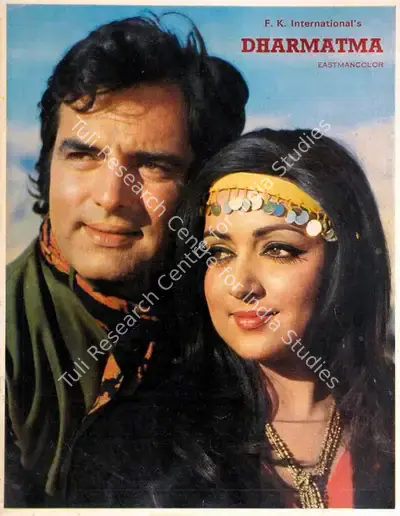
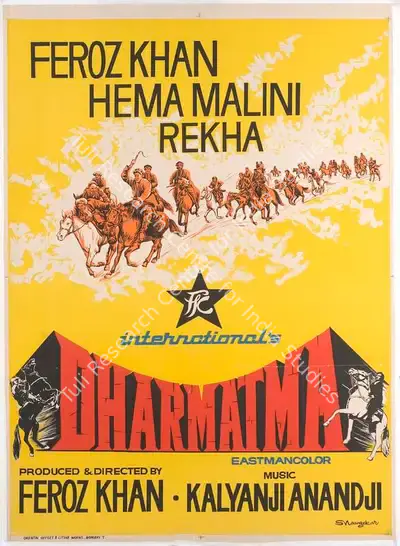
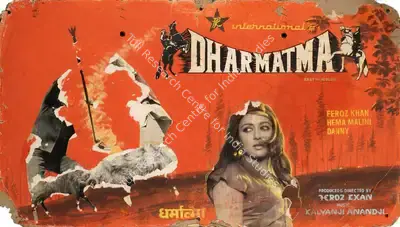
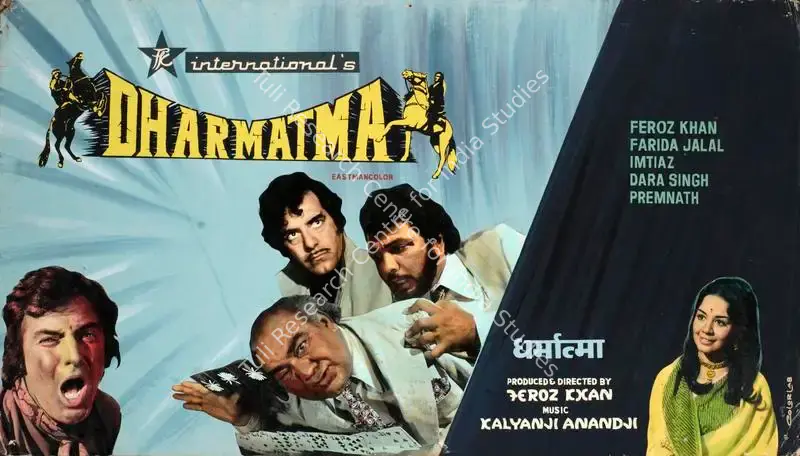
The ensemble cast of Dharmatma included Feroze Khan in the lead role, alongside prominent stars like Hema Malini, Rekha, Premnath, Imtiaz Khan, Danny Denzongpa, Farida Jalal, Ranjeet, Helen, Madan Puri, Jeevan, Iftekhar, Dara Singh, Satyen Kappu and Sudhir. The film's music, composed by the famous duo Kalyanji-Anandji, featured hit songs like "Tere chehre mein woh jadoo hai..." and "Tum ne kisise kabhi pyar kiya hai...," which became instant classics.
The film was also notable for its exceptional cinematography by Kamal Bose, who shot the film against the picturesque locations of Afghanistan, earning the Filmfare Award for Best Cinematography for his work. Dharmatma was a massive commercial success, both at the box-office and in terms of critical acclaim, and it helped elevate Feroze Khan's career to new heights. This was especially significant considering the competition from other big hits that year, such as Sholay and Deewar, both of which were groundbreaking successes in their own right.
Overall, Dharmatma stands out as an early example of Bombay film industry's attempt to adapt Western cinema into a local context, blending Indian cultural nuances with the storytelling and thematic elements of an international classic like The Godfather.
धर्मात्मा में नायक प्रेमनाथ का किरदार उस समय के जानेमाने मटका-किंग कहलाने वाले एक सट्टेबाज़ सरगना से प्रेरित थ। जहाँ मूल दि गॉडफ़ादर किरदार माइकल कॉर्लियोनी के अपराध की दुनिया से बेज़ार बाहरी व्यक्ति से एक क्रूर माफिया डॉन में बदलने की कहानी है, धर्मात्मा परिवार और रिश्तों के भीतर वफ़ादारी और भारत में आपराध गिरोहों पर सत्ता कायम रखने से जुड़ी खींचतान जैसे स्थानीय संदर्भों को कहानी का मुख्य विषय बनाती है।
धर्मात्मा में खुद फ़िरोज़ खान की मुख्य भूमिका के साथ हेमा मालिनी, रेखा, प्रेमनाथ, इम्तियाज़ खान, डैनी डेन्जोंग्पा, फ़रीदा जलाल, रंजीत, हेलन, मदन पुरी, जीवन, इफ़्तिखार, दारा सिंह, सत्येन कप्पू और सुधीर जैसे उस दौर के नामी कलाकारों की पूरी टोली अभिनय कर रही थी। प्रसिद्ध संगीतकार जोड़ी कल्याणजी-आनंदजी द्वारा तैयार फ़िल्म का संगीत भी लोकप्रिय हुआ और “तेरे चेहरे में वो जादू है” तथा “क्या खूब लगती हो” जैसे गीत फ़ौरन ही दर्शकों की ज़बान पर चढ़ गए।
यह फ़िल्म कमल बोस की बेहतरीन सिनेमैटोग्राफी के लिए भी याद रखी जाती है। अफ़गानिस्तान के कई नयनाभिराम स्थानों पर इस फ़िल्म की शूटिंग की गई थी और फ़िल्म में अपने उम्दा काम के लिए कमल बोस ने सर्वश्रेष्ठ सिनेमैटोग्राफ़ी का फ़िल्मफ़ेयर पुरस्कार जीता। धर्मात्मा को टिकट खिड़की पर बड़ी कामयाबी मिली और आलोचकों ने भी इसे पसन्द किया। इस फ़िल्म की सफलता ने फ़िरोज़ खान के करियर को नई ऊंचाइयों पर पहुँचा दिया। उसी साल रिलीज़ हुई शोले (1975) और दीवार (1975) जैसी क्लासिक फ़िल्मों के बीच धर्मात्मा की यह कामयाबी और ख़ास बन जाती है।
धर्मात्मा में दि गॉडफ़ादर जैसी अन्तरराष्ट्रीय क्लासिक फ़िल्म की कहानी और दूसरे तत्वों को भारतीय परिवेश में ढालकर प्रस्तुत करने की एक सफल कोशिश की गई। कुल मिलाकर यह फ़िल्म इसका अच्छा उदाहरण है कि कैसे हिन्दी सिनेमा अमेरिकी या दूसरे पश्चिमी देशों के लोकप्रिय सिनेमा को स्थानीय संदर्भों में ढालकर अपने दर्शकों की पसन्द के अनुरूप उन्हें पेश करने की कोशिश कर रहा था।