

Introduction
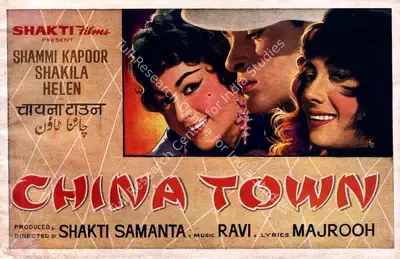
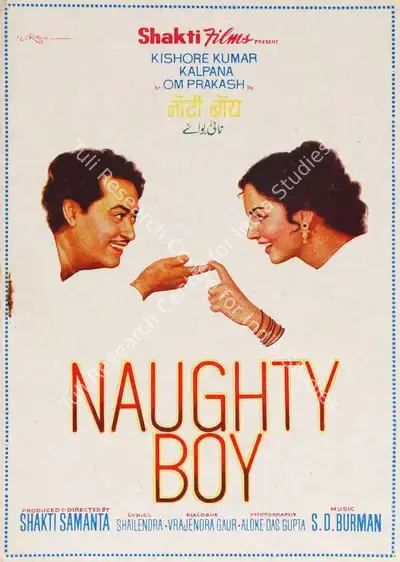
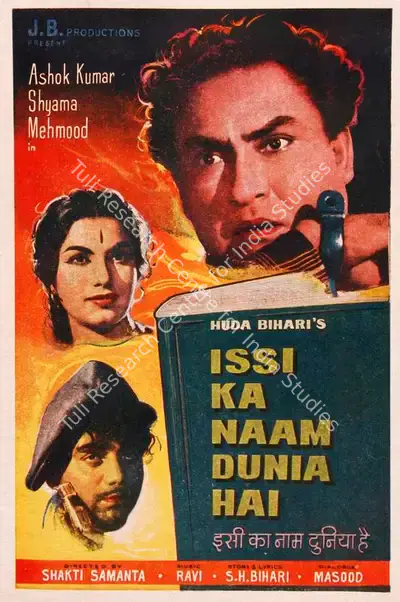
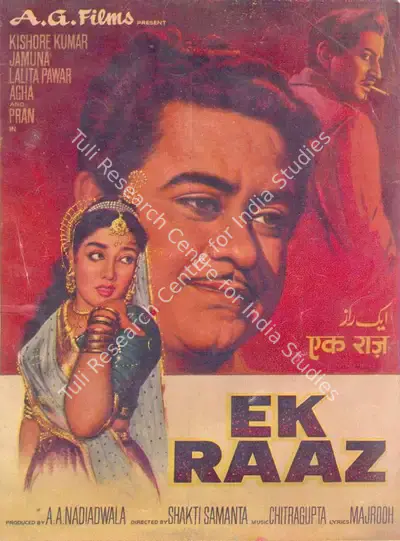
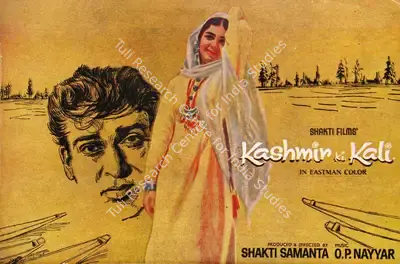
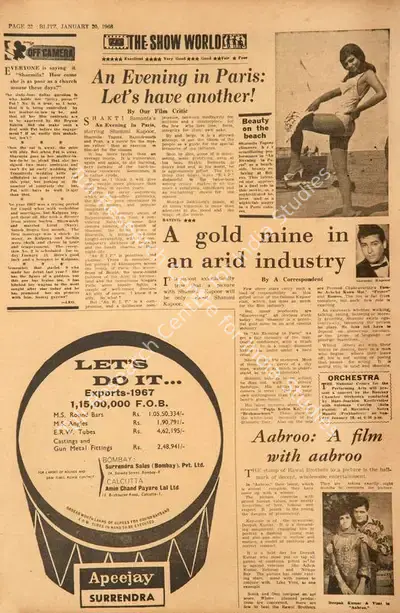
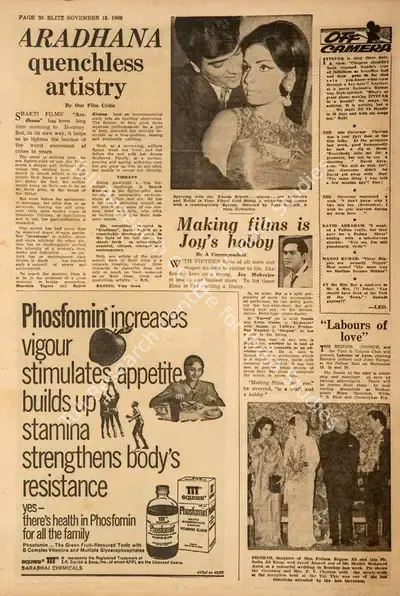
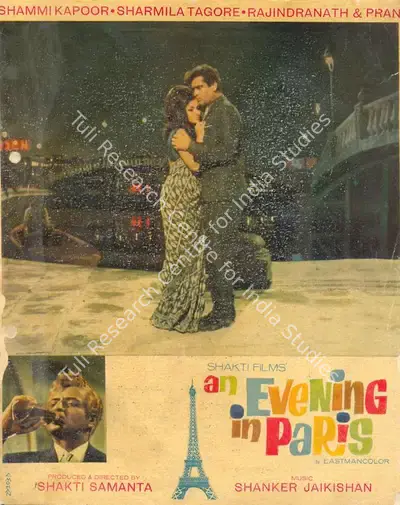
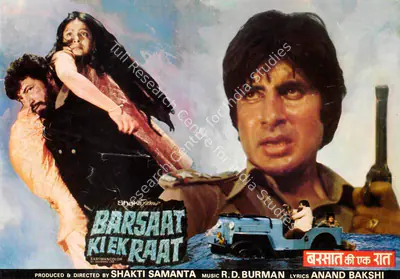
Shakti Samanta (13 January 1926 – 9 April 2009) stands among the most influential filmmakers of post-Independence Indian cinema. A director and producer of remarkable versatility, he founded Shakti Films in 1957 and went on to craft a body of work that balanced popular entertainment with social resonance. His banner became synonymous with memorable productions such as Anand Ashram (1977), Anusandhan (1981)—also released in Hindi as Barsaat Ki Ek Raat (1981), Anyay Abhichar (1985), Howrah Bridge (1958), Insan Jaag Utha (1959), China Town (1962), Kashmir Ki Kali (1964), An Evening in Paris (1967), Aradhana (1969), Kati Patang (1971), Amar Prem (1972) and Amanush (1975).
Samanta was born in the village of Bokra in the Purba Bardhaman district of the Bengal Presidency in British India. He spent part of his formative years in Dehradun with an uncle and later graduated from the University of Calcutta in 1944. Drawn to the allure of cinema, he moved closer to Bombay with the ambition of becoming an actor and initially worked as a schoolteacher in Dapoli, roughly two hundred kilometres from the city. His earliest aspiration, however, had been to become a playback singer. An audition with the legendary composer S. D. Burman around 1947 proved decisive; encouraged to sing only in chorus rather than as a soloist, Samanta redirected his ambitions toward filmmaking.
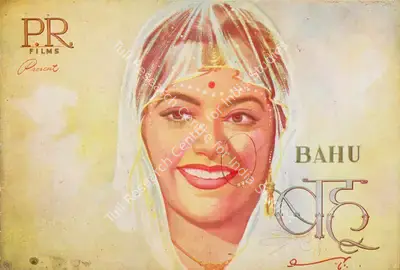
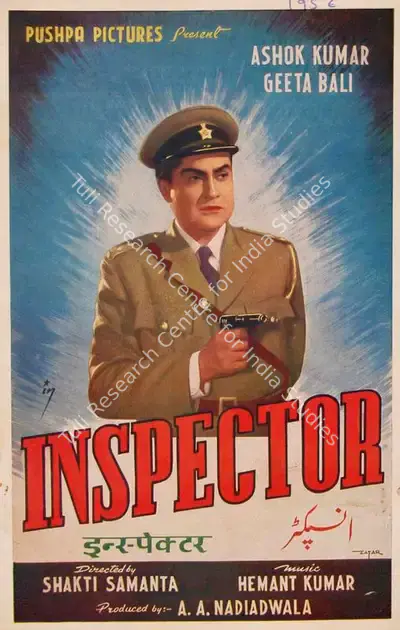
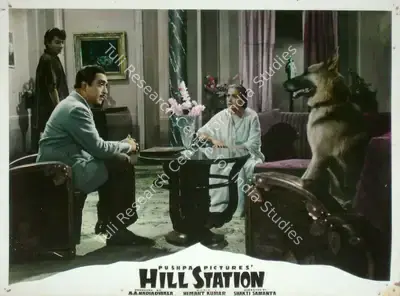
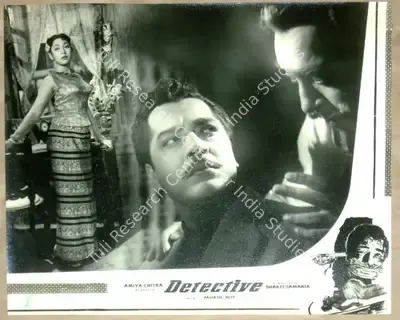
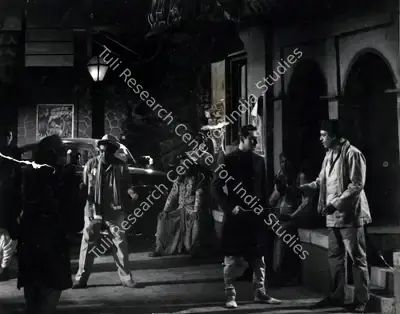
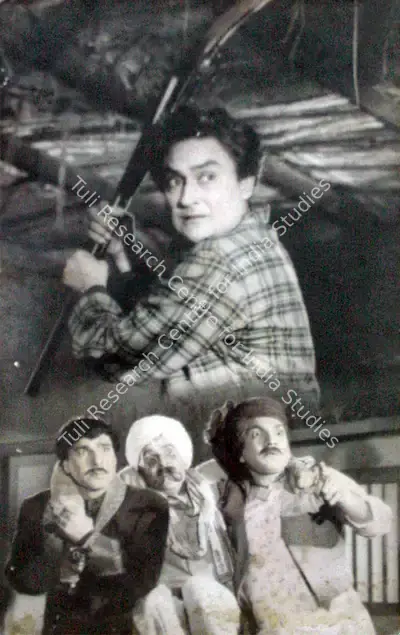
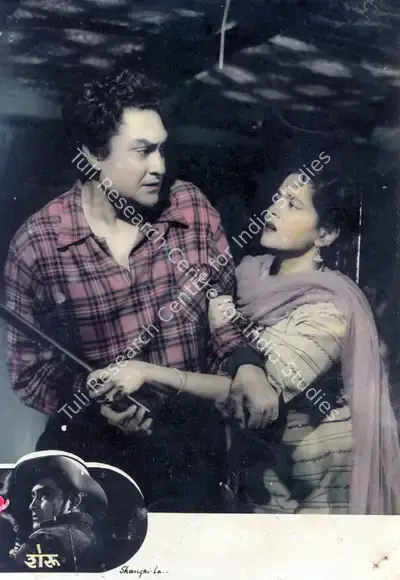
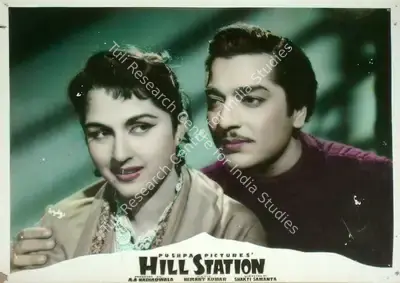
In 1948 he entered the industry as an assistant director, beginning with Satish Nigam on the Raj Kapoor starrer Sunhere Din (1949). He subsequently worked with prominent filmmakers such as Gyan Mukherjee and Phani Majumdar at Bombay Talkies on projects including Tamasha (1952), Baadbaan (1954) and Dhobi Doctor (1954). His directorial debut came with Bahu (1955), featuring Karan Dewan, Usha Kiran, Shashikala and Pran. A string of early successes followed with Inspector (1956), Sheroo (1957), Detective (1958) and Hill Station (1957).
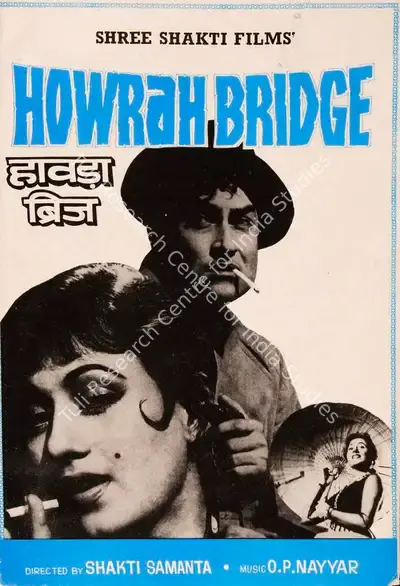
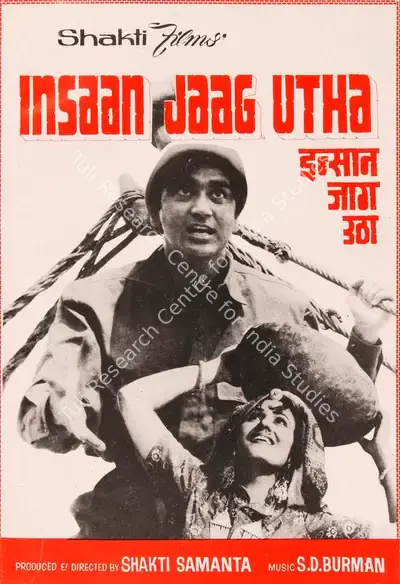
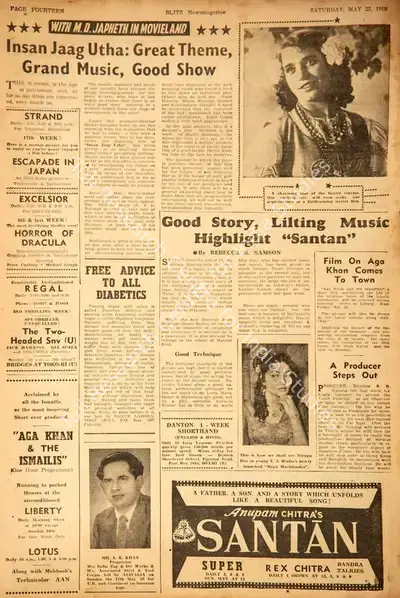
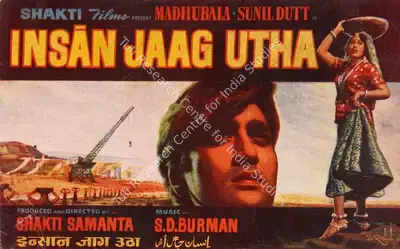
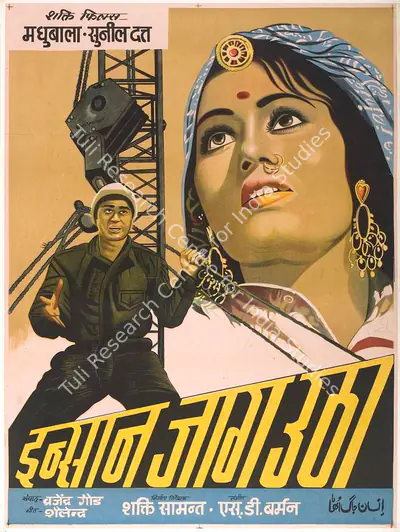
The founding of Shakti Films soon after marked a decisive turning point. Its first major release, Howrah Bridge (1958), starring Ashok Kumar and Madhubala, became a breakthrough success, celebrated for its stylish narrative and unforgettable music. Samanta briefly attempted socially themed storytelling with Insan Jaag Utha (1959), but its modest reception prompted him to return to mainstream entertainment for a decade before revisiting social drama with the landmark film Aradhana (1969).
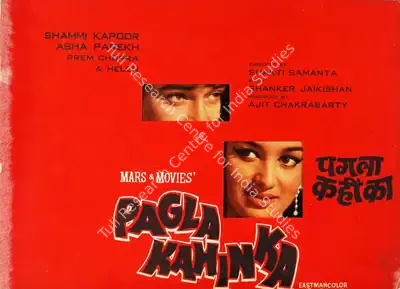
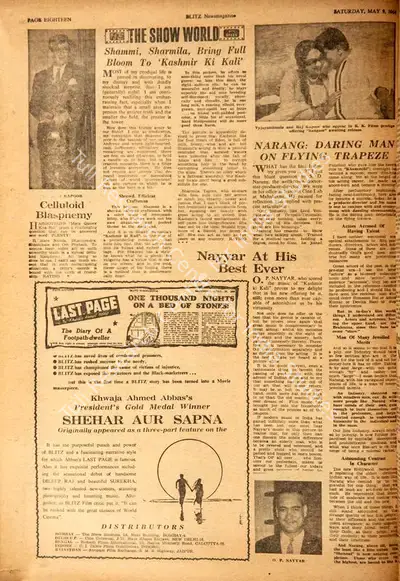
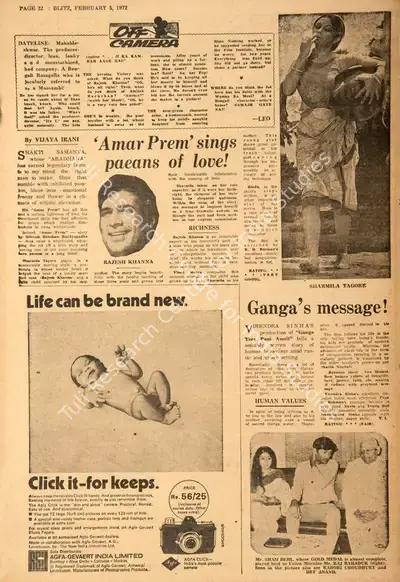
Across his career Samanta directed forty-three feature films, including thirty-seven in Hindi and six in Bengali. He also pioneered the practice of making bilingual versions, notably with Amanush (1975), and later oversaw an Indo-Bangladesh co-production. His collaborations with actors such as Shammi Kapoor, Sharmila Tagore and Rajesh Khanna produced enduring classics including Aradhana (1969), Kati Patang (1971), Anurodh (1977) and Amar Prem (1972).
A respected industry figure, Samanta served as president of the Indian Motion Picture Producers' Association and chaired the Central Board of Film Certification for seven years. He also led the Satyajit Ray Film and Television Institute in Kolkata. Honoured with multiple accolades, including Filmfare Awards for Best Film for Aradhana (1969), Anuraag (1972) and Amanush (1975), he remained a towering presence in Indian cinema until his death from cardiac arrest at his Santa Cruz residence in Mumbai in April 2009.
सामंता का जन्म ब्रिटिश भारत में बंगाल प्रेसीडेंसी के पूर्वी बर्धमान जिले के बोकरा गांव में हुआ था। उन्होंने अपने प्रारंभिक वर्ष देहरादून में अपने चाचा के साथ बिताए और बाद में 1944 में कलकत्ता विश्वविद्यालय से स्नातक की उपाधि प्राप्त की। सिनेमा के आकर्षण से प्रेरित होकर, वे अभिनेता बनने की महत्वाकांक्षा के साथ मुंबई के क़रीब आ गए और शुरू में शहर से लगभग दो सौ किलोमीटर दूर दापोली में एक स्कूल शिक्षक के रूप में काम किया। हालांकि, उनकी पहली इच्छा पार्श्व गायक बनने की थी। लगभग 1947 में दिग्गज संगीतकार एस. डी. बर्मन के साथ एक ऑडिशन निर्णायक साबित हुआ और उन्हें एकल गायक के बजाय कोरस में गाने के लिए प्रोत्साहित किए जाने के बाद, सामंता ने अपनी महत्वाकांक्षाओं को फ़िल्म निर्माण की ओर मोड़ दिया।
1948 में उन्होंने सहायक निर्देशक के रूप में फ़िल्म उद्योग में प्रवेश किया, जिसकी शुरुआत उन्होंने सतीश निगम के साथ राज कपूर अभिनीत फ़िल्म 'सुनहरे दिन' (1949) से की। बाद में उन्होंने बॉम्बे टॉकीज में ज्ञान मुखर्जी और फणी मजूमदार जैसे प्रमुख फ़िल्म निर्माताओं के साथ 'तमाशा' (1952), 'बादबान' (1954) और 'धोबी डॉक्टर' (1954) जैसी परियोजनाओं पर काम किया। उनकी निर्देशन की पहली फ़िल्म 'बहू' (1955) थी, जिसमें करण दीवान, उषा किरण, शशिकला और प्राण ने अभिनय किया था। इसके बाद उन्हें 'इंस्पेक्टर' (1956), 'शेरू' (1957), 'डिटेक्टिव' (1958) और 'हिल स्टेशन' (1957) जैसी कई सफल फ़िल्में मिलीं।
इसके तुरंत बाद शक्ति फ़िल्म्स की स्थापना एक निर्णायक मोड़ साबित हुई। इसकी पहली बड़ी फ़िल्म, हावड़ा ब्रिज (1958), जिसमें अशोक कुमार और मधुबाला ने अभिनय किया था, एक बड़ी सफल साबित हुई, जिसे इसकी आकर्षक कहानी और अविस्मरणीय संगीत के लिए सराहा गया। सामंता ने थोड़े समय के लिए सामाजिक विषयों पर आधारित फ़िल्म 'इंसान जाग उठा' (1959) बनाने का प्रयास किया, लेकिन इसकी सीमित सफलता ने उन्हें एक दशक तक मुख्यधारा के मनोरंजन में ही रहने के लिए प्रेरित किया, जिसके बाद उन्होंने ऐतिहासिक फ़िल्म 'आराधना' (1969) के साथ सामाजिक नाटक में वापसी की।
अपने करियर के दौरान समंता ने तैंतालीस फ़ीचर फ़िल्मों का निर्देशन किया, जिनमें से सैंतीस हिंदी और छह बंगाली थीं। उन्होंने द्विभाषी फ़िल्मों के निर्माण की शुरुआत भी की, विशेष रूप से अमानुष (1975) के साथ, और बाद में एक भारत-बांग्लादेश सह-निर्माण का निर्देशन किया। शम्मी कपूर, शर्मिला टैगोर और राजेश खन्ना जैसे अभिनेताओं के साथ उनके सहयोग से आराधना (1969), कटी पतंग (1971), अनुरोध (1977) और अमर प्रेम (1972) जैसी सदाबहार क्लासिक फ़िल्में बनीं।
फ़िल्म जगत की एक सम्मानित हस्ती, सामंता ने इंडियन मोशन पिक्चर प्रोड्यूसर्स एसोसिएशन के अध्यक्ष के रूप में कार्य किया और सात वर्षों तक केंद्रीय फ़िल्म प्रमाणन बोर्ड के अध्यक्ष रहे। उन्होंने कोलकाता में सत्यजीत रे फ़िल्म और टेलीविजन संस्थान का भी नेतृत्व किया। आराधना (1969), अनुराग (1972) और अमानुष (1975) के लिए सर्वश्रेष्ठ फ़िल्म का फ़िल्मफेयर पुरस्कार सहित कई पुरस्कारों से सम्मानित, वे अप्रैल 2009 में मुंबई के सांता क्रूज़ स्थित अपने आवास पर हृदयाघात से निधन तक भारतीय सिनेमा में एक प्रभावशाली व्यक्तित्व बने रहे।
Filmography 48
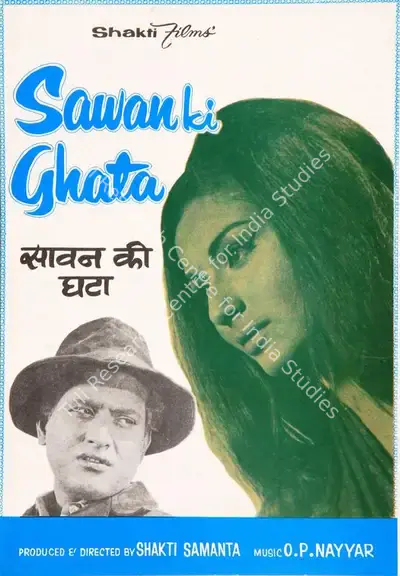
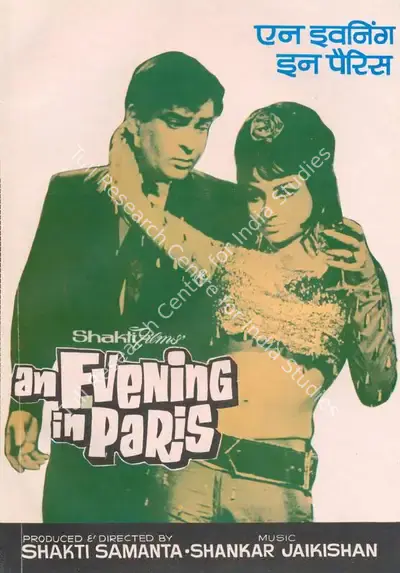
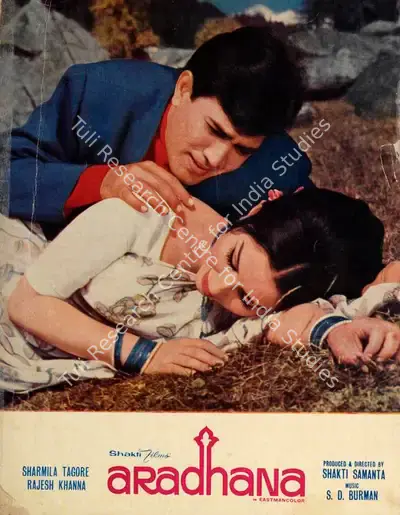
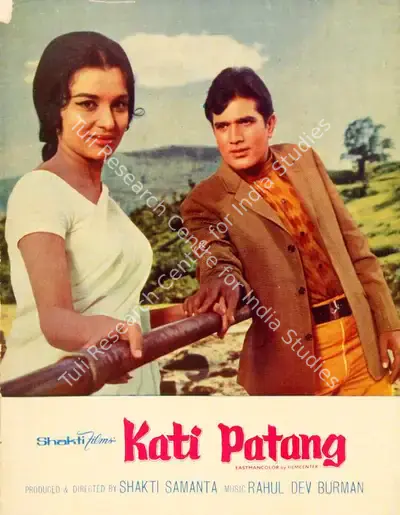
Research Centre
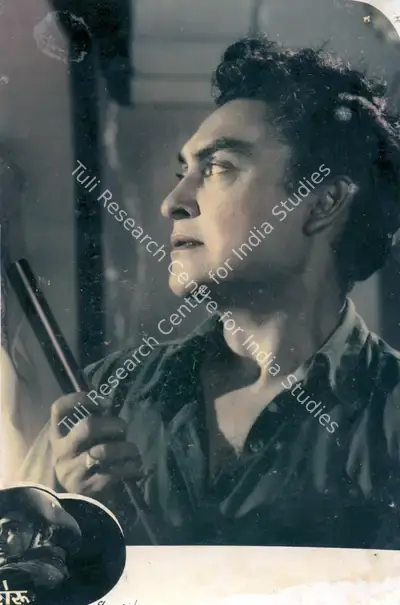
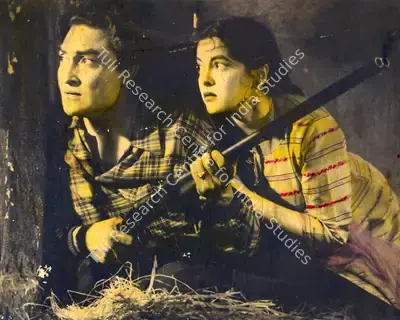
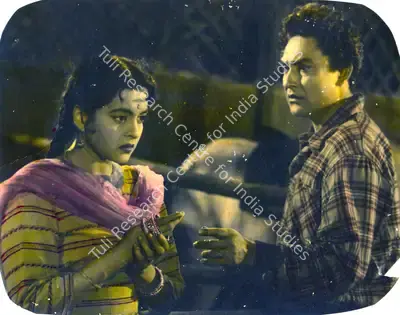
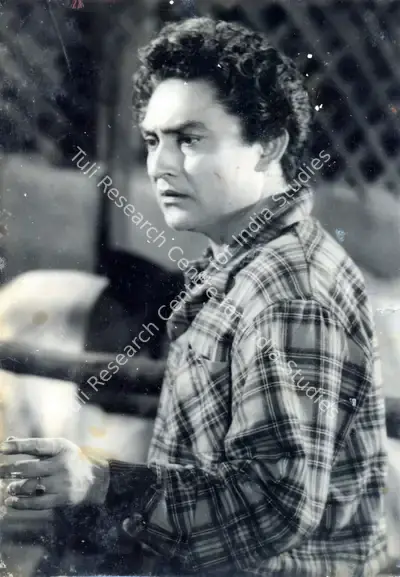


Calendar 2
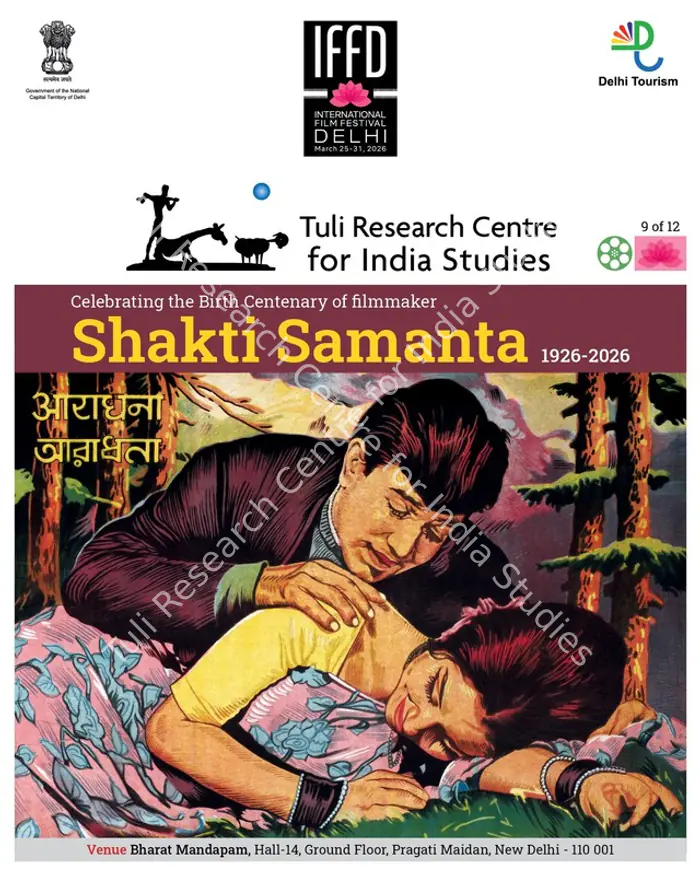
- ArchivedExhibitionProject 74Celebrating the Birth Centenary of filmmaker Shakti Samanta | 1926-202625th - 31st March 202611:00am - 7:00pmBharat Mandapam, Hall-14, Ground Floor, Pragati Maidan, New Delhi - 110009Celebrating the Birth Centenary of filmmaker Shakti Samanta offers an incisive and in-depth visual look into the career and legacy of the artist.Read More →
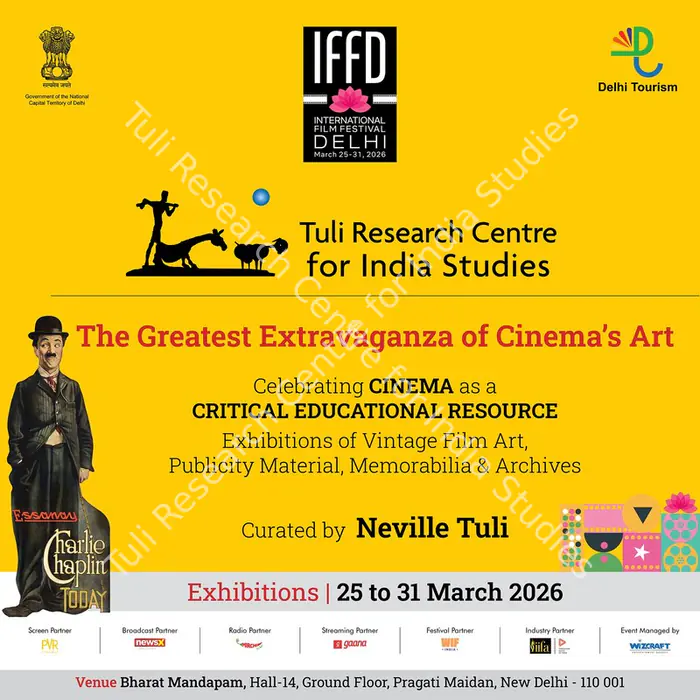
- ArchivedExhibitionProject 65The Greatest Extravaganza of Cinema's Art25th - 31st March 202611:00am - 7:00pmBharat Mandapam, Hall-14, Ground Floor, Pragati Maidan, New Delhi - 110001As we near sharing the vast online India Studies knowledge base on tuliresearchcentre.org with the world, we end with our last grand archival Exhibition on the rare and vintage cinematic arts. The Expo covers over 110 years of cinematic art, created by some of the finest film directors, cinematographers, art directors, technicians and designers working in cinema from India, Hollywood, Japan, Germany, France, and Poland. It is also a key principle at the Tuli Research Centre for India Studies (TRIS) to support new and nascent International Film Festivals in whatever capacity possible. Hence it is our privilege to help the International Film Festival of Delhi (IFFD) successfully launch its first edition on 25th March 2026. In the pioneering tradition of IFFI, and as Head of the erstwhile and much respected Osian's-Cinefan Festival for Asian and Arab Cinema with my dearly departed friend and Founder of Cinefan - Aruna Vasudev - we know what energy, expertise and commitment is required to galvanise and inspire the cinematic fraternities of Delhi, India and the rest of the world. It is a very serious and difficult task. Our audiences are demanding and to attract the young and non-cinephile is also no easy task. I hope these exhibitions will help the public grasp how deeply history is living in the contemporary. That contemporary life or creativity cannot achieve its best version without knowing and respecting the work of the best who came before us, nurturing and guiding our path with their service and vision. We look forward to welcoming you to Bharat Mandapam Hall 14 in the days to come. Please register at https://www.iffdelhi.com for the films and other events, it is free to all.Read More →
Related
29
Films
20
Personalities
8