

Introduction
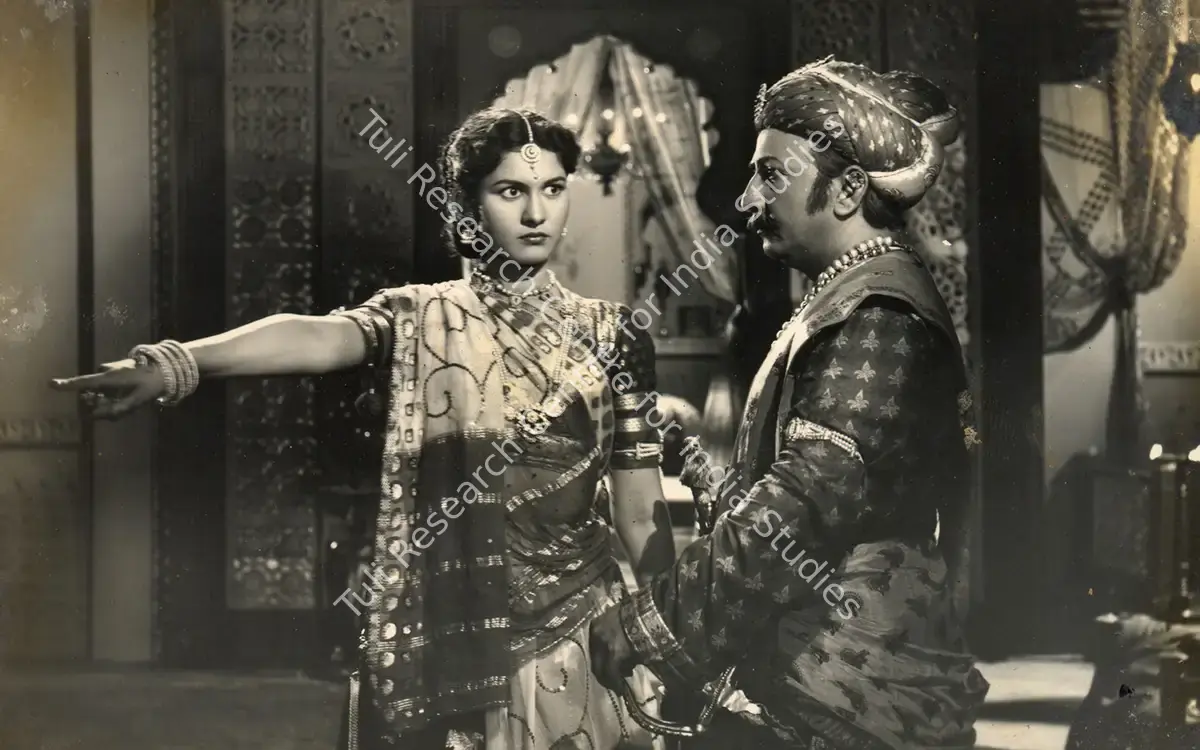
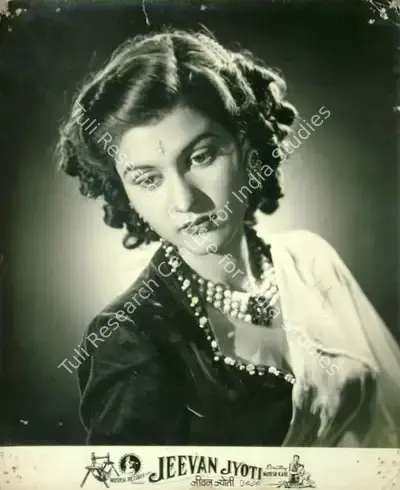
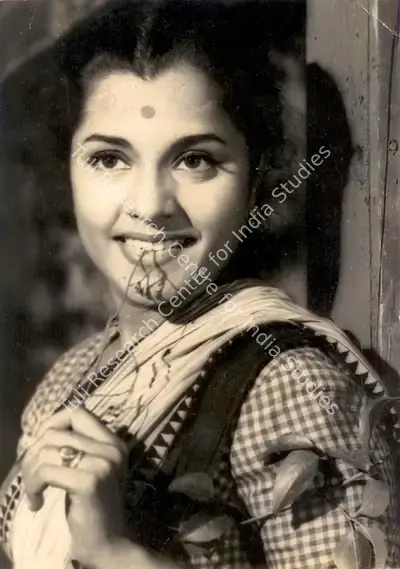
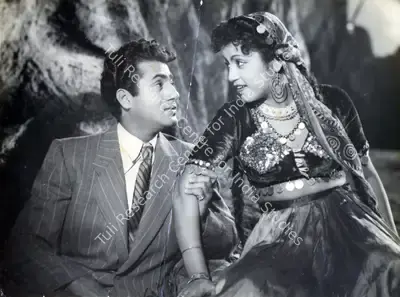
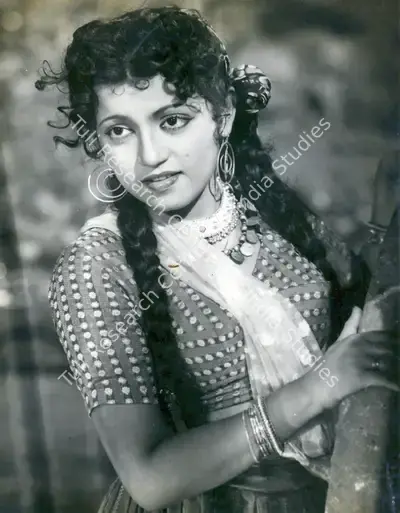
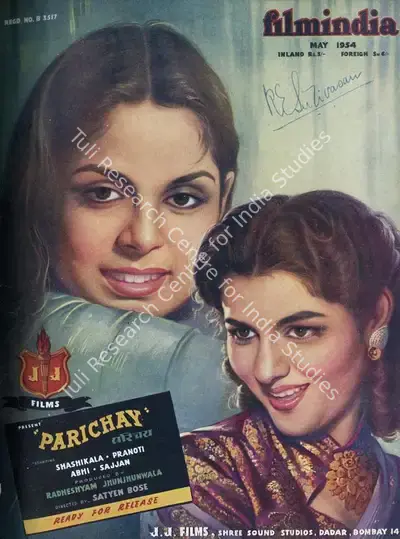
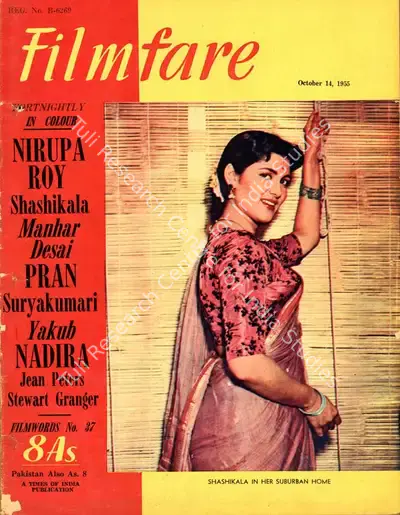
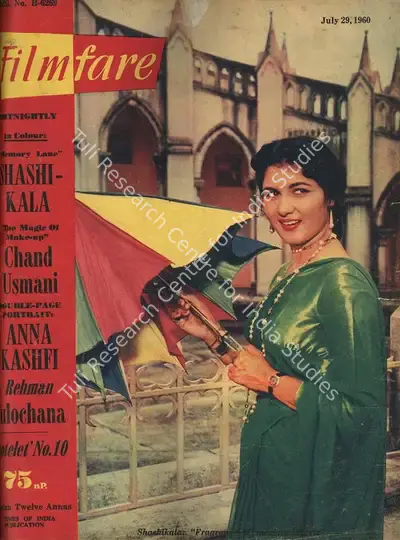
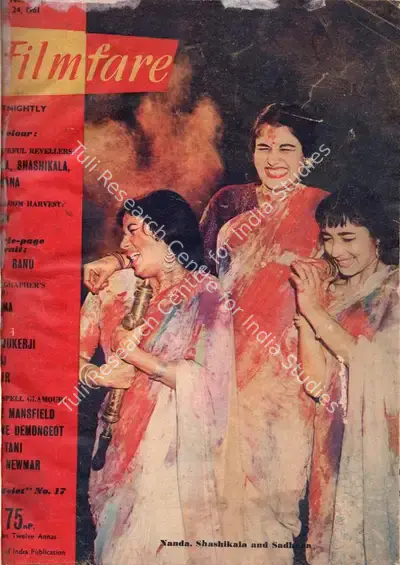
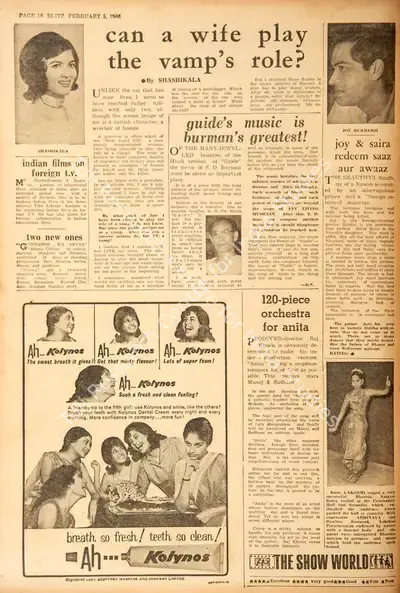
Shashikala Saigal: (née Jawalkar; 4 August 1932 – 4 April 2021), fondly remembered simply as Shashikala, was one of Indian cinema's most enduring and versatile character actresses. Over a career spanning more than six decades, she appeared in hundreds of Hindi films, leaving an indelible mark through her nuanced portrayals of complex women—vamps, socialites, sisters-in-law, mothers, and matriarchs alike.
Born in Solapur, Maharashtra, into a modest Marathi-speaking family, Shashikala's early life was shaped by hardship and ambition. A gifted child performer in local theatre, she was barely in her teens when her family's fortunes collapsed, prompting their move to Bombay in search of opportunity. Undeterred by struggle, the young Shashikala tirelessly visited film studios until destiny intervened—screen legend Noor Jehan recognized her potential and offered her a part in the film Zeenat (1945). This marked the beginning of an illustrious cinematic journey.
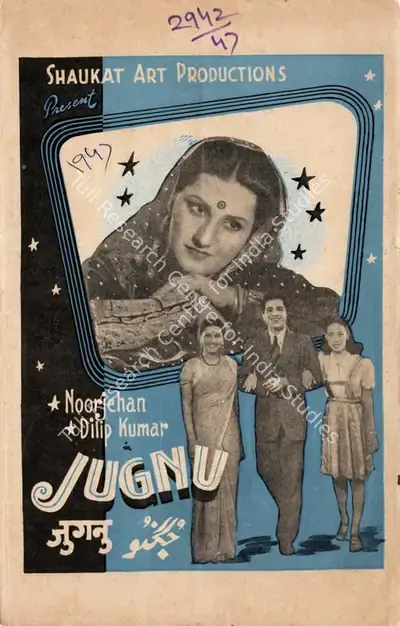
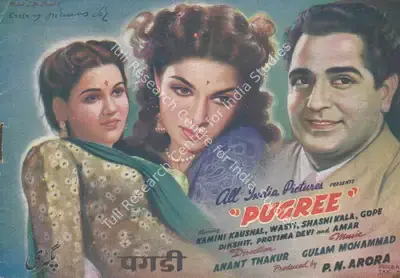
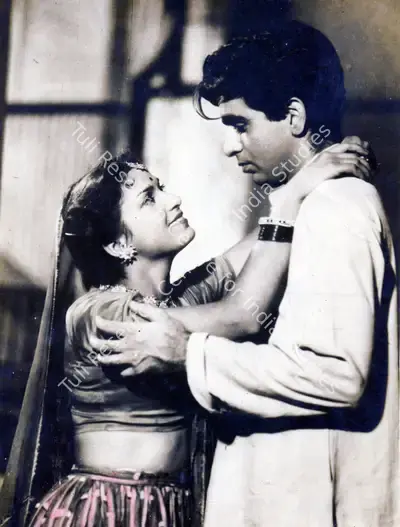
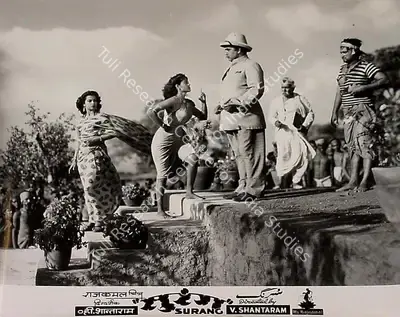
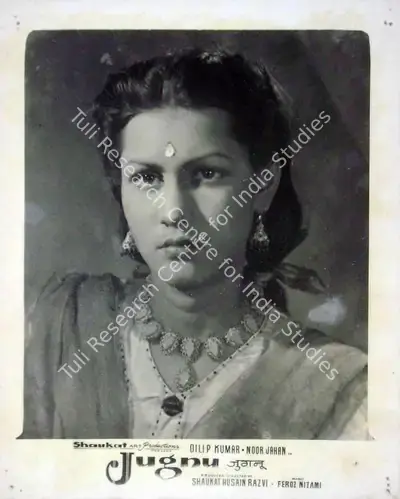
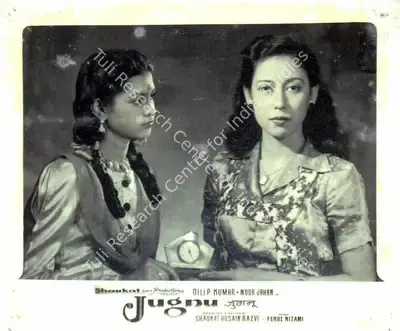
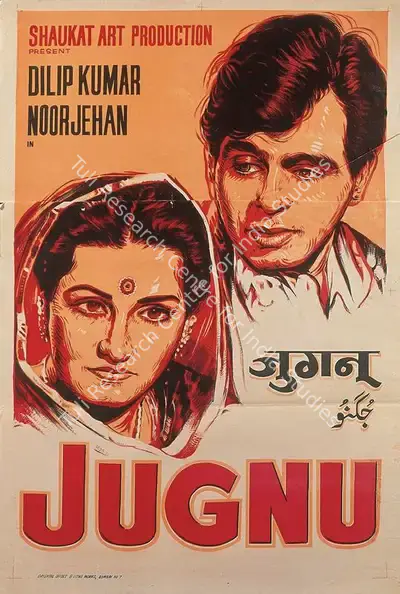
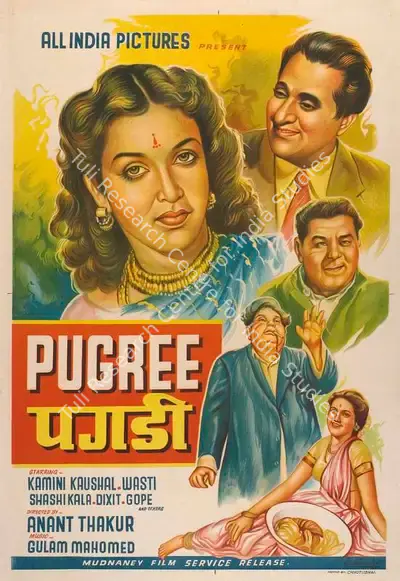
Her early appearances in Jugnu (1947) alongside Dilip Kumar and Pugdi (1948) earned her recognition, but it was V. Shantaram's Teen Batti Char Raasta (1953) that cemented her presence. Shashikala's flair for embodying spirited, morally ambiguous women found full expression in the 1950s and 60s, when she redefined the archetype of the “vamp.” In Aarti (1962), her riveting performance as the conniving rival won her the Filmfare Award for Best Supporting Actress, a feat she repeated with Gumrah (1963).
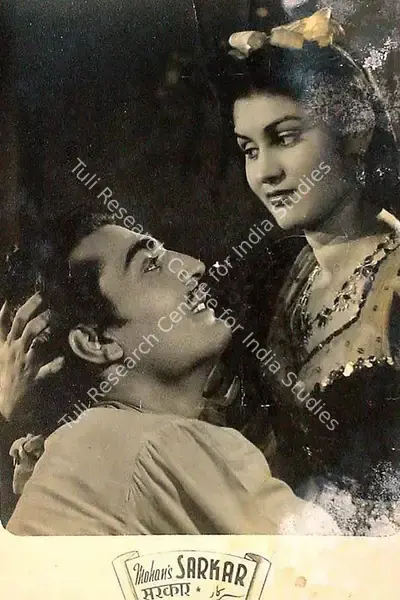
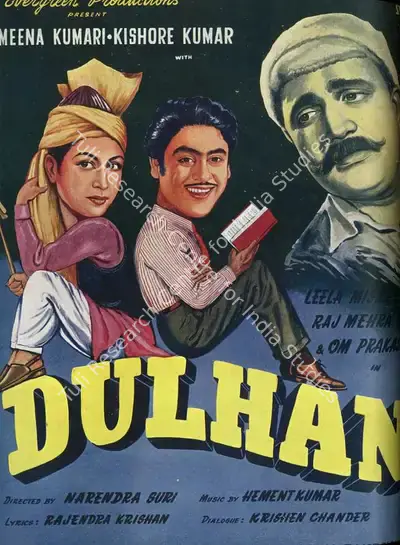
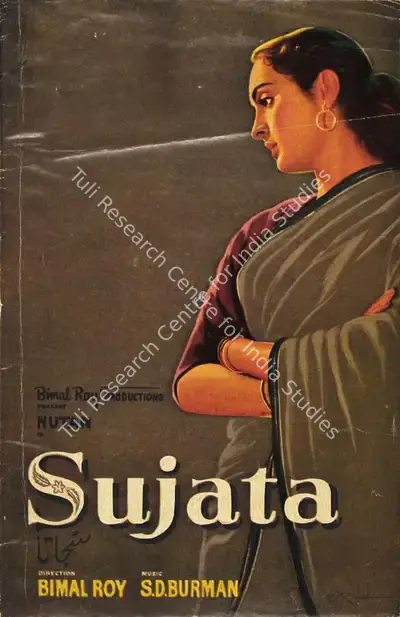
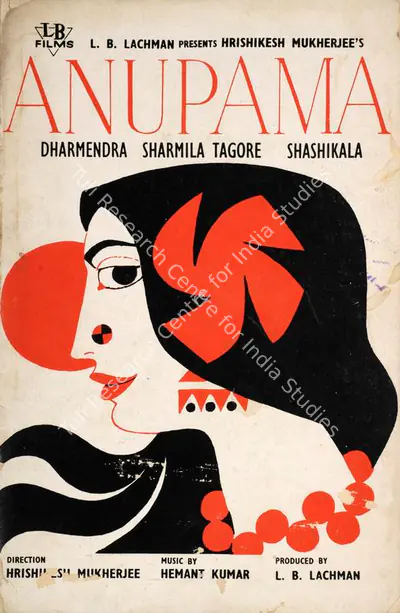
Her filmography reads like a timeline of classic Hindi cinema—Sujata (1959), Waqt (1965), Anupama (1966), Phool Aur Patthar (1966), Neel Kamal (1968), and Khubsoorat (1980)—each showcasing her effortless adaptability. Whether playing a manipulative schemer in Chhote Sarkar (1974) or a dignified mother in Souten (1983), Shashikala infused every role with conviction and elegance.
In later years, she seamlessly transitioned to television and maternal roles, embodying grace and authority. With over a hundred films to her credit and two Filmfare Awards to her name, Shashikala remains a towering figure in Indian cinema—a symbol of resilience, artistry, and timeless charm.
महाराष्ट्र के सोलापुर में एक साधारण मराठी भाषी परिवार में जन्मी शशिकला का शुरुआती जीवन मुश्किलों और आगे बढ़ने की चाहत से भरा था। लोकल थिएटर में एक प्रतिभाशाली बाल कलाकार के तौर पर काम करने वाली शशिकला अभी नाबालिग़ ही थीं कि उनके परिवार की आर्थिक हालत ख़राब हो गई, जिसके कारण उन्हें काम की तलाश में बॉम्बे आना पड़ा। संघर्षों से हार न मानते हुए, युवा शशिकला लगातार फ़िल्म स्टूडियो के चक्कर लगाती रहीं, जब तक कि क़िस्मत ने उनका साथ नहीं दिया। स्क्रीन की दिग्गज कलाकार नूरजहाँ ने उनकी क़ाबिलियत को पहचाना और उन्हें फ़िल्म 'ज़ीनत' (1945) में एक रोल दिया। यहीं से उनके शानदार फ़िल्मी सफ़र की शुरुआत हुई।
दिलीप कुमार के साथ 'जुगनू' (1947) और 'पगड़ी' (1948) जैसी शुरुआती फ़िल्मों से उन्हें पहचान मिली, लेकिन वी. शांताराम की 'तीन बत्ती चार रास्ता' (1953) ने फ़िल्म इंडस्ट्री में उनकी जगह पक्की कर दी। 1950 और 60 के दशक में शशिकला ने जोशीली और नैतिक रूप से उलझी हुई महिलाओं के किरदारों को बख़ूबी निभाया और 'वैम्प' (खलनायिका) की छवि को एक नई पहचान दी। 'आरती' (1962) में एक चालाक प्रतिद्वंद्वी के तौर पर उनके ज़बरदस्त अभिनय के लिए उन्हें बेस्ट सपोर्टिंग एक्ट्रेस का फ़िल्मफ़ेयर अवॉर्ड मिला। उन्होंने 'गुमराह' (1963) के लिए भी यही क़ामयाबी दोहराई।
उनकी फ़िल्मों की लिस्ट क्लासिक हिंदी सिनेमा की एक टाइमलाइन जैसी लगती है सुजाता (1959), वक़्त (1965), अनुपमा (1966), फूल और पत्थर (1966), नील कमल (1968) और ख़ूबसूरत (1980)। इन सभी में उनकी आसानी से हर तरह के किरदार में ढल जाने की क़ाबिलियत दिखी। चाहे 'छोटे सरकार' (1974) में चालाक साज़िश रचने वाली महिला का किरदार हो या 'सौतन' (1983) में एक गरिमामयी माँ का, शशिकला ने हर रोल को पूरे यक़ीन और नज़ाकत के साथ निभाया।
बाद के सालों में उन्होंने बड़ी आसानी से टेलीविज़न और माँ के किरदारों को अपनाया, जिसमें ग्रेस और अधिकार दोनों झलकता था। सौ से ज़्यादा फ़िल्मों और दो फ़िल्मफ़ेयर अवॉर्ड्स के साथ, शशिकला भारतीय सिनेमा की एक बड़ी हस्ती हैं। वे हिम्मत, कलाकारी और सदाबहार आकर्षण की मिसाल हैं।
Filmography 142
Research Centre




Related
40
Films
21
Personalities
17