

Introduction
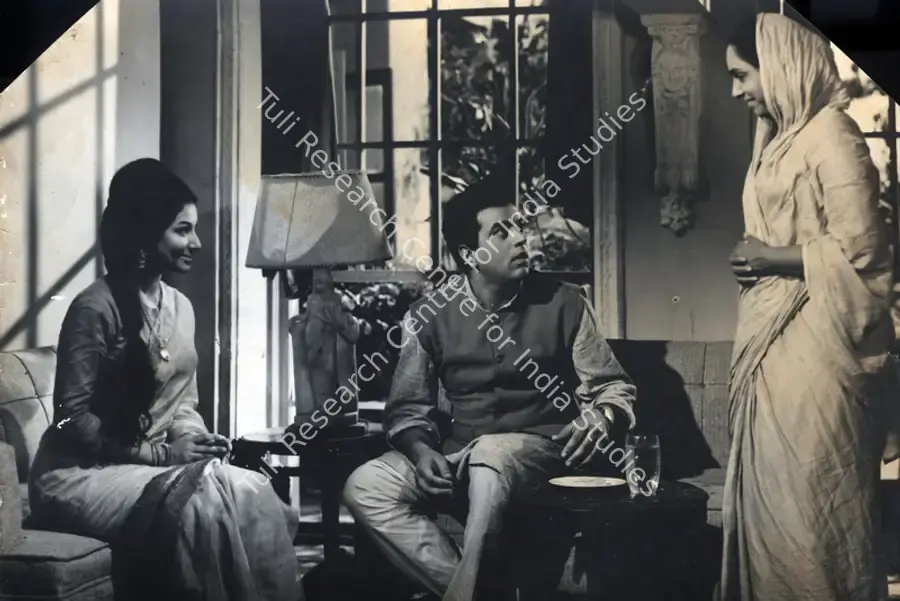
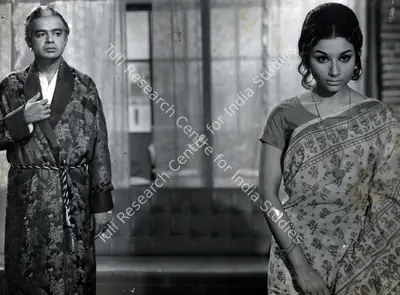
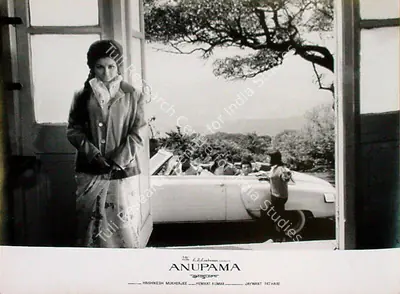
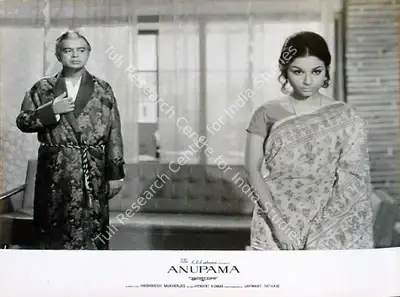
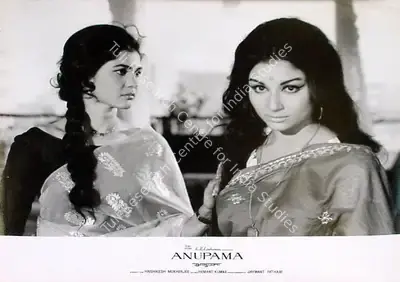
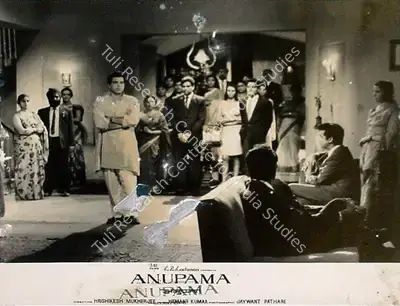
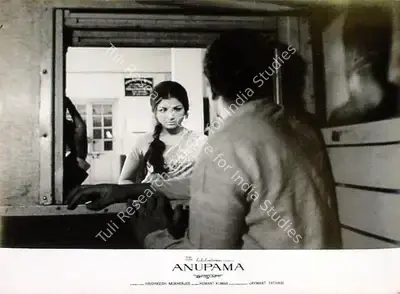
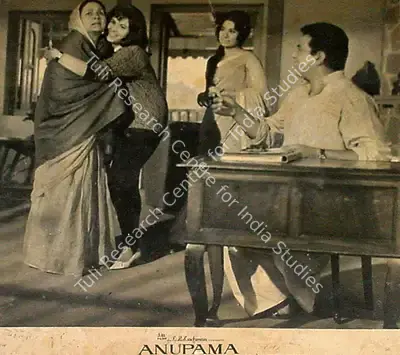
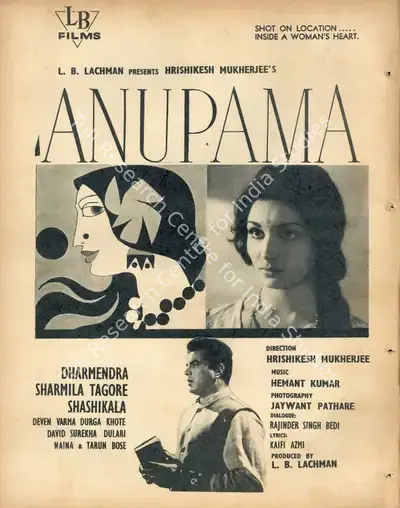
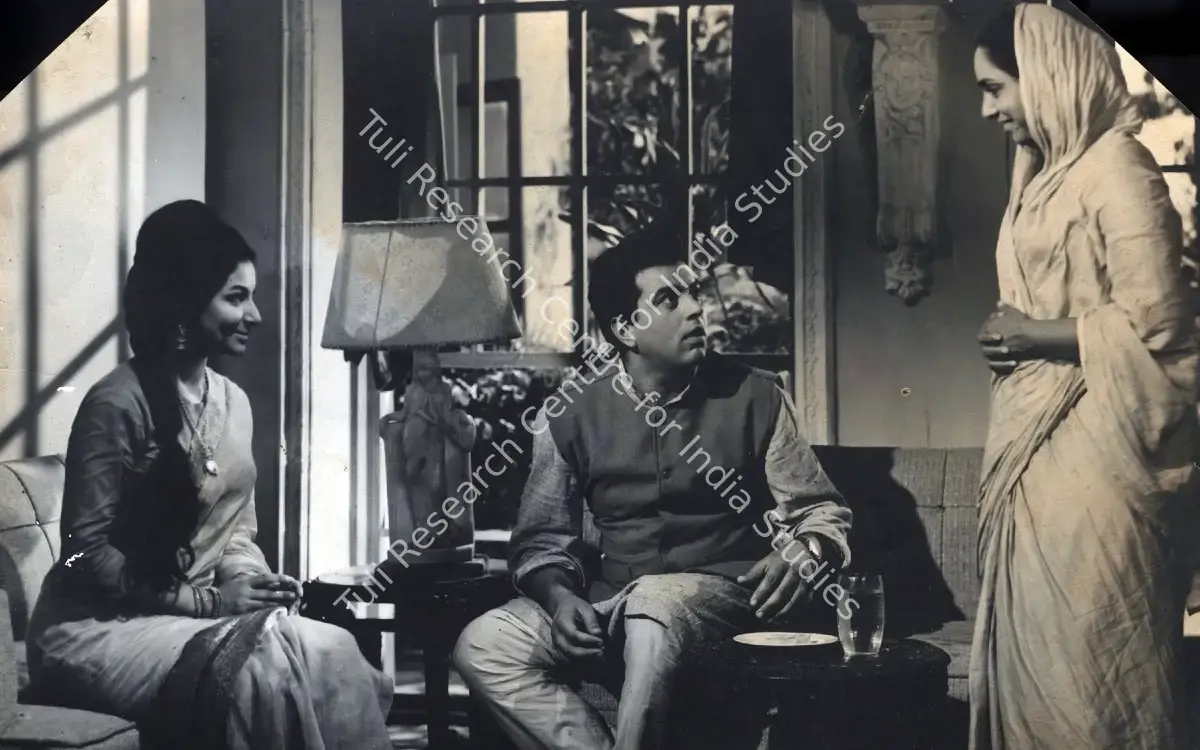
Anupama is a sombre and powerful exploration of a fractured father-daughter relationship by filmmaker Hrishikesh Mukherjee. The film revolves around Uma (Sharmila Tagore), a shy, emotionally suppressed young woman weighed down by her father Mohan's (Tarun Bose) reproach. Blamed for her mother's death during childbirth, Uma has grown up with an overwhelming sense of guilt. Mukherjee, known for his sensitive portrayal of relationships, masterfully crafts Uma's journey as she learns to assert her identity and liberate herself from her father's overbearing shadow.
At a time when the highly sanctified mother-son bond was in prime focus, Anupama stood out by exploring the complexities of a father-daughter dynamic. Mukherjee humanises the father, presenting him not merely as an authoritarian figure but as a complex, grieving man grappling with his own emotions. The film also touches on other themes such as parental expectations, the suppression of women's voices, and the journey toward individual liberation.
The film's bold climax is a beautiful affirmation of gender equality, portraying a woman's right to her own choices. Anupama, with its understated performances and layered narrative, became a quiet triumph in Hrishikesh Mukherjee's illustrious career, leaving a lasting impact on generations of Indian cinema.
ऐसे दौर में जब कहानियों के केंद्र में माँ-बेटे का सबसे पावन रिश्ता छाया हुआ था, अनुपमा ने पिता-पुत्री के रिश्ते की बदलती सच्चाइयों को अपना मुख्य कथानक बनाते हुए अलग पहचान कायम की। मुखर्जी ने पिता के किरदार को सिर्फ़ एक सख़्त तानाशाह व्यक्तित्व तक सीमित नहीं किया बल्कि उसे भी एक मानवीय चेहरा दिया। यह एक जटिल चरित्र है, जो खुद भी दुख के सागर में डूबा अपनी भावनाओं से जूझ रहा है। फ़िल्म अपने कथानक में माता-पिता की उम्मीदों तले दबी संतान का दर्द, स्त्री की आवाज़ को दबाया जाना और वैयक्तिक आज़ादी के सफ़र में आती चुनौतियाँ जैसे मुद्दों को भी उठाती है।
फिल्म का बेबाक क्लाइमैक्स एक स्त्री के चयन के अधिकार की वकालत करता हुआ लैंगिक समानता की बात करता है। कलाकारों के संयमित अभिनय और गहराई लिये कथा के साथ अनुपमा ऋषिकेश मुखर्जी के शानदार सिनेमाई सफ़र की एक निश्छल उपलब्धि बन गई और इसने भारतीय सिनेमा की आगामी पीढ़ियों पर एक स्थायी प्रभाव छोड़ा।