
Hemanta Mukherjee
Hemanta Mukhopadhyay (1920–1989) Known as Hemanta Mukherjee and Hemant Kumar, he was an Indian playback singer and music director working across Bengali, Hindi, and several other Indian languages. Revered for his deep, restrained vocal timbre and emotional clarity, he emerged as a defining figure in 20th-century Indian film music and Rabindra Sangeet. His artistic reach extended across genres and regions, earning him two National Awards for Best Male Playback Singer. Popularly known as the Voice of God, he remains one of the most influential musical voices in modern Indian cultural history.
Born in Varanasi at his maternal grandfather's residence, Hemanta later grew up in Kolkata after his family relocated there. He studied at Nasiruddin School and Mitra Institution, where he nurtured early literary and musical interests and formed lasting friendships with Subhash Mukhopadhyay and Santosh Kumar Ghosh. He enrolled at the Bengal Technical Institute in Jadavpur for an engineering diploma but abandoned formal studies due to ill health and an increasing commitment to music, despite familial opposition. He briefly contributed a short story to Desh magazine before fully dedicating himself to music by the late 1930s. His siblings included writer Tarajyoti, musician-composer Amal, and sister Nilima.
He began his playback career with Rajkumarer Nirbasan (1940), under S. D. Burman, followed by Nimai Sanyas (1941). He entered Hindi cinema with Meenakshi (1942) and Irada (1944). As a composer, he made his early mark in 1943 and gained recognition for Rabindra Sangeet through Priya Bandhabi (1944). His first major role as music director came with Abhiyatri (1947), and broader recognition followed by the late 1940s.
In the mid-1940s, he became associated with the Indian People's Theatre Association and collaborated closely with Salil Chowdhury, in a creative climate shaped by the Bengal famine of 1943. The landmark composition Ganyer Badhu (1947) broke established musical conventions with its extended form and stark depiction of rural suffering, establishing him as a major voice in socially conscious music.
He moved to Mumbai in 1951 to compose for Anand Math (1952) under Hemen Gupta and soon joined Filmistan Studios. His breakthrough came with Nagin (1954), whose extraordinary success earned him the Filmfare Award for Best Music Director. He also became a prominent playback voice in Hindi cinema through collaborations with S. D. Burman, while continuing his Bengali work, including his celebrated partnership with Uttam Kumar beginning with Shap Mochan (1955).
The late 1950s and early 1960s marked the peak of his career, with prolific output across Hindi and Bengali cinema alongside widely acclaimed recordings of Rabindra Sangeet. Collaborations with composers such as Nachiketa Ghosh and Robin Chatterjee further enriched his repertoire and consolidated his stature.
He later established Hemanta-Bela Productions, subsequently renamed Geetanjali Productions. Its debut Neel Akasher Neechey (1959) won the President's Gold Medal. The banner went on to produce notable films including Bees Saal Baad (1962), Kohraa (1964), Biwi Aur Makaan (1966), and Khamoshi (1969), achieving both critical and commercial recognition.
His Hindi playback legacy is defined by a series of songs whose emotional restraint, melodic purity, and haunting depth have given them a timeless quality. Across decades, these recordings continue to circulate widely on radio, streaming platforms, and classic film playlists, largely unchanged in their cultural impact.
Some of his most enduring and widely loved Hindi film songs include: Yaad Kiya Dil Ne from Patita (1953) — A landmark duet with Lata Mangeshkar, remembered for its aching simplicity and lyrical call-and-response structure; Na Tum Hamen Jano from Baat Ek Raat Ki (1962) — One of his most iconic solo songs, built on emotional understatement and philosophical longing; Hai Apna Dil To Aawara from Solva Saal (1958) — A breezy yet thoughtful melody that became an anthem of carefree romantic philosophy; Tum Pukar Lo from Khamoshi (1969) — A deeply atmospheric, almost hypnotic song that reflects his mastery of mood-based singing; Jaane Woh Kaise Log The from Pyaasa (1957) — A melancholic classic that captures existential sorrow with remarkable restraint; Yeh Raat Yeh Chandni Phir Kahan from Jaal (1952) — A romantic nocturne that remains one of his most recognizable early hits; Beqarar Karke Humein Yun Na Jaiye from Bees Saal Baad (1962) — A signature suspense-era melody blending longing with lyrical tension; Tumhen Yaad Hoga Kabhi Hum Mile The from Satta Bazaar (1959) — A reflective duet remembered for its gentle emotional arc; Chhupa Lo Yun Dil Mein from Mamta (1966) — A soft, romantic rendering marked by vocal restraint and tenderness; Na Yeh Chand Hoga Na Taare Rahenge from Shart (1954) — A hauntingly philosophical composition that highlights his ability to elevate lyrical melancholy.
Beyond these, Hemant Kumar's voice became inseparable from the romantic and introspective soundscape of 1950s–60s Hindi cinema. His collaborations with composers like S. D. Burman and his dual role as singer and music director gave these songs a distinctive sonic identity—minimalist orchestration, slow melodic unfolding, and an almost meditative emotional tone.
In the 1970s, his Hindi film presence diminished, but he remained central to Bengali music with acclaimed recordings and continued interpretations of Rabindra Sangeet. He directed Anindita (1971) and worked on Siddhartha (1972). His major honours included the Filmfare Award (1955), National Film Awards in 1971 and 1986, the Sangeet Natak Akademi Award (1986), and multiple BFJA awards.
He died on 26 September 1989 following a cardiac arrest after a concert in Dhaka. His legacy endures through an extensive recorded oeuvre and memorials in Kolkata and Mumbai.
Born in Varanasi at his maternal grandfather's residence, Hemanta later grew up in Kolkata after his family relocated there. He studied at Nasiruddin School and Mitra Institution, where he nurtured early literary and musical interests and formed lasting friendships with Subhash Mukhopadhyay and Santosh Kumar Ghosh. He enrolled at the Bengal Technical Institute in Jadavpur for an engineering diploma but abandoned formal studies due to ill health and an increasing commitment to music, despite familial opposition. He briefly contributed a short story to Desh magazine before fully dedicating himself to music by the late 1930s. His siblings included writer Tarajyoti, musician-composer Amal, and sister Nilima.
He began his playback career with Rajkumarer Nirbasan (1940), under S. D. Burman, followed by Nimai Sanyas (1941). He entered Hindi cinema with Meenakshi (1942) and Irada (1944). As a composer, he made his early mark in 1943 and gained recognition for Rabindra Sangeet through Priya Bandhabi (1944). His first major role as music director came with Abhiyatri (1947), and broader recognition followed by the late 1940s.
In the mid-1940s, he became associated with the Indian People's Theatre Association and collaborated closely with Salil Chowdhury, in a creative climate shaped by the Bengal famine of 1943. The landmark composition Ganyer Badhu (1947) broke established musical conventions with its extended form and stark depiction of rural suffering, establishing him as a major voice in socially conscious music.
He moved to Mumbai in 1951 to compose for Anand Math (1952) under Hemen Gupta and soon joined Filmistan Studios. His breakthrough came with Nagin (1954), whose extraordinary success earned him the Filmfare Award for Best Music Director. He also became a prominent playback voice in Hindi cinema through collaborations with S. D. Burman, while continuing his Bengali work, including his celebrated partnership with Uttam Kumar beginning with Shap Mochan (1955).
The late 1950s and early 1960s marked the peak of his career, with prolific output across Hindi and Bengali cinema alongside widely acclaimed recordings of Rabindra Sangeet. Collaborations with composers such as Nachiketa Ghosh and Robin Chatterjee further enriched his repertoire and consolidated his stature.
He later established Hemanta-Bela Productions, subsequently renamed Geetanjali Productions. Its debut Neel Akasher Neechey (1959) won the President's Gold Medal. The banner went on to produce notable films including Bees Saal Baad (1962), Kohraa (1964), Biwi Aur Makaan (1966), and Khamoshi (1969), achieving both critical and commercial recognition.
His Hindi playback legacy is defined by a series of songs whose emotional restraint, melodic purity, and haunting depth have given them a timeless quality. Across decades, these recordings continue to circulate widely on radio, streaming platforms, and classic film playlists, largely unchanged in their cultural impact.
Some of his most enduring and widely loved Hindi film songs include: Yaad Kiya Dil Ne from Patita (1953) — A landmark duet with Lata Mangeshkar, remembered for its aching simplicity and lyrical call-and-response structure; Na Tum Hamen Jano from Baat Ek Raat Ki (1962) — One of his most iconic solo songs, built on emotional understatement and philosophical longing; Hai Apna Dil To Aawara from Solva Saal (1958) — A breezy yet thoughtful melody that became an anthem of carefree romantic philosophy; Tum Pukar Lo from Khamoshi (1969) — A deeply atmospheric, almost hypnotic song that reflects his mastery of mood-based singing; Jaane Woh Kaise Log The from Pyaasa (1957) — A melancholic classic that captures existential sorrow with remarkable restraint; Yeh Raat Yeh Chandni Phir Kahan from Jaal (1952) — A romantic nocturne that remains one of his most recognizable early hits; Beqarar Karke Humein Yun Na Jaiye from Bees Saal Baad (1962) — A signature suspense-era melody blending longing with lyrical tension; Tumhen Yaad Hoga Kabhi Hum Mile The from Satta Bazaar (1959) — A reflective duet remembered for its gentle emotional arc; Chhupa Lo Yun Dil Mein from Mamta (1966) — A soft, romantic rendering marked by vocal restraint and tenderness; Na Yeh Chand Hoga Na Taare Rahenge from Shart (1954) — A hauntingly philosophical composition that highlights his ability to elevate lyrical melancholy.
Beyond these, Hemant Kumar's voice became inseparable from the romantic and introspective soundscape of 1950s–60s Hindi cinema. His collaborations with composers like S. D. Burman and his dual role as singer and music director gave these songs a distinctive sonic identity—minimalist orchestration, slow melodic unfolding, and an almost meditative emotional tone.
In the 1970s, his Hindi film presence diminished, but he remained central to Bengali music with acclaimed recordings and continued interpretations of Rabindra Sangeet. He directed Anindita (1971) and worked on Siddhartha (1972). His major honours included the Filmfare Award (1955), National Film Awards in 1971 and 1986, the Sangeet Natak Akademi Award (1986), and multiple BFJA awards.
He died on 26 September 1989 following a cardiac arrest after a concert in Dhaka. His legacy endures through an extensive recorded oeuvre and memorials in Kolkata and Mumbai.
The whole holding

Research Centre
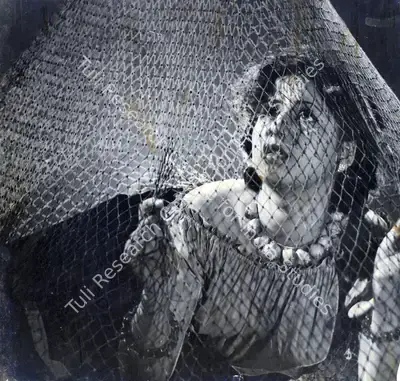
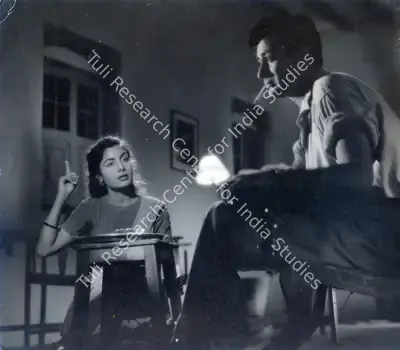
20 of 378


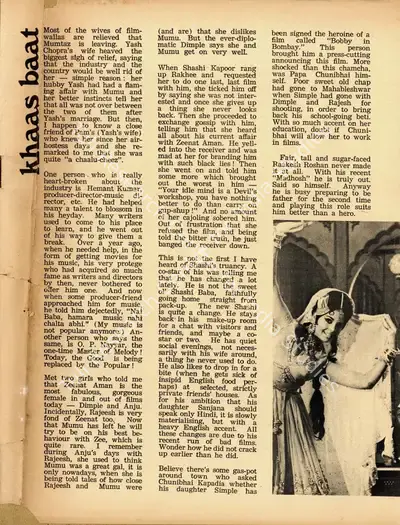
20 of 374
Calendar 1
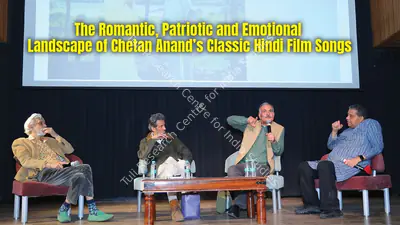
- ArchivedOffline-Online EventProject 80A Musical Glue for Nation-BuildingDeconstructing the Film Song23rd July - 22nd August 2026Ketan Anand | Ravikant | Pavan Jha | Madan Gopal Singh | Amit Khanna | Juhi Saklani | Antara Mondal | Shikha Jhingan | Neville TuliA key section of the India Studies framework at The Tuli Research Centre for India Studies (T.R.I.S.) is “Deconstructing the Film Song”. It began with a series of four workshops during our Self-Discovery via Rediscovering India Festival Series that brought together leading scholars & academics, film practitioners & students, along with fans of the Hindi film song. The objective of these workshops was to deconstruct iconic Hindi film songs to examine their formation across music, lyrics, playback, choreography, directorial visualisation, as they fuse into sites where aesthetics, ideology, and performance intersect, so as to help clarify the nature of India and her relationship to the film song. The Hindi Film Song functions as a narrative device, conveying myriad textures of emotion through melody, voice and poetry. As cultural texts that encode memory, desire, and ideology, songs are integral to the circulation and resonance of films in the public realm. Over time they have become autonomous bundles of creative energy - the glue that binds us over time, articulating and perhaps even defining the idea of Indianness. These first Workshops were an attempt to understand the nature and power of this glue, while contemplating the ways to situate it within TRIS' academic framework for Contemporary India Studies.Read More →