TRIS logo image
Search275,000+ actors, artists, objects, artworks, films, exhibitions, archives

EN

EN

English

HI

Hindi

EN

EN

English

HI

Hindi

Tuli Research Centre for India Studies

Tuli Research Centre for India Studies

Vision

Manifesto

Archive & Library

Vanraja Sanctuary & Hospice

Home

Research Categories

Browse All

ICore

1_CinemaEducation_Cinema as a Critical Educational Resource

2_FineArts_Modern and Contemporary Indian Fine Arts

3_Photography_Photography in India

4_PopCulture_The Printed Image, Popular Arts, and Crafts

IIMaterial

5_ArcHeritage_India's Architectural Heritage as Inspiration

6_EconomicsArt_Economics of Art & Cultural Industry

7_Travel_Automobile, Transport and Travel Heritage

8_Uncertainty_Uncertainty

IIICritical

9_SocialDuty_Social Responsibility of the Creative Mind

10_Childhood_The Changing Smile of Childhood & Its Second Coming

11_Sensuality_The Sensual Discipline within Creativity

12_Scholarship_The History & Historiography of Scholarship in the Arts, Humanities, and Social Sciences

IVMeaningful

13_SeekJustice_Seeking Justice and Political Integrity

14_IndoWorld_India and her Relationship with the World

15_SpiritualPoetics_The Religious-Spiritual-Poetic-Philosophical Framework

16_Continuum_The Animal-Human-Nature Continuum

Explore

All

Posts

Masterlists

Calendar

Live | Upcoming

All Events

Timetable

Search275,000+ actors, artists, objects, artworks, films, exhibitions, archives

EN

EN

English

HI

Hindi

Home/Hemanta Mukherjee

Hemanta Mukherjee

Hemanta Mukhopadhyay (1920–1989) Known as Hemanta Mukherjee and Hemant Kumar, he was an Indian playback singer and music director working across Bengali, Hindi, and several other Indian languages. Revered for his deep, restrained vocal timbre and emotional clarity, he emerged as a defining figure in 20th-century Indian film music and Rabindra Sangeet. His artistic reach extended across genres and regions, earning him two National Awards for Best Male Playback Singer. Popularly known as the Voice of God, he remains one of the most influential musical voices in modern Indian cultural history.

Born in Varanasi at his maternal grandfather's residence, Hemanta later grew up in Kolkata after his family relocated there. He studied at Nasiruddin School and Mitra Institution, where he nurtured early literary and musical interests and formed lasting friendships with Subhash Mukhopadhyay and Santosh Kumar Ghosh. He enrolled at the Bengal Technical Institute in Jadavpur for an engineering diploma but abandoned formal studies due to ill health and an increasing commitment to music, despite familial opposition. He briefly contributed a short story to Desh magazine before fully dedicating himself to music by the late 1930s. His siblings included writer Tarajyoti, musician-composer Amal, and sister Nilima.

He began his playback career with Rajkumarer Nirbasan (1940), under S. D. Burman, followed by Nimai Sanyas (1941). He entered Hindi cinema with Meenakshi (1942) and Irada (1944). As a composer, he made his early mark in 1943 and gained recognition for Rabindra Sangeet through Priya Bandhabi (1944). His first major role as music director came with Abhiyatri (1947), and broader recognition followed by the late 1940s.

In the mid-1940s, he became associated with the Indian People's Theatre Association and collaborated closely with Salil Chowdhury, in a creative climate shaped by the Bengal famine of 1943. The landmark composition Ganyer Badhu (1947) broke established musical conventions with its extended form and stark depiction of rural suffering, establishing him as a major voice in socially conscious music.

He moved to Mumbai in 1951 to compose for Anand Math (1952) under Hemen Gupta and soon joined Filmistan Studios. His breakthrough came with Nagin (1954), whose extraordinary success earned him the Filmfare Award for Best Music Director. He also became a prominent playback voice in Hindi cinema through collaborations with S. D. Burman, while continuing his Bengali work, including his celebrated partnership with Uttam Kumar beginning with Shap Mochan (1955).

The late 1950s and early 1960s marked the peak of his career, with prolific output across Hindi and Bengali cinema alongside widely acclaimed recordings of Rabindra Sangeet. Collaborations with composers such as Nachiketa Ghosh and Robin Chatterjee further enriched his repertoire and consolidated his stature.

He later established Hemanta-Bela Productions, subsequently renamed Geetanjali Productions. Its debut Neel Akasher Neechey (1959) won the President's Gold Medal. The banner went on to produce notable films including Bees Saal Baad (1962), Kohraa (1964), Biwi Aur Makaan (1966), and Khamoshi (1969), achieving both critical and commercial recognition.

His Hindi playback legacy is defined by a series of songs whose emotional restraint, melodic purity, and haunting depth have given them a timeless quality. Across decades, these recordings continue to circulate widely on radio, streaming platforms, and classic film playlists, largely unchanged in their cultural impact.

Some of his most enduring and widely loved Hindi film songs include: Yaad Kiya Dil Ne from Patita (1953) — A landmark duet with Lata Mangeshkar, remembered for its aching simplicity and lyrical call-and-response structure; Na Tum Hamen Jano from Baat Ek Raat Ki (1962) — One of his most iconic solo songs, built on emotional understatement and philosophical longing; Hai Apna Dil To Aawara from Solva Saal (1958) — A breezy yet thoughtful melody that became an anthem of carefree romantic philosophy; Tum Pukar Lo from Khamoshi (1969) — A deeply atmospheric, almost hypnotic song that reflects his mastery of mood-based singing; Jaane Woh Kaise Log The from Pyaasa (1957) — A melancholic classic that captures existential sorrow with remarkable restraint; Yeh Raat Yeh Chandni Phir Kahan from Jaal (1952) — A romantic nocturne that remains one of his most recognizable early hits; Beqarar Karke Humein Yun Na Jaiye from Bees Saal Baad (1962) — A signature suspense-era melody blending longing with lyrical tension; Tumhen Yaad Hoga Kabhi Hum Mile The from Satta Bazaar (1959) — A reflective duet remembered for its gentle emotional arc; Chhupa Lo Yun Dil Mein from Mamta (1966) — A soft, romantic rendering marked by vocal restraint and tenderness; Na Yeh Chand Hoga Na Taare Rahenge from Shart (1954) — A hauntingly philosophical composition that highlights his ability to elevate lyrical melancholy.

Beyond these, Hemant Kumar's voice became inseparable from the romantic and introspective soundscape of 1950s–60s Hindi cinema. His collaborations with composers like S. D. Burman and his dual role as singer and music director gave these songs a distinctive sonic identity—minimalist orchestration, slow melodic unfolding, and an almost meditative emotional tone.

In the 1970s, his Hindi film presence diminished, but he remained central to Bengali music with acclaimed recordings and continued interpretations of Rabindra Sangeet. He directed Anindita (1971) and worked on Siddhartha (1972). His major honours included the Filmfare Award (1955), National Film Awards in 1971 and 1986, the Sangeet Natak Akademi Award (1986), and multiple BFJA awards.

He died on 26 September 1989 following a cardiac arrest after a concert in Dhaka. His legacy endures through an extensive recorded oeuvre and memorials in Kolkata and Mumbai.

हेमंत मुखोपाध्याय (1920–1989), जिन्हें हेमंत मुखर्जी और हेमंत कुमार के नाम से भी जाना जाता है, एक भारतीय पार्श्व गायक और संगीत निर्देशक थे। उन्होंने बंगाली, हिंदी और कई अन्य भारतीय भाषाओं में काम किया। अपनी संयमित आवाज़ और भावपूर्ण गायकी के लिए मशहूर, वे 20वीं सदी के भारतीय फ़िल्मी संगीत और रवींद्र संगीत में एक अहम हस्ती बनकर उभरे। उनकी कला का दायरा कई शैलियों और क्षेत्रों तक फैला था, जिसके लिए उन्हें सर्वश्रेष्ठ पुरुष पार्श्व ग़ायक के तौर पर दो राष्ट्रीय पुरस्कार मिले। 'वॉइस ऑफ़ गॉड' (ईश्वर की आवाज़) के नाम से मशहूर, वे आधुनिक भारतीय सांस्कृतिक इतिहास की सबसे प्रभावशाली संगीत आवाज़ों में से एक हैं।
वाराणसी में अपने नाना के घर जन्मे हेमंत कोलकाता में पले-बढ़े, क्योंकि उनका परिवार कोलकाता रहने चला गया। उन्होंने नसीरुद्दीन स्कूल और मित्रा इंस्टीट्यूशन में पढ़ाई की, जहाँ उन्होंने साहित्य और संगीत में अपनी शुरुआती रुचि को आगे बढ़ाया और सुभाष मुखोपाध्याय और उनकी संतोष कुमार घोष के साथ गहरी दोस्ती थी। उन्होंने जाधवपुर के बंगाल टेक्निकल इंस्टीट्यूट में इंजीनियरिंग डिप्लोमा के लिए दाख़िला लिया, लेकिन ख़राब सेहत और संगीत के प्रति बढ़ती दिलचस्पी के कारण औपचारिक पढ़ाई छोड़ दी, भले ही परिवार इसके ख़िलाफ़ था। 1930 के दशक के आख़िर में संगीत को पूरी तरह अपनाने से पहले, उन्होंने कुछ समय के लिए 'देश' पत्रिका के लिए एक लघु कथा लिखी थी। उनके भाई-बहनों में लेखक ताराज्योति, संगीतकार-कम्पोज़र अमल और बहन नीलिमा शामिल थे।
उन्होंने एस. डी. बर्मन के निर्देशन में 'राजकुमारेर निर्बासन' (1940) से अपने प्लेबैक करियर की शुरुआत की, जिसके बाद वे 'निमाई संन्यास' (1941) में भी। उन्होंने 'मीनाक्षी' (1942) और 'इरादा' (1944) के साथ हिंदी सिनेमा में क़दम रखा। एक संगीतकार के तौर पर उन्होंने 1943 में अपनी शुरुआती पहचान बनाई और 'प्रिया बंधबी' (1944) के ज़रिए रवींद्र संगीत के लिए ख्याति प्राप्त की। संगीत निर्देशक के तौर पर उनकी पहली बड़ी भूमिका 'अभियात्री' (1947) के साथ सामने आई, और 1940 के दशक के आख़िर तक उन्हें व्यापक पहचान मिली।
1940 के दशक के मध्य में, वे इंडियन पीपल्स थिएटर एसोसिएशन से जुड़े और सलिल चौधरी के साथ मिलकर काम किया। यह रचनात्मक माहौल 1943 के बंगाल अकाल से प्रभावित था। उनकी यादगार रचना 'गाँयेर बधू' (1947) ने अपने लंबे स्वरूप और ग्रामीण दुख-दर्द के तीखे चित्रण के ज़रिए संगीत के स्थापित नियमों को तोड़ा और उन्हें सामाजिक रूप से जागरूक संगीत की दुनिया में एक अहम आवाज़ के तौर पर स्थापित किया।
वे 1951 में हेमंत गुप्ता के निर्देशन में 'आनंद मठ' (1952) के लिए संगीत देने मुंबई आए और जल्द ही फ़िल्मिस्तान स्टूडियो से जुड़ गए। उन्हें बड़ी सफलता 'नागिन' (1954) फ़िल्म से मिली। इसकी ज़बरदस्त क़ामयाबी के लिए उन्हें बेस्ट म्यूज़िक डायरेक्टर का फ़िल्मफ़ेयर अवॉर्ड मिला। एस. डी. बर्मन के साथ काम करके वे हिंदी सिनेमा में एक जाने-माने प्लेबैक सिंगर बने, साथ ही उन्होंने बंगाली संगीत में भी अपना काम जारी रखा, जिसमें उत्तम कुमार के साथ उनकी मशहूर जोड़ी भी शामिल थी, जिसकी शुरुआत 'शाप मोचन' (1955) से हुई थी।
1950 के दशक का आख़िर और 1960 के दशक की शुरुआत उनके करियर का सबसे शानदार दौर था। इस दौरान उन्होंने हिंदी और बंगाली सिनेमा में बहुत सारा काम किया और रवींद्र संगीत की ऐसी रिकॉर्डिंग कीं जिन्हें बहुत सराहा गया। नचिकेता घोष और रॉबिन चटर्जी जैसे संगीतकारों के साथ काम करने से उनके संगीत का दायरा और बढ़ा और उनकी पहचान और मज़बूत हुई।
बाद में उन्होंने 'हेमंत-बेला प्रोडक्शंस' शुरू किया, जिसका नाम बदलकर बाद में 'गीतांजलि प्रोडक्शंस' कर दिया गया। उनकी पहली फ़िल्म 'नील आकाशेर नीचे' (1959) ने प्रेसिडेंट्स गोल्ड मेडल जीता। इस बैनर तले 'बीस साल बाद' (1962), 'कोहरा' (1964), 'बीवी और मकान' (1966) और 'ख़ामोशी' (1969) जैसी बेहतरीन फ़िल्में बनीं, जिन्हें आलोचकों और दर्शकों, दोनों से ख़ूब सराहना मिली।
हिंदी प्लेबैक में उनकी विरासत ऐसे गानों से बनी है जिनमें भावनाओं का संयम, धुनों की शुद्धता और दिल को छू लेने वाली गहराई है, जो उन्हें सदाबहार बनाती है। दशकों बाद भी, ये गाने रेडियो, स्ट्रीमिंग प्लेटफॉर्म और क्लासिक फ़िल्मों की प्लेलिस्ट में ख़ूब सुने जाते हैं और सांस्कृतिक रूप से इनका महत्व आज भी वैसा ही बना हुआ है।
उनके कुछ सबसे यादगार और लोगों के पसंदीदा हिंदी फ़िल्मी गानों में शामिल 'याद किया दिल ने' (फ़िल्म: पतिता, 1953) लता मंगेशकर के साथ गाया गया एक यादगार युगल गीत है, जो अपनी सादगी और बोलों के सवाल जवाब वाले अंदाज़ के लिए जाना जाता है, 'ना तुम हमें जानो' (फ़िल्म: बात एक रात की, 1962) उनका एक बहुत मशहूर सोलो गाना, जिसमें भावनाओं की गहराई और दार्शनिक तड़प है अपना दिल तो आवारा' (फ़िल्म: सोलहवां साल, 1958) एक हल्का-फुल्का लेकिन सोच-विचार वाला गाना जो बेफ़िक्र रोमांटिक सोच का प्रतीक बन गया। 'तुम पुकार लो' (फ़िल्म: खामोशी, 1969) एक बहुत ही असरदार और सम्मोहक गाना जो मूड के हिसाब से गाने की उनकी महारत को दिखाता है। 'जाने वो कैसे लोग थे' (फ़िल्म: प्यासा, 1957) एक उदास क्लासिक गाना जो ज़िंदगी के दुख को बहुत ही सधे हुए अंदाज़ में दिखाता है, 'ये रात ये चांदनी फ़िर कहां' (फ़िल्म: जाल, 1952) रात के माहौल वाला एक रोमांटिक गाना जो उनके शुरुआती मशहूर गानों में से एक है। 'बेकरार करके हमें यूं न जाइए' (फ़िल्म: बीस साल बाद, 1962) सस्पेंस वाली फ़िल्मों के दौर का एक ख़ास' गाना जिसमें तड़प और बोलों का तनाव दोनों हैं। 'तुम्हें याद होगा कभी हम मिले थे' (फ़िल्म: सट्टा बाज़ार, 1959) एक सोच-विचार वाला युगल गीत जो अपनी कोमल भावनाओं के लिए याद किया जाता है। 'छुपा लो यूं दिल में' (फ़िल्म: ममता, 1966) एक नरम, रोमांटिक गाना जिसमें आवाज़ का संयम और कोमलता है। 'न ये चांद होगा न तारे रहेंगे' (फ़िल्म: शर्त, 1954) एक गहरा दार्शनिक गाना जो उदासी भरे बोलों को एक अलग ही स्तर पर ले जाने की उनकी क़ाबिलियत को दिखाता है।
इसके अलावा हेमंत कुमार की आवाज़ 1950 और 60 के दशक के हिंदी सिनेमा के रोमांटिक और गहरे भाव वाले संगीत का एक अहम हिस्सा बन गई। एस. डी. बर्मन जैसे संगीतकारों के साथ उनके काम और गायक व संगीत निर्देशक के तौर पर उनकी दोहरी भूमिका ने इन गानों को एक ख़ास म्यूज़िकल पहचान दी! कम से कम वाद्य-यंत्रों का इस्तेमाल, धीमी और सुरीली धुन, और एक तरह का शांत और भावुक अंदाज़।
1970 के दशक में हिंदी फ़िल्मों में उनकी मौजूदगी कम हो गई, लेकिन वे बंगाली संगीत की दुनिया में अपनी बेहतरीन रिकॉर्डिंग और रवींद्र संगीत की लगातार प्रस्तुतियों के ज़रिए अहम बने रहे। उन्होंने 'अनिंदिता' (1971) का निर्देशन किया और 'सिद्धार्थ' (1972) पर काम किया। उन्हें मिले प्रमुख सम्मानों में फ़िल्मफ़ेयर अवॉर्ड (1955), 1971 और 1986 में नेशनल फ़िल्म अवॉर्ड, संगीत नाटक अकादमी अवॉर्ड (1986) और कई BFJA अवॉर्ड शामिल हैं।
ढाका में एक कॉन्सर्ट के बाद कार्डियक अरेस्ट (दिल का दौरा पड़ने) से 26 सितंबर 1989 को उनका निधन हो गया। उनकी विरासत उनके बड़े पैमाने पर रिकॉर्ड किए गए संगीत और कोलकाता व मुंबई में बने स्मारकों के ज़रिए आज भी क़ायम है।
The whole holding
Scroll→
Hemanta Mukherjee
Hemanta Mukherjee
Research Centre1,103
Calendar1

Research Centre

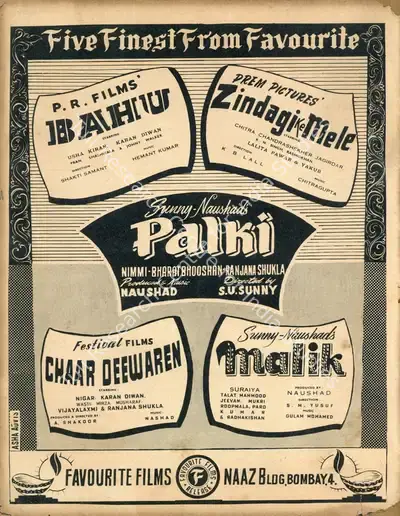
Favourite Films (Advertiser), Favourite Films (Advertiser), Five Finest from Favourite | Advertisement, 1955, Advertisement
Favourite Films (Advertiser), Five Finest from Favourite | Advertisement, 1955
View full record
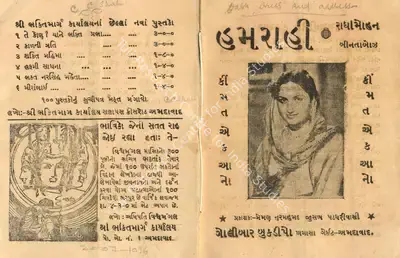
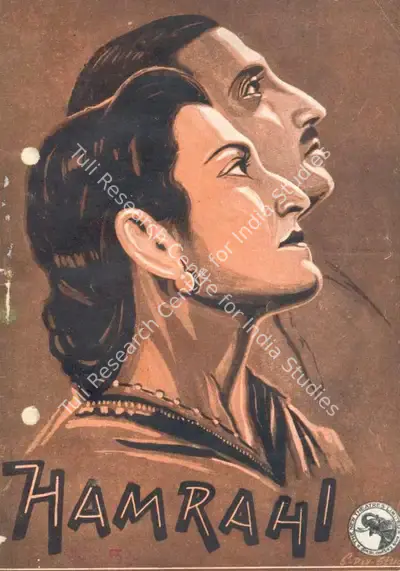
B.N. Sircar (Producer), Hamrahi, 1944, Cyclostyled Lyrics Leaflet
Sircar, B.N. (Producer), Hamrahi, 1944 | Cyclostyled Lyrics Leaflet
View full record
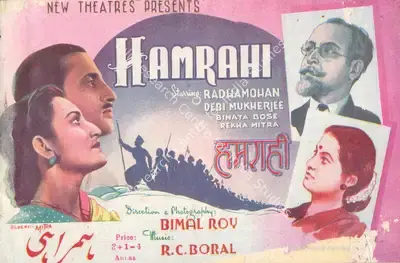
B.N. Sircar (Producer), Hamrahi, 1944, Song-Synopsis Booklet
Sircar, B.N. (Producer), Hamrahi, 1944 | Song-Synopsis Booklet
View full record
B.N. Sircar (Producer), Hamrahi, 1944, Song-Synopsis Booklet
Sircar, B.N. (Producer), Hamrahi, 1944 | Song-Synopsis Booklet
View full record
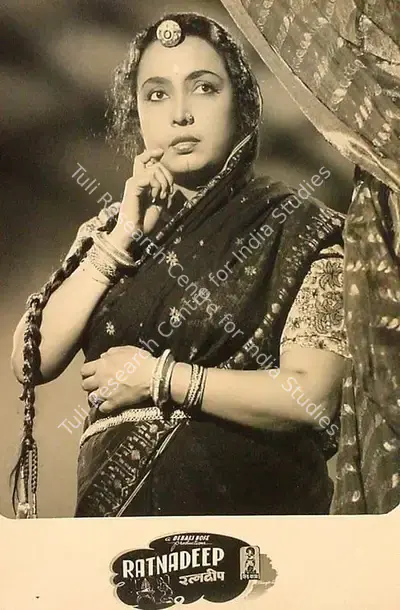
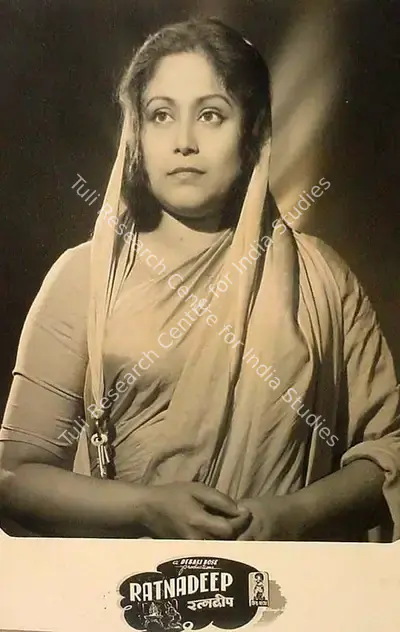
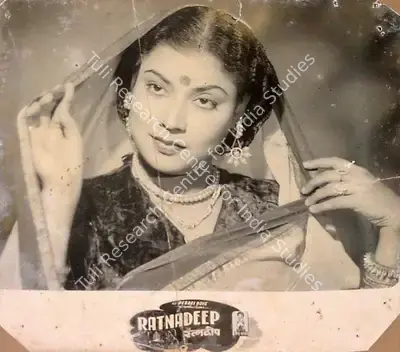
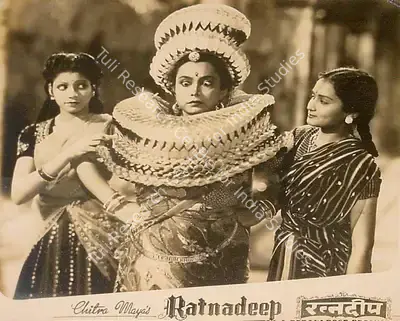
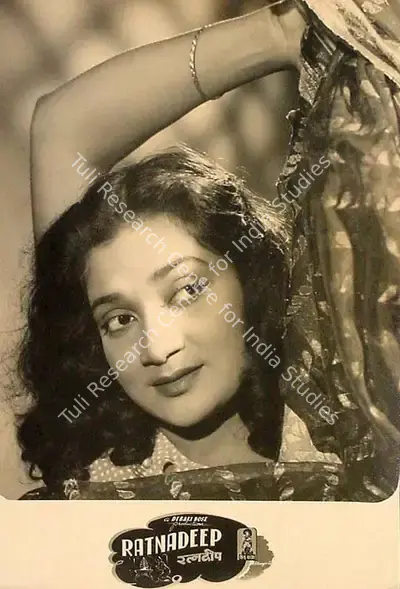
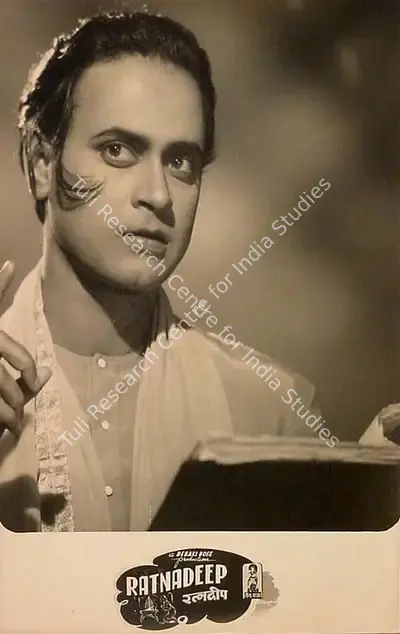
Debaki Bose (Producer), Ratnadeep, 1951, Lobby Card
Bose, Debaki (Producer), Ratnadeep, 1951 | Lobby Card
View full record
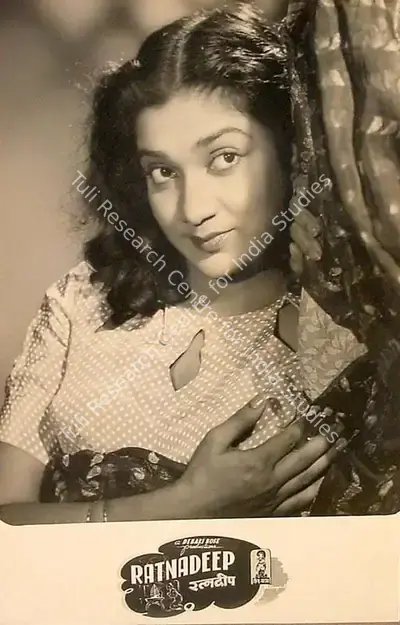
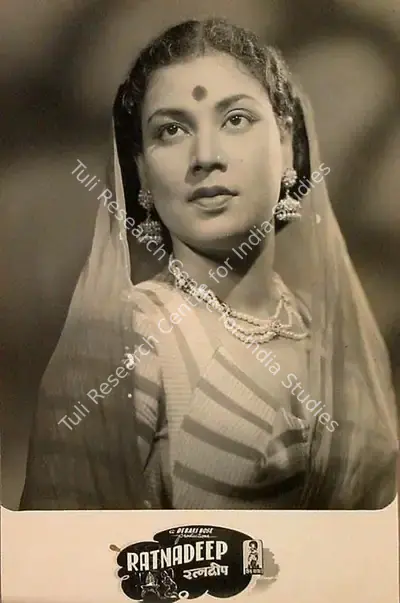
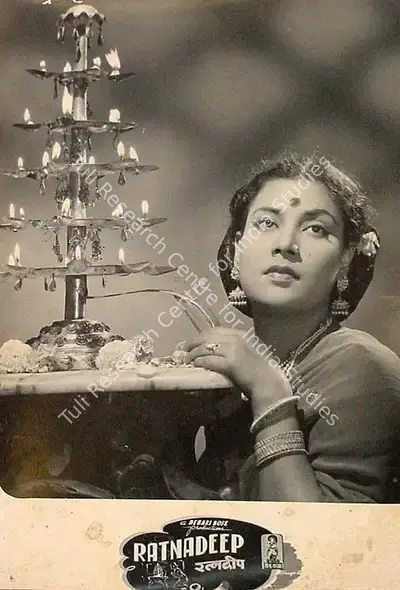
Debaki Bose (Producer), Ratnadeep, 1951, Lobby Card
Bose, Debaki (Producer), Ratnadeep, 1951 | Lobby Card
View full record
Debaki Bose (Producer), Ratnadeep, 1951, Lobby Card
Bose, Debaki (Producer), Ratnadeep, 1951 | Lobby Card
View full record
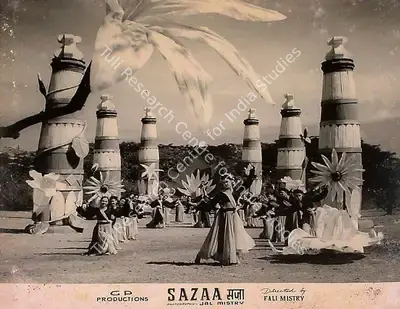
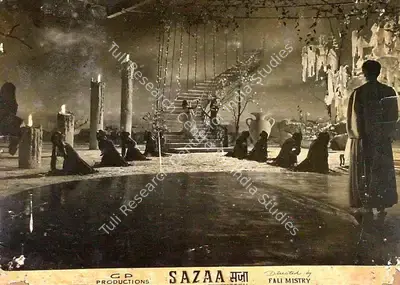
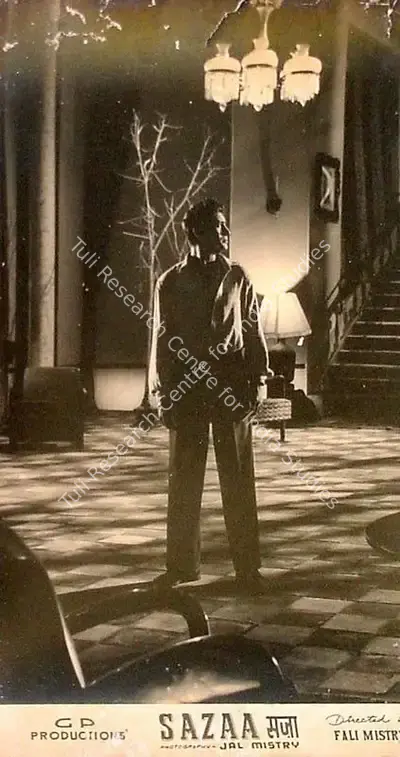
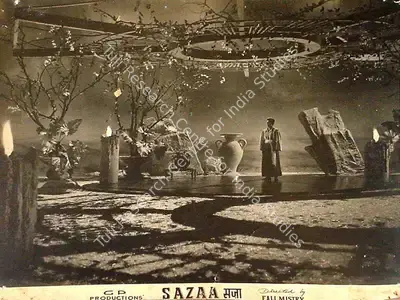
G.P. Sippy (Producer), Sazaa, 1951, Lobby Card
Sippy, G.P. (Producer), Sazaa, 1951 | Lobby Card
View full record
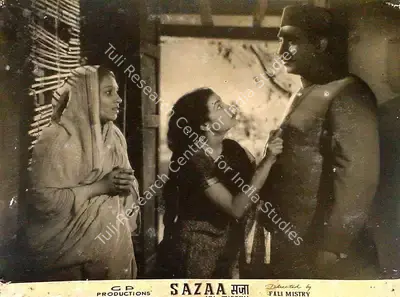
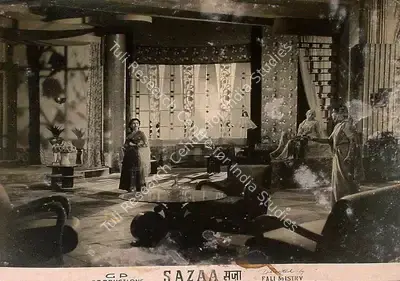
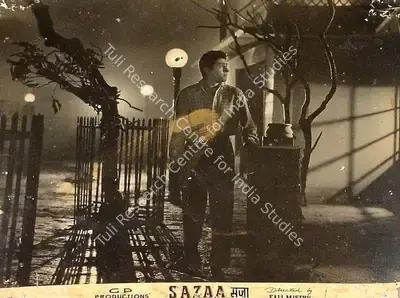
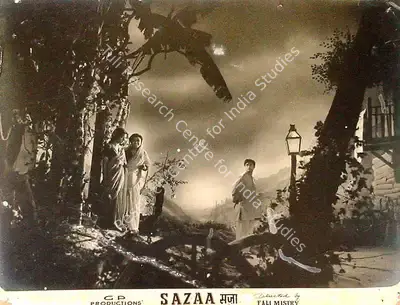
G.P. Sippy (Producer), Sazaa, 1951, Lobby Card
Sippy, G.P. (Producer), Sazaa, 1951 | Lobby Card
View full record
Debaki Bose (Producer), Ratnadeep, 1951, Lobby Card
Bose, Debaki (Producer), Ratnadeep, 1951 | Lobby Card
View full record
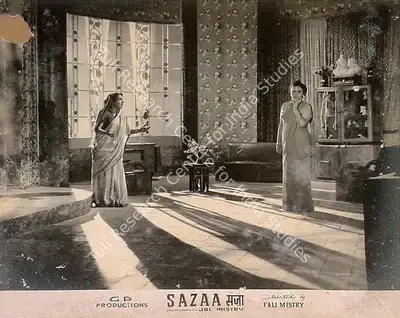
G.P. Sippy (Producer), Sazaa, 1951, Lobby Card
Sippy, G.P. (Producer), Sazaa, 1951 | Lobby Card
View full record
Debaki Bose (Producer), Ratnadeep, 1951, Lobby Card
Bose, Debaki (Producer), Ratnadeep, 1951 | Lobby Card
View full record
G.P. Sippy (Producer), Sazaa, 1951, Lobby Card
Sippy, G.P. (Producer), Sazaa, 1951 | Lobby Card
View full record
Debaki Bose (Producer), Ratnadeep, 1951, Lobby Card
Bose, Debaki (Producer), Ratnadeep, 1951 | Lobby Card
View full record
G.P. Sippy (Producer), Sazaa, 1951, Lobby Card
Sippy, G.P. (Producer), Sazaa, 1951 | Lobby Card
View full record
G.P. Sippy (Producer), Sazaa, 1951, Lobby Card
Sippy, G.P. (Producer), Sazaa, 1951 | Lobby Card
View full record
G.P. Sippy (Producer), Sazaa, 1951, Lobby Card
Sippy, G.P. (Producer), Sazaa, 1951 | Lobby Card
View full record
20 of 1,103
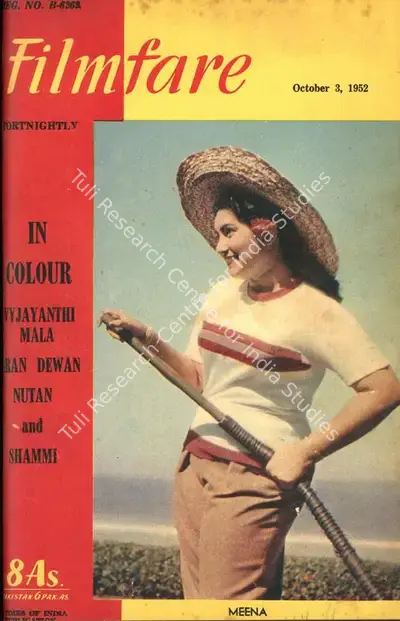
Frank Moraes (Editor), Filmfare, 1952, Magazine
Moraes, Frank (Editor). Filmfare, 03 October 1952 | Magazine | 00793121
View full record
Frank Moraes (Editor), Filmfare, 1952, Magazine
Moraes, Frank (Editor). Filmfare, 03 October 1952 | Magazine | 00793121
View full record
Gulshan Ewing (Editor), Star & Style, 1971, Magazine
Ewing, Gulshan (Editor). Star & Style, 20 August 1971 | Magazine | 00808512
View full record
Gulshan Ewing (Editor), Star & Style, 1971, Magazine
Ewing, Gulshan (Editor). Star & Style, 20 August 1971 | Magazine | 00808512
View full record
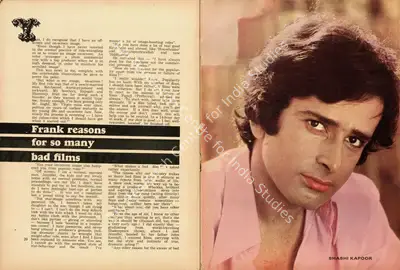
Vijaya Irani (Interviewer), Frank Reasons for So Many Bad Films, 1973, Conversation
Irani, Vijaya (Interviewer). Frank Reasons for So Many Bad Films. In Sunday. 06 May 1973 | Conversation | 00802261
View full record
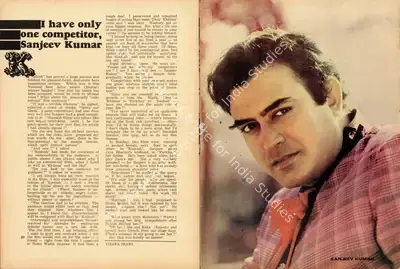
Vijaya Irani (Interviewer), I have only one competitor, Sanjeev Kumar, 1973, Conversation
Irani, Vijaya (Interviewer). I have only one competitor, Sanjeev Kumar. In Sunday. 27 May 1973 | Conversation | 00802268
View full record
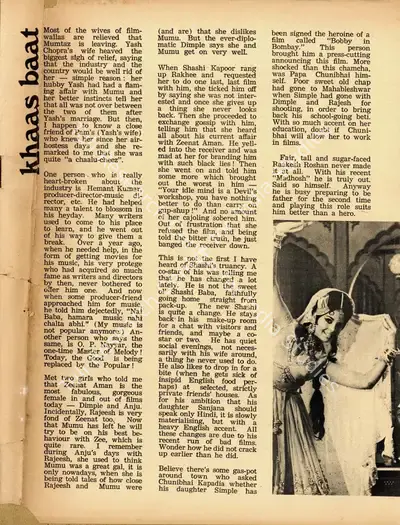
Khaas Baat, 1974, Column
Khaas Baat. In Sunday. 2(4). 07 April 1974 | Column | 00802334
View full record
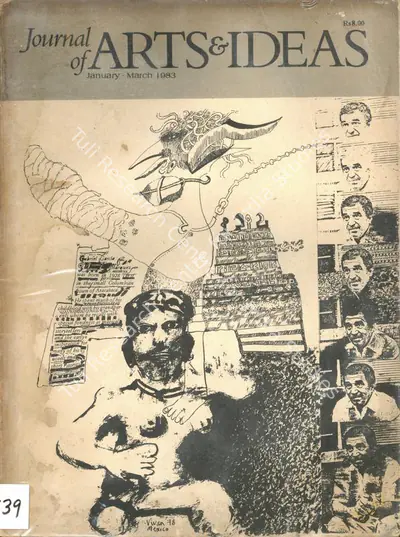
G.P. Deshpande (Editor), Journal of Arts & Ideas, 1983, Journal
Deshpande, G.P. (Editor) and Romi Khosla (Managing Editor & Treasurer). Journal of Arts & Ideas, January-March 1983 | Journal | 00842137
View full record
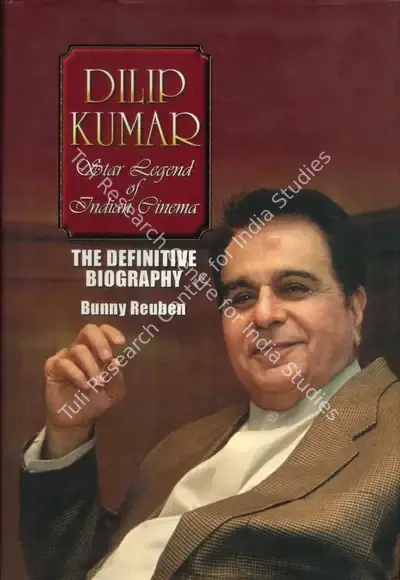
Bunny Reuben (Author), Dilip Kumar, 2004, Authored Book
Reuben, Bunny (Author). Dilip Kumar, 2004 | Authored Book | 00168079
View full record
Favourite Films (Advertiser), Favourite Films (Advertiser), Five Finest from Favourite | Advertisement, 1955, Advertisement
Favourite Films (Advertiser), Five Finest from Favourite | Advertisement, 1955
View full record
B.N. Sircar (Producer), Hamrahi, 1944, Song-Synopsis Booklet
Sircar, B.N. (Producer), Hamrahi, 1944 | Song-Synopsis Booklet
View full record
B.N. Sircar (Producer), Hamrahi, 1944, Cyclostyled Lyrics Leaflet
Sircar, B.N. (Producer), Hamrahi, 1944 | Cyclostyled Lyrics Leaflet
View full record
B.N. Sircar (Producer), Hamrahi, 1944, Song-Synopsis Booklet
Sircar, B.N. (Producer), Hamrahi, 1944 | Song-Synopsis Booklet
View full record
G.P. Sippy (Producer), Sazaa, 1951, Lobby Card
Sippy, G.P. (Producer), Sazaa, 1951 | Lobby Card
View full record
G.P. Sippy (Producer), Sazaa, 1951, Lobby Card
Sippy, G.P. (Producer), Sazaa, 1951 | Lobby Card
View full record
Debaki Bose (Producer), Ratnadeep, 1951, Lobby Card
Bose, Debaki (Producer), Ratnadeep, 1951 | Lobby Card
View full record
G.P. Sippy (Producer), Sazaa, 1951, Lobby Card
Sippy, G.P. (Producer), Sazaa, 1951 | Lobby Card
View full record
Debaki Bose (Producer), Ratnadeep, 1951, Lobby Card
Bose, Debaki (Producer), Ratnadeep, 1951 | Lobby Card
View full record
Debaki Bose (Producer), Ratnadeep, 1951, Lobby Card
Bose, Debaki (Producer), Ratnadeep, 1951 | Lobby Card
View full record
Debaki Bose (Producer), Ratnadeep, 1951, Lobby Card
Bose, Debaki (Producer), Ratnadeep, 1951 | Lobby Card
View full record
G.P. Sippy (Producer), Sazaa, 1951, Lobby Card
Sippy, G.P. (Producer), Sazaa, 1951 | Lobby Card
View full record
Debaki Bose (Producer), Ratnadeep, 1951, Lobby Card
Bose, Debaki (Producer), Ratnadeep, 1951 | Lobby Card
View full record
Debaki Bose (Producer), Ratnadeep, 1951, Lobby Card
Bose, Debaki (Producer), Ratnadeep, 1951 | Lobby Card
View full record
G.P. Sippy (Producer), Sazaa, 1951, Lobby Card
Sippy, G.P. (Producer), Sazaa, 1951 | Lobby Card
View full record
G.P. Sippy (Producer), Sazaa, 1951, Lobby Card
Sippy, G.P. (Producer), Sazaa, 1951 | Lobby Card
View full record
G.P. Sippy (Producer), Sazaa, 1951, Lobby Card
Sippy, G.P. (Producer), Sazaa, 1951 | Lobby Card
View full record
20 of 1,087
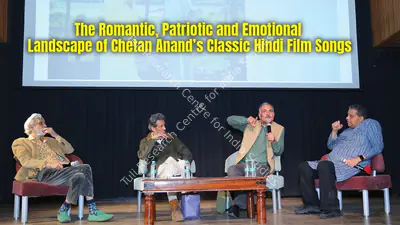
Tuli Research Centre for India Studies (Editor). The Romantic, Patriotic and Emotional Landscape of Chetan Anand’s Classic Hindi Film Songs, 21 July 2026 | In-house Video, 2026 · 1 hour 6 min · Long-form Video
▶
Tuli Research Centre for India Studies (Editor). The Romantic, Patriotic and Emotional Landscape of Chetan Anand’s Classic Hindi Film Songs, 21 July 2026 | In-house Video
2026 · 1 hour 6 min · Long-form Video
Tuli Research Centre for India Studies (Editor). The Idea of Artistic Integrity in Guru Dutt's Magnum Opus, 31 August 2026 | In-house Video, 2026 · 1 min 02 sec · Vertical Video
▶
Tuli Research Centre for India Studies (Editor). The Idea of Artistic Integrity in Guru Dutt's Magnum Opus, 31 August 2026 | In-house Video
2026 · 1 min 02 sec · Vertical Video
Tuli Research Centre for India Studies (Editor). Sahir' Ludhianvi's Question to the Nation in "Jinhe Naaz Hai Hind Par Woh Kahan Hain", 31 August 2026 | In-house Video, 2026 · 18 min 11 sec · Long-form Video
▶
Tuli Research Centre for India Studies (Editor). Sahir' Ludhianvi's Question to the Nation in "Jinhe Naaz Hai Hind Par Woh Kahan Hain", 31 August 2026 | In-house Video
2026 · 18 min 11 sec · Long-form Video
Tuli Research Centre for India Studies (Editor). Poetry, Music and Melancholy in Guru Dutt’s Film Songs, 31 August 2026 | In-house Video, 2026 · 1 min 07 sec · Vertical Video
▶
Tuli Research Centre for India Studies (Editor). Poetry, Music and Melancholy in Guru Dutt’s Film Songs, 31 August 2026 | In-house Video
2026 · 1 min 07 sec · Vertical Video
Tuli Research Centre for India Studies (Editor). "Yeh Duniya Agar Mil Bhi Jaye To Kya Hai" - The Poet's Disillusionment on Screen, 31 August 2026 | In-house Video, 2026 · 18 min 11 sec · Long-form Video
▶
Tuli Research Centre for India Studies (Editor). "Yeh Duniya Agar Mil Bhi Jaye To Kya Hai" - The Poet's Disillusionment on Screen, 31 August 2026 | In-house Video
2026 · 18 min 11 sec · Long-form Video
Tuli Research Centre for India Studies (Editor). "Jinhe Naaz Hai Hind Par Woh Kahan Hain" - The Anguish of the Nation, 31 August 2026 | In-house Video, 2026 · 1 min 27 sec · Vertical Video
▶
Tuli Research Centre for India Studies (Editor). "Jinhe Naaz Hai Hind Par Woh Kahan Hain" - The Anguish of the Nation, 31 August 2026 | In-house Video

2026 · 1 min 27 sec · Vertical Video
Tuli Research Centre for India Studies (Editor). Music in the Films of Guru Dutt: Dreams, Desire, and Disillusionment, 31 August 2026 | In-house Video, 2026 · 1 Hour 15 min · Long-form Video
▶
Tuli Research Centre for India Studies (Editor). Music in the Films of Guru Dutt: Dreams, Desire, and Disillusionment, 31 August 2026 | In-house Video
2026 · 1 Hour 15 min · Long-form Video

Calendar 1

View All →
  1. A Musical Glue for Nation-Building
    ArchivedOffline-Online EventProject 80
    A Musical Glue for Nation-Building
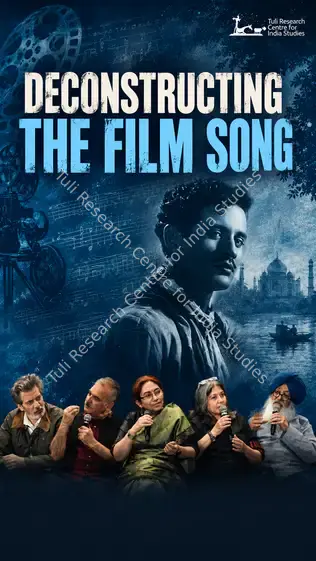
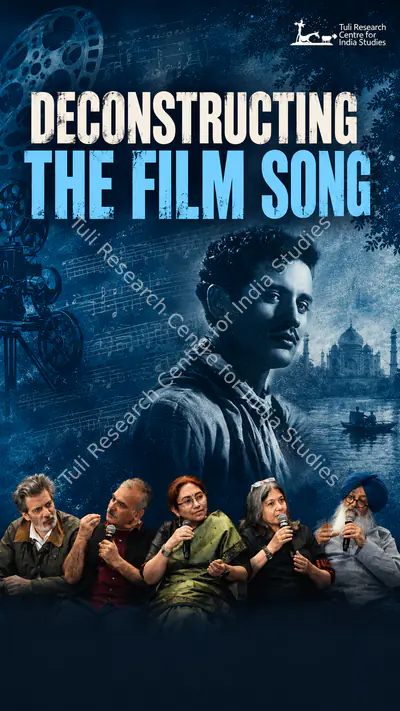
    Deconstructing the Film Song
    23rd July - 22nd August 2026
    Ketan Anand | Ravikant | Pavan Jha | Madan Gopal Singh | Amit Khanna | Juhi Saklani | Antara Mondal | Shikha Jhingan | Neville Tuli
    A key section of the India Studies framework at The Tuli Research Centre for India Studies (T.R.I.S.) is “Deconstructing the Film Song”. It began with a series of four workshops during our Self-Discovery via Rediscovering India Festival Series that brought together leading scholars & academics, film practitioners & students, along with fans of the Hindi film song. The objective of these workshops was to deconstruct iconic Hindi film songs to examine their formation across music, lyrics, playback, choreography, directorial visualisation, as they fuse into sites where aesthetics, ideology, and performance intersect, so as to help clarify the nature of India and her relationship to the film song. The Hindi Film Song functions as a narrative device, conveying myriad textures of emotion through melody, voice and poetry. As cultural texts that encode memory, desire, and ideology, songs are integral to the circulation and resonance of films in the public realm. Over time they have become autonomous bundles of creative energy - the glue that binds us over time, articulating and perhaps even defining the idea of Indianness. These first Workshops were an attempt to understand the nature and power of this glue, while contemplating the ways to situate it within TRIS' academic framework for Contemporary India Studies.
    Read More →
    1_CinemaEducation·12_Scholarship
    +34 more
Tuli Research Centre for India Studies

Tuli Research Centre

for India Studies

A free and open knowledge base for the modern and contemporary Indian arts, cinema, photography and cultural heritage.

Support

Contact Us

Discover

Tuli Research Centre for India StudiesVisionManifestoArchive & LibraryVanraja Sanctuary & Hospice

Legal

Privacy PolicyTerms & Conditions

Follow us

Youtube

Youtube

Instagram

Instagram

Facebook

Facebook

© Tuli Research Centre for India Studies 2026

Tuli Research Centre for India Studies

Tuli Research Centre

for India Studies

A free and open knowledge base for the modern and contemporary Indian arts, cinema, photography and cultural heritage.

Tuli Research Centre for India StudiesVisionManifestoArchive & LibraryVanraja Sanctuary & Hospice
Contact Us
Privacy PolicyTerms & Conditions

Follow us

YoutubeInstagramFacebook

© Tuli Research Centre for India Studies 2026

              Tuli Research Centre for India Studies (Editor). Poetry, Music and Melancholy in Guru Dutt’s Film Songs, 31 August 2026 | In-house Video | CinemaEducation | 00891663
              1 min 07 sec · Vertical Video

              Poetry, Music and Melancholy in Guru Dutt’s Film Songs

              Tuli Research Centre for India Studies (Editor)

              Document TypeIn-house Video
              Date31 August 2026
              Duration1 min 07 sec
              FormatVertical Video
              Description
              Guru Dutt remains one of the most enigmatic figues in Indian cinema. Here, his cinema is explored through four of his most enduring songs: "Babuji Dheere Chalna" (Aar Paar, 1954), "Jinhe Naaz Hai Hind Par"" (Pyaasa, 1957), "Yeh Duniya Agar Mil Bhi Jaye" (Pyaasa, 1957), and "Waqt Ne Kiya Kya Haseen Sitam" (Kaagaz Ke Phool, 1959). While discussing "Jinhe Naaz Hai Hind Par", Writer and Cinephile Juhi Saklani juxtaposes the grandeur of the Indian national anthem and its celebratory descriptions of the nation's landscapes with the grim reality that Sahir Ludhianvi's lyrics lay bare: "Ye kooche ye neelam-ghar dilkashi ke... ye sadiyon se bekhaab, sehmi si galiyan" (These lanes and markets where beauty is auctioned...These dreamless alleys, gripped by centuries of fear). Where the anthem sees glory, the song sees streets centuries-old in their exhaustion, and people living at the margins of the very nation being celebrated. Ravikant, Professor, Centre for the Study of Developing Societies (CSDS), adds that Sahir Ludhianvi's pen is posing a direct and piercing question to the powers that be, holding a newly independent government accountable to the promises it made to its most vulnerable citizens. Reflecting on ""Waqt Ne Kiya Kya Haseen Sitam,"" Composer-Writer, Madan Gopal Singh observes that it is perhaps the only song in Indian cinema where the process of making the song itself becomes part of what we see on screen. Turning to "Yeh Duniya Agar Mil Bhi Jaye," Writer Antara Mondal interprets the line "Ye mahalon, ye takhton, ye taajon ki duniya" (This world of palaces, thrones, and crowns) as an allusion to British rule, suggesting that Guru Dutt saw colonial hierarchies continuing to shape post-Independence India. On "Babuji Dheere Chalna," she argues that the song offers a remarkably nuanced portrait of a woman living on the fringes of society. In a single sequence, the song reveals how such women are often looked at, desired, and judged, yet rarely understood on their own terms. This segment is part of the workshop series "A Musical Glue for Nation-Building: Deconstructing the Film Song," featuring Madan Gopal Singh, Ravikant, Antara Nanda Mondal, Juhi Saklani, and Neville Tuli, presented by the Tuli Research Centre for India Studiesv(T.R.I.S.) at the 7th Self-Discovery via Rediscovering India Festival.

              Related Links23

              Masterlist22
              Guru DuttDigital in House VideosSahir LudhianviKaifi AzmiSachin Dev BurmanGeeta DuttMajrooh SultanpuriV K MurthyWaheeda RehmanDeconstructing the Film Song 2026Neville TuliShyamaJohnny WalkerJagdeepO P NayyarRaj KhoslaShamshad BegumMohammad RafiMala SinhaMehmoodSulochanaAsha Bhosle
              Research Categories
              01Cinema as a Critical Educational Resource