

Introduction
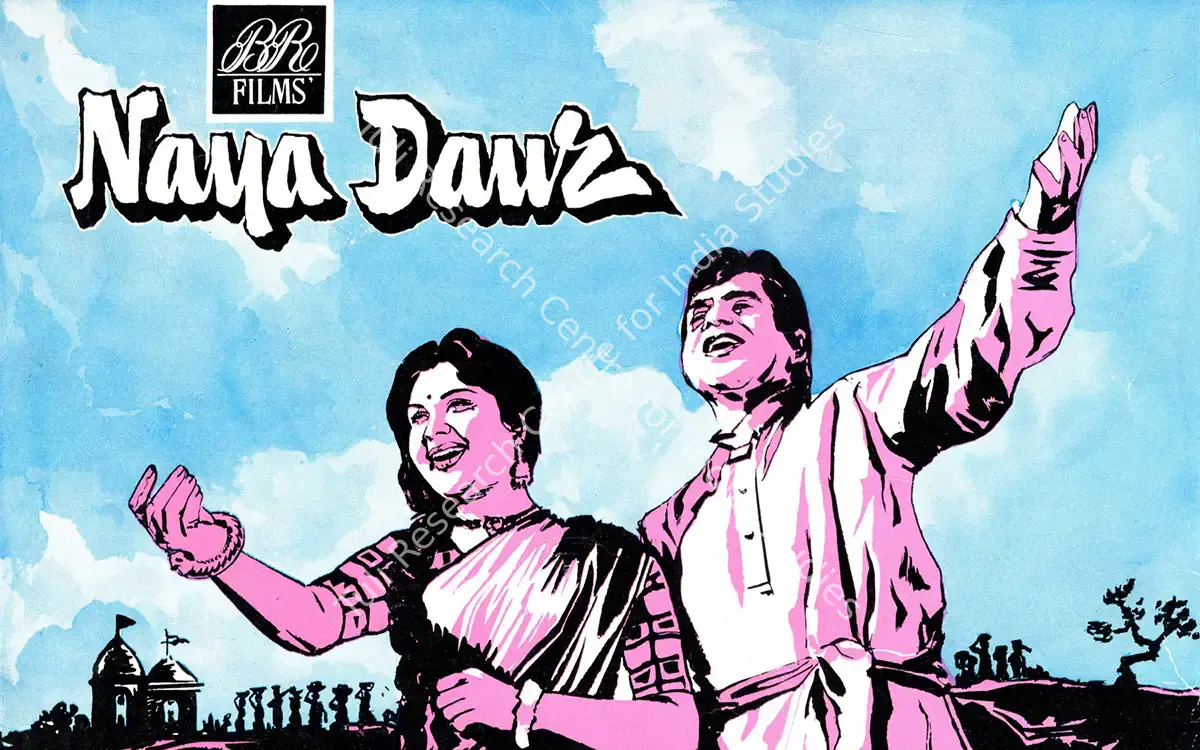
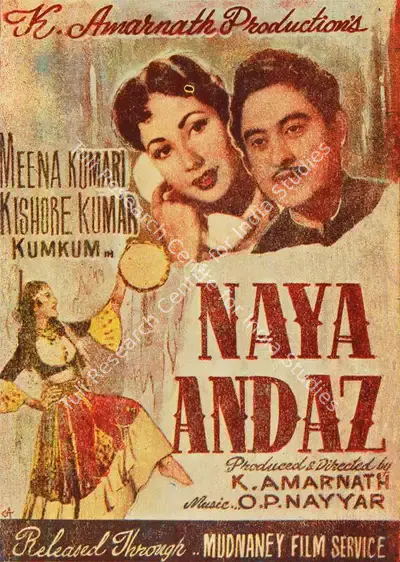
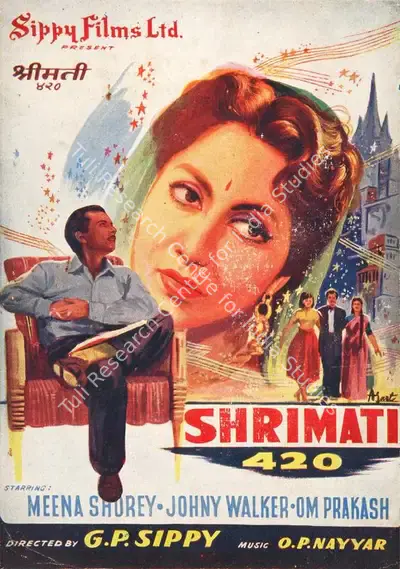
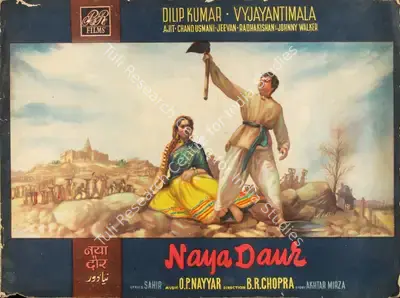
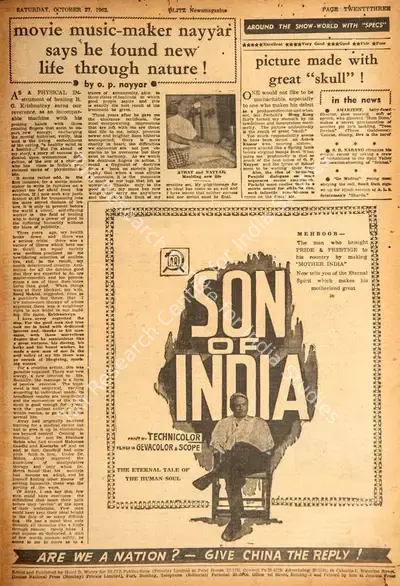
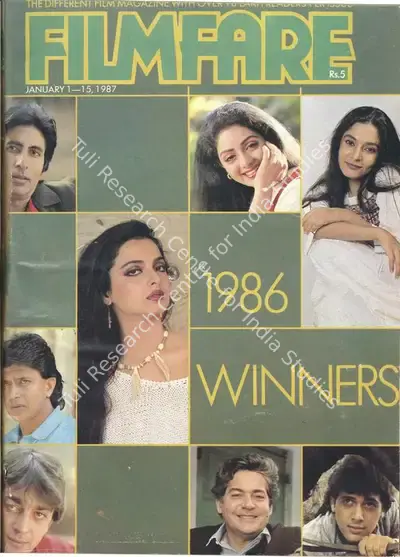
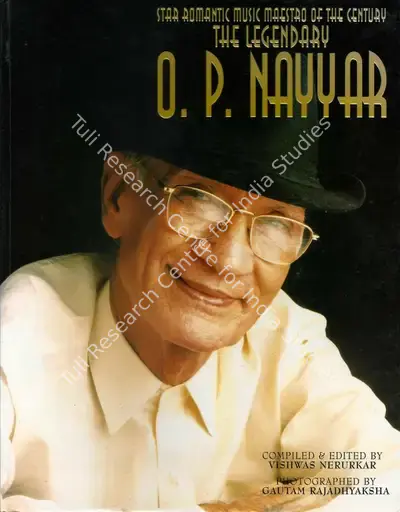
Omkar Prasad Nayyar (16 January 1926 – 28 January 2007) He occupies a singular place in the history of Indian cinema as a composer who reshaped the soundscape of Hindi film music through rhythm, buoyancy, and unmistakable melodic flair. Widely regarded as one of the most rhythm-driven and instantly recognisable music directors of his era, Nayyar brought a modern, urbane pulse to film songs, blending classical influences with Western orchestration and jazz-inflected arrangements. His contribution was formally acknowledged when he won the Filmfare Award for Best Music Director for Naya Daur in 1958, though his influence far exceeded trophies and titles.
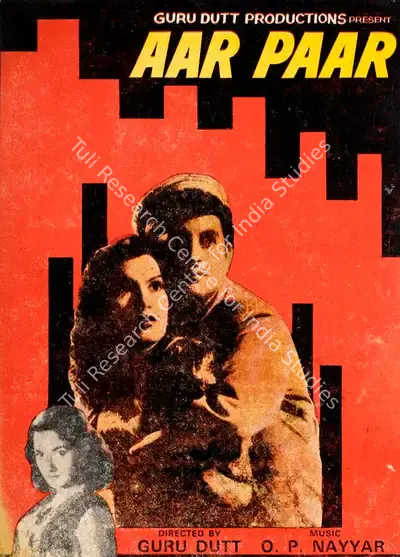
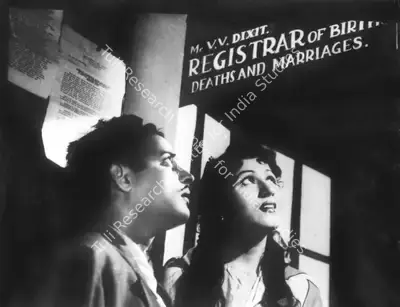
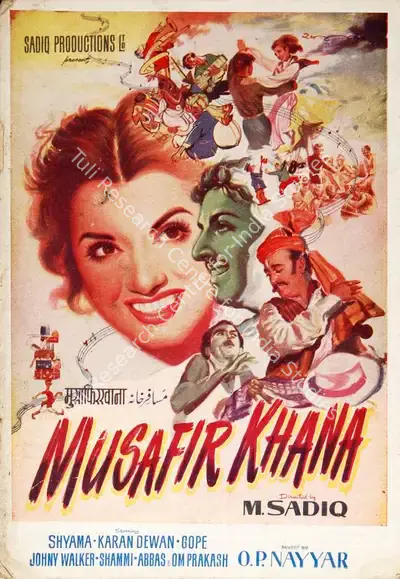
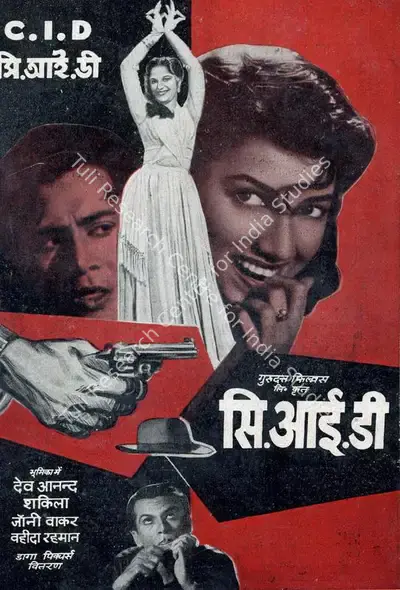
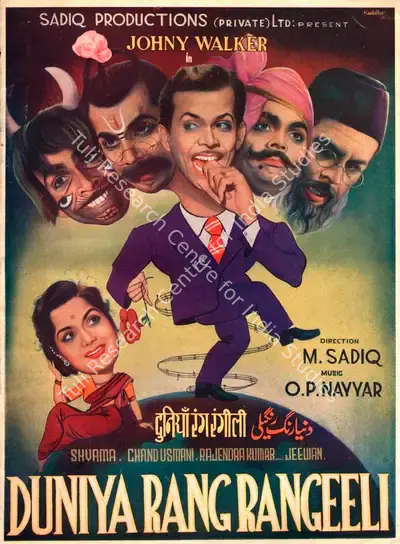
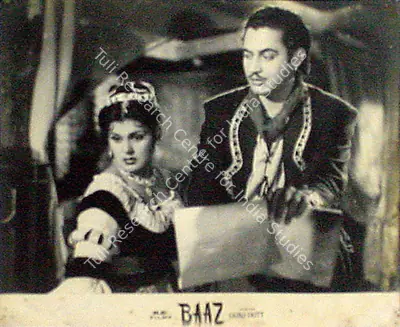
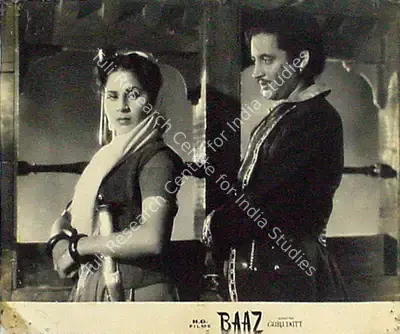
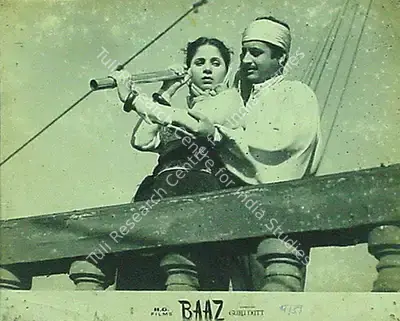
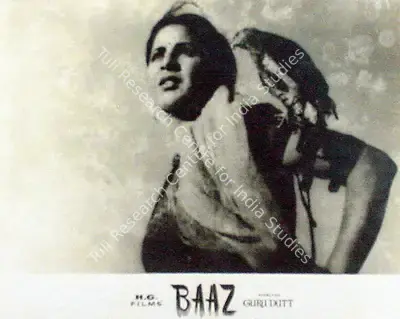
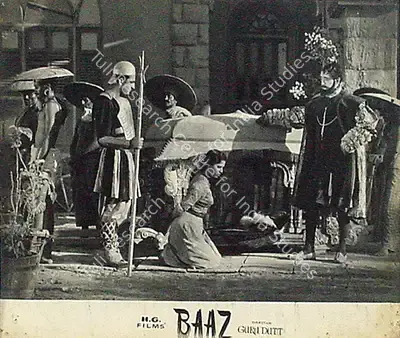
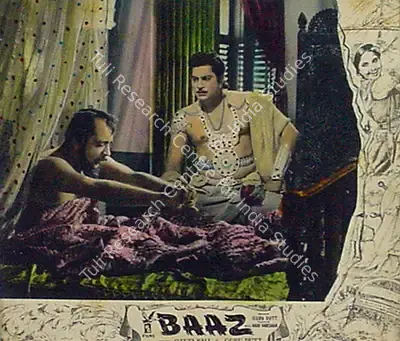
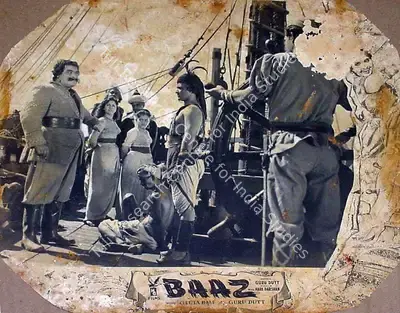
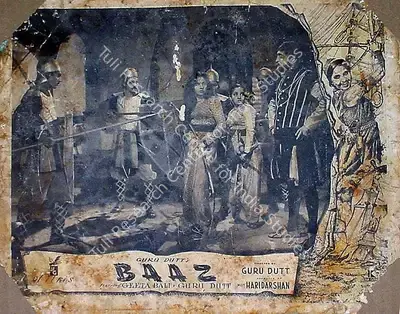
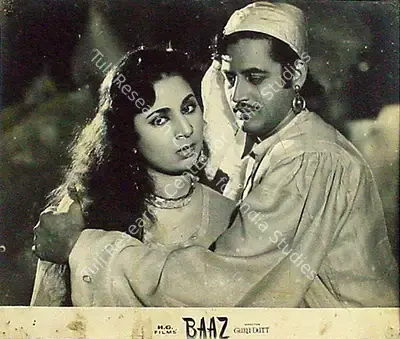
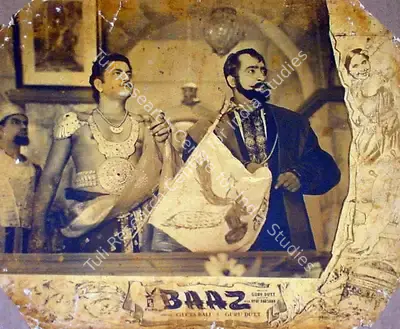
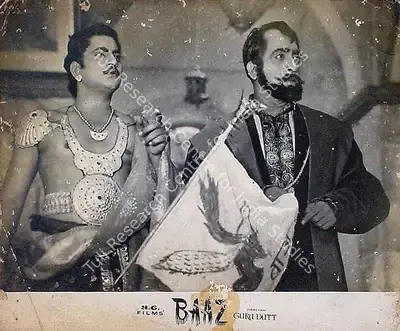
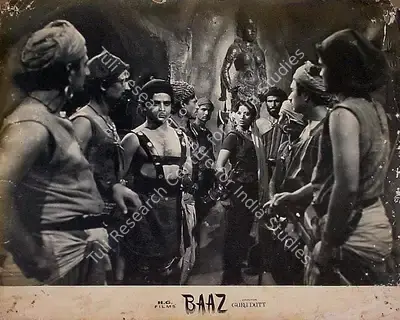
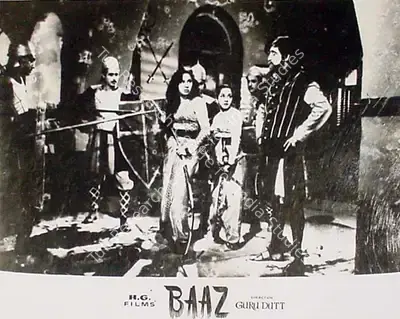
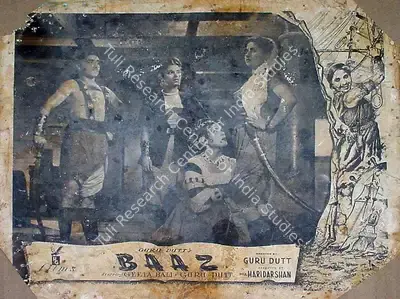
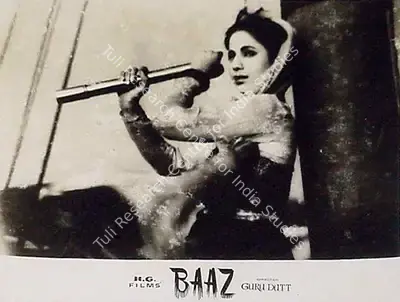
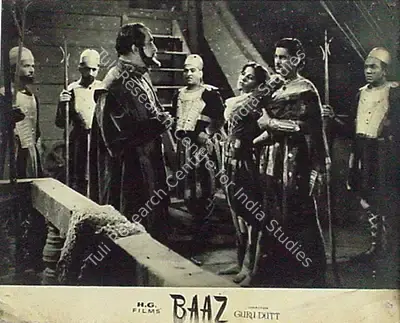
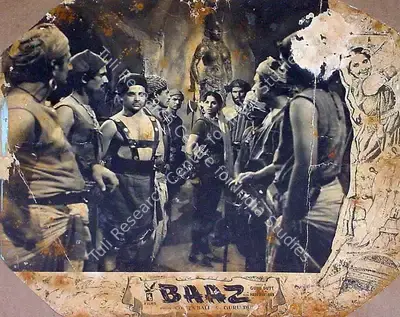
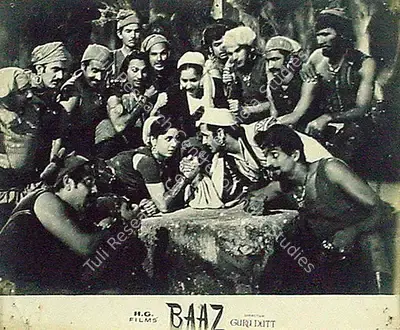
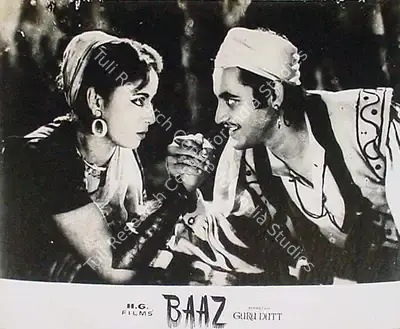
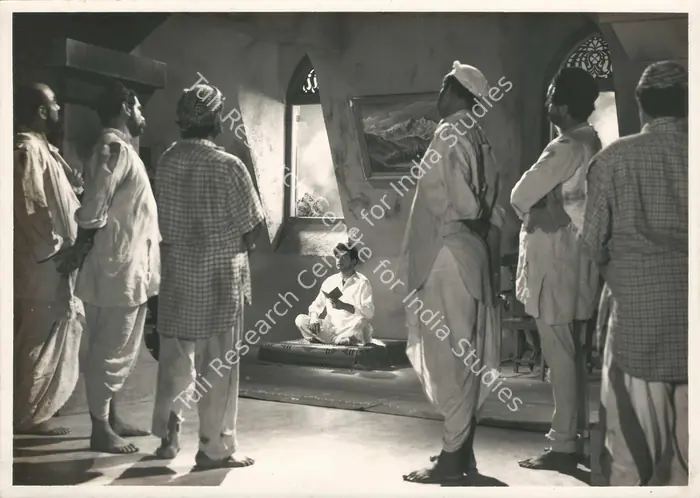
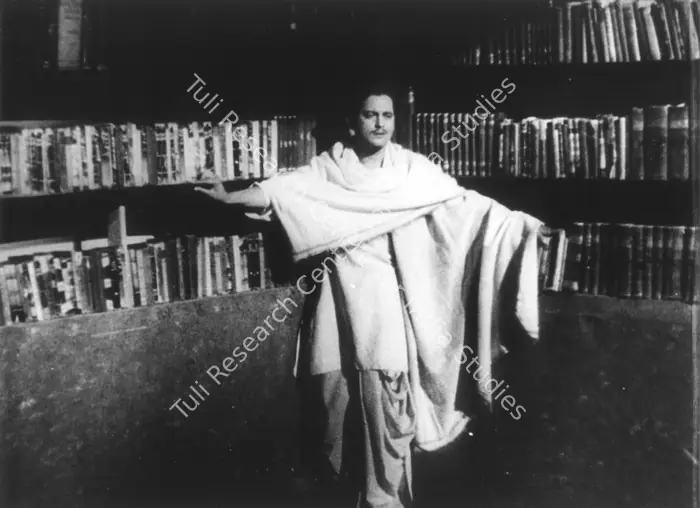
Born in Lahore in undivided British India, Nayyar was largely self-taught, never having received formal training in music. Yet his intuitive grasp of melody and rhythm became evident early on. He began by composing background scores, notably for Kaneez (1949), before making his debut as a full-fledged music director with Aasmaan (1952). This was followed by Chham Chhama Chham (1952) and Baaz (1953), which helped establish his reputation as a composer willing to experiment while remaining accessible. A decisive turning point came when Guru Dutt entrusted him with the music for Aar Paar (1954), Mr. & Mrs. '55 (1955), and C.I.D. (1956), films that cemented Nayyar's status as a major force in Hindi cinema.
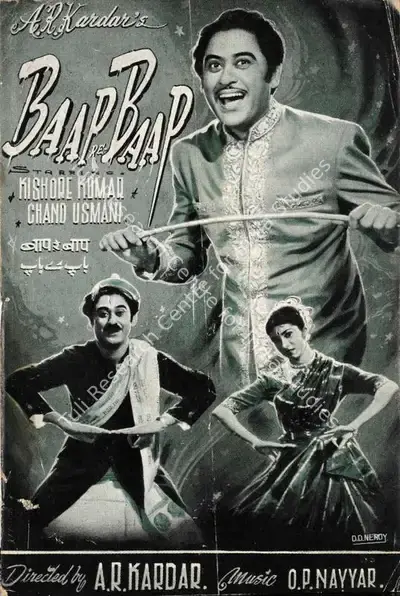
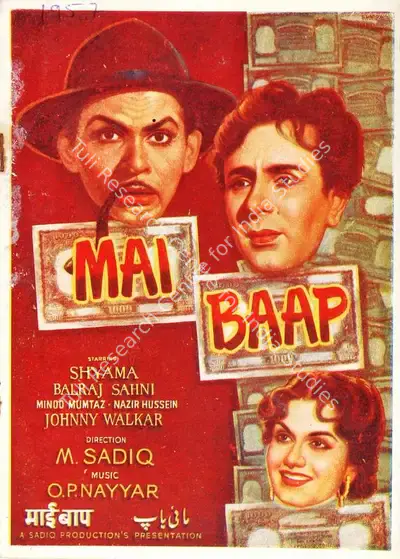
Nayyar collaborated extensively with Geeta Dutt, Mohammed Rafi, and Asha Bhosle, crafting songs that played to their strengths and expanded their artistic range. He also worked with Kishore Kumar in films such as Baap Re Baap (1955) and Raagini (1958), producing hits that carried his distinctive rhythmic stamp. Notably, Nayyar never worked with Lata Mangeshkar, an anomaly in an era dominated by her voice, though one of her earlier recordings was later reused in a film he scored.
Deeply influenced by the Hindustani raga Pilu—known as Kapi in Carnatic music—Nayyar drew repeatedly from its emotive core, often disguising classical roots beneath breezy, modern arrangements. His music was so contemporary for its time that All India Radio briefly banned many of his songs in the late 1950s, deeming them excessively “trendy.” Ironically, these very qualities made his compositions enduring classics.
Some of his memorable songs included, Yeh Hai Bombay Meri Jaan — C.I.D. (1956), Aankhon Hi Aankhon Mein — C.I.D. (1956), Jaane Kahan Mera Jigar Gaya Ji — Mr. & Mrs. 55 (1955), Thandi Hawa Kali Ghata — Mr. & Mrs. 55 (1955), Kabhi Aar Kabhi Paar — Aar Paar (1954), Babuji Dheere Chalna — Aar Paar (1954), Isharon Isharon Mein Dil Lene Wale — Kashmir Ki Kali (1964), Yeh Chand Sa Roshan Chehra — Kashmir Ki Kali (1964), Aao Huzoor Tumko — Kismat (1968), Lakhon Hain Nigahon Mein — Phir Wohi Dil Laya Hoon (1963), Main Shayad Tumhare Liye Ajnabee Hoon — Yeh Raat Phir Na Aayegi (1966).
His personal life, marked by intense relationships and eventual estrangement, was as dramatic as his music. His professional and emotional partnership with Asha Bhosle ended in 1972, though one of their last collaborations earned her a Filmfare Award, which Nayyar accepted on her behalf—only to discard it later in a moment of bitterness. In his final years, he lived away from both family and industry, passing away quietly in 2007 after a heart attack. Absent from his funeral were both kin and colleagues, yet his music continues to resonate—irrepressible, rhythmic, and unmistakably O. P. Nayyar.
अविभाजित ब्रिटिश भारत के लाहौर में जन्मे नय्यर ने संगीत की औपचारिक शिक्षा कभी नहीं ली और वे काफ़ी हद तक स्व-शिक्षित थे। फ़िर भी, धुन और लय पर उनकी सहज पकड़ बचपन से ही स्पष्ट हो गई थी। उन्होंने बैकग्राउंड संगीत तैयार करने से शुरुआत की, विशेष रूप से कनीज़ (1949) के लिए, और फ़िर आसमान (1952) के साथ एक मुख्य संगीत निर्देशक के रूप में अपने कैरियर की शुरुआत की। इसके बाद छम छमा छम (1952)और बाज़ (1953) जैसी फ़िल्में आईं, जिसने उन्हें एक ऐसे संगीतकार के रूप में स्थापित करने में मदद की जो हमेशा प्रयोगधर्मी होने के बावज़ूद भी संगीत को आसान बनाए रखता था। एक निर्णायक मोड़ तब आया जब गुरु दत्त ने उन्हें आर पार (1954), मिस्टर एंड मिसेज '55 (1955) और सी.आई.डी. (1956) जैसी फ़िल्मों के संगीत की जिम्मेदारी सौंपी, इन फ़िल्मों ने नय्यर को हिंदी सिनेमा में एक प्रमुख हस्ती के रूप में स्थापित किया।
नैय्यर ने गीता दत्त, मोहम्मद रफ़ी और आशा भोसले के साथ लम्बे समय तक सहयोग किया, ऐसे गीत तैयार किए जो उनकी ख़ूबियों को निखारते हुए उनकी कलात्मक क्षमता को बढ़ाते थे। उन्होंने किशोर कुमार के साथ बाप रे बाप (1955) और रागिनी (1958) जैसी फ़िल्मों में भी काम किया, और ऐसे हिट गाने दिए जिन पर उनकी विशिष्ट लयबद्ध छाप थी। ध्यान देने योग्य बात यह है कि नय्यर ने कभी लता मंगेशकर के साथ काम नहीं किया, जो उस युग में उनके लिए असामान्य था क्योंकि उस समय उनका वॉइस डॉमिनेंट था, हालांकि उनकी एक पुरानी रिकॉर्डिंग को बाद में उनकी संगीतबद्ध फ़िल्म में पुनः उपयोग किया गया था।
हिंदुस्तानी राग पीलू (जिसे कर्नाटक संगीत में कापी के नाम से जाना जाता है) से गहराई से प्रभावित नय्यर ने बार-बार इसके भावपूर्ण सार का उपयोग किया, और अक्सर शास्त्रीय जड़ों को हल्की और आधुनिक व्यवस्थाओं के नीचे छुपा कर पेश करते थे। उनका संगीत अपने समय के हिसाब से इतना समकालीन था कि ऑल इंडिया रेडियो ने 1950 के दशक के अंत में उनके कई गीतों को अत्यधिक "ट्रेंडी" मानते हुए कुछ समय के लिए प्रतिबंधित कर दिया था। विडंबना यह है कि इन्हीं गुणों ने उनकी रचनाओं को अमर क्लासिक्स बना दिया।
उनके कुछ यादगार गानों में शामिल हैं, ये है बॉम्बे मेरी जान - सी.आई.डी. (1956), आंखों ही आंखों में - सी.आई.डी. (1956), जाने कहां मेरा जिगर गया जी - मिस्टर एंड मिसेज 55 (1955), ठंडी हवा काली घटा - मिस्टर एंड मिसेज 55 (1955), कभी आर कभी पार - आर पार (1954), बाबूजी धीरे चलना - आर पार (1954), इशारों इशारों में दिल लेने वाले - कश्मीर की कली (1964), ये चाँद सा रोशन चेहरा - कश्मीर की कली (1964), आओ हुज़ूर तुमको - किस्मत (1968), लाखों हैं निगाहों में - फ़िर वही दिल लाया हूँ (1936), मैं शायद तुम्हारे लिए अजनबी हूँ - ये रात फ़िर ना आएगी (1960)।
गहरे रिश्तों और अंततः अलगाव से भरा उनका निजी जीवन, उनके संगीत की तरह ही नाटकीय था। आशा भोसले के साथ उनकी पेशेवर और भावनात्मक साझेदारी 1972 में समाप्त हो गई, हालांकि उनके अंतिम सहयोगों में से एक के लिए आशा भोसले को फ़िल्मफेयर पुरस्कार मिला, जिसे नय्यर ने उनकी ओर से स्वीकार किया, लेकिन बाद में कड़वाहट के पल में उसे त्याग दिया। अपने अंतिम वर्षों में, वे परिवार और फ़िल्म जगत दोनों से दूर रहे और 2007 में हृदयाघात के बाद शांतिपूर्वक उनका निधन हो गया। उनके अंतिम संस्कार में उनके रिश्तेदार और सहकर्मी दोनों अनुपस्थित थे, फ़िर भी उनका संगीत आज भी गूंजता है—अदम्य, लयबद्ध और स्पष्ट रूप से ओ. पी. नय्यर की शैली में।
Filmography 30
Research Centre
Calendar 3
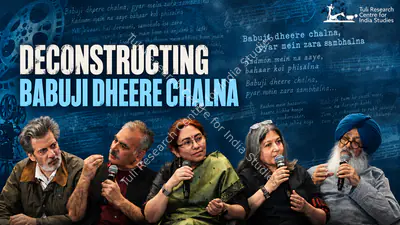
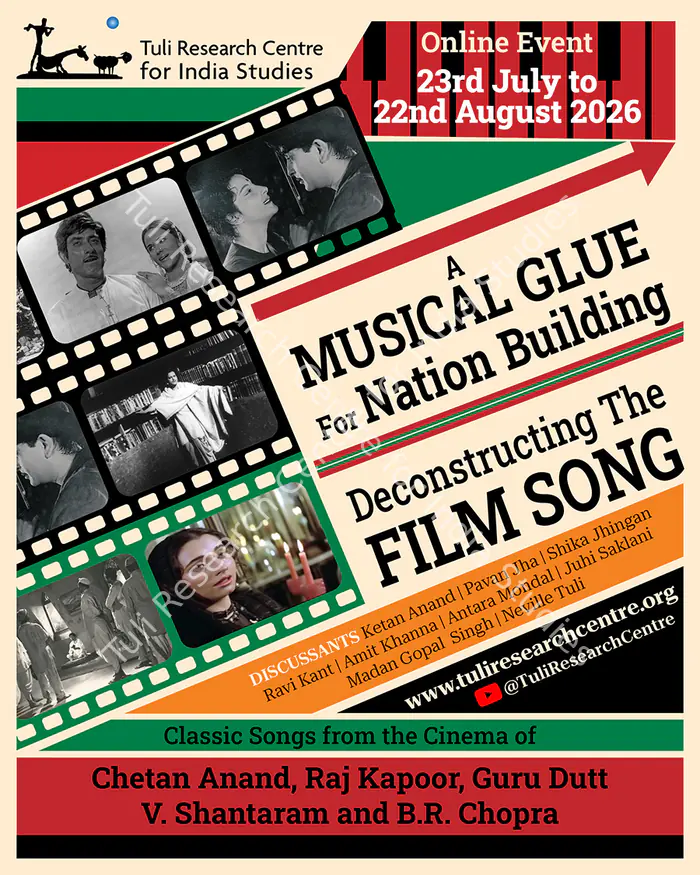
- ArchivedOffline-Online EventProject 80A Musical Glue for Nation-BuildingDeconstructing the Film Song23rd July - 22nd August 2026Ketan Anand | Ravikant | Pavan Jha | Madan Gopal Singh | Amit Khanna | Juhi Saklani | Antara Mondal | Shikha Jhingan | Neville TuliA key section of the India Studies framework at The Tuli Research Centre for India Studies (T.R.I.S.) is “Deconstructing the Film Song”. It began with a series of four workshops during our Self-Discovery via Rediscovering India Festival Series that brought together leading scholars & academics, film practitioners & students, along with fans of the Hindi film song. The objective of these workshops was to deconstruct iconic Hindi film songs to examine their formation across music, lyrics, playback, choreography, directorial visualisation, as they fuse into sites where aesthetics, ideology, and performance intersect, so as to help clarify the nature of India and her relationship to the film song. The Hindi Film Song functions as a narrative device, conveying myriad textures of emotion through melody, voice and poetry. As cultural texts that encode memory, desire, and ideology, songs are integral to the circulation and resonance of films in the public realm. Over time they have become autonomous bundles of creative energy - the glue that binds us over time, articulating and perhaps even defining the idea of Indianness. These first Workshops were an attempt to understand the nature and power of this glue, while contemplating the ways to situate it within TRIS' academic framework for Contemporary India Studies.Read More →
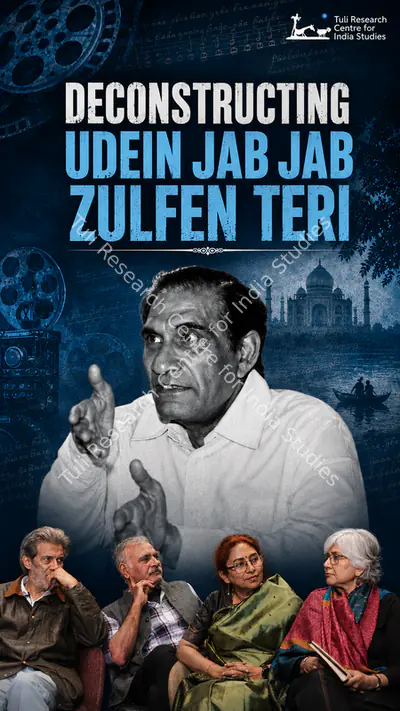
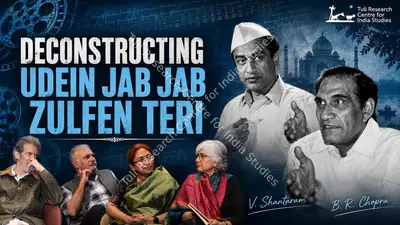
- ArchivedDeconstructing the Hindi Film SongProject 63A Musical Glue for Nation-BuildingFour Classic Songs from the cinema of V. Shantaram and B.R. Chopra and the genius of Vasant Desai, O.P. Nayyar, Ravi, Bharat Vyas, Sahir Ludhianvi, Hasan Kamal, Asha Bhosle, Salma Agha & Mohammed RafinnAye Maalik Tere Bande Ham | Do Aankhen Baara Haath-1957 nUdein Jab Jab Zulfen Teri | Naya Daur-1957 nDin Hai Bahar Ke | Waqt-1965 nDil Ke Armaan Aansuon Mein Bah Gaye | Nikaah-198219th February 202611:30amM.L. Bhartia Auditorium, Alliance Francaise de Delhi, 72 K.K. Birla Lane, Lodi Estate, New Delhi, 110007Madan Gopal Singh, Ravikant, Shikha Jhingan, Antara Mondal & Neville TuliA key section of the India Studies framework at The Tuli Research Centre for India Studies (T.R.I.S.) is “Deconstructing the Hindi Film Song”. It will begin with a series of four workshops that brings together leading scholars & academics, film practitioners & students, along with fans of the Hindi film song. The objective of these workshops is to deconstruct iconic Hindi film songs to examine their formation across music, lyrics, playback, choreography, directorial visualisation, as they fuse into sites where aesthetics, ideology, and performance intersect. The Hindi Film Song functions as a narrative device, conveying myriad textures of emotion through melody, voice and poetry. As cultural texts that encode memory, desire, and ideology, songs are integral to the circulation and resonance of films in the public realm. Over time they have become autonomous bundles of creative energy - the glue that binds us over time, articulating and perhaps even defining the idea of Indianness. The first Workshops are an attempt to understand the nature and power of this glue, while contemplating the ways to situate it within TRIS' academic framework for Contemporary India Studies.Read More →
- ArchivedDeconstructing the Hindi Film SongProject 62A Musical Glue for Nation-BuildingFour Classic Songs from the cinema of Guru Dutt and the genius of S.D. Burman, O.P. Nayyar, Sahir Ludhianvi, Majrooh Sultanpuri, Geeta Dutt & Mohammed RafinnBabuji Dheere Chalna | Aar Paar-1954 nJinen Naaz Hai Hind Par | Pyaasa-1957 nYe Duniya Agar Mile Be Jaye | Pyaasa-1957 nWaqt Ne Kiya Kya Haseen Sitam | Kaagaz Ke Phool-195917th February 20266:30pmM.L. Bhartia Auditorium, Alliance Francaise de Delhi, 72 K.K. Birla Lane, Lodi Estate, New Delhi, 110006Madan Gopal Singh, Ravikant, Antara Mondal, Juhi Saklani & Neville TuliA key section of the India Studies framework at The Tuli Research Centre for India Studies (T.R.I.S.) is “Deconstructing the Hindi Film Song”. It will begin with a series of four workshops that brings together leading scholars & academics, film practitioners & students, along with fans of the Hindi film song. The objective of these workshops is to deconstruct iconic Hindi film songs to examine their formation across music, lyrics, playback, choreography, directorial visualisation, as they fuse into sites where aesthetics, ideology, and performance intersect. The Hindi Film Song functions as a narrative device, conveying myriad textures of emotion through melody, voice and poetry. As cultural texts that encode memory, desire, and ideology, songs are integral to the circulation and resonance of films in the public realm. Over time they have become autonomous bundles of creative energy - the glue that binds us over time, articulating and perhaps even defining the idea of Indianness. The first Workshops are an attempt to understand the nature and power of this glue, while contemplating the ways to situate it within TRIS' academic framework for Contemporary India Studies.Read More →
Related
36
Films
20
Personalities
15