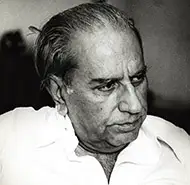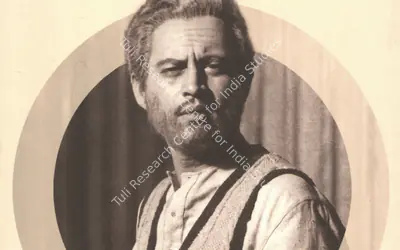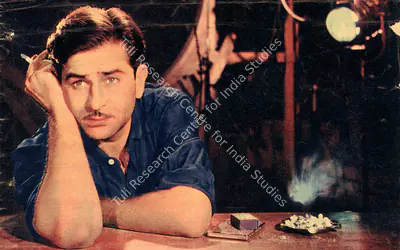
V.K. Murthy
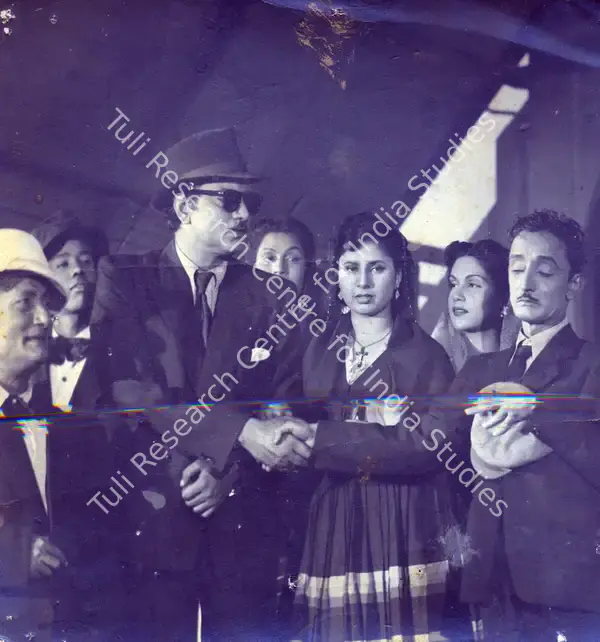
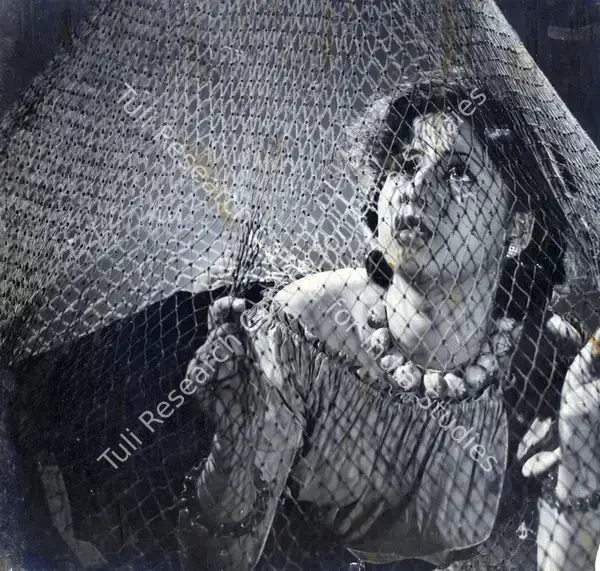
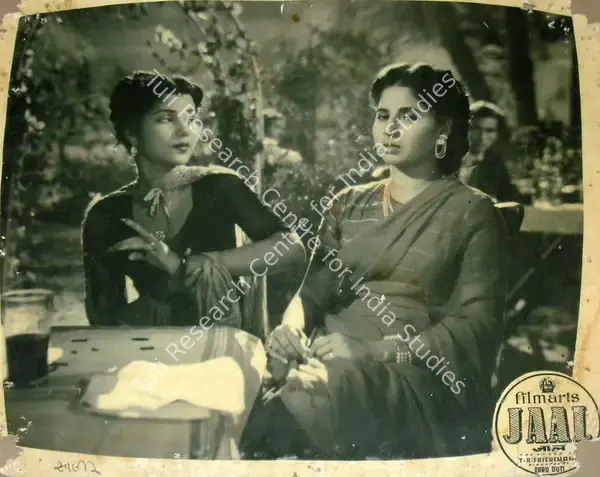
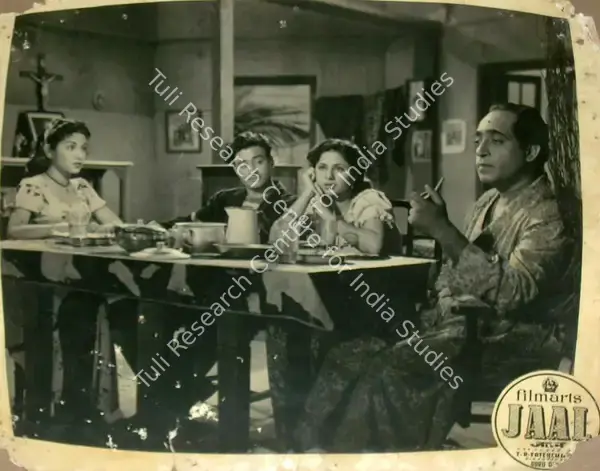
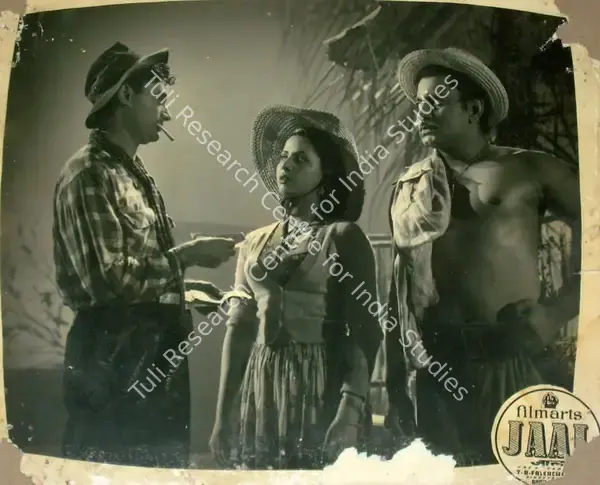
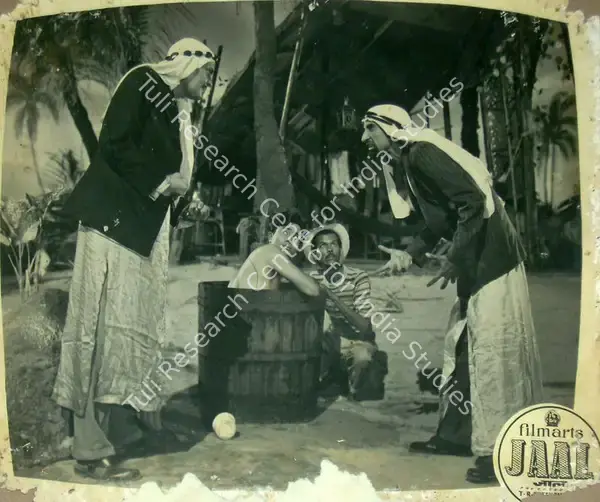
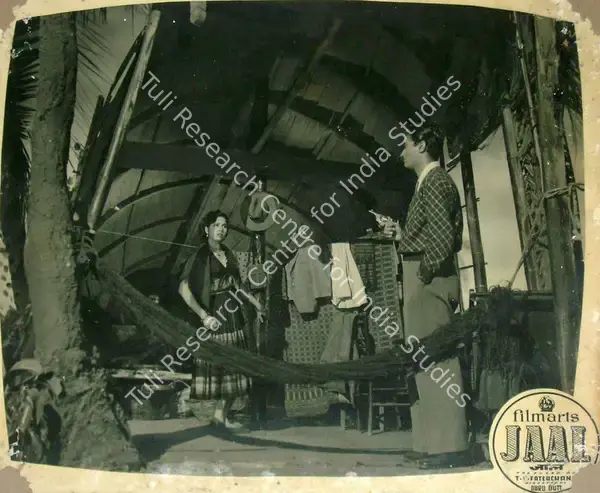
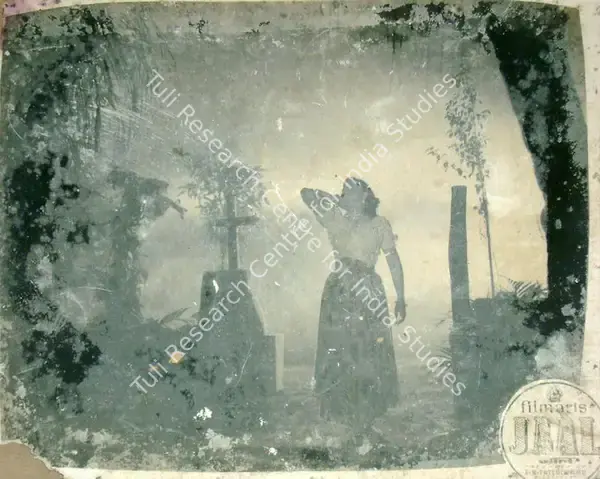
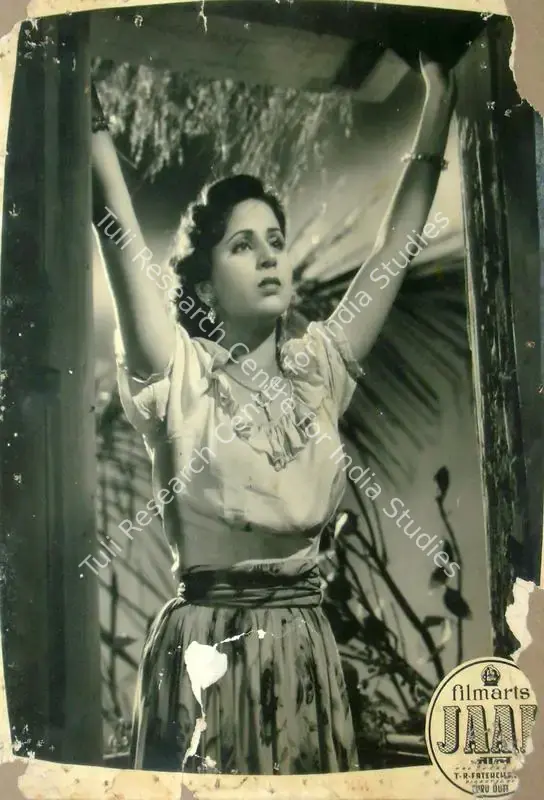
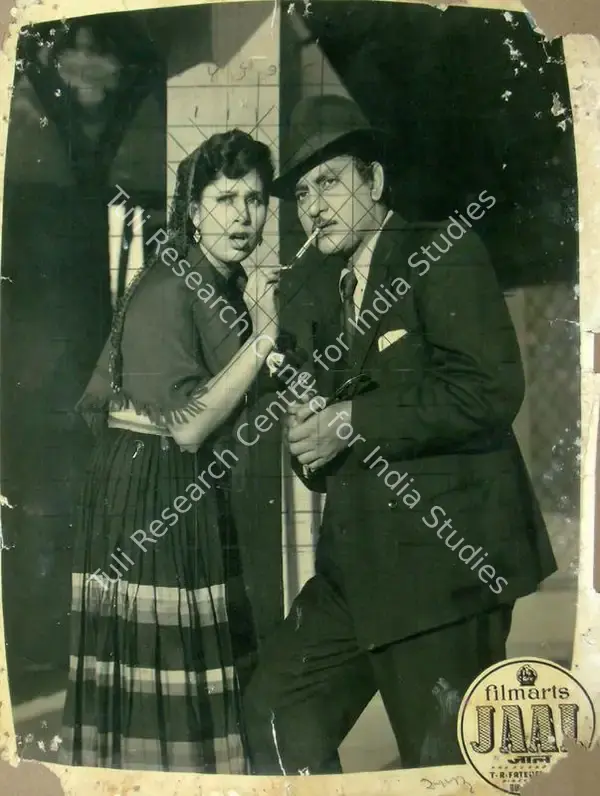
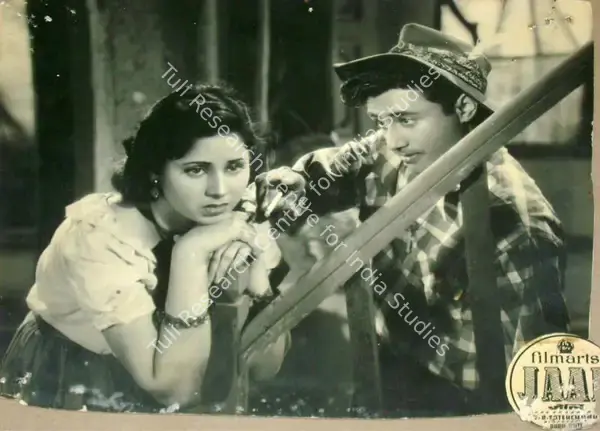
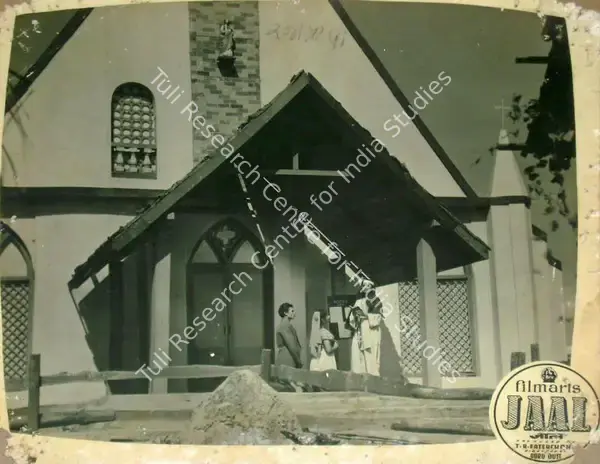
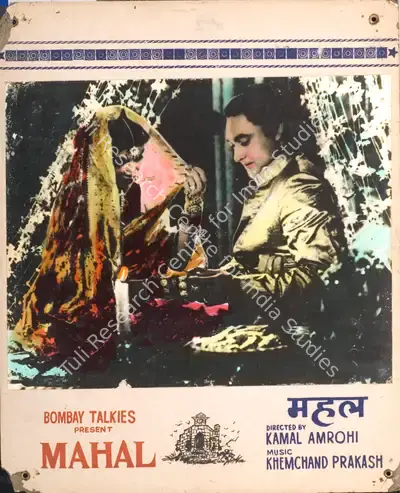
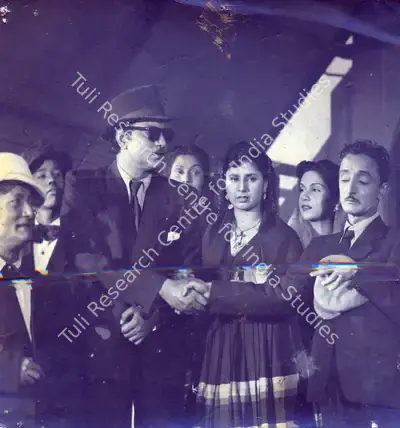
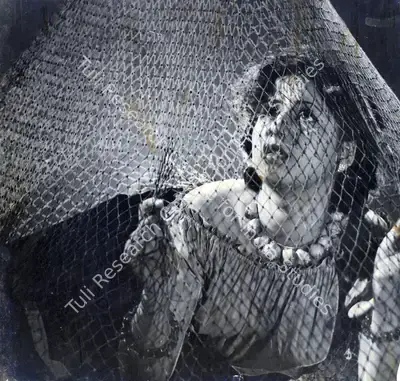
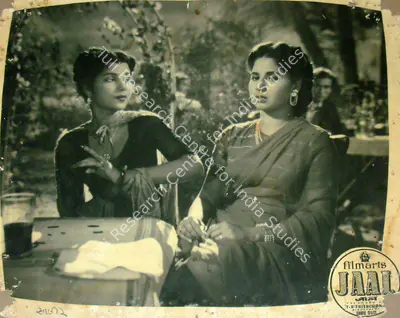
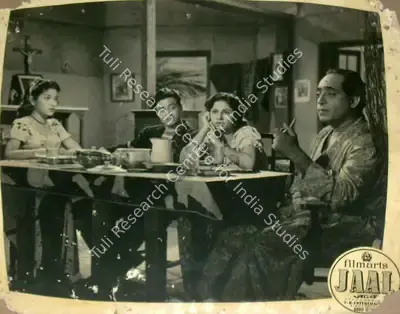
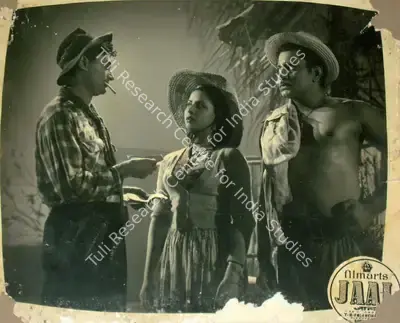
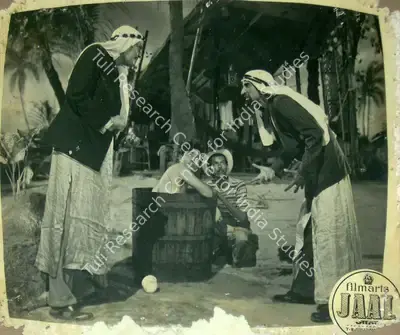
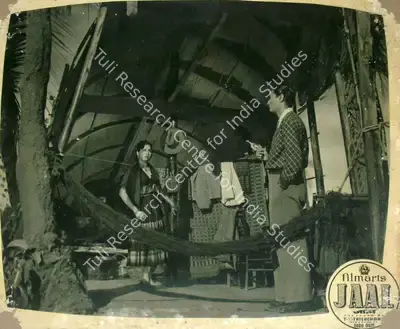
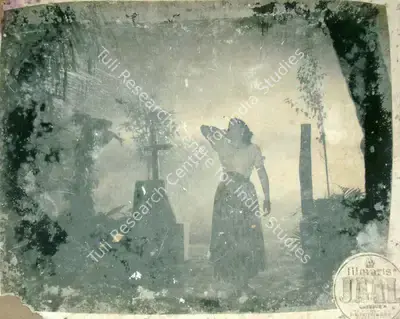
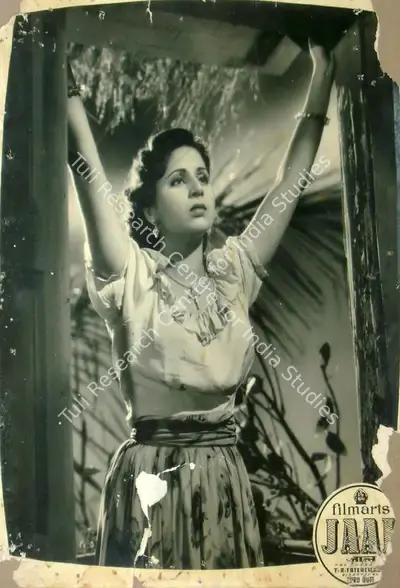
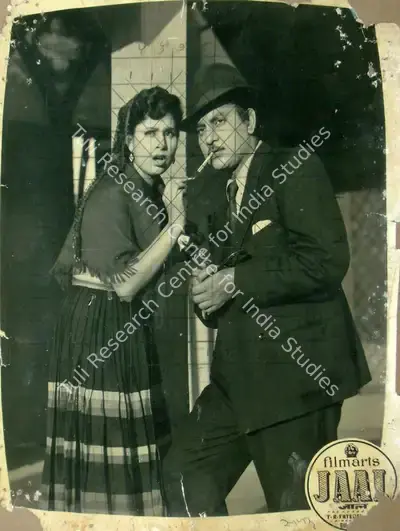
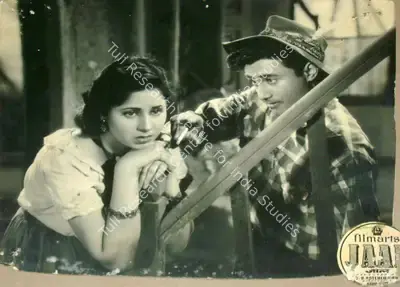
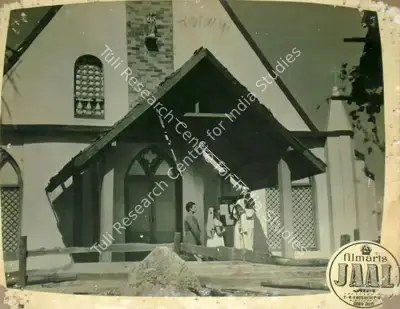
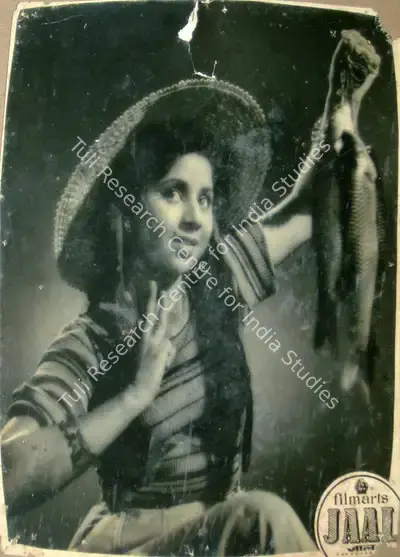
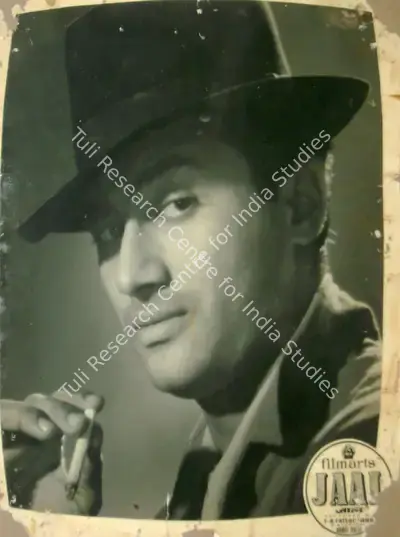
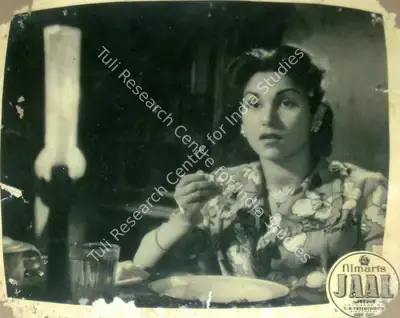
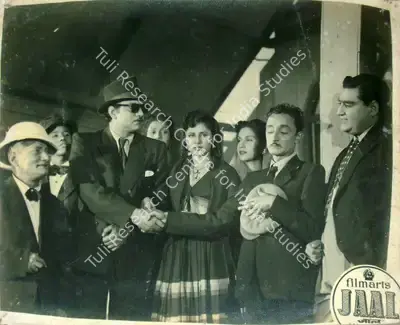
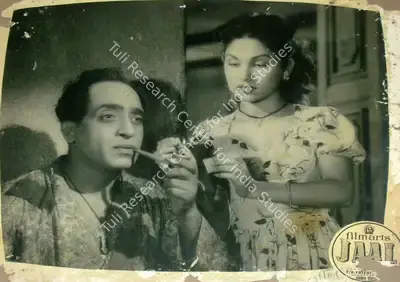
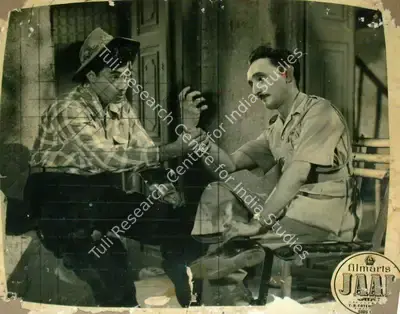
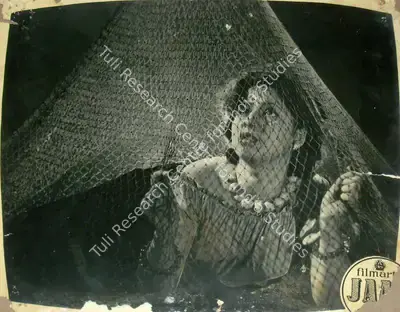
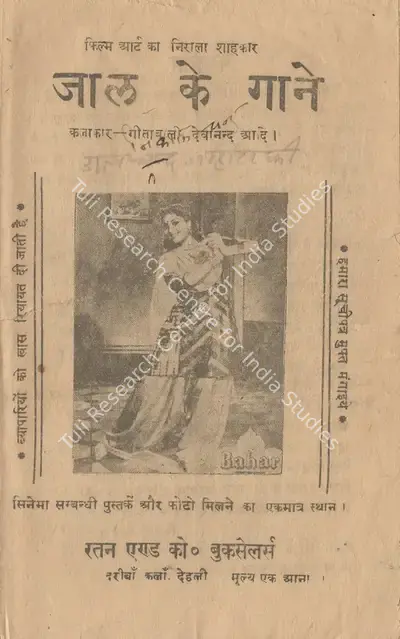
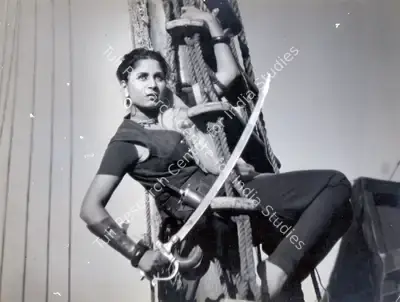
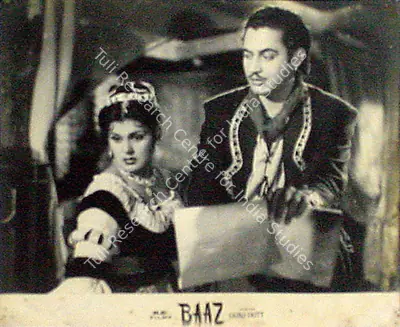
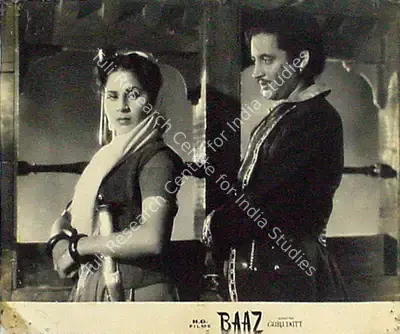
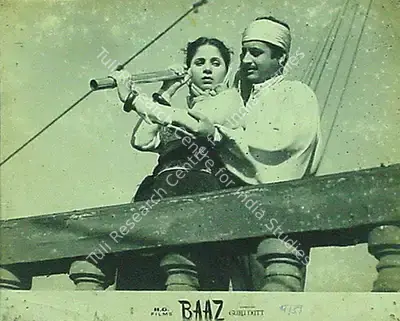
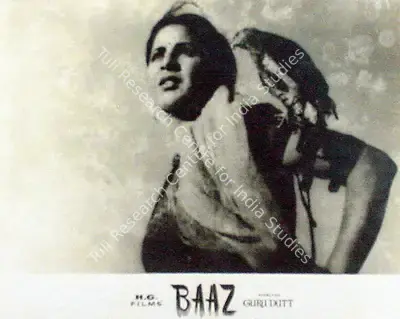
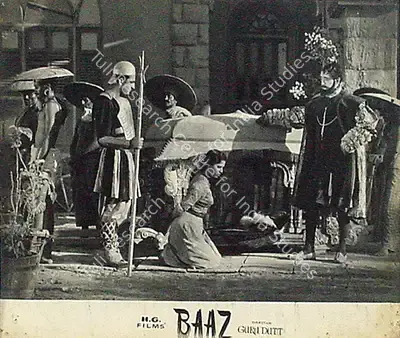
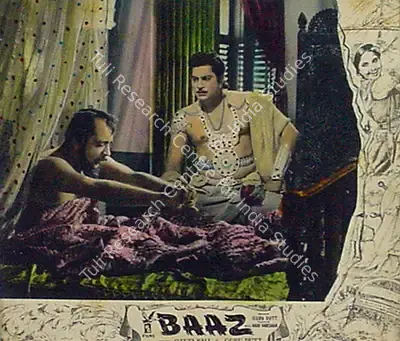
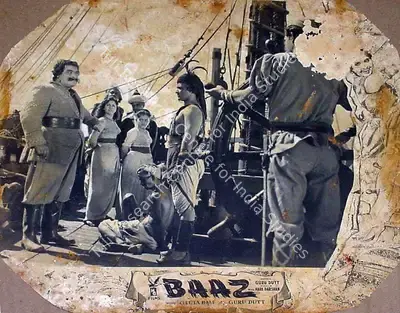
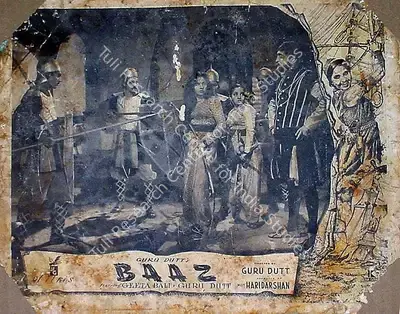
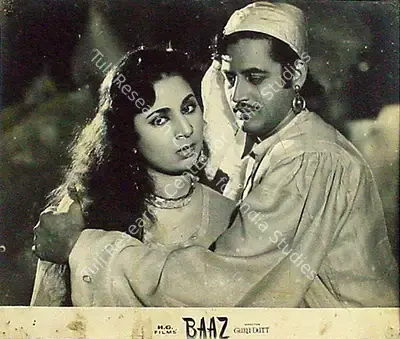
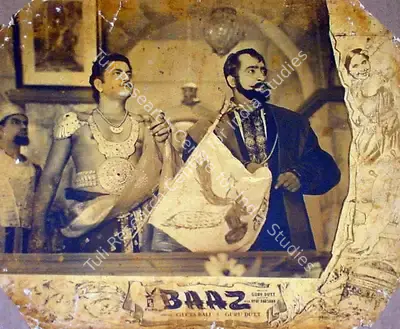
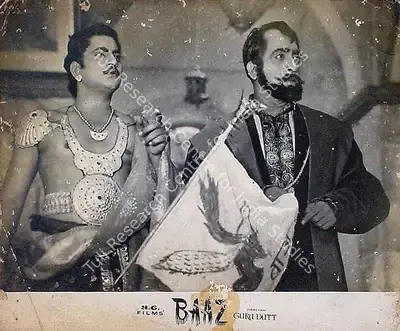
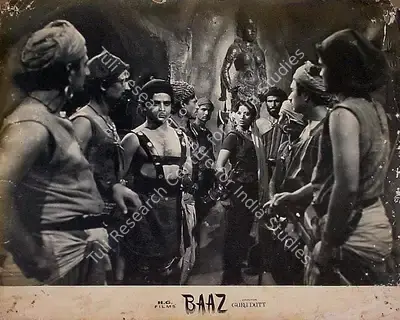
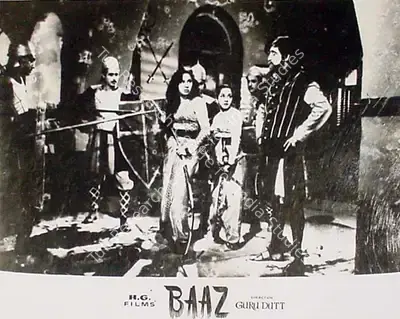
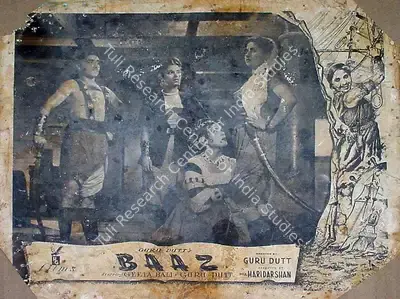
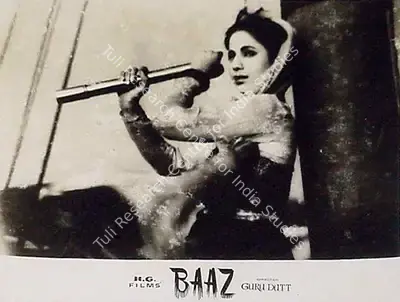
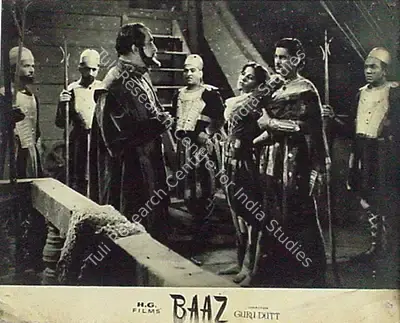
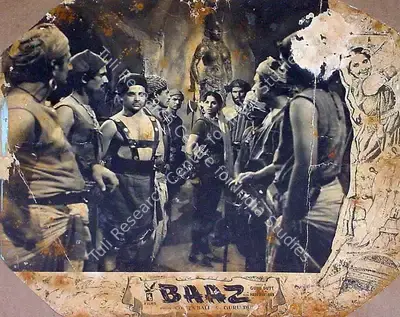
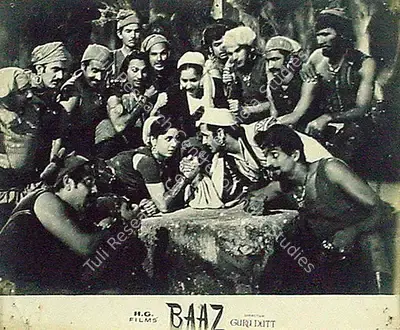
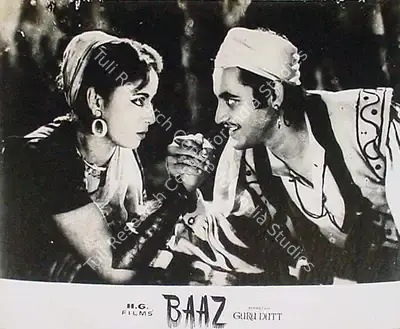
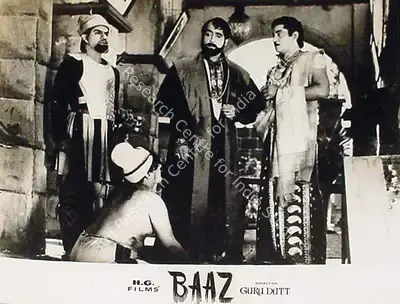
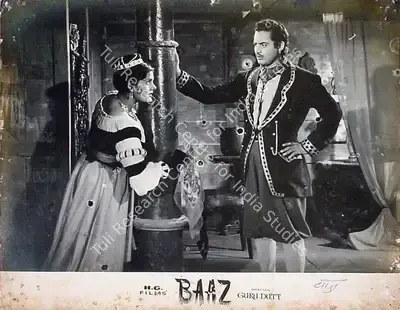
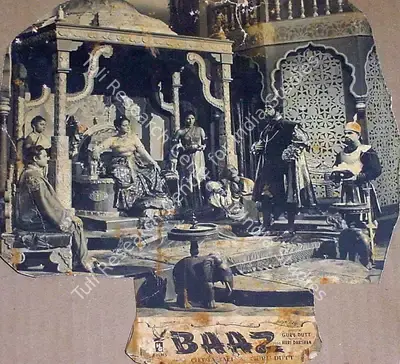
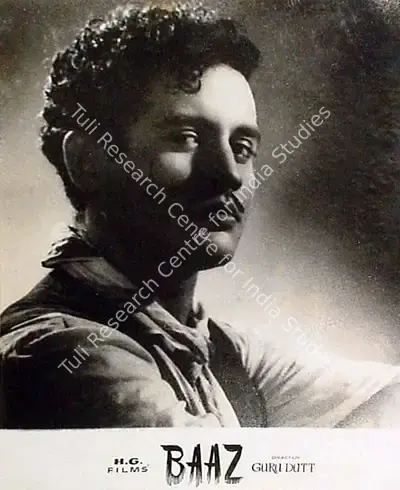
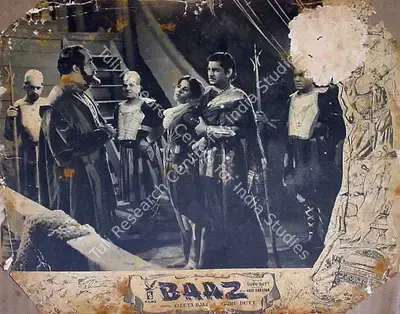
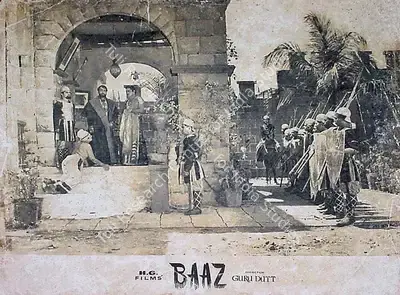
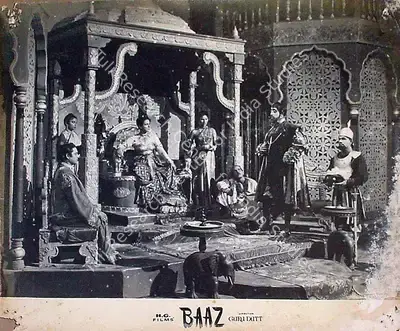
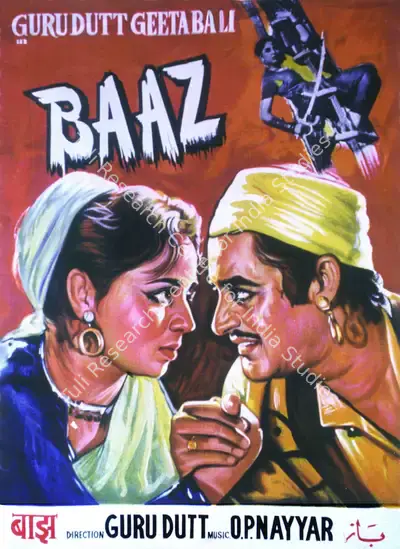
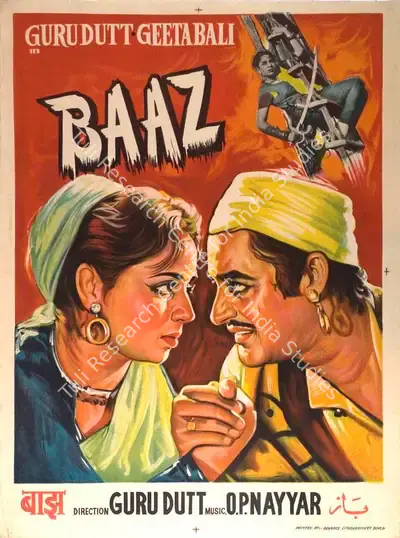
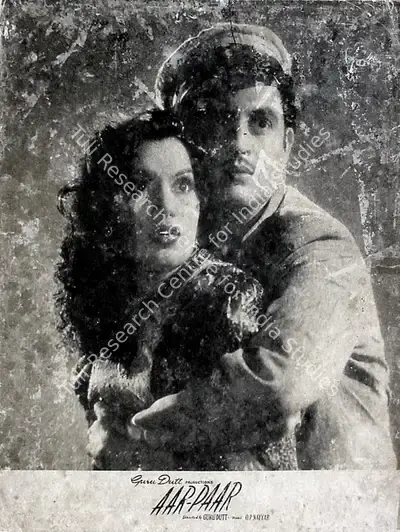
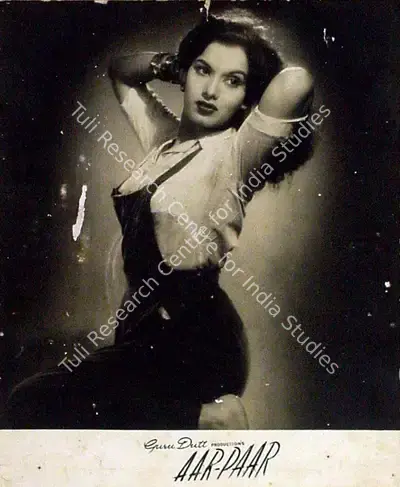
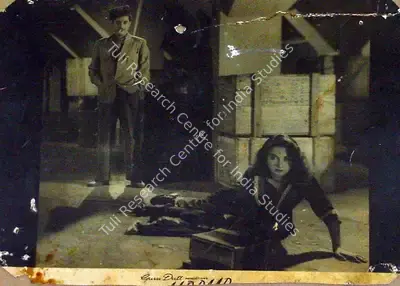
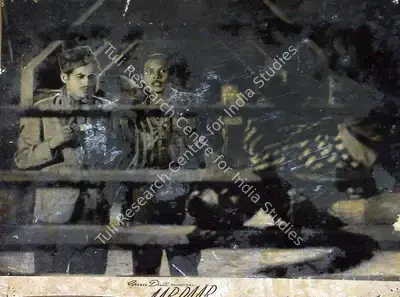
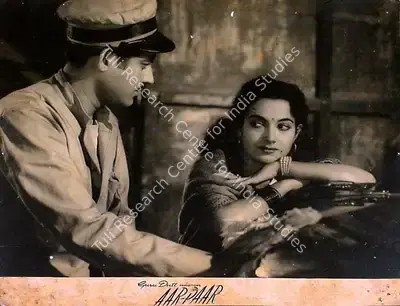
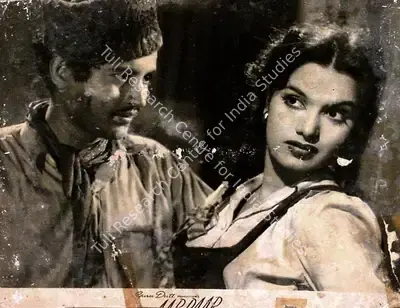
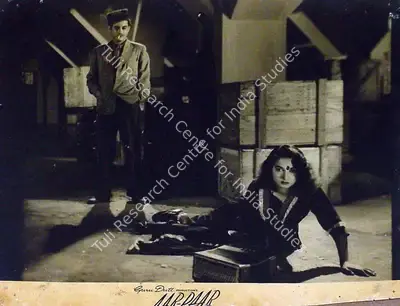
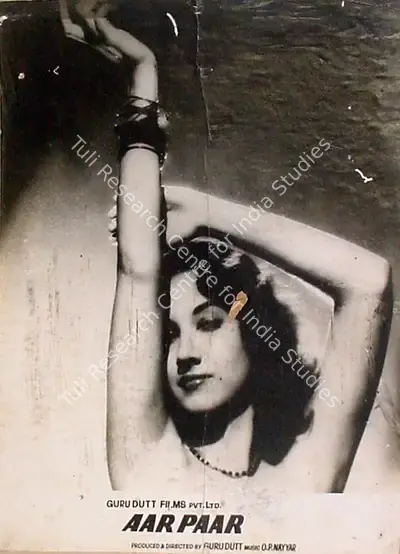
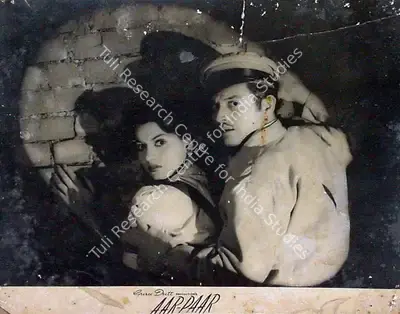
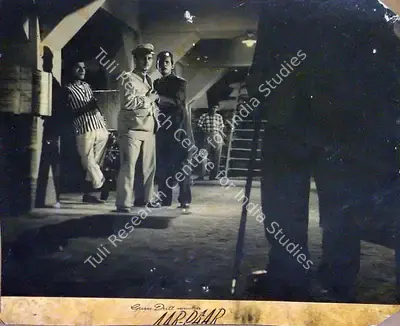
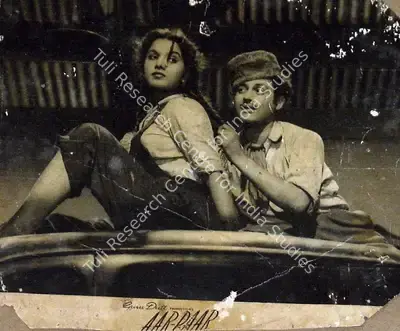
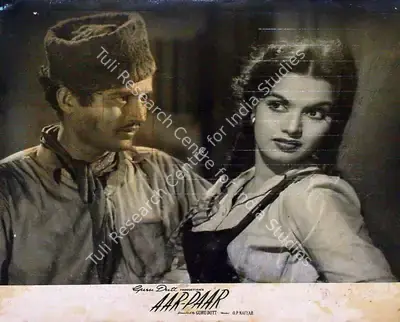
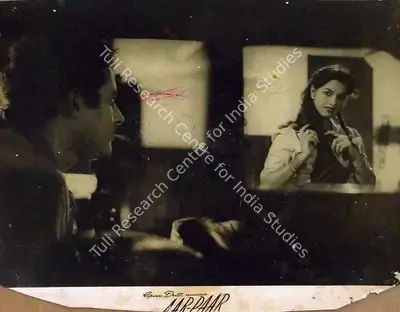
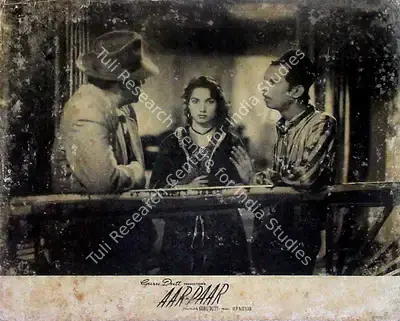
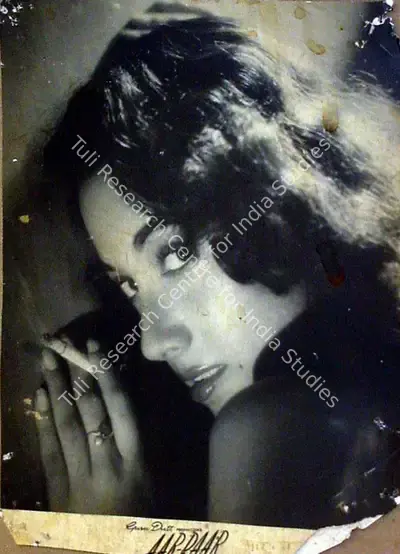
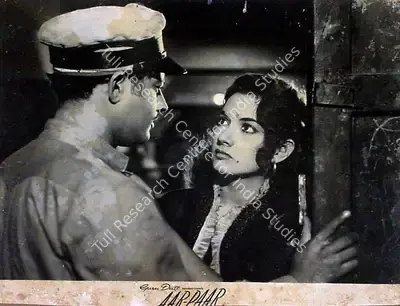
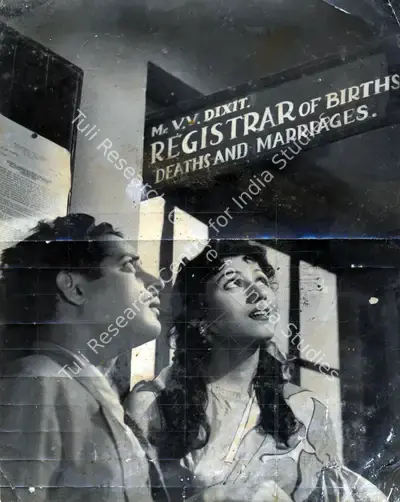
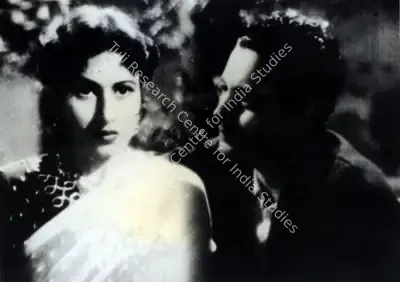
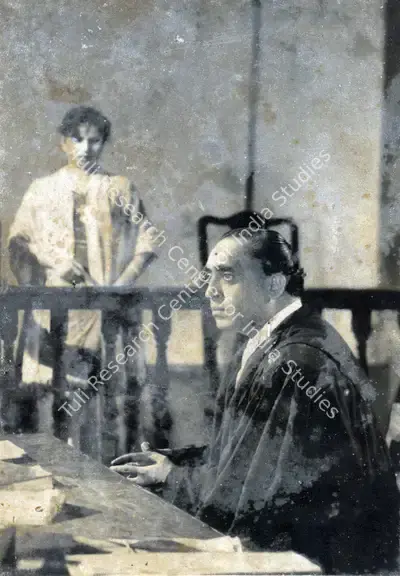
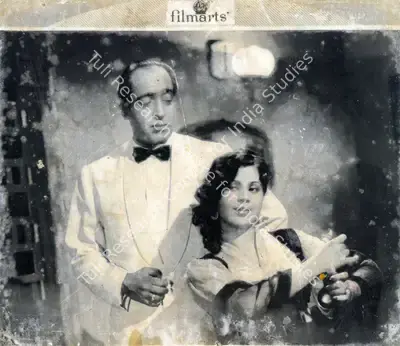
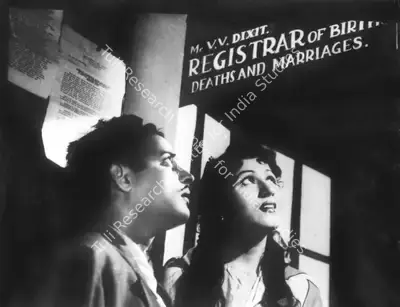
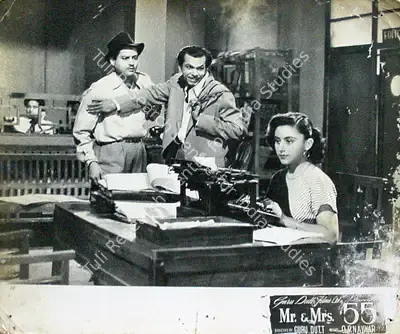
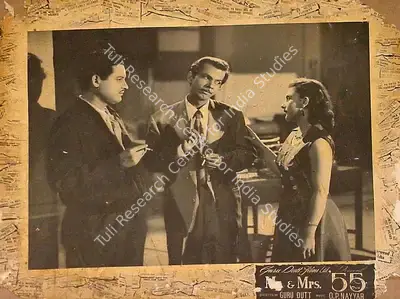
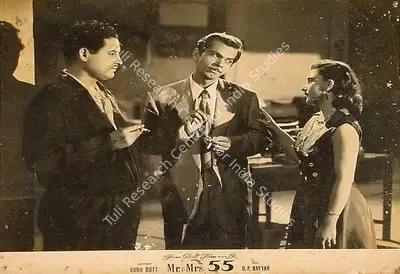
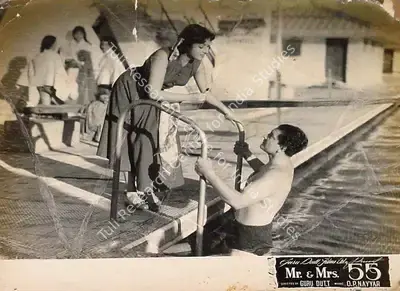
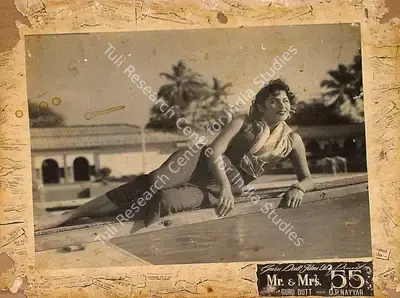
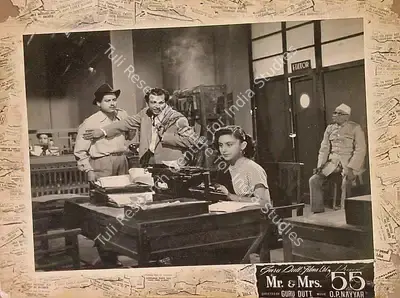
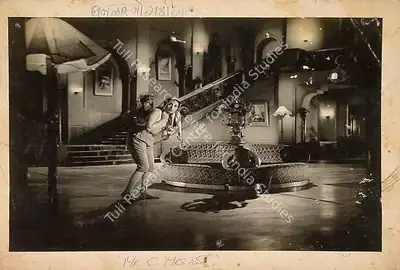
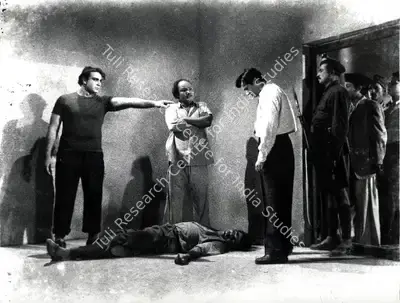
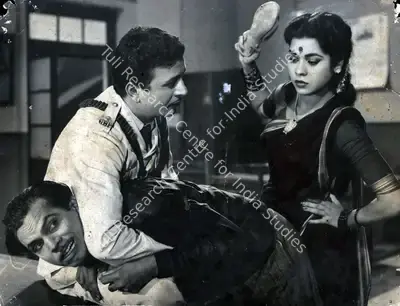
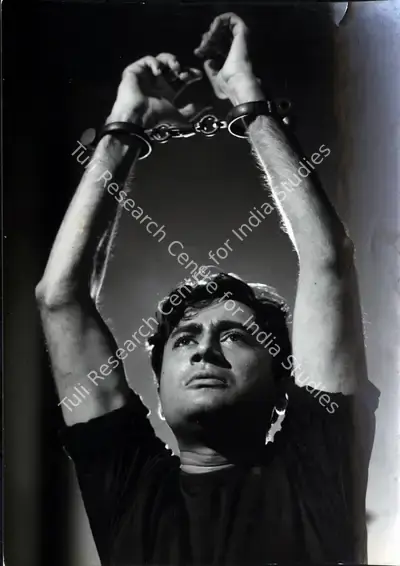
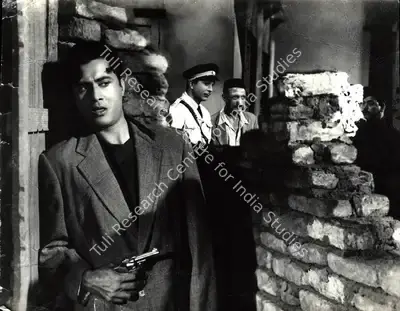
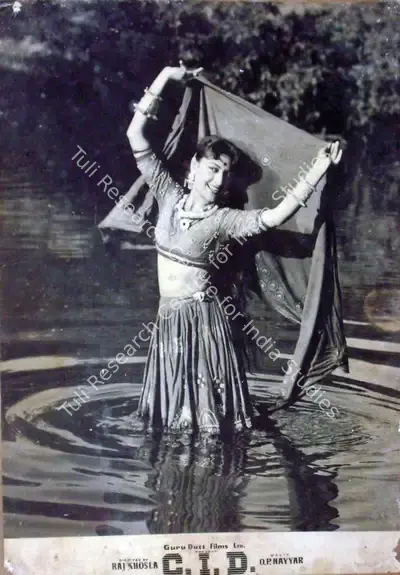
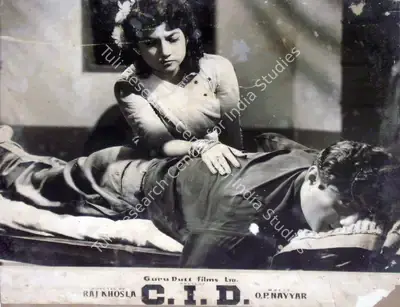
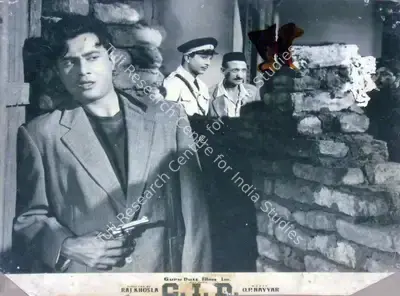
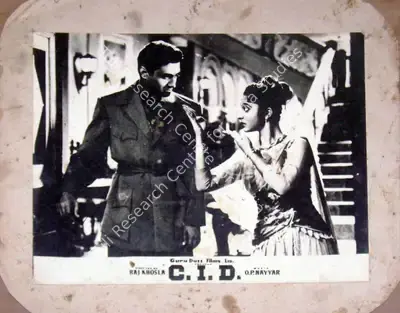
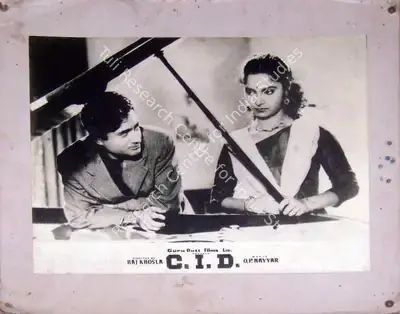
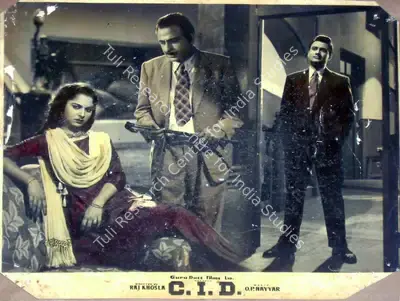
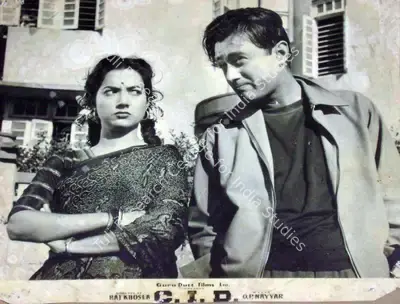
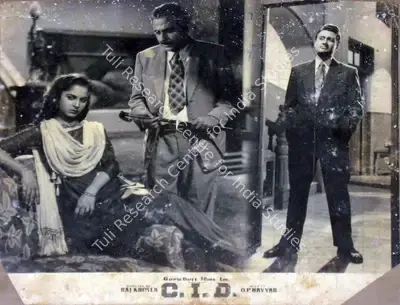
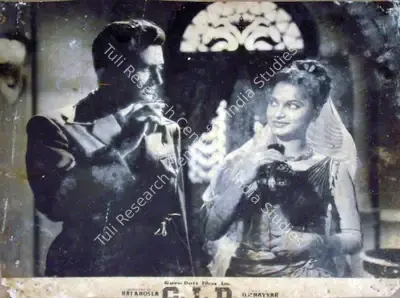
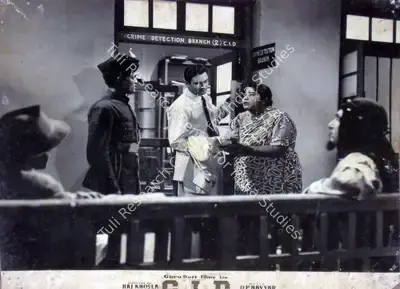
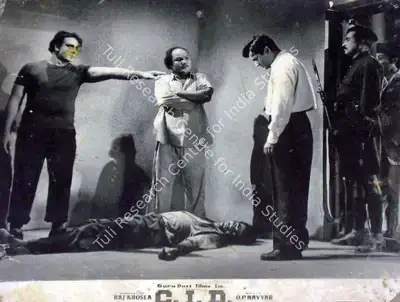
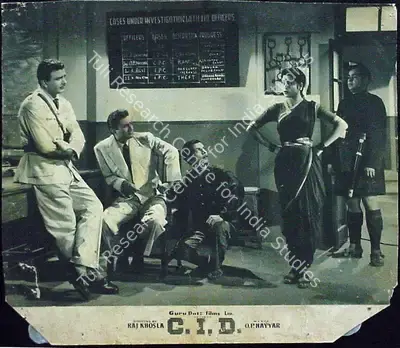
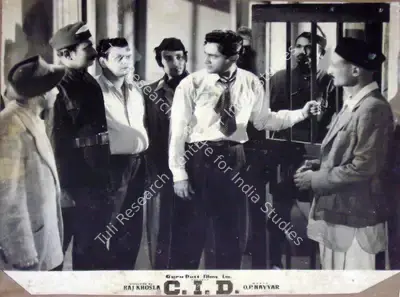
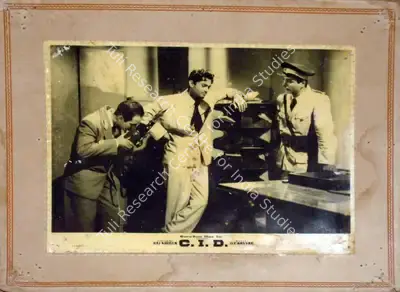
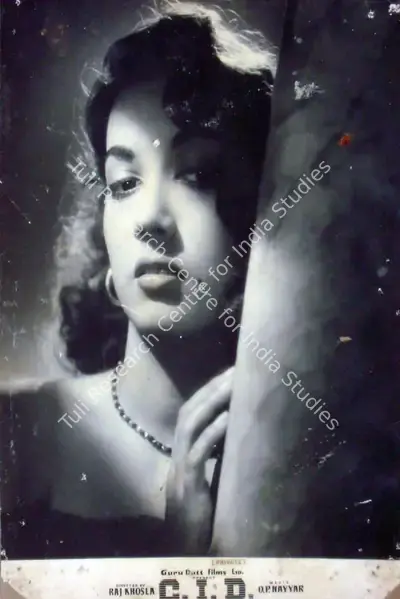
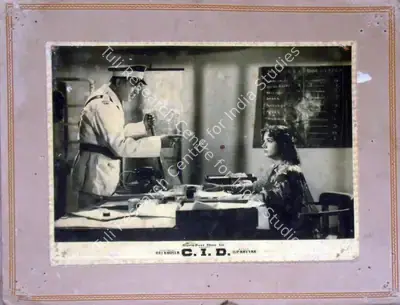
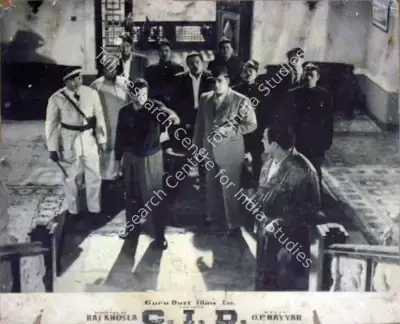
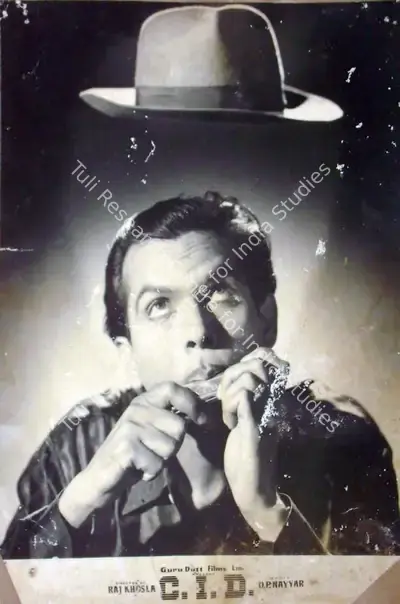
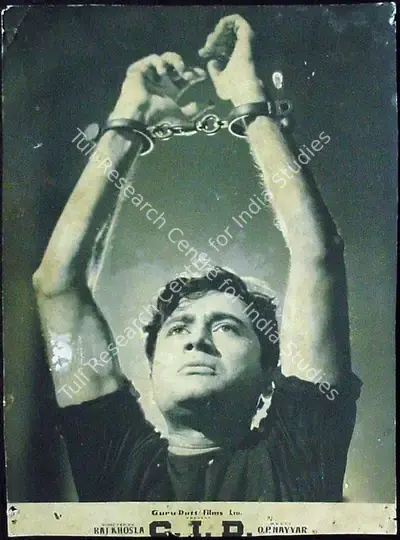
Venkatarama Pandit Krishnamurthy (1923-2014) was a noted Indian cinematographer whose work in Hindi films spanned from the 1950s to the 1990s. He started as an assistant to cinematographer V. Ratra in Guru Dutt's 1951 directorial debut, Baazi. Murthy had suggested a complex shot which required calculated tracking, dolly and panning for a song sequence in the film, and Guru Dutt allowed him to take the suggested shot. Satisfied with the results, Guru Dutt appointed him as the cinematographer for his next film Jaal (1952), which started their long collaboration that lasted till Dutt's death in 1964. Murthy's style in black & white cinema was inspired by the chiaroscuro, back lighting and soft-focus aesthetics of German cinematographer, Joseph Wirsching whose contributions to Indian cinema through his association with Bombay Talkies productions like Achut Kanya (1936), Ziddi (1948) and later in Kamal Amrohi's Pakeezah (1972) is noteworthy.
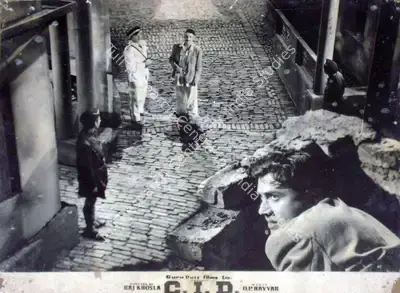
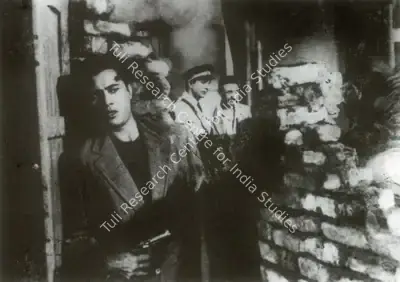
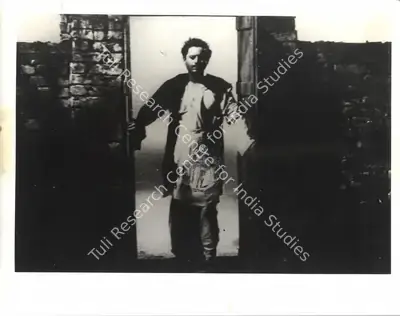
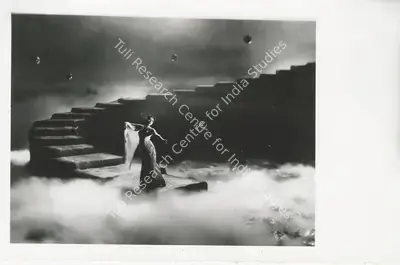
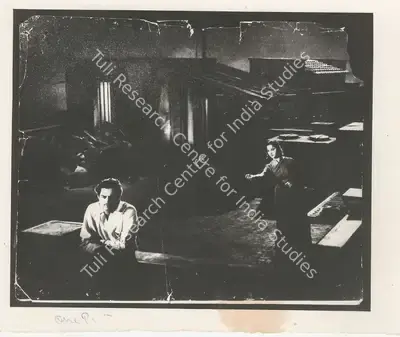
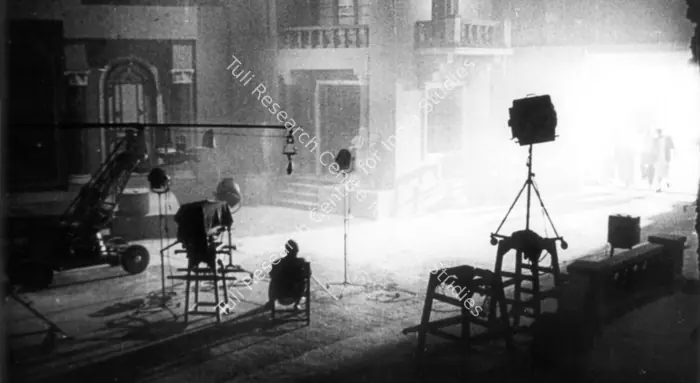
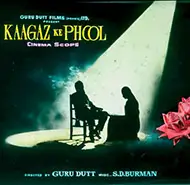
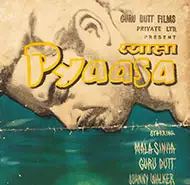
Murthy came to be known as 'Guru Dutt's eyes' for his ability to translate Dutt's vision. His black & white cinematography in Pyaasa (1957), Kaagaz Ke Phool (1959) and Sahib Bibi aur Ghulam (1962) spoke of his visual artistry, with dramatic lighting and pronounced shadows that reflected the tone and the mood of the scenes. Murthy's cinematographic contribution in Kaagaz Ke Phool was as important as the directorial vision of Guru Dutt in the film. As the first Indian film to be shot in Cinemascope, the film was initially a commercial failure but later became a cult classic and is now considered a cinematic masterpiece. One of the most recognised shots of the film was the 'sunbeam shot' with Guru Dutt and Waheeda Rehman in the song Waqt Ne Kiya…this shot also came to be known as 'Murthy Beam' in informal industry circles. It was composed by opening the roof of the film studio and reflecting the sunlight from a mirror kept outside the studio to another mirror kept on the lighting catwalk, which then sent the beam down lit up by adding smoke and dust of the studio. Murthy won his first Filmfare award for cinematography for this film in 1959. He earned his second Filmfare Award for Sahib Bibi aur Ghulam (1962). Murthy was also honoured with the prestigious Dada Saheb Phalke Award in 2008, the first time it was awarded to a cinematographer.
Although noted for his work in mainly black & white films, Murthy was the one of the first people to use colour when it came to India. His deft colour composition for two songs in the re-release of Chaudvi Ka Chaand (1960), including the title song shot in Technicolour, stands as a testament to the genius of his craft that straddled effortlessly between black & white and colour at a time when technicians found it difficult to move between the two mediums. Murthy credited his music training as a violinist in being able to visualize song sequences, matching camera movement to the rhythm of the song.
He continued to work on a few projects after Guru Dutt's death, including the acclaimed television series by Shyam Benegal, Bharat Ek Khoj (1988) and Govind Nihalani's Tamas (1988).
He completed his cinematography diploma from Sri Jayachamarajendra Polytechnic (the present Government Film and Television Institute) in Bangalore in 1946. He also participated in the Indian freedom struggle as a teenager, serving a jail term in 1943. Murthy retired from his work and moved back to Bangalore in 2001. Murthy passed away on 7 April 2014 at the age of 91, at his Bangalore residence.
Murthy came to be known as 'Guru Dutt's eyes' for his ability to translate Dutt's vision. His black & white cinematography in Pyaasa (1957), Kaagaz Ke Phool (1959) and Sahib Bibi aur Ghulam (1962) spoke of his visual artistry, with dramatic lighting and pronounced shadows that reflected the tone and the mood of the scenes. Murthy's cinematographic contribution in Kaagaz Ke Phool was as important as the directorial vision of Guru Dutt in the film. As the first Indian film to be shot in Cinemascope, the film was initially a commercial failure but later became a cult classic and is now considered a cinematic masterpiece. One of the most recognised shots of the film was the 'sunbeam shot' with Guru Dutt and Waheeda Rehman in the song Waqt Ne Kiya…this shot also came to be known as 'Murthy Beam' in informal industry circles. It was composed by opening the roof of the film studio and reflecting the sunlight from a mirror kept outside the studio to another mirror kept on the lighting catwalk, which then sent the beam down lit up by adding smoke and dust of the studio. Murthy won his first Filmfare award for cinematography for this film in 1959. He earned his second Filmfare Award for Sahib Bibi aur Ghulam (1962). Murthy was also honoured with the prestigious Dada Saheb Phalke Award in 2008, the first time it was awarded to a cinematographer.
Although noted for his work in mainly black & white films, Murthy was the one of the first people to use colour when it came to India. His deft colour composition for two songs in the re-release of Chaudvi Ka Chaand (1960), including the title song shot in Technicolour, stands as a testament to the genius of his craft that straddled effortlessly between black & white and colour at a time when technicians found it difficult to move between the two mediums. Murthy credited his music training as a violinist in being able to visualize song sequences, matching camera movement to the rhythm of the song.
He continued to work on a few projects after Guru Dutt's death, including the acclaimed television series by Shyam Benegal, Bharat Ek Khoj (1988) and Govind Nihalani's Tamas (1988).
He completed his cinematography diploma from Sri Jayachamarajendra Polytechnic (the present Government Film and Television Institute) in Bangalore in 1946. He also participated in the Indian freedom struggle as a teenager, serving a jail term in 1943. Murthy retired from his work and moved back to Bangalore in 2001. Murthy passed away on 7 April 2014 at the age of 91, at his Bangalore residence.
The whole holding
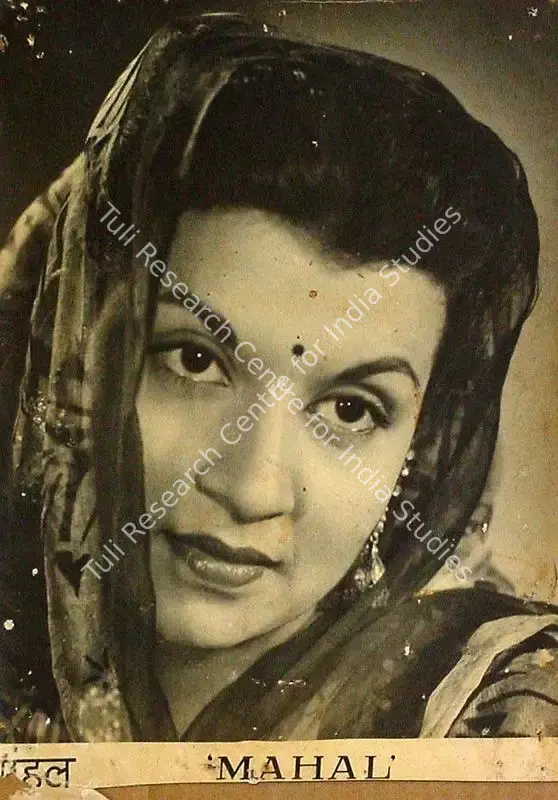
Research Centre
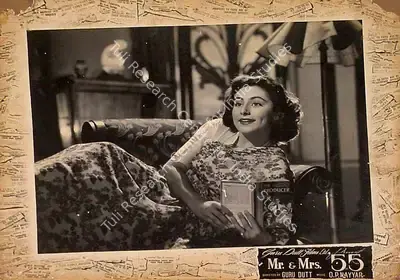
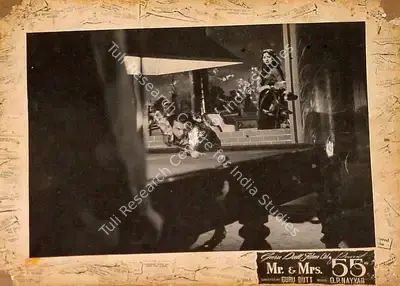
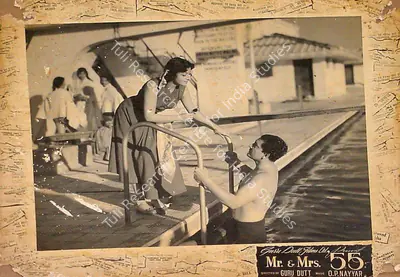
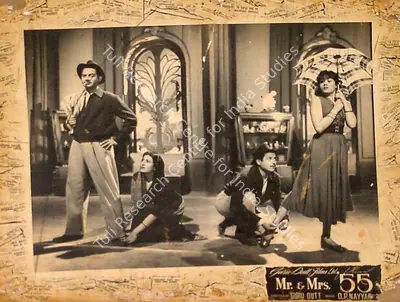
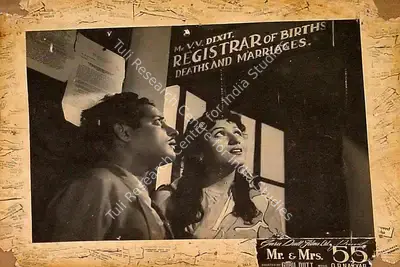
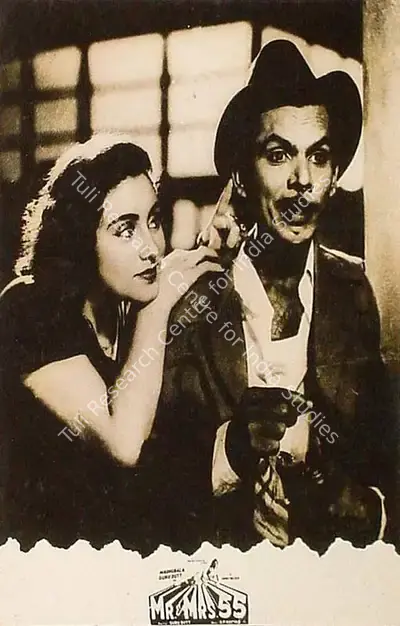
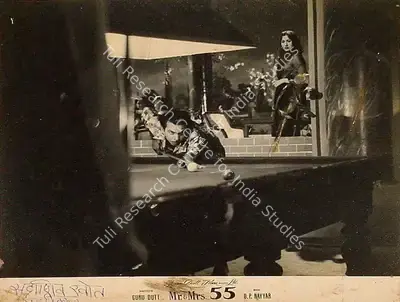
120 of 334
180 of 327
Calendar 2
- ArchivedExhibitionProject 65The Greatest Extravaganza of Cinema's Art25th - 31st March 202611:00am - 7:00pmBharat Mandapam, Hall-14, Ground Floor, Pragati Maidan, New Delhi - 110001As we near sharing the vast online India Studies knowledge base on tuliresearchcentre.org with the world, we end with our last grand archival Exhibition on the rare and vintage cinematic arts. The Expo covers over 110 years of cinematic art, created by some of the finest film directors, cinematographers, art directors, technicians and designers working in cinema from India, Hollywood, Japan, Germany, France, and Poland. It is also a key principle at the Tuli Research Centre for India Studies (TRIS) to support new and nascent International Film Festivals in whatever capacity possible. Hence it is our privilege to help the International Film Festival of Delhi (IFFD) successfully launch its first edition on 25th March 2026. In the pioneering tradition of IFFI, and as Head of the erstwhile and much respected Osian's-Cinefan Festival for Asian and Arab Cinema with my dearly departed friend and Founder of Cinefan - Aruna Vasudev - we know what energy, expertise and commitment is required to galvanise and inspire the cinematic fraternities of Delhi, India and the rest of the world. It is a very serious and difficult task. Our audiences are demanding and to attract the young and non-cinephile is also no easy task. I hope these exhibitions will help the public grasp how deeply history is living in the contemporary. That contemporary life or creativity cannot achieve its best version without knowing and respecting the work of the best who came before us, nurturing and guiding our path with their service and vision. We look forward to welcoming you to Bharat Mandapam Hall 14 in the days to come. Please register at https://www.iffdelhi.com for the films and other events, it is free to all.Read More →
- ArchivedExhibitionProject 23A Brief Visual History of Indian CinematographySelections from the Tuli Research Centre for India Studies Collection20th - 24th January 202611:00amGalerie Romain Rolland, Alliance Francaise de Delhi, 72 K.K. Birla Lane, Lodi Estate, New Delhi 110003Presenting selections from the Tuli Research Centre for India Studies Archives, this exhibition traces the visual history of Indian cinematography, foregrounding the craft, technologies, and aesthetic choices behind the camera, from Dadasaheb Phalke to Faredoon A. Irani, Fali and Jal Mistry, to VK Murthy and Govind Nihalani.Read More →
Related
22 records
Records elsewhere in the archive that this masterlist is connected to, grouped by what they are.
Films
19
Personalities
3