


Introduction
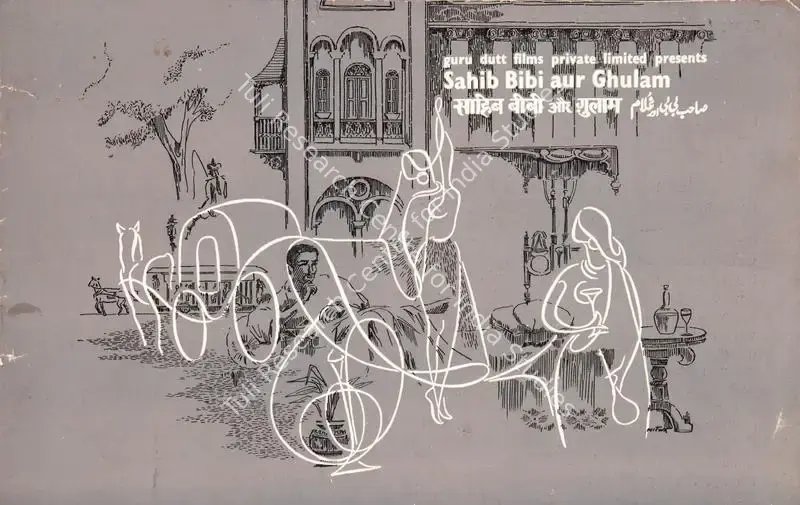
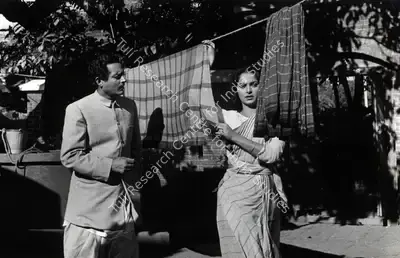
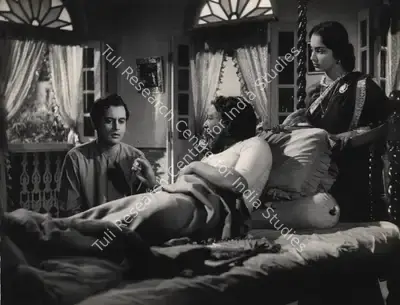
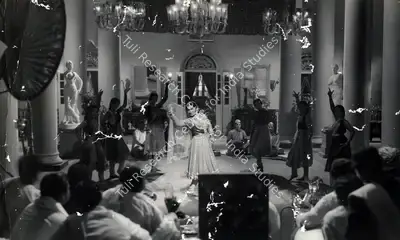
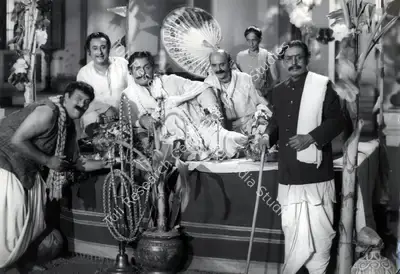
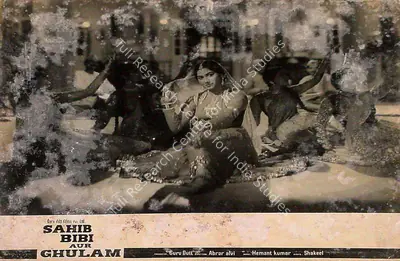
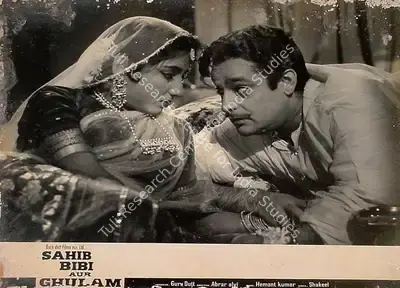
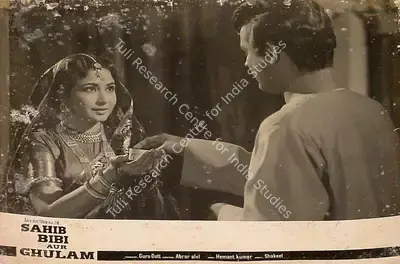
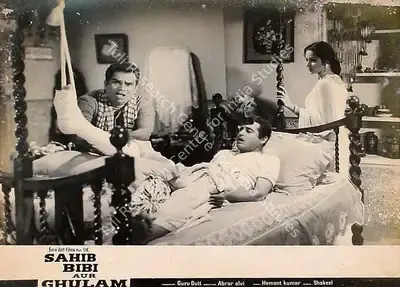
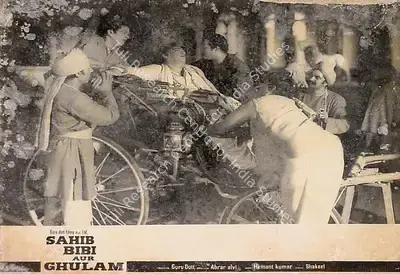
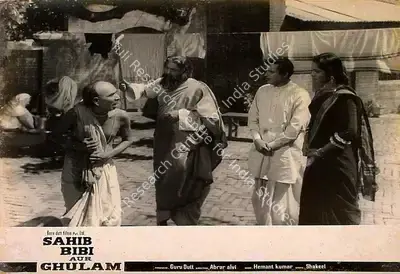
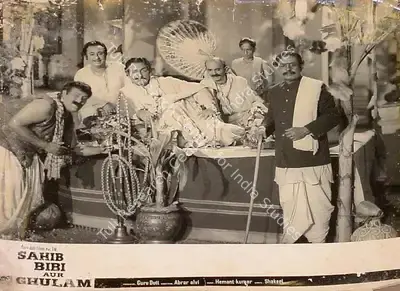
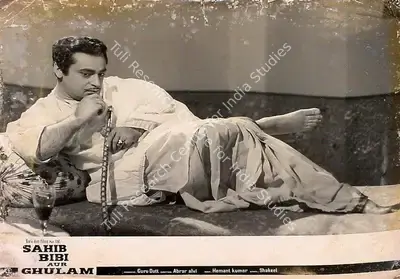
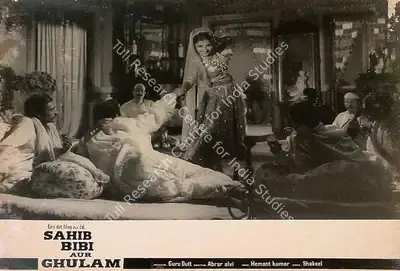
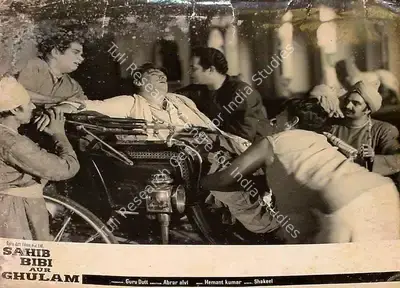
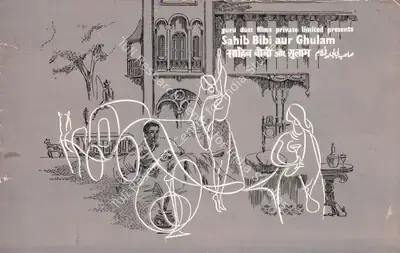
Sahib Bibi Aur Ghulam (1962), produced by Guru Dutt and directed by Abrar Alvi, stands as a seminal work in Indian cinema. Based on the Bengali novel Sahib Bibi Golam by Bimal Mitra, the film offers a poignant critique of the decline of the zamindari system and feudalism in Bengal during the late 19th and early 20th centuries, under British colonial rule.
The screenplay is credited to Alvi but believed to have been written by the director in close collaboration with Mitra, whose role in translating the original text from Bengali to Hindi was especially crucial. The film centres on the tragic lives of Bengal's aristocratic class, particularly focusing on the complex relationship between a lonely wife (Bibi) of a zamindar (Sahib) and her servant (Ghulam). The story is narrated by Bhootnath, the servant, who becomes deeply involved in the emotional turmoil of his employer's wife. From his perspective, the film unfolds as a reflection of a decaying feudal society, blending both nostalgia and tragedy in its portrayal of a bygone era.
The film's music, composed by Hemant Kumar with lyrics by Shakeel Badayuni, plays a crucial role in establishing the atmosphere, further enhanced by haunting cinematography and stellar performances. Guru Dutt, Meena Kumari, Rehman, Waheeda Rehman, and Nazir Hussain deliver unforgettable performances, with songs sung by Asha Bhosle and Geeta Dutt adding depth to the emotional landscape. These musical elements significantly contribute to the film's enduring legacy.
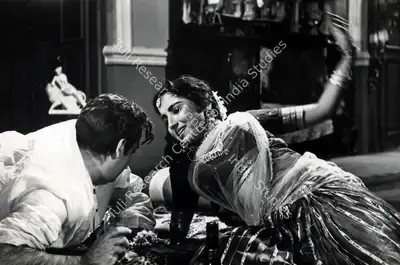
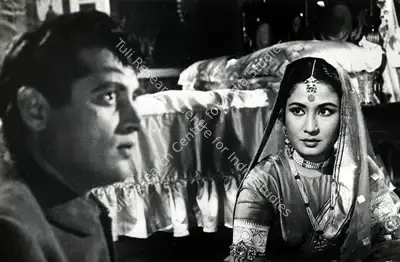
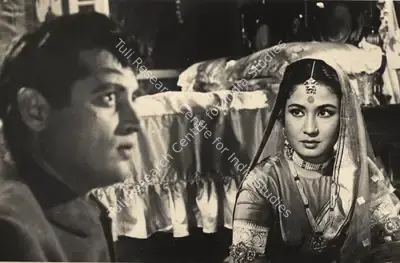
Regarded as a cinematic masterpiece, Sahib Bibi Aur Ghulam delves deeply into the intricate dynamics of feudal life and its characters' emotional complexities. Meena Kumari's portrayal of Chhoti Bahu is one of the finest in her illustrious career, showcasing her profound emotional depth. The role became iconic, mirroring her own tragic life, and solidified her reputation as the quintessential tragic actress. This performance garnered nationwide acclaim and influenced her subsequent roles in Dil Ek Mandir (1963) and Pakeezah (1972).
In recognition of its impact, Sahib Bibi Aur Ghulam was featured in Rachel Dwyer's 100 Bollywood Films (2005), and in 2017, it was included in Hindustan Times' list of "70 Iconic Movies of Independent India." It also made it to IBN Live's "100 Greatest Indian Films of All Time" (2013) and was listed among Filmfare's "100 Best Films" from 1958 to 1969. It is frequently discussed alongside Guru Dutt's other masterpieces, Pyaasa (1957) and Kaagaz Ke Phool (1959).
The film won four Filmfare Awards, including Best Film. Despite having decided not to direct again after Kaagaz Ke Phool, Guru Dutt entrusted Abrar Alvi with the direction. Initially, Dutt had approached Satyen Bose and Nitin Bose, but due to their unavailability, Alvi took over. Dutt himself played the role of Bhootnath after Shashi Kapoor, who was initially cast, had to withdraw due to scheduling conflicts.
Waheeda Rehman, originally considered too young for the role of Chhoti Bahu, persuaded Alvi to create a new role for her, which eventually became a pivotal character in the film. The adaptation of the novel came after the success of Chaudhvin Ka Chand (1960), which helped recover losses from Kaagaz Ke Phool (1959). The adaptation process took a year, with Mitra and Alvi translating the novel from Bengali to Hindi. Filming was conducted in Andheri and Dhanyakuria, with cinematography by V. K. Murthy and editing by Y. G. Chawhan.
Sahib Bibi Aur Ghulam remains a timeless testament to the artistic brilliance of its director, cast, and crew, continuing to be celebrated as one of the most significant films in the history of Indian cinema.
फ़िल्म की पटकथा का श्रेय हालांकि अल्वी को दिया गया है लेकिन माना जाता है कि उन्होंने इसे मूल उपन्यास के लेखक बिमल मित्र के सक्रिय सहयोग से तैयार किया था। मित्र यहाँ मूल बांग्ला संदर्भों को हिन्दी भाषा और समाज के अनुकूल बनाने में बड़ी भूमिका निभा रहे थे। यह फ़िल्म आधुनिकता के आगमन के साथ बंगाल के सामंती कुलीन वर्ग के पतन की कहानी है। कथा के केंद्र में एक ज़मींदार 'साहिब' (रहमान) की नितांत अकेली पत्नी 'बीबी' (मीना कुमारी) और उनके नौकर 'गुलाम' (गुरु दत्त) के बीच के जटिल संबंध हैं। कहानी का कथावाचक नौकर का किरदार भूतनाथ है, जो बहुत नज़दीक से अपने साहिब की ब्याहता स्त्री को अन्दरूनी तौर पर बिखरते हुए देख रहा है। उनके नज़रिये से देखने पर फ़िल्म की कथा एक ध्वस्त होते सामंती समाज के विकृत चित्र की तरह सामने आती है, जिसमें पीछे छूटी जीवनशैली के प्रति मोह भी है और उसकी त्रासदी भी छिपी है।
शकील बदायूंनी के लिखे गीत और हेमंत कुमार का रचा फ़िल्म का संगीत कथा के उदासी भरे माहौल को स्थापित करने में महत्वपूर्ण भूमिका निभाते हैं। इसके साथ दिग्गज सिनेमैटोग्राफ़र वी. के. मूर्ति की क्लासिक सिनेमैटोग्राफ़ी जोड़ दें तो फ़िल्म अपने कलात्मक शिखर पर पहुँचती है। साथ में मीना कुमारी, गुरु दत्त, रहमान, वहीदा रहमान और नज़ीर हुसैन जैसे उम्दा कलाकारों का शानदार अभिनय फ़िल्म के प्रभाव को और बढ़ा देता है। फ़िल्म के यादगार गीत आशा भोंसले और गीता दत्त ने गाए थे और ये फ़िल्म को भावनात्मक गहराई भी देते हैं और मौका आने पर शोख़ बदमाशी भी। इस फ़िल्म की कभी न भूलने वाली विरासत का एक ख़ास हिस्सा इसके गीत भी हैं।
सिनेमा कला की एक उन्नत कृति के रूप में याद रखी जाने वाली साहिब बीबी और गुलाम सामंती जीवन की दैनंदिन गति में जाकर उसके डूबते सितारे को दिखाती है और किरदारों के मन के जज़्बाती उलझावों को कथा का केंद्र बनाती है। छोटी बहू के किरदार में मीना कुमारी का अभिनय उनके शानदार अभिनय करियर की सबसे बेहतरीन भूमिकाओं में से एक है। मीना कुमारी ने छोटी बहू के अकेलेपन और संत्रास को पर्दे पर उसकी गहनतम पीड़ा के साथ ज़िन्दा कर दिया है। यह भूमिका उनके अभिनय सफ़र में इतनी यादगार बन गई कि इसे उनके अपने जीवन के त्रासद पक्ष के समांतर रखकर देखा जाने लगा। मीना कुमारी को निर्विवाद 'ट्रैजेडी क्वीन' की पदवी पर बैठा दिया गया और उन्हें भविष्य में मिलनेवाली भूमिकाएँ भी इसी दायरे में रची जाने लगीं। उनकी दिल एक मंदिर (1963) और पाकीज़ा (1972) में निभाई भूमिकाओं को उदाहरण स्वरूप देखा जा सकता है। इस फ़िल्म का असर देखना हो तो भारतीय सिनेमा की जानी-मानी अध्येता, ब्रिटिश विद्वान रेचल ड्वायर की “100 बॉलीवुड फ़िल्म्स” (2005) की सूची देखी जा सकती है, जिसमें उन्होंने साहिब बीबी और गुलाम को शामिल किया था। साल 2017 में इस फ़िल्म को 'हिंदुस्तान टाइम्स' की “70 आईकॉनिक मूवीज़ ऑफ़ इंडिपेंडेंट इंडिया” नामक सूची में शामिल किया गया। यह आई.बी.एन. लाइव की “100 ग्रेटेस्ट इंडियन फ़िल्म्स ऑफ़ ऑल टाइम्स” (2013) की सूची में भी शामिल रही और फ़िल्मफ़ेयर की साल 1958 से 1969 के दरम्यान की “100 ग्रेटेस्ट फ़िल्म्स" का भी हिस्सा बनी। अक्सर इस फ़िल्म की चर्चा गुरु दत्त की इससे ठीक पहले निर्मित दो अन्य यादगार त्रासद कृतियों, प्यासा (1957) और कागज़ के फूल (1959) के साथ एक शृंखला की कड़ी के बतौर होती है।
साहिब बीबी और गुलाम ने चार फ़िल्मफ़ेयर पुरस्कार जीते जिनमें सर्वश्रेष्ठ फ़िल्म का पुरस्कार भी शामिल था। कागज़ के फूल की असफलता के बाद फिर से निर्देशन न करने का फ़ैसला करने वाले गुरु दत्त ने इस फ़िल्म का निर्देशन अपने पटकथा लेखक अबरार अल्वी को सौंपा। इसके पहले गुरु दत्त ने निर्देशन के लिए सत्येन बोस और नितिन बोस से भी बात की थी, लेकिन उनके मना करने पर यह ज़िम्मेदारी अबरार अल्वी के कांधों पर आ गई। भूतनाथ की भूमिका के लिए पहले अभिनेता शशि कपूर को लिया जाना तय हुआ था। गुरु दत्त के जीवनीकार यासिर उस्मान लिखते हैं कि जब शशि कपूर गुरुदत्त से मुलाकात के लिए नियत समय से ढाई घंटे देरी से पहुँचे तो गुरुदत्त चिढ़ गए और उन्होंने शशि के साथ काम करने का इरादा छोड़ दिया। बाद में खुद गुरुदत्त ने फ़िल्म में भूतनाथ की भूमिका निभाई।
वहीदा रहमान, जिन्हें छोटी बहू की भूमिका के लिए उम्र बहुत कम होने के चलते अनुपयुक्त माना गया था, उन्होंने अबरार अल्वी को मनाया कि वे उनके लिए एक नई भूमिका रचें। आगे चलकर यही भूमिका फ़िल्म का एक महत्वपूर्ण किरदार बन गई। इस उपन्यास का फ़िल्म में रूपांतरण भी तभी संभव हो पाया जब चौदहवीं का चाँद (1960) को बड़ी व्यावसायिक सफलता मिली, जिसके चलते गुरु दत्त कागज़ के फूल (1959) से हुए आर्थिक नुकसान की भरपाई कर पाए। उपन्यास से फ़िल्म की पटकथा तक रूपांतरण में एक साल से अधिक समय लगा। पहले उपन्यासकार बिमल मित्र और अबरार अल्वी ने उपन्यास का बांग्ला से हिन्दी में अनुवाद किया। दोनों भाषाओं के जानकार होने के नाते खुद गुरु दत्त ने भी इस प्रक्रिया में अनुवादक के नाते कुछ हिस्सेदारी की। फ़िल्म की यादगार सिनेमैटोग्राफ़ी गुरु दत्त के प्रिय कलाकार वी. के. मूर्ति की थी और संपादन वाई. जी. चौहान का था। फ़िल्म की शूटिंग मुम्बई के अंधेरी इलाके और पश्चिम बंगाल के बशीरहाट ज़िले के एक कस्बे धन्याकुरिया में स्थित एक पुरानी हवेली में हुई।
साहिब बीबी और गुलाम इसके निर्देशक, कलाकारों और पूरी टीम की कलात्मक प्रतिभा का एक जीता-जागता स्मारक है। ऐसी फ़िल्म जिसे भारतीय सिनेमा इतिहास की सबसे ख़ास धरोहरों में से एक कहा जा सकता है।
Body of Work
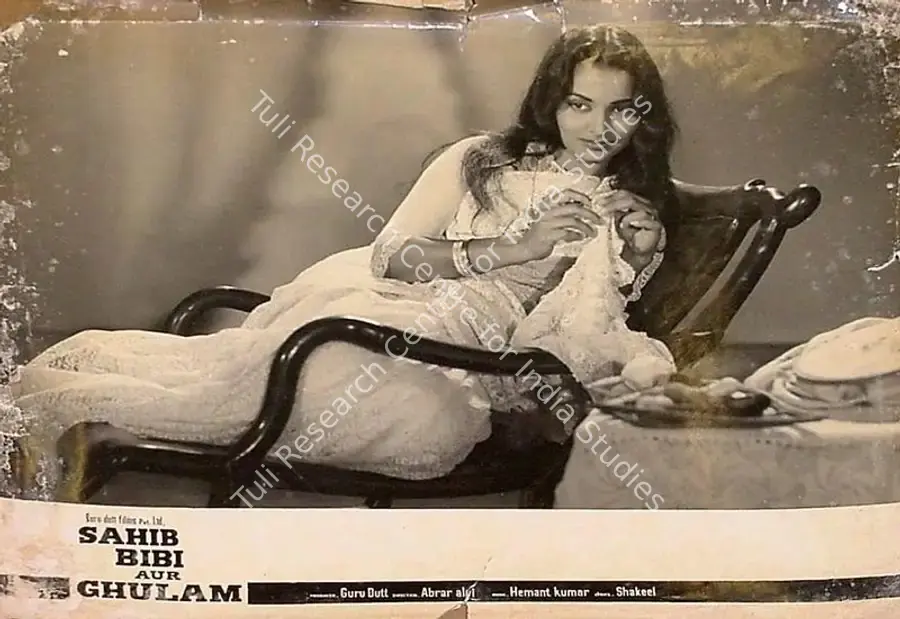
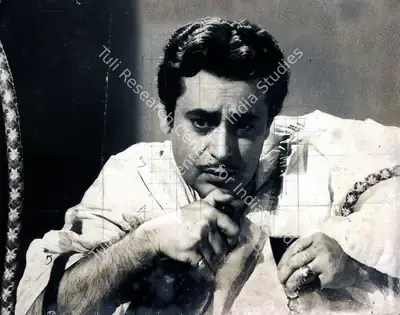
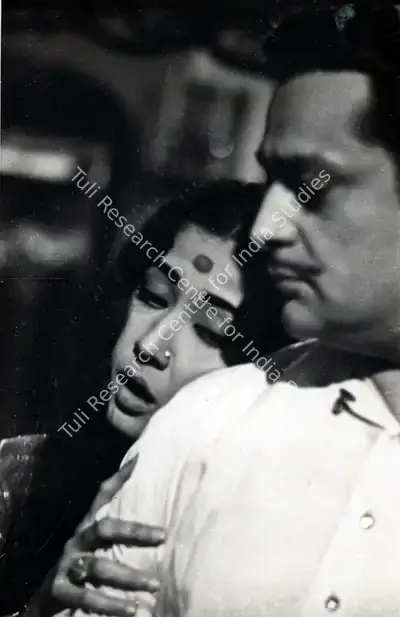
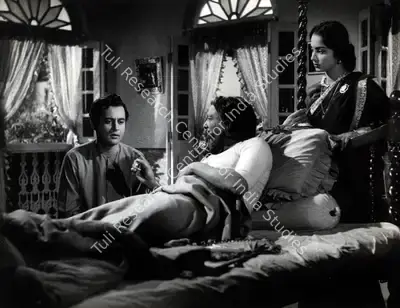
Synopsis Taken from a classic, eponymous Bengali novel, the story is set in the household of the Chowdharys who are 19th century landed proprietors or zamindars. Seen through the eyes of Bhoothnath, a simple but educated villager, who comes to Calcutta looking for work, the film captures unforgettable and often nostalgic of an era long gone. Bhoothnath soon finds himself drawn to the zamindar's pretty young wife, known as Chhoti Bahu, who leads a remarkably lonely life, spending her long days waiting for her husband to return. Her husband spends his time steeped in alcohol and woman. So desperate is Chhoti Bahu to get him that she even takes to drinking to attune herself to his life style. The film has a tragic undercurrent throughout, where the downfall of the Chowdhary household is symbolic of an era on its last legs.
04:10 mins
01:43 mins
04:15 mins
04:07 mins
04:29 mins
05:46 mins
03:38 mins
Research Centre
Calendar 1
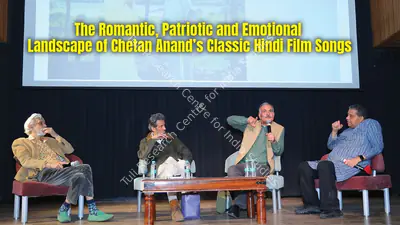
- ArchivedOffline-Online EventProject 80A Musical Glue for Nation-BuildingDeconstructing the Film Song23rd July - 22nd August 2026Ketan Anand | Ravikant | Pavan Jha | Madan Gopal Singh | Amit Khanna | Juhi Saklani | Antara Mondal | Shikha Jhingan | Neville TuliA key section of the India Studies framework at The Tuli Research Centre for India Studies (T.R.I.S.) is “Deconstructing the Film Song”. It began with a series of four workshops during our Self-Discovery via Rediscovering India Festival Series that brought together leading scholars & academics, film practitioners & students, along with fans of the Hindi film song. The objective of these workshops was to deconstruct iconic Hindi film songs to examine their formation across music, lyrics, playback, choreography, directorial visualisation, as they fuse into sites where aesthetics, ideology, and performance intersect, so as to help clarify the nature of India and her relationship to the film song. The Hindi Film Song functions as a narrative device, conveying myriad textures of emotion through melody, voice and poetry. As cultural texts that encode memory, desire, and ideology, songs are integral to the circulation and resonance of films in the public realm. Over time they have become autonomous bundles of creative energy - the glue that binds us over time, articulating and perhaps even defining the idea of Indianness. These first Workshops were an attempt to understand the nature and power of this glue, while contemplating the ways to situate it within TRIS' academic framework for Contemporary India Studies.Read More →

Related
11
Personalities
10