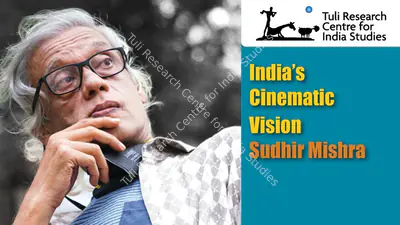
Abrar Alvi
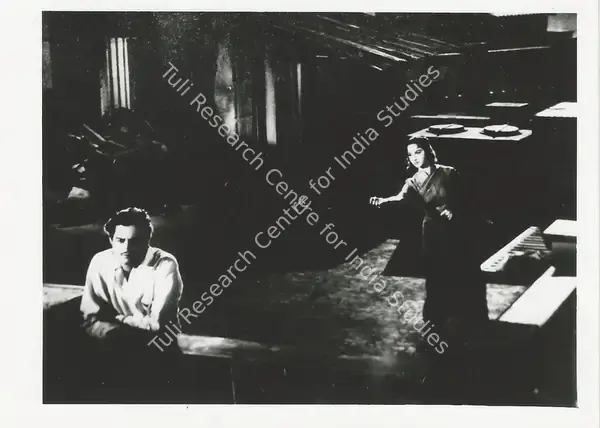
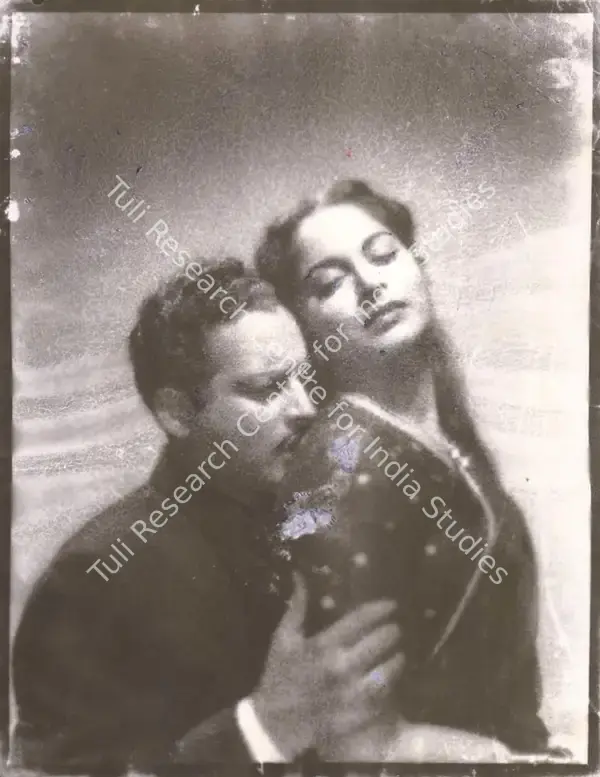
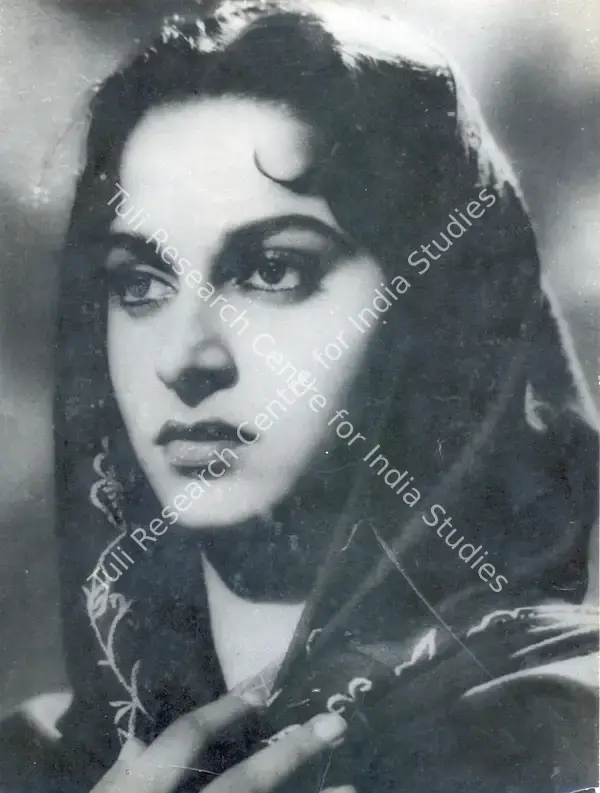
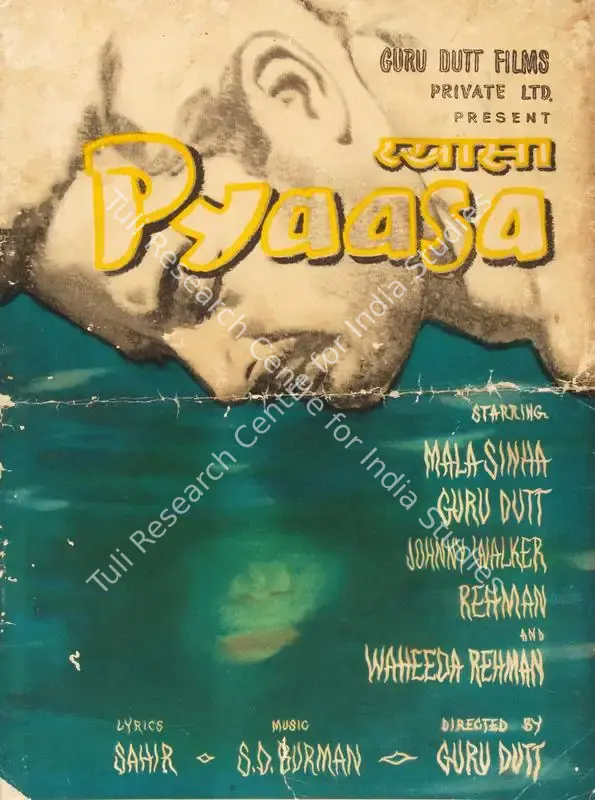
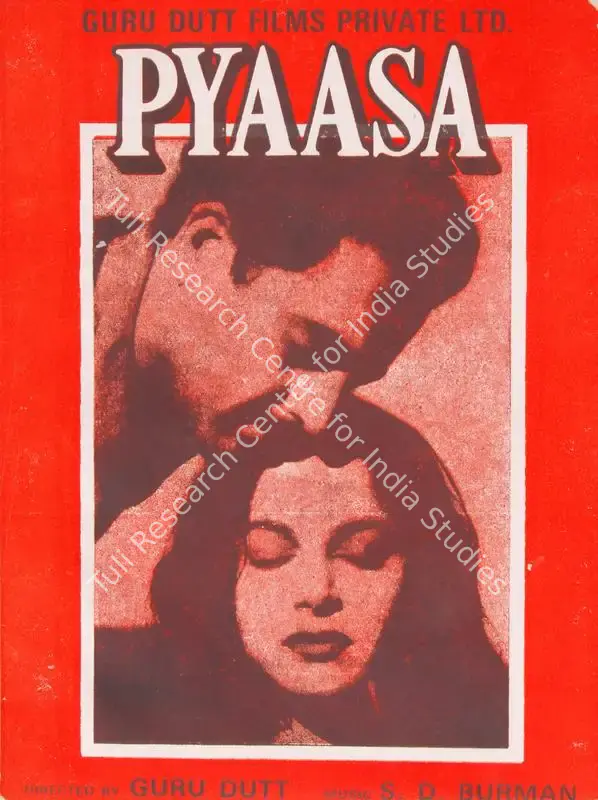
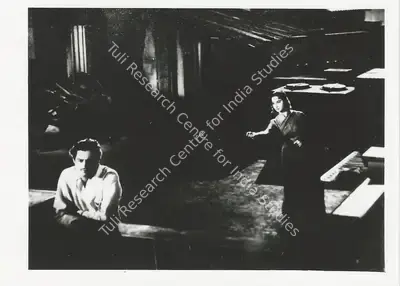
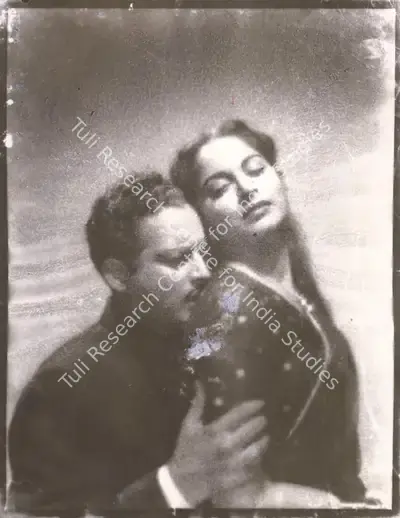
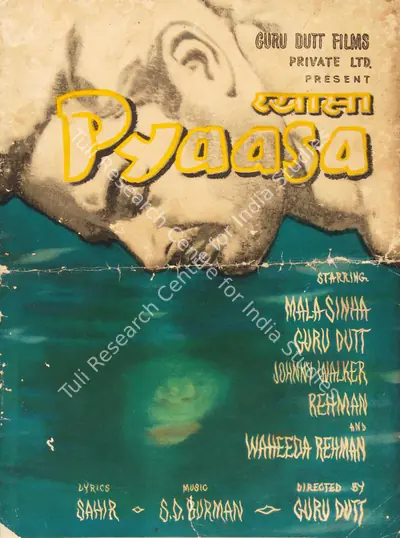
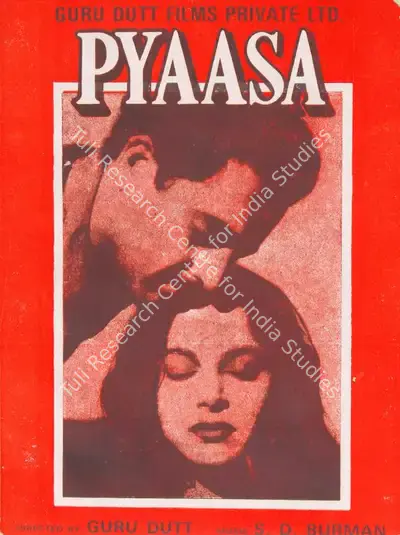
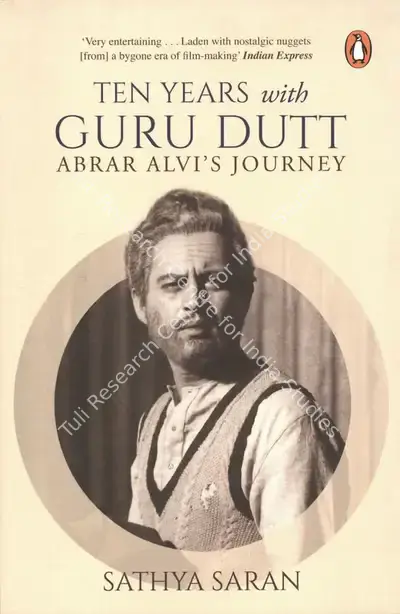
Abrar Alvi (1 July 1927 – 18 November 2009) He is one of the most influential figures in the history of Hindi cinema. Celebrated as a screenwriter, director, dialogue writer, and occasional actor, Alvi played a defining role in shaping the artistic and narrative sensibilities of Indian filmmaking during the 1950s and 1960s. His enduring creative partnership with Guru Dutt produced some of the most critically acclaimed films in Indian cinematic history, including Pyaasa (1957), Kaagaz Ke Phool (1959), and Sahib Bibi Aur Ghulam (1962). Among these, Pyaasa (1957) achieved international recognition and was included in Time magazine's list of the “All-Time 100 Movies,” selected by critics Richard Corliss and Richard Schickel.
Born in Ayodhya, Alvi spent much of his childhood moving across several Indian cities, including Akola, Hoshangabad, Jabalpur, and Khamgaon, owing to his father's transferable professional career. The family eventually settled in Nagpur, where Alvi pursued higher education. Although his father hoped he would enter the legal profession, Alvi gravitated toward literature, theatre, and performance. During his college years, he actively participated in debates and theatrical productions, developing early skills in writing and directing. A formative romantic relationship during this period, marked by his eloquent and expressive letters to a fellow student, later inspired his confidence as a writer and storyteller.
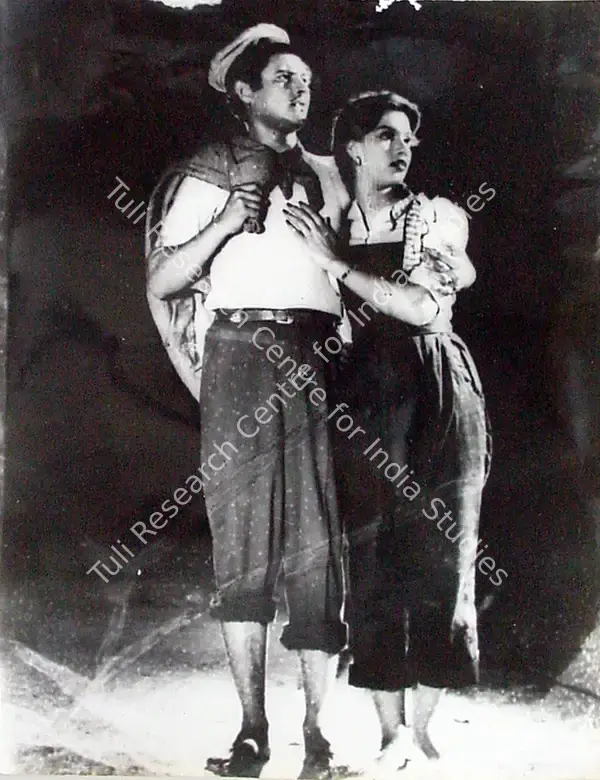
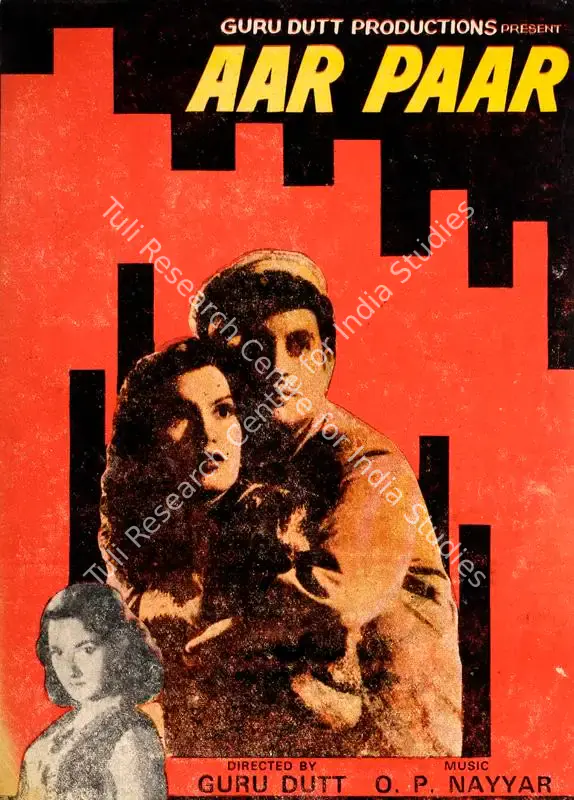
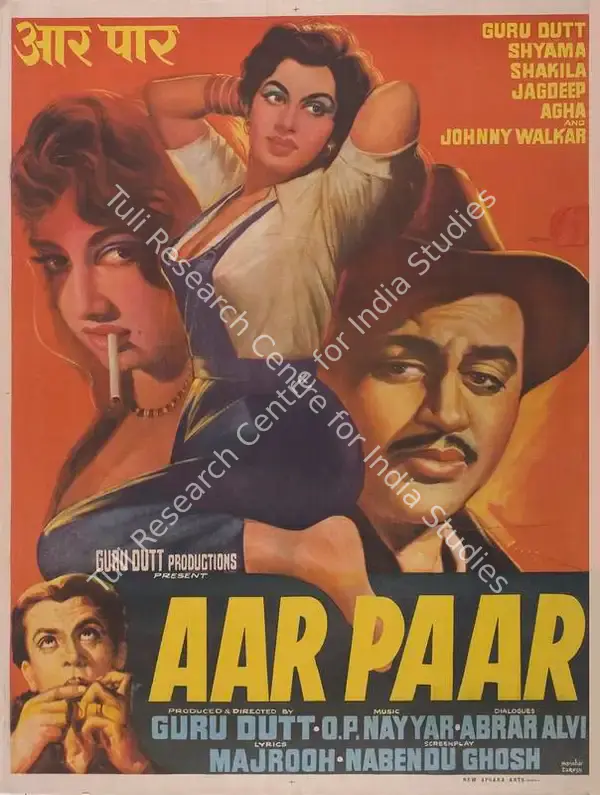
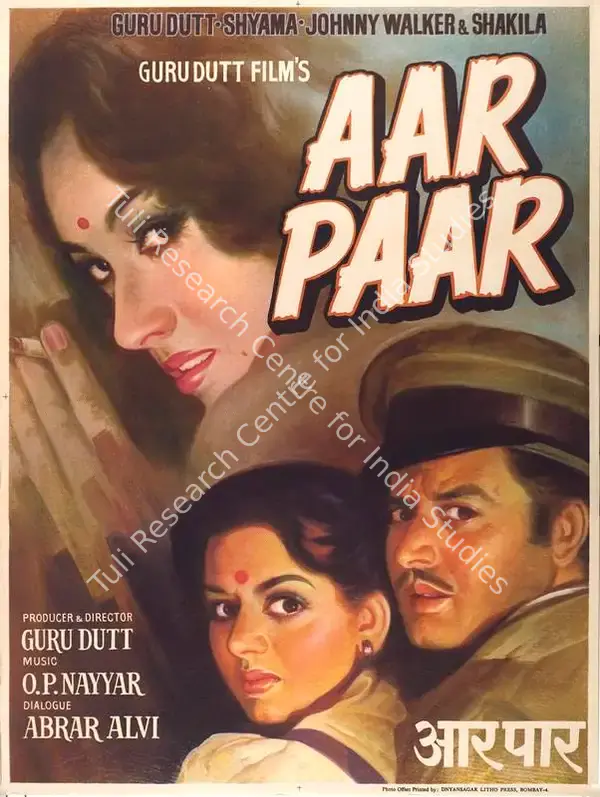
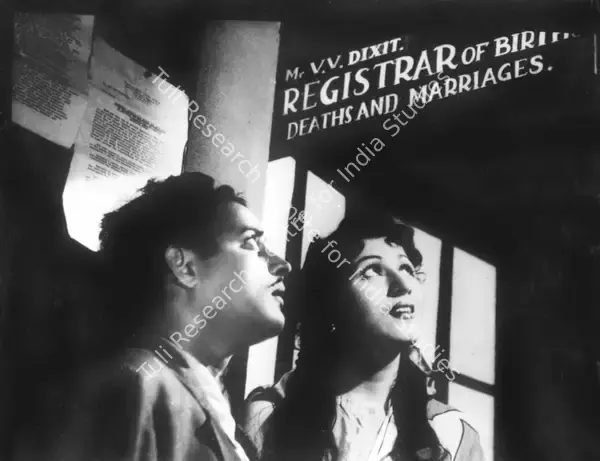
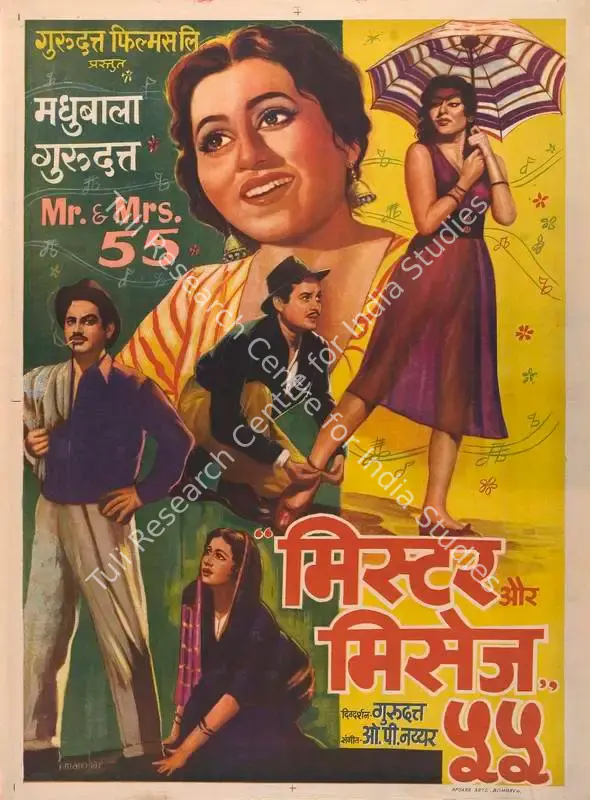
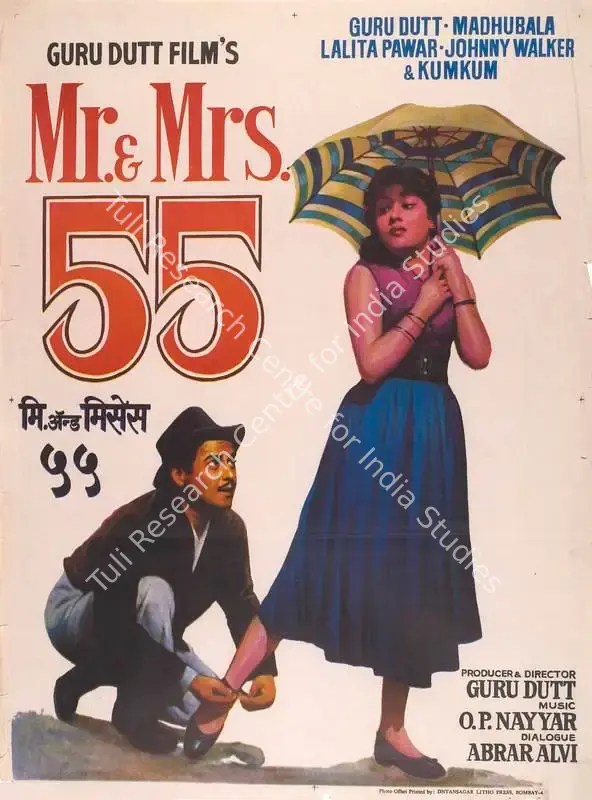
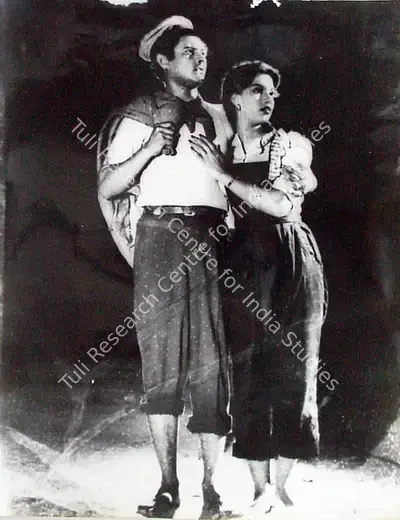
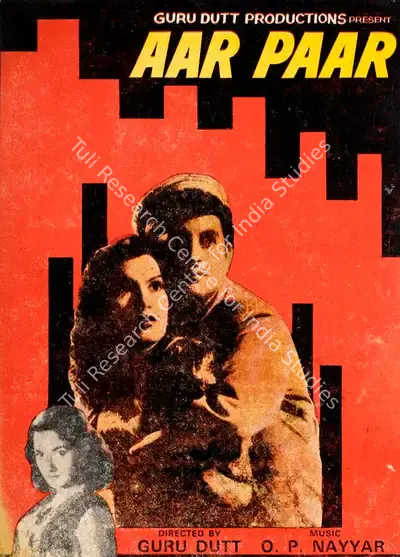
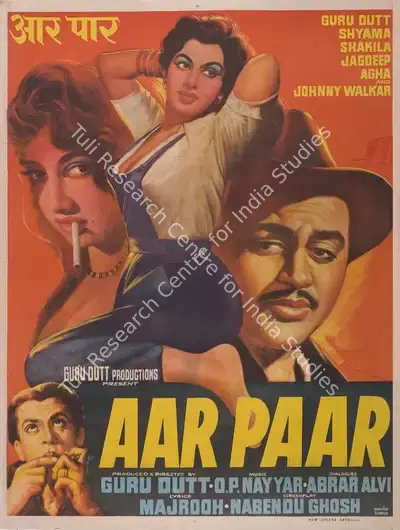
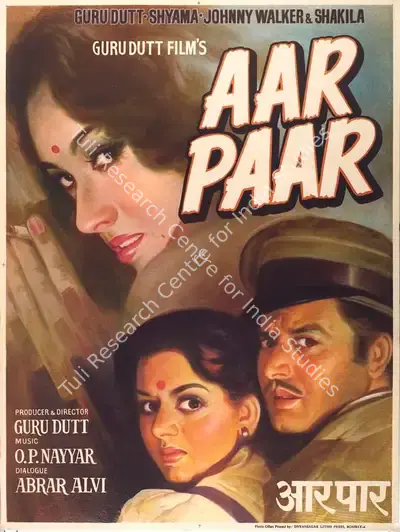
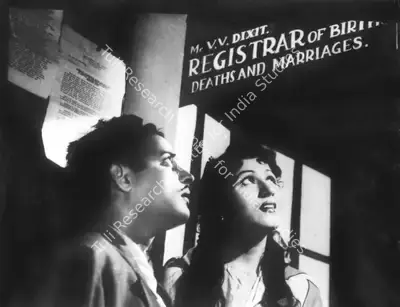
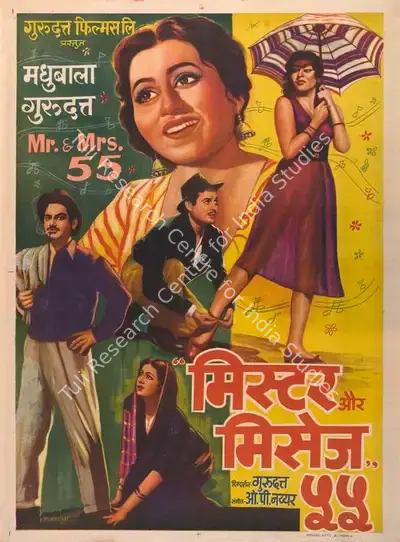
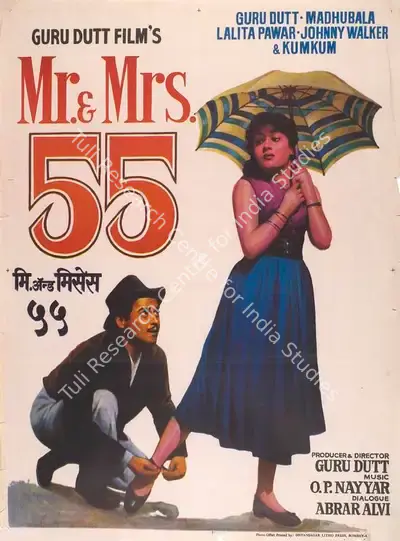
Alvi's entry into the Bombay film industry occurred through a chance encounter on the sets of Baaz (1953). While visiting his cousin, actor Jaswant, Alvi informally critiqued a problematic scene, drawing the attention of Guru Dutt. Impressed by his understanding of dialogue and dramatic construction, Dutt invited him to write for Aar-Paar (1954). The collaboration proved transformative, initiating one of the most celebrated creative partnerships in Indian cinema. Alvi subsequently contributed to landmark films such as Mr. & Mrs. '55 (1955), Pyaasa (1957), Kaagaz Ke Phool (1959), and Chaudhvin Ka Chand (1960).
Alvi's writing revolutionized Hindi film dialogue by introducing a naturalistic idiom that reflected the speech patterns of ordinary people rather than theatrical convention. His scripts combined emotional depth with social realism, contributing significantly to the poetic and humanistic tone associated with Guru Dutt's cinema. In addition to screenwriting, Alvi occasionally appeared as an actor in films such as 12 O'Clock (1958).
His directorial debut, Sahib Bibi Aur Ghulam (1962), is widely regarded as a masterpiece of Indian cinema. The film earned him the Filmfare Award for Best Director and the President's Silver Medal for Best Feature Film in Hindi. Following Guru Dutt's death, Alvi continued working across mainstream Hindi cinema, contributing screenplays and dialogues to commercially successful films such as Professor (1962), Baharen Phir Bhi Aayengi (1966), Suraj (1966), Chhoti Si Mulaqat (1967), Sunghursh (1968), Saathi (1968), and Memsaab (1971). He later collaborated with Rajesh Khanna on Janta Hawaldar (1979) and Begunaah (1991).
Alvi's influence extended beyond his own career through his connections to prominent figures in Indian cinema, including his niece Yogeeta Bali and nephew-in-law Mithun Chakraborty. He was also the maternal uncle of theatre director Salim Arif.
Abrar Alvi died in Mumbai on 18 November 2009 at the age of 82 following complications related to a stomach ailment. His legacy endures through a body of work that transformed cinematic dialogue, enriched narrative realism, and elevated Hindi cinema to international artistic recognition.
Born in Ayodhya, Alvi spent much of his childhood moving across several Indian cities, including Akola, Hoshangabad, Jabalpur, and Khamgaon, owing to his father's transferable professional career. The family eventually settled in Nagpur, where Alvi pursued higher education. Although his father hoped he would enter the legal profession, Alvi gravitated toward literature, theatre, and performance. During his college years, he actively participated in debates and theatrical productions, developing early skills in writing and directing. A formative romantic relationship during this period, marked by his eloquent and expressive letters to a fellow student, later inspired his confidence as a writer and storyteller.
Alvi's entry into the Bombay film industry occurred through a chance encounter on the sets of Baaz (1953). While visiting his cousin, actor Jaswant, Alvi informally critiqued a problematic scene, drawing the attention of Guru Dutt. Impressed by his understanding of dialogue and dramatic construction, Dutt invited him to write for Aar-Paar (1954). The collaboration proved transformative, initiating one of the most celebrated creative partnerships in Indian cinema. Alvi subsequently contributed to landmark films such as Mr. & Mrs. '55 (1955), Pyaasa (1957), Kaagaz Ke Phool (1959), and Chaudhvin Ka Chand (1960).
Alvi's writing revolutionized Hindi film dialogue by introducing a naturalistic idiom that reflected the speech patterns of ordinary people rather than theatrical convention. His scripts combined emotional depth with social realism, contributing significantly to the poetic and humanistic tone associated with Guru Dutt's cinema. In addition to screenwriting, Alvi occasionally appeared as an actor in films such as 12 O'Clock (1958).
His directorial debut, Sahib Bibi Aur Ghulam (1962), is widely regarded as a masterpiece of Indian cinema. The film earned him the Filmfare Award for Best Director and the President's Silver Medal for Best Feature Film in Hindi. Following Guru Dutt's death, Alvi continued working across mainstream Hindi cinema, contributing screenplays and dialogues to commercially successful films such as Professor (1962), Baharen Phir Bhi Aayengi (1966), Suraj (1966), Chhoti Si Mulaqat (1967), Sunghursh (1968), Saathi (1968), and Memsaab (1971). He later collaborated with Rajesh Khanna on Janta Hawaldar (1979) and Begunaah (1991).
Alvi's influence extended beyond his own career through his connections to prominent figures in Indian cinema, including his niece Yogeeta Bali and nephew-in-law Mithun Chakraborty. He was also the maternal uncle of theatre director Salim Arif.
Abrar Alvi died in Mumbai on 18 November 2009 at the age of 82 following complications related to a stomach ailment. His legacy endures through a body of work that transformed cinematic dialogue, enriched narrative realism, and elevated Hindi cinema to international artistic recognition.
The whole holding
Research Centre
20 of 156
20 of 152