TRIS logo image
Search275,000+ actors, artists, objects, artworks, films, exhibitions, archives

EN

EN

English

HI

Hindi

EN

EN

English

HI

Hindi

Tuli Research Centre for India Studies

Tuli Research Centre for India Studies

Vision

Manifesto

Archive & Library

Vanraja Sanctuary & Hospice

Home

Research Categories

Browse All

ICore

1_CinemaEducation_Cinema as a Critical Educational Resource

2_FineArts_Modern and Contemporary Indian Fine Arts

3_Photography_Photography in India

4_PopCulture_The Printed Image, Popular Arts, and Crafts

IIMaterial

5_ArcHeritage_India's Architectural Heritage as Inspiration

6_EconomicsArt_Economics of Art & Cultural Industry

7_Travel_Automobile, Transport and Travel Heritage

8_Uncertainty_Uncertainty

IIICritical

9_SocialDuty_Social Responsibility of the Creative Mind

10_Childhood_The Changing Smile of Childhood & Its Second Coming

11_Sensuality_The Sensual Discipline within Creativity

12_Scholarship_The History & Historiography of Scholarship in the Arts, Humanities, and Social Sciences

IVMeaningful

13_SeekJustice_Seeking Justice and Political Integrity

14_IndoWorld_India and her Relationship with the World

15_SpiritualPoetics_The Religious-Spiritual-Poetic-Philosophical Framework

16_Continuum_The Animal-Human-Nature Continuum

Explore

All

Posts

Masterlists

Calendar

Live | Upcoming

All Events

Timetable

Search275,000+ actors, artists, objects, artworks, films, exhibitions, archives

EN

EN

English

HI

Hindi

Home/Abrar Alvi

Abrar Alvi

Abrar Alvi (1 July 1927 – 18 November 2009) He is one of the most influential figures in the history of Hindi cinema. Celebrated as a screenwriter, director, dialogue writer, and occasional actor, Alvi played a defining role in shaping the artistic and narrative sensibilities of Indian filmmaking during the 1950s and 1960s. His enduring creative partnership with Guru Dutt produced some of the most critically acclaimed films in Indian cinematic history, including Pyaasa (1957), Kaagaz Ke Phool (1959), and Sahib Bibi Aur Ghulam (1962). Among these, Pyaasa (1957) achieved international recognition and was included in Time magazine's list of the “All-Time 100 Movies,” selected by critics Richard Corliss and Richard Schickel.

Born in Ayodhya, Alvi spent much of his childhood moving across several Indian cities, including Akola, Hoshangabad, Jabalpur, and Khamgaon, owing to his father's transferable professional career. The family eventually settled in Nagpur, where Alvi pursued higher education. Although his father hoped he would enter the legal profession, Alvi gravitated toward literature, theatre, and performance. During his college years, he actively participated in debates and theatrical productions, developing early skills in writing and directing. A formative romantic relationship during this period, marked by his eloquent and expressive letters to a fellow student, later inspired his confidence as a writer and storyteller.

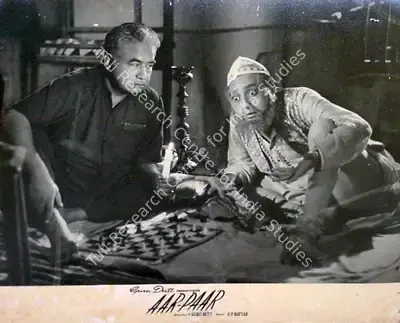
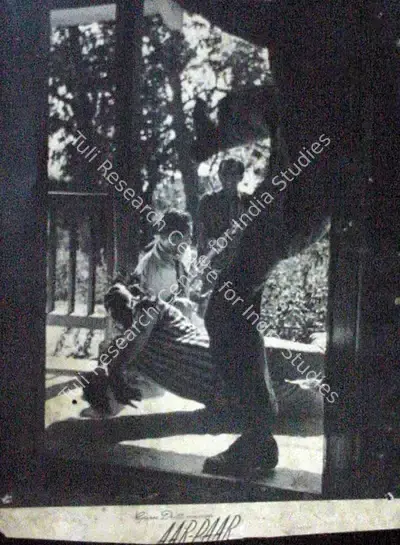
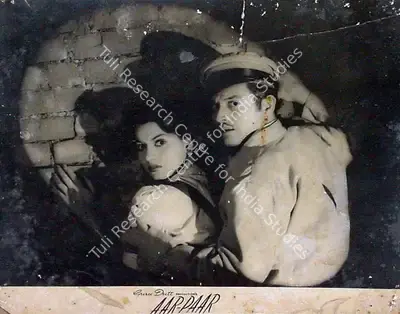
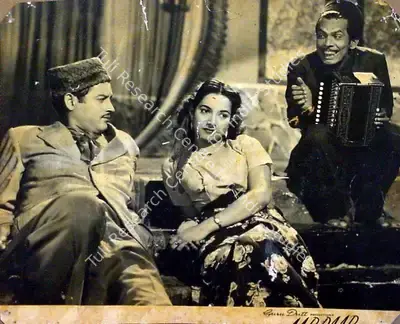
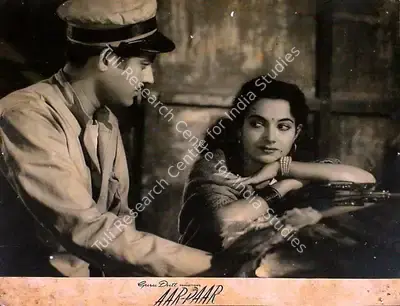
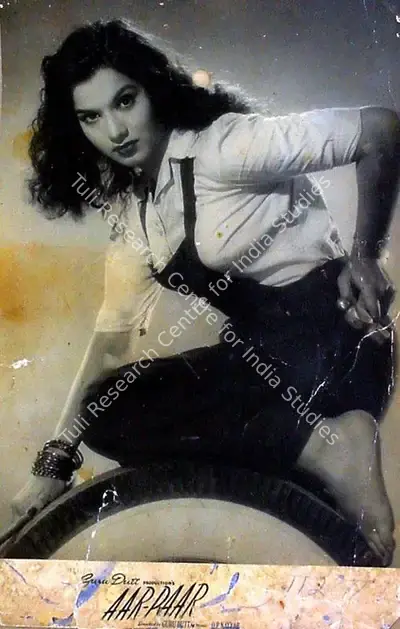
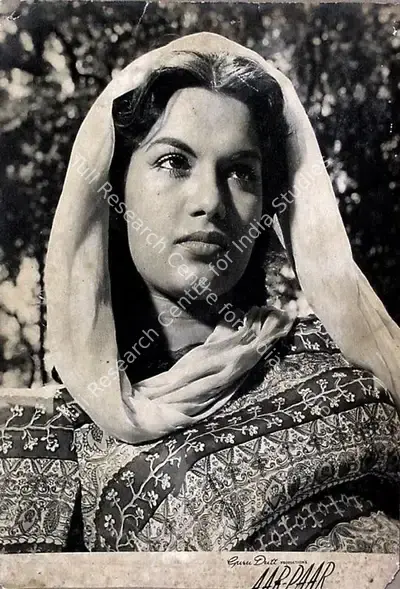
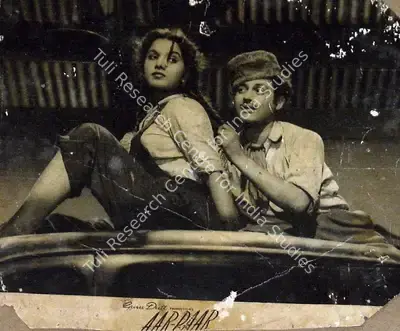
Alvi's entry into the Bombay film industry occurred through a chance encounter on the sets of Baaz (1953). While visiting his cousin, actor Jaswant, Alvi informally critiqued a problematic scene, drawing the attention of Guru Dutt. Impressed by his understanding of dialogue and dramatic construction, Dutt invited him to write for Aar-Paar (1954). The collaboration proved transformative, initiating one of the most celebrated creative partnerships in Indian cinema. Alvi subsequently contributed to landmark films such as Mr. & Mrs. '55 (1955), Pyaasa (1957), Kaagaz Ke Phool (1959), and Chaudhvin Ka Chand (1960).

Alvi's writing revolutionized Hindi film dialogue by introducing a naturalistic idiom that reflected the speech patterns of ordinary people rather than theatrical convention. His scripts combined emotional depth with social realism, contributing significantly to the poetic and humanistic tone associated with Guru Dutt's cinema. In addition to screenwriting, Alvi occasionally appeared as an actor in films such as 12 O'Clock (1958).

His directorial debut, Sahib Bibi Aur Ghulam (1962), is widely regarded as a masterpiece of Indian cinema. The film earned him the Filmfare Award for Best Director and the President's Silver Medal for Best Feature Film in Hindi. Following Guru Dutt's death, Alvi continued working across mainstream Hindi cinema, contributing screenplays and dialogues to commercially successful films such as Professor (1962), Baharen Phir Bhi Aayengi (1966), Suraj (1966), Chhoti Si Mulaqat (1967), Sunghursh (1968), Saathi (1968), and Memsaab (1971). He later collaborated with Rajesh Khanna on Janta Hawaldar (1979) and Begunaah (1991).

Alvi's influence extended beyond his own career through his connections to prominent figures in Indian cinema, including his niece Yogeeta Bali and nephew-in-law Mithun Chakraborty. He was also the maternal uncle of theatre director Salim Arif.

Abrar Alvi died in Mumbai on 18 November 2009 at the age of 82 following complications related to a stomach ailment. His legacy endures through a body of work that transformed cinematic dialogue, enriched narrative realism, and elevated Hindi cinema to international artistic recognition.

अबरार अल्वी (1 जुलाई 1927 – 18 नवंबर 2009) हिंदी सिनेमा के इतिहास में सबसे प्रभावशाली हस्तियों में से एक हैं। पटकथा लेखक, निर्देशक, संवाद लेखक और कभी-कभार अभिनेता के रूप में विख्यात अल्वी ने 1950 और 1960 के दशक के दौरान भारतीय फ़िल्म निर्माण की कलात्मक और कथात्मक शैली को आकार देने में महत्वपूर्ण भूमिका निभाई। गुरु दत्त के साथ उनकी अटूट रचनात्मक साझेदारी ने भारतीय सिनेमा के इतिहास में कुछ सबसे प्रशंसित फ़िल्मों का निर्माण किया, जिनमें प्यासा (1957), कागज़ के फूल (1959) और साहिब बीबी और ग़ुलाम (1962) शामिल हैं। इनमें से, प्यासा (1957) को अंतरराष्ट्रीय ख्याति प्राप्त हुई और इसे टाइम पत्रिका की " ऑल-टाइम 100 मूवीज़" की सूची में शामिल किया गया, जिसका चयन समीक्षकों रिचर्ड कोरलिस और रिचर्ड शिकेल ने किया था।
अयोध्या में जन्मे अल्वी ने अपने पिता के तबादला होने वाला पेशे के कारण अपना अधिकांश बचपन अकोला, होशंगाबाद, जबलपुर और खामगाँव सहित कई भारतीय शहरों में बिताया। अंततः परिवार नागपुर में बस गया, जहाँ अल्वी ने उच्च शिक्षा प्राप्त की। हालाँकि उनके पिता चाहते थे कि वे वकालत करें लेकिन अल्वी का झुकाव साहित्य, रंगमंच और प्रदर्शन की ओर था। कॉलेज़ के दिनों में, उन्होंने वाद-विवाद और नाट्य प्रस्तुतियों में सक्रिय रूप से भाग लिया, जिससे लेखन और निर्देशन में उनकी कुशलता विकसित हुई। इसी दौरान एक सहपाठी को लिखे गए उनके प्रभावशाली और भावपूर्ण पत्रों ने आगे चलकर एक लेखक और कथाकार के रूप में उनके आत्मविश्वास को गहराई से प्रेरित किया।
अल्वी का बॉम्बे फ़िल्म उद्योग में प्रवेश बाज़ (1953) के सेट पर अपने चचेरे भाई अभिनेता जसवंत से एक आकस्मिक मुलाकात के माध्यम से हुआ। अल्वी ने अनौपचारिक रूप से एक कमजोर दृश्य की आलोचना की, जिससे गुरु दत्त का ध्यान आकर्षित हुआ। संवाद और नाटकीय संरचना की उनकी समझ से प्रभावित होकर, दत्त ने उन्हें फ़िल्म आर-पार (1954) को लिखने के लिए आमंत्रित किया। यह सहयोग क्रांतिकारी साबित हुआ और भारतीय सिनेमा में सबसे प्रसिद्ध रचनात्मक साझेदारियों में से एक की शुरुआत हुई। अल्वी ने बाद में मिस्टर एंड मिसेज़ '55 (1955), प्यासा (1957), कागज़ के फूल (1959) और चौदहवीं का चांद (1960) जैसी ऐतिहासिक फ़िल्मों में योगदान दिया।
अल्वी के लेखन ने हिंदी फ़िल्म संवादों में एक क्रांतिकारी बदलाव लाया। उन्होंने एक ऐसी स्वाभाविक शैली को अपनाया जो नाटकीय परंपराओं के बजाय आम लोगों के बोलने के तरीके को दर्शाती थी। उनकी पटकथाओं में भावनात्मक गहराई और सामाजिक यथार्थवाद का अद्भुत मेल था, जिसने गुरु दत्त की फ़िल्मों से जुड़े काव्यात्मक और मानवतावादी लहजे में महत्वपूर्ण योगदान दिया। पटकथा लेखन के अतिरिक्त, अलवी ने समय-समय पर अभिनय भी किया। वे 12 ओ'क्लॉक (1958) जैसी फ़िल्मों में अभिनेता के रूप में भी दिखाई दिए।
उनकी पहली निर्देशित फ़िल्म, साहिब बीबी और ग़ुलाम (1962), को भारतीय सिनेमा की उत्कृष्ट फ़िल्मी कृति माना जाता है। इस फ़िल्म के लिए उन्हें सर्वश्रेष्ठ निर्देशक का फ़िल्मफ़ेयर पुरस्कार और हिंदी में सर्वश्रेष्ठ फ़ीचर फ़िल्म के लिए राष्ट्रपति का रजत पदक मिला। गुरु दत्त के निधन के बाद, अल्वी ने मुख्यधारा के हिंदी सिनेमा में काम करना जारी रखा और प्रोफ़ेसर (1962), बहारें फ़िर भी आएंगी (1966), सूरज (1966), छोटी सी मुलाकात (1967), संघर्ष (1968), साथी (1968) और मेमसाब (1971) जैसी व्यावसायिक रूप से सफल फ़िल्मों के लिए पटकथा और संवाद लिखे। बाद में उन्होंने राजेश खन्ना के साथ जनता हवलदार (1979) और बेगुनाह (1991) में सहयोग किया।
अल्वी का प्रभाव उनके अपने करियर से कहीं आगे तक फैला हुआ था, क्योंकि उनके भारतीय सिनेमा की प्रमुख हस्तियों से गहरे संबंध थे, जिनमें उनकी भतीजी योगिता बाली और दामाद मिथुन चक्रवर्ती शामिल थे। वे रंगमंच निर्देशक सलीम आरिफ़ के मामा भी थे।
अबरार अल्वी का निधन 18 नवंबर 2009 को मुंबई में 82 वर्ष की आयु में पेट की बीमारी से संबंधित जटिलताओं के कारण हो गया। उनकी विरासत उनके द्वारा किए गए फ़िल्म और लेखन संबंधी कार्यों के माध्यम से अमर है, जिन्होंने सिनेमाई संवाद को रूपांतरित किया, कथात्मक यथार्थवाद को समृद्ध किया और हिंदी सिनेमा को अंतर्राष्ट्रीय कलात्मक पहचान दिलाई।
The whole holding
Scroll→

Research Centre

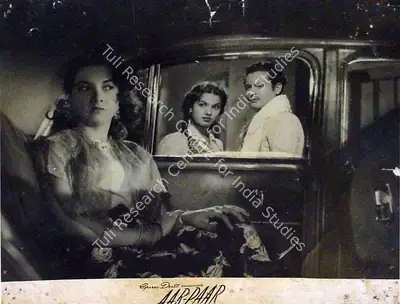
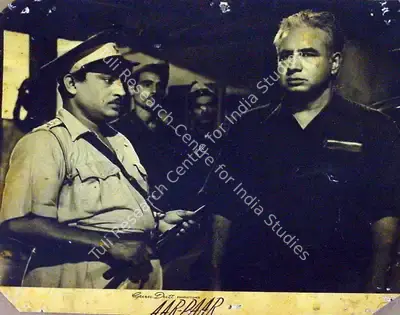
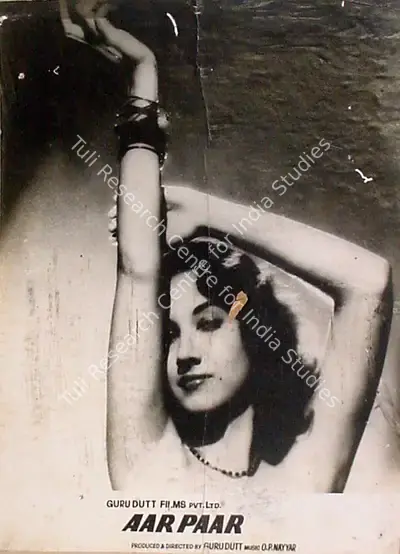
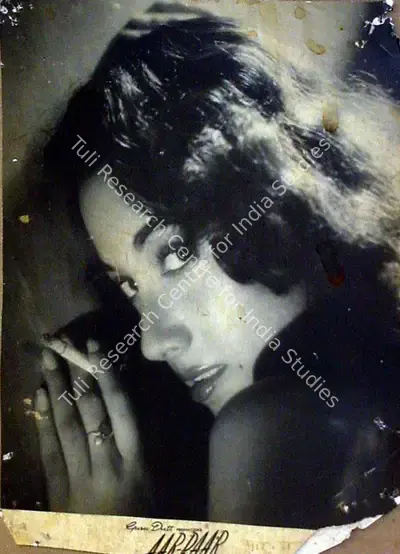
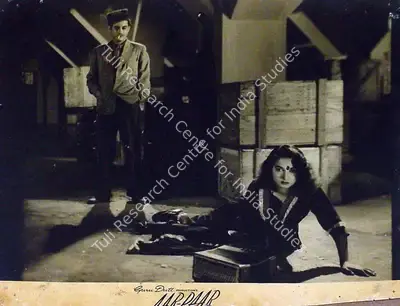
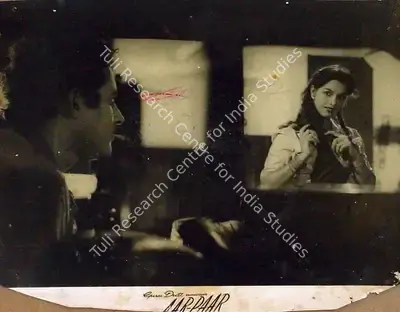
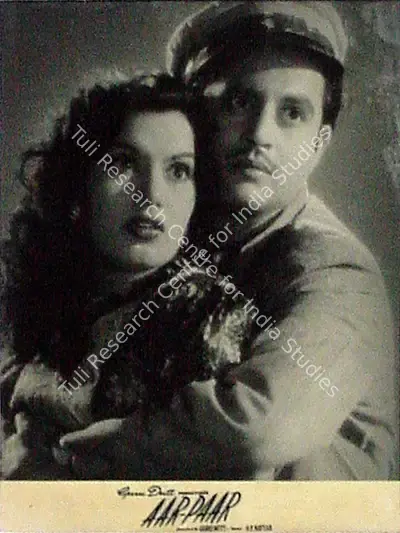
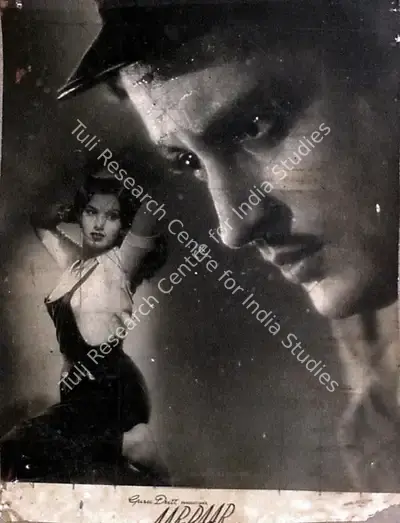
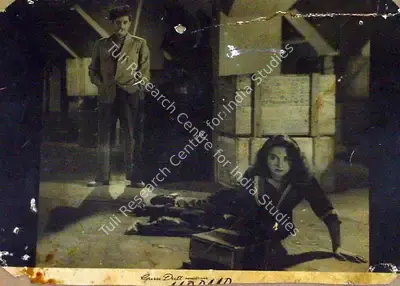
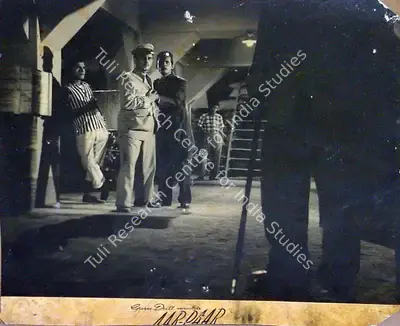
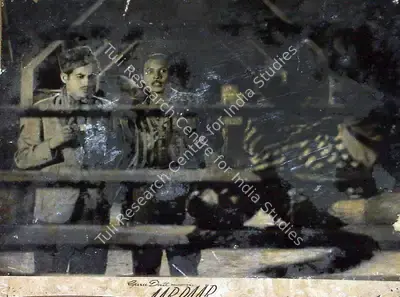
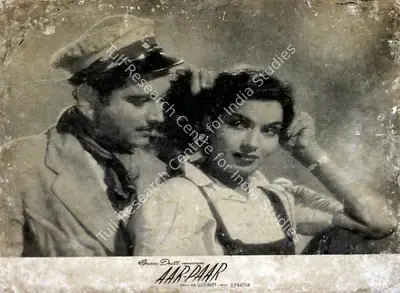
V.K. Murthy (Cinematographer), Aar Paar, 1954, Lobby Card
Murthy, V.K. (Cinematographer), Aar Paar, 1954 | Lobby Card
View full record
V.K. Murthy (Cinematographer), Aar Paar, 1954, Lobby Card
Murthy, V.K. (Cinematographer), Aar Paar, 1954 | Lobby Card
View full record
V.K. Murthy (Cinematographer), Aar Paar, 1954, Lobby Card
Murthy, V.K. (Cinematographer), Aar Paar, 1954 | Lobby Card
View full record
V.K. Murthy (Cinematographer), Aar Paar, 1954, Lobby Card
Murthy, V.K. (Cinematographer), Aar Paar, 1954 | Lobby Card
View full record
V.K. Murthy (Cinematographer), Aar Paar, 1954, Lobby Card
Murthy, V.K. (Cinematographer), Aar Paar, 1954 | Lobby Card
View full record
V.K. Murthy (Cinematographer), Aar Paar, 1954, Lobby Card
Murthy, V.K. (Cinematographer), Aar Paar, 1954 | Lobby Card
View full record
V.K. Murthy (Cinematographer), Aar Paar, 1954, Lobby Card
Murthy, V.K. (Cinematographer), Aar Paar, 1954 | Lobby Card
View full record
V.K. Murthy (Cinematographer), Aar Paar, 1954, Lobby Card
Murthy, V.K. (Cinematographer), Aar Paar, 1954 | Lobby Card
View full record
V.K. Murthy (Cinematographer), Aar Paar, 1954, Lobby Card
Murthy, V.K. (Cinematographer), Aar Paar, 1954 | Lobby Card
View full record
V.K. Murthy (Cinematographer), Aar Paar, 1954, Lobby Card
Murthy, V.K. (Cinematographer), Aar Paar, 1954 | Lobby Card
View full record
V.K. Murthy (Cinematographer), Aar Paar, 1954, Lobby Card
Murthy, V.K. (Cinematographer), Aar Paar, 1954 | Lobby Card
View full record
V.K. Murthy (Cinematographer), Aar Paar, 1954, Lobby Card
Murthy, V.K. (Cinematographer), Aar Paar, 1954 | Lobby Card
View full record
V.K. Murthy (Cinematographer), Aar Paar, 1954, Lobby Card
Murthy, V.K. (Cinematographer), Aar Paar, 1954 | Lobby Card
View full record
V.K. Murthy (Cinematographer), Aar Paar, 1954, Lobby Card
Murthy, V.K. (Cinematographer), Aar Paar, 1954 | Lobby Card
View full record
V.K. Murthy (Cinematographer), Aar Paar, 1954, Lobby Card
Murthy, V.K. (Cinematographer), Aar Paar, 1954 | Lobby Card
View full record
V.K. Murthy (Cinematographer), Aar Paar, 1954, Lobby Card
Murthy, V.K. (Cinematographer), Aar Paar, 1954 | Lobby Card
View full record
V.K. Murthy (Cinematographer), Aar Paar, 1954, Lobby Card
Murthy, V.K. (Cinematographer), Aar Paar, 1954 | Lobby Card
View full record
V.K. Murthy (Cinematographer), Aar Paar, 1954, Lobby Card
Murthy, V.K. (Cinematographer), Aar Paar, 1954 | Lobby Card
View full record
V.K. Murthy (Cinematographer), Aar Paar, 1954, Lobby Card
Murthy, V.K. (Cinematographer), Aar Paar, 1954 | Lobby Card
View full record
V.K. Murthy (Cinematographer), Aar Paar, 1954, Lobby Card
Murthy, V.K. (Cinematographer), Aar Paar, 1954 | Lobby Card
View full record
20 of 370
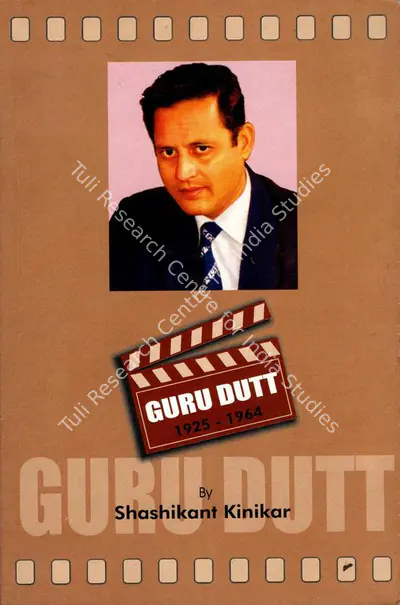
Shashikant Kinikar (Author), Guru Dutt, 1964, Authored Book
Kinikar, Shashikant (Author). Guru Dutt, 1964 | Authored Book | 00168093
View full record
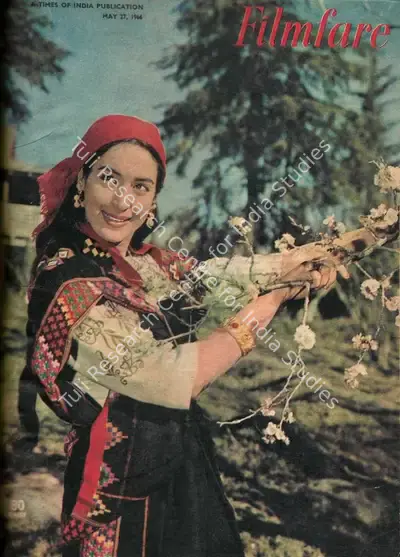
B.K. Karanjia (Editor), Filmfare, 1966, Magazine
Karanjia, B.K. (Editor). Filmfare, 27 May 1966 | Magazine | 00793332
View full record
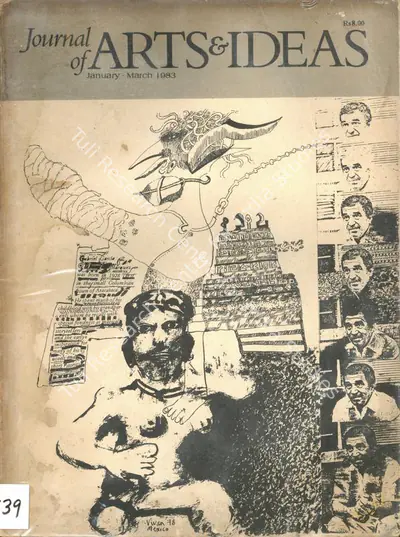
G.P. Deshpande (Editor), Journal of Arts & Ideas, 1983, Journal
Deshpande, G.P. (Editor) and Romi Khosla (Managing Editor & Treasurer). Journal of Arts & Ideas, January-March 1983 | Journal | 00842137
View full record
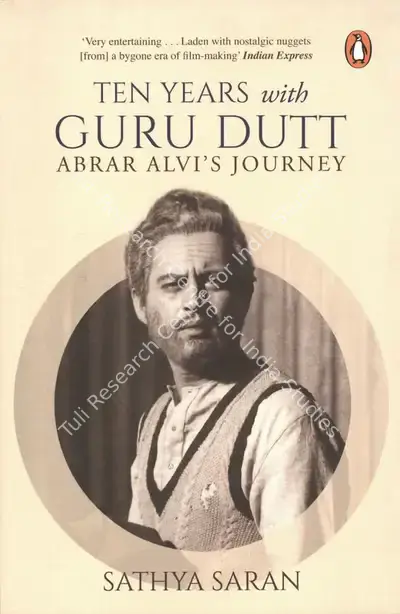
Sathya Saran (Author), Ten Years with Guru Dutt, 2008, Authored Book
Saran, Sathya (Author). Ten Years with Guru Dutt, 2011 | Authored Book | 00168098
View full record
V.K. Murthy (Cinematographer), Aar Paar, 1954, Lobby Card
Murthy, V.K. (Cinematographer), Aar Paar, 1954 | Lobby Card
View full record
V.K. Murthy (Cinematographer), Aar Paar, 1954, Lobby Card
Murthy, V.K. (Cinematographer), Aar Paar, 1954 | Lobby Card
View full record
V.K. Murthy (Cinematographer), Aar Paar, 1954, Lobby Card
Murthy, V.K. (Cinematographer), Aar Paar, 1954 | Lobby Card
View full record
V.K. Murthy (Cinematographer), Aar Paar, 1954, Lobby Card
Murthy, V.K. (Cinematographer), Aar Paar, 1954 | Lobby Card
View full record
V.K. Murthy (Cinematographer), Aar Paar, 1954, Lobby Card
Murthy, V.K. (Cinematographer), Aar Paar, 1954 | Lobby Card
View full record
V.K. Murthy (Cinematographer), Aar Paar, 1954, Lobby Card
Murthy, V.K. (Cinematographer), Aar Paar, 1954 | Lobby Card
View full record
V.K. Murthy (Cinematographer), Aar Paar, 1954, Lobby Card
Murthy, V.K. (Cinematographer), Aar Paar, 1954 | Lobby Card
View full record
V.K. Murthy (Cinematographer), Aar Paar, 1954, Lobby Card
Murthy, V.K. (Cinematographer), Aar Paar, 1954 | Lobby Card
View full record
V.K. Murthy (Cinematographer), Aar Paar, 1954, Lobby Card
Murthy, V.K. (Cinematographer), Aar Paar, 1954 | Lobby Card
View full record
V.K. Murthy (Cinematographer), Aar Paar, 1954, Lobby Card
Murthy, V.K. (Cinematographer), Aar Paar, 1954 | Lobby Card
View full record
V.K. Murthy (Cinematographer), Aar Paar, 1954, Lobby Card
Murthy, V.K. (Cinematographer), Aar Paar, 1954 | Lobby Card
View full record
V.K. Murthy (Cinematographer), Aar Paar, 1954, Lobby Card
Murthy, V.K. (Cinematographer), Aar Paar, 1954 | Lobby Card
View full record
V.K. Murthy (Cinematographer), Aar Paar, 1954, Lobby Card
Murthy, V.K. (Cinematographer), Aar Paar, 1954 | Lobby Card
View full record
V.K. Murthy (Cinematographer), Aar Paar, 1954, Lobby Card
Murthy, V.K. (Cinematographer), Aar Paar, 1954 | Lobby Card
View full record
V.K. Murthy (Cinematographer), Aar Paar, 1954, Lobby Card
Murthy, V.K. (Cinematographer), Aar Paar, 1954 | Lobby Card
View full record
V.K. Murthy (Cinematographer), Aar Paar, 1954, Lobby Card
Murthy, V.K. (Cinematographer), Aar Paar, 1954 | Lobby Card
View full record
V.K. Murthy (Cinematographer), Aar Paar, 1954, Lobby Card
Murthy, V.K. (Cinematographer), Aar Paar, 1954 | Lobby Card
View full record
V.K. Murthy (Cinematographer), Aar Paar, 1954, Lobby Card
Murthy, V.K. (Cinematographer), Aar Paar, 1954 | Lobby Card
View full record
V.K. Murthy (Cinematographer), Aar Paar, 1954, Lobby Card
Murthy, V.K. (Cinematographer), Aar Paar, 1954 | Lobby Card
View full record
V.K. Murthy (Cinematographer), Aar Paar, 1954, Lobby Card
Murthy, V.K. (Cinematographer), Aar Paar, 1954 | Lobby Card
View full record
20 of 353
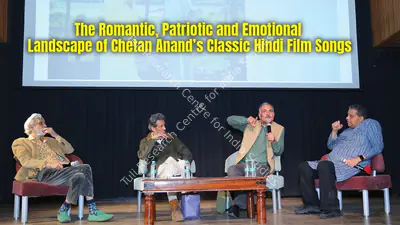
Tuli Research Centre for India Studies (Editor). The Romantic, Patriotic and Emotional Landscape of Chetan Anand’s Classic Hindi Film Songs, 21 July 2026 | In-house Video, 2026 · 1 hour 6 min · Long-form Video
▶
Tuli Research Centre for India Studies (Editor). The Romantic, Patriotic and Emotional Landscape of Chetan Anand’s Classic Hindi Film Songs, 21 July 2026 | In-house Video
2026 · 1 hour 6 min · Long-form Video
Tuli Research Centre for India Studies (Editor). The Idea of Artistic Integrity in Guru Dutt's Magnum Opus, 31 August 2026 | In-house Video, 2026 · 1 min 02 sec · Vertical Video
▶
Tuli Research Centre for India Studies (Editor). The Idea of Artistic Integrity in Guru Dutt's Magnum Opus, 31 August 2026 | In-house Video
2026 · 1 min 02 sec · Vertical Video
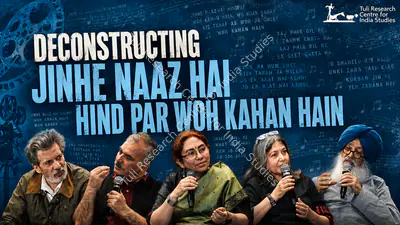
Tuli Research Centre for India Studies (Editor). Sahir' Ludhianvi's Question to the Nation in "Jinhe Naaz Hai Hind Par Woh Kahan Hain", 31 August 2026 | In-house Video, 2026 · 18 min 11 sec · Long-form Video
▶
Tuli Research Centre for India Studies (Editor). Sahir' Ludhianvi's Question to the Nation in "Jinhe Naaz Hai Hind Par Woh Kahan Hain", 31 August 2026 | In-house Video
2026 · 18 min 11 sec · Long-form Video
Tuli Research Centre for India Studies (Editor). Poetry, Music and Melancholy in Guru Dutt’s Film Songs, 31 August 2026 | In-house Video, 2026 · 1 min 07 sec · Vertical Video
▶
Tuli Research Centre for India Studies (Editor). Poetry, Music and Melancholy in Guru Dutt’s Film Songs, 31 August 2026 | In-house Video
2026 · 1 min 07 sec · Vertical Video
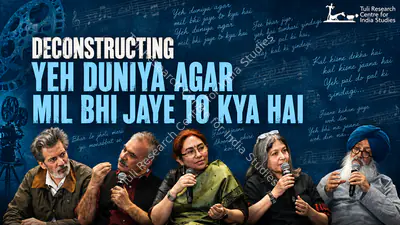
Tuli Research Centre for India Studies (Editor). "Yeh Duniya Agar Mil Bhi Jaye To Kya Hai" - The Poet's Disillusionment on Screen, 31 August 2026 | In-house Video, 2026 · 18 min 11 sec · Long-form Video
▶
Tuli Research Centre for India Studies (Editor). "Yeh Duniya Agar Mil Bhi Jaye To Kya Hai" - The Poet's Disillusionment on Screen, 31 August 2026 | In-house Video
2026 · 18 min 11 sec · Long-form Video
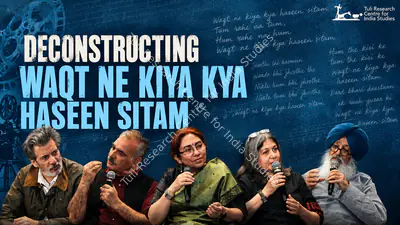
Tuli Research Centre for India Studies (Editor). "Waqt Ne Kiya Kya Haseen Sitam"- The Song Lata Mangeshkar Wished She Had Sung, 31 August 2026 | In-house Video, 2026 · 22 min 32 sec · Long-form Video
▶
Tuli Research Centre for India Studies (Editor). "Waqt Ne Kiya Kya Haseen Sitam"- The Song Lata Mangeshkar Wished She Had Sung, 31 August 2026 | In-house Video
2026 · 22 min 32 sec · Long-form Video
Tuli Research Centre for India Studies (Editor). "Jinhe Naaz Hai Hind Par Woh Kahan Hain" - The Anguish of the Nation, 31 August 2026 | In-house Video, 2026 · 1 min 27 sec · Vertical Video
▶
Tuli Research Centre for India Studies (Editor). "Jinhe Naaz Hai Hind Par Woh Kahan Hain" - The Anguish of the Nation, 31 August 2026 | In-house Video
2026 · 1 min 27 sec · Vertical Video
Tuli Research Centre for India Studies (Editor). "Waqt Ne Kiya Kya Haseen Sitam" - The Haunting Song of Guru Dutt’s Life, 31 August 2026 | In-house Video, 2026 · 55 sec · Vertical Video
▶
Tuli Research Centre for India Studies (Editor). "Waqt Ne Kiya Kya Haseen Sitam" - The Haunting Song of Guru Dutt’s Life, 31 August 2026 | In-house Video
2026 · 55 sec · Vertical Video
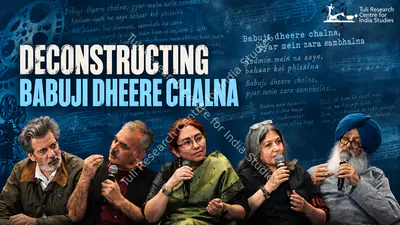
Tuli Research Centre for India Studies (Editor). "Babuji Dheere Chalna" - A Song of Playful Defiance, 31 August 2026 | In-house Video, 2026 · 1 min 02 sec · Vertical Video
▶
Tuli Research Centre for India Studies (Editor). "Babuji Dheere Chalna" - A Song of Playful Defiance, 31 August 2026 | In-house Video
2026 · 1 min 02 sec · Vertical Video
Tuli Research Centre for India Studies (Editor). "Babuji Dheere Chalna" - More Than Just a Club Song, 31 August 2026 | In-house Video, 2026 · 14 min 52 sec · Long-form Video
▶
Tuli Research Centre for India Studies (Editor). "Babuji Dheere Chalna" - More Than Just a Club Song, 31 August 2026 | In-house Video
2026 · 14 min 52 sec · Long-form Video
Tuli Research Centre for India Studies (Editor). Music in the Films of Guru Dutt: Dreams, Desire, and Disillusionment, 31 August 2026 | In-house Video, 2026 · 1 Hour 15 min · Long-form Video
▶
Tuli Research Centre for India Studies (Editor). Music in the Films of Guru Dutt: Dreams, Desire, and Disillusionment, 31 August 2026 | In-house Video
2026 · 1 Hour 15 min · Long-form Video
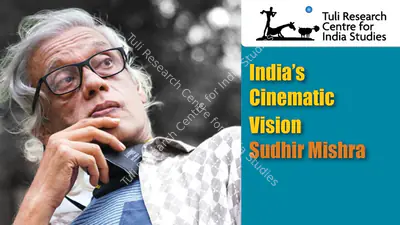
Tuli Research Centre for India Studies (Editor). India's Cinematic Vision: Sudhir Mishra, 27 July 2007 | In-house Video, 2007 · 10 min 2 sec · Short
▶
Tuli Research Centre for India Studies (Editor). India's Cinematic Vision: Sudhir Mishra, 27 July 2007 | In-house Video
2007 · 10 min 2 sec · Short
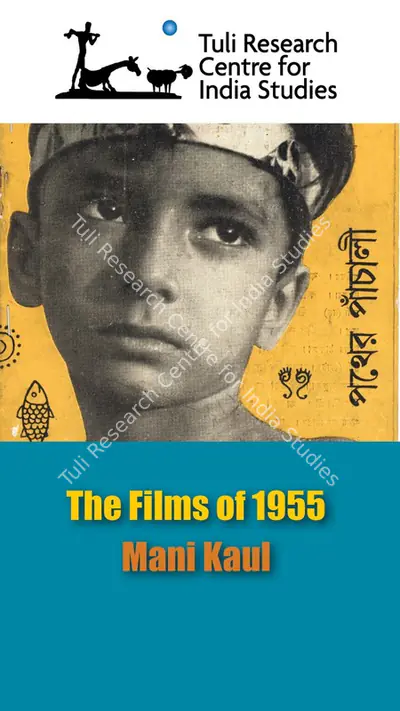
Tuli Research Centre for India Studies (Editor). The Films of 1955: Mani Kaul, 27 July 2007 | In-house Video, 2007 · 28 sec · Reel
▶
Tuli Research Centre for India Studies (Editor). The Films of 1955: Mani Kaul, 27 July 2007 | In-house Video
2007 · 28 sec · Reel
Tuli Research Centre for India Studies

Tuli Research Centre

for India Studies

A free and open knowledge base for the modern and contemporary Indian arts, cinema, photography and cultural heritage.

Support

Contact Us

Discover

Tuli Research Centre for India StudiesVisionManifestoArchive & LibraryVanraja Sanctuary & Hospice

Legal

Privacy PolicyTerms & Conditions

Follow us

Youtube

Youtube

Instagram

Instagram

Facebook

Facebook

© Tuli Research Centre for India Studies 2026

Tuli Research Centre for India Studies

Tuli Research Centre

for India Studies

A free and open knowledge base for the modern and contemporary Indian arts, cinema, photography and cultural heritage.

Tuli Research Centre for India StudiesVisionManifestoArchive & LibraryVanraja Sanctuary & Hospice
Contact Us
Privacy PolicyTerms & Conditions

Follow us

YoutubeInstagramFacebook

© Tuli Research Centre for India Studies 2026

              Tuli Research Centre for India Studies (Editor). The Idea of Artistic Integrity in Guru Dutt's Magnum Opus, 31 August 2026 | In-house Video | CinemaEducation | 00891666
              1 min 02 sec · Vertical Video

              The Idea of Artistic Integrity in Guru Dutt's Magnum Opus

              Tuli Research Centre for India Studies (Editor)

              Document TypeIn-house Video
              Date31 August 2026
              Duration1 min 02 sec
              FormatVertical Video
              Description
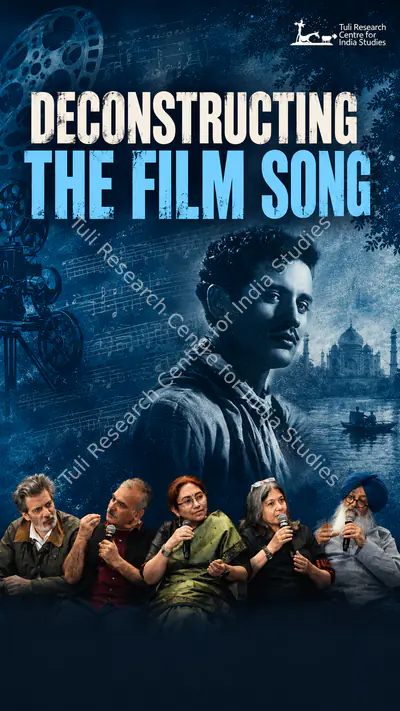
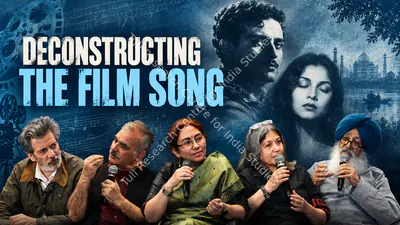
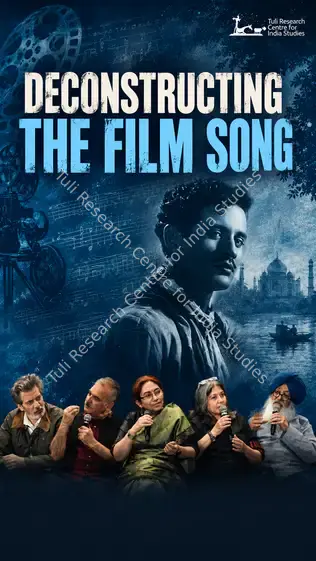
              "Yeh Duniya Agar Mil Bhi Jaye To Kya Hai" from Guru Dutt's magnum opus Pyaasa (1957), penned by Sahir Ludhianvi, composed by S.D. Burman, and sung by Mohammed Rafi, moves between a deeply personal outcry and a broader socio-political reflection on a world driven by greed and compromise. Professor, Centre for the Study of Developing Societies (CSDS), Ravikant traces the significance of the poet as protagonist across Hindi cinema of the 1950s to 1970s, a figure who carries within him the tensions between artistic integrity and social pressure, between idealism and disillusionment. Writer Antara Mondal examines how Guru Dutt's films return repeatedly to a critique of the commodification of art, asking what happens to the artist in a society that measures everything by its material worth. In Pyaasa, that critique finds its most devastating expression in this song. This session is part of the workshop "A Musical Glue for Nation-Building: Deconstructing the Film Song," featuring Madan Gopal Singh, Ravikant, Antara Mondal, Juhi Saklani, and Neville Tuli, presented by the Tuli Research Centre for India Studies (T.R.I.S.) at the 7th Self-Discovery via Rediscovering India Festival.

              Related Links14

              Masterlist13
              Guru DuttSahir LudhianviDigital in House VideosSachin Dev BurmanDeconstructing the Film Song 2026Neville TuliWaheeda RehmanMala SinhaJohnny WalkerMehmoodV K MurthyGeeta DuttMohammad Rafi
              Research Categories
              01Cinema as a Critical Educational Resource