

Introduction
Shakeel Badayuni (3 August 1916 – 20 April 1970) was a leading Indian Urdu poet and film lyricist whose work helped define the golden era of Hindi cinema. Born in Budaun, Uttar Pradesh, he grew up in an educated household where his father ensured he received formal training in Arabic, Urdu, Persian, and Hindi. This early academic grounding, combined with the cultural environment of his hometown, played an important role in shaping his literary sensibility.
He studied at Aligarh Muslim University from 1936, where he actively participated in mushairas and quickly gained recognition for his poetic talent. These early public performances helped him develop confidence and refine his lyrical style. After completing his education, he briefly worked in Delhi as a supply officer, but his passion for poetry remained central to his life. He continued to participate in literary gatherings, gradually building a national reputation.
During this period, Shakeel distinguished himself from many contemporary poets. While several Urdu poets of his time focused on social and political themes, he developed a style rooted in romance, emotional expression, and human connection. His poetry was marked by classical Urdu elegance combined with simplicity, making it accessible to both elite literary audiences and the general public. His work often explored love, longing, devotion, and emotional vulnerability, expressed in a language that was both refined and deeply relatable.
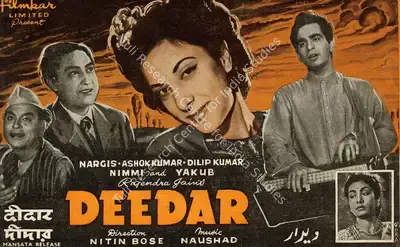
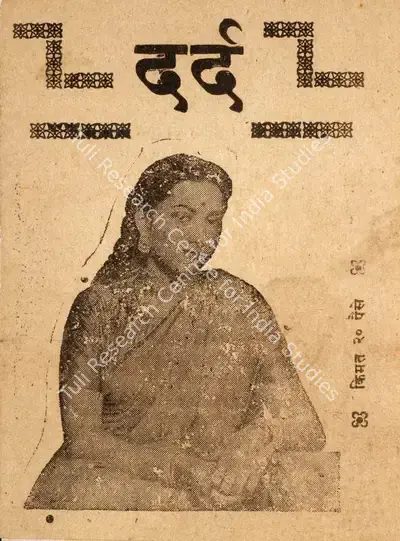
In 1944, he moved to Bombay to pursue opportunities in the film industry. His entry into cinema proved to be a turning point in his career. He met filmmaker A.R. Kardar and music director Naushad Ali, who immediately recognized his talent. His debut came with the film Dard (1947), where his lyrics gained instant popularity. The success of this film established him as a promising new voice in Hindi film songwriting.
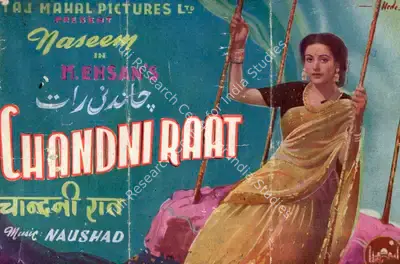
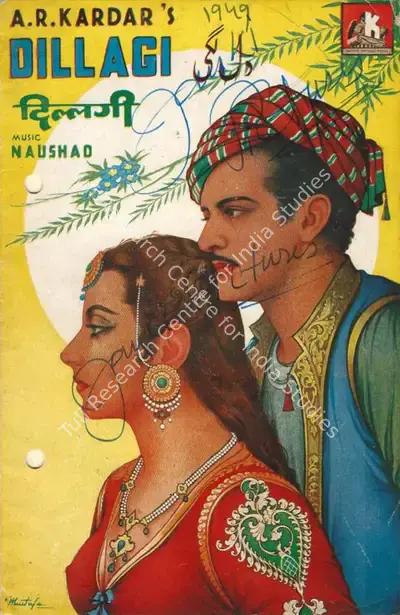
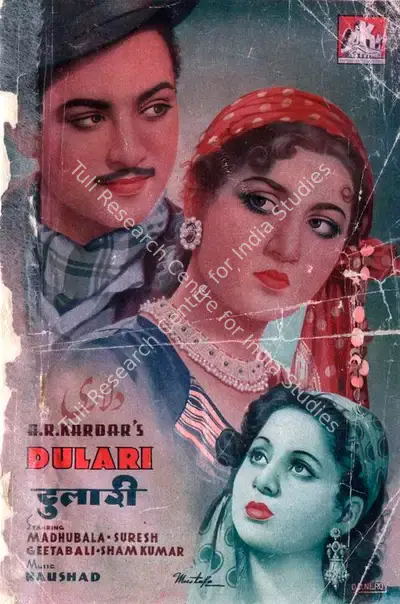
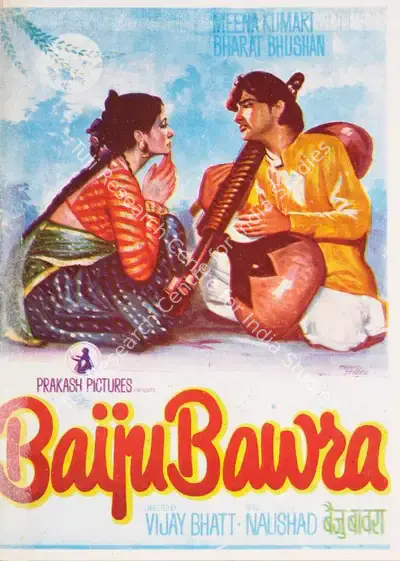
One of the most significant aspects of his career was his long-standing collaboration with composer Naushad Ali. Together, they created some of the most memorable musical scores in Indian cinema, including films such as Baiju Bawra, Mother India, and Mughal-e-Azam. These works are widely regarded as milestones in Hindi film history, and Shakeel's lyrics played a crucial role in their emotional impact. His ability to blend classical poetic tradition with cinematic storytelling made his songs timeless.
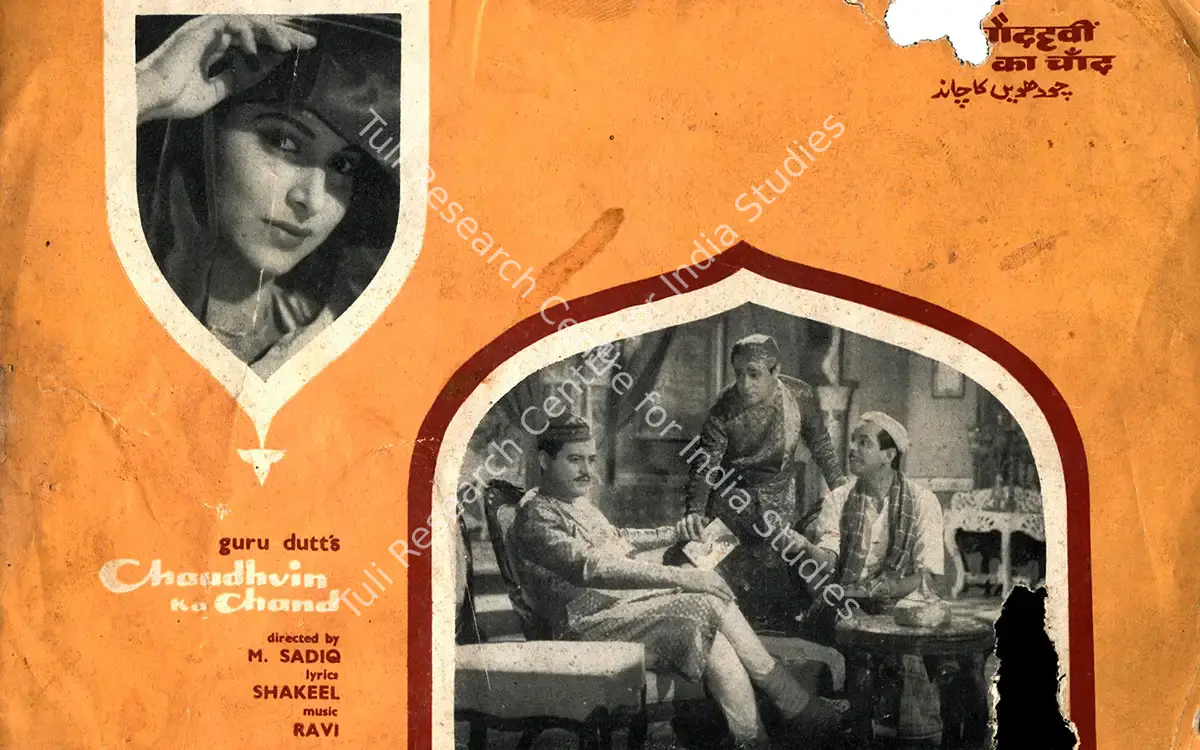
He also worked with other prominent composers such as Ravi and Hemant Kumar. His collaboration with Ravi produced memorable songs for films like Chaudhvin Ka Chand and Gharana, while his work with Hemant Kumar in Sahib Bibi Aur Ghulam showcased his ability to express deep emotional complexity and melancholy. Across approximately 89 films, he consistently delivered lyrics that enhanced both narrative and musical expression.
Shakeel's lyrical style was characterized by emotional clarity and poetic refinement. Even when dealing with classical metaphors or traditional imagery, he maintained simplicity and direct emotional appeal. His songs often expressed universal human experiences such as love, separation, sacrifice, and devotion, which allowed them to remain relevant across generations.
His contribution to Hindi cinema was widely recognized through multiple Filmfare Awards. He became the first lyricist to win the Best Lyricist award for three consecutive years, reflecting both his popularity and artistic excellence. His three consecutive Filmfare Awards for Best Lyricist were: in 1961 for Chaudhvin Ka Chand Ho from Chaudhvin Ka Chand (1960), in 1962 for Husnwale Tera Jawab Nahin from Gharana (1961), and in 1963 for Kahin Deep Jale Kahin Dil from Bees Saal Baad (1962). This rare achievement highlighted his lyrical brilliance, emotional depth, and lasting influence on Hindi film music during its golden era.
In addition to film songs, he also wrote ghazals that were performed by legendary singers such as Begum Akhtar and later continued to be interpreted by artists like Pankaj Udhas. These works further extended his influence beyond cinema into the broader tradition of Urdu poetry and music.
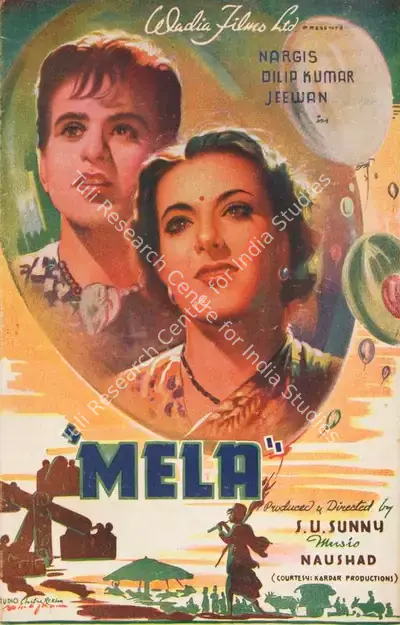
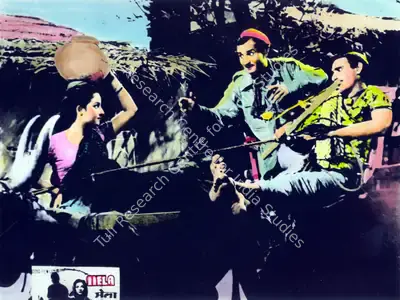
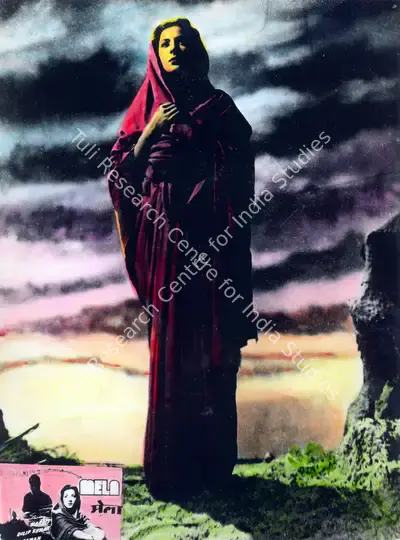
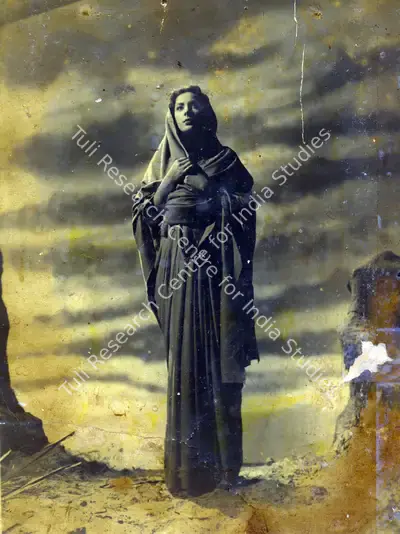
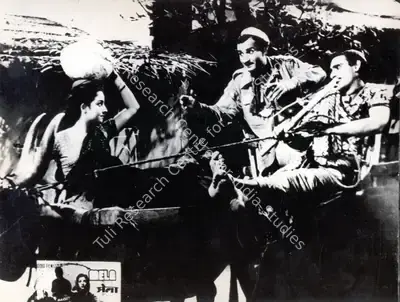
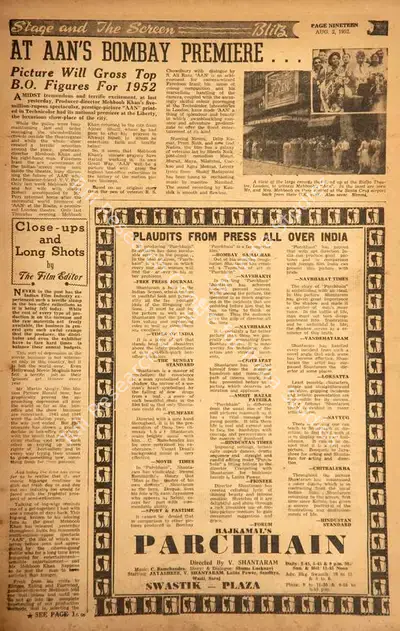
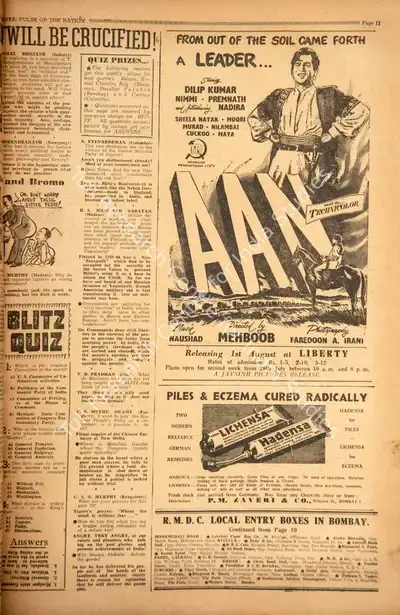
He also excelled in expressing philosophical reflection and emotional pain, as seen in Ye Zindagi Ke Mele (Mela, 1948) and Maan Mera Ehsaan (Aan, 1952). His later works continued this tradition of lyrical depth, including Mere Mehboob Tujhe Meri Mohabbat Ki Qasam (Mere Mehboob, 1963), Jane Bahaar Husn Tera Bemisaal Hai (Pyar Kiya Toh Darna Kya, 1963), and Ek Shahenshah Ne Banwa Ke Haseen Taj Mahal (Leader, 1964), which combined romance with historical and poetic grandeur.
In the mid-to-late 1960s, his lyrical excellence remained strong with songs such as Koi Saagar Dil Ko Behlata Nahin (Dil Diya Dard Liya, 1966), Lo Aa Gayi Unki Yaad (Do Badan, 1966), Na Jao Saiyaan Chhuda Ke Baiyan and Meri Baat Rahi Mere Mann Mein (Sahib Bibi Aur Ghulam, 1962), Aaj Purani Raahon Se (Aadmi, 1968), and Jab Dil Se Dil Takrata Hai (Sunghursh, 1968).
Shakeel passed away on 20 April 1970 in Bombay due to complications of diabetes at the age of 53. He left behind a significant literary and musical legacy, supported later by friends who formed a trust for his family. He was honoured posthumously for his contribution to Indian film music as a master lyricist whose work continues to resonate across generations.
उन्होंने 1936 से अलीगढ़ मुस्लिम यूनिवर्सिटी में पढ़ाई की, जहाँ उन्होंने मुशायरों में बढ़-चढ़कर हिस्सा लिया और अपनी शायरी की क़ाबिलियत के लिए जल्द ही पहचान बना ली। इन शुरुआती सार्वजनिक कार्यक्रमों ने उन्हें आत्मविश्वास बढ़ाने और अपनी शायरी के अंदाज़ को निखारने में मदद की। अपनी पढ़ाई पूरी करने के बाद, उन्होंने कुछ समय के लिए दिल्ली में सप्लाई ऑफ़िसर के तौर पर काम किया, लेकिन शायरी के लिए उनका जुनून उनकी ज़िंदगी का अहम हिस्सा बना रहा। वे साहित्यिक महफ़िलों में हिस्सा लेते रहे और धीरे-धीरे राष्ट्रीय स्तर पर अपनी पहचान बनाई।
इस दौरान शकील ने ख़ुद को अपने दौर के कई दूसरे शायरों से अलग साबित किया। जहाँ उनके समय के कई उर्दू शायर सामाजिक और राजनीतिक विषयों पर ध्यान देते थे, वहीं उन्होंने रोमांस, जज़्बाती इज़हार और इंसानी रिश्तों पर आधारित एक अलग अंदाज़ अपनाया। उनकी शायरी में क्लासिकल उर्दू की नफ़ासत और सादगी का अनूठा मेल था, जिससे वह पढ़े-लिखे साहित्यिक लोगों और आम जनता, दोनों के लिए आसानी से समझ में आने वाली बन गई। उनकी रचनाओं में अक्सर प्यार, तड़प, अक़ीदत और जज़्बाती एहसास की झलक मिलती थी, जिसे उन्होंने ऐसी ज़बान में पेश किया जो नफ़ासत भरी होने के साथ-साथ लोगों के दिलों को छू लेने वाली भी थी।
1944 में वे फ़िल्म इंडस्ट्री में मौके तलाशने के लिए बॉम्बे चले गए। सिनेमा में उनका आना उनके करियर का एक अहम मोड़ साबित हुआ। वे फ़िल्ममेकर ए.आर. करदार और म्यूज़िक डायरेक्टर नौशाद अली से मिले, जिन्होंने तुरंत उनके हुनर को पहचान लिया। उन्होंने फ़िल्म 'दर्द' (1947) से शुरुआत की, जिसके गानों के बोल तुरंत ही बहुत लोकप्रिय हो गए। इस फ़िल्म की क़ामयाबी ने उन्हें हिंदी फ़िल्मों के गीत लेखन में एक होनहार नई आवाज़ के तौर पर स्थापित किया।
उनके करियर की सबसे अहम बातों में से एक थी म्यूज़िक कंपोज़र नौशाद अली के साथ उनका लंबे समय तक चला साथ। दोनों ने मिलकर भारतीय सिनेमा के कुछ सबसे यादगार म्यूज़िकल स्कोर तैयार किए, जिनमें 'बैजू बावरा', 'मदर इंडिया' और 'मुग़ल-ए-आज़म' जैसी फ़िल्में शामिल हैं। इन कामों को हिंदी फ़िल्मों के इतिहास में मील का पत्थर माना जाता है और इनके इमोशनल असर में शकील के लिखे गानों की अहम भूमिका थी। शास्त्रीय काव्य परंपरा को फ़िल्मी कहानी कहने के अंदाज़ के साथ मिलाने की उनकी क़ाबिलियत ने उनके गानों को सदाबहार बना दिया।
उन्होंने रवि और हेमंत कुमार जैसे दूसरे जाने-माने म्यूज़िक कंपोज़रों के साथ भी काम किया। रवि के साथ उनके काम से 'चौदहवीं का चाँद' और 'घराना' जैसी फ़िल्मों के लिए यादगार गाने बने, जबकि हेमंत कुमार के साथ 'साहिब बीबी और ग़ुलाम' में काम करते हुए उन्होंने गहरी इमोशनल जटिलता और उदासी को ज़ाहिर करने की अपनी क़ाबिलियत दिखाई। लगभग 89 फ़िल्मों में, उन्होंने लगातार ऐसे गाने लिखे जिन्होंने कहानी और म्यूज़िक, दोनों के असर को और बेहतर बनाया।
शकील के गीत लिखने के अंदाज़ में भावनाओं की साफ़-सुथरी अभिव्यक्ति और काव्यात्मक सुंदरता झलकती थी। शास्त्रीय उपमाओं या पारंपरिक बिंबों का इस्तेमाल करते हुए भी, उन्होंने सादगी और सीधे दिल को छू लेने वाले भावों को बनाए रखा। उनके गीतों में अक्सर प्यार, जुदाई, त्याग और समर्पण जैसे इंसानी जज़्बात होते थे, जो उन्हें पीढ़ियों तक प्रासंगिक बनाए रखते थे।
हिंदी सिनेमा में उनके योगदान को कई फ़िल्मफ़ेयर पुरस्कारों के ज़रिए बड़े पैमाने पर सराहा गया। वे लगातार तीन साल तक 'बेस्ट लिरिसिस्ट' (सर्वश्रेष्ठ गीतकार) का पुरस्कार जीतने वाले पहले गीतकार बने, जो उनकी लोकप्रियता और कलात्मक उत्कृष्टता दोनों को दर्शाता है। 'बेस्ट लिरिसिस्ट' के लिए उनके लगातार तीन फ़िल्मफ़ेयर पुरस्कार इस प्रकार थे: 1961 में 'चौदहवीं का चाँद हो' (फ़िल्म: चौदहवीं का चाँद, 1960), 1962 में 'हुस्नवाले तेरा जवाब नहीं' (फ़िल्म: घराना, 1961), और 1963 में 'कहीं दीप जले कहीं दिल' (फ़िल्म: बीस साल बाद, 1962)। इस दुर्लभ उपलब्धि ने हिंदी फ़िल्म संगीत के सुनहरे दौर में उनके गीत-लेखन की प्रतिभा, भावनात्मक गहराई और स्थायी प्रभाव को उजागर किया।
फ़िल्मी गीतों के अलावा, उन्होंने ग़ज़लें भी लिखीं जिन्हें बेगम अख्तर जैसे महान गायकों ने गाया और बाद में पंकज उदास जैसे कलाकारों ने भी उन्हें अपनी आवाज़ दी। इन रचनाओं ने सिनेमा से परे उर्दू शायरी और संगीत की व्यापक परंपरा में भी उनके प्रभाव को बढ़ाया।
उन्होंने दार्शनिक चिंतन और भावनात्मक पीड़ा को व्यक्त करने में भी महारत हासिल की, जैसा कि 'ये ज़िंदगी के मेले' (मेला, 1948) और 'मान मेरा एहसान' (आन, 1952) में देखा जा सकता है। उनकी बाद की रचनाओं में भी गीत-लेखन की यही गहराई बनी रही, जिनमें 'मेरे महबूब तुझे मेरी मोहब्बत की कसम' (मेरे महबूब, 1963), 'जाने बहार हुस्न तेरा बेमिसाल है' (प्यार किया तो डरना क्या, 1963), और 'एक शहंशाह ने बनवा के हसीन ताज महल' (लीडर, 1964) शामिल हैं, जिनमें रोमांस के साथ-साथ ऐतिहासिक और काव्यात्मक भव्यता का संगम था।
1960 के दशक के मध्य से अंत तक, 'कोई सागर दिल को बहलता नहीं' (दिल दिया दर्द लिया, 1966), 'लो आ गई उनकी याद' (दो बदन, 1966), 'ना जाओ साइयां छुड़ा के बइयां' और 'मेरी बात रही मेरे मन में' (साहब बीबी और गुलाम, 1962), 'आज पुरानी राहों' से (आदमी, 1968), और 'जब दिल से दिल टकराता है' (संघर्ष, 1968) जैसे गीतों के साथ उनकी गीतात्मक उत्कृष्टता मज़बूत बनी रही। ।
शकील का 53 वर्ष की आयु में मधुमेह (डायबिटीज़) की जटिलताओं के कारण 20 अप्रैल 1970 को बॉम्बे में निधन हो गया। उन्होंने अपने पीछे एक महत्वपूर्ण साहित्यिक और संगीत विरासत छोड़ी, जिसे बाद में उन दोस्तों ने समर्थन दिया जिन्होंने उनके परिवार के लिए एक ट्रस्ट बनाया। एक उत्कृष्ट गीतकार के रूप में भारतीय फ़िल्म संगीत में उनके योगदान के लिए उन्हें मरणोपरांत सम्मानित किया गया, जिनका काम पीढ़ियों तक गूंजता रहता है।
Filmography 54
Research Centre
Calendar 1
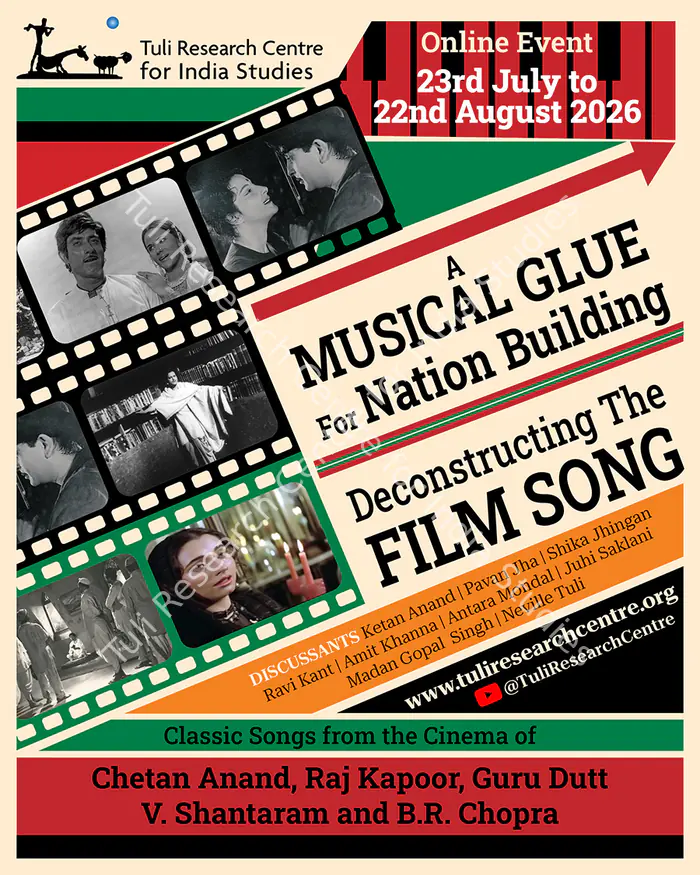
- ArchivedOffline-Online EventProject 80A Musical Glue for Nation-BuildingDeconstructing the Film Song23rd July - 22nd August 2026Ketan Anand | Ravikant | Pavan Jha | Madan Gopal Singh | Amit Khanna | Juhi Saklani | Antara Mondal | Shikha Jhingan | Neville TuliA key section of the India Studies framework at The Tuli Research Centre for India Studies (T.R.I.S.) is “Deconstructing the Film Song”. It began with a series of four workshops during our Self-Discovery via Rediscovering India Festival Series that brought together leading scholars & academics, film practitioners & students, along with fans of the Hindi film song. The objective of these workshops was to deconstruct iconic Hindi film songs to examine their formation across music, lyrics, playback, choreography, directorial visualisation, as they fuse into sites where aesthetics, ideology, and performance intersect, so as to help clarify the nature of India and her relationship to the film song. The Hindi Film Song functions as a narrative device, conveying myriad textures of emotion through melody, voice and poetry. As cultural texts that encode memory, desire, and ideology, songs are integral to the circulation and resonance of films in the public realm. Over time they have become autonomous bundles of creative energy - the glue that binds us over time, articulating and perhaps even defining the idea of Indianness. These first Workshops were an attempt to understand the nature and power of this glue, while contemplating the ways to situate it within TRIS' academic framework for Contemporary India Studies.Read More →
Related
39
Films
21
Personalities
17