

Introduction
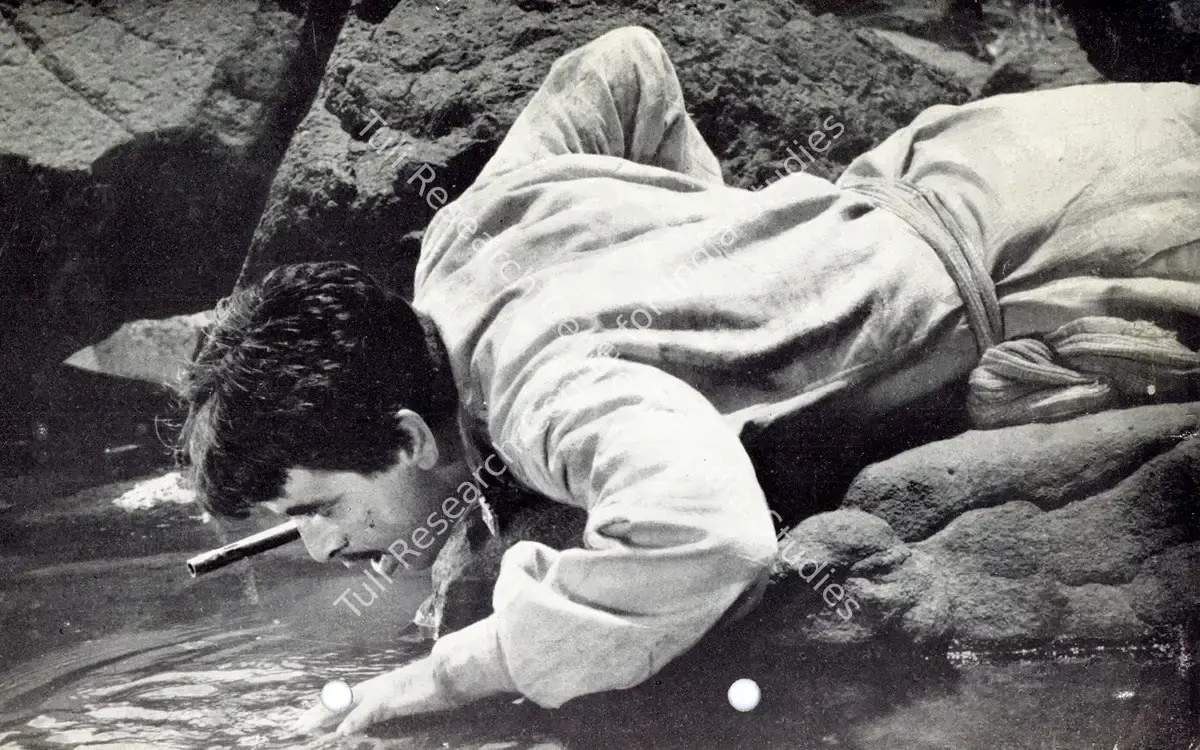
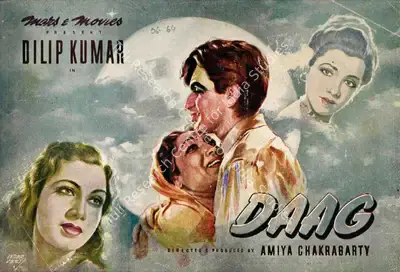
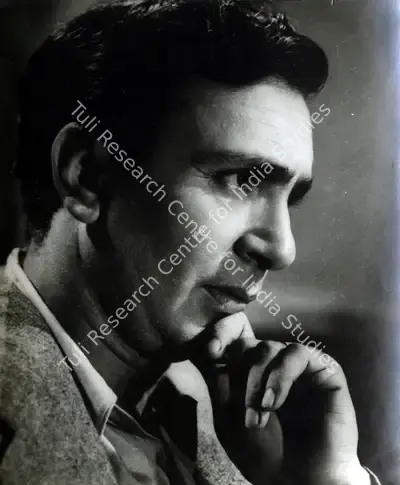
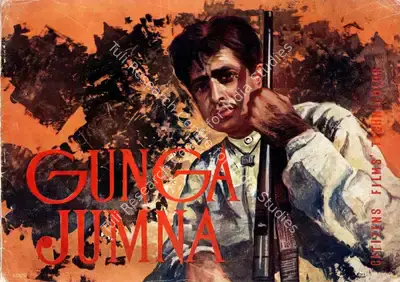
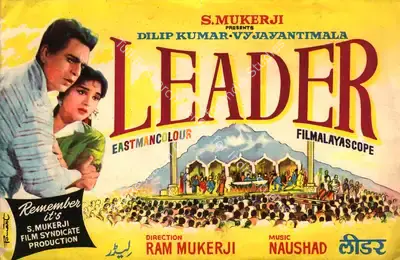
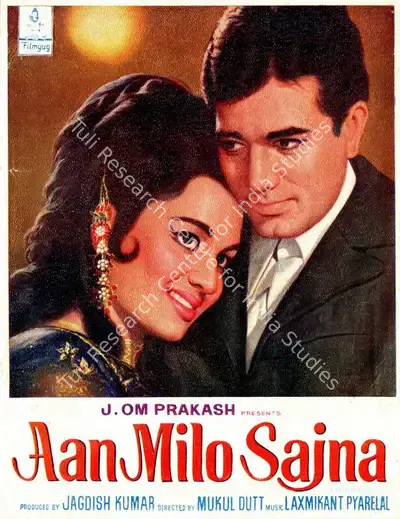
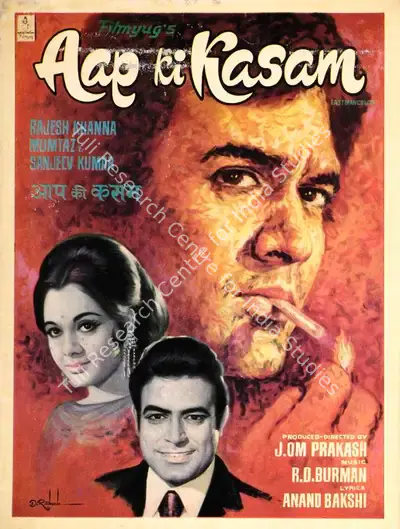
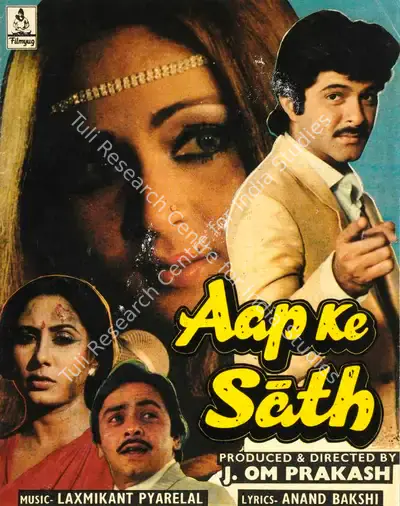
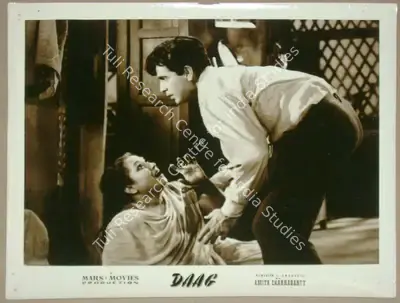
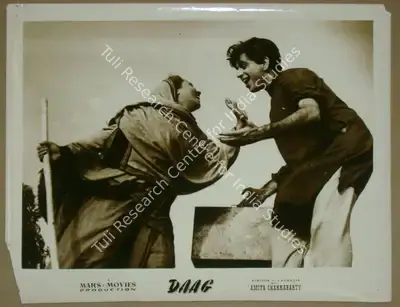
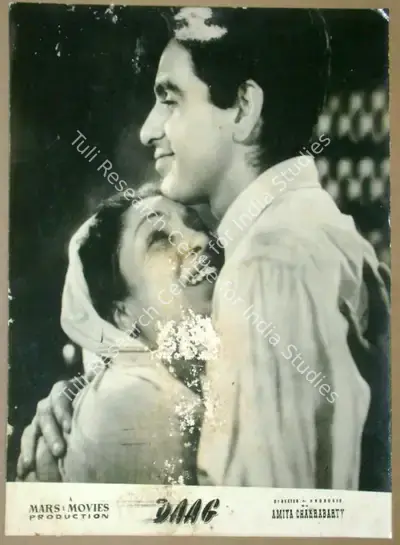
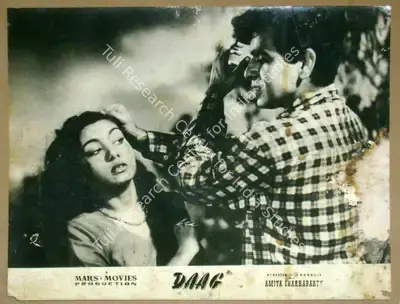
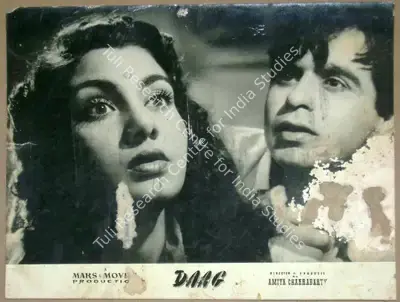
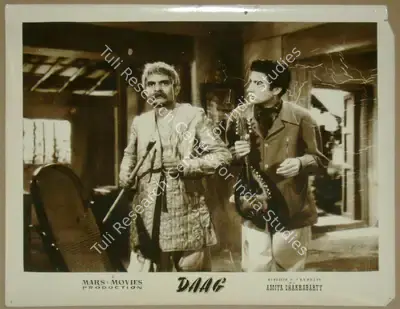
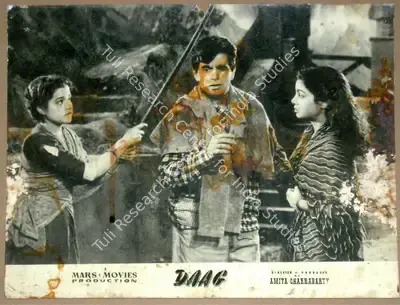
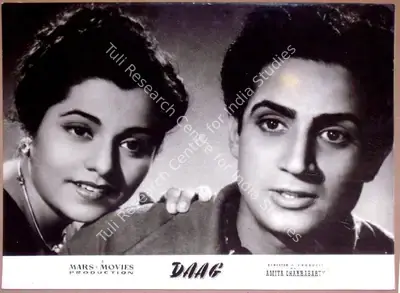
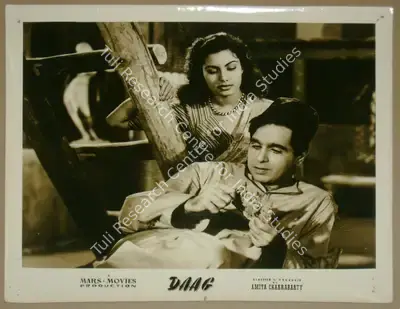
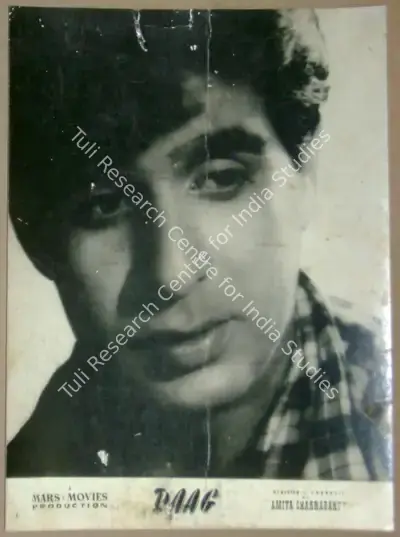
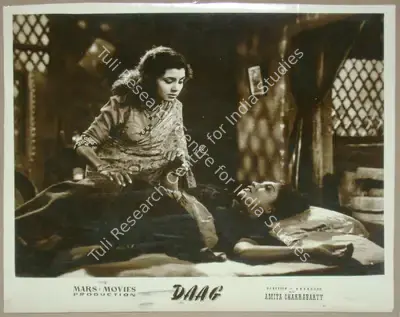
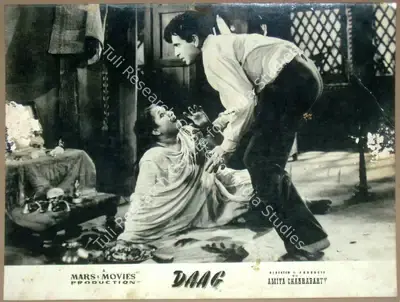
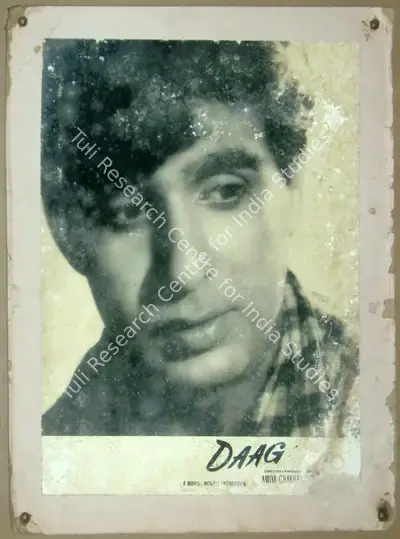
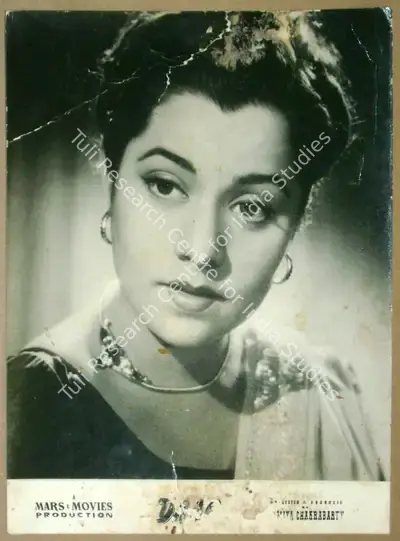
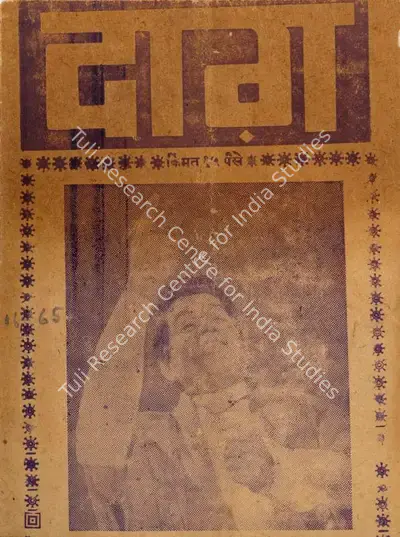
Babasaheb (1918-2014) was a noted Indian cinematographer whose career spanned more than five decades in Indian cinema. Known for his expertise in both black & white and colour cinematography, he worked on classic Hindi films including Gunga Jumna (1961), Daag (1952), Seema (1955), Leader (1964), Mera Saaya (1966), Aan Milo Sajna (1970), Aap Ki Kasam (1974), Aas Paas (1981) and Aakhir Kyon (1985), amongst others.
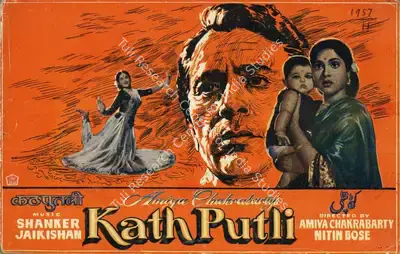
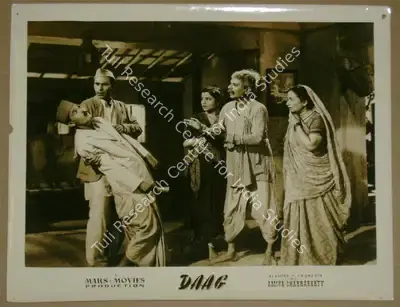
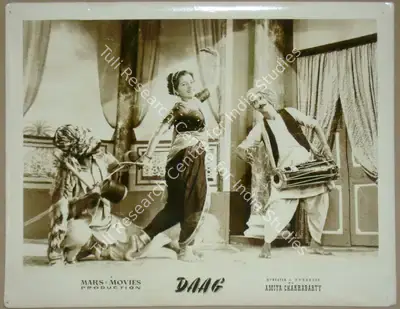
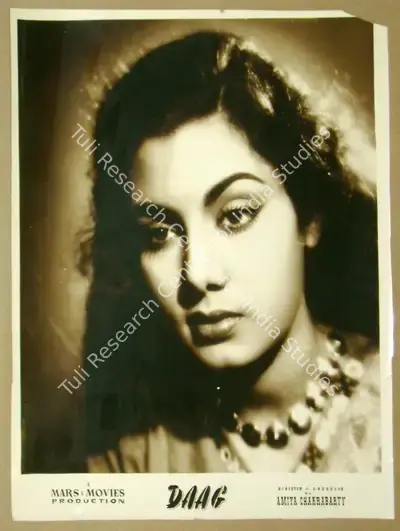
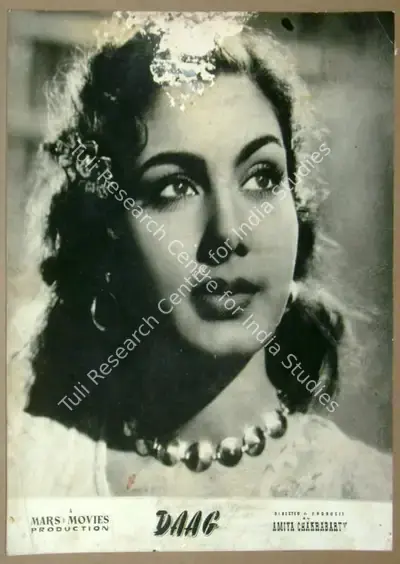
Trained at Prabhat Studios under noted technicians Surendra Pai and Pandurang Naik, his debut film as a cinematographer was Girls' School (1949), directed by Amiya Chakraborty. He continued his collaborations with Chakraborty for Badal (1951), Daag (1952), Patita (1953), Seema (1957), and Kathputli (1957). Nitin Bose, who completed Kathputli after Chakraborty's death mid-production, was impressed with Babasaheb's work and offered him the role of cinematographer for his next Hindi film, Gunga Jumna. Babasaheb's masterful Technicolour cinematography in the film was considered pioneering in the Hindi film industry and set a standard for colour films, especially his composition for the chase and action sequences. For example, he reportedly mounted cameras on moving trains to capture the dynamic sequences. His visuals shaped the film's status as a landmark film of the 1960s and went on to influence how action sequences were filmed in Indian cinema.
From close-up framing in black & white to kinetic action sequences in colour, Babasaheb's visual contributions helped define the standards of Hindi cinema in different eras.
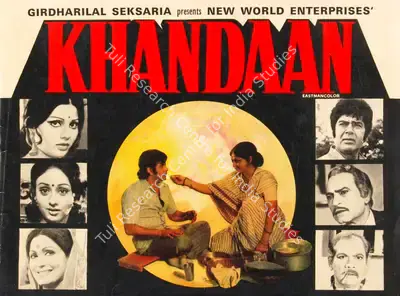
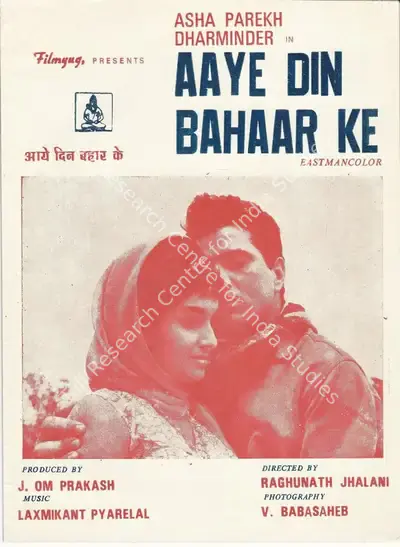
Filmography 12
Research Centre
Related
14
Films
12