

Introduction
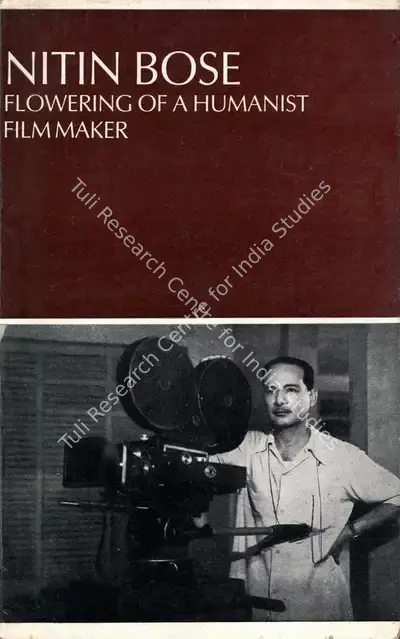
Nitin Bose (1897-1986) was an influential cinematographer, director, and screenwriter whose contributions to both Bengali and Hindi language films in the 1930s and 1940s helped define the style of the formative years of Indian cinema.
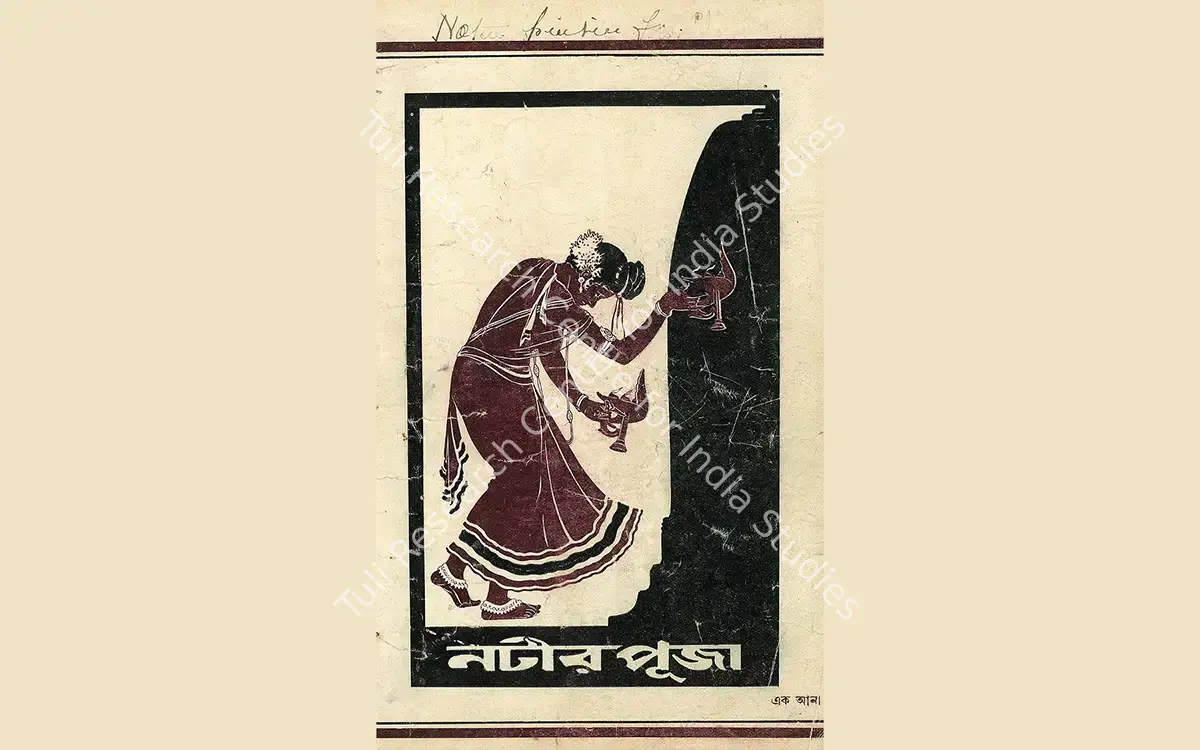
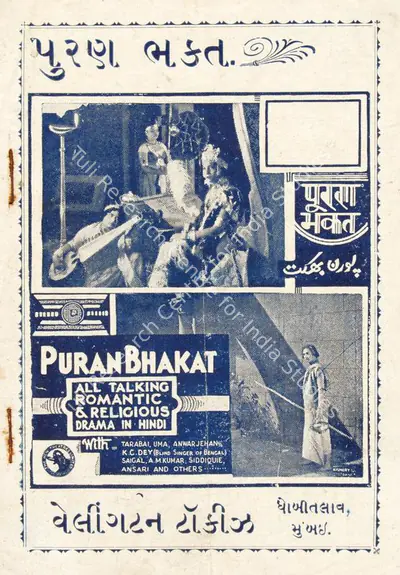
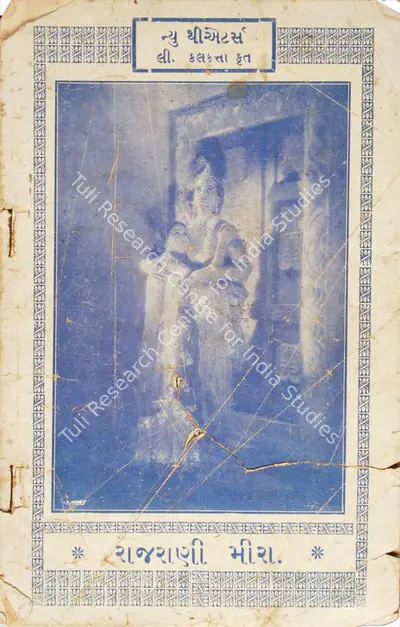
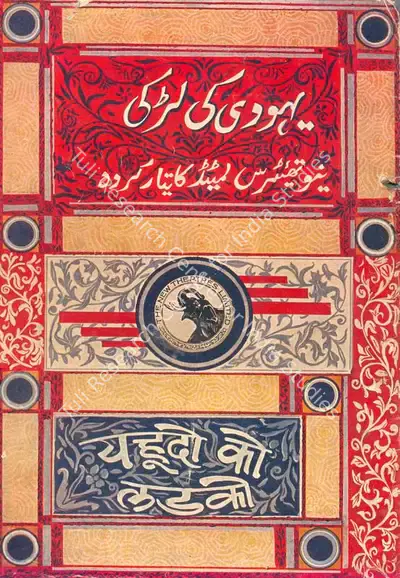
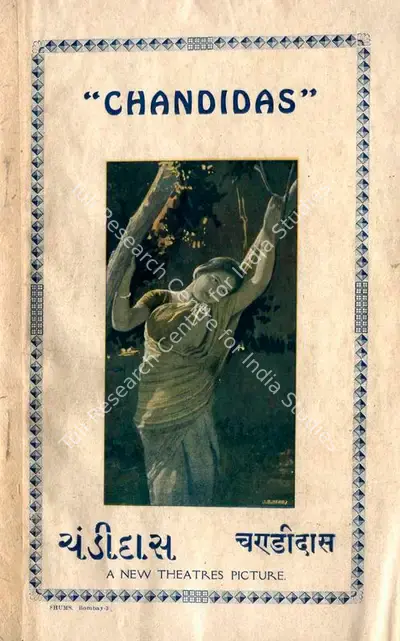
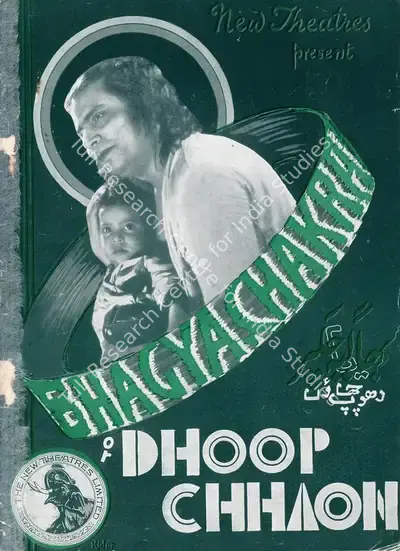
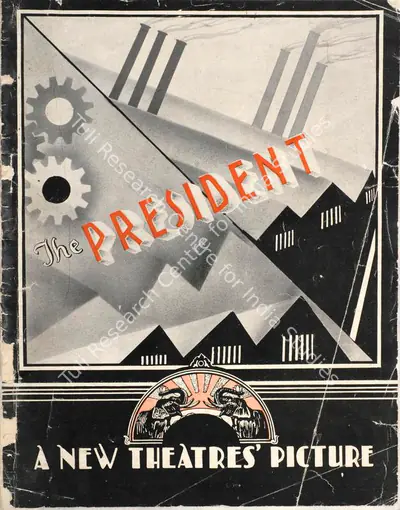
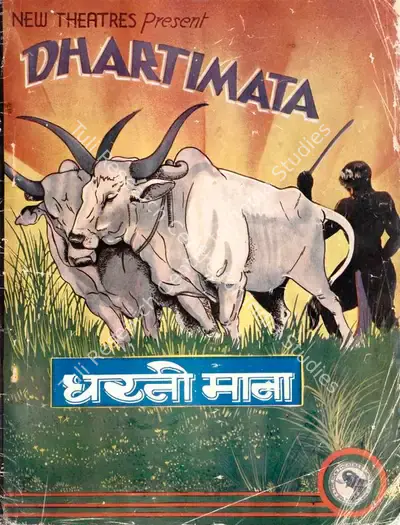
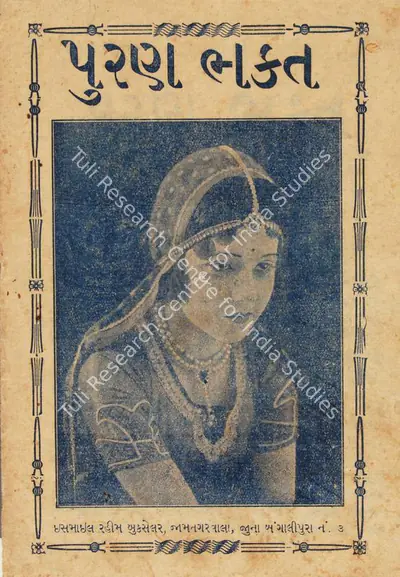
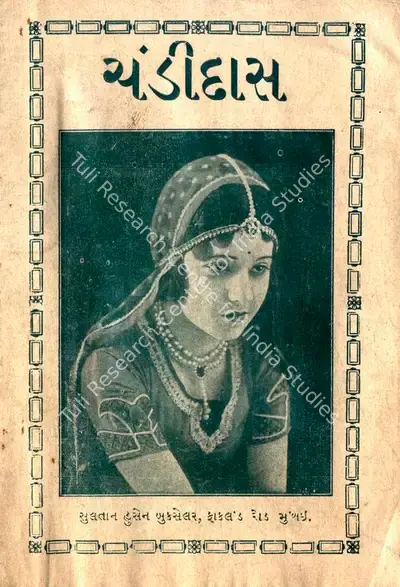
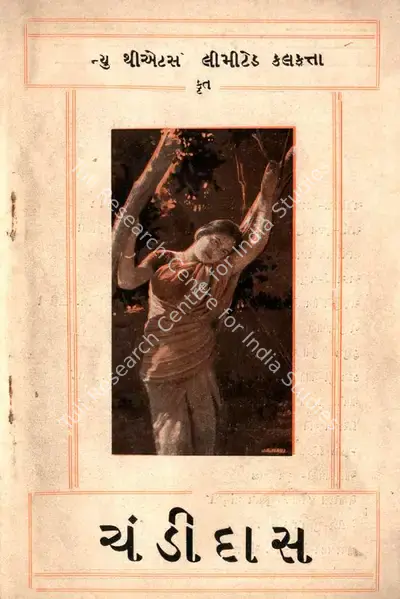
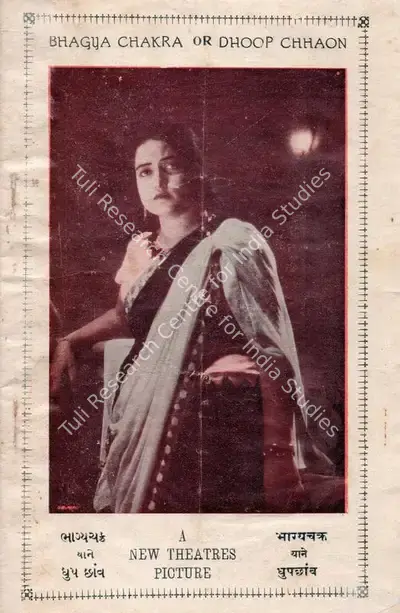
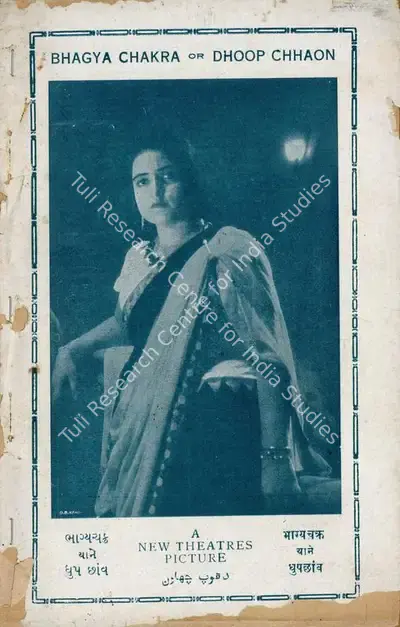
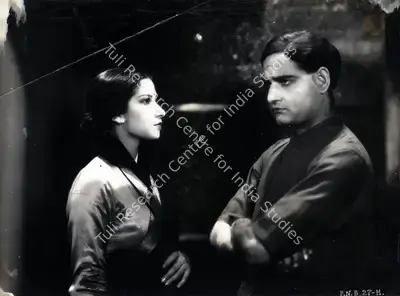
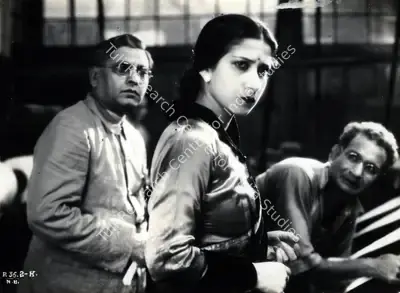
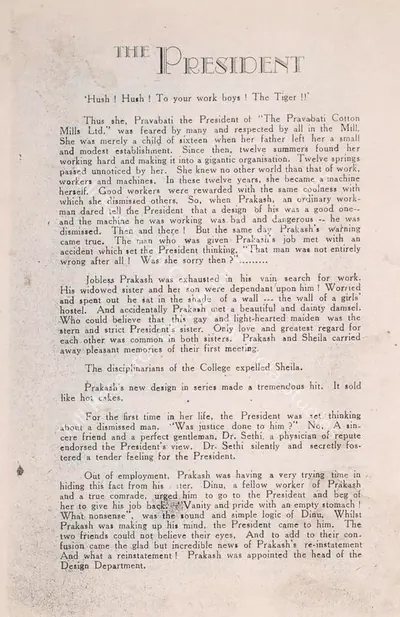
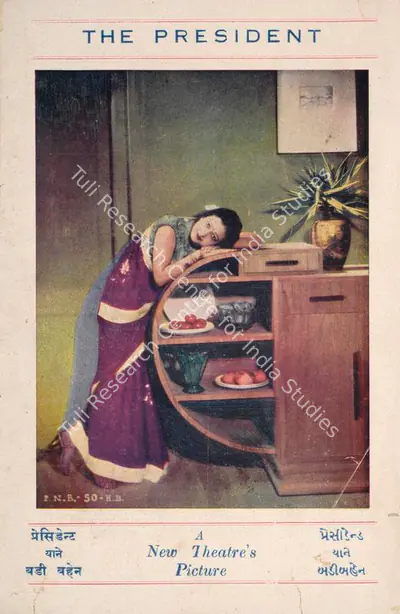
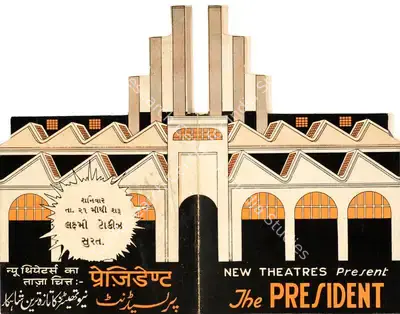
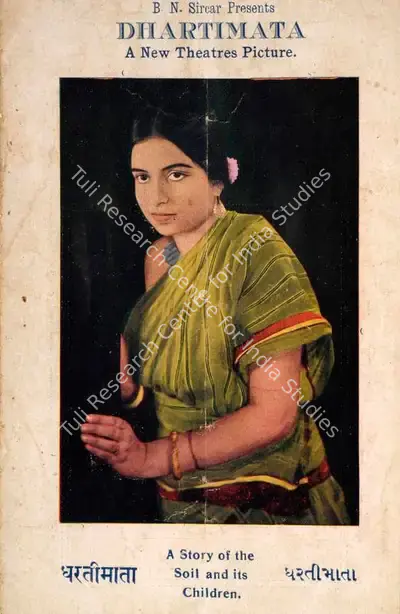
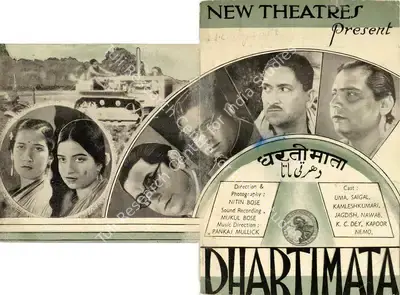
He began his career as a cinematographer for Naresh Mitra's Devdas (1928). After joining Calcutta's New Theatres as a cinematographer in 1932, he worked on notable films, including Debaki Bose's Chandidas (1932), Puran Bhagat (1933), Rajrani Meera (1933), and Dulari Bibi (1933). During this time, he also served as a cinematographer for films such as Natir Puja (1932), Chirakumar Sabha (1932), and Yahudi Ki Ladki (1933). Natir Puja, a film adaptation of Rabindranath Tagore's stage play, is the only film where Tagore is credited as director. Bose continued working with New Theatres until the early 1940s, helmed several projects as a director, including Daku Mansoor (1934), Bhagya Chakra (1935), Dhoop Chhaon (1935), President (1937), Dharti Mata (1938), Dushman (1939), and Lagan (1941), among others.
Dhoop Chhaon, a Hindi remake of Bhagya Chakra (1935), has the distinction of being the first Hindi film to use playback singing. These works place him among the early generation of Indian cinematographers, shaping the visual language of pre-Independence cinema.
Following his stint at the New Theatres, Bose moved to Bombay in the 1940s and started working for Bombay Talkies and Filmistan, among others. Notable films during this period were Milan 1946, Mashaal (1950), Deedar (1951), Waris (1954), Kathputli (1957), and Gunga Jumna (1961). Bose's magnum opus, Gunga Jumna (1961), shot in Technicolor, is a landmark film of the 1960s, starring Dilip Kumar and Vyjayanthimala. Widely acclaimed for its authentic depiction of rural India and powerful performances, the film was a critical and commercial success, earning praise for Bose's nuanced direction of social critique.
He was awarded the National Film Award – Certificate of Merit for Gunga Jumna (1961) and was also honoured with the Dadasaheb Phalke Award (1977) for his contributions to Indian cinema.
As a cinematographer and later, as a director, Bose experimented with and pioneered visual techniques that emphasized emotional realism and artistic expression. He favored natural light and on location shooting over established industry techniques.
Even in his early work with New Theatres, he mastered dynamic camera movements and strategic close-ups, breaking away from the era's predominant style of static framing.
Nitin Bose passed away on 14 April 1986 in Calcutta, aged 88.
उन्होंने अपने करियर की शुरुआत नरेश मित्रा की फ़िल्म 'देवदास' (1928) के सिनेमैटोग्राफ़र के तौर पर की। 1932 में कलकत्ता के 'न्यू थिएटर्स' से सिनेमैटोग्राफ़र के रूप में जुड़ने के बाद, उन्होंने कई अहम फ़िल्मों पर काम किया, जिनमें देबाकी बोस की 'चंडीदास' (1932), 'पूरन भगत' (1933), 'राजरानी मीरा' (1933) और 'दुलारी बीबी' (1933) शामिल हैं। इस दौरान उन्होंने 'नटीर पूजा' (1932), 'चिराकुमार सभा' (1932) और 'यहूदी की लड़की' (1933) जैसी फ़िल्मों के लिए भी सिनेमैटोग्राफ़र का काम किया। 'नटीर पूजा', रवींद्रनाथ टैगोर के स्टेज़ प्ले पर आधारित फ़िल्म है और यह इकलौती ऐसी फ़िल्म है जिसमें टैगोर को डायरेक्टर का क्रेडिट दिया गया है। बोस 1940 के दशक की शुरुआत तक 'न्यू थिएटर्स' के साथ काम करते रहे और डायरेक्टर के तौर पर कई प्रोजेक्ट्स संभाले, जिनमें 'डाकू मंसूर' (1934), 'भाग्य चक्र' (1935), 'धूप छांव' (1935), 'प्रेसिडेंट' (1937), 'धरती माता' (1938), 'दुश्मन' (1939) और 'लगन' (1941) जैसी फ़िल्में शामिल हैं।
'भाग्य चक्र' (1935) का हिंदी रीमेक 'धूप-छाँव' पहली ऐसी हिंदी फ़िल्म थी जिसमें प्लेबैक सिंगिंग का इस्तेमाल किया गया था। इन कामों ने उन्हें भारतीय सिनेमैटोग्राफ़र्स की शुरुआती पीढ़ी में शामिल किया और आज़ादी से पहले के सिनेमा की विज़ुअल भाषा को आकार दिया।
'न्यू थिएटर्स' में काम करने के बाद, बोस 1940 के दशक में बॉम्बे चले गए और 'बॉम्बे टॉकीज़' और 'फ़िल्मिस्तान' जैसी कंपनियों के लिए काम करने लगे। इस दौरान उनकी कुछ ख़ास फ़िल्में थीं मिलन (1946), मशाल (1950), दीदार (1951), वारिस (1954), कठपुतली (1957) और गंगा जमुना (1961)। टेक्नीकलर में शूट की गई बोस की सबसे बेहतरीन फ़िल्म 'गंगा जमुना' (1961) 1960 के दशक की एक यादगार फ़िल्म है, जिसमें दिलीप कुमार और वैजयंतीमाला ने मुख्य भूमिकाएँ निभाई थीं। ग्रामीण भारत के असली चित्रण और दमदार अभिनय के लिए सराही गई। यह फ़िल्म क्रिटिक्स और कमर्शियल, दोनों ही नज़रिए से सफल रही, साथ ही, सामाजिक आलोचना को बारीकी से दिखाने के लिए बोस के निर्देशन की भी तारीफ़ हुई।
उन्हें 'गंगा जमुना' (1961) के लिए नेशनल फ़िल्म अवॉर्ड सर्टिफ़िकेट ऑफ़ मेरिट मिला और भारतीय सिनेमा में उनके योगदान के लिए दादा साहब फाल्के अवॉर्ड (1977) से भी सम्मानित किया गया।
एक सिनेमैटोग्राफ़र और बाद में एक डायरेक्टर के तौर पर, बोस ने ऐसी विज़ुअल तकनीकों पर प्रयोग किए और उन्हें अपनाया, जो इमोशनल रियलिज़्म और आर्टिस्टिक एक्सप्रेशन पर ज़ोर देती थीं। उन्होंने इंडस्ट्री की आम तकनीकों के बजाय नेचुरल लाइट और लोकेशन पर शूटिंग को प्राथमिकता दी।
'न्यू थिएटर्स' के साथ अपने शुरुआती काम में ही उन्होंने डायनामिक कैमरा मूवमेंट और ख़ास तरह के क्लोज़-अप्स में महारत हासिल कर ली थी। उन्होंने उस दौर में प्रचलित स्टैटिक फ्रेमिंग की शैली से हटकर काम किया।
नितिन बोस का निधन 14 अप्रैल 1986 को कलकत्ता में 88 साल की उम्र में हुआ।
Filmography 44
Research Centre
Related
20
Films
16