

Introduction
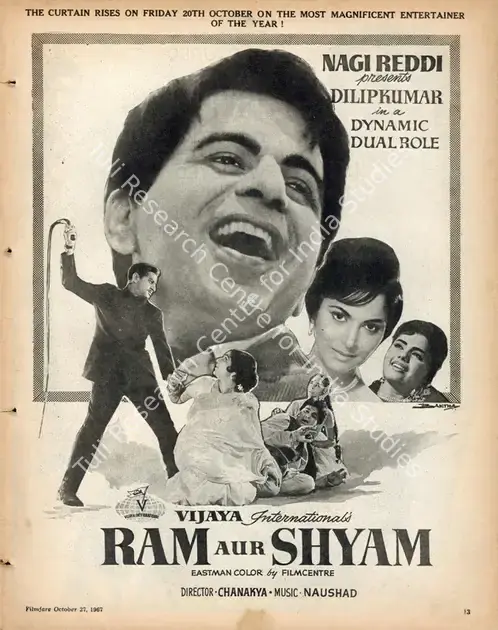
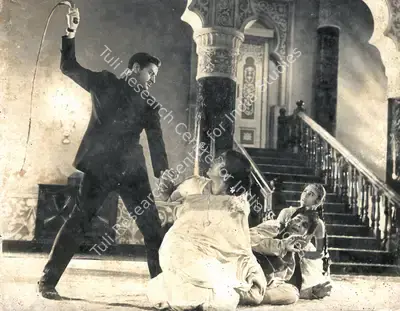
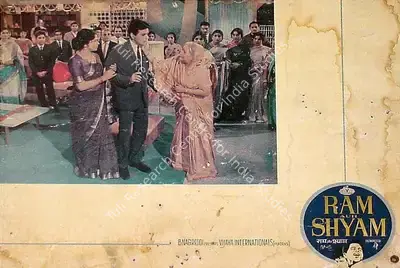
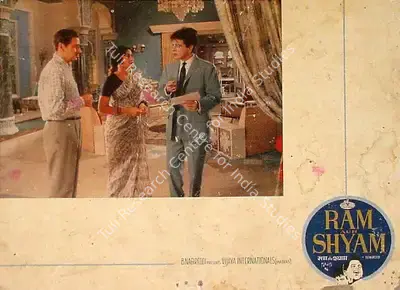
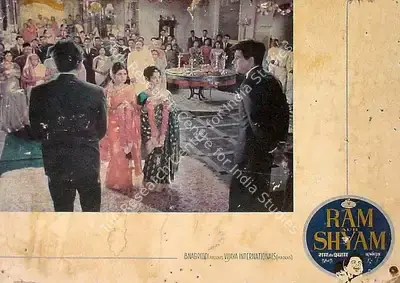
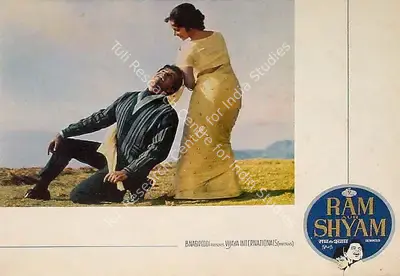
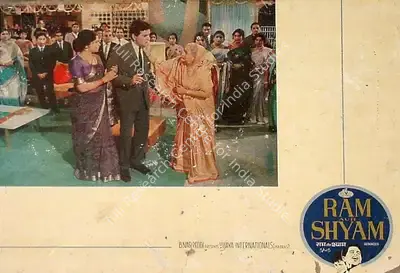
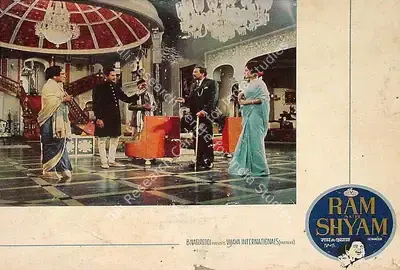
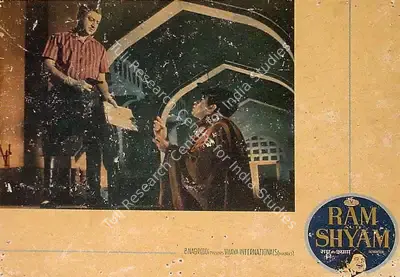
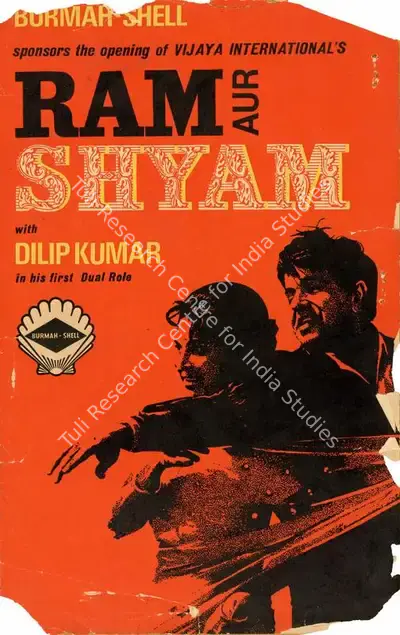
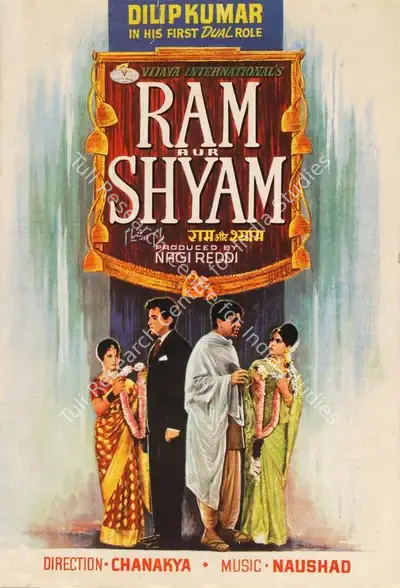
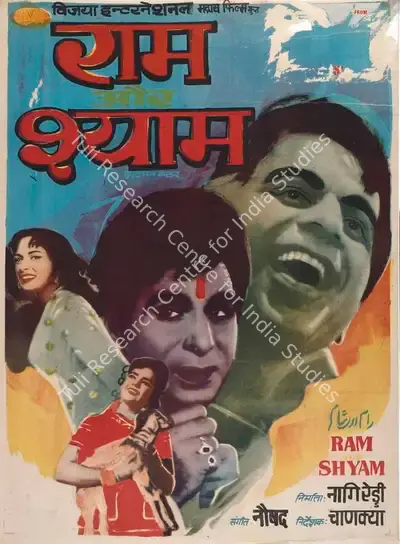
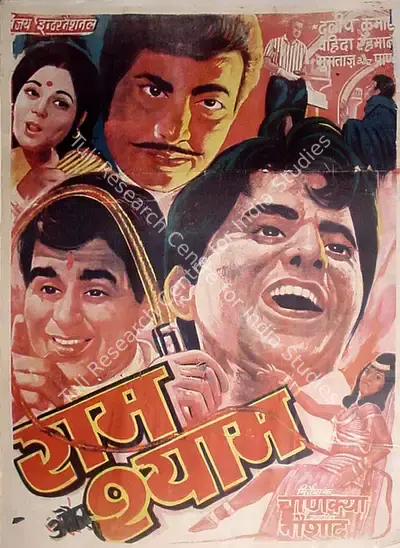
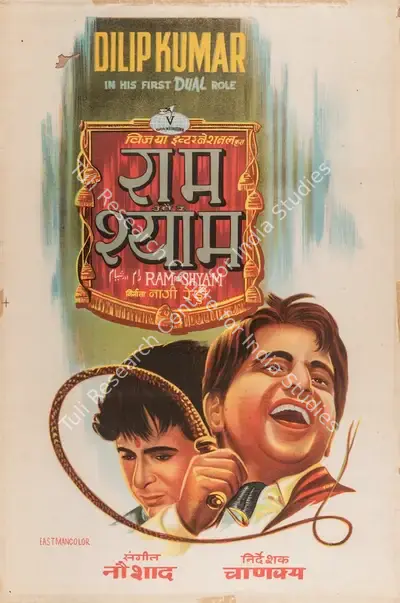
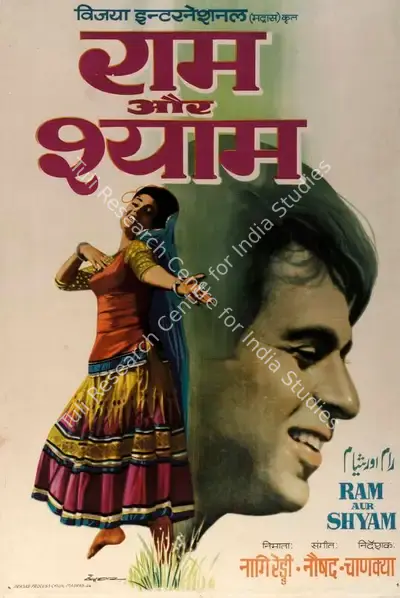
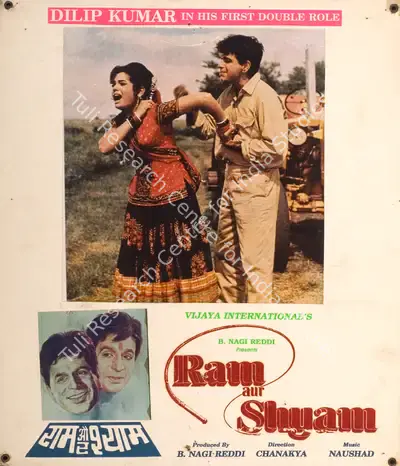
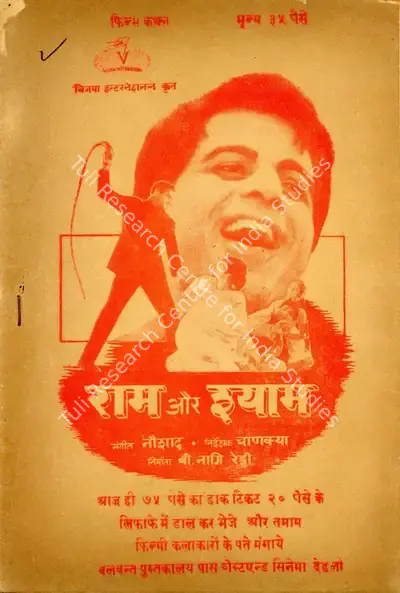
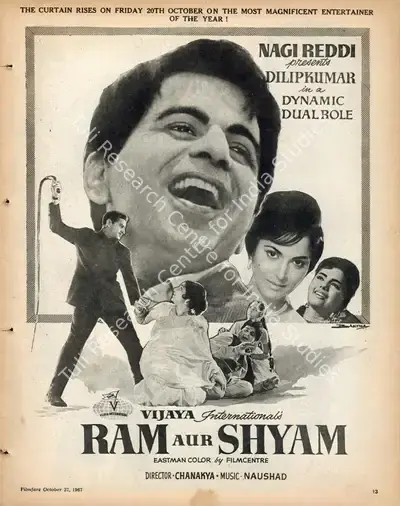
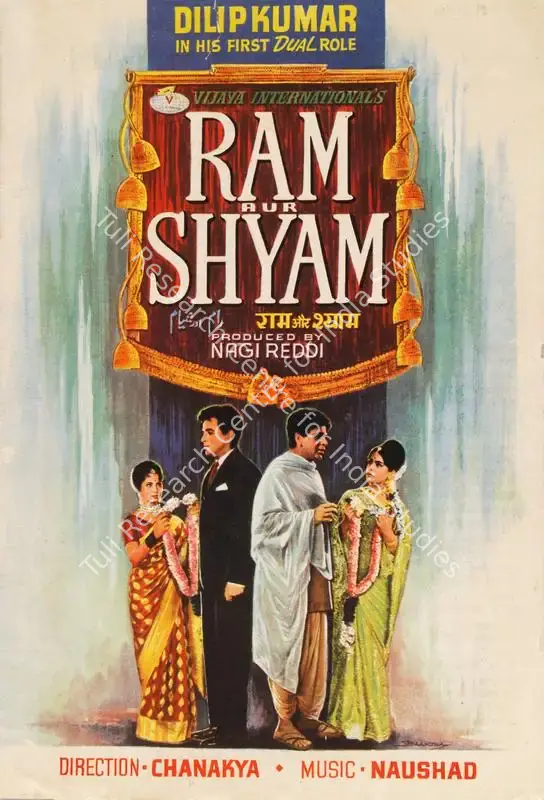
Ram Aur Shyam (1967), featuring Dilip Kumar in a career-defining double role, marked a significant departure from his usual tragic roles, earning him the Best Actor Award at the 15th Filmfare Awards. Playing both a meek, oppressed man and his confident, bold twin, Kumar's impeccable comic timing impressed both critics and audiences alike. The film's well-written script, which highlighted the stark contrast between the brothers' personalities, kept Kumar engaged throughout.
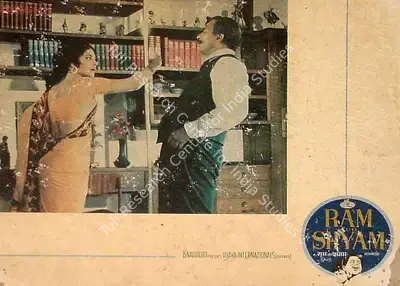
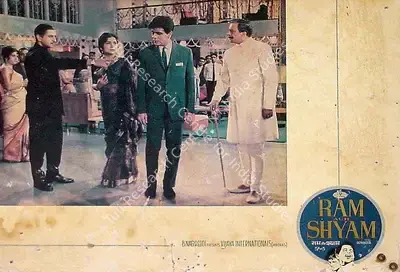
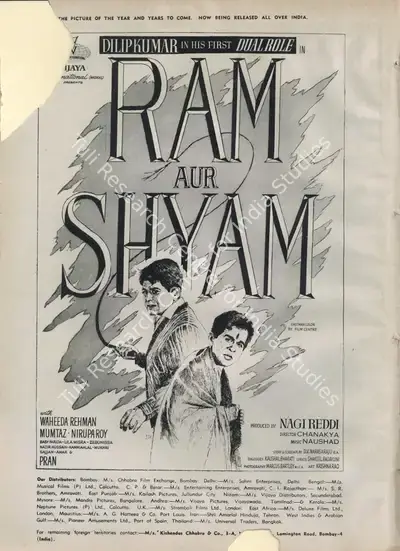
The plot centers on the accidental exchange of identities between twin brothers, leading to humorous and dramatic transformations in their lives. This successful formula was later replicated in films like Seeta Aur Geeta and Chaalbaaz. Directed by Tapi Chanakya, the film was a remake of his 1964 Telugu film Ramudu Bheemudu. In addition to Kumar, the cast included Waheeda Rehman, Mumtaz, Nirupa Roy, and Pran. The music, composed by Naushad with lyrics by Shakeel Badayuni, also became a highlight. Originally, Saira Banu was considered for the female lead, but Kumar felt she was too delicate for the role, leading to Mumtaz being cast, which turned out to be a career-defining opportunity for her.
While modern viewers may notice certain technical flaws, Kumar's exceptional comic timing and his individualistic acting style remain a source of inspiration for actors across generations. Additionally, Pran's performance is considered one of his finest.
Ram Aur Shyam was a major box office success, grossing ₹27.5 million ($3.7 million) domestically. Adjusted for inflation, this equals ₹1.84 billion ($34 million) in 2016. The film was the second highest-grossing Indian film of 1967, after Upkar, and grossed ₹104.3 million ($13.8 million) worldwide. It also achieved great success in the Soviet Union, grossing 8.35 million Rbls ($10.1 million). Included in Rediff's list of Landmark Films of the 60s, Ram Aur Shyam remains a beloved classic.
फ़िल्म का कथानक जुड़वाँ भाइयों के बीच भूमिकाओं की अचानक हुई अदला-बदली से आगे बढ़ता है। इससे उनके जीवन में कई नाटकीय मोड़ आते हैं और दिलचस्प हास्यपूर्ण परिस्थितियाँ जन्म लेती हैं। फ़िल्म को मिली कामयाबी के बाद इस फ़ॉर्मूले को बाद में कई दूसरी फ़िल्मों जैसे सीता और गीता (1972) और चालबाज़ (1989) में भी दोहराया गया। निर्देशक तापी चाणक्या की यह फ़िल्म उनकी ही 1964 में तेलुगु भाषा में निर्मित फ़िल्म रामुडु भीमुडु की रीमेक थी। फ़िल्म में दिलीप कुमार के अलावा वहीदा रहमान, मुमताज़, निरूपा रॉय और प्राण प्रमुख भूमिकाओं में थे। फ़िल्म में संगीत नौशाद का था और गीत लिखे थे शायर शकील बदांयुनी ने। फ़िल्म के गाने खूब लोकप्रिय हुए।
पहले फ़िल्म में भोले नायक राम के सामने चंचल नायिका की भूमिका में सायरा बानो को लेने की बात थी, लेकिन दिलीप कुमार का मानना था कि इस ग्रामीण परिवेश वाली भूमिका के लिए सायरा ज़्यादा सलीकेवाली रहेंगी। फिर इस भूमिका में अभिनेत्री मुमताज़ को लिया गया और यह मौका उनके लिए करियर की सबसे यादगार भूमिकाओं में से एक बन गया।
आज नई रौशनी के दर्शक फ़िल्म में तकनीकी खामियाँ गिना सकते हैं। लेकिन दिलीप कुमार की यादगार कॉमिक टाइमिंग और उनकी अद्वितीय अभिनय शैली इस फ़िल्म को ख़ास बना देती है। बीते दशकों में हुए हिन्दी सिनेमा के तमाम नायक दिलीप कुमार की इस बहुआयामी अभिनय क्षमता से प्रेरणा लेते रहे हैं। इसके साथ फ़िल्म में प्राण का अभिनय भी उनके निभाए बेहतरीन किरदारों में से एक माना जाता है।
राम और श्याम ने टिकट खिड़की पर भी बड़ी व्यावसायिक सफलता हासिल की। घरेलू मोर्चे पर इसने साढ़े पाँच करोड़ से ज़्यादा की रकम हासिल की थी और यह उपकार (1967) के बाद उस साल की सबसे अधिक कमाई करने वाली भारतीय फिल्म थी। दुनियाभर में इसने दस करोड़ से ज़्यादा की कमाई की जिसमें सोवियत संघ में फ़िल्म की सफलता का बड़ा हाथ था। रशिया में यह हमराज़ (1967) के बाद उस साल की सबसे ज़्यादा पैसा कमाने वाली भारतीय फ़िल्म बनी। रेडिफ़ ने इसे 'लैंडमार्क फ़िल्म्स ऑफ़ द सिक्सटीज़' की अपनी सूची में शामिल किया था।