

Introduction
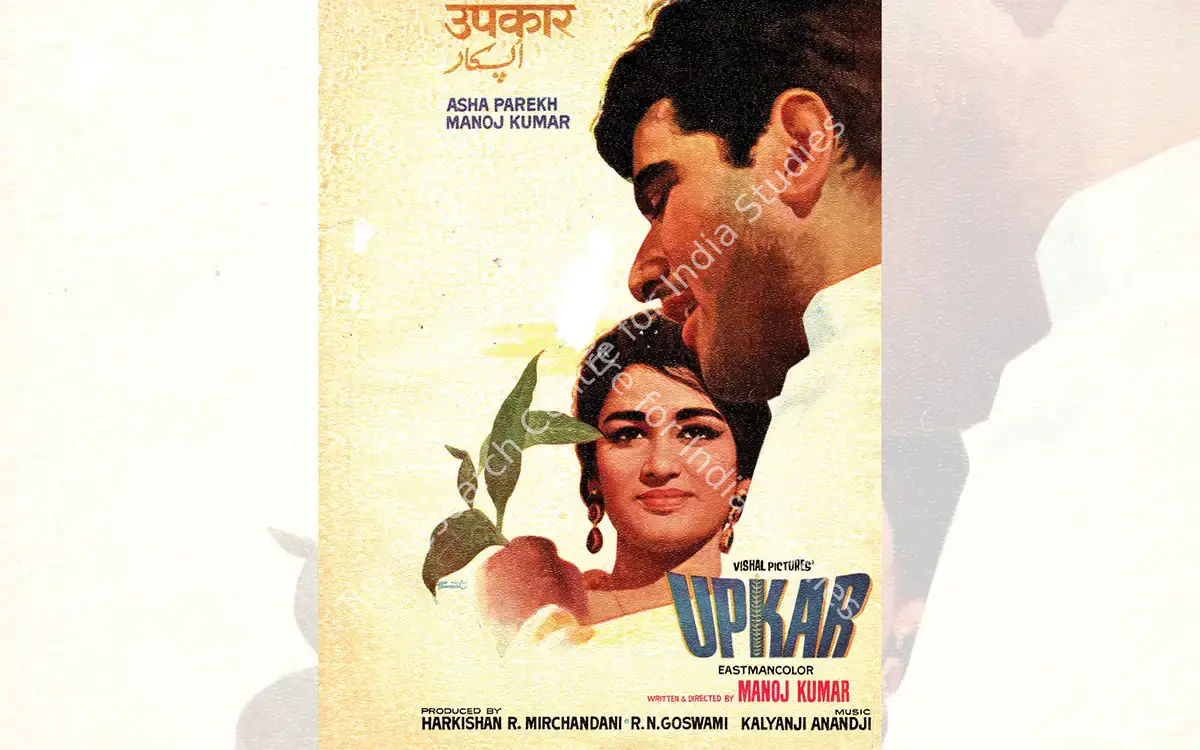
Mahendra Kapoor (9 January 1934 – 27 September 2008) He was one of the foremost playback singers of Hindi cinema, whose prolific career spanned over five decades. Renowned for his powerful, resonant voice and exceptional vocal range, he became particularly celebrated for patriotic songs, most notably Mere Desh Ki Dharti from Upkaar (1967), which remains one of the defining musical expressions of post-Independence India. Deeply influenced by Mohammed Rafi, whom he regarded as his guru, Kapoor developed a distinctive singing style that combined classical discipline with emotional intensity. In recognition of his outstanding contribution to Indian music, he was awarded the Padma Shri by the Government of India in 1972.
Born in Amritsar, Punjab, Kapoor relocated with his family to Bombay (now Mumbai) during his childhood. Inspired from an early age by Mohammed Rafi, he underwent rigorous training in Hindustani classical music under eminent maestros including Pt. Hussanlal, Pt. Jagannath Bua, Ustad Niaz Ahmed Khan, Ustad Abdul Rehman Khan, and Pt. Tulsidas Sharma. His breakthrough came after winning the prestigious Metro Murphy All-India Singing Competition, which paved the way for his playback debut in V. Shantaram's Navrang (1959). Under the musical direction of C. Ramchandra, he rendered the memorable duet Aadha Hai Chandrama Raat Aadhi, establishing himself as a promising new voice in Hindi cinema.
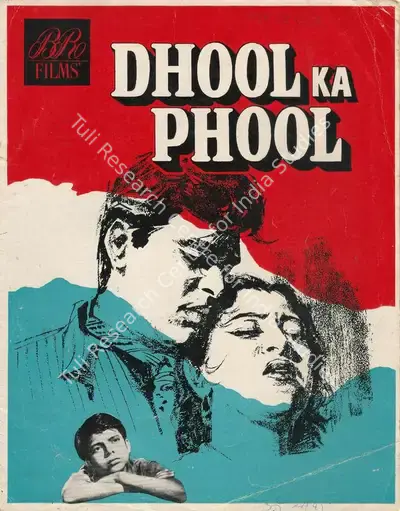
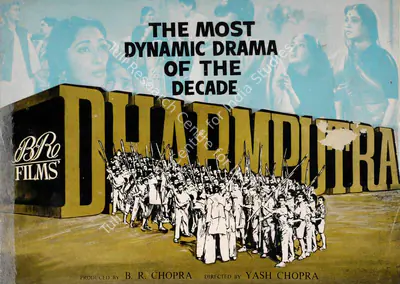
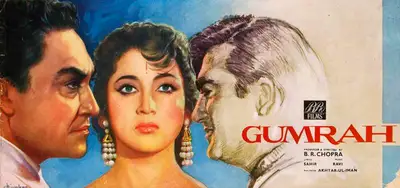
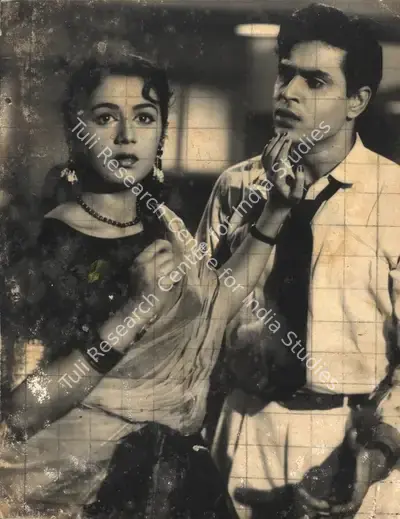
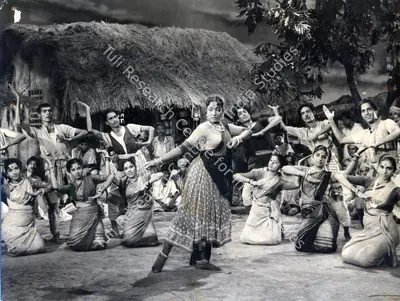
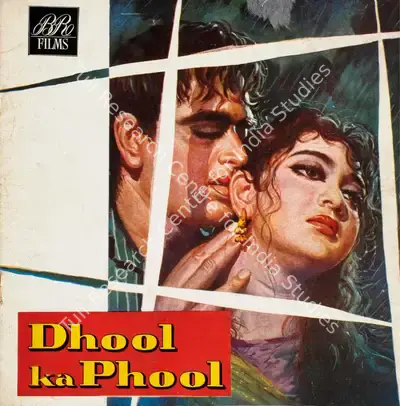
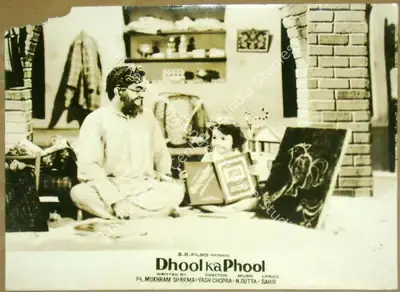
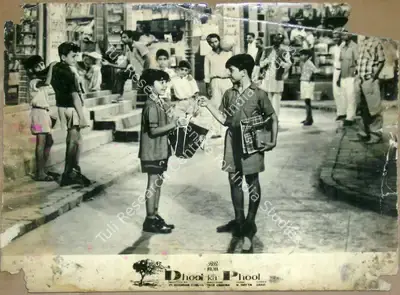
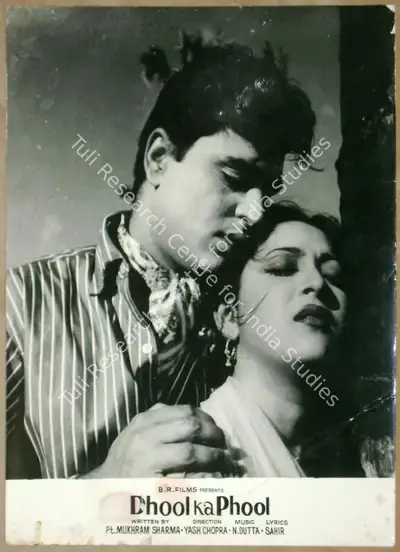
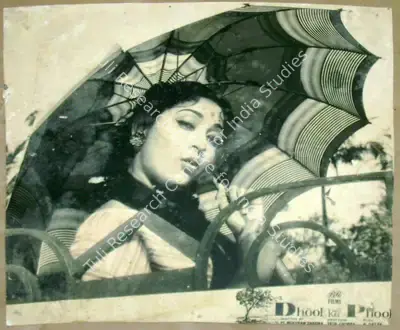
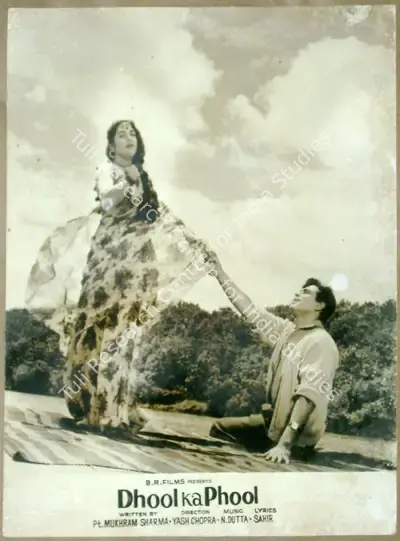
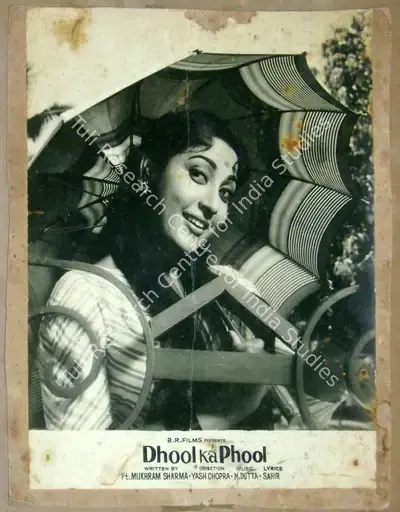
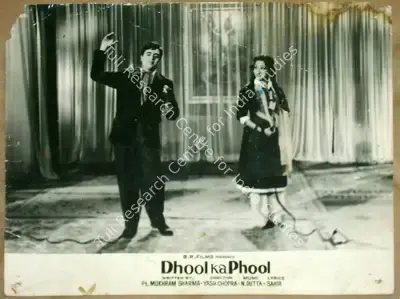
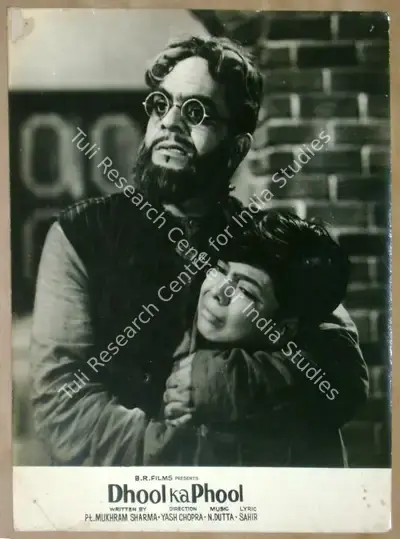
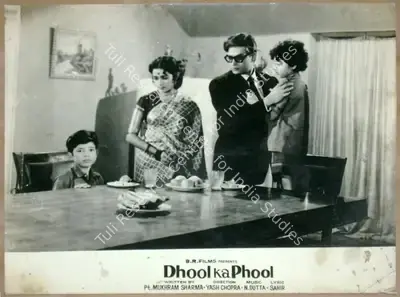
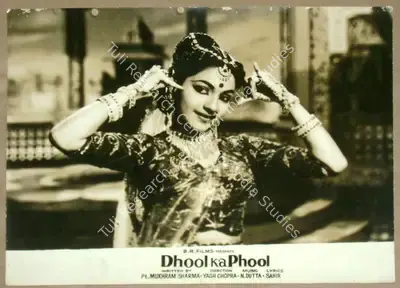
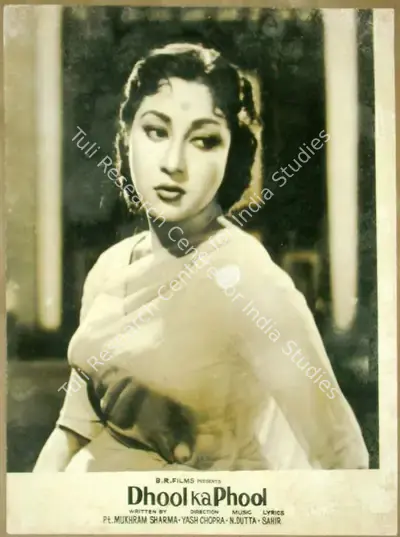
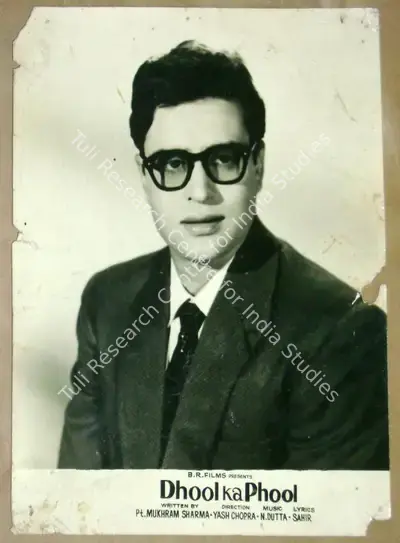
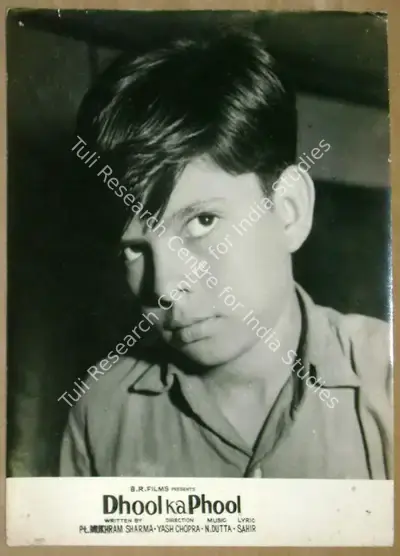
Kapoor enjoyed enduring professional associations with filmmaker B.R. Chopra and actor Manoj Kumar, becoming the principal playback voice in many of their films. His celebrated collaborations with B.R. Chopra include Dhool Ka Phool (1959), Gumrah (1963), Waqt (1965), Hamraaz (1967), Dhund (1973), Nikaah (1982), Awaam (1987), and the television epic Mahabharat (1988). For Manoj Kumar, he immortalised patriotic and socially conscious compositions in films such as Upkaar (1967) and Purab Aur Paschim (1970), earning a reputation as the voice of cinematic nationalism.
Although best remembered for Hindi cinema, Kapoor recorded songs in numerous Indian languages, including Marathi, Gujarati, Punjabi, and Bhojpuri, making him one of the most linguistically versatile playback singers of his generation. He became particularly popular in Marathi cinema as the singing voice of actor Dada Kondke, while his repertoire extended well beyond these collaborations. Kapoor also ventured into international popular music by recording the Hindi pop album M-3, inspired by the music of the internationally acclaimed group Boney M, becoming one of the earliest Indian playback singers to record English-language compositions.
His extensive repertoire includes enduring classics such as Chalo Ek Baar Phir Se from Gumrah (1963), Neele Gagan Ke Tale and Tum Agar Saath Dene Ka Vaada Karo from Hamraaz (1967), Bharat Ka Rahnewala Hoon from Purab Aur Paschim (1970), Lakhon Hain Yahan Dilwale from Kismat (1968), Ab Ke Baras from Kranti (1981), Tere Pyar Ki Tamanna from Tawaif (1984), and the iconic title theme of Mahabharat (1988). His honours include the National Film Award for Best Male Playback Singer for Mere Desh Ki Dharti, multiple Filmfare Awards, the Lata Mangeshkar Award, the Lifetime Achievement Award at the 2000 Bollywood Music Awards, and several state honours from Punjab and Gujarat. Kapoor passed away in Mumbai on 27 September 2008 following cardiac failure, leaving behind an enduring musical legacy that continues to resonate across generations.
पंजाब के अमृतसर में जन्मे कपूर बचपन में ही अपने परिवार के साथ बॉम्बे (अब मुंबई) बस गए थे। कम उम्र से ही मोहम्मद रफ़ी से प्रेरित होकर, उन्होंने पंडित हुसनलाल, पंडित जगन्नाथ बुआ, उस्ताद नियाज़ अहमद ख़ान, उस्ताद अब्दुल रहमान ख़ान और पंडित तुलसीदास शर्मा जैसे मशहूर उस्तादों से हिंदुस्तानी शास्त्रीय संगीत की कड़ी ट्रेनिंग ली। उन्हें बड़ी क़ामयाबी तब मिली जब उन्होंने प्रतिष्ठित 'मेट्रो मर्फी ऑल-इंडिया सिंगिंग कॉम्पिटिशन' जीता। इसी जीत ने वी. शांताराम की फ़िल्म 'नवरंग' (1959) में प्लेबैक सिंगर के तौर पर उनके डेब्यू का रास्ता साफ़ किया। सी. रामचंद्र के संगीत निर्देशन में उन्होंने यादगार युगल गीत 'आधा है चंद्रमा रात आधी' गाया और हिंदी सिनेमा में एक होनहार नई आवाज़ के तौर पर अपनी पहचान बनाई।
कपूर के फ़िल्ममेकर बी.आर. चोपड़ा और एक्टर मनोज कुमार के साथ लंबे समय तक पेशेवर संबंध रहे और वे उनकी कई फ़िल्मों में मुख्य प्लेबैक सिंगर बने। बी.आर. चोपड़ा के साथ उनके मशहूर कामों में 'धूल का फूल' (1959), 'गुमराह' (1963), 'वक़्त' (1965), 'हमराज़' (1967), 'धुंध' (1973), 'निक़ाह' (1982), 'अवाम' (1987) और टीवी सीरियल 'महाभारत' (1988) शामिल हैं। मनोज कुमार के लिए, उन्होंने 'उपकार' (1967) और 'पूरब और पश्चिम' (1970) जैसी फ़िल्मों में देशभक्ति और सामाजिक संदेश वाले गाने गाकर उन्हें यादगार बना दिया और सिनेमाई राष्ट्रवाद की आवाज़ के तौर पर पहचान बनाई।
हालांकि उन्हें मुख्य रूप से हिंदी सिनेमा के लिए याद किया जाता है, लेकिन कपूर ने मराठी, गुजराती, पंजाबी और भोजपुरी सहित कई भारतीय भाषाओं में गाने रिकॉर्ड किए, जिससे वे अपनी पीढ़ी के सबसे बहुभाषी प्लेबैक सिंगर्स में से एक बन गए। वे मराठी सिनेमा में एक्टर दादा कोंडके की आवाज़ के लिए काफ़ी लोकप्रिय हुए, जबकि उनका काम इन सहयोगों से कहीं आगे तक था। कपूर ने अंतरराष्ट्रीय स्तर पर मशहूर ग्रुप 'बोनी एम' (Boney M) के संगीत से प्रेरित हिंदी पॉप एल्बम 'एम-3' रिकॉर्ड करके अंतरराष्ट्रीय पॉप संगीत की दुनिया में भी कदम रखा और अंग्रेज़ी भाषा के गाने रिकॉर्ड करने वाले शुरुआती भारतीय प्लेबैक सिंगर्स में से एक बन गए।
उनके यादगार गानों की लंबी लिस्ट में 'गुमराह' (1963) का 'चलो एक बार फ़िर से', 'हमराज़' (1967) का 'नीले गगन के तले' और 'तुम अगर साथ देने का वादा करो', 'पूरब और पश्चिम' (1970) का 'भारत का रहने वाला हूँ', 'किस्मत' (1968) का 'लाखों हैं यहाँ दिलवाले', 'क्रांति' (1981) का 'अब के बरस', 'तवायफ़' (1984) का 'तेरे प्यार की तमन्ना' और 'महाभारत' (1988) का मशहूर टाइटल थीम शामिल हैं। उन्हें मिले सम्मानों में 'मेरे देश की धरती' के लिए बेस्ट मेल प्लेबैक सिंगर का नेशनल फ़िल्म अवॉर्ड, कई फ़िल्मफ़ेयर अवॉर्ड, लता मंगेशकर अवॉर्ड, 2000 के बॉलीवुड म्यूज़िक अवॉर्ड्स में लाइफ़टाइम अचीवमेंट अवॉर्ड और पंजाब व गुजरात से कई राज्य-स्तरीय सम्मान शामिल हैं। 27 सितंबर 2008 को मुंबई में दिल का दौरा पड़ने से कपूर का निधन हो गया, लेकिन वे संगीत की एक ऐसी विरासत छोड़ गए जो आज भी पीढ़ियों से गूंज रही है।
Filmography 122
Research Centre
Related
46
Films
23
Personalities
23