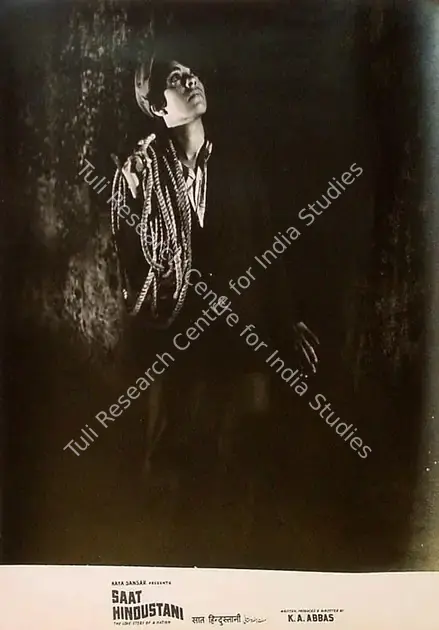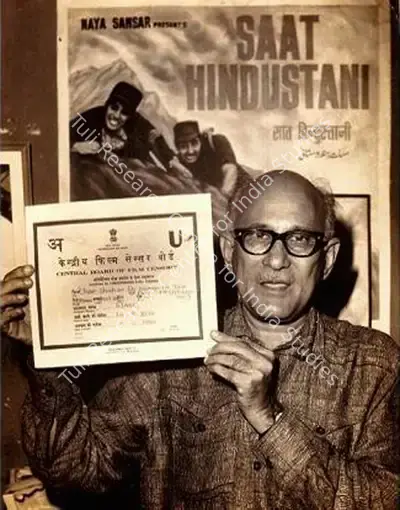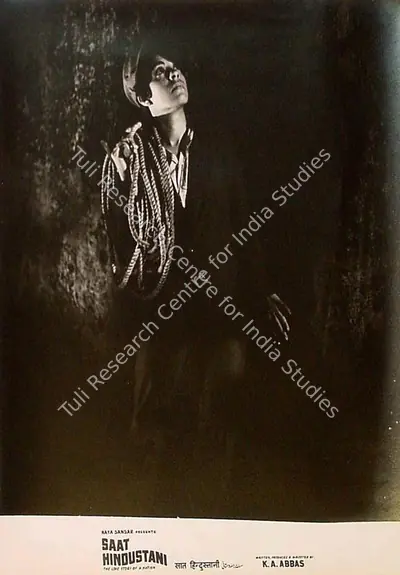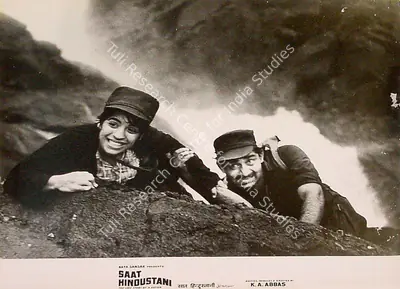
Saat Hindustani1969
Introduction
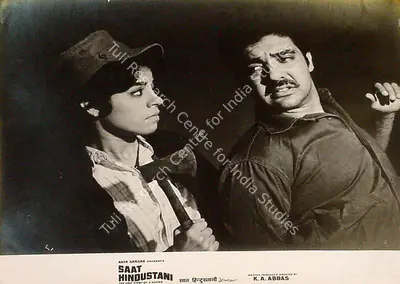
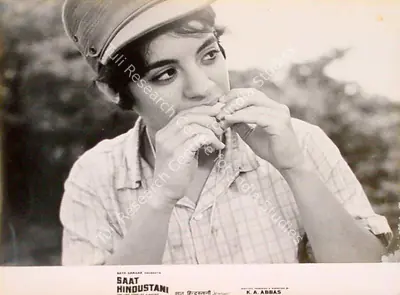
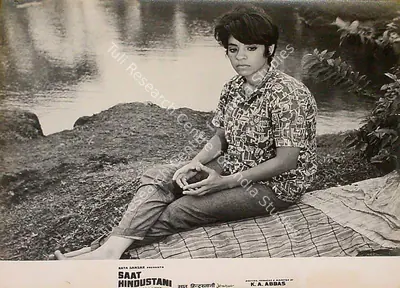
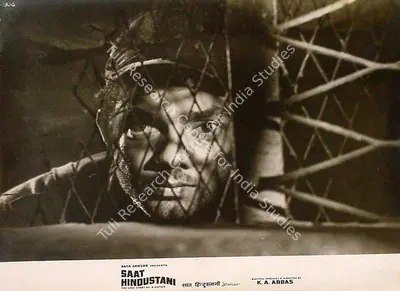
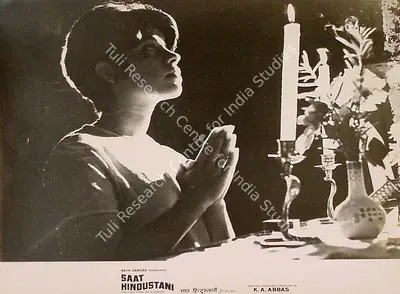
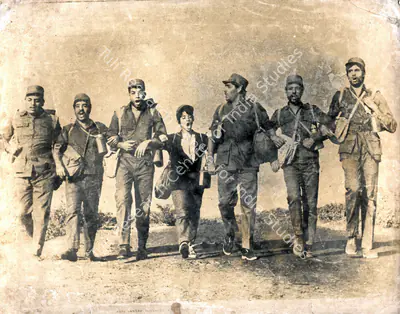
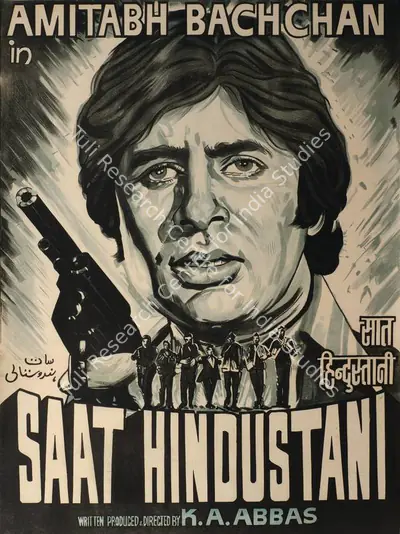
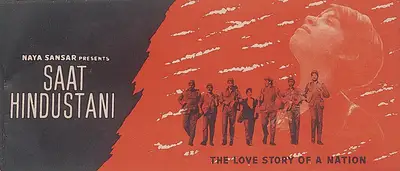
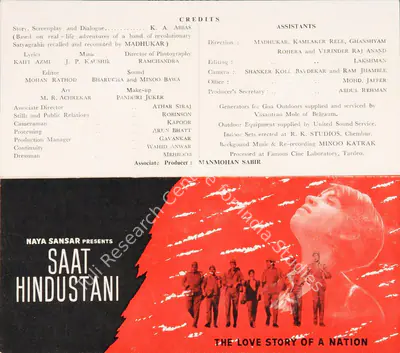
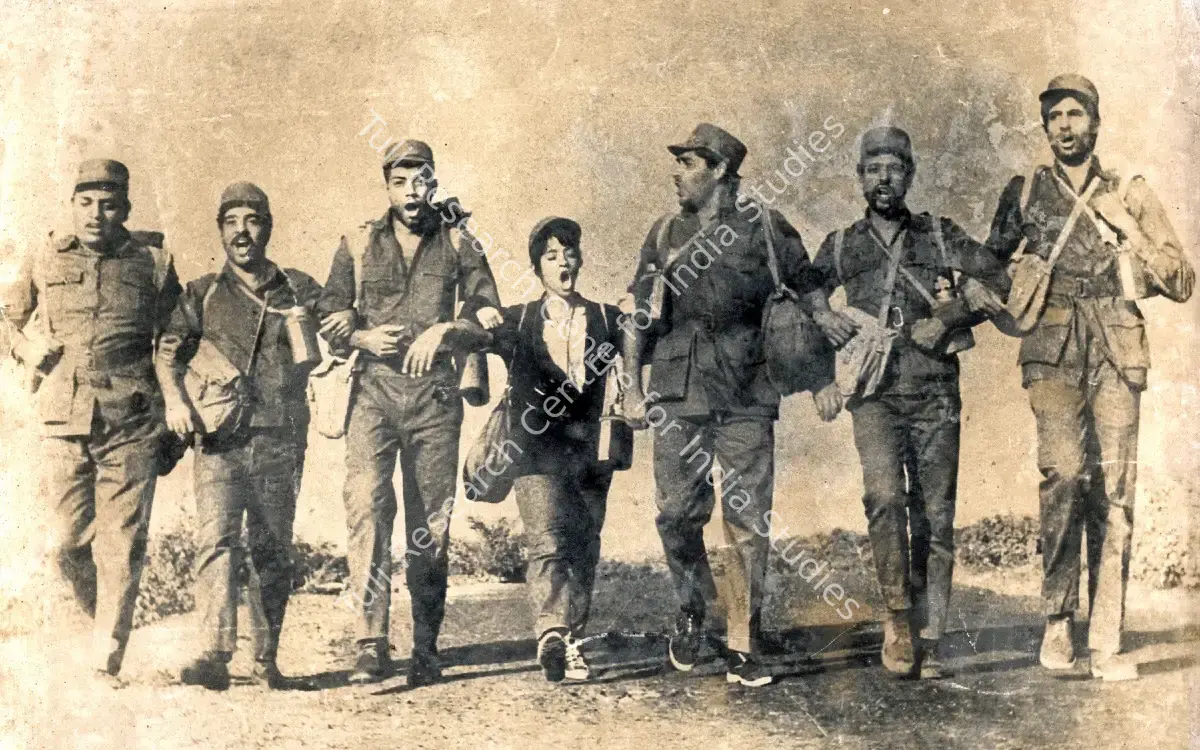
Saat Hindustani (1969) was an action-packed film that tells the heroic story of seven Indians who band together to free Goa from Portuguese colonial rule. Written, directed, and produced by Khwaja Ahmad Abbas, the film features a stellar ensemble cast led by Madhu, Utpal Dutt, Jalal Agha, Anwar Ali, Madhukar, Amitabh Bachchan (in his debut role), and Shehnaaz.
Despite its compelling storyline, the film's box-office performance was poor, and Bachchan, in particular, struggled to find work in the aftermath. His career began in 1969 with his voice narration in Bhuvan Shome, a film by Mrinal Sen. The music for Saat Hindustani was composed by J. P. Kaushik, with lyrics by Kaifi Azmi, and the songs were sung by Mahendra Kapoor.
Bachchan's early struggles continued with the failure of Reshma Aur Shera. However, his fortunes changed in 1973 with Zanjeer, which marked a turning point in his career. Over the next five decades, Bachchan would go on to star in over 200 films, earning a reputation as one of Bollywood's most iconic figures. He became known as the Shahenshah of Bollywood, Sadi Ke Mahanayak ("The Greatest Actor of the Century"), and Star of the Millennium. His dominance in the Indian film industry during the 1970s and 1980s was so significant that French director François Truffaut famously referred to him as a "one-man industry."
Bachchan has received numerous accolades throughout his career, including six National Film Awards and sixteen Filmfare Awards. Saat Hindustani was also recognized at the 15th National Film Awards in 1970, winning the Nargis Dutt Award for Best Feature Film on National Integration and the National Film Award for Best Lyrics for Kaifi Azmi.
हालाँकि फ़िल्म की कहानी दमदार थी लेकिन टिकट खिड़की पर इसका प्रदर्शन कमज़ोर रहा। अमिताभ बच्चन, जिनके अभिनय करियर की यह पहली फ़िल्म थी, उन्हें इस फ़िल्म के बाद नया काम हासिल करने में संघर्ष करना पड़ा। अमिताभ बच्चन का फ़िल्मी सफ़रनामा इसी साल बनी समांतर सिनेमा आन्दोलन की आरंभिक फ़िल्मों में से एक, दिग्गज निर्देशक मृणाल सेन की भुवन शोम (1969) में सूत्रधार की आवाज़ देने के साथ आरंभ हुआ था। फिर सात हिन्दुस्तानी में उन्हें गोवा की स्वतंत्रता के लिए लड़नेवाले शायर अनवर अली का अंतमुखी किरदार मिला। इस फ़िल्म में जे.पी. कौशिक ने संगीत दिया था और गीतों के बोल मशहूर शायर कैफ़ी आज़मी ने लिखे थे। गानों को आवाज़ महेंद्र कपूर ने दी थी।
अमिताभ बच्चन का संघर्ष रेशमा और शेरा (1971) जैसी बड़ी स्टारकास्ट वाली फ़िल्मों की नाकामयाबी के चलते आगे भी जारी रहा और उस दौर में उन्होंने दर्जन भर से ज़्यादा व्यावसायिक रूप से असफल फ़िल्मों में काम किया। लेकिन फिर 1973 में ज़ंजीर के साथ उनके भाग्य ने पलटा खाया। 'एंग्री यंग मैन' का उदय हुआ और लोकप्रिय हिन्दी सिनेमा की दिशा हमेशा के लिए बदल गई। इसके बाद बीते पाँच दशकों में अमिताभ 200 से अधिक फ़िल्मों में अपने अभिनय के जौहर दिखाते आये हैं और भारतीय सिनेमा के सबसे नामचीन कलाकारों में से एक बन चुके हैं। आज भी उनकी प्रसिद्धि अपरिमित है, उनके चाहनेवाले अपार। यूँ ही नहीं उन्हें 'सदी का महानायक' और 'स्टार ऑफ़ द मिलेनियम' कहा जाता। 1970 और 1980 के दशकों में उनका दबदबा इतना अधिक था कि मशहूर फ़्रांसीसी निर्देशक फ़्राँसुआ त्रूफ़ो ने उन्हें 'वन-मैन इंडस्ट्री' कहा था।
अपने फ़िल्मी करियर में अमिताभ बच्चन 6 राष्ट्रीय फ़िल्म पुरस्कार और 16 फ़िल्मफ़ेयर पुरस्कार जीत चुके हैं। सात हिंदुस्तानी को वर्ष 1970 में घोषित पंद्रहवें राष्ट्रीय फ़िल्म पुरस्कारों में 'राष्ट्रीय एकता पर बनी सर्वश्रेष्ठ फ़ीचर फ़िल्म के लिए नर्गिस दत्त पुरस्कार' मिला। फ़िल्म के गीतकार कैफ़ी आज़मी ने सर्वश्रेष्ठ गीतकार का राष्ट्रीय फ़िल्म पुरस्कार हासिल किया।