
Introduction
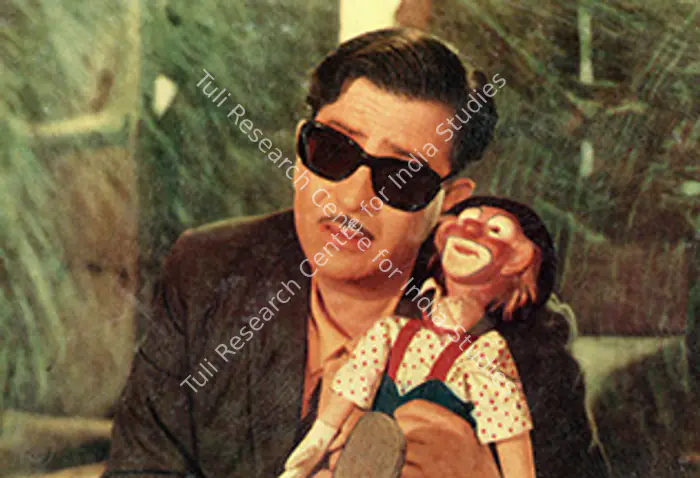
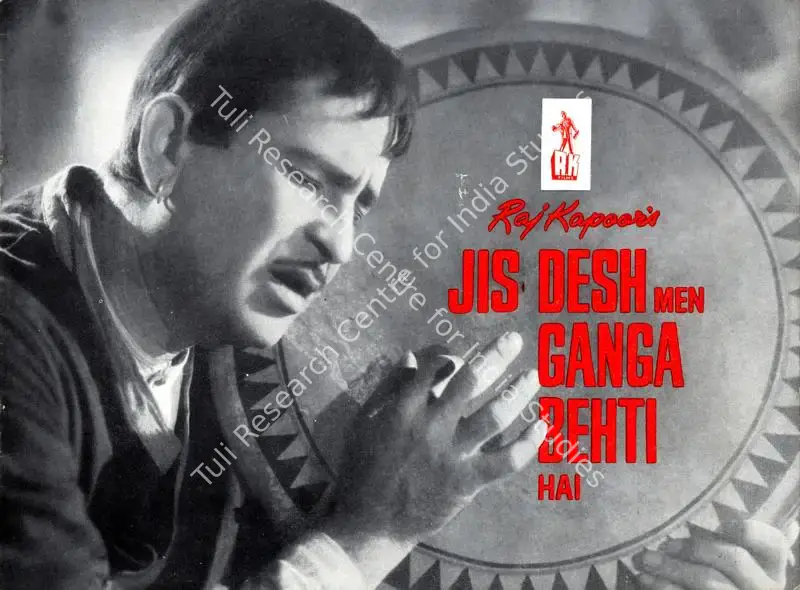
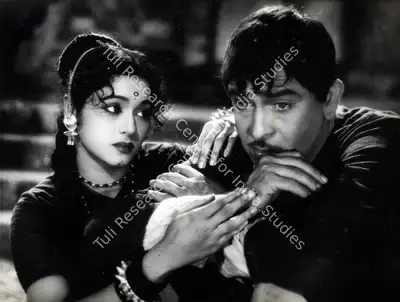
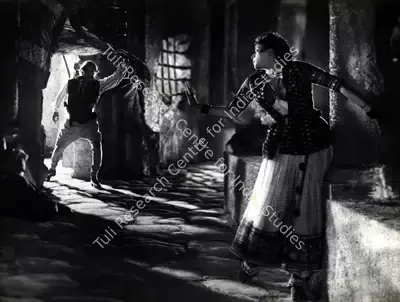
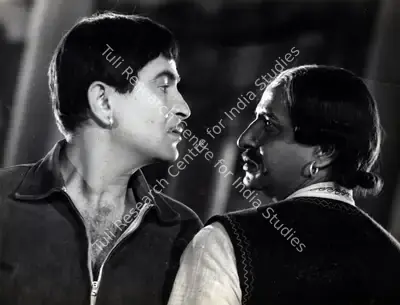
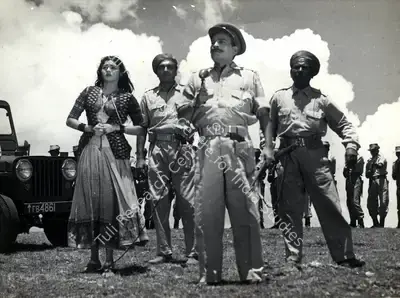
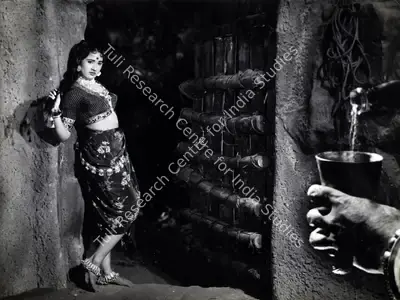
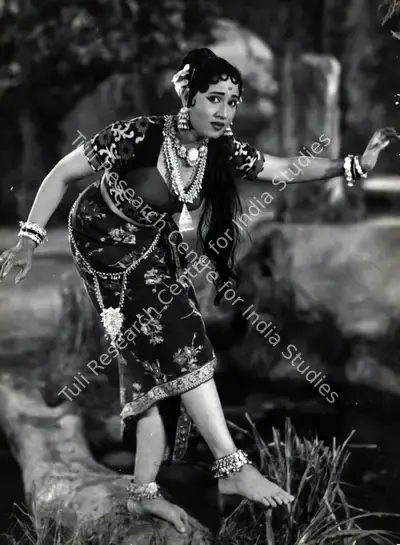
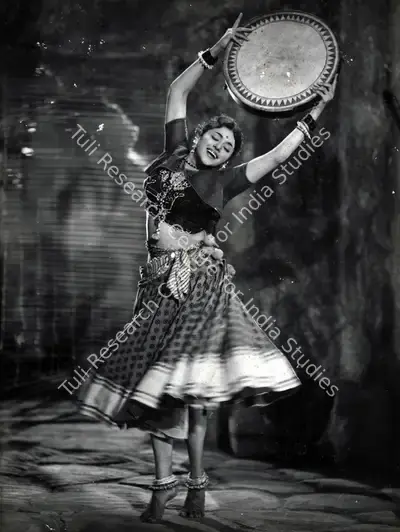
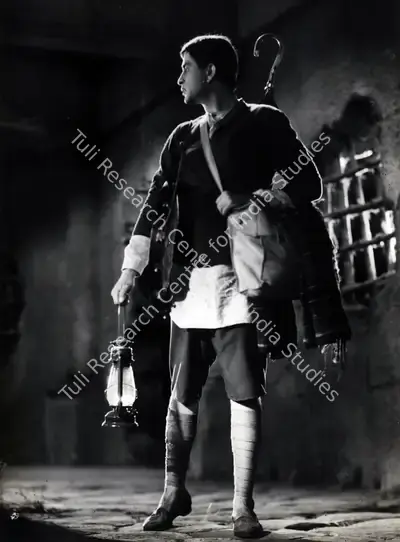
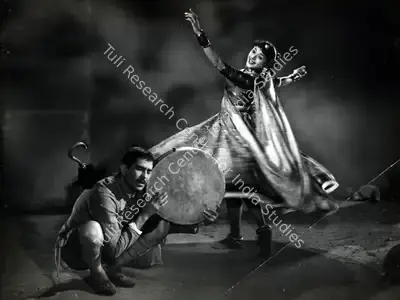
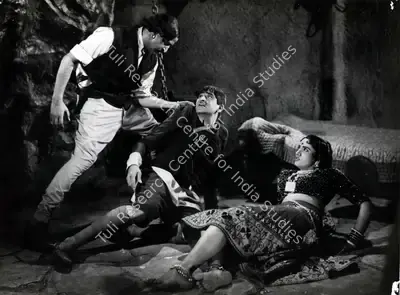
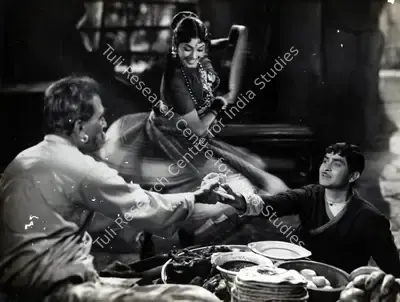
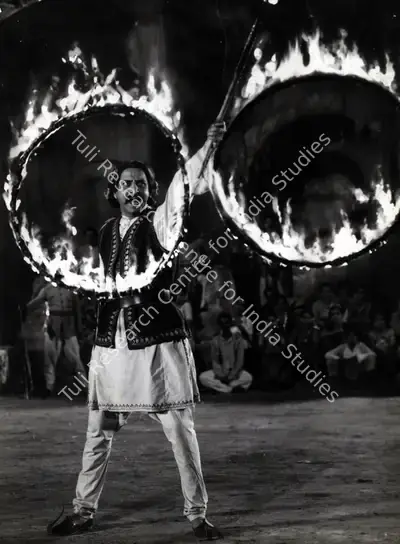
Jis Desh Mein Ganga Behti Hai (1960) Directed by Radhu Karmakar and produced by Raj Kapoor, the film starred Raj Kapoor, Padmini, and Pran in the lead roles. A romantic drama with a strong social message, the film highlighted the cultural and spiritual significance of the River Ganga and offered a poignant portrayal of rural Indian life.
This was the directorial debut of Radhu Karmakar, who had previously worked as the cinematographer on many of Raj Kapoor's films. The film was a commercial success and declared a "hit" at the Indian box office. It resonated deeply with audiences for its exploration of social and family values, and left a lasting impression.
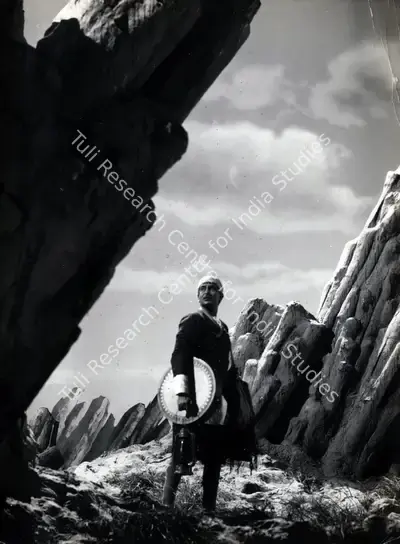
The visual appeal of the film was enhanced by its stunning outdoor locations, particularly the marble rock landscapes of Bhedaghat in Madhya Pradesh, which became one of the highlights of its cinematography.
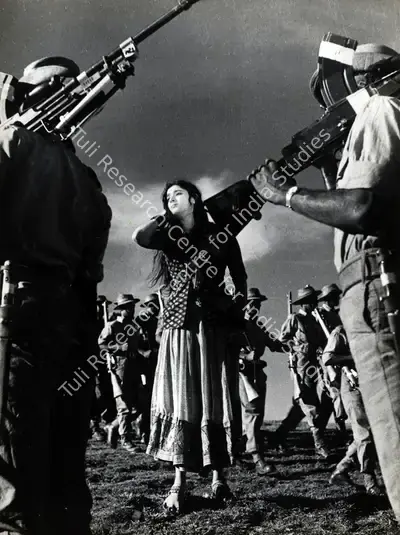
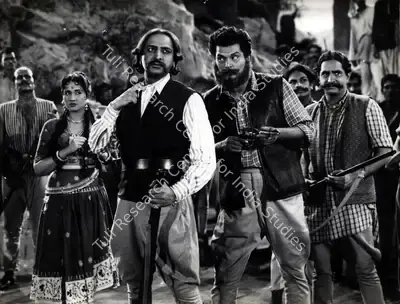
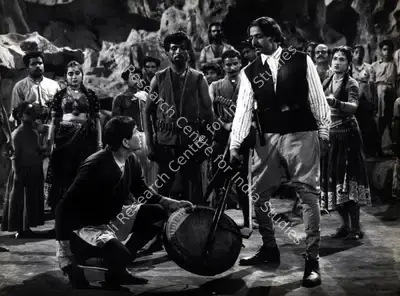
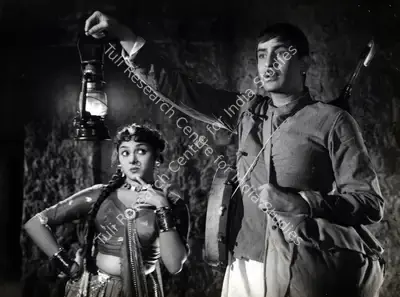
The narrative follows Raju (Raj Kapoor), a simple-minded, kind-hearted street singer who unknowingly becomes involved with a group of bandits. As the story unfolds, Raju's moral compass and innocence lead to a transformation within the group. He falls in love with Kammo (Padmini), the daughter of a bandit. However, after witnessing the cold-blooded murder of an innocent couple, Raju decides to inform the police, becoming the catalyst for change.
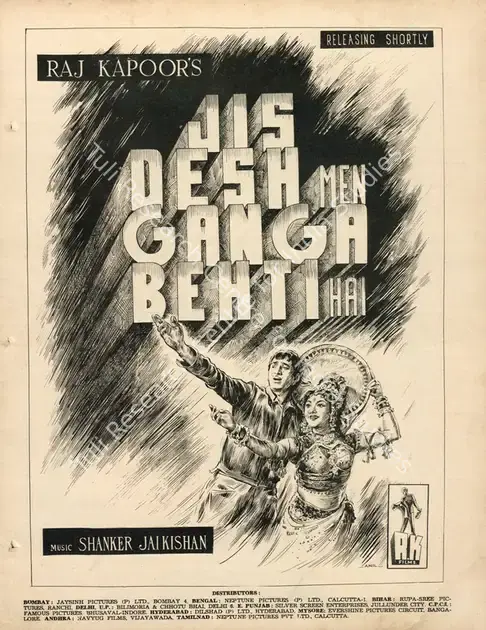
The film's music, composed by the legendary duo Shankar-Jaikishan, played a vital role in its success. Shailendra and Hasrat Jaipuri penned the lyrics for memorable songs such as Basanti Pawan Pagal, Aa Ab Laut Chalen, and Hothon Pe Sachchai Rehti Hai. Of particular note is Lata Mangeshkar's haunting alaap in Aa Ab Laut Chalen, which was added later and showcased her mastery in navigating complex musical passages with emotional depth and vocal finesse. Critics and connoisseurs alike have praised her for the exceptional range and emotive power she brought to the song.
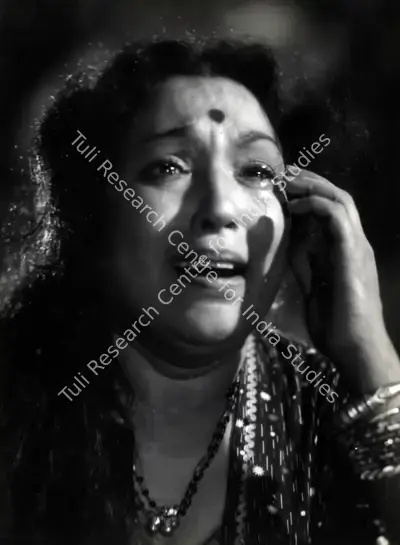
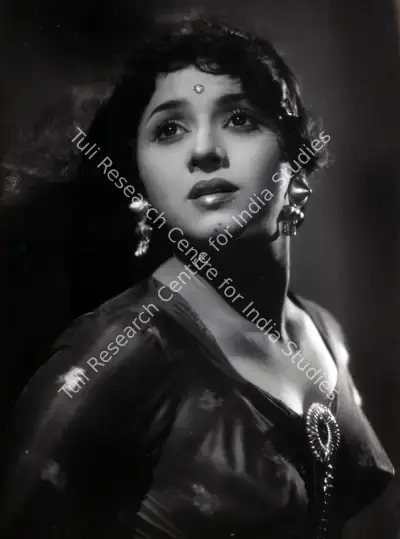
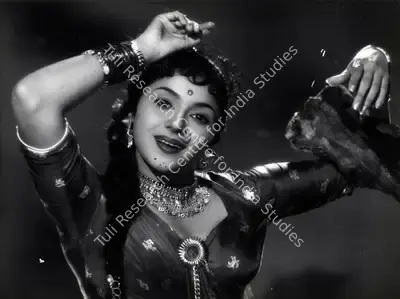
Padmini, cast by Kapoor in what became one of the most significant roles of her career, received widespread acclaim. Her performance was lauded by both critics and audiences, leading to a wave of major film offers.
The film is now regarded as a classic of Indian cinema. Its music and story continue to be cherished across generations.
At the 9th Filmfare Awards, the film received eight nominations and won four awards: Best Film – Raj Kapoor; Best Actor – Raj Kapoor; Best Editing – G.G. Mayekar; Best Art Direction – M.R. Acharekar
Additionally, at the National Film Awards in 1960, it was honoured with a Certificate of Merit for Best Feature Film in Hindi.
This was the directorial debut of Radhu Karmakar, who had previously worked as the cinematographer on many of Raj Kapoor's films. The film was a commercial success and declared a "hit" at the Indian box office. It resonated deeply with audiences for its exploration of social and family values, and left a lasting impression.
The visual appeal of the film was enhanced by its stunning outdoor locations, particularly the marble rock landscapes of Bhedaghat in Madhya Pradesh, which became one of the highlights of its cinematography.
The narrative follows Raju (Raj Kapoor), a simple-minded, kind-hearted street singer who unknowingly becomes involved with a group of bandits. As the story unfolds, Raju's moral compass and innocence lead to a transformation within the group. He falls in love with Kammo (Padmini), the daughter of a bandit. However, after witnessing the cold-blooded murder of an innocent couple, Raju decides to inform the police, becoming the catalyst for change.
The film's music, composed by the legendary duo Shankar-Jaikishan, played a vital role in its success. Shailendra and Hasrat Jaipuri penned the lyrics for memorable songs such as Basanti Pawan Pagal, Aa Ab Laut Chalen, and Hothon Pe Sachchai Rehti Hai. Of particular note is Lata Mangeshkar's haunting alaap in Aa Ab Laut Chalen, which was added later and showcased her mastery in navigating complex musical passages with emotional depth and vocal finesse. Critics and connoisseurs alike have praised her for the exceptional range and emotive power she brought to the song.
Padmini, cast by Kapoor in what became one of the most significant roles of her career, received widespread acclaim. Her performance was lauded by both critics and audiences, leading to a wave of major film offers.
The film is now regarded as a classic of Indian cinema. Its music and story continue to be cherished across generations.
At the 9th Filmfare Awards, the film received eight nominations and won four awards: Best Film – Raj Kapoor; Best Actor – Raj Kapoor; Best Editing – G.G. Mayekar; Best Art Direction – M.R. Acharekar
Additionally, at the National Film Awards in 1960, it was honoured with a Certificate of Merit for Best Feature Film in Hindi.
जिस देश में गंगा बहती है (1960) के निर्देशक राज कपूर की फ़िल्मों के चर्चित सिनेमैटोग्राफ़र रहे राधु करमाकर थे। इसका निर्माण खुद राज कपूर ने 'आर के फ़िल्म्स' के बैनर तले किया था और राज कपूर, पद्मिनी और प्राण जैसे अभिनेताओं ने इसमें प्रमुख भूमिकाएँ निभाईं थीं। यह एक सामाजिक संदेश देनेवाली फ़िल्म थी जिसे रोमांटिक ड्रामा से युक्त कथा में पिरोया गया था। इस फ़िल्म ने प्रतीकात्मक स्तर पर भारतीय सभ्यता में गंगा नदी के सांस्कृतिक और आध्यात्मिक महत्व को रेखांकित किया और सिनेमाई पर्दे पर भारतीय ग्रामीण जीवन का एक संवेदनशील चित्र प्रस्तुत किया।
यह राधु करमाकर की निर्देशक की भूमिका में पहली फ़िल्म थी। वे इससे पहले राज कपूर की कई यादगार फ़िल्मों में सिनेमैटोग्राफ़र के रूप में काम कर चुके थे। चार दशक तक आवारा (1951) से लगाकर राम तेरी गंगा मैली (1985) तक राज कपूर की सभी फ़िल्मों में छायांकन उन्हीं का होता था। राज कपूर की फ़िल्मों में बहुतायत से 'बिलो दि आई लेवल' शॉट का इस्तेमाल कर आम आदमी के नज़रिये को फ़िल्म की दृश्यभाषा का हिस्सा बनाने का श्रेय राधु करमाकर को ही जाता है। 'कैमरा मेरी तीसरी आँख' शीर्षक अपनी आत्मकथा में वे लिखते हैं कि उन्होंने यह तकनीक महान जापानी फ़िल्मकार येसेज़िरो ओज़ू की फ़िल्में देखकर सीखी थी। जिस देस में गंगा बहती है व्यावसायिक रूप से कामयाब रही और भारतीय बाज़ार में इसे हिट का तमगा मिला। इसकी जागृत सामाजिक चेतना और पारिवारिक मूल्यों को स्थापित करनेवाली कहानी ने दर्शकों के साथ गहरा जुड़ाव कायम किया और इस फ़िल्म ने अपने समय पर एक स्थायी प्रभाव छोड़ा।
फ़िल्म की दृश्यात्मक खूबसूरती को लोकेशन पर हुए इसके शानदार छायांकन ने और निखारा जिसमें ख़ास तौर पर मध्य प्रदेश के भेड़ाघाट में नर्मदा नदी के साथ-साथ चलती संगमरमर की चट्टानों के अद्भुत दृश्य फ़िल्म की शानदार सिनेमैटोग्राफ़ी में उभरकर सामने आये।
फ़िल्म की कहानी राजू (राज कपूर) नामक एक भोले-भाले सहृदय युवा के साथ आगे बढ़ती है। राजू एक लोकगायक है जो अनजाने में ही डाकुओं के एक गिरोह के साथ हो जाता है। जैसे-जैसे कहानी आगे बढ़ती है, राजू की नैतिकता और मासूमियत डाकुओं के उस गिरोह की सोच में बदलाव की बयार लाने की वजह बनती है। इस बीच राजू कम्मो (पद्मिनी) नामक एक डाकू की बेटी से प्रेम करने लगता है। लेकिन जब वह एक निर्दोष जोड़े की निर्मम हत्या देखता है तो आगे बढ़कर पुलिस को सूचना देने का फैसला करता है। फ़िल्म की कहानी में यह मोड़ परिवर्तन का सूत्र बनता है।
इस फ़िल्म के लिए संगीत प्रसिद्ध जोड़ी शंकर-जयकिशन ने तैयार किया था और फ़िल्म की कामयाबी में इसका संगीत एक प्रमुख कारक रहा। शैलेन्द्र और हसरत जयपुरी के लिखे इसके गीतों के बोल भी यादगार रहे। फ़िल्म के “ओ बसंती पवन पागल”, “आ अब लौट चलें” और “होठों पे सच्चाई रहती है” जैसे यादगार गीत इस फ़िल्म को सिनेमाई धरोहर की श्रेणी में ले जाते हैं। यहाँ लता मंगेशकर द्वारा “आ अब लौट चलें” में गीत गाते हुए लिया गया आलाप विशेष उल्लेख की माँग करता है। मूल गीत में इसे बाद में जोड़ा गया था। स्वर कोकिला लता मंगेशकर की आवाज़ की जज़्बाती गहराई और पार्श्वगायन की जटिलताओं को संभाल ले जाने की उनकी दक्षता यहाँ स्पष्ट झलकती है। इस गीत में भावनाओं के ज्वार को जिस आवेगभरी ऊँचाई पर वे ले जाती हैं और स्वर रूपी अभिव्यक्ति को जैसा विस्तार उनकी करीने से तराशी हुई आवाज़ देती है, आलोचकों और संगीत प्रेमियों दोनों की ओर से इसकी भूरि-भूरि प्रशंसा की गई।
राज कपूर द्वारा पद्मिनी को इस केन्द्रीय भूमिका के लिए चुनना उनके अभिनय करियर के सबसे महत्वपूर्ण पड़ावों में से एक साबित हुआ। फ़िल्म में उनके काम को समीक्षकों और दर्शकों दोनों की ओर से तारीफ़ मिली और इसके बाद उनके सामने नई से नई फ़िल्म के प्रस्तावों की लाइन लग गई।
आज जिस देस में गंगा बहती है को भारतीय सिनेमा की एक क्लासिक फ़िल्म का दर्जा दिया जाता है। इसकी सशक्त कहानी और मनभावन संगीत पुरानी से लेकर नई पीढ़ी के दर्शकों तक पसन्द किये जाते रहे हैं।
नवें फ़िल्मफ़ेयर पुरस्कारों में इस फ़िल्म को कुल आठ नामांकन हासिल हुए और आखिर में इसने चार पुरस्कारों पर कब्ज़ा जमाया। ये पुरस्कार थे 'सर्वश्रेष्ठ फ़िल्म' के लिए और 'सर्वश्रेष्ठ अभिनेता' के लिए राज कपूर को मिले फ़िल्मफ़ेयर पुरस्कार, 'सर्वश्रेष्ठ संपादन' के लिए जी. जी. मायेकर को मिला फ़िल्मफ़ेयर पुरस्कार और 'सर्वश्रेष्ठ कला निर्देशन' के लिए एम. आर. अचरेकर को मिला फ़िल्मफ़ेयर पुरस्कार। इसके अलावा वर्ष 1960 के राष्ट्रीय फ़िल्म पुरस्कारों में इसे हिन्दी भाषा में निर्मित सर्वश्रेष्ठ फ़ीचर फिल्म के लिए मिलनेवाले वरीयता प्रमाणपत्र से नवाज़ा गया।
यह राधु करमाकर की निर्देशक की भूमिका में पहली फ़िल्म थी। वे इससे पहले राज कपूर की कई यादगार फ़िल्मों में सिनेमैटोग्राफ़र के रूप में काम कर चुके थे। चार दशक तक आवारा (1951) से लगाकर राम तेरी गंगा मैली (1985) तक राज कपूर की सभी फ़िल्मों में छायांकन उन्हीं का होता था। राज कपूर की फ़िल्मों में बहुतायत से 'बिलो दि आई लेवल' शॉट का इस्तेमाल कर आम आदमी के नज़रिये को फ़िल्म की दृश्यभाषा का हिस्सा बनाने का श्रेय राधु करमाकर को ही जाता है। 'कैमरा मेरी तीसरी आँख' शीर्षक अपनी आत्मकथा में वे लिखते हैं कि उन्होंने यह तकनीक महान जापानी फ़िल्मकार येसेज़िरो ओज़ू की फ़िल्में देखकर सीखी थी। जिस देस में गंगा बहती है व्यावसायिक रूप से कामयाब रही और भारतीय बाज़ार में इसे हिट का तमगा मिला। इसकी जागृत सामाजिक चेतना और पारिवारिक मूल्यों को स्थापित करनेवाली कहानी ने दर्शकों के साथ गहरा जुड़ाव कायम किया और इस फ़िल्म ने अपने समय पर एक स्थायी प्रभाव छोड़ा।
फ़िल्म की दृश्यात्मक खूबसूरती को लोकेशन पर हुए इसके शानदार छायांकन ने और निखारा जिसमें ख़ास तौर पर मध्य प्रदेश के भेड़ाघाट में नर्मदा नदी के साथ-साथ चलती संगमरमर की चट्टानों के अद्भुत दृश्य फ़िल्म की शानदार सिनेमैटोग्राफ़ी में उभरकर सामने आये।
फ़िल्म की कहानी राजू (राज कपूर) नामक एक भोले-भाले सहृदय युवा के साथ आगे बढ़ती है। राजू एक लोकगायक है जो अनजाने में ही डाकुओं के एक गिरोह के साथ हो जाता है। जैसे-जैसे कहानी आगे बढ़ती है, राजू की नैतिकता और मासूमियत डाकुओं के उस गिरोह की सोच में बदलाव की बयार लाने की वजह बनती है। इस बीच राजू कम्मो (पद्मिनी) नामक एक डाकू की बेटी से प्रेम करने लगता है। लेकिन जब वह एक निर्दोष जोड़े की निर्मम हत्या देखता है तो आगे बढ़कर पुलिस को सूचना देने का फैसला करता है। फ़िल्म की कहानी में यह मोड़ परिवर्तन का सूत्र बनता है।
इस फ़िल्म के लिए संगीत प्रसिद्ध जोड़ी शंकर-जयकिशन ने तैयार किया था और फ़िल्म की कामयाबी में इसका संगीत एक प्रमुख कारक रहा। शैलेन्द्र और हसरत जयपुरी के लिखे इसके गीतों के बोल भी यादगार रहे। फ़िल्म के “ओ बसंती पवन पागल”, “आ अब लौट चलें” और “होठों पे सच्चाई रहती है” जैसे यादगार गीत इस फ़िल्म को सिनेमाई धरोहर की श्रेणी में ले जाते हैं। यहाँ लता मंगेशकर द्वारा “आ अब लौट चलें” में गीत गाते हुए लिया गया आलाप विशेष उल्लेख की माँग करता है। मूल गीत में इसे बाद में जोड़ा गया था। स्वर कोकिला लता मंगेशकर की आवाज़ की जज़्बाती गहराई और पार्श्वगायन की जटिलताओं को संभाल ले जाने की उनकी दक्षता यहाँ स्पष्ट झलकती है। इस गीत में भावनाओं के ज्वार को जिस आवेगभरी ऊँचाई पर वे ले जाती हैं और स्वर रूपी अभिव्यक्ति को जैसा विस्तार उनकी करीने से तराशी हुई आवाज़ देती है, आलोचकों और संगीत प्रेमियों दोनों की ओर से इसकी भूरि-भूरि प्रशंसा की गई।
राज कपूर द्वारा पद्मिनी को इस केन्द्रीय भूमिका के लिए चुनना उनके अभिनय करियर के सबसे महत्वपूर्ण पड़ावों में से एक साबित हुआ। फ़िल्म में उनके काम को समीक्षकों और दर्शकों दोनों की ओर से तारीफ़ मिली और इसके बाद उनके सामने नई से नई फ़िल्म के प्रस्तावों की लाइन लग गई।
आज जिस देस में गंगा बहती है को भारतीय सिनेमा की एक क्लासिक फ़िल्म का दर्जा दिया जाता है। इसकी सशक्त कहानी और मनभावन संगीत पुरानी से लेकर नई पीढ़ी के दर्शकों तक पसन्द किये जाते रहे हैं।
नवें फ़िल्मफ़ेयर पुरस्कारों में इस फ़िल्म को कुल आठ नामांकन हासिल हुए और आखिर में इसने चार पुरस्कारों पर कब्ज़ा जमाया। ये पुरस्कार थे 'सर्वश्रेष्ठ फ़िल्म' के लिए और 'सर्वश्रेष्ठ अभिनेता' के लिए राज कपूर को मिले फ़िल्मफ़ेयर पुरस्कार, 'सर्वश्रेष्ठ संपादन' के लिए जी. जी. मायेकर को मिला फ़िल्मफ़ेयर पुरस्कार और 'सर्वश्रेष्ठ कला निर्देशन' के लिए एम. आर. अचरेकर को मिला फ़िल्मफ़ेयर पुरस्कार। इसके अलावा वर्ष 1960 के राष्ट्रीय फ़िल्म पुरस्कारों में इसे हिन्दी भाषा में निर्मित सर्वश्रेष्ठ फ़ीचर फिल्म के लिए मिलनेवाले वरीयता प्रमाणपत्र से नवाज़ा गया।
1 / 7
Body of Work
Art Director
Assistant Directors
Banner
Choreographer
Cinematographer
Costume Designer
Dialogue Writer
Director
Editing
Lead Cast
Lead Cast Rest
Lyricist
Music Director
Producer
Screenplay Writer
Still Photographer
Story Writer
Research Centre
20 of 60
20 of 60
Calendar 1
- ArchivedExhibitionProject 14Exhibition | The Cinema of Raj Kapoor | T.R.I.S. in Collaboration with 17th Habitat Film Festival14th - 19th May 2025T.R.I.S. in Collaboration with 17th Habitat Film Festival will be commemorating the life and work of two pioneering individuals of the Indian film industry, who shaped Indian cinema in their unique ways. One exhibition celebrates the birth centenary of Raj Kapoor, while the other remembers Shyam Benegal. The Cinema of Raj Kapoor – 15 to 20 May 2025 The Cinema of Shyam Benegal - 21 to 25 May 2025 10:00 am to 8:00 pm daily at the Convention Centre Foyer GalleryRead More →