Introduction
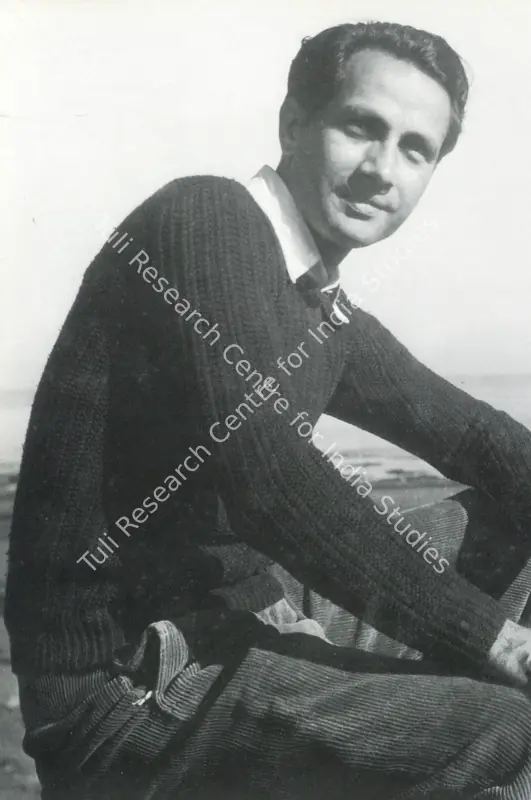
Chetan Anand (3 January 1921 – 6 July 1997) He occupies a distinguished position in the history of Indian cinema as a filmmaker, screenwriter, producer, and occasional actor whose pioneering contributions significantly expanded the artistic and international horizons of Hindi filmmaking. His directorial debut, Neecha Nagar (1946), achieved an unprecedented milestone by winning the Grand Prix—now known as the Palme d'Or—at the inaugural Cannes Film Festival in 1946, making it the first Indian film to receive this prestigious international honour. In 1949, Anand co-founded Navketan Films with his younger brother Dev Anand, laying the foundation for one of the most influential production houses in post-independence Indian cinema.
Born in Lahore on 3 January 1921 to the prominent lawyer Pishori Lal Anand, he received his early education at Gurukul Kangri Vishwavidyalaya before earning a degree in English from Government College, Lahore. During the 1930s, he was associated with the Indian National Congress and subsequently worked for the BBC and taught at The Doon School in Dehradun. His aspiration to enter cinema eventually brought him to Bombay with a screenplay based on Emperor Ashoka. Although unsuccessful in the Indian Civil Service examinations, his meeting with director Phani Majumdar proved decisive, leading to his acting debut in Rajkumar (1944). Around the same period, Anand became actively associated with the Indian People's Theatre Association, an influential cultural movement that also included progressive writers and artists such as Sahir Ludhianvi.
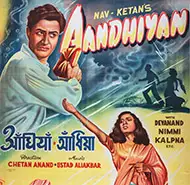
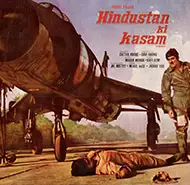
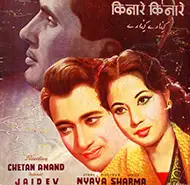
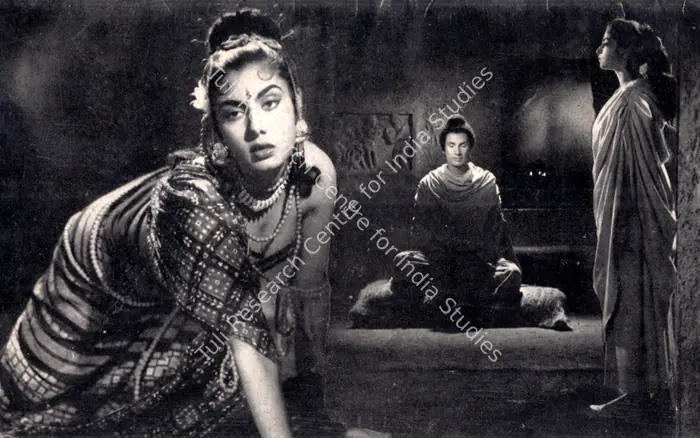
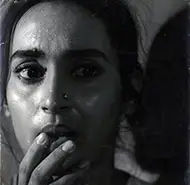
The extraordinary success of Neecha Nagar (1946) established Anand as a distinctive cinematic voice characterised by realism, social critique, and artistic experimentation. The film also marked the screen debut of Kamini Kaushal and featured some of the earliest film compositions of Pandit Ravi Shankar. Building upon this achievement, Anand directed Afsar (1950), the inaugural production of Navketan Films starring Dev Anand and Suraiya, followed by Taxi Driver (1954) and Aandhiyan (1952). While establishing himself as an accomplished director, he continued acting in films including Humsafar (1953), Arpan (1957), Anjali (1957), Kala Bazar (1960), Kinare Kinare (1963), Aman (1967), Kanch Aur Heera (1972), and Hindustan Ki Kasam (1973).
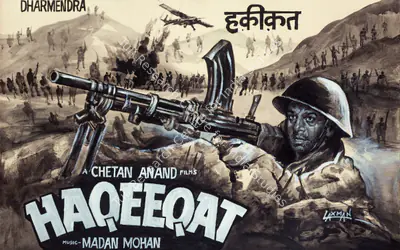
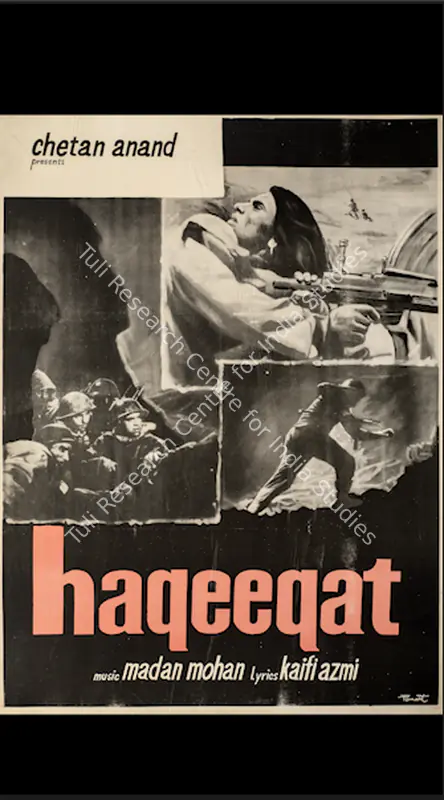
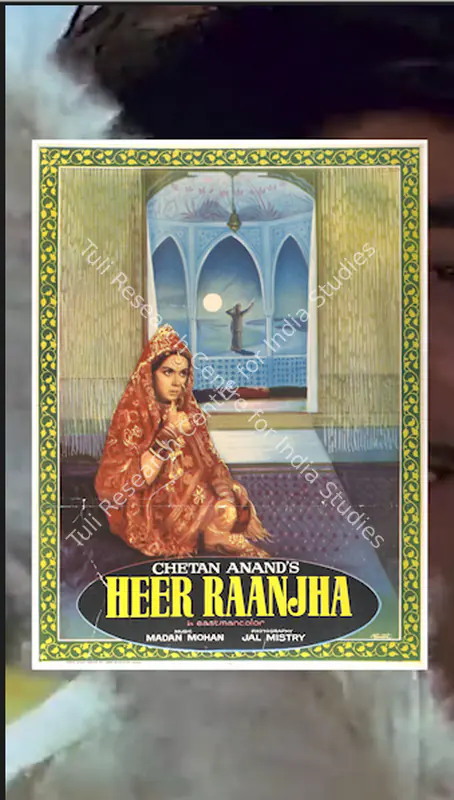
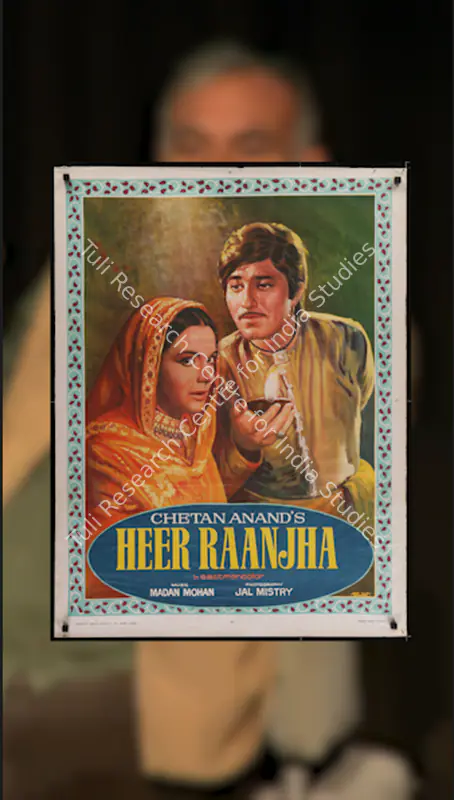
Anand later established Himalaya Films, where he collaborated with cinematographer Jal Mistry, composer Madan Mohan, lyricist Kaifi Azmi, and actress Priya Rajvansh. This creative partnership produced some of Hindi cinema's most celebrated works, including Haqeeqat (1964), Heer Raanjha (1970), Hanste Zakhm (1973), and Hindustan Ki Kasam (1973). Among these, Haqeeqat remains widely regarded as one of India's finest war films, admired for its emotional depth, visual realism, and patriotic resonance. Anand also played a pivotal role in launching the career of Rajesh Khanna by casting him in Aakhri Khat (1966), although Raaz (1967) became the actor's first released film. He later directed Khanna in Kudrat (1981), a critically acclaimed exploration of reincarnation, fate, and destiny.
Beyond feature films, Anand expanded his creative pursuits into television through the acclaimed Doordarshan series Param Veer Chakra (1988), which commemorated India's highest military decoration with historical sensitivity and cinematic craftsmanship.
Anand's personal life reflected many of the social complexities of twentieth-century India. In 1943, he married Uma Chatterji, with whom he had two sons, Ketan and Vivek. Although the couple separated after several years, prevailing legal restrictions on divorce prevented the formal dissolution of their marriage. During the 1960s, Anand developed a lifelong relationship with actress Priya Rajvansh, who made her screen debut in Haqeeqat (1964) and subsequently appeared exclusively in all his later films. Although they never married, their enduring personal and professional partnership remained central to Anand's later career. Following his death in Mumbai on 6 July 1997, he granted Rajvansh lifelong residential rights to his Juhu residence while preserving the property's inheritance for his sons. Tragically, Rajvansh was murdered there in 2000, and Anand's sons were subsequently convicted before later securing bail pending further legal proceedings.
Anand's enduring legacy has been celebrated through the publication of Chetan Anand: The Poetics of Film (2006), authored by Uma Anand and Ketan Anand, followed by a documentary of the same title in 2008 and numerous international retrospectives of his work. His honours include the Cannes Grand Prix for Neecha Nagar (1946), the National Film Award for Haqeeqat (1964), the Filmfare Award for Best Story for Kudrat (1981) in 1982, a Filmfare Award nomination for Best Director for Haqeeqat (1964), and the OCIC (International Catholic Organization for Cinema and Audiovisual) Honourable Mention at the Berlin International Film Festival for Kudrat (1981). Collectively, these achievements affirm Chetan Anand's enduring stature as one of the foremost visionaries in the history of Indian cinema.
Born in Lahore on 3 January 1921 to the prominent lawyer Pishori Lal Anand, he received his early education at Gurukul Kangri Vishwavidyalaya before earning a degree in English from Government College, Lahore. During the 1930s, he was associated with the Indian National Congress and subsequently worked for the BBC and taught at The Doon School in Dehradun. His aspiration to enter cinema eventually brought him to Bombay with a screenplay based on Emperor Ashoka. Although unsuccessful in the Indian Civil Service examinations, his meeting with director Phani Majumdar proved decisive, leading to his acting debut in Rajkumar (1944). Around the same period, Anand became actively associated with the Indian People's Theatre Association, an influential cultural movement that also included progressive writers and artists such as Sahir Ludhianvi.
The extraordinary success of Neecha Nagar (1946) established Anand as a distinctive cinematic voice characterised by realism, social critique, and artistic experimentation. The film also marked the screen debut of Kamini Kaushal and featured some of the earliest film compositions of Pandit Ravi Shankar. Building upon this achievement, Anand directed Afsar (1950), the inaugural production of Navketan Films starring Dev Anand and Suraiya, followed by Taxi Driver (1954) and Aandhiyan (1952). While establishing himself as an accomplished director, he continued acting in films including Humsafar (1953), Arpan (1957), Anjali (1957), Kala Bazar (1960), Kinare Kinare (1963), Aman (1967), Kanch Aur Heera (1972), and Hindustan Ki Kasam (1973).
Anand later established Himalaya Films, where he collaborated with cinematographer Jal Mistry, composer Madan Mohan, lyricist Kaifi Azmi, and actress Priya Rajvansh. This creative partnership produced some of Hindi cinema's most celebrated works, including Haqeeqat (1964), Heer Raanjha (1970), Hanste Zakhm (1973), and Hindustan Ki Kasam (1973). Among these, Haqeeqat remains widely regarded as one of India's finest war films, admired for its emotional depth, visual realism, and patriotic resonance. Anand also played a pivotal role in launching the career of Rajesh Khanna by casting him in Aakhri Khat (1966), although Raaz (1967) became the actor's first released film. He later directed Khanna in Kudrat (1981), a critically acclaimed exploration of reincarnation, fate, and destiny.
Beyond feature films, Anand expanded his creative pursuits into television through the acclaimed Doordarshan series Param Veer Chakra (1988), which commemorated India's highest military decoration with historical sensitivity and cinematic craftsmanship.
Anand's personal life reflected many of the social complexities of twentieth-century India. In 1943, he married Uma Chatterji, with whom he had two sons, Ketan and Vivek. Although the couple separated after several years, prevailing legal restrictions on divorce prevented the formal dissolution of their marriage. During the 1960s, Anand developed a lifelong relationship with actress Priya Rajvansh, who made her screen debut in Haqeeqat (1964) and subsequently appeared exclusively in all his later films. Although they never married, their enduring personal and professional partnership remained central to Anand's later career. Following his death in Mumbai on 6 July 1997, he granted Rajvansh lifelong residential rights to his Juhu residence while preserving the property's inheritance for his sons. Tragically, Rajvansh was murdered there in 2000, and Anand's sons were subsequently convicted before later securing bail pending further legal proceedings.
Anand's enduring legacy has been celebrated through the publication of Chetan Anand: The Poetics of Film (2006), authored by Uma Anand and Ketan Anand, followed by a documentary of the same title in 2008 and numerous international retrospectives of his work. His honours include the Cannes Grand Prix for Neecha Nagar (1946), the National Film Award for Haqeeqat (1964), the Filmfare Award for Best Story for Kudrat (1981) in 1982, a Filmfare Award nomination for Best Director for Haqeeqat (1964), and the OCIC (International Catholic Organization for Cinema and Audiovisual) Honourable Mention at the Berlin International Film Festival for Kudrat (1981). Collectively, these achievements affirm Chetan Anand's enduring stature as one of the foremost visionaries in the history of Indian cinema.
चेतन आनंद (3 जनवरी 1921 – 6 जुलाई 1997) भारतीय सिनेमा के इतिहास में फ़िल्म निर्माता, पटकथा लेखक, प्रोड्यूसर और कभी-कभी अभिनेता के तौर पर एक ख़ास जगह रखते हैं। उनके अहम योगदान ने हिंदी फ़िल्म निर्माण के कलात्मक और अंतरराष्ट्रीय दायरे को काफ़ी बढ़ाया। उनकी पहली निर्देशित फ़िल्म, 'नीचा नगर' ने 1946 में पहले कान फ़िल्म फेस्टिवल में 'ग्रैंड प्रिक्स' (जिसे अब 'पाल्मे डी'ओर' के नाम से जाना जाता है) जीतकर एक अभूतपूर्व उपलब्धि हासिल की! यह इस प्रतिष्ठित समारोह में वैश्विक पहचान पाने वाली पहली भारतीय फ़िल्म बनी। 1949 में आनंद ने अपने छोटे भाई देव आनंद के साथ मिलकर 'नवकेतन फ़िल्म्स' की स्थापना की, जिससे आज़ादी के बाद के भारतीय सिनेमा के सबसे प्रभावशाली प्रोडक्शन हाउस में से एक की नींव पड़ी।
3 जनवरी 1921 को लाहौर में मशहूर वकील पिशोरी लाल आनंद के घर जन्मे, उन्होंने अपनी शुरुआती पढ़ाई गुरुकुल कांगड़ी विश्वविद्यालय से की और फ़िर लाहौर के गवर्नमेंट कॉलेज़ से अंग्रेज़ी में डिग्री हासिल की। 1930 के दशक में वे इंडियन नेशनल कांग्रेस से जुड़े और बाद में BBC के लिए काम किया और देहरादून के दून स्कूल में पढ़ाया। सिनेमा में आने की उनकी चाहत उन्हें सम्राट अशोक पर आधारित एक पटकथा (स्क्रीनप्ले) के साथ बॉम्बे ले आई। हालांकि वे इंडियन सिविल सर्विस की परीक्षा में सफल नहीं हो पाए, लेकिन निर्देशक फणी मजूमदार से उनकी मुलाक़ात निर्णायक साबित हुई, जिसके परिणामस्वरूप 1944 में 'राजकुमार' फ़िल्म से उन्होंने अभिनय की शुरुआत की। इसी दौरान, आनंद 'इंडियन पीपल्स थिएटर एसोसिएशन' (IPTA) से सक्रिय रूप से जुड़े, जो एक प्रभावशाली सांस्कृतिक आंदोलन था और जिसमें साहिर लुधियानवी जैसे प्रगतिशील लेखक और कलाकार भी शामिल थे।
'नीचा नगर' (1946) की ज़बरदस्त सफलता ने यथार्थवाद, सामाजिक आलोचना और कलात्मक प्रयोगों वाली एक अलग सिनेमाई शैली को पेश किया। इस फ़िल्म से कामिनी कौशल ने भी अपनी फ़िल्मी सफ़र की शुरुआत की और इसमें पंडित रविशंकर का शुरुआती संगीत योगदान भी शामिल था। इस सफलता के बाद, आनंद ने 'अफ़सर' (1950) का निर्देशन किया, जो देव आनंद और सुरैया अभिनीत नवकेतन फ़िल्म्स की पहली प्रस्तुति थी। इसके बाद 'टैक्सी ड्राइवर' (1954) और 'आँधियाँ' (1952) आईं। एक कुशल निर्देशक के तौर पर अपनी पहचान बनाने के साथ-साथ, उन्होंने 'हमसफ़र' (1953), 'अर्पण' (1957), 'अंजलि' (1957), 'काला बाज़ार' (1960), 'किनारे-किनारे' (1963), 'अमन' (1967), 'कांच और हीरा' (1972) और 'हिंदुस्तान की कसम' (1973) जैसी फ़िल्मों में अभिनय भी जारी रखा।
बाद में आनंद ने 'हिमालय फ़िल्म्स' की शुरुआत की, जहाँ उन्होंने सिनेमैटोग्राफ़र जल मिस्त्री, संगीतकार मदन मोहन, गीतकार कैफ़ी आज़मी और अभिनेत्री प्रिया राजवंश के साथ काम किया। इस क्रिएटिव पार्टनरशिप ने हिंदी सिनेमा की कुछ सबसे मशहूर फ़िल्में बनाईं, जिनमें 'हक़ीक़त' (1964), 'हीर रांझा' (1970), 'हंसते ज़ख्म' (1973) और 'हिंदुस्तान की क़सम' (1973) शामिल हैं। इनमें से ''हक़ीक़त' को भारत की बेहतरीन युद्ध फ़िल्मों में से एक माना जाता है। इसे इसकी भावनात्मक गहराई, असल दिखने वाले दृश्यों और देशभक्ति की भावना के लिए सराहा गया। आनंद ने राजेश खन्ना को 'आख़िरी ख़त' (1966) में कास्ट करके उनके करियर को शुरू करने में भी अहम भूमिका निभाई, हालाँकि 'राज़' (1967) अभिनेता की रिलीज़ होने वाली पहली फ़िल्म बनी। बाद में उन्होंने खन्ना को 'क़ुदरत' (1981) में निर्देशित किया, जो पुनर्जन्म और क़िस्मत पर आधारित एक ऐसी फ़िल्म थी जिसे समीक्षकों ने ख़ूब सराहा।
फीचर फ़िल्मों के अलावा, आनंद ने टेलीविज़न की दुनिया में भी अपने क्रिएटिव काम को आगे बढ़ाया। उन्होंने 1988 में प्रसारित दूरदर्शन की मशहूर सीरीज़ 'परम वीर चक्र' (1988) बनाई, जिसमें भारत के सर्वोच्च सैन्य सम्मान को ऐतिहासिक संवेदनशीलता और बेहतरीन सिनेमैटिक कलाकारी के साथ दिखाया गया था।
आनंद की निजी ज़िंदगी में कई ऐसी उलझनें थीं जो बीसवीं सदी के भारत के बदलते सामाजिक माहौल से मिलती-जुलती थीं। 1943 में उन्होंने उमा चटर्जी से शादी की, जिनसे उनके दो बेटे, केतन और विवेक हुए। हालाँकि कुछ सालों बाद वे अलग हो गए, लेकिन उस समय तलाक़ से जुड़े क़ानूनी नियमों की वजह से उनकी शादी क़ानूनी तौर पर खत्म नहीं हो पाई। 1960 के दशक में आनंद का अभिनेत्री प्रिया राजवंश के साथ जीवन भर का रिश्ता बना। प्रिया ने 'हक़ीक़त' (1964) फ़िल्म से अपने फ़िल्मी करियर की शुरुआत की थी और उसके बाद वे सिर्फ़ आनंद की ही फ़िल्मों में नज़र आईं। हालाँकि उन्होंने कभी शादी नहीं की, लेकिन उनकी लंबी निजी और पेशेवर साझेदारी आनंद के बाद के करियर का अहम हिस्सा रही। 6 जुलाई 1997 को मुंबई में अपनी मौत से पहले, उन्होंने राजवंश को अपने जुहू वाले घर में जीवन भर रहने का अधिकार दिया, जबकि घर की विरासत अपने बेटों के नाम कर दी। दुख की बात है कि 2000 में उसी घर में राजवंश की हत्या कर दी गई, और बाद में आनंद के बेटों को दोषी ठहराया गया, हालाँकि आगे की कानूनी कार्यवाही के बाद उन्हें ज़मानत मिल गई।
आनंद की यादगार विरासत को 2006 में उमा आनंद और केतन आनंद की लिखी किताब 'चेतन आनंद: द पोएटिक्स ऑफ़ फ़िल्म' (2006) के ज़रिए सराहा गया। इसके बाद 2008 में इसी नाम से एक डॉक्यूमेंट्री बनी और उनके काम को अंतरराष्ट्रीय स्तर पर भी दिखाया गया। उनकी उपलब्धियों में 'नीचा नगर' (1946) के लिए कान (ग्रैंड प्रिक्स), 'हक़ीक़त' (1964) के लिए राष्ट्रीय पुरस्कार, 1982 में 'क़ुदरत' (1981) के लिए सर्वश्रेष्ठ कहानी का फ़िल्मफ़ेयर पुरस्कार, 'हक़ीक़त' (1964) के लिए सर्वश्रेष्ठ निर्देशक का फ़िल्मफ़ेयर नॉमिनेशन और 'क़ुदरत' (1981) के लिए बर्लिन अंतरराष्ट्रीय फ़िल्म समारोह में ओ.सी.आई.सी. (अंतर्राष्ट्रीय कैथोलिक सिनेमा और दृश्य-श्रव्य संगठन) का सम्मानजनक उल्लेख शामिल है। कुल मिलाकर, ये उपलब्धियाँ भारतीय सिनेमा के सबसे बड़े दूरदर्शी लोगों में से एक के तौर पर चेतन आनंद के लंबे समय तक बने रहने वाले प्रभाव को साबित करती हैं।
3 जनवरी 1921 को लाहौर में मशहूर वकील पिशोरी लाल आनंद के घर जन्मे, उन्होंने अपनी शुरुआती पढ़ाई गुरुकुल कांगड़ी विश्वविद्यालय से की और फ़िर लाहौर के गवर्नमेंट कॉलेज़ से अंग्रेज़ी में डिग्री हासिल की। 1930 के दशक में वे इंडियन नेशनल कांग्रेस से जुड़े और बाद में BBC के लिए काम किया और देहरादून के दून स्कूल में पढ़ाया। सिनेमा में आने की उनकी चाहत उन्हें सम्राट अशोक पर आधारित एक पटकथा (स्क्रीनप्ले) के साथ बॉम्बे ले आई। हालांकि वे इंडियन सिविल सर्विस की परीक्षा में सफल नहीं हो पाए, लेकिन निर्देशक फणी मजूमदार से उनकी मुलाक़ात निर्णायक साबित हुई, जिसके परिणामस्वरूप 1944 में 'राजकुमार' फ़िल्म से उन्होंने अभिनय की शुरुआत की। इसी दौरान, आनंद 'इंडियन पीपल्स थिएटर एसोसिएशन' (IPTA) से सक्रिय रूप से जुड़े, जो एक प्रभावशाली सांस्कृतिक आंदोलन था और जिसमें साहिर लुधियानवी जैसे प्रगतिशील लेखक और कलाकार भी शामिल थे।
'नीचा नगर' (1946) की ज़बरदस्त सफलता ने यथार्थवाद, सामाजिक आलोचना और कलात्मक प्रयोगों वाली एक अलग सिनेमाई शैली को पेश किया। इस फ़िल्म से कामिनी कौशल ने भी अपनी फ़िल्मी सफ़र की शुरुआत की और इसमें पंडित रविशंकर का शुरुआती संगीत योगदान भी शामिल था। इस सफलता के बाद, आनंद ने 'अफ़सर' (1950) का निर्देशन किया, जो देव आनंद और सुरैया अभिनीत नवकेतन फ़िल्म्स की पहली प्रस्तुति थी। इसके बाद 'टैक्सी ड्राइवर' (1954) और 'आँधियाँ' (1952) आईं। एक कुशल निर्देशक के तौर पर अपनी पहचान बनाने के साथ-साथ, उन्होंने 'हमसफ़र' (1953), 'अर्पण' (1957), 'अंजलि' (1957), 'काला बाज़ार' (1960), 'किनारे-किनारे' (1963), 'अमन' (1967), 'कांच और हीरा' (1972) और 'हिंदुस्तान की कसम' (1973) जैसी फ़िल्मों में अभिनय भी जारी रखा।
बाद में आनंद ने 'हिमालय फ़िल्म्स' की शुरुआत की, जहाँ उन्होंने सिनेमैटोग्राफ़र जल मिस्त्री, संगीतकार मदन मोहन, गीतकार कैफ़ी आज़मी और अभिनेत्री प्रिया राजवंश के साथ काम किया। इस क्रिएटिव पार्टनरशिप ने हिंदी सिनेमा की कुछ सबसे मशहूर फ़िल्में बनाईं, जिनमें 'हक़ीक़त' (1964), 'हीर रांझा' (1970), 'हंसते ज़ख्म' (1973) और 'हिंदुस्तान की क़सम' (1973) शामिल हैं। इनमें से ''हक़ीक़त' को भारत की बेहतरीन युद्ध फ़िल्मों में से एक माना जाता है। इसे इसकी भावनात्मक गहराई, असल दिखने वाले दृश्यों और देशभक्ति की भावना के लिए सराहा गया। आनंद ने राजेश खन्ना को 'आख़िरी ख़त' (1966) में कास्ट करके उनके करियर को शुरू करने में भी अहम भूमिका निभाई, हालाँकि 'राज़' (1967) अभिनेता की रिलीज़ होने वाली पहली फ़िल्म बनी। बाद में उन्होंने खन्ना को 'क़ुदरत' (1981) में निर्देशित किया, जो पुनर्जन्म और क़िस्मत पर आधारित एक ऐसी फ़िल्म थी जिसे समीक्षकों ने ख़ूब सराहा।
फीचर फ़िल्मों के अलावा, आनंद ने टेलीविज़न की दुनिया में भी अपने क्रिएटिव काम को आगे बढ़ाया। उन्होंने 1988 में प्रसारित दूरदर्शन की मशहूर सीरीज़ 'परम वीर चक्र' (1988) बनाई, जिसमें भारत के सर्वोच्च सैन्य सम्मान को ऐतिहासिक संवेदनशीलता और बेहतरीन सिनेमैटिक कलाकारी के साथ दिखाया गया था।
आनंद की निजी ज़िंदगी में कई ऐसी उलझनें थीं जो बीसवीं सदी के भारत के बदलते सामाजिक माहौल से मिलती-जुलती थीं। 1943 में उन्होंने उमा चटर्जी से शादी की, जिनसे उनके दो बेटे, केतन और विवेक हुए। हालाँकि कुछ सालों बाद वे अलग हो गए, लेकिन उस समय तलाक़ से जुड़े क़ानूनी नियमों की वजह से उनकी शादी क़ानूनी तौर पर खत्म नहीं हो पाई। 1960 के दशक में आनंद का अभिनेत्री प्रिया राजवंश के साथ जीवन भर का रिश्ता बना। प्रिया ने 'हक़ीक़त' (1964) फ़िल्म से अपने फ़िल्मी करियर की शुरुआत की थी और उसके बाद वे सिर्फ़ आनंद की ही फ़िल्मों में नज़र आईं। हालाँकि उन्होंने कभी शादी नहीं की, लेकिन उनकी लंबी निजी और पेशेवर साझेदारी आनंद के बाद के करियर का अहम हिस्सा रही। 6 जुलाई 1997 को मुंबई में अपनी मौत से पहले, उन्होंने राजवंश को अपने जुहू वाले घर में जीवन भर रहने का अधिकार दिया, जबकि घर की विरासत अपने बेटों के नाम कर दी। दुख की बात है कि 2000 में उसी घर में राजवंश की हत्या कर दी गई, और बाद में आनंद के बेटों को दोषी ठहराया गया, हालाँकि आगे की कानूनी कार्यवाही के बाद उन्हें ज़मानत मिल गई।
आनंद की यादगार विरासत को 2006 में उमा आनंद और केतन आनंद की लिखी किताब 'चेतन आनंद: द पोएटिक्स ऑफ़ फ़िल्म' (2006) के ज़रिए सराहा गया। इसके बाद 2008 में इसी नाम से एक डॉक्यूमेंट्री बनी और उनके काम को अंतरराष्ट्रीय स्तर पर भी दिखाया गया। उनकी उपलब्धियों में 'नीचा नगर' (1946) के लिए कान (ग्रैंड प्रिक्स), 'हक़ीक़त' (1964) के लिए राष्ट्रीय पुरस्कार, 1982 में 'क़ुदरत' (1981) के लिए सर्वश्रेष्ठ कहानी का फ़िल्मफ़ेयर पुरस्कार, 'हक़ीक़त' (1964) के लिए सर्वश्रेष्ठ निर्देशक का फ़िल्मफ़ेयर नॉमिनेशन और 'क़ुदरत' (1981) के लिए बर्लिन अंतरराष्ट्रीय फ़िल्म समारोह में ओ.सी.आई.सी. (अंतर्राष्ट्रीय कैथोलिक सिनेमा और दृश्य-श्रव्य संगठन) का सम्मानजनक उल्लेख शामिल है। कुल मिलाकर, ये उपलब्धियाँ भारतीय सिनेमा के सबसे बड़े दूरदर्शी लोगों में से एक के तौर पर चेतन आनंद के लंबे समय तक बने रहने वाले प्रभाव को साबित करती हैं।
- Date of Birth
- 03 Jan 1921
- Zodiac sign
- Capricorn
- Date of Death
- 06 Jul 1997
- Age
- 76
- Nationality
- Indian
- Place of Birth
- Lahore, Punjab, British India
- Place of Death
- Mumbai, Maharashtra, India
- Spouse(s)
- Uma Anand1923 – 13 Nov 2009
- Children
- Vivek Anand
- Parent(s)
- Peshauri Mal Anand
- Siblings
1925
- Gurukul Kangri, Haridwar, India
1931
- Government School, Gurdaspur, Pakistan
1934
- Government College, Lahore, Pakistan
1940
- The Doon School, Dehradun, IndiaSchool Master
Filmography
Integrated Timeline
12 entries
Economics of Cinema
1946
- Grand Prix du Court Métrage (now Palme d'Or)International
Best Film · Festival De Cannes
1965
- National Film Award for Second Best Feature Film
Best Film · Government of India
1982
- Filmfare Best Story Award
Best Story · Bennett, Coleman & Co.
Research Centre
Posts 7
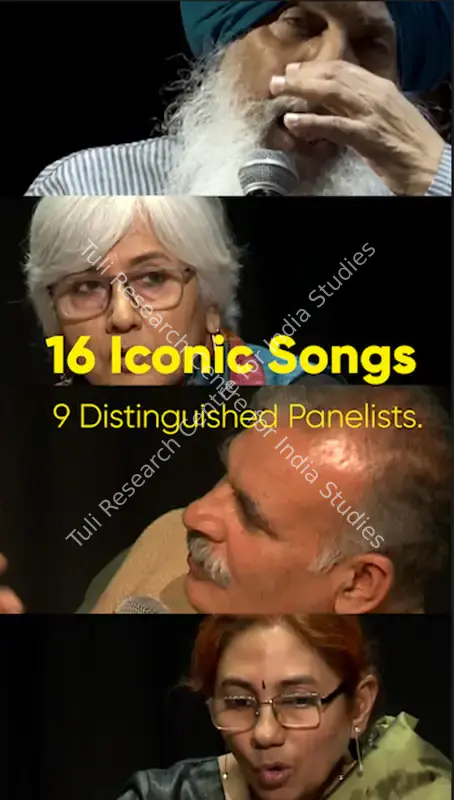
- The Tuli Research Centre for India Studies (TRIS) invites you to “A Musical Glue for Nation-Building: Deconstructing the Film Song” series of four workshops which brings together leading scholars, academics, film practitioners, students, and admirers of the film song. Through 16 iconic songs from the cinema of Raj Kapoor, Guru Dutt, Chetan Anand, V. Shantaram, and B.R. Chopra, the sessions explore the extraordinary power of the film song, examining why these melodies continue to resonate across generations long after their films were first released. The workshops seek to understand the nature and enduring influence of this cultural glue while situating the film song within TRIS' academic framework for Contemporary India Studies. Through conversations on music, poetry, performance, cinematography, and storytelling, the series uncovers the emotional and intellectual foundations of Indian cinema and the artistic collaborations that shaped the nation's cultural memory.
- "Who was Chetan Anand — and why does his cinema still carry such a deep, emotional charge? In this clip, his son Ketan Anand introduces the filmmaker behind Haqeeqat (1964), a man who ""suffered in silence for a long time,"" and the learning he received from that pain, which poured into his films. It was during this time that Kaifi Azmi wrote some of his most remarkable poems for him. The product of this collaboration was a war song that became part of India's collective memory. As Ketan Anand puts it, ""This is not a jingoistic song… this is the pain of human stupidity."" No chest-beating, but a meditation or rather a question on why we go on fighting and killing while talking of love and peace. Somewhere, it is out of this pain that one must evolve. And Anand's cinema did exactly that. This video is an excerpt from the session with Ketan Anand, Ravikant, Pavan Jha and Neville Tuli, part of the series 'Deconstructing the Film Song: A Musical Glue for Nation-Building,' presented by the Tuli Research Centre for India Studies (TRIS) as part of the 7th Self-Discovery via Rediscovering India Festival."
- "What does a patriotic song sound like when it refuses to celebrate aggression? ""Kar Chale Hum Fida"" from Chetan Anand's Haqeeqat (1964) answers that question with a stillness that has stayed with the Indian audiences for over six decades. In this discussion, Ravikant, Professor, CSDS (The Centre for the Study of Developing Societies), highlights that although it is a song about war, it subverts expectations by being devoid of any swashbuckling aggression. The song speaks not of conquest or victory but of sacrifice and collective responsibility; a burden shared equally by soldiers, women, and the young. Kaifi Azmi's lyrics carry no triumphalism of epic proportions, rather only a quiet, devastating sense of duty. Chetan Anand's Haqeeqat released at the time when the idealism of the early independence years was falling apart and the Nehruvian generation, which had carried the dream of a new India, was fading away. The song, with war as it's background, mourns the dead, but it also speaks directly to the living, asking them what they will do with the nation left in their hands. This video is an excerpt from the session with Ketan Anand, Ravikant, Pavan Jha and Neville Tuli, ""A Musical Glue for Nation-Building: Deconstructing the Film Song"", presented by the Tuli Research Centre for India Studies (T.R.I.S.) at the 7th Self-Discovery via Rediscovering India Festival."
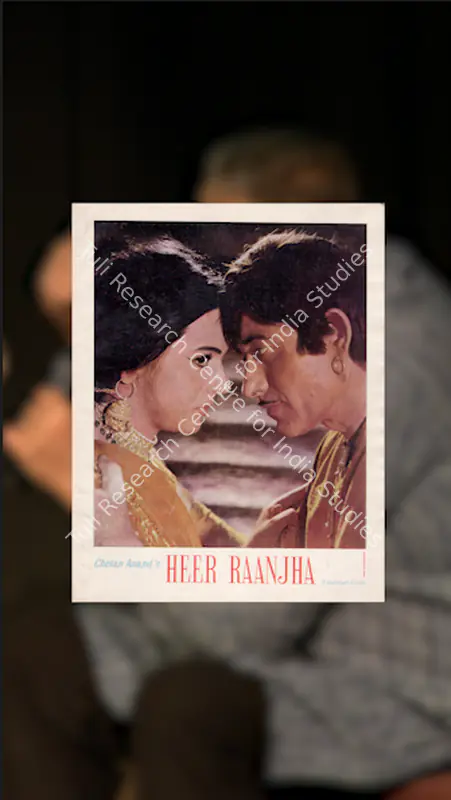
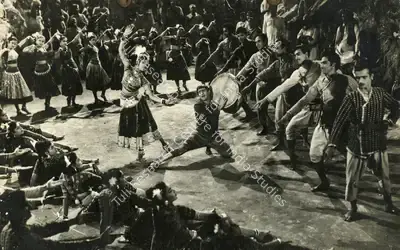
- “Milo Na Tum to hum Ghabrayen” from Chetan Anand's Heer Raanjha (1970) is the film's song of joy. Sung by Lata Mangeshkar and Mohammed Rafi, with music by Madan Mohan and lyrics by Kaifi Azmi, it captures the first flush of love as playful delight, capturing the confusion, the shyness, the sudden overflow of happiness that makes the heart ask, “What has happened to us?” Reminiscing about the song, filmmaker Ketan Anand revealed that this was the first time in the film that the colour yellow floods the screen. This change of palette signals the change of mood. After the earlier, more restrained tones, the arrival of yellow signals spring, joy and the fullness of life. “He went bananas with this song,” said Ketan Anand about his father, who expressed that joy in this song through Bhangra (traditional Punjabi folk dance) and the vibrant colours. This video is from 'A Musical Glue for Nation-Building: Deconstructing the Film Song', presented by the Tuli Research Centre for India Studies (T.R.I.S.) at the 7th Self-Discovery via Rediscovering India Festival.
- "Yeh Duniya Yeh Mehfil Mere Kaam Ki Nahi" from Chetan Anand's Heer Raanjha (1970) is more than a sad song, it is a declaration that love is above all. Sung by Mohammed Rafi, with lyrics by Kaifi Azmi and music by Madan Mohan, it turns the pain of separation into a universal cry about the world, its gatherings and its celebrations; none of which matters once the love is lost. In this reel, film historian Pavan Jha examines the Sufi love at the song's core, where longing for the beloved doubles as a spiritual quest, and "duniya" and "mehfil" stand for everything that feels empty in absence of love. Madan Mohan's genius lies in keeping this firmly within the idiom of a popular film song, never pushing it into another genre, but crafting a melody that is soulful, accessible and instantly memorable. A deeply philosophical, Sufi-inflected lyric, the song reached the masses as a hit film number, and this is the reason why, decades later, the song remains a touchstone for heartbreak, longing, and the simple, powerful idea that love is the only thing that truly matters. This video is from 'A Musical Glue for Nation-Building: Deconstructing the Film Song', presented by the Tuli Research Centre for India Studies (T.R.I.S.) at the 7th Self-Discovery via Rediscovering India Festival.
- Chetan Anand shot heartbreak the way other directors shot war, against a landscape vast enough to hold it. "Yeh Duniya Yeh Mehfil Mere Kaam Ki Nahi" from Heer Raanjha (1970) is a song of heartbreak staged against stunning visuals. Sung by Mohammed Rafi, with music by Madan Mohan and lyrics by Kaifi Azmi, it turns separation into philosophy. In this clip, Ravikant, Professor, CSDS (Centre for the Study of Developing Societies), calls the song one of the best statements on loss and the ambition to win it back. What makes the song unforgettable is the way voice, music and visuals come together, and Chetan Anand's use of landscape gives it a vast, almost mythical quality, creating a fantasy space where pain can be larger than life, where the song can say what the narrative cannot. The result is a beautiful moment in Indian cinema, where heartbreak, spirituality and landscape fuse into a deeply moving, visually rich film song that has become a timeless expression of love. This video is from 'A Musical Glue for Nation-Building: Deconstructing the Film Song', presented by the Tuli Research Centre for India Studies (T.R.I.S.) at the 7th Self-Discovery via Rediscovering India Festival.
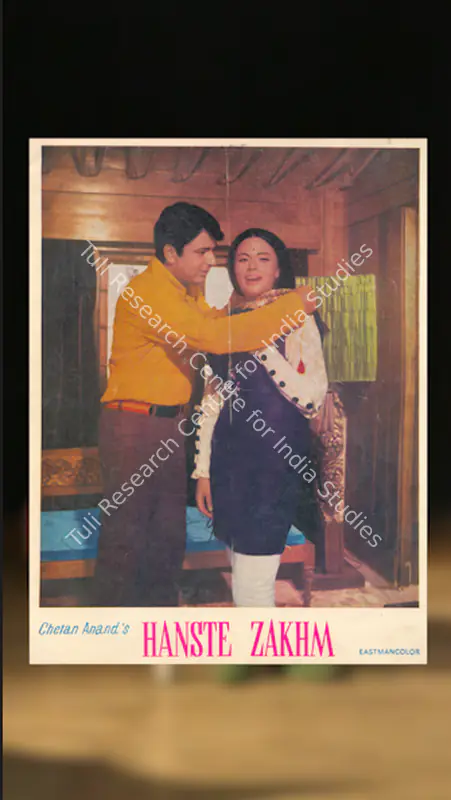
- In this clip from the workshop ""A Musical Glue for Nation-Building: Deconstructing the Film Song,"" Ketan Anand, son of legendary filmmaker Chetan Anand, recalls how he brokered the casting of Navin Nischol in the lead role of Hanste Zakhm (1973), sharing a first-hand account of the decisions that shaped the film. Featuring Ketan Anand, Ravikant, Pavan Jha, and Neville Tuli as panelists, this session was presented by the Tuli Research Centre for India Studies (T.R.I.S.) at the 7th Self-Discovery via Rediscovering India Festival.
Calendar 3
- ArchivedOffline-Online EventProject 80A Musical Glue for Nation-BuildingDeconstructing the Film Song23rd July - 22nd August 2026Ketan Anand | Ravikant | Pavan Jha | Madan Gopal Singh | Amit Khanna | Juhi Saklani | Antara Mondal | Shikha Jhingan | Neville TuliA key section of the India Studies framework at The Tuli Research Centre for India Studies (T.R.I.S.) is “Deconstructing the Film Song”. It began with a series of four workshops during our Self-Discovery via Rediscovering India Festival Series that brought together leading scholars & academics, film practitioners & students, along with fans of the Hindi film song. The objective of these workshops was to deconstruct iconic Hindi film songs to examine their formation across music, lyrics, playback, choreography, directorial visualisation, as they fuse into sites where aesthetics, ideology, and performance intersect, so as to help clarify the nature of India and her relationship to the film song. The Hindi Film Song functions as a narrative device, conveying myriad textures of emotion through melody, voice and poetry. As cultural texts that encode memory, desire, and ideology, songs are integral to the circulation and resonance of films in the public realm. Over time they have become autonomous bundles of creative energy - the glue that binds us over time, articulating and perhaps even defining the idea of Indianness. These first Workshops were an attempt to understand the nature and power of this glue, while contemplating the ways to situate it within TRIS' academic framework for Contemporary India Studies.Read More →
- ArchivedDeconstructing the Hindi Film SongProject 60A Musical Glue for Nation-BuildingFour Classic Songs from the cinema of Chetan Anand and the genius of Madan Mohan, Kaifi Azmi, Lata Mangeshkar & Mohammed RafinnKar Chale Hum Fida | Haqeeqat-1964 nYeh Duniya Yeh Mehfil | Heer Ranjha-1970 nMilo Na Tum To Hum Ghabrayen | Heer Ranjha-1970 nYeh Mana Meri Jaan | Hanste Zakhm-197316th February 20263:30pmM.L. Bhartia Auditorium, Alliance Francaise de Delhi, 72 K.K. Birla Lane, Lodi Estate, New Delhi, 110004Ketan Anand, Ravikant, Pavan Jha, Neville TuliA key section of the India Studies framework at The Tuli Research Centre for India Studies (T.R.I.S.) is “Deconstructing the Hindi Film Song”. It will begin with a series of four workshops that brings together leading scholars & academics, film practitioners & students, along with fans of the Hindi film song. The objective of these workshops is to deconstruct iconic Hindi film songs to examine their formation across music, lyrics, playback, choreography, directorial visualisation, as they fuse into sites where aesthetics, ideology, and performance intersect. The Hindi Film Song functions as a narrative device, conveying myriad textures of emotion through melody, voice and poetry. As cultural texts that encode memory, desire, and ideology, songs are integral to the circulation and resonance of films in the public realm. Over time they have become autonomous bundles of creative energy - the glue that binds us over time, articulating and perhaps even defining the idea of Indianness. The first Workshops are an attempt to understand the nature and power of this glue, while contemplating the ways to situate it within TRIS' academic framework for Contemporary India Studies.Read More →
- ArchivedFilm ScreeningsProject 60Film on Chetan Anand by Ketan Anand16th February 20262:00pmM.L. Bhartia Auditorium, Alliance Francaise de Delhi, 72 K.K. Birla Lane, Lodi Estate, New Delhi, 110003

Related
36
Personalities
24
Films
11