Introduction
Born in Gurdaspur in undivided Punjab, Anand was the youngest of nine children of advocate Pishori Lal Anand. He grew up in a culturally rich household that produced some of Indian cinema's most influential figures, including his brothers Chetan Anand and Dev Anand, and extended family members such as Shekhar Kapur. His personal life, too, drew public attention when he married Sushma Kohli, his niece, a union that defied social convention but endured as a stable and devoted partnership. Their son, Vaibhav Anand, remained central to his personal life.
Anand's directorial debut, Nau Do Gyarah (1957), announced a distinctive voice marked by narrative economy and visual flair. Over the next decade, he delivered a remarkable run of films, including Kala Bazar (1960) and Tere Ghar Ke Saamne (1963), culminating in the landmark Guide (1965), adapted from R. K. Narayan's novel. Widely regarded as the pinnacle of his career, the film achieved both critical and commercial success, earning him major awards and cementing his reputation as a filmmaker of rare sensitivity and craft.
His cinema was distinguished by fluid camerawork, inventive editing and iconic song picturisations, evident in sequences from Teesri Manzil and Jewel Thief. While most of his films were produced under Navketan, he also collaborated externally on projects such as Teesri Manzil, Ram Balram (1980) and Rajput (1982). His later directorial ventures included Tere Mere Sapne (1971), Blackmail (1973) and Main Tere Liye (1988).
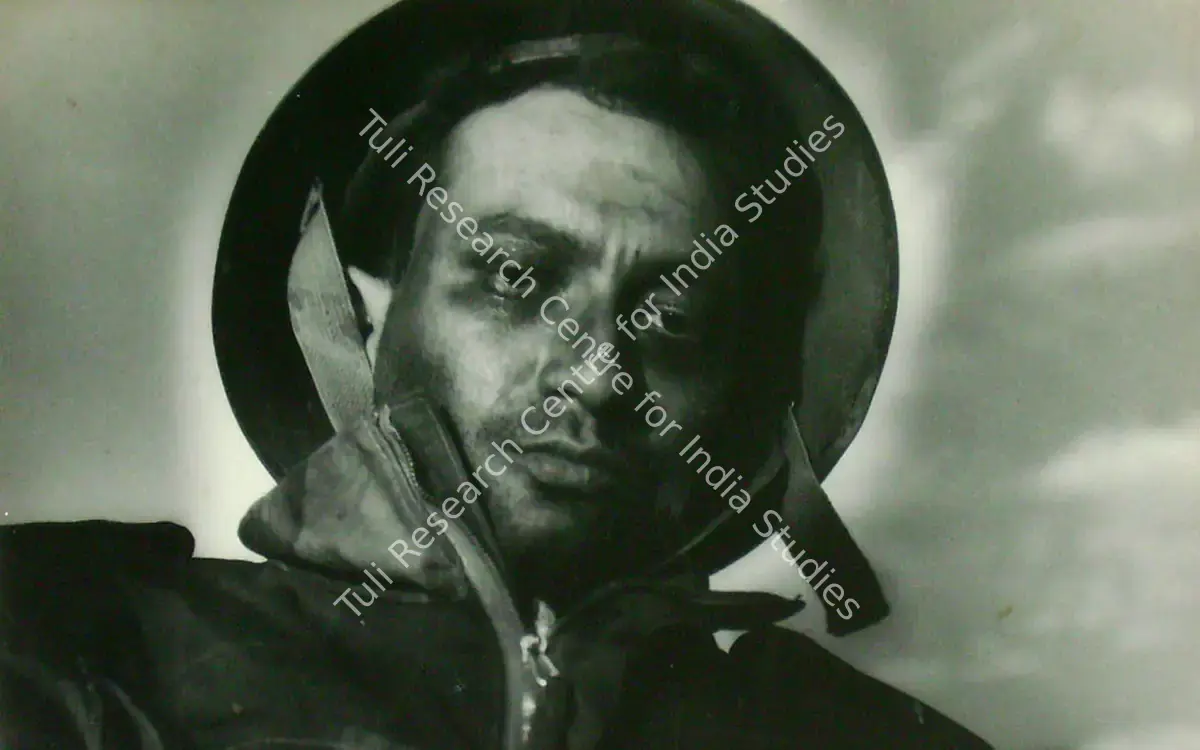
Alongside filmmaking, Anand maintained a parallel acting career, appearing in films such as Haqeeqat (1964), Kora Kagaz (1974) and Main Tulsi Tere Aangan Ki (1978). To a younger audience, he became a familiar face as the detective Sam in the television series Tehkikaat (1994).
A recipient of multiple Filmfare and BFJA Awards, Anand is credited with modernising Hindi cinema through naturalistic dialogue and tightly structured narratives. His influence extended well beyond his lifetime, acknowledged in tributes such as Johnny Gaddar (2007) and retrospectives at the International Film Festival of India. He briefly served as chairman of the Central Board of Film Certification before resigning over policy differences. Vijay Anand passed away in 2004 at the age of 70, leaving behind a legacy of enduring cinematic elegance.
- Date of Birth
- 22 Jan 1934
- Date of Death
- 23 Feb 2004
- Age
- 70