

Introduction
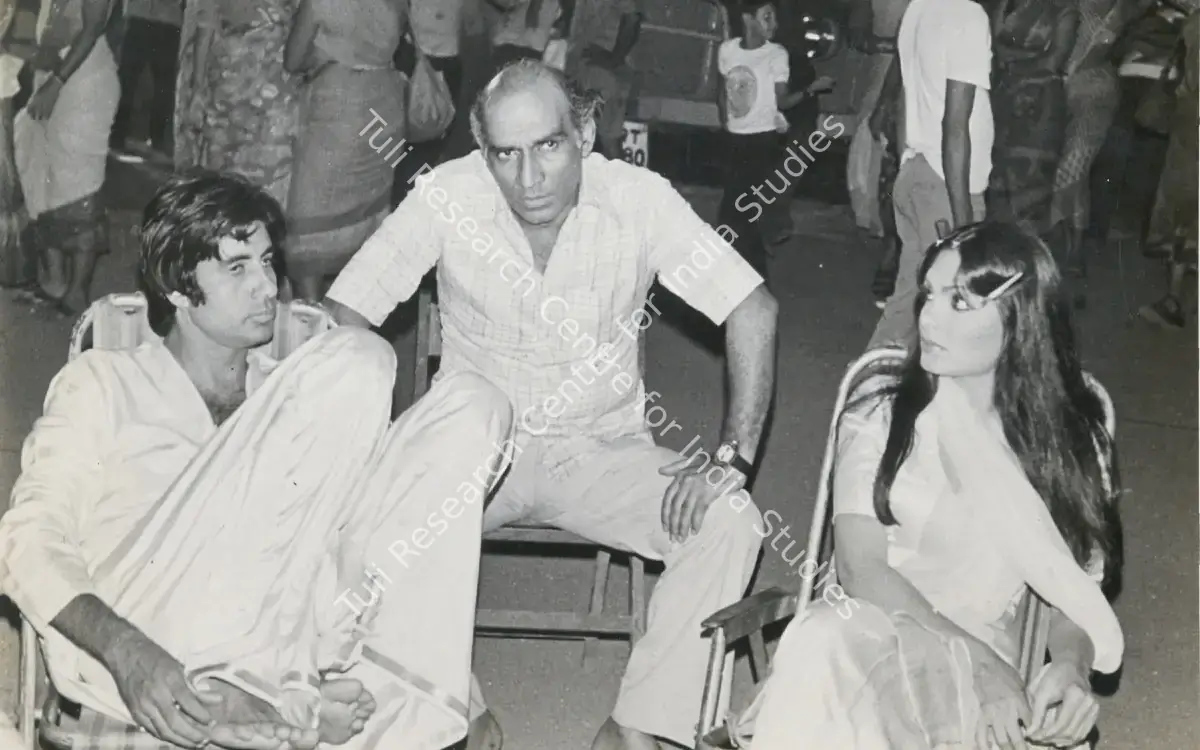
Yash Raj Chopra (27 September 1932 to 21 October 2012) He remains one of the most influential figures in Hindi cinema, a filmmaker whose oeuvre reshaped the grammar of popular romance while sustaining a deep engagement with social themes. Founder and longtime chairman of Yash Raj Films, he earned a reputation for crafting emotionally resonant narratives centred on complex female protagonists. His contributions were recognised with India's highest cinematic honour, the Dadasaheb Phalke Award in 2001, followed by the Padma Bhushan in 2005, and an honorary lifetime membership from the British Academy of Film and Television Arts in 2006.
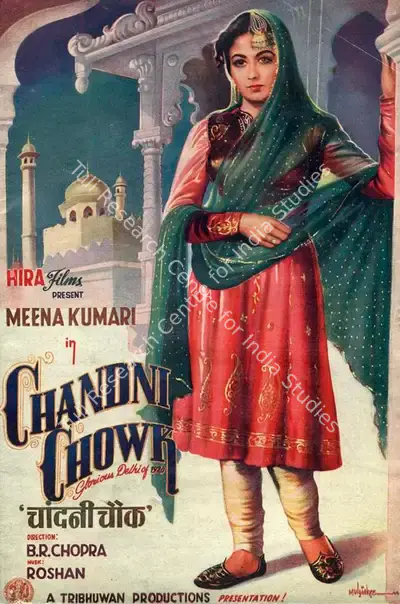
Born in Lahore in undivided Punjab into a Punjabi Hindu Khatri family, Chopra was the youngest of eight children. His elder brother B. R. Chopra, an established filmmaker, proved formative to his career, as did the upheaval of Partition, which prompted the family's relocation to India. Educated at Doaba College in Jalandhar, Chopra initially aspired to study engineering before gravitating toward cinema. His early years in Bombay involved apprenticeships under I. S. Johar and B. R. Chopra, experiences that honed his narrative sensibility and technical discipline.
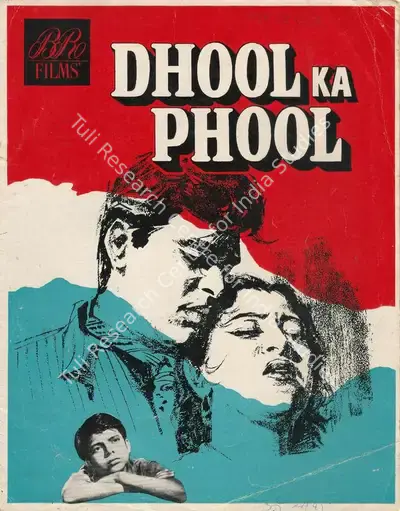
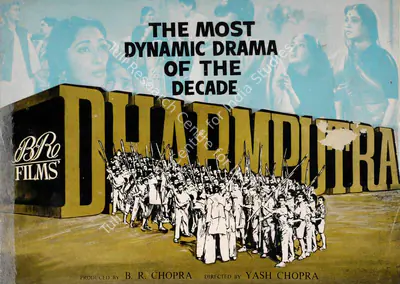
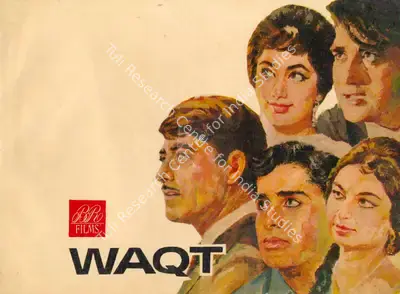
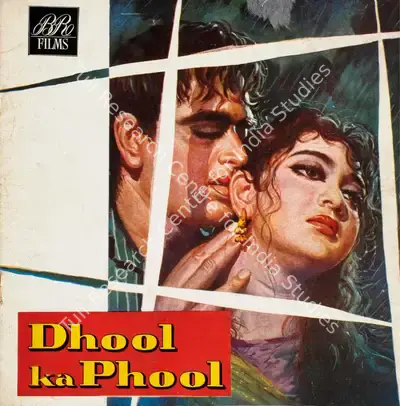
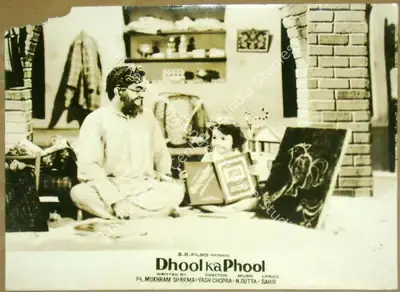
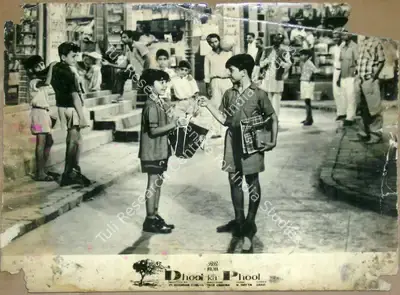
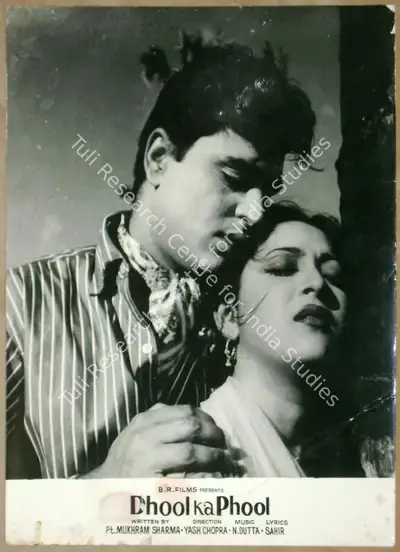
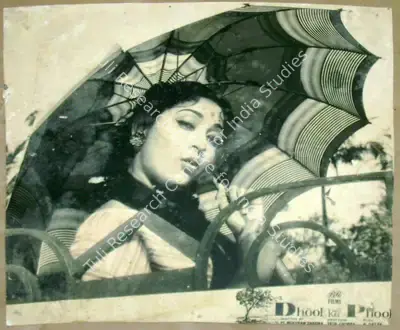
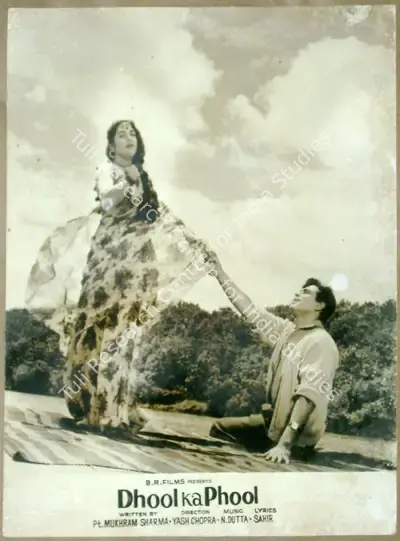
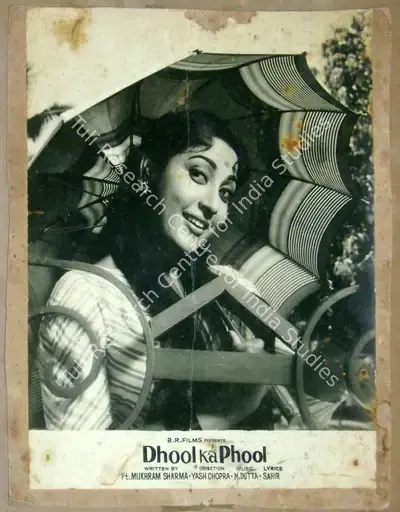
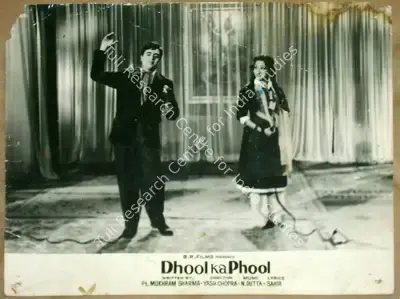
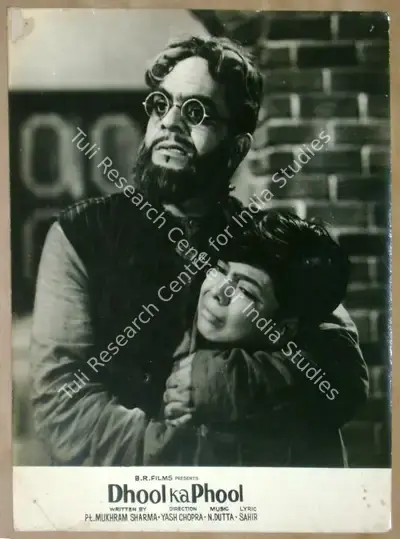
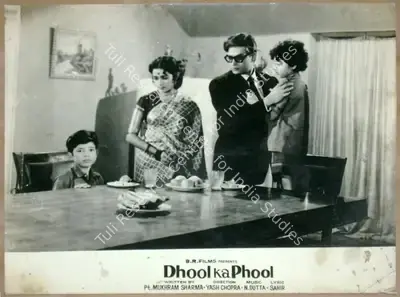
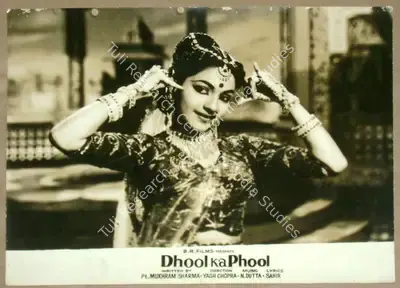
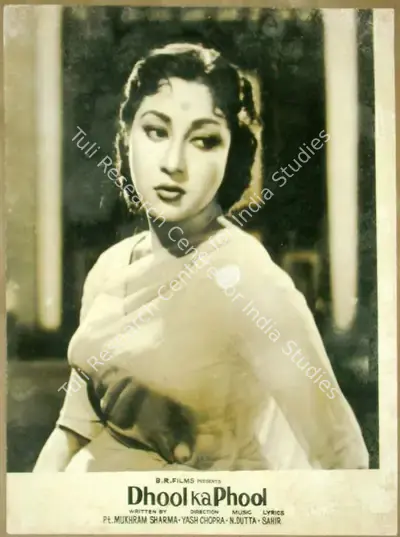
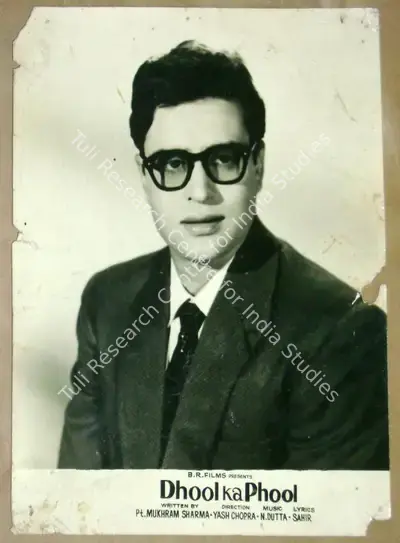
Chopra's directorial debut, Dhool Ka Phool 1959, a melodrama addressing illegitimacy and communal harmony, announced his thematic preoccupations. He followed it with Dharmputra 1961, among the earliest cinematic engagements with Partition and religious fundamentalism. His breakthrough arrived with Waqt 1965, a landmark ensemble drama that pioneered the lost-and-found trope and consolidated the multi-starrer format within mainstream Hindi cinema.
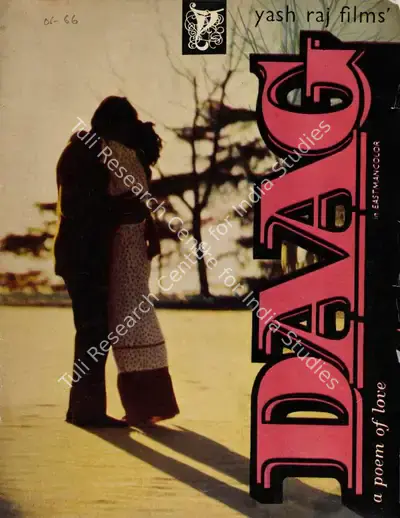
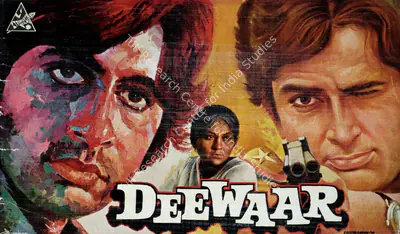
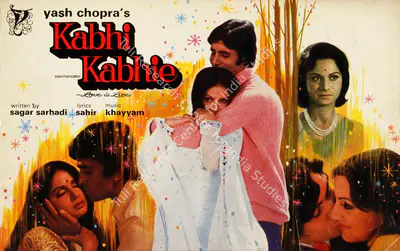
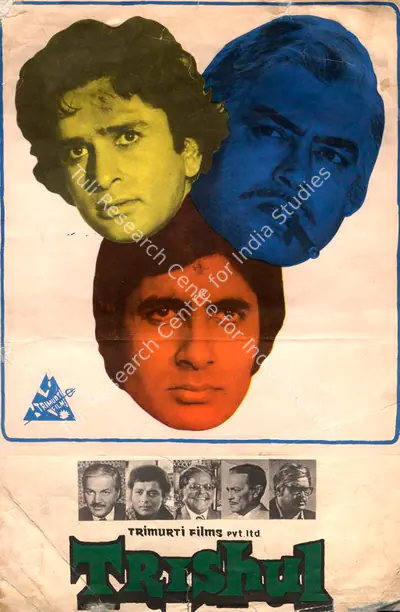
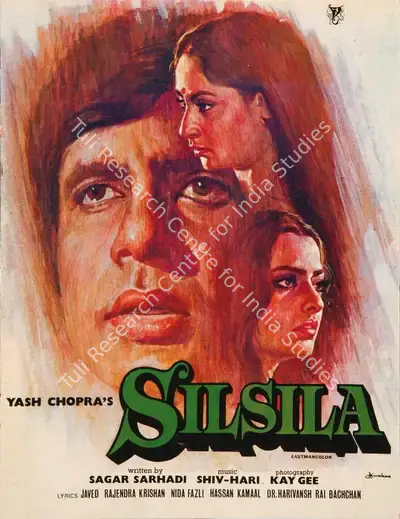
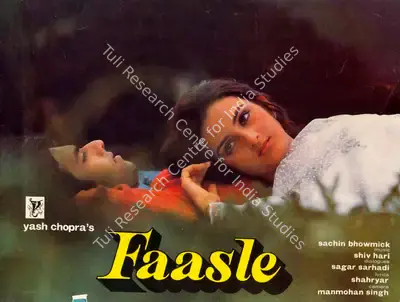
The establishment of Yash Raj Films in 1970 marked a decisive shift toward independent production. Its inaugural venture, Daag A Poem of Love 1973, explored polygamy within a melodramatic framework. Chopra's collaboration with the screenwriting duo Salim–Javed yielded defining works of the 1970s, notably Deewaar 1975 and Trishul 1978, which crystallised the archetype of the disaffected urban protagonist. In parallel, he sustained a lyrical romantic idiom through films such as Kabhi Kabhie 1976 and later Silsila 1981, blending poetry, music, and emotional introspection.
The late 1980s and early 1990s witnessed a resurgence of romance in Chopra's cinema with Chandni 1989 and Lamhe 1991, the latter often regarded as his most artistically ambitious work despite its modest domestic reception. After the underwhelming Parampara 1993, he rebounded with Darr 1993, initiating a significant collaboration with Shah Rukh Khan. This partnership culminated in celebrated romances such as Dil To Pagal Hai 1997, Veer Zaara 2004, and his final directorial venture Jab Tak Hai Jaan 2012.
Widely acclaimed as the King of Romance, Chopra's legacy is underscored by numerous national and international honours and a body of work that continues to define the aesthetic and emotional contours of Hindi popular cinema. He passed away in Mumbai in 2012 at the age of 80, leaving behind an enduring cinematic inheritance.
अविभाजित पंजाब के लाहौर में एक पंजाबी हिंदू खत्री परिवार में जन्मे चोपड़ा आठ बच्चों में सबसे छोटे थे। उनके बड़े भाई बी. आर. चोपड़ा, जो एक प्रतिष्ठित फ़िल्म निर्माता थे जिन्होंने उनके करियर को आकार देने में महत्वपूर्ण भूमिका निभाई, साथ ही विभाजन की उथल-पुथल ने भी उनके जीवन पर गहरा प्रभाव डाला, जिसके कारण परिवार को भारत में बसना पड़ा। जालंधर के दोआबा कॉलेज़ में शिक्षा प्राप्त करने वाले चोपड़ा ने शुरू में इंजीनियरिंग की पढ़ाई करने की इच्छा जताई थी, लेकिन बाद में सिनेमा की ओर रुख़ किया। बंबई में अपने शुरुआती वर्षों में उन्होंने आई. एस. जौहर और बी. आर. चोपड़ा के मार्गदर्शन में प्रशिक्षण प्राप्त किया, जिससे उनकी कथात्मक संवेदनशीलता और तकनीकी कौशल में निखार आया।
चोपड़ा की पहली निर्देशित फ़िल्म धूल का फूल (1959), जो नाजायज़ संतान और सांप्रदायिक सद्भाव जैसे मुद्दों पर आधारित एक मेलोड्रामा थी, जिसने उनके सिनेमा संबंधी सरोकारों को उजागर किया। इसके बाद उन्होंने धर्मपुत्र (1961) बनाई, जो विभाजन और धार्मिक कट्टरवाद से संबंधित शुरुआती फ़िल्मों में से एक थी। उनको सफलता वक़्त (1965) से मिली, जो एक ऐतिहासिक सामूहिक ड्रामा थी और जिसने बिछड़ना और फ़िर मिलना किरदारों की कहानी को नए सिरे से पेश किया और हिंदी सिनेमा में मल्टी-स्टारर की परंपरा को स्थापित किया।
1970 में यश राज फ़िल्म्स की स्थापना ने स्वतंत्र फ़िल्म निर्माण की दिशा में एक निर्णायक बदलाव लाया। इसकी पहली फ़िल्म, दाग़: अ पोएम ऑफ़ लव (1973) थी, जिसमें मेलोड्रामाई शैली के भीतर बहुविवाह जैसे विषय को प्रस्तुत उजागर किया। पटकथा लेखक जोड़ी सलीम-जावेद के साथ चोपड़ा के सहयोग से 1970 के दशक की कई महत्वपूर्ण फ़िल्में बनीं, जिनमें विशेष रूप से दीवार (1975) और त्रिशूल (1978) शामिल हैं, जिन्होंने असंतुष्ट शहरी नायक की छवि को पुष्ट किया। इसके समानांतर, उन्होंने कभी कभी (1976) और बाद में सिलसिला (1981) जैसी फ़िल्मों के माध्यम से एक गीतात्मक रोमांटिक शैली को बनाए रखा, जिसमें कविता, संगीत और भावनात्मक आत्ममंथन का सुंदर समन्वय देखने को मिलता है।
1980 के दशक के अंत और 1990 के दशक के आरंभ में चोपड़ा के सिनेमा में रोमांस का पुनरुत्थान देखने को मिला, जिसकी शुरुआत चांदनी (1989) और लम्हे (1991) से हुई। लम्हे को घरेलू स्तर पर मिली सीमित सफलता के बावजूद अक्सर उनकी सबसे कलात्मक रूप से महत्वाकांक्षी फ़िल्म माना जाता है। परंपरा (1993) की निराशाजनक सफलता के बाद, उन्होंने डर (1993) से वापसी की और शाहरुख़ ख़ान के साथ एक महत्वपूर्ण सहयोग की शुरुआत की। इस साझेदारी का चरम बिंदु दिल तो पागल है (1997), वीर ज़ारा (2004) और उनकी अंतिम निर्देशित फ़िल्म जब तक है जान (2012) जैसी चर्चित रोमांटिक फ़िल्मों तक पहुँची।
रोमांस के बादशाह के रूप में विख्यात चोपड़ा की विरासत अनेक राष्ट्रीय और अंतरराष्ट्रीय सम्मानों तथा ऐसी फ़िल्मों के माध्यम से स्थापित है, जिन्होंने हिंदी लोकप्रिय सिनेमा की सौंदर्यात्मक और भावनात्मक दिशा को गहराई से प्रभावित किया। उनका निधन 2012 में मुंबई में 80 वर्ष की आयु में हुआ, और वे अपने पीछे सिनेमाई विरासत की एक अमिट छाप छोड़ गए।
Filmography 50
Research Centre

Related
32
Films
17
Personalities
14