


Introduction
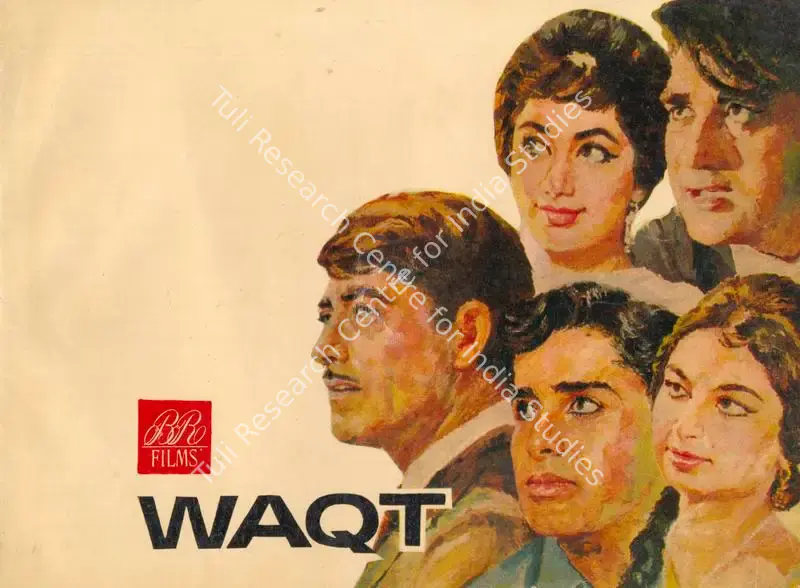
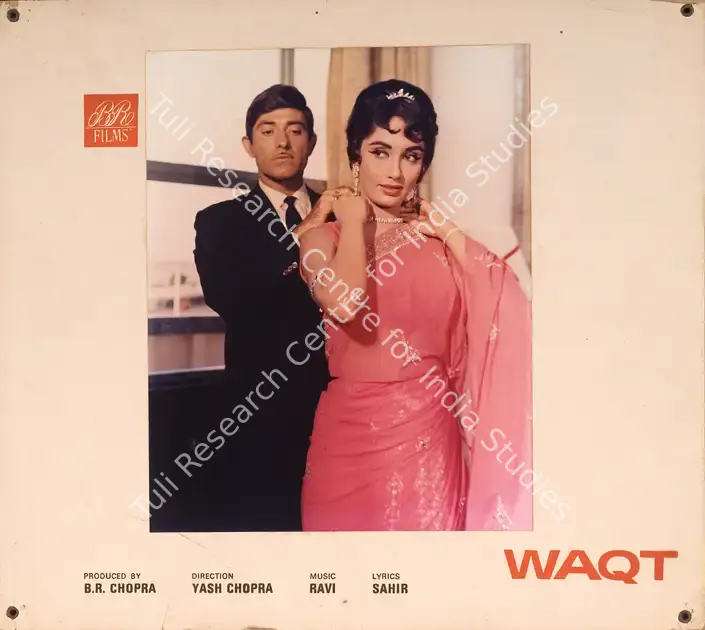
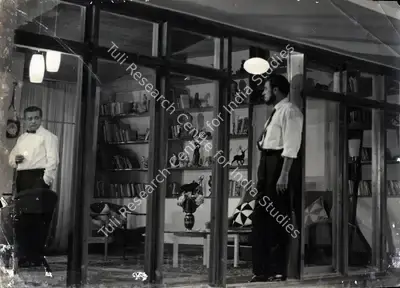
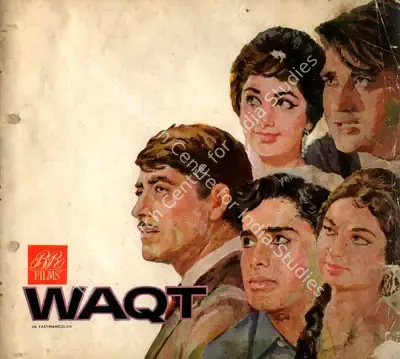
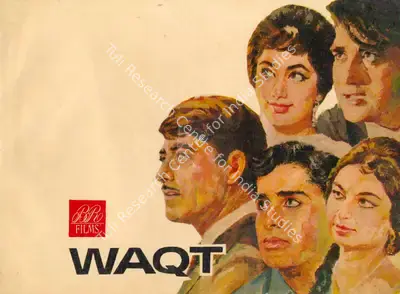
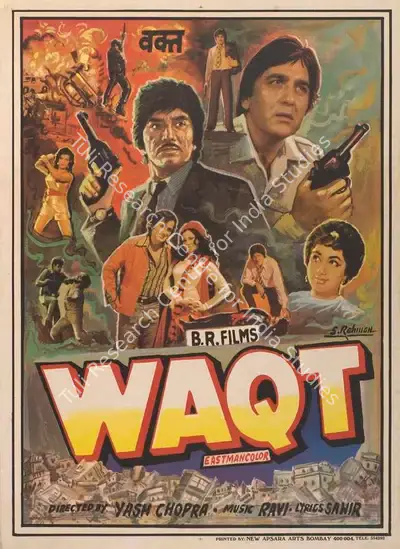
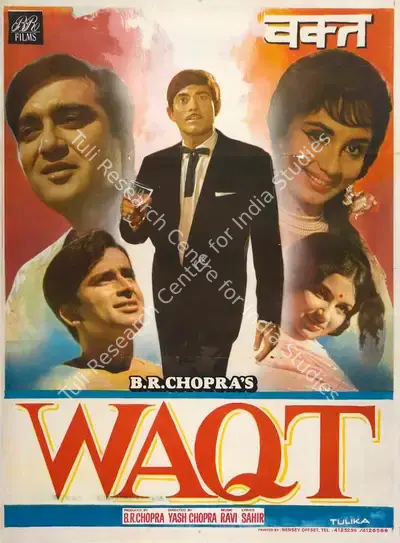
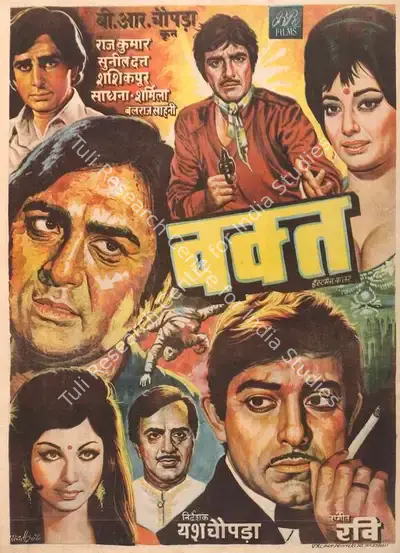
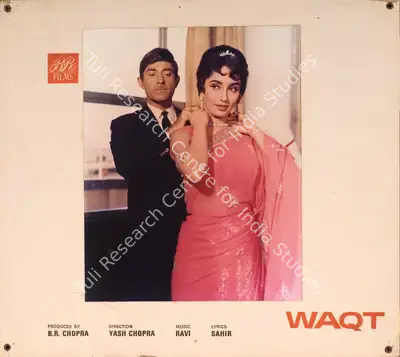
Waqt (1965) stands as a landmark in the history of Hindi cinema. Directed by Yash Chopra, produced by B.R. Chopra, and written by Akhtar Mirza and Akhtar-ul-Iman, the film is widely regarded as the first true ensemble multi-starrer in Hindi cinema. Bringing together an exceptional cast comprising Sunil Dutt, Raaj Kumar, Shashi Kapoor, Sadhana Shivdasani, Sharmila Tagore, Balraj Sahni, Achala Sachdev, Rehman, and Madan Puri, it established a new industrial model in which multiple leading stars shared equal narrative prominence. Yash Chopra had originally envisaged casting Prithviraj Kapoor alongside his three sons—Raj Kapoor, Shammi Kapoor, and Shashi Kapoor—but ultimately only Shashi Kapoor appeared in the completed film.
The film is equally celebrated for popularising the lost-and-found narrative, a cinematic motif that had earlier appeared in Kismet (1943). Waqt transformed this narrative device into one of the defining conventions of mainstream Hindi cinema, subsequently influencing numerous films across subsequent decades. Its success also inspired remakes in other Indian languages, including the Telugu film Bhale Abbayilu (1969) and the Malayalam film Kolilakkam (1981).
The narrative revolves around an affluent businessman, Lala Kedarnath (Balraj Sahni), whose prosperous family is catastrophically separated by a devastating earthquake. Time, the central metaphor embodied in the film's title, becomes the governing force that shapes the divergent destinies of the family members. The three sons, born on the same day, are raised in radically different social environments, unaware of one another's existence. Raju (Raaj Kumar), the eldest, escapes a brutal orphanage only to become an accomplished jewel thief who is eventually framed for murder. Ravi (Sunil Dutt), adopted by wealthy foster parents, grows into a successful defence lawyer who unknowingly represents his own brother in court. Vijay (Shashi Kapoor), raised in poverty by his mother Laxmi (Achala Sachdev), becomes a chauffeur employed by a criminal syndicate and is manipulated into giving false testimony against his brothers. The emotional and moral tensions culminate in a dramatic courtroom reunion, where the fractured family is finally restored through truth and justice.
Produced on an estimated budget of ₹70–78 lakh, Waqt emerged as the highest-grossing Indian film of 1965, earning approximately ₹6 crore worldwide and celebrating a Golden Jubilee theatrical run. Its commercial triumph was matched by widespread critical acclaim.
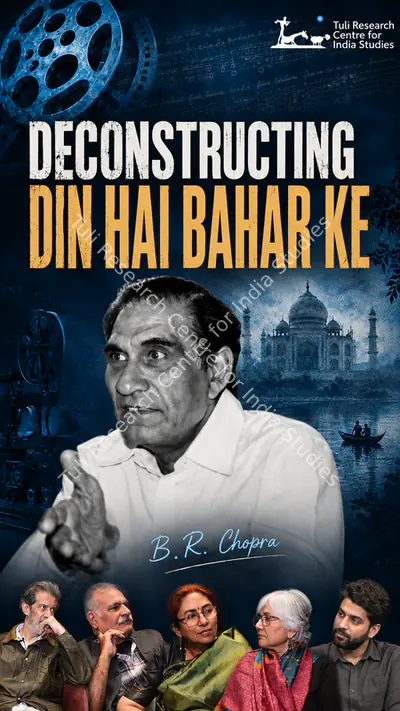
The film's enduring legacy is further reinforced by its celebrated soundtrack, composed by Ravi with lyrics by Sahir Ludhianvi. Ranked among the best-selling Hindi film albums of the 1960s, it produced several enduring classics. Ae Meri Zohra Jabeen, rendered by Manna Dey, remains one of Hindi cinema's most iconic celebratory songs. Asha Bhosle's Aage Bhi Jaane Na Tu offers a philosophical meditation on the transience and unpredictability of time, while Waqt Se Din Aur Raat and Maine Ek Khwab Sa Dekha Hai enjoyed immense popularity on the Binaca Geetmala charts. Rather than viewing it as a simple romantic duet, many academic work frames the song as a sonic battlefield between post-independence optimism and underlying social realities. Rather than viewing the duet Dil Hai Bahaar Ke, sung by Mohammed Rafi and Asha Bhosle as a simple romantic duet, many academic work frames the song as a sonic battlefield between post-independence optimism and underlying social realities. It has attracted scholarly attention for its nuanced engagement with questions of gender, class, and post-Independence modernity, demonstrating how the film's music functioned not merely as entertainment but also as a subtle commentary on the social transformations of 1960s India.
यह फ़िल्म 'खोए हुए और फ़िर मिल जाने' (लॉस्ट-एंड-फ़ाउंड) वाली कहानी को लोकप्रिय बनाने के लिए भी जानी जाती है। यह एक ऐसा सिनेमैटिक तरीक़ा था जो इससे पहले 'क़िस्मत' (1943) फ़िल्म में भी देखा गया था। 'वक़्त' ने कहानी कहने के इस तरीक़े को मुख्यधारा के हिंदी सिनेमा की एक अहम पहचान बना दिया, जिसका असर बाद के दशकों में बनी कई फ़िल्मों पर पड़ा। इसकी सफलता से प्रेरित होकर दूसरी भारतीय भाषाओं में भी इसकी रीमेक फ़िल्में बनीं, जिनमें तेलुगु फ़िल्म 'भले अब्बायिलु' (1969) और मलयालम फ़िल्म 'कोलीलाक्कम' (1981) शामिल हैं।
यह कहानी एक अमीर बिज़नेसमैन, लाला केदारनाथ (बलराज साहनी) के इर्द-गिर्द घूमती है, जिनका ख़ुशहाल परिवार एक भयानक भूकंप के कारण बुरी तरह बिखर जाता है। समय (वक़्त) जो फ़िल्म के टाइटल का मुख्य प्रतीक है। वह ताक़त बन जाता है जो परिवार के सदस्यों की अलग-अलग क़िस्मत तय करता है। एक ही दिन पैदा हुए तीन बेटे, बिल्कुल अलग-अलग सामाजिक माहौल में पले-बढ़े और एक-दूसरे के वजूद से अनजान रहे। सबसे बड़ा बेटा, राजू (राज कुमार), एक बहुत ख़राब अनाथालय से भागकर एक माहिर गहने चुराने वाला बन जाता है और आख़िर में उसे एक मर्डर के झूठे केस में फंसा दिया जाता है। रवि (सुनील दत्त), जिसे एक अमीर माता-पिता ने गोद लिया था, एक सफल डिफेंस लॉयर बनता है और अनजाने में कोर्ट में अपने ही भाई का केस लड़ता है। विजय (शशि कपूर), जो अपनी माँ लक्ष्मी (अचला सचदेव) के साथ ग़रीबी में पला-बढ़ा, एक क्रिमिनल सिंडिकेट के लिए ड्राइवर का काम करने लगता है और उसे अपने भाइयों के खिलाफ झूठी गवाही देने के लिए बहकाया जाता है। इमोशनल और नैतिक तनाव कोर्टरूम में एक ड्रामैटिक मिलन के साथ ख़त्म होता है, जहाँ सच और न्याय के ज़रिए बिखरा हुआ परिवार आख़िरकार फ़िर से एक हो जाता है।
लगभग ₹70–78 लाख के बजट में बनी 'वक़्त' 1965 की सबसे ज़्यादा कमाई करने वाली भारतीय फ़िल्म बनी, जिसने दुनिया भर में लगभग ₹6 करोड़ कमाए और सिनेमाघरों में गोल्डन जुबली मनाई। इसकी कमर्शियल क़ामयाबी के साथ-साथ इसे क्रिटिक्स से भी ख़ूब तारीफ़ मिली।
इस फ़िल्म की मशहूर साउंडट्रैक ने इसे यादगार और इसके विरासत को मज़बूत किया है, जिसे रवि ने संगीतबद्ध किया था और जिसके बोल साहिर लुधियानवी ने लिखे थे। 1960 के दशक के सबसे ज़्यादा बिकने वाले हिंदी फ़िल्मी एल्बमों में शामिल इस एल्बम ने कई सदाबहार गाने दिए। मन्ना डे का गाया गाना 'ऐ मेरी ज़ोहरा ज़बीं' आज भी हिंदी सिनेमा के सबसे यादगार और जश्न के माहौल वाले गानों में से एक है। आशा भोंसले का गाना 'आगे भी जाने ना तू' समय के गुज़र जाने और उसके अनिश्चित होने पर एक दार्शनिक सोच को पेश करता है, जबकि 'वक़्त से दिन और रात' और 'मैंने एक ख़्वाब सा देखा है' गाने 'बिनाका गीतमाला' चार्ट पर बहुत लोकप्रिय हुए। मोहम्मद रफ़ी और आशा भोंसले के गाए युगल गीत 'दिल है बहार के' को सिर्फ़ एक रोमांटिक गाना मानने के बजाय, कई विद्वानों ने इसे आज़ादी के बाद की उम्मीदों और समाज की छिपी हुई सच्चाइयों के बीच एक संगीतमय टकराव के तौर पर देखा है। जेंडर, क्लास और आज़ादी के बाद की आधुनिकता जैसे मुद्दों पर बारीकी से बात करने के कारण इस फ़िल्म ने विद्वानों का ध्यान खींचा है। इससे पता चलता है कि फ़िल्म का संगीत सिर्फ़ मनोरंजन का ज़रिया नहीं था, बल्कि 1960 के दशक के भारत में हो रहे सामाजिक बदलावों पर एक बारीक टिप्पणी भी थी।
Body of Work
04:31 mins
03:24 mins
04:04 mins
03:54 mins
04:06 mins
03:10 mins
03:32 mins
07:01 mins
Research Centre
Calendar 2
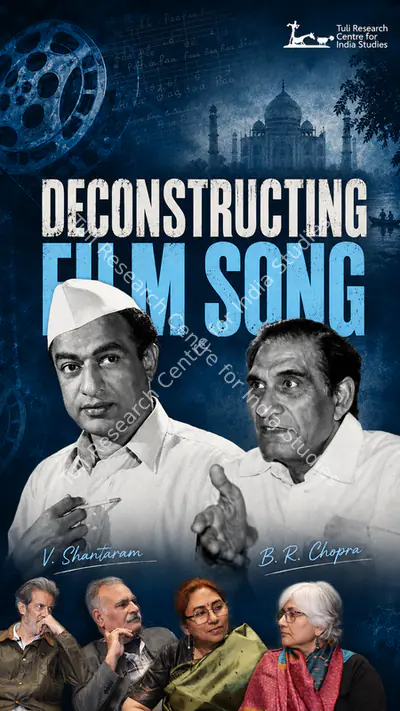
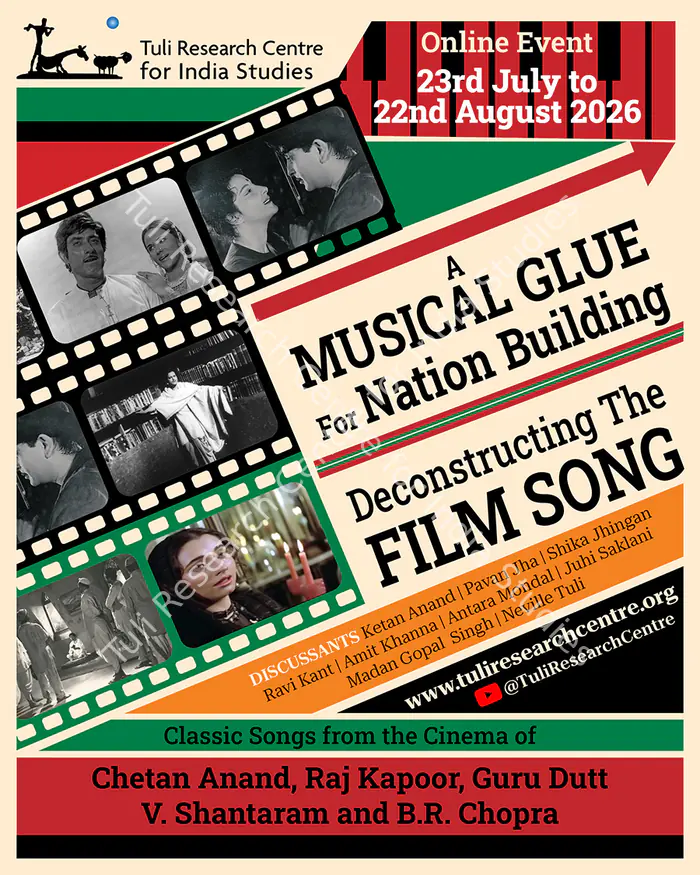
- ArchivedOffline-Online EventProject 80A Musical Glue for Nation-BuildingDeconstructing the Film Song23rd July - 22nd August 2026Ketan Anand | Ravikant | Pavan Jha | Madan Gopal Singh | Amit Khanna | Juhi Saklani | Antara Mondal | Shikha Jhingan | Neville TuliA key section of the India Studies framework at The Tuli Research Centre for India Studies (T.R.I.S.) is “Deconstructing the Film Song”. It began with a series of four workshops during our Self-Discovery via Rediscovering India Festival Series that brought together leading scholars & academics, film practitioners & students, along with fans of the Hindi film song. The objective of these workshops was to deconstruct iconic Hindi film songs to examine their formation across music, lyrics, playback, choreography, directorial visualisation, as they fuse into sites where aesthetics, ideology, and performance intersect, so as to help clarify the nature of India and her relationship to the film song. The Hindi Film Song functions as a narrative device, conveying myriad textures of emotion through melody, voice and poetry. As cultural texts that encode memory, desire, and ideology, songs are integral to the circulation and resonance of films in the public realm. Over time they have become autonomous bundles of creative energy - the glue that binds us over time, articulating and perhaps even defining the idea of Indianness. These first Workshops were an attempt to understand the nature and power of this glue, while contemplating the ways to situate it within TRIS' academic framework for Contemporary India Studies.Read More →
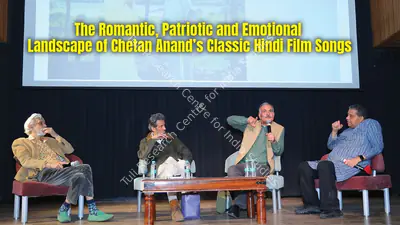
- ArchivedDeconstructing the Hindi Film SongProject 63A Musical Glue for Nation-BuildingFour Classic Songs from the cinema of V. Shantaram and B.R. Chopra and the genius of Vasant Desai, O.P. Nayyar, Ravi, Bharat Vyas, Sahir Ludhianvi, Hasan Kamal, Asha Bhosle, Salma Agha & Mohammed RafinnAye Maalik Tere Bande Ham | Do Aankhen Baara Haath-1957 nUdein Jab Jab Zulfen Teri | Naya Daur-1957 nDin Hai Bahar Ke | Waqt-1965 nDil Ke Armaan Aansuon Mein Bah Gaye | Nikaah-198219th February 202611:30amM.L. Bhartia Auditorium, Alliance Francaise de Delhi, 72 K.K. Birla Lane, Lodi Estate, New Delhi, 110007Madan Gopal Singh, Ravikant, Shikha Jhingan, Antara Mondal & Neville TuliA key section of the India Studies framework at The Tuli Research Centre for India Studies (T.R.I.S.) is “Deconstructing the Hindi Film Song”. It will begin with a series of four workshops that brings together leading scholars & academics, film practitioners & students, along with fans of the Hindi film song. The objective of these workshops is to deconstruct iconic Hindi film songs to examine their formation across music, lyrics, playback, choreography, directorial visualisation, as they fuse into sites where aesthetics, ideology, and performance intersect. The Hindi Film Song functions as a narrative device, conveying myriad textures of emotion through melody, voice and poetry. As cultural texts that encode memory, desire, and ideology, songs are integral to the circulation and resonance of films in the public realm. Over time they have become autonomous bundles of creative energy - the glue that binds us over time, articulating and perhaps even defining the idea of Indianness. The first Workshops are an attempt to understand the nature and power of this glue, while contemplating the ways to situate it within TRIS' academic framework for Contemporary India Studies.Read More →
Related
18
Personalities
18