
Introduction
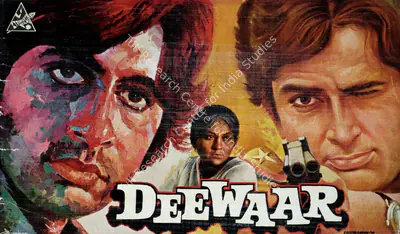
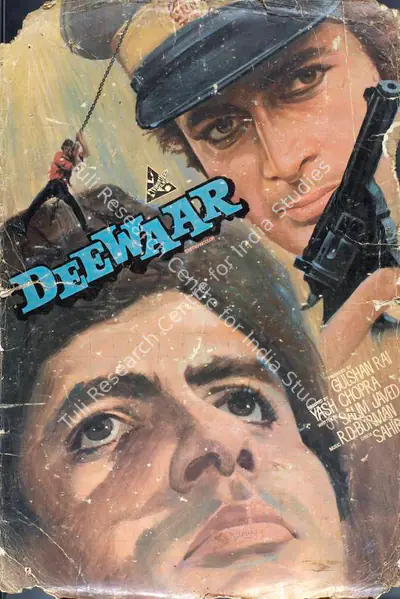
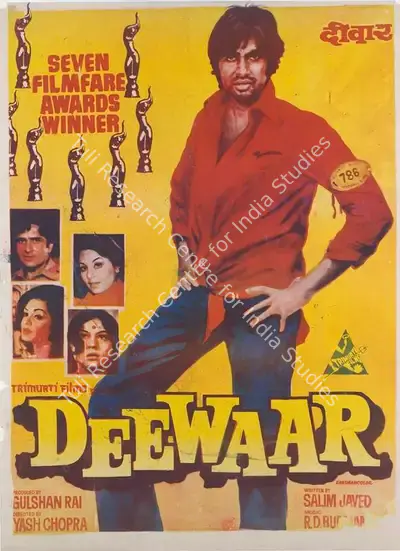
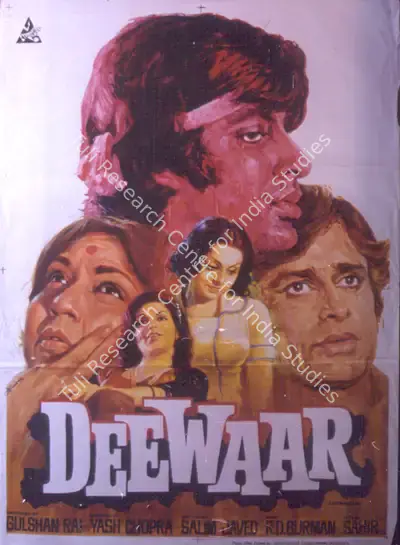
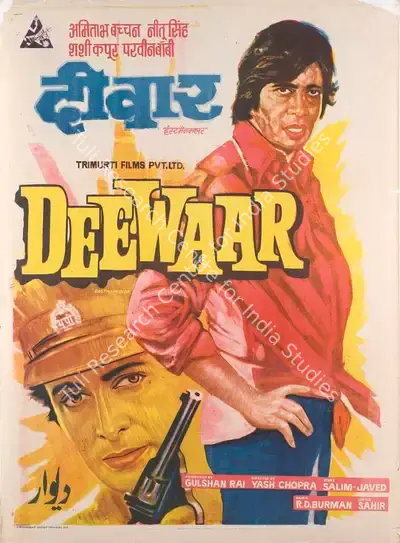
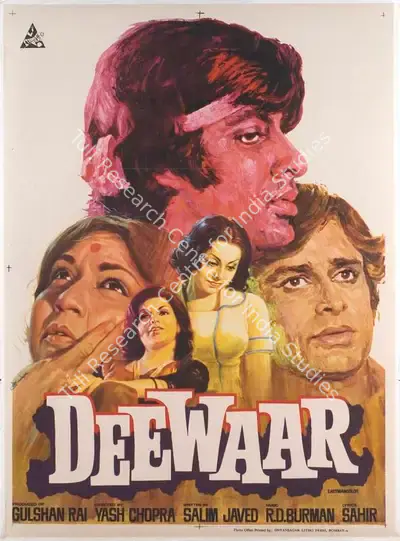
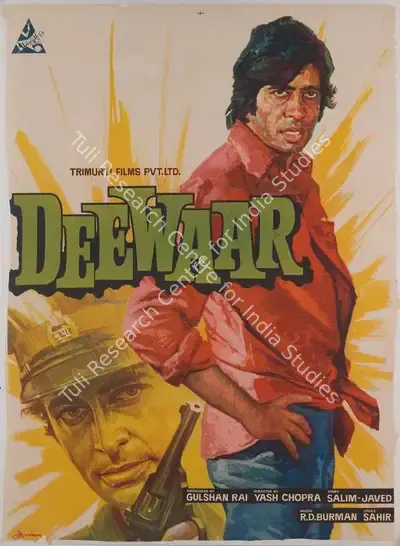
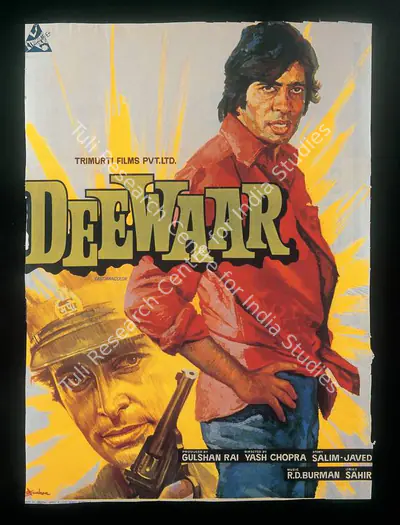
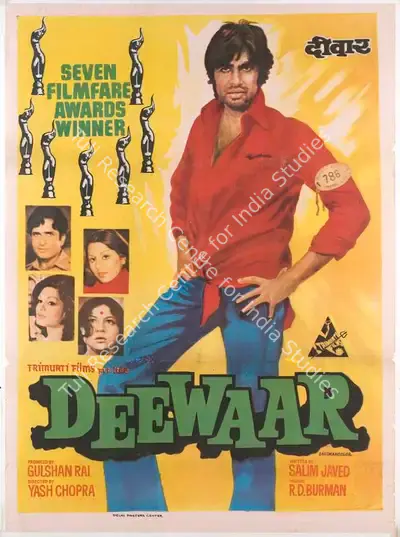
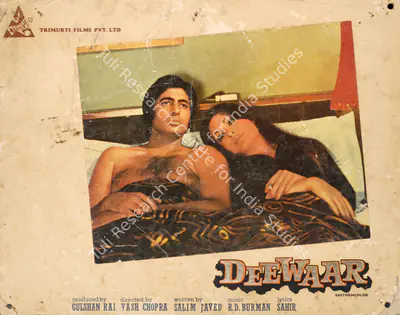
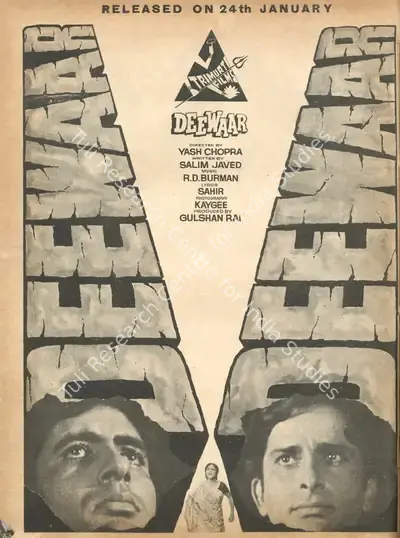
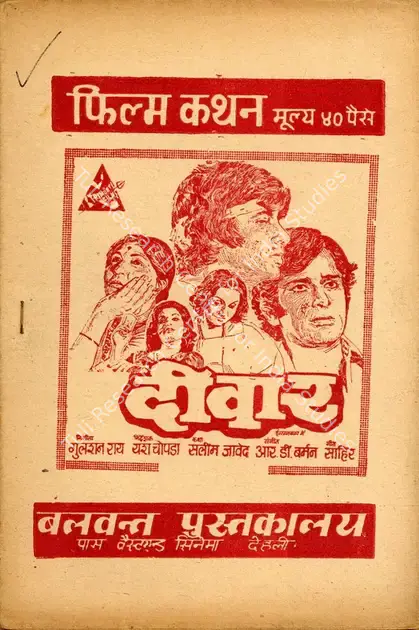
The titular "Deewar" (Wall) in Yash Chopra's 1975 classic film refers to the ideological divide between two brothers in post-Nehruvian India. The film marked a continued departure from the light-hearted romances of the 1960s and gave a new expression to Indian masculinity: anger. Deewar signalled a discontented working class in a new India, ready to break away from the post-independence euphoria as poverty and discontent swept through the majority of the country.
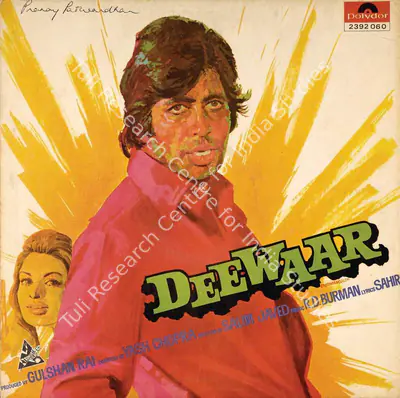
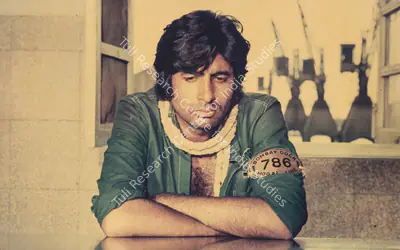
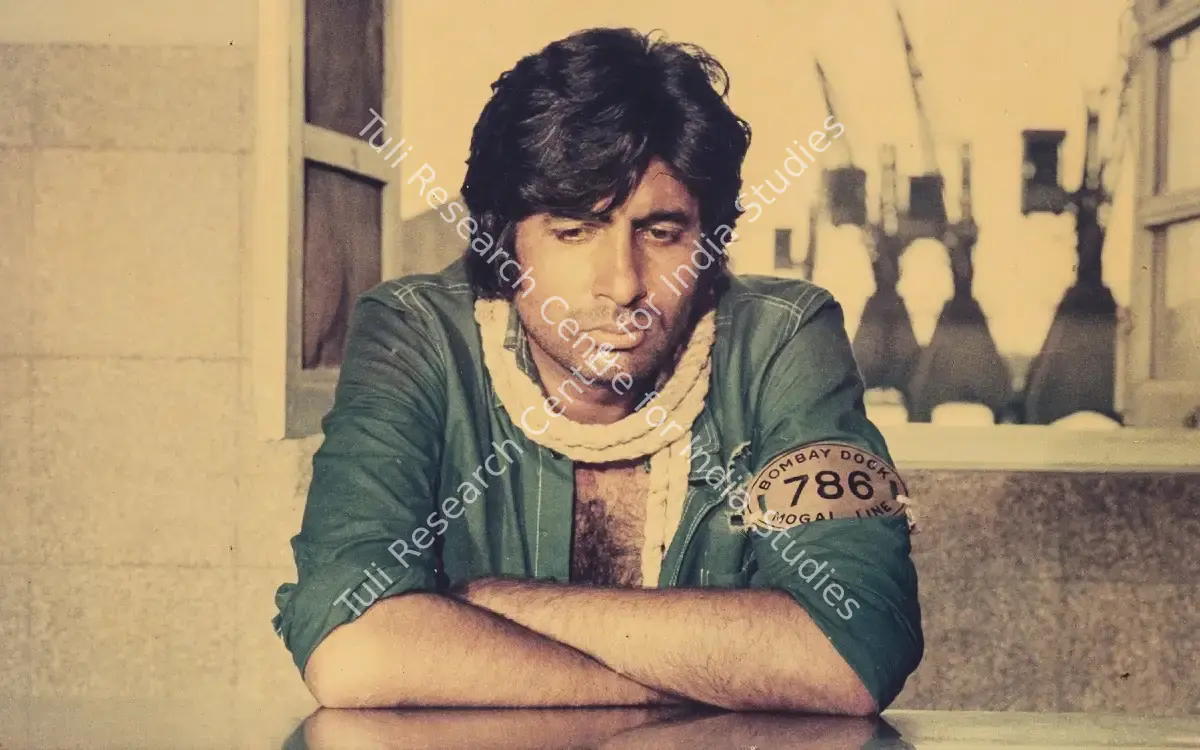
Screenwriters Salim-Javed captured this discontent by placing the two brothers on opposite sides of this divide. Ravi, played by Shashi Kapoor, still embodies the Nehruvian hope that encouraged playing by the rules. In contrast, Vijay, portrayed by Amitabh Bachchan, represents the popular anger of blue-collar workers who had lost faith in the system and would do anything to achieve what they believed they were owed. The film helps us understand this unique decade when the push and pull between Nehruvian idealism and post-Nehruvian realism was held together by the traditional relationship with Maa (Mother). This arrested development of the nation, as depicted in the film, preceded the proclamation of Emergency in India less than six months after the film's release.
Screenwriters Salim-Javed captured this discontent by placing the two brothers on opposite sides of this divide. Ravi, played by Shashi Kapoor, still embodies the Nehruvian hope that encouraged playing by the rules. In contrast, Vijay, portrayed by Amitabh Bachchan, represents the popular anger of blue-collar workers who had lost faith in the system and would do anything to achieve what they believed they were owed. The film helps us understand this unique decade when the push and pull between Nehruvian idealism and post-Nehruvian realism was held together by the traditional relationship with Maa (Mother). This arrested development of the nation, as depicted in the film, preceded the proclamation of Emergency in India less than six months after the film's release.
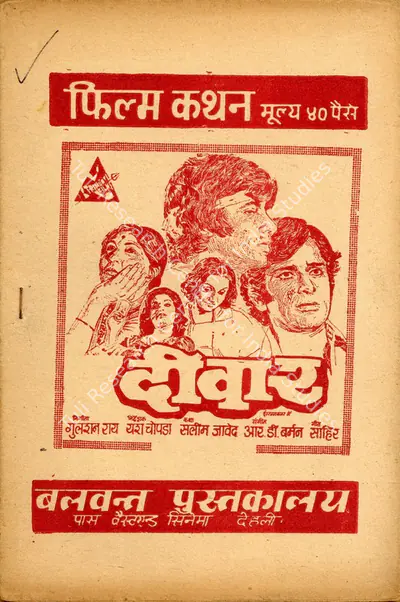
यश चोपड़ा की 1975 में रिलीज़ हुई क्लासिक फ़िल्म दीवार का शीर्षक नेहरू युग के बाद के भारत में दो भाइयों के बीच खड़ी हुई वैचारिक विभाजन की दीवार का प्रतीक है। इस फ़िल्म के साथ साठ के दशक की फ़िल्मों का हल्का-फ़ुल्का रोमांस हिन्दी सिनेमा में और हाशिये पर चला गया और दीवार ने भारतीय मर्दानगी को अभिव्यक्ति का एक नया चेहरा दिया जो गुस्से से भरा था। इस फ़िल्म की कहानी ने सत्तर के दशक के भारत के असंतुष्ट श्रमिक वर्ग का चित्र खींचा। इस बेकली की वजहें सामाजिक थीं। आज़ादी के बाद का जोश और उत्साह ठंडा पड़ चुका था और देश के अधिकांश हिस्से में गुरबत और असंतोष तारी था।
पटकथा लेखक जोड़ी सलीम-जावेद ने इसी बेकली और असंतोष को केंद्र में रखते हुए इस विभाजन के विपरीत ध्रुवों पर खड़े दो सगे भाइयों की कहानी रची। इनमें छोटा भाई रवि (शशि कपूर) उस नेहरूवियन उम्मीद का प्रतीक है जो नियम कानून पर चलने को आज भी सही रास्ता मानती है। पर इसके उलट बड़े भाई विजय (अमिताभ बच्चन) का किरदार कामकाजी श्रमिकों में पसरे उस व्यापक गुस्से का प्रतिनिधित्व करता है जिसके चलते उन्होंने व्यवस्था में अपना विश्वास खो दिया था और अब अपने हक को हासिल करने के लिए कुछ भी करने को तैयार थे। फ़िल्म में नेहरू के दौर के आदर्शवाद और उत्तर नेहरूवादी दौर के स्याह यथार्थ के बीच खिंची इस संघर्ष की लकीर को जोड़नेवाला अकेला सिरा, भारतीय सिनेमा की परम्परा से चली आई सबसे क्लासिक कथा-युक्ति 'माँ' का किरदार है। फ़िल्म में ठहरे हुए विकास में फंसे, विपरीत दिशाओं में खींचे जा रहे जिस राष्ट्र की तस्वीर मिलती है उसका ज़मीन पर प्रतिफलन छह महीने से भी कम समय बाद भारत में आपातकाल की घोषणा में हुआ।
पटकथा लेखक जोड़ी सलीम-जावेद ने इसी बेकली और असंतोष को केंद्र में रखते हुए इस विभाजन के विपरीत ध्रुवों पर खड़े दो सगे भाइयों की कहानी रची। इनमें छोटा भाई रवि (शशि कपूर) उस नेहरूवियन उम्मीद का प्रतीक है जो नियम कानून पर चलने को आज भी सही रास्ता मानती है। पर इसके उलट बड़े भाई विजय (अमिताभ बच्चन) का किरदार कामकाजी श्रमिकों में पसरे उस व्यापक गुस्से का प्रतिनिधित्व करता है जिसके चलते उन्होंने व्यवस्था में अपना विश्वास खो दिया था और अब अपने हक को हासिल करने के लिए कुछ भी करने को तैयार थे। फ़िल्म में नेहरू के दौर के आदर्शवाद और उत्तर नेहरूवादी दौर के स्याह यथार्थ के बीच खिंची इस संघर्ष की लकीर को जोड़नेवाला अकेला सिरा, भारतीय सिनेमा की परम्परा से चली आई सबसे क्लासिक कथा-युक्ति 'माँ' का किरदार है। फ़िल्म में ठहरे हुए विकास में फंसे, विपरीत दिशाओं में खींचे जा रहे जिस राष्ट्र की तस्वीर मिलती है उसका ज़मीन पर प्रतिफलन छह महीने से भी कम समय बाद भारत में आपातकाल की घोषणा में हुआ।
1 / 9
Body of Work
Art Director
Assistant Directors
Banner
Choreographer
Cinematographer
Dialogue Writer
Director
Editing
Pran Mehra, T.R. Mangeshkar
Lead Cast
Lead Cast Rest
Lyricist
Music Director
Producer
Publicity Designer
Re recording
Screenplay Writer
Special Effects
Still Photographer
Story Writer