
Fali Mistry

Fali Mistry
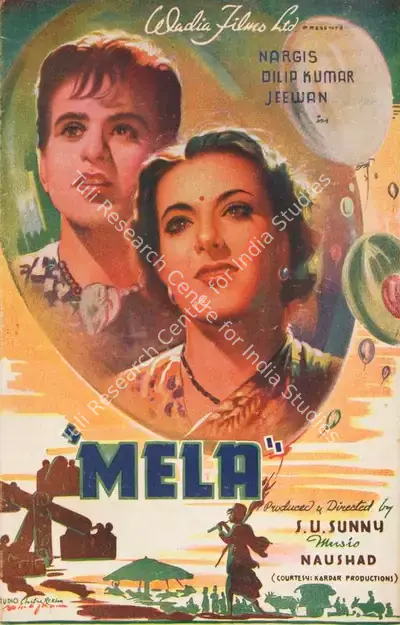
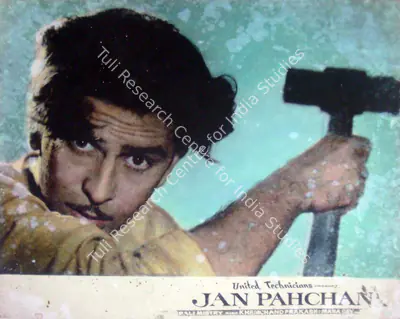
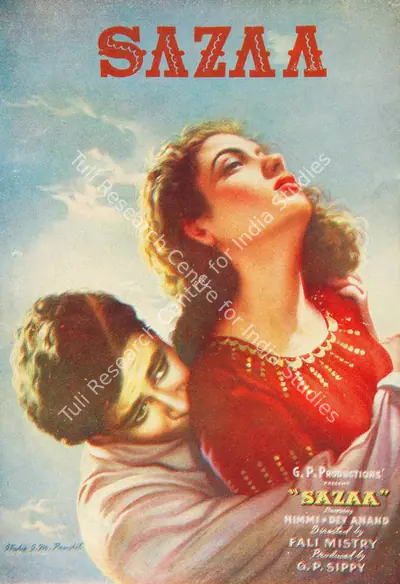
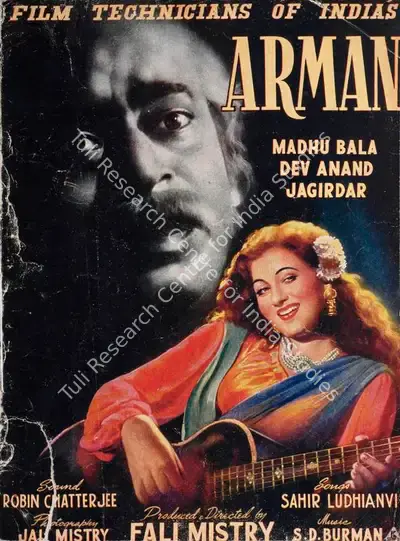
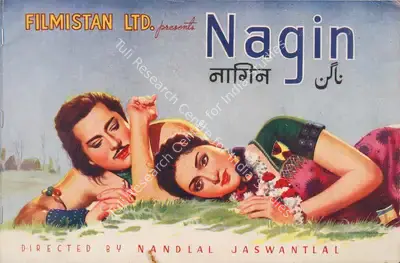
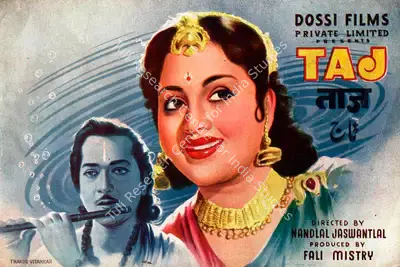
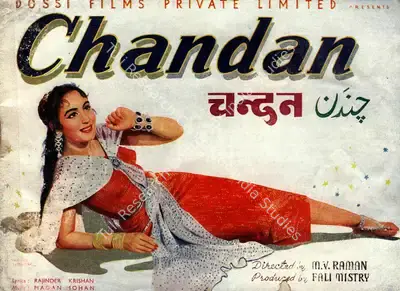
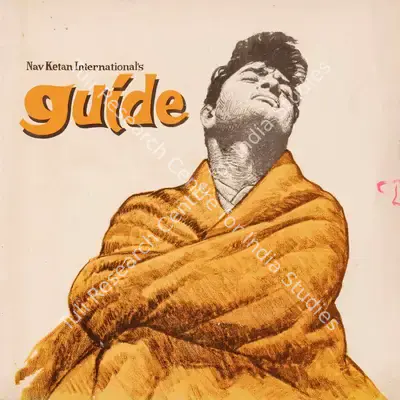
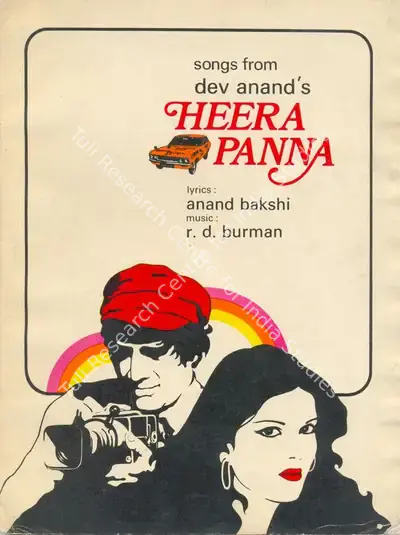
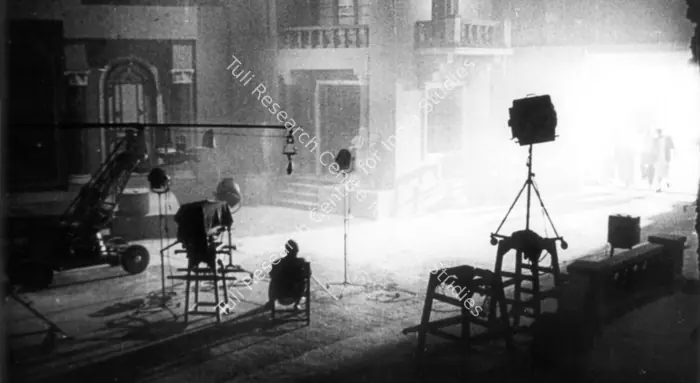
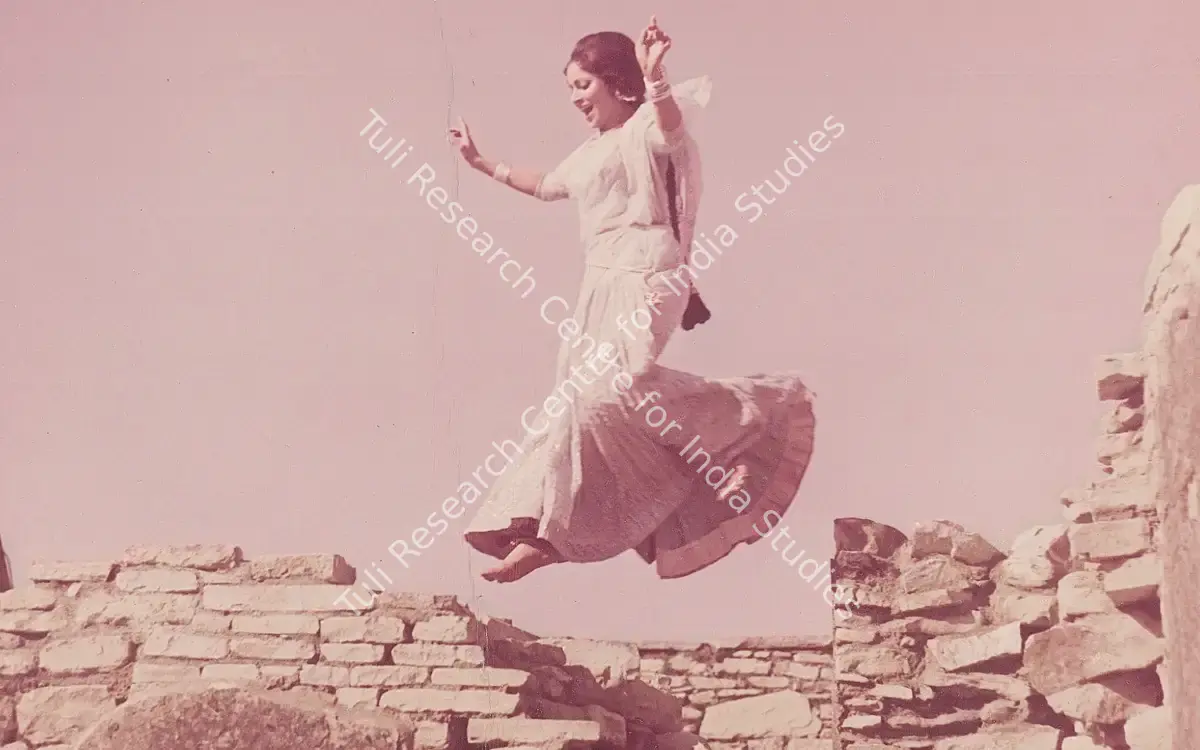
Fali Mistry (1919-1979) was an Indian cinematographer, film director and producer, who worked in Hindi cinema from the 1940s until his demise in 1979. Although Mistry built his reputation as a cinematographer, he also directed three films - Jan Pehchan (1950), Sazaa (1951) and Armaan (1953). He started as an assistant cinematographer under Rustom. P. Master in Toofani Tarzan (Homi Wadia, 1937). His first film as a cinematographer was Mata (Dada Gunjal, 1942). Working in both black & white and colour films, Mistry came to be known for his work on the landmark film Guide (Vijay Anand, 1967), for which he won the 1967 Filmfare Award for Cinematography. Starting with Guide, Fali Mistry started a long-term collaboration with Navketan Films as a cinematographer in many of their films including Prem Pujari (1970), Hare Rama Hare Krishna (1971), Heera Panna (1973), Ishq Ishq Ishq (1974), Des Pardes (1978). Influenced by Hollywood Film Noir and European cinematic styles, Fali Mistry, along with his younger brother, Jal Mistry, pioneered the technique of diffused lighting and low-key dramatic lighting in night scenes creating glamorous images for Indian cinema. His work inspired the generation of noted cinematographers after him, most importantly V.K. Murthy (1923-2014), who had shot India's first cinemascope film, Kaagaz Ke Phool (Guru Dutt, 1959). Mistry's work in Nagin (1954) is noted for its high-contrast lighting through the use of diffusers to create a graphic art like composition. Fali Mistry was married to actress Shyama (1935-2017) and was the elder brother of Jal Mistry (1923-2000), another renowned Indian cinematographer. He passed away at the age of 60 in 1979.

Research Centre
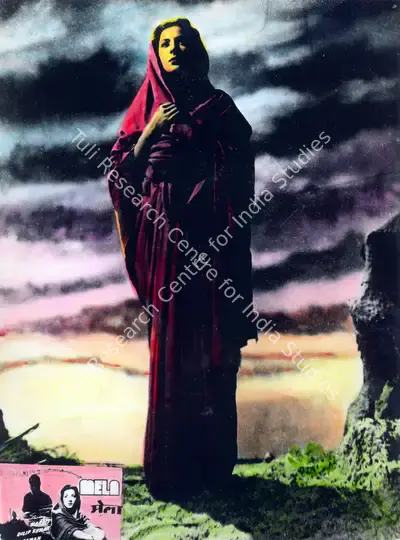
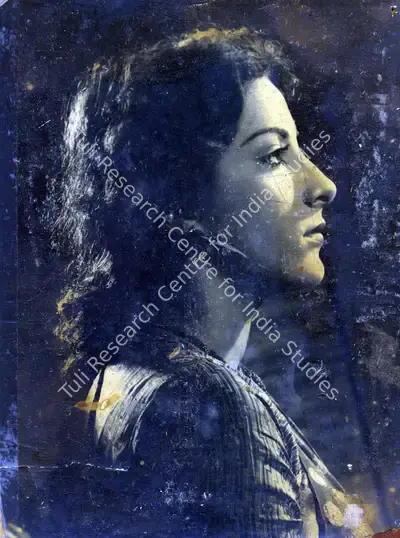
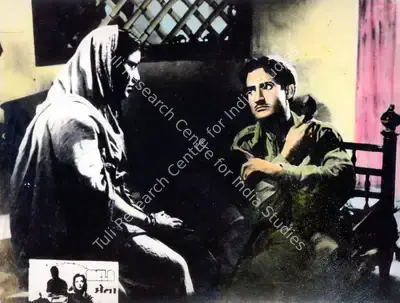
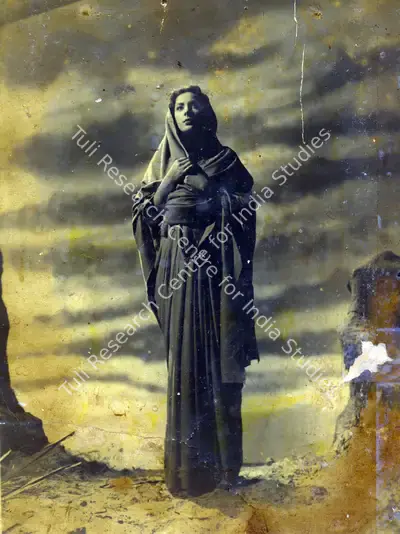
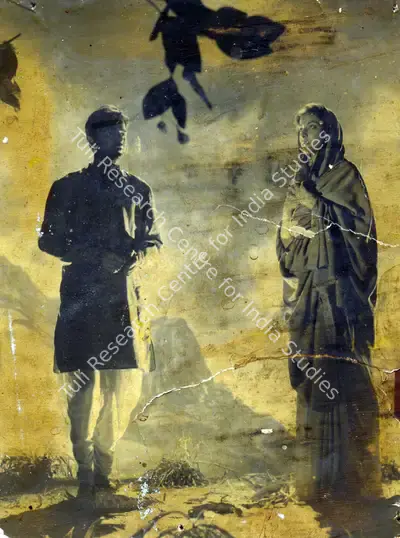
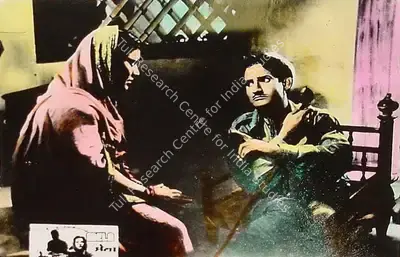
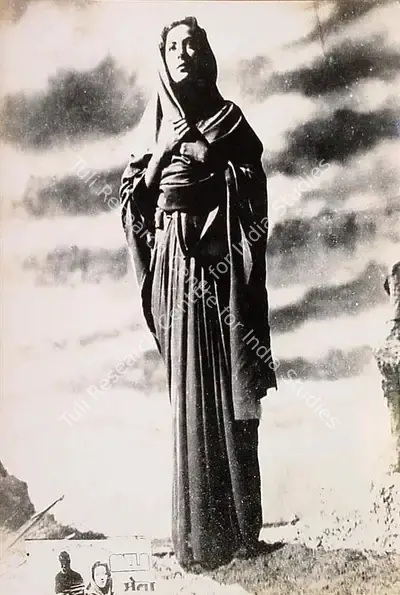
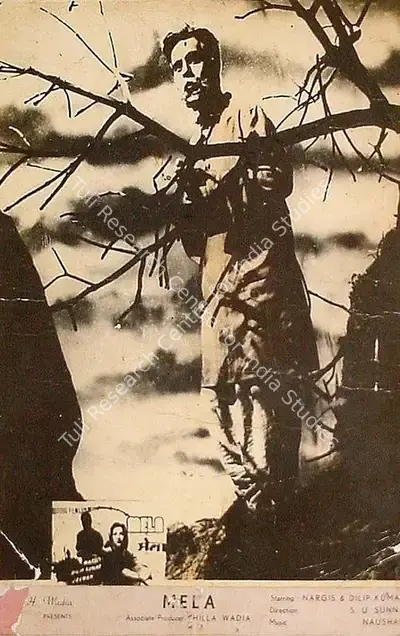
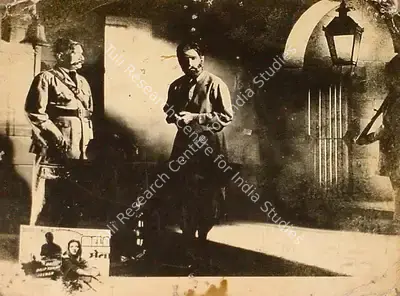
Mistry, Fali (Cinematographer), Mela, 1948 | Lobby Card

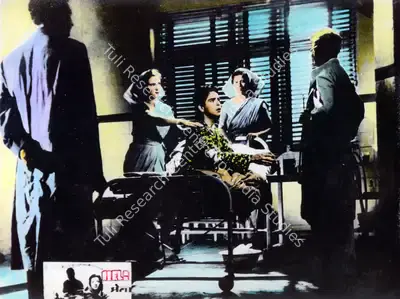
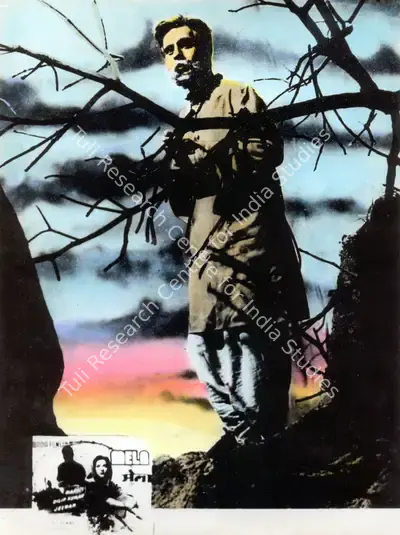
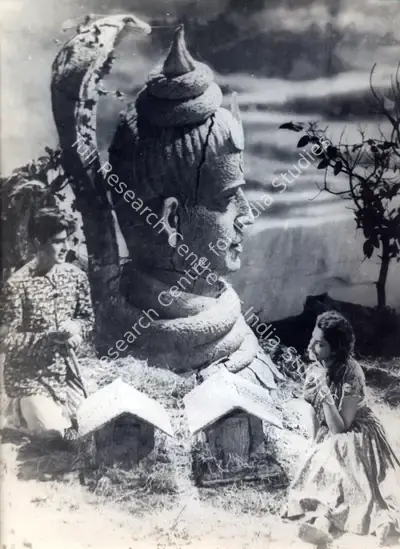
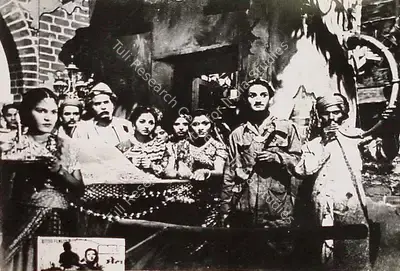
Mistry, Fali (Cinematographer), Mela, 1948 | Lobby Card

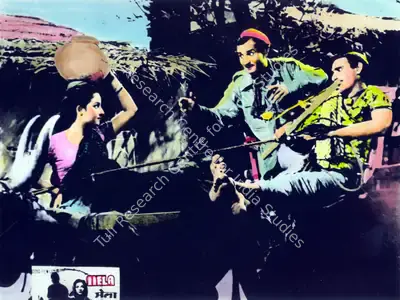
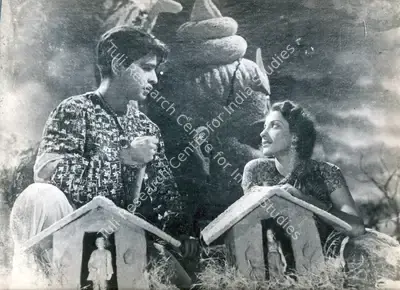
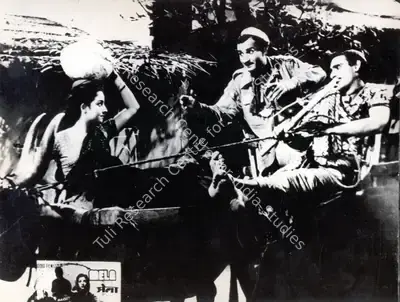
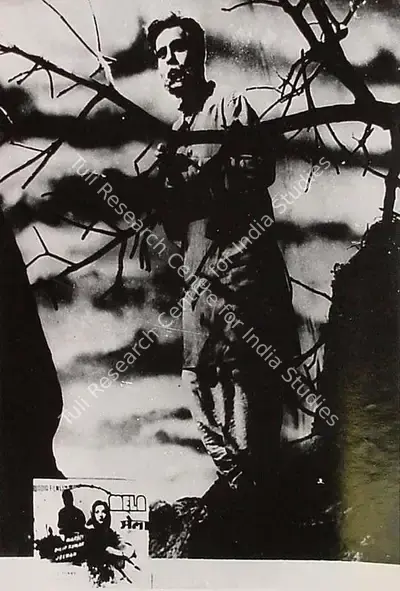
Mistry, Fali (Cinematographer), Mela, 1948 | Lobby Card

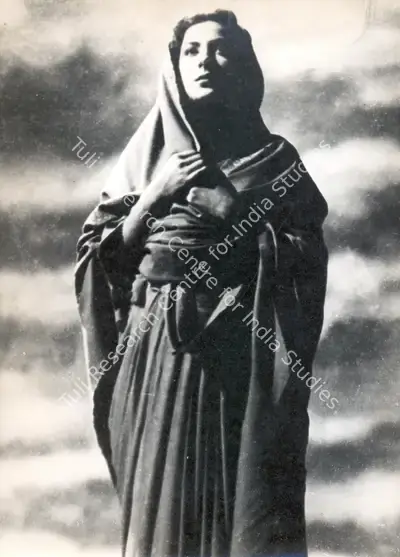
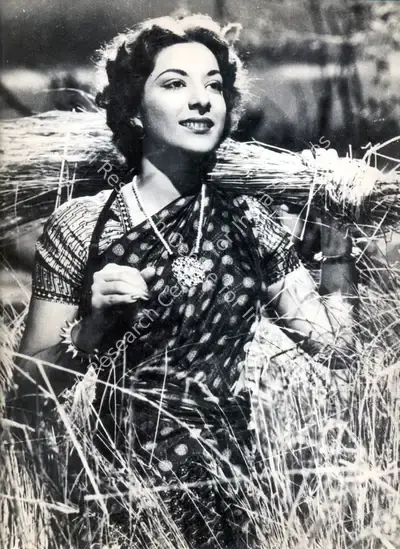
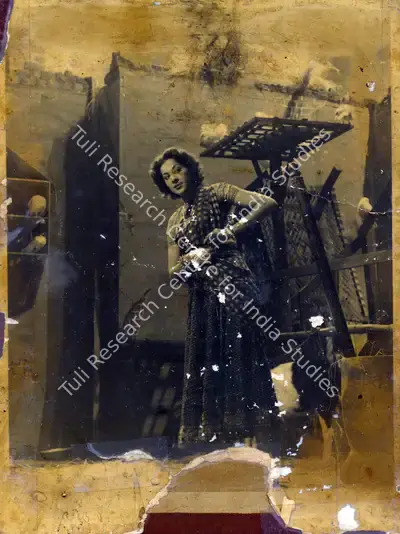
Mistry, Fali (Cinematographer), Mela, 1948 | Lobby Card

Mistry, Fali (Cinematographer), Mela, 1948 | Lobby Card

Mistry, Fali (Cinematographer), Mela, 1948 | Lobby Card

Mistry, Fali (Cinematographer), Mela, 1948 | Lobby Card

Mistry, Fali (Cinematographer), Mela, 1948 | Lobby Card

Mistry, Fali (Cinematographer), Mela, 1948 | Lobby Card

Mistry, Fali (Cinematographer), Mela, 1948 | Lobby Card

Mistry, Fali (Cinematographer), Mela, 1948 | Lobby Card

Mistry, Fali (Cinematographer), Mela, 1948 | Lobby Card

Mistry, Fali (Cinematographer), Mela, 1948 | Lobby Card

Mistry, Fali (Cinematographer), Mela, 1948 | Lobby Card

Mistry, Fali (Cinematographer), Mela, 1948 | Lobby Card

Mistry, Fali (Cinematographer), Mela, 1948 | Lobby Card

Mistry, Fali (Cinematographer), Mela, 1948 | Lobby Card

Mistry, Fali (Cinematographer), Mela, 1948 | Lobby Card

Mistry, Fali (Cinematographer), Mela, 1948 | Lobby Card

Mistry, Fali (Cinematographer), Mela, 1948 | Lobby Card

Mistry, Fali (Cinematographer), Mela, 1948 | Lobby Card

Mistry, Fali (Cinematographer), Mela, 1948 | Lobby Card

Mistry, Fali (Cinematographer), Mela, 1948 | Lobby Card

Mistry, Fali (Cinematographer), Mela, 1948 | Lobby Card

Mistry, Fali (Cinematographer), Mela, 1948 | Lobby Card

Mistry, Fali (Cinematographer), Mela, 1948 | Lobby Card

Mistry, Fali (Cinematographer), Mela, 1948 | Lobby Card

Mistry, Fali (Cinematographer), Mela, 1948 | Lobby Card

Mistry, Fali (Cinematographer), Mela, 1948 | Lobby Card

Mistry, Fali (Cinematographer), Mela, 1948 | Lobby Card

Mistry, Fali (Cinematographer), Mela, 1948 | Lobby Card

Mistry, Fali (Cinematographer), Mela, 1948 | Lobby Card

Mistry, Fali (Cinematographer), Mela, 1948 | Lobby Card

Mistry, Fali (Cinematographer), Mela, 1948 | Lobby Card

Mistry, Fali (Cinematographer), Mela, 1948 | Lobby Card

Mistry, Fali (Cinematographer), Mela, 1948 | Lobby Card

Mistry, Fali (Cinematographer), Mela, 1948 | Lobby Card

Mistry, Fali (Cinematographer), Mela, 1948 | Lobby Card

Mistry, Fali (Cinematographer), Mela, 1948 | Lobby Card

Mistry, Fali (Cinematographer), Mela, 1948 | Lobby Card

Loading...
TRIS logo image