


Introduction
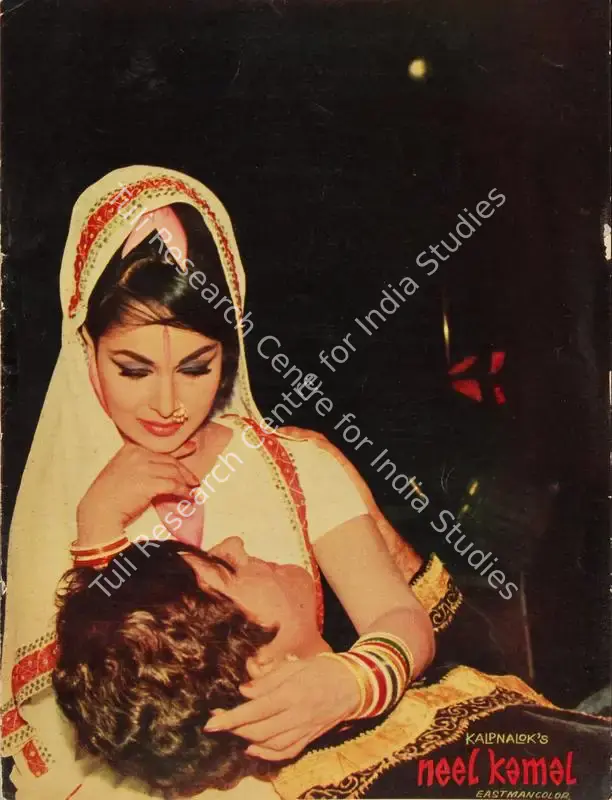
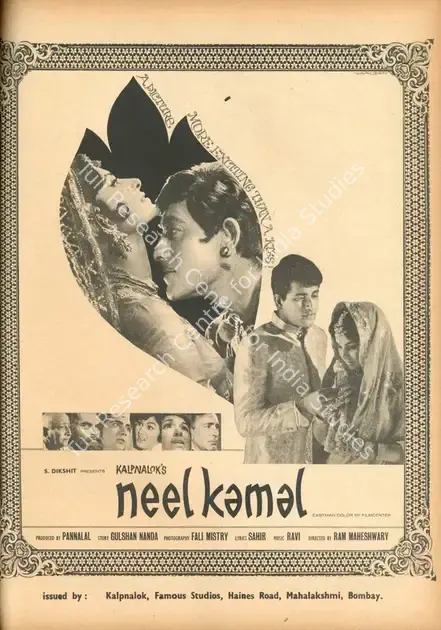
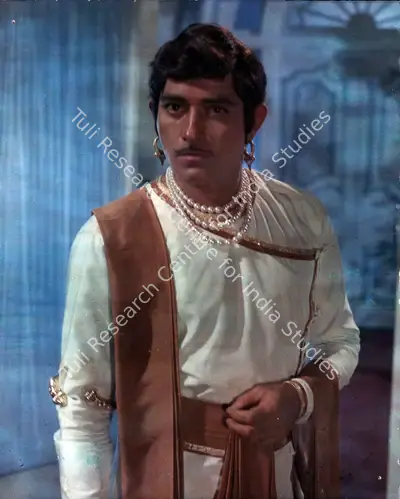
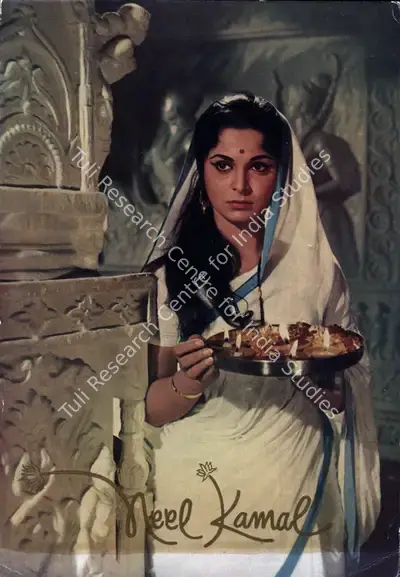
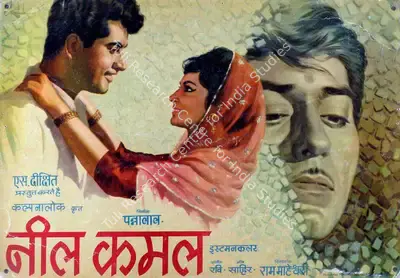
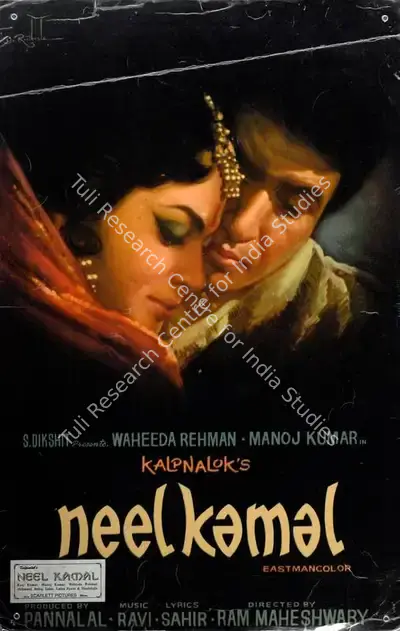
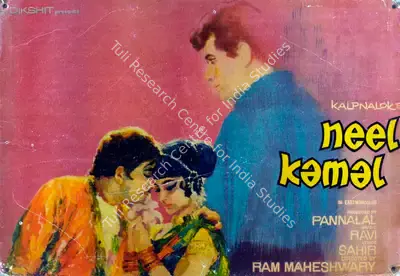
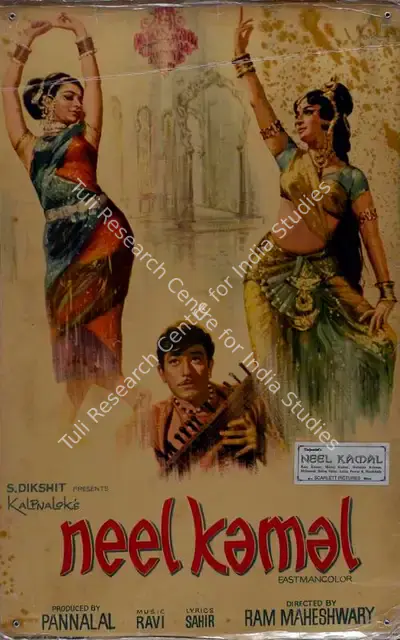
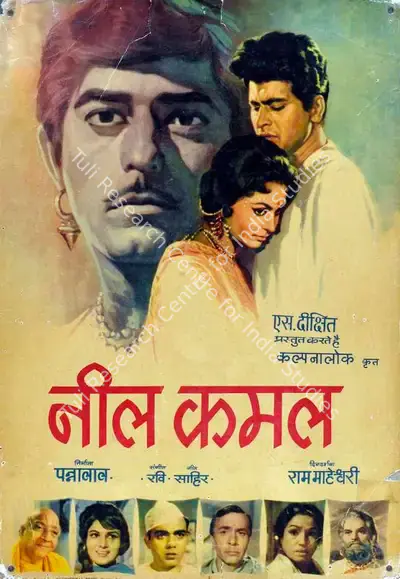
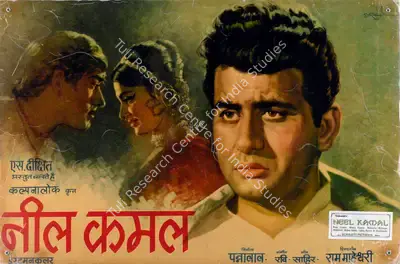
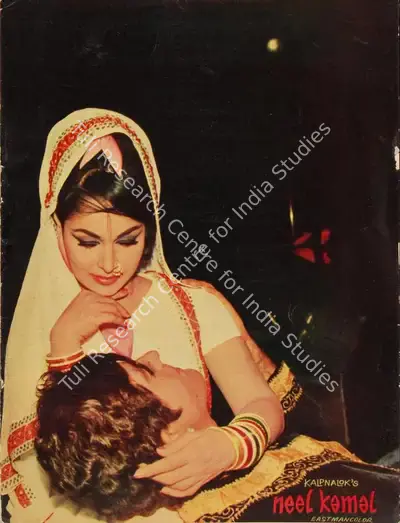
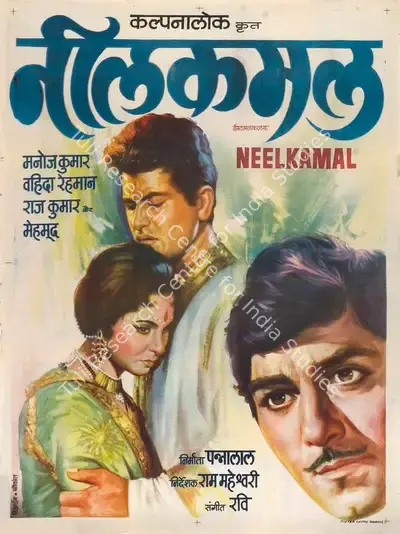
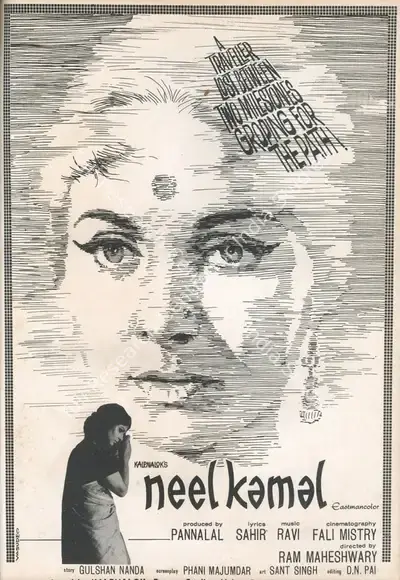
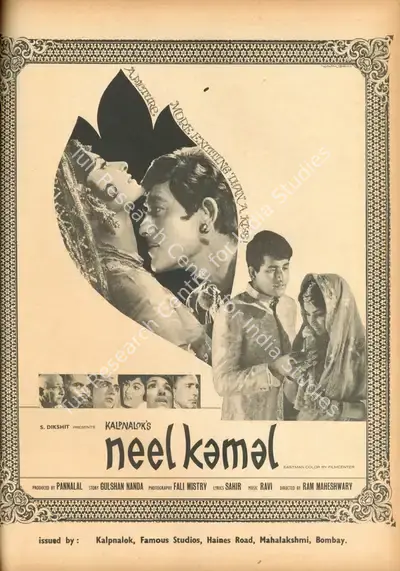
Neel Kamal (1968) is a romantic thriller that marked Waheeda Rehman's second Filmfare Best Actress win, following her first for Guide (1965). Directed by Ram Maheshwari and featuring an ensemble cast including Raaj Kumar, Manoj Kumar, Mehmood, Balraj Sahni, Lalita Pawar, and Shashikala, the film's story by Gulshan Nanda and screenplay by Phani Majumdar explored themes of past lives and reincarnation.
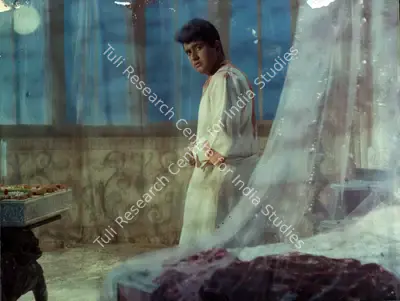
The plot follows Sita Raichand (Waheeda Rehman), a sleepwalker who is rescued by Ram (Manoj Kumar) while wandering on a railway track. After this incident, Sita's Guruji (David) and her father, Mr. Raichand (Balraj Sahni), approach Ram's mother (Lalita Pawar) with a marriage proposal. The proposal is deemed suitable, and Ram and Sita marry. However, after the marriage, Sita exhibits strange behaviour, often wandering away during the night. This leads to suspicions regarding her fidelity, prompting Ram to investigate further. His search uncovers a shocking truth: Sita is drawn to someone from her past life.
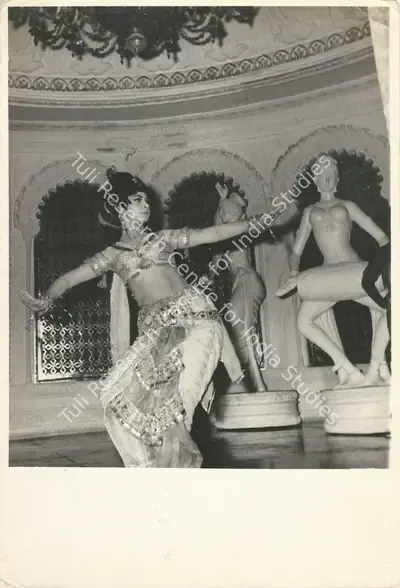
Neel Kamal received critical acclaim upon release and was a major commercial success, becoming the third highest-grossing film of 1968. At the 16th Filmfare Awards, it garnered 8 nominations, including Best Film, Best Director (Maheshwari), Best Supporting Actor (Raaj Kumar), Best Supporting Actress (Shashikala), and Best Comedian (Mehmood). Waheeda Rehma's portrayal of a troubled bride was praised, as was her dance sequence showcasing various Indian dance forms, which became a highlight of the film.
The soundtrack, composed by Ravi Shankar Sharma with lyrics by Sahir Ludhianvi, featured some memorable tracks. The song Baabul Ki Duaayein Leti Jaa, sung by Mohammed Rafi, became a staple at North Indian weddings during the bidaai (bride's departure) ritual. Other popular songs included Asha Bhosle's Rom Rom Mein Basne Waale Ram and Mohammed Rafi's Tujhko Pukare Mera Pyar, both of which continue to be beloved to this day.
फ़िल्म की कहानी सीता रायचंद (वहीदा रहमान) के किरदार के साथ आगे बढ़ती है। सीता को नींद में चलने की बीमारी है। एक दिन ऐसे ही नींद में चलते हुए वो रेल की पटरियों तक पहुँच जाती है। वहाँ राम (मनोज कुमार) उसे बचाता है। इस घटना के बाद सीता के गुरुजी (डेविड) और उनके पिता श्री रायचंद (बलराज साहनी) राम की माँ (ललिता पवार) से मिलकर दोनों के विवाह की बात चलाते हैं। सबकी सहमति बनने पर और राम और सीता का विवाह हो जाता है। पर विवाह के बाद भी सीता का अजीब व्यवहार जारी रहता है और वो अक्सर रात में भटकती पायी जाती है। राम को उसके व्यवहार पर संदेह होता है और वो इसकी आगे बढ़कर जाँच करने की ठान लेता है। जाँच करने पर एक चौंकाने वाली सच्चाई उजागर होती है। राम को मालूम पड़ता है कि सीता को उसके पिछले जन्म की स्मृति अपनी ओर खींच रही है।
रिलीज़ होने पर नील कमल को आलोचकों से सराहना मिली और टिकट खिड़की पर भी इसने व्यावसायिक सफलता हासिल की। यह फ़िल्म 1968 की तीसरी सबसे अधिक कमाई करने वाली फ़िल्म बन गई। सोलहवें फ़िल्मफ़ेयर पुरस्कारों में इसे 8 नामांकन मिले जिनमें सर्वश्रेष्ठ फ़िल्म, सर्वश्रेष्ठ निर्देशक (माहेश्वरी), सर्वश्रेष्ठ सहायक अभिनेता (राज कुमार), सर्वश्रेष्ठ सहायक अभिनेत्री (शशिकला) और सर्वश्रेष्ठ हास्य अभिनेता (महमूद) के नामांकन शामिल थे। वहीदा रहमान ने सर्वश्रेष्ठ अभिनेत्री का फ़िल्मफ़ेयर पुरस्कार जीता जो गाइड के बाद इस श्रेणी में उनका दूसरा पुरस्कार था। एक परेशाँ नायिका के किरदार में उनके अभिनय की खूब प्रशंसा हुई, साथ ही फ़िल्म में उनके विभिन्न भारतीय नृत्य कलाओं को प्रदर्शित करने वाले नृत्य भी खूब सराहे गए और फ़िल्म के मुख्य आकर्षण बन गए।
साहिर लुधियानवी के लिखे बोलों पर रविशंकर शर्मा द्वारा रचित संगीत भी यादगार रहा। मोहम्मद रफ़ी का गाया मार्मिक गीत "बाबुल की दुआएँ लेती जा" तो उत्तर भारत की तक़रीबन हर शादी में विदाई की रस्म के दौरान बजनेवाला सबसे प्रमुख गीत बन गया है। फ़िल्म के अन्य लोकप्रिय गीतों में आशा भोंसले का गाया "रोम रोम में बसने वाले राम" और मोहम्मद रफ़ी का गाया "तुझको पुकारे मेरा प्यार" आज भी चाहनेवालों के दिलों में बसे हैं।
Body of Work
Research Centre



Related
12
Personalities
12