
Introduction
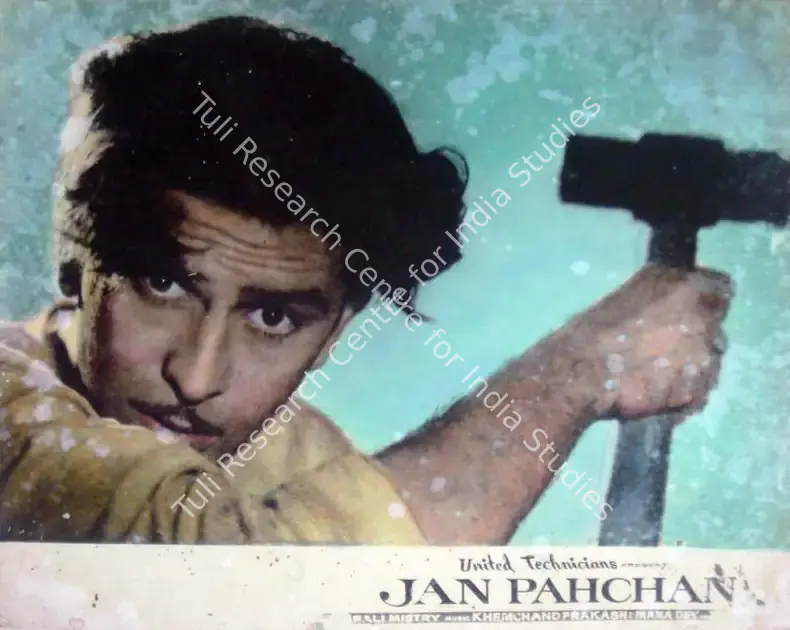
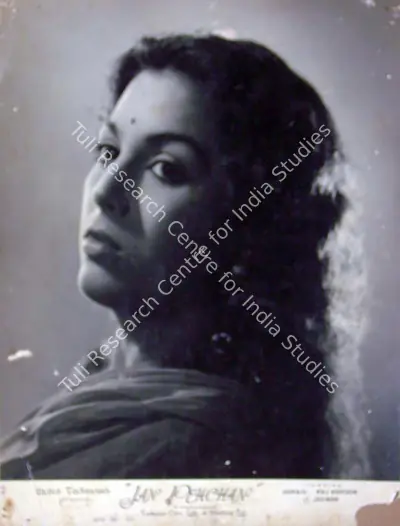
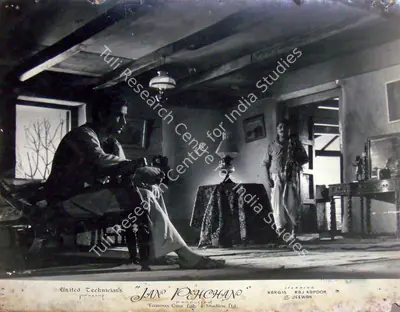
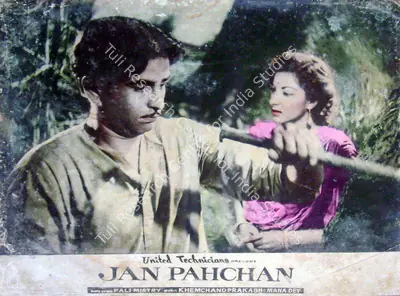
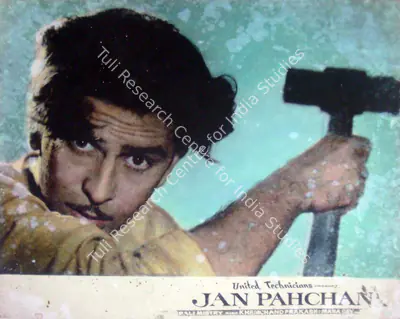
Jan Pahechan (1950), directed by Fali Mistry, it was a romantic drama that brought together a powerful ensemble cast and left a lasting impression for its emotionally resonant storyline and memorable music. The film stars Raj Kapoor and Nargis in the lead roles, supported by Jeevan, Shama Dulari, Neelam, and Sankatha in key supporting parts. This film is particularly notable for initiating the celebrated on-screen pairing of Raj Kapoor and Nargis, whose chemistry would go on to define a golden era in Hindi cinema. Kapoor's performance as Anil, a sensitive and wealthy artist, was widely acclaimed for its depth and nuance, earning admiration from both critics and audiences alike.
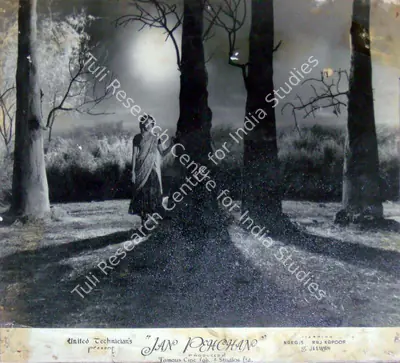
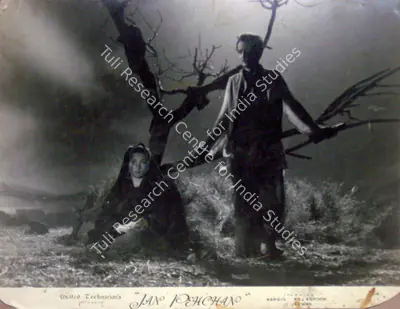
The narrative centres on Asha (played by Nargis), a poor village girl subjected to cruelty by her stepmother, Rukmani, after the death of her mother. Amid her hardships, she finds love in Anil, the artist, who also happens to be a close friend of Jeevan. Their romance is kept secret, but tragedy strikes when Asha becomes pregnant. Before he can return to her, Anil is disfigured in an accident. Fearing that Asha will no longer accept him he chooses to remain in hiding. To protect Asha from social shame and scandal, Jeevan selflessly steps forward, claiming responsibility for her pregnancy and marrying her. This act of sacrifice forms the emotional core of the film, which explores themes of love, identity, social stigma, redemption, and the price of sacrifice. The story builds to a poignant climax with Anil and Asha eventually reunited, as the truth behind Jeevan's actions comes to light.
The film was produced by Robin Chatterjee and Fali Mistry and based on a story written by Ramanand Sagar and R.P. Sharma. The music—one of the film's most celebrated elements—was composed by Manna Dey (credited as Mana Dey), Cecil Mendoza, and Khemchand Prakash. Among its standout songs, Aaoge Na Sajan Aaoge Na and Armaan Bhare Dil Ki Lagan Tere Liye Hai, sung by Geeta Roy and Talat Mahmood, became chartbusters and remain beloved classics of the era. The emotional depth of the lyrics, combined with evocative melodies, played a significant role in the film's popularity.
Jan Pahechan remains a significant work in early post-independence Hindi cinema for its rich storytelling, unforgettable music, and the foundational partnership of Raj Kapoor and Nargis, which would shape Indian film history in the years to come.
फ़िल्म की कहानी गाँव की एक गरीब दुखियारी लड़की आशा (नर्गिस) के इर्द-गिर्द घूमती है। आशा की माँ की गुज़र चुकी हैं और उसकी सौतेली माँ रुक्मणी उस पर घोर अत्याचार बरपाती है। जीवन की इन कठिन राहों में आशा को एक हमसफ़र मिलता है। वह अनिल (राज कपूर) नाम के एक संवेदनशील कलाकार से प्यार करने लगती है। अनिल उसके मित्र जीवन (जीवन) का करीबी दोस्त है। अनिल और आशा का प्रेम दुनिया की नज़रों से छिपा हुआ है। उनकी कहानी में चुनौती भरा मोड़ तब आता है जब आशा गर्भवती हो जाती है। उधर यह जानने से पहले ही अनिल का एक दुर्घटना में चेहरा घायल हो जाता है। अब अनिल के मन में भय है कि कहीं आशा उसे इस कुरूप चेहरे के साथ स्वीकार न कर पाई तो? इसी डर के साये में घिरा अनिल खुद को छिपा लेता है।
इधर गर्भवती आशा को समाज की नज़रों में शर्मिंदा होने से बचाने और उसकी प्रतिष्ठा की रक्षा करने के लिए अनिल का मित्र जीवन निस्वार्थ भाव से आगे आता है और उससे विवाह कर उसके बच्चे को भी अपना लेता है। जीवन का यह त्याग ही फ़िल्म के कथानक का भावनात्मक केंद्र है। प्रेम के विविध रूपों के साथ यहाँ स्त्री की पहचान और मर्यादा, सामाजिक कलंक के आरोप, प्रायश्चित और आत्म बलिदान जैसे विषयों को बखूबी उठाया गया है। फ़िल्म की कहानी आखिर एक भावनाओं से भरे चरमोत्कर्ष पर पहुँचती है और जीवन का बलिदान सबके सामने आता है। सच्चाई जानने के बाद अनिल और आशा का दोबारा मिलन होता है।
इस फ़िल्म का निर्माण रॉबिन चटर्जी और फ़ाली मिस्त्री ने मिलकर किया था। फ़िल्म की पटकथा रामानंद सागर और आर.पी. शर्मा की लिखी कहानी पर आधारित थी। कथानक के साथ ही इस फ़िल्म का संगीत इसकी सबसे प्रमुख उपलब्धियों में से एक था। इसके लिए संगीत मन्ना डे, सेसिल मेंडोसा और खेमचंद प्रकाश ने तैयार किया था। फ़िल्म के गीता रॉय (आगे चलकर गीता दत्त) और तलत महमूद के गाये आओगे ना सजन आओगे ना और अरमान भरे दिल की लगन तेरे लिए है जैसे गीत उस समय के चार्टबस्टर बन गए और आज भी श्रोताओं के बीच खूब लोकप्रिय हैं। इन गीतों के बोलों की भावप्रवणता और मधुर धुनों ने फ़िल्म की लोकप्रियता में ख़ास भूमिका निभाई थी।
जान-पहचान आज़ादी के फ़ौरन बाद के भारत में बन रहे हिन्दी सिनेमा की एक महत्वपूर्ण रचना है। इस फ़िल्म की दिलचस्प कहानी, अविस्मरणीय संगीत और पर्दे पर राज कपूर-नर्गिस की यादगार जुगलबन्दी ने भारतीय सिनेमा के इतिहास की दिशा तय करने में बड़ी ख़ास भूमिका निभाई है।