


Introduction
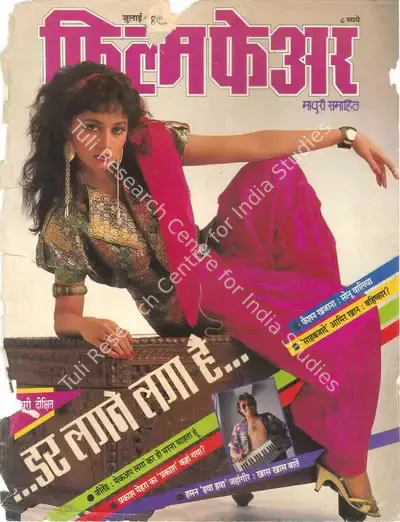
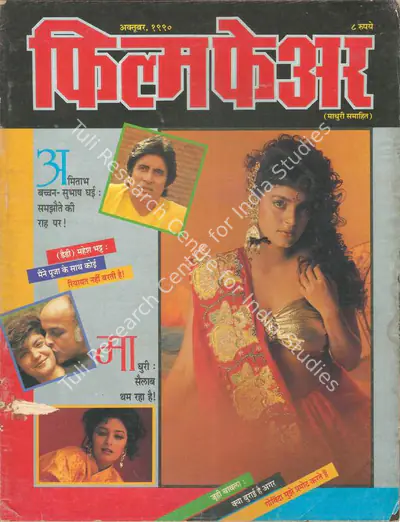
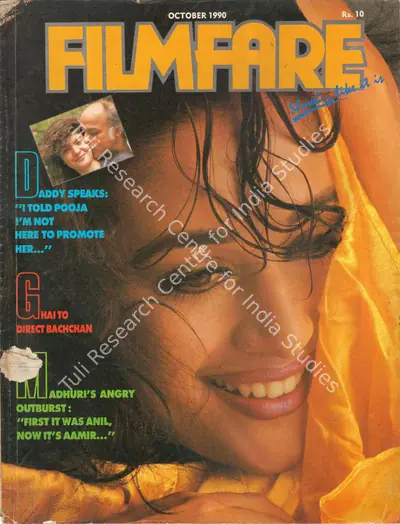
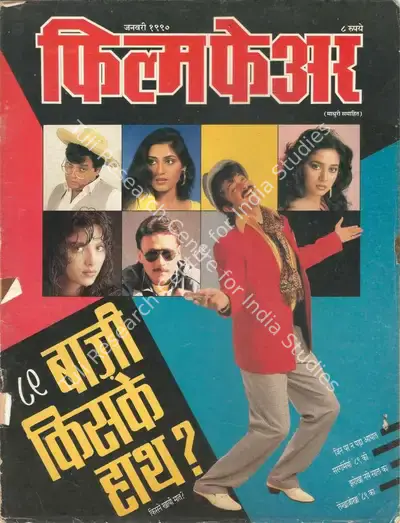
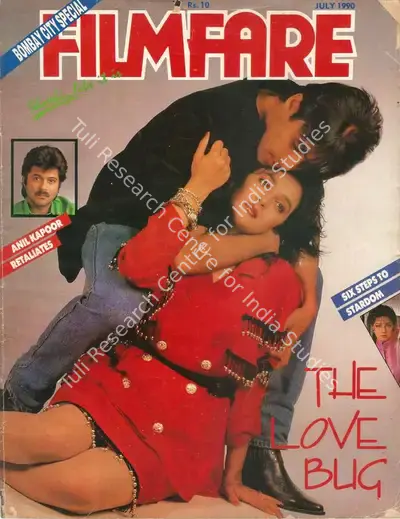
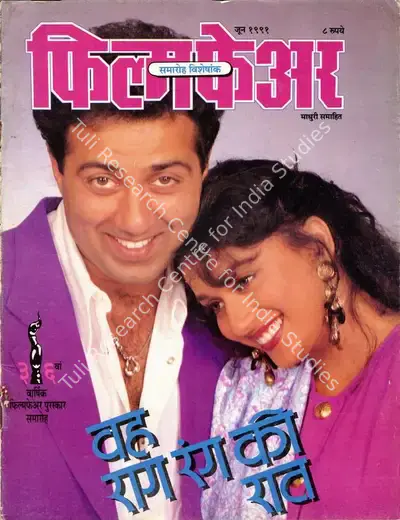
Madhuri Dixit Nene (15 May 1967) She is among the most accomplished and influential figures in Hindi cinema, an actress whose career has combined sustained popular appeal with critical recognition. Appearing in more than seventy films, she achieved nationwide stardom while reshaping the possibilities for female-led narratives within a male-dominated industry. Celebrated equally for her expressive performances and refined dance technique, particularly in Kathak, she forged a screen persona that balanced technical virtuosity with emotional depth. Her contributions have been recognised with six Filmfare Awards from a record seventeen nominations, and the Government of India honoured her with the Padma Shri in 2008.
Born in Bombay into a Marathi Kokanastha Brahmin family, Dixit was raised in a culturally attentive household that encouraged artistic pursuits. She began training in Kathak at the age of three and continued rigorously for several years, laying the foundation for a dance style that would later become integral to her cinematic identity. Educated at Divine Child High School in Andheri, she briefly pursued a degree in microbiology at Sathaye College before leaving academia to commit fully to acting, a decision that would decisively shape her trajectory.
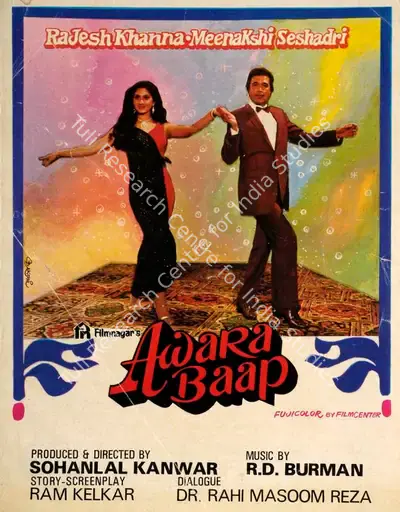
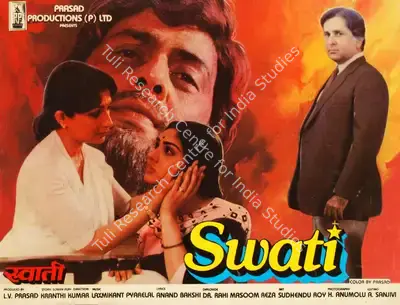
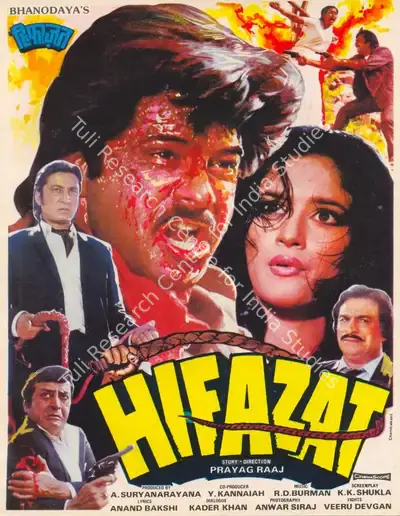
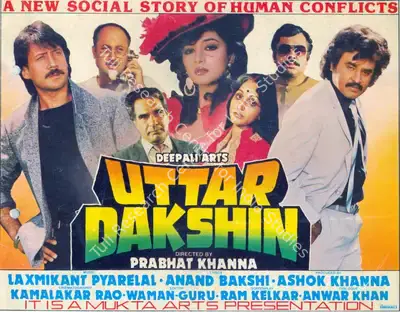
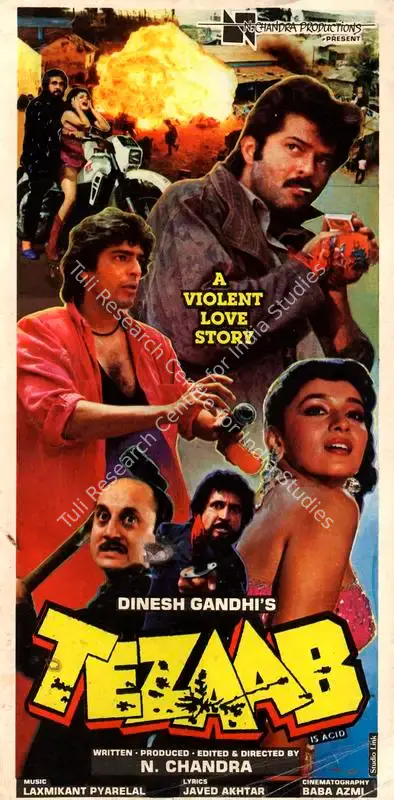
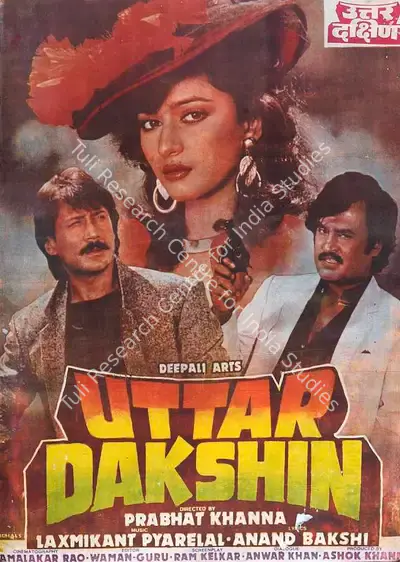
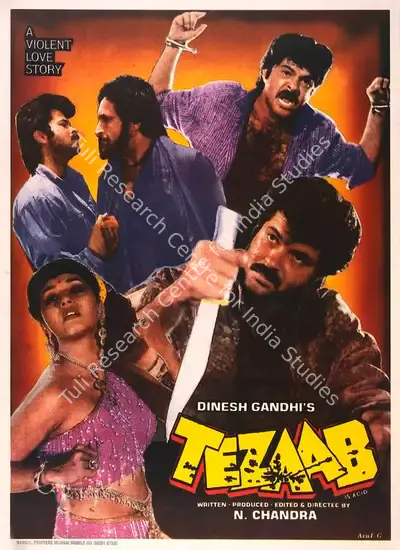
Dixit made her screen debut with Abodh 1984, a modestly received drama that nonetheless drew attention to her naturalistic performance. A series of commercial setbacks followed, including Awara Baap 1985 and subsequent releases such as Swati 1986, Manav Hatya 1986, Hifazat 1987, and Uttar Dakshin 1987. Her breakthrough arrived with Tezaab 1988, in which her portrayal of Mohini combined emotional vulnerability with dynamic dance expression, propelling her into the national spotlight. The film's commercial success marked a decisive turning point, establishing her as a leading actress.
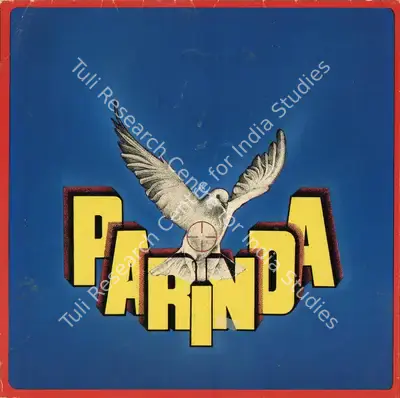
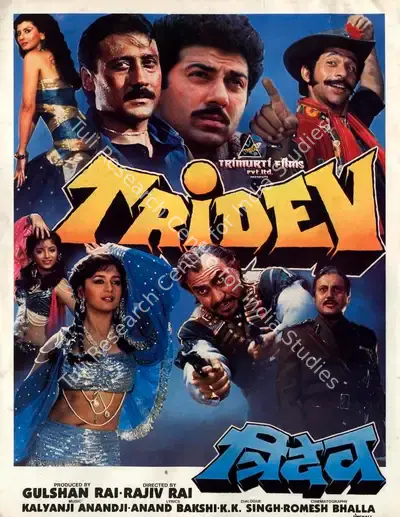
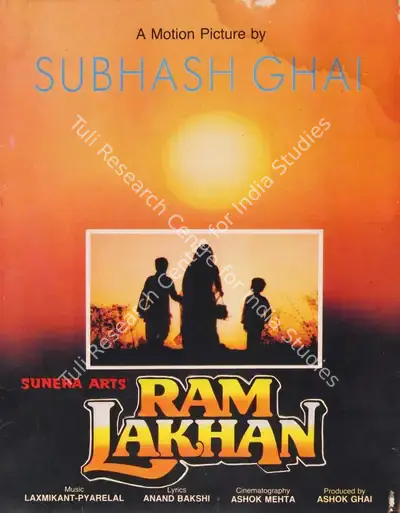
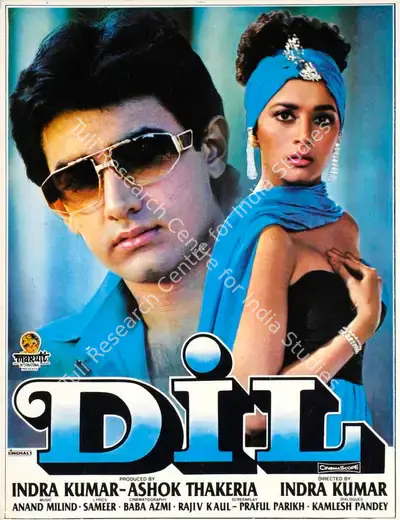
The subsequent years consolidated her dominance. In 1989, she appeared in successful productions such as Ram Lakhan 1989 and Tridev 1989, while Parinda 1989 demonstrated her ability to contribute meaningfully to critically acclaimed cinema. The early 1990s witnessed an extraordinary phase in which Dixit emerged as a principal box-office draw. Dil 1990 became the highest-grossing film of its year, followed by the widely successful Saajan 1991. Her performance in Beta 1992, marked by dramatic intensity and commanding screen presence, earned her a Filmfare Award for Best Actress and solidified her status as a leading star.
This period also saw her embody a diverse range of roles, from the undercover officer in Khalnayak 1993 to the emotionally layered characters of Hum Aapke Hain Koun..! 1994 and Raja 1995. By the mid-1990s, Dixit had become synonymous with both commercial success and artistic credibility, a rare synthesis in mainstream Hindi cinema. Her performances in Dil To Pagal Hai 1997 and Mrityudand 1997 further illustrated her versatility, the former reinforcing her star power and the latter underscoring her engagement with socially grounded narratives.
In later years, Dixit expanded her presence beyond film, appearing in projects such as the streaming series The Fame Game 2022 and the feature Maja Ma 2022, while also serving as a prominent judge on the dance reality programme Jhalak Dikhhla Jaa. Alongside her artistic work, she has been involved in public advocacy, particularly in campaigns related to public health and women's welfare.
Dixit's enduring legacy lies in her ability to bridge popular and classical idioms, transforming the representation of women in Hindi cinema while maintaining an unassailable connection with audiences.
मुंबई में एक मराठी कोकणस्थ ब्राह्मण परिवार में जन्मीं दीक्षित का पालन-पोषण एक सांस्कृतिक रूप से जागरूक परिवार में हुआ, जहाँ कलात्मक गतिविधियों को प्रोत्साहित किया जाता था। उन्होंने तीन वर्ष की आयु में कथक का प्रशिक्षण शुरू किया और कई वर्षों तक इसे लगन से जारी रखा, जिससे एक ऐसी नृत्य शैली की नींव पड़ी जो बाद में उनकी फ़िल्मी पहचान का अभिन्न अंग बन गई। अंधेरी के डिवाइन चाइल्ड हाई स्कूल में शिक्षा प्राप्त करने के बाद, उन्होंने अभिनय के लिए पूरी तरह से समर्पित होने से पहले साठये कॉलेज़ में सू माइक्रोबायोलॉज़ी में स्नातक की उपाधि प्राप्त करने का संक्षिप्त प्रयास किया, और फ़िर अकादमिक क्षेत्र को छोड़ दिया, एक ऐसा निर्णय जिसने उनके करियर को निर्णायक रूप से आकार दिया।
दीक्षित ने 1984 में आई फ़िल्म 'अबोध' से अपने फ़िल्मी करियर की शुरुआत की। यह एक औसत दर्जे की ड्रामा फ़िल्म थी, लेकिन फ़िर भी इसमें उनके स्वाभाविक अभिनय ने सबका ध्यान खींचा। इसके बाद उन्हें कई फ्लॉप फ़िल्में देखने को मिलीं, जिनमें 'आवारा बाप' (1985) और उसके बाद 'स्वाति' (1986), 'मानव हत्या' (1986), 'हिफ़ाज़त' (1987) और 'उत्तर दक्षिण' (1987) शामिल हैं। उनकी सफलता 'तेज़ाब' (1988) से मिली, जिसमें मोहिनी के किरदार में उन्होंने भावनात्मक कोमलता और दमदार नृत्य का अद्भुत संगम प्रस्तुत किया, जिससे वे राष्ट्रीय स्तर पर मशहूर हो गईं। फ़िल्म की व्यावसायिक सफलता उनके करियर का निर्णायक मोड़ साबित हुई और उन्हें एक प्रमुख अभिनेत्री के रूप में स्थापित कर दिया।
इसके बाद के वर्षों में उनकी लोकप्रियता और भी बढ़ गई। 1989 में, उन्होंने राम लखन (1989) और त्रिदेव (1989) जैसी सफल फ़िल्मों में अभिनय किया, जबकि परिंदा (1989) को समीक्षकों ख़ूब सराहा और इसी के साथ इसने सिनेमा में उनके सार्थक योगदान की क्षमता को प्रदर्शित किया। 1990 के दशक की शुरुआत में उनके करियर का एक असाधारण दौर आया, जिसमें वे बॉक्स ऑफ़िस की प्रमुख आकर्षण बन गईं। दिल (1990) उस वर्ष की सबसे अधिक कमाई करने वाली फ़िल्म बनी, जिसके बाद व्यापक रूप से सफल साजन (1991) फ़िल्म आई। बीटा (1992) में उनके नाटकीय प्रभाव और दमदार उपस्थिति ने उन्हें सर्वश्रेष्ठ अभिनेत्री का फ़िल्मफ़ेयर पुरस्कार दिलाया और एक प्रमुख स्टार के रूप में उनकी स्थिति को मज़बूत किया।
इस दौरान उन्होंने खलनायक (1993) में गुप्तचर अधिकारी से लेकर हम आपके हैं कौन..! (1994) और राजा (1995) में भावनात्मक रूप से जटिल किरदारों तक, विविध प्रकार की भूमिकाएँ निभाईं। 1990 के दशक के मध्य तक, दीक्षित व्यावसायिक सफलता और कलात्मक विश्वसनीयता दोनों का पर्याय बन चुकी थीं, जो मुख्यधारा के हिंदी सिनेमा में एक दुर्लभ संयोग था। दिल तो पागल है (1997) और मृत्युदंड (1997) में उनके अभिनय ने उनकी बहुमुखी प्रतिभा को और भी स्पष्ट किया, पहली फ़िल्म ने उनकी स्टार पावर को और मज़बूत किया और दूसरी ने सामाजिक रूप से प्रासंगिक कहानियों के प्रति उनके जुड़ाव को रेखांकित किया।
बाद के वर्षों में दीक्षित ने फ़िल्मों से परे अपनी उपस्थिति का विस्तार किया और स्ट्रीमिंग सीरीज़ 'द फ़ेम गेम 2022' और फ़ीचर फ़िल्म 'मजा मां 2022' जैसी परियोजनाओं में दिखाई दीं, साथ ही डांस रियलिटी कार्यक्रम 'झलक दिखला जा' में एक प्रमुख जज के रूप में भी अपनी भूमिका निभाई। अपने कलात्मक कार्यों के साथ-साथ, वह जनहित और महिला कल्याण से संबंधित अभियानों में भी सक्रिय रूप से शामिल रही हैं।
दीक्षित की स्थायी विरासत लोकप्रिय और शास्त्रीय शैलियों के बीच सेतु बनाने की उनकी क्षमता में निहित है, जिससे उन्होंने हिंदी सिनेमा में महिलाओं के प्रतिनिधित्व को रूपांतरित किया और साथ ही दर्शकों के साथ एक अटूट संबंध बनाए रखा।
- Age
- 58
Filmography 68
Research Centre







Related
46
Personalities
26
Films
20