
Ashok Mehta

Ashok Mehta
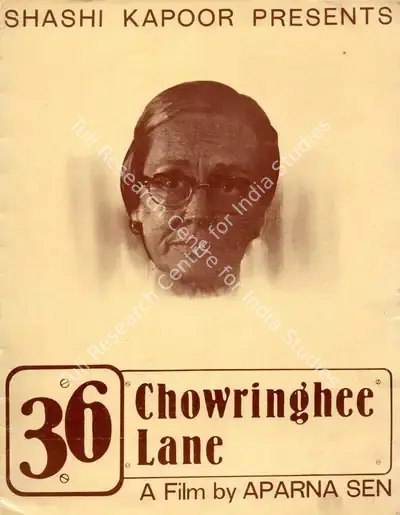
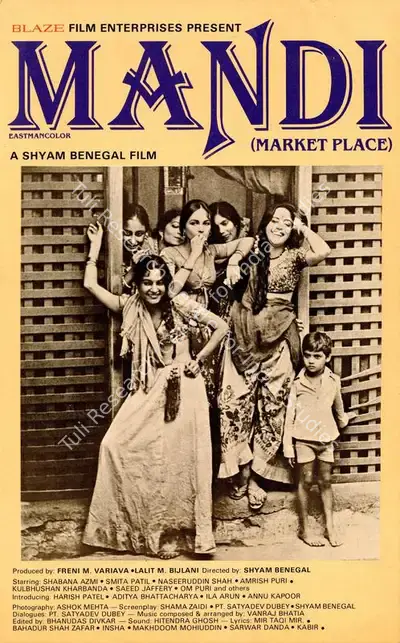
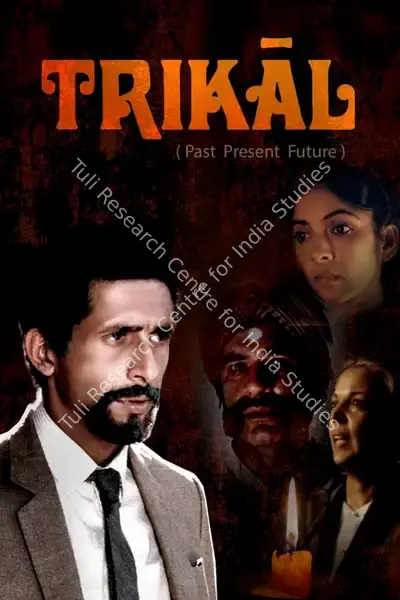
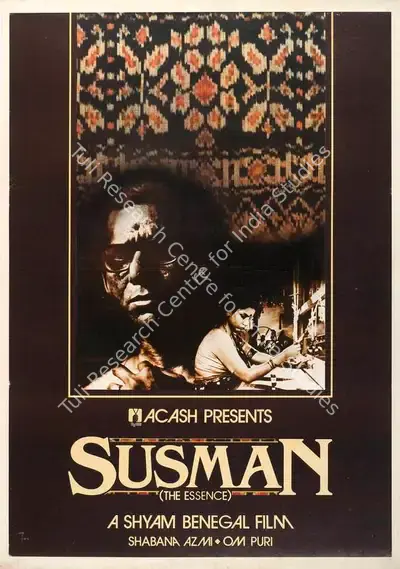
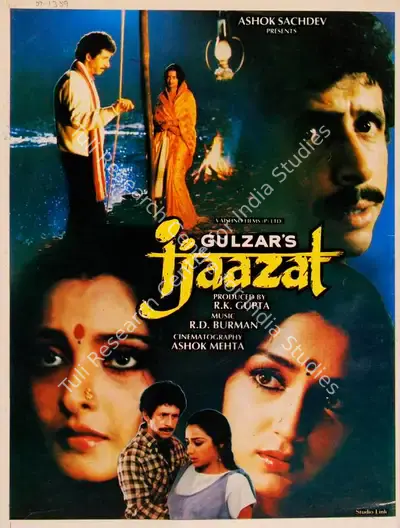
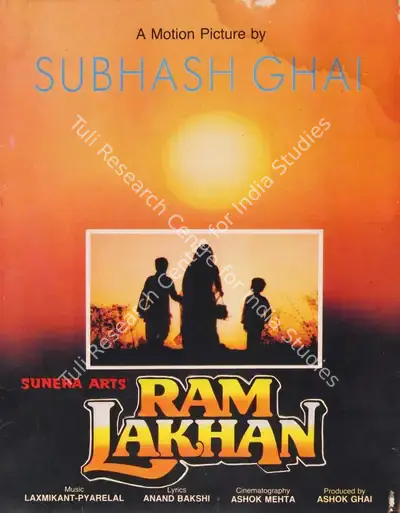
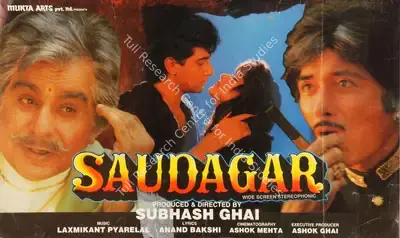
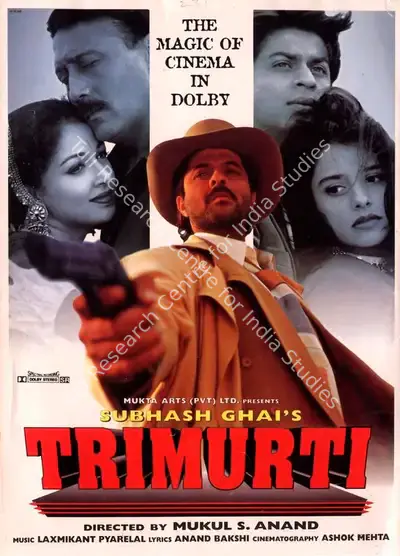
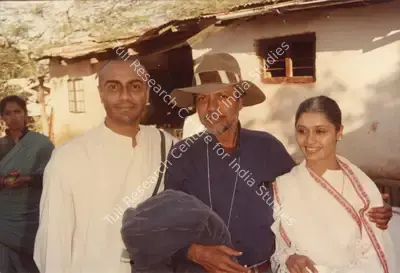
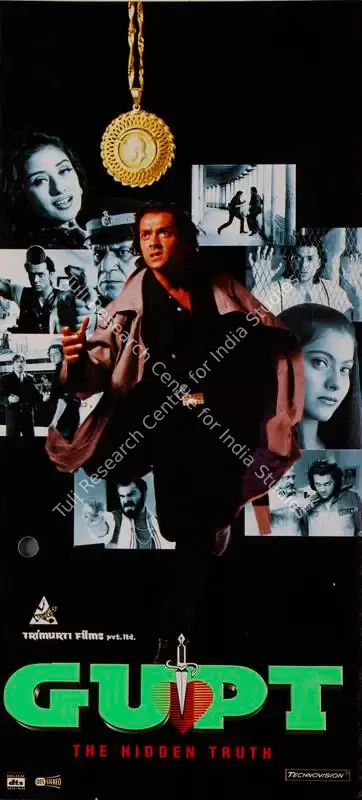
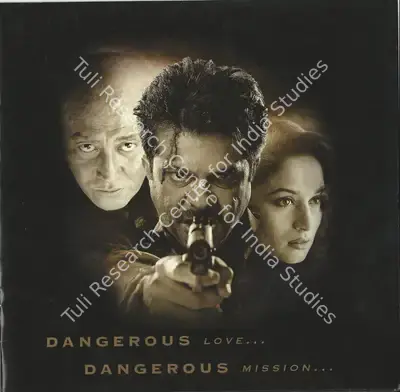
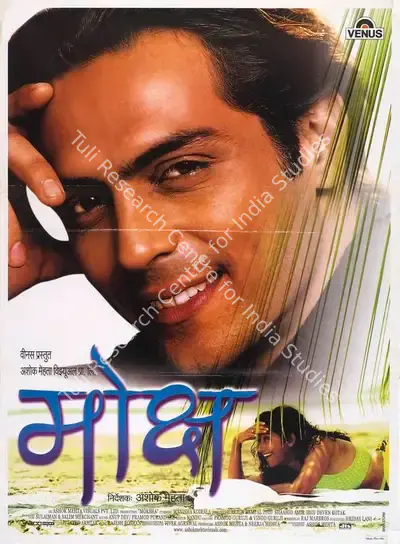
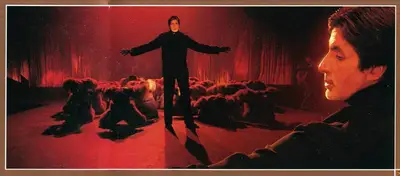
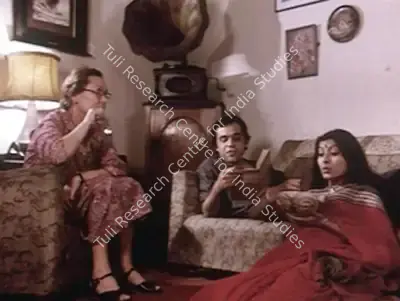
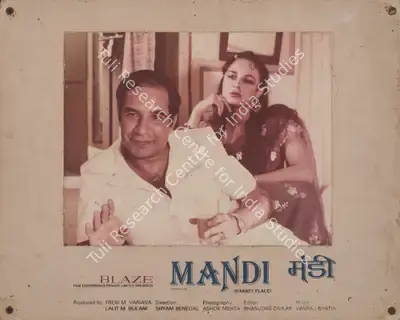
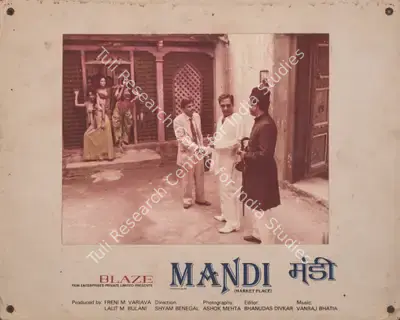
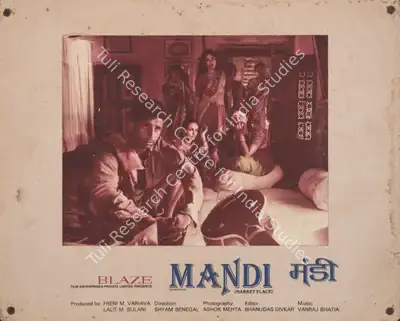
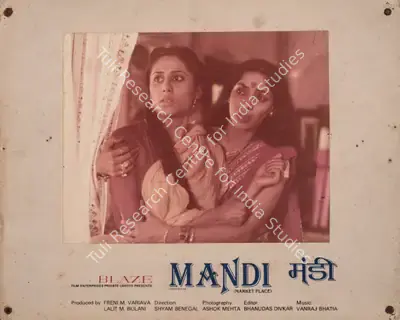
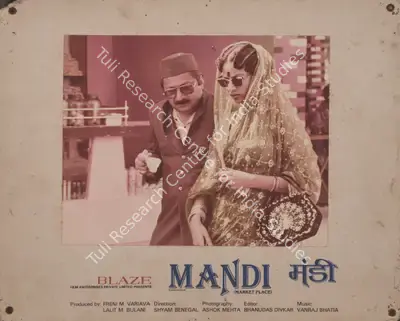
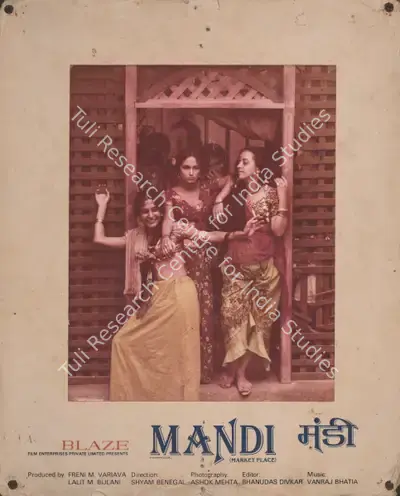
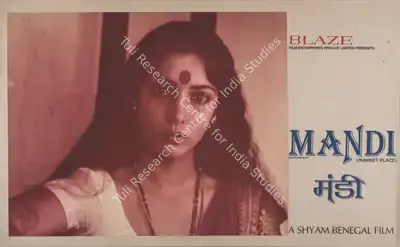
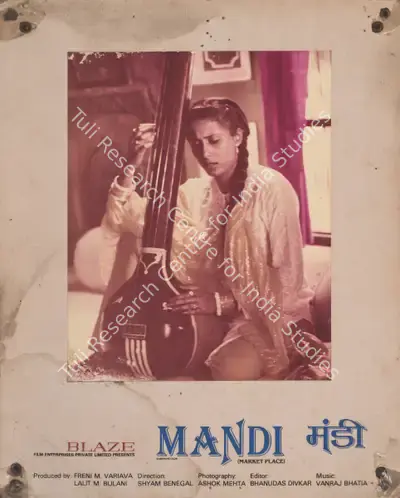
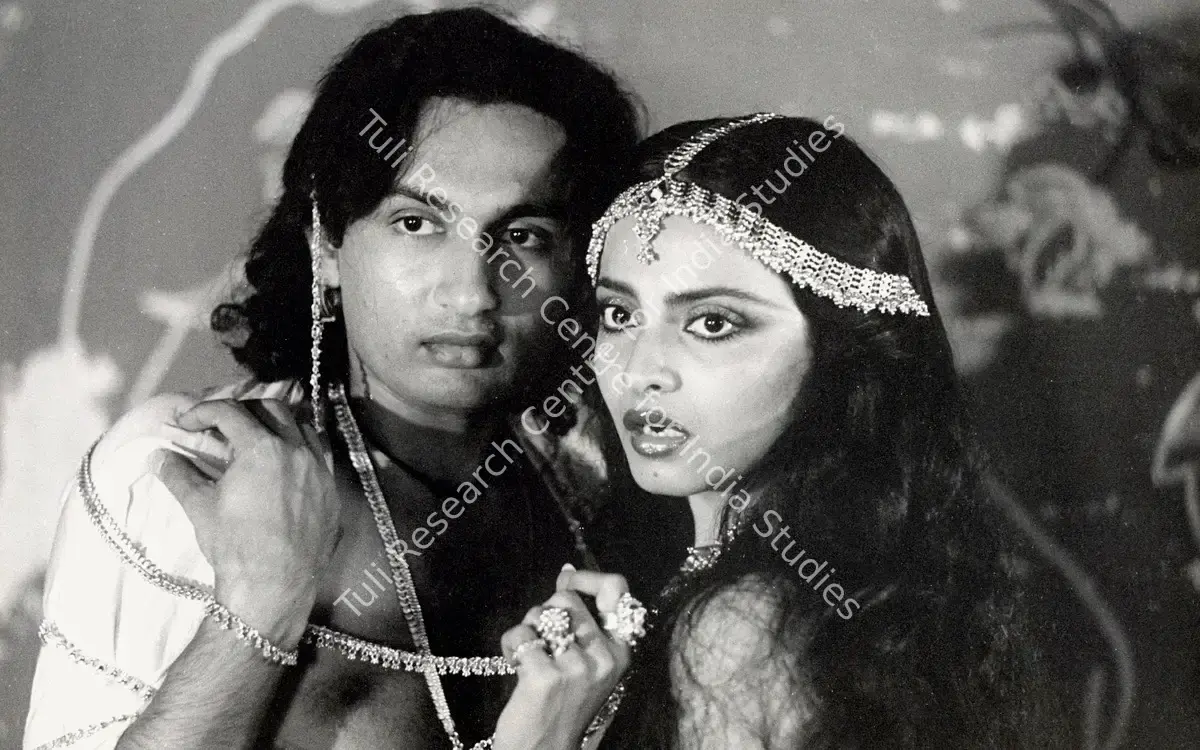
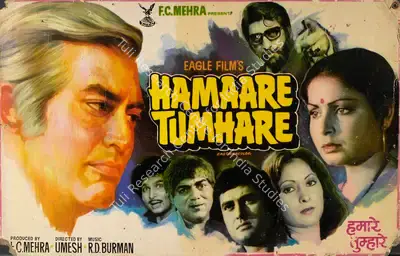
Ashok Mehta (1947-2012) was a noted Indian cinematographer acclaimed for his work on Parallel cinema films, such as Bandit Queen (1994), 36 Chowringhee Lane (1981), and Utsav (1984), as well as commercial Mumbai Hindi films like Ram Lakhan (1989) and Khalnayak (1993). Over a career spanning more than four decades, he contributed to over seventy films, earning two National Film Awards and a Filmfare Award. Mehta was first noticed for his work on Aparna Sen's landmark film, 36 Chowringhee Lane (1989). His minimal monochrome cinematography highlighted the inner turmoil and loneliness of the characters in post-independent Calcutta through restrained contrasts and calculated minimal lighting techniques. It earned him his first National Award and established him as a cinematographer who moulded his craft to meet the aesthetic demands of the narrative. He collaborated with Sen on two more films, Paroma (1984) and Sati (1989). He also collaborated with Parallel cinema figures like Shyam Benegal, Gulzar and Girish Karnad. With Benegal, he worked on celebrated films like Mandi (1983), Trikaal (1985), and Susman (1987). For Girish Karnad's Utsav (1984), a period drama, Mehta employed source-based lighting, using oil lamps, candles, and Petromax lights for authenticity. For Gulzar's Ijaazat (1987), his use of vibrant colour palettes, diffusers, and slow zooms to distinguish memory from the present conveyed the film's emotional intensity. His most critically acclaimed work came with Shekhar Kapur's Bandit Queen (1994), where his use of natural light and verité-style framing heightened the realism of the narrative. Throughout the 90s, Mehta worked mainly with mainstream Mumbai films. His collaborations with Subhash Ghai on films such as Ram Lakhan (1989) and Khalnayak (1993) demonstrated how sophisticated lighting and bold shadow play could intensify drama in commercial entertainers. Later in his career, Mehta directed and shot Moksha: Salvation (2001), a film that won him his second National Award. He employed black & white imagery punctuated by vibrant colour flashbacks to articulate the film's themes of alienation and redemption. Known for his masterful resourcefulness and inventiveness with light, Mehta's body of work continues to influence and inspire generations of cinematographers.

Research Centre
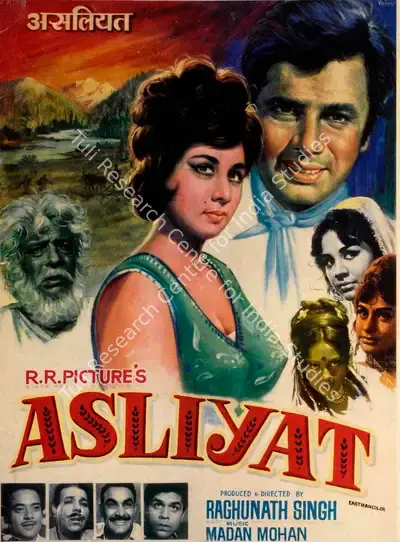
Singh, Raghunath (Producer), Asliyat, 1974 | Song-Synopsis Booklet

Singh, Raghunath (Producer), Asliyat, 1974 | Song-Synopsis Booklet

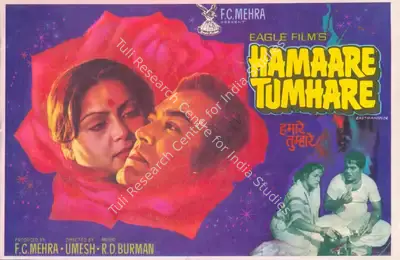
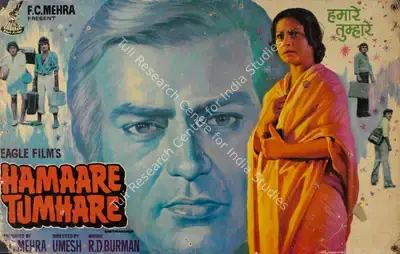
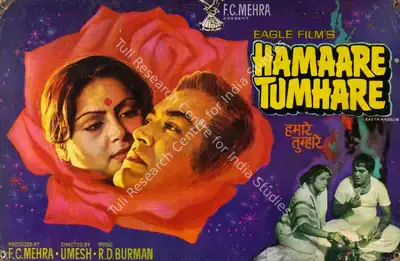
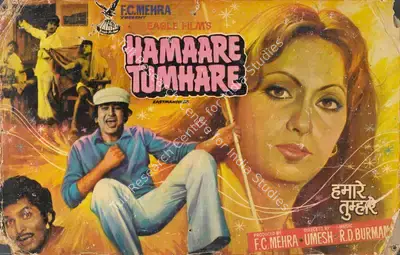
Mehra, F.C. (Producer), Hamaare Tumhare, 1979 | Song-Synopsis Booklet

Mehra, F.C. (Producer), Hamaare Tumhare, 1979 | Song-Synopsis Booklet

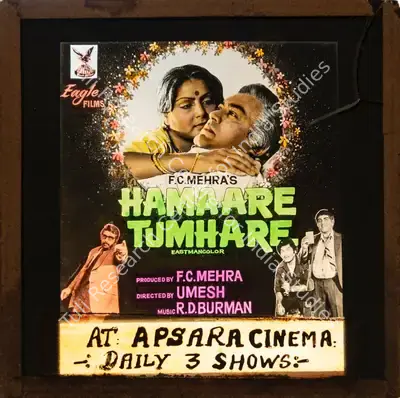
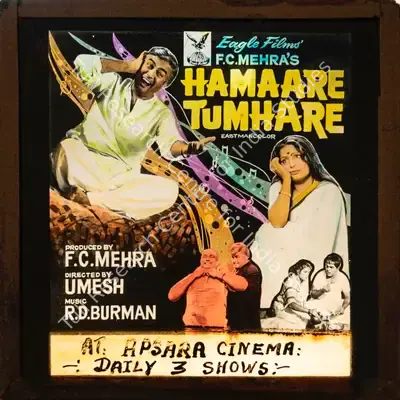
Mehra, F.C. (Producer), Hamaare Tumhare, 1979 | Glass Slide

Mehra, F.C. (Producer), Hamaare Tumhare, 1979 | Glass Slide

Mehra, F.C. (Producer), Hamaare Tumhare, 1979 | Glass Slide

Mehra, F.C. (Producer), Hamaare Tumhare, 1979 | Glass Slide

Mehta, Ashok (Cinematographer), Hamaare Tumhare, 1979 | Lobby Card

Mehta, Ashok (Cinematographer), Hamaare Tumhare, 1979 | Lobby Card

Mehta, Ashok (Cinematographer), Hamaare Tumhare, 1979 | Lobby Card

Mehta, Ashok (Cinematographer), Hamaare Tumhare, 1979 | Lobby Card

Mehta, Ashok (Cinematographer), Hamaare Tumhare, 1979 | Lobby Card

Mehta, Ashok (Cinematographer), Hamaare Tumhare, 1979 | Lobby Card

Mehta, Ashok (Cinematographer), Hamaare Tumhare, 1979 | Lobby Card

Mehta, Ashok (Cinematographer), Hamaare Tumhare, 1979 | Lobby Card

Mehta, Ashok (Cinematographer), Hamaare Tumhare, 1979 | Lobby Card

Mehta, Ashok (Cinematographer), Hamaare Tumhare, 1979 | Lobby Card

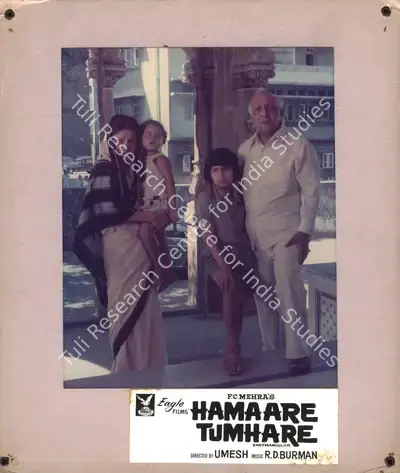
Mehta, Ashok (Cinematographer), Hamaare Tumhare, 1979 | Photographic Still Mounted on Lobby Card

Mehta, Ashok (Cinematographer), Hamaare Tumhare, 1979 | Photographic Still Mounted on Lobby Card

Mehta, Ashok (Cinematographer), Mandi, 1983 | Photographic Still Mounted on Lobby Card

Mehta, Ashok (Cinematographer), Mandi, 1983 | Photographic Still Mounted on Lobby Card

Mehta, Ashok (Cinematographer), Mandi, 1983 | Photographic Still Mounted on Lobby Card

Mehta, Ashok (Cinematographer), Mandi, 1983 | Photographic Still Mounted on Lobby Card

Mehta, Ashok (Cinematographer), Mandi, 1983 | Photographic Still Mounted on Lobby Card

Mehta, Ashok (Cinematographer), Mandi, 1983 | Photographic Still Mounted on Lobby Card

Mehta, Ashok (Cinematographer), Mandi, 1983 | Photographic Still Mounted on Lobby Card

Mehta, Ashok (Cinematographer), Mandi, 1983 | Photographic Still Mounted on Lobby Card

Mehta, Ashok (Cinematographer), Mandi, 1983 | Photographic Still Mounted on Lobby Card

Mehta, Ashok (Cinematographer), Mandi, 1983 | Photographic Still Mounted on Lobby Card

Mehta, Ashok (Cinematographer), Mandi, 1983 | Photographic Still Mounted on Lobby Card

Mehta, Ashok (Cinematographer), Mandi, 1983 | Photographic Still Mounted on Lobby Card

Mehta, Ashok (Cinematographer), Mandi, 1983 | Photographic Still Mounted on Lobby Card

Mehta, Ashok (Cinematographer), Mandi, 1983 | Photographic Still Mounted on Lobby Card

Mehta, Ashok (Cinematographer), Mandi, 1983 | Photographic Still Mounted on Lobby Card

Mehta, Ashok (Cinematographer), Mandi, 1983 | Photographic Still Mounted on Lobby Card

Mehta, Ashok (Cinematographer), Mandi, 1983 | Photographic Still Mounted on Lobby Card

Mehta, Ashok (Cinematographer), Mandi, 1983 | Photographic Still Mounted on Lobby Card

Mehta, Ashok (Cinematographer), Mandi, 1983 | Photographic Still Mounted on Lobby Card

Mehta, Ashok (Cinematographer), Mandi, 1983 | Photographic Still Mounted on Lobby Card

Loading...
TRIS logo image