

The Making of the Mahatma1996
Introduction
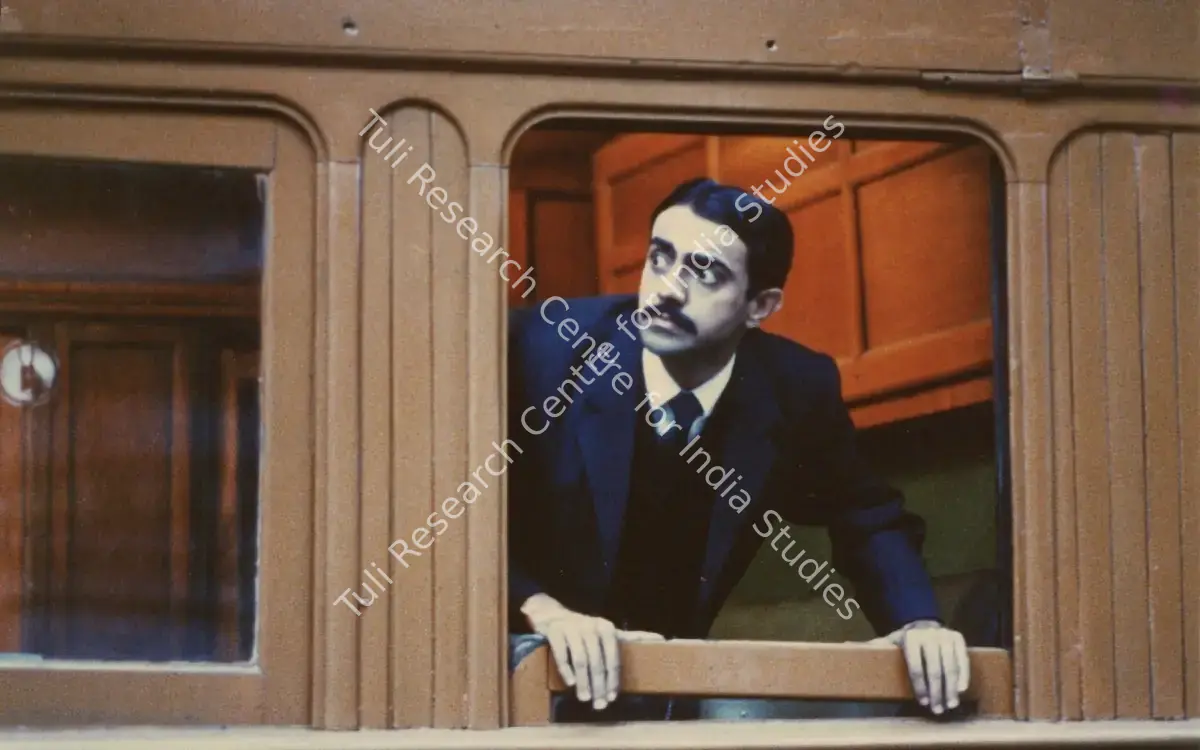
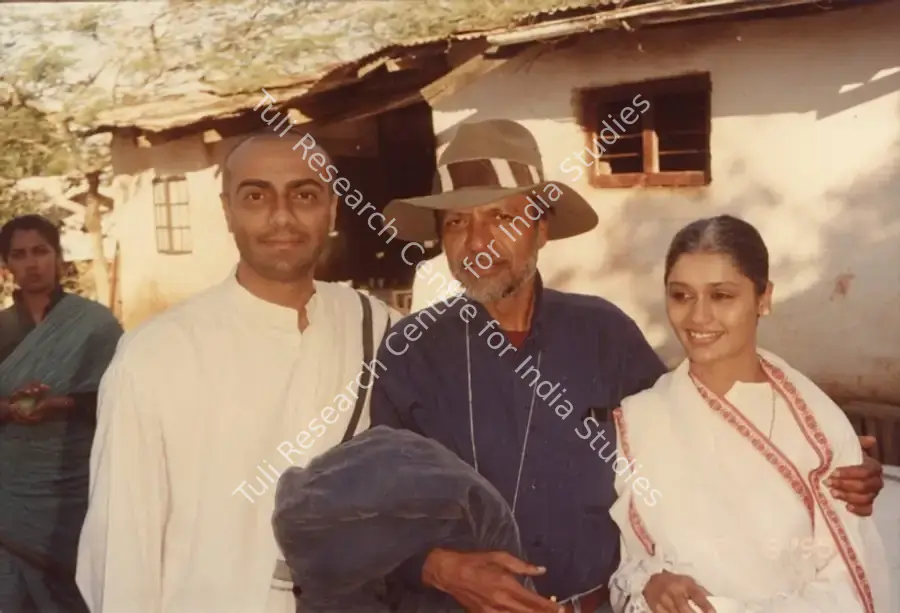
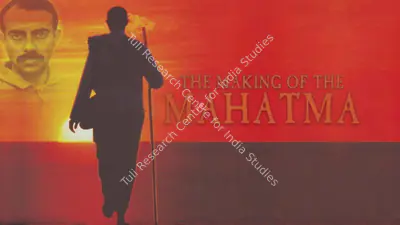
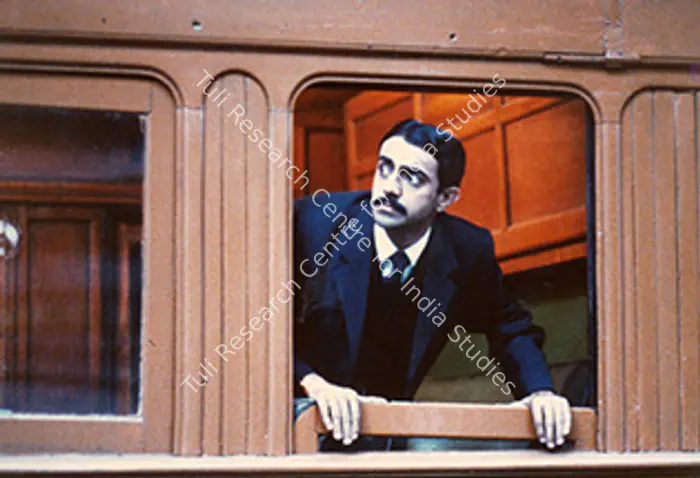
The Making of the Mahatma (1996) is a compelling biographical film directed by renowned Indian filmmaker Shyam Benegal. Based on The Apprenticeship of a Mahatma by Fatima Meer, the film chronicles the transformative 21 years that Mohandas Karamchand Gandhi—later known as Mahatma Gandhi—spent in South Africa. It is an international co-production between India and South Africa, reflecting the cross-cultural impact of Gandhi's early political awakening.
The narrative follows Gandhi, a young, London-educated barrister, who arrives in South Africa in 1893 to resolve a legal dispute on behalf of a wealthy Indian merchant. Though initially intending to stay for only a few months, Gandhi is confronted with the harsh realities of institutional racism. His personal experiences of discrimination catalyse a profound shift in his life's purpose. Over time, he evolves into a tireless advocate for the civil rights of Indian immigrants and Asian labourers, laying the philosophical and strategic groundwork for his later leadership in India's struggle for independence.
The film stars Rajit Kapoor in a critically acclaimed performance as Gandhi, with Pallavi Joshi portraying Kasturba Gandhi. The supporting cast includes Paul Slabolepszy as Jan Smuts, Sean Cameron Michael as the Warder, Charles Pillai as Thambi Naidoo, Keith Stevenson as Rustomjee, Lieb Bester as the Boer Coach Leader, and Peter J. Elliott as the Jail Superintendent in Pretoria.
The Making of the Mahatma earned considerable recognition for its artistic excellence and historical insight. At the 1996 National Film Awards, it won Best Actor for Rajit Kapoor's nuanced portrayal of Gandhi, and Best Feature Film in English, further solidifying its cultural significance. Though not a commercial blockbuster, the film was lauded for its authentic depiction of Gandhi's early activism, its powerful performances, and the thoughtful direction by Shyam Benegal.
इस फ़िल्म की कहानी वहाँ से शुरू होती है जब सन् 1893 में लंदन से वकालत पढ़ा एक युवा वकील मोहनदास करमचंद गांधी एक अमीर भारतीय व्यापारी की ओर से कानूनी विवाद सुलझाने दक्षिण अफ्रीका आता है। गांधी की शुरुआती योजना दक्षिण अफ्रीका में कुछ ही महीने रुकने की थी। लेकिन वहाँ गांधी का संस्थागत रंगभेद रुपी कठोर यथार्थ से सामना होता है। यहाँ तक कि उन्हें भेदभाव के व्यक्तिगत अनुभव झेलने पड़ते हैं। यह तमाम प्रसंग उनके जीवन के उद्देश्य में एक आमूलचूल परिवर्तन लाते हैं। वे दक्षिण अफ्रीका से जा नहीं पाते और वहाँ रंगभेद के खिलाफ़ लड़ाई का हिस्सा बनते हैं। समय बीतने के साथ वे दक्षिण अफ्रीका में भारतीय प्रवासियों और एशियाई श्रमिकों के नागरिक अधिकारों के अग्रणी पैरोकार बन जाते हैं और इस लड़ाई को अपना नेतृत्व प्रदान करते हैं। इसी ज़मीन पर उनके सत्य और अहिंसा रूपी जीवन मूल्य आकार ग्रहण करते हैं। आगे जाकर यह अनुभव भारत के स्वतंत्रता संग्राम में गांधी के नेतृत्व की दार्शनिक और रणनीतिक नींव तैयार करता है।
इस फ़िल्म में अभिनेता रजित कपूर ने गांधी की भूमिका निभाई है। रजित कपूर को युवा गांधी की भूमिका में भावप्रवण अभिनय के लिए समीक्षकों द्वारा खूब सराहा गया। फ़िल्म में पल्लवी जोशी ने कस्तूरबा की भूमिका निभाई है। अन्य सहायक कलाकारों में पॉल स्लेबोलेप्स्ज़ी ने जैन स्मट्स की, सीन कैमरून माइकल ने वार्डर की, चार्ल्स पिल्लई ने थांबी नायडू की, कीथ स्टीवेन्सन ने रुस्टमजी की, लीब बेस्टर ने बोअर कोच लीडर की और पीटर जे. इलियट ने प्रिटोरिया के जेल अधीक्षक की भूमिकाएँ निभाई हैं।
इस फ़िल्म को इसकी कलात्मक उत्कृष्टता और संतुलित ऐतिहासिक नज़रिये के लिए खूब सराहना मिली। सन् 1996 के राष्ट्रीय फ़िल्म पुरस्कारों में अभिनेता रजित कपूर को गांधी की भूमिका में उत्कृष्ट अभिनय के लिए सर्वश्रेष्ठ अभिनेता का पुरस्कार मिला और फ़िल्म को सर्वश्रेष्ठ अंग्रेज़ी फ़ीचर फ़िल्म का सम्मान दिया गया। गांधी के जीवन पर बनी फ़िल्मों में यह एक मील का पत्थर फ़िल्म है और उनके जीवन के एक ओझल कर दिये गए हिस्से पर बखूबी रोशनी डालती है। हालांकि फ़िल्म गांधी से महात्मा तक व्यावसायिक रूप से बहुत सफल नहीं रही, पर इस फ़िल्म की प्रामाणिकता, कलाकारों के सशक्त अभिनय और निर्देशक श्याम बेनेगल के विवेकवान निर्देशन के लिए फ़िल्म ने हर ओर सम्मान पाया।
Body of Work
Research Centre
Calendar 2
- ArchivedConversationProject 9Conversation Series | Neville Tuli & Rajit Kapur Theatre & Film Actor26th April 2025Lead Role in Shyam Benegal's “The Making of the Mahatma” (1996). Conversation will focus on the role of Cinema and its potential educational impact, and specifically regarding Gandhiji, and Rajit's personal experiences as a creative individual and his understanding of public perception towards Gandhian thought.Read More →
- ArchivedExhibitionProject 8Self Discovery via Rediscovering India Series Part V Mahatma Gandhi25th April 2025as part of the Rediscovering India via Self-Discovery Exhibition Series Part VRead More →
Related
2