
Introduction
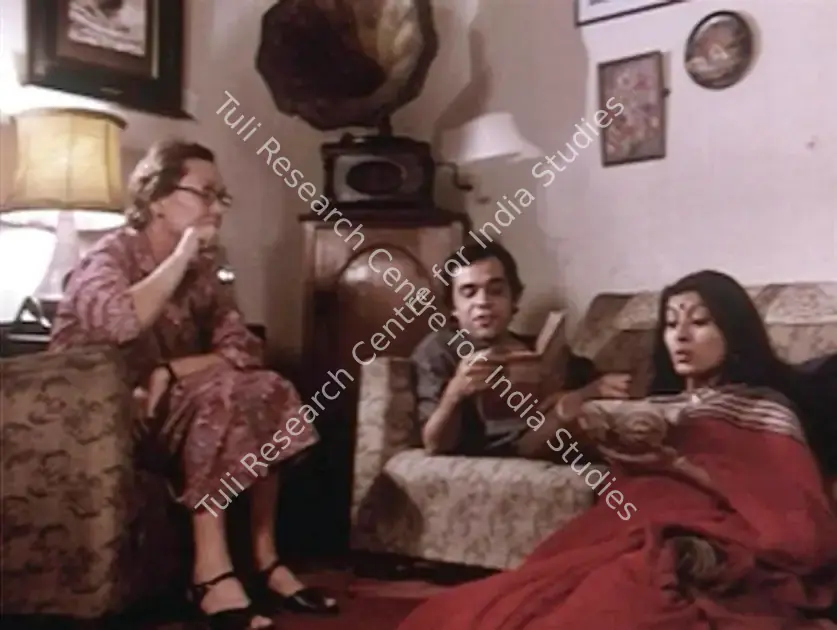
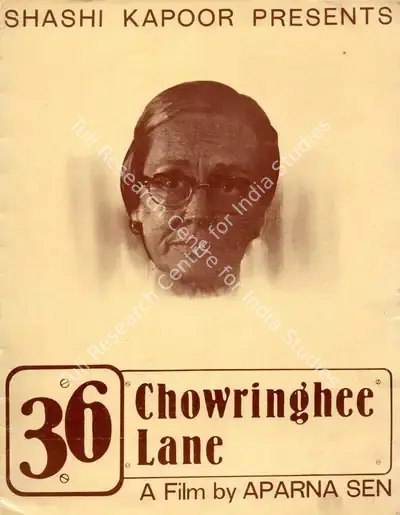
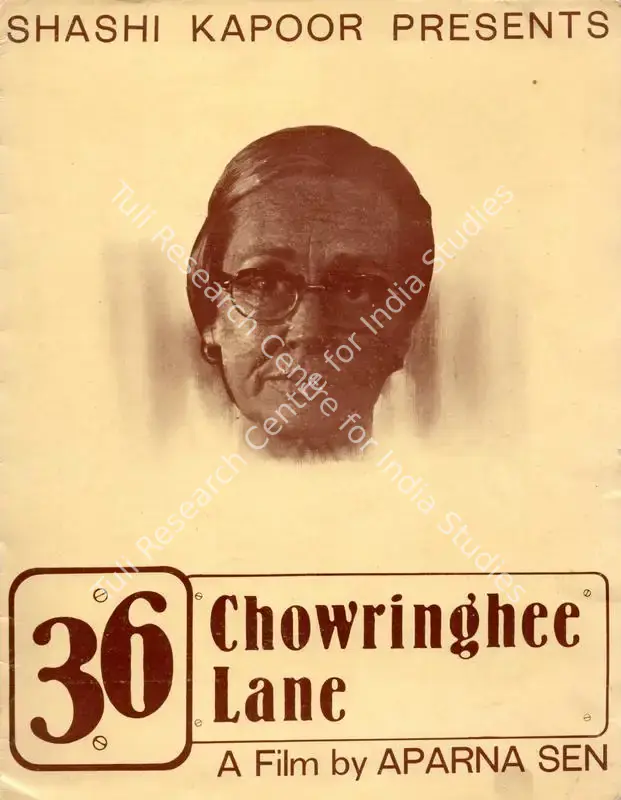
36 Chowringhee Lane is the epilogue to British colonial occupation of India marking Aparna Sen's directorial debut in Indian cinema. What connects the forsaken Violet Stoneham standing on the precipice of a diminishing empire and dying glory, to the young, educated and upcoming Bengali bourgeoisie personified by the characters of Nandita and Samaresh, is the dilapidated little mansion on Chowringhee. The address, 34 Chowringhee Lane is of supreme importance in unpacking the thrust of Sen's film. Named after the Nath Yogi, Chouranginath who established the Kalighat temple, the road connects the then village of Kalighat to the post-Plassey shift of the British from the old palisades to the commercial hub Kalikata, around the newly constructed Fort William. In its glorious days, the street was flanked by palatial houses of Sahebs which have now become an occasional resort for sexual romps for couples like the one at 36. Violet takes them as a surrogate family only to be derided at the end when she is reminded of her Otherness outside the rich socialites' Christmas party at Nandita's apartment. However, it is not Violet's isolation or the sentimentality of it all that Sen evokes. The cultural clash between the old and the new, the insignificant Anglo-Indian figure as opposed to the new Bengali elite; the shifting nature of communities and hierarchies - spins its complex web of old realities being traded for new.
निर्देशक अपर्णा सेन की पहली फ़िल्म 36 चौरंगी लेन की कहानी को भारत में ब्रिटिश औपनिवेशिक शासन के खात्मे के बाद पीछे रह गए पुछल्ले की तरह पढ़ा जा सकता है। साम्राज्य का सूरज अस्त होने के बाद उसके ध्वस्त अवशेषों पर खड़ी उदास और अकेली किरदार वॉयलेट स्टोनहैम (जेनिफ़र कैंडल) को उभरते बंगाली पूंजीपति भद्रलोक के प्रतिनिधि युवा किरदारों नंदिता और समरेश से जोड़ने वाला धागा बनती है कलकत्ता की चौरंगी लेन पर स्थित एक जीर्ण-शीर्ण छोटी सी हवेली। कह सकते हैं कि यही '36, चौरंगी लेन' का पता सेन की फ़िल्म का सबसे ख़ास किरदार है और कहानी का सत्व अपने भीतर छिपाए है। कालीघाट मंदिर की स्थापना करने वाले नाथ योगी चौरंगीनाथ के नाम पर बनी यह सड़क प्लासी का युद्ध जीतने के बाद अंग्रेजों द्वारा नवस्थापित 'फ़ोर्ट विलियम' के आसपास उभरे वाणिज्यिक केंद्र कलकत्ता को तत्कालीन कालीघाट गाँव से जोड़ती थी। अपने गौरवशाली दिनों में यह गली साहबों की आलीशान हवेलियों से गुलज़ार हुआ करती थी, लेकिन अब 36 चौरंगी लेन जैसे पते युवा जोड़ों के लिए अपनी तमन्नाएँ पूरी करने के माकूल स्थल बनकर रह गए हैं। वॉयलेट इस शिक्षित भद्र जोड़े को अपने परिवार की तरह अपने जीवन में शामिल कर लेती है, लेकिन फ़िल्म के आखिर में जब उसे नंदिता के अपार्टमेंट में चल रही अमीर कुलीनों की क्रिसमस पार्टी से बाहर रखा जाता है, उसे अपनी 'अन्य' पहचान का बड़ा तीखा अहसास होता है। हालाँकि सेन का ज़ोर यहाँ वॉयलेट के अलगाव को भावुक रूप देकर करुणा जगाना कतई नहीं है। पुराने और नए के बीच का यह सांस्कृतिक टकराव स्वतंत्र भारत में अपनी पहचान खोते एंग्लो-इंडियन समुदाय के बरक्स नए उभरते बांग्ला अभिजात वर्ग को खड़ा कर दिखाया गया है। विभिन्न समुदायों का उठना और गिरना, उनके सामाजिक पदानुक्रमों की निरंतर बदलती प्रकृति - हर नए वक्त के लिए एक नई हक़ीक़त गढ़ती है, जिसकी इमारत पीछे छूटे यथार्थ के ध्वस्त महल पर खड़ी होती है।