

Introduction
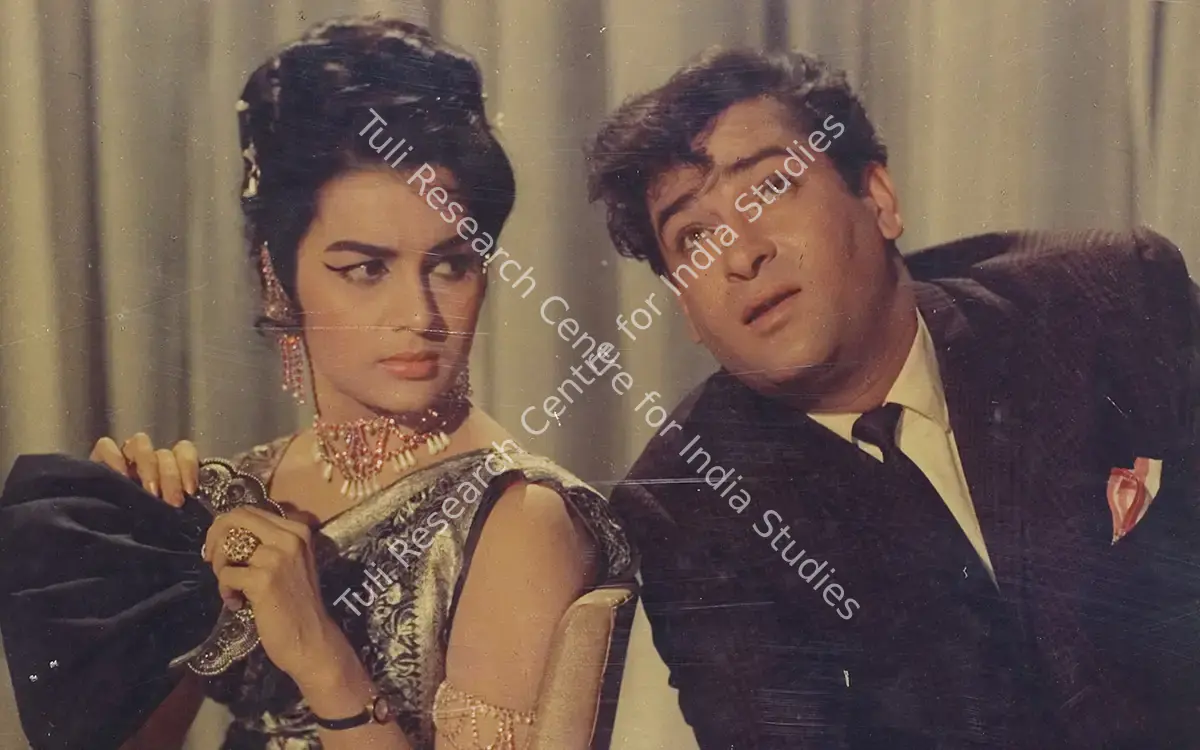
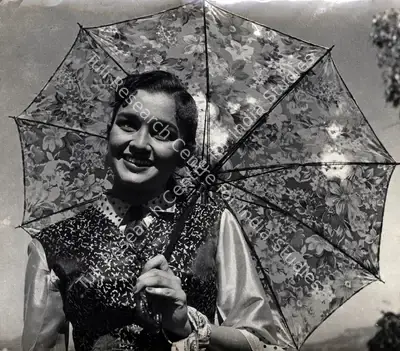
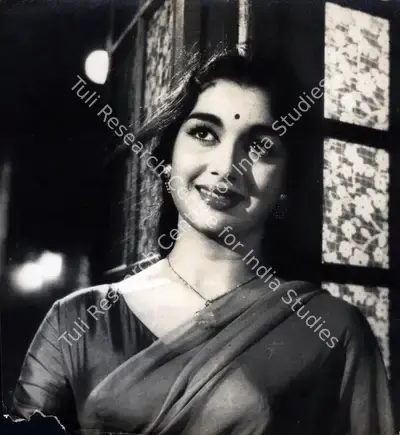
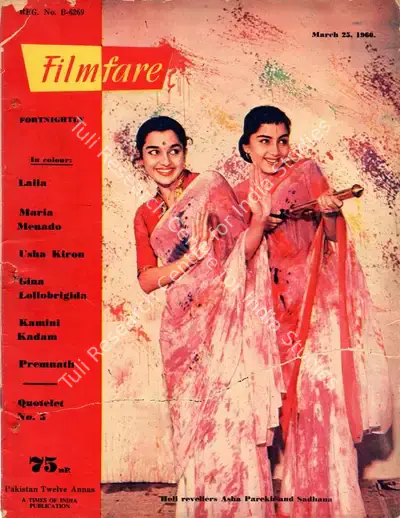
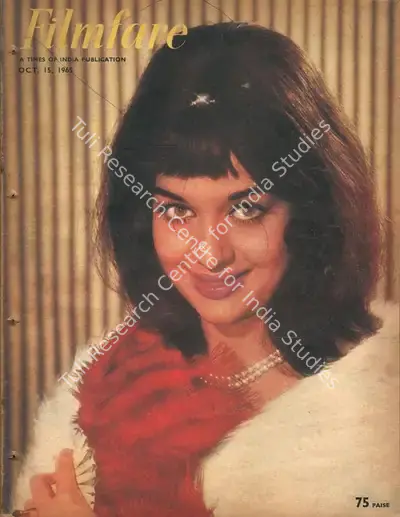
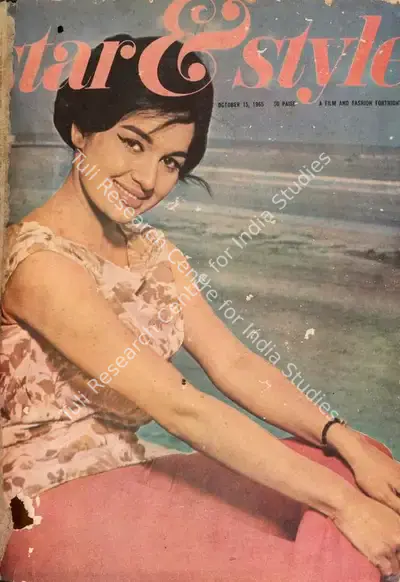
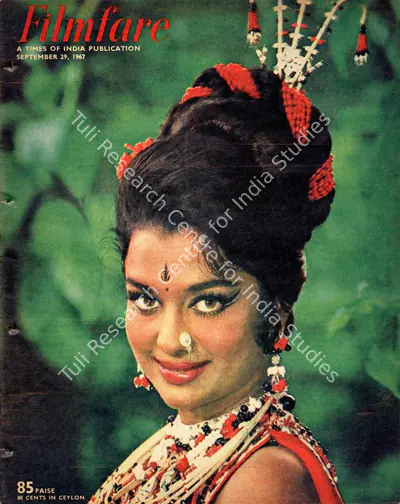
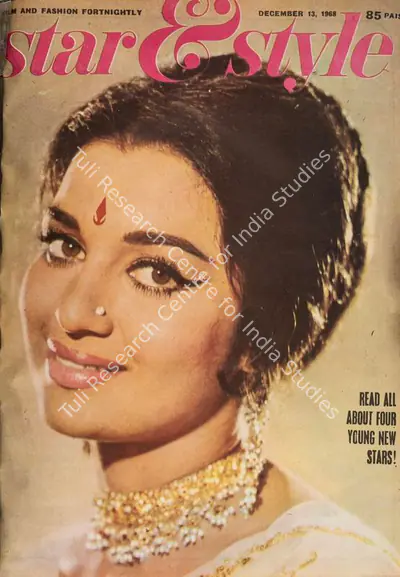
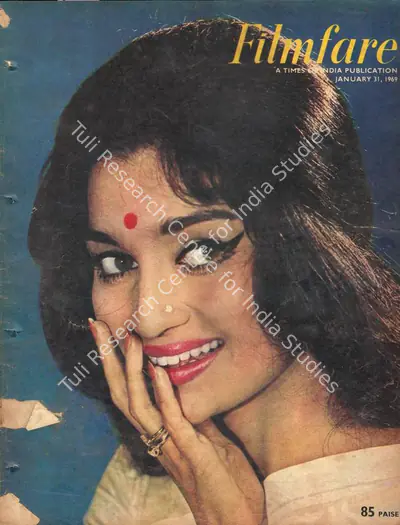
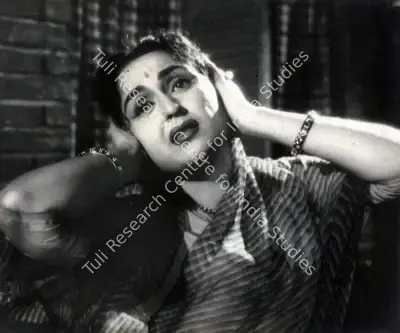
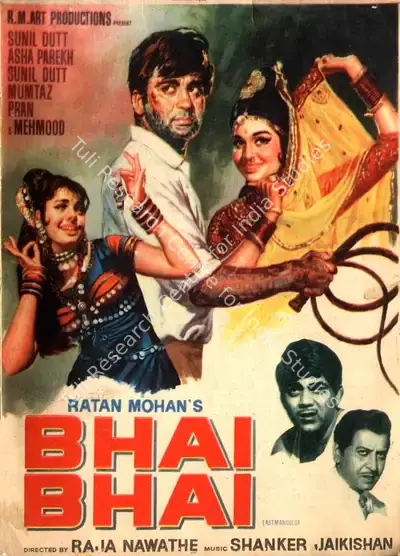
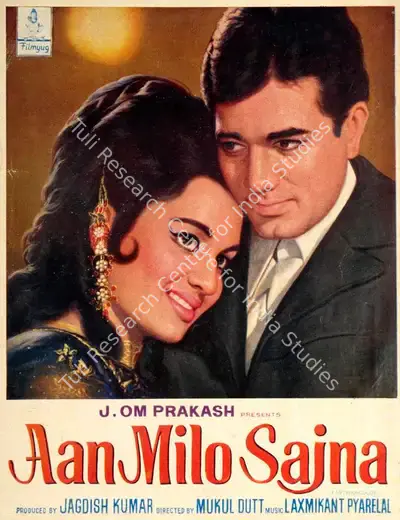
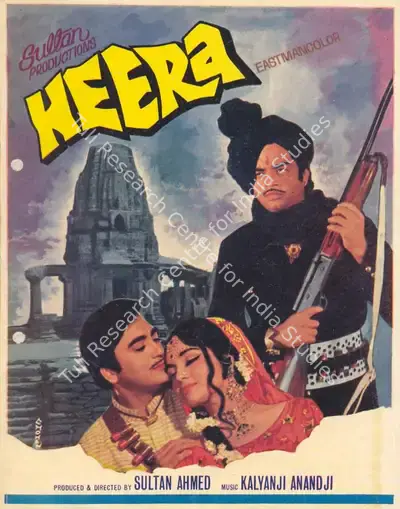
Asha Parekh (born 2 October 1942) She stands among the most enduring and accomplished figures in Hindi cinema. An actress, director and producer, she appeared in more than 85 films over a career spanning four decades, emerging as one of the defining stars of the 1960s and early 1970s. In recognition of her contribution to Indian cinema, she was awarded the Padma Shri in 1992 and the nation's highest cinematic honour, the Dadasaheb Phalke Award, in 2022.
Born in Santa Cruz, Mumbai, to Sudha “Salma” Lakdawala, a Bohri Muslim and freedom fighter, and Bachubhai Parekh, a Gujarati Hindu, she grew up in a culturally progressive household. Her parents had met at Fergusson College in Pune, and her mother had been briefly imprisoned while pregnant for participating in the struggle against British rule. Though Parekh initially aspired to become a doctor, a traumatic encounter with a railway accident altered her ambitions. Dance soon became her abiding passion. Encouraged by actor Prem Nath and trained in Kathak under Mohanlal Pandey, she attracted the attention of filmmaker Bimal Roy, who cast her as a child actor in Maa (1952).
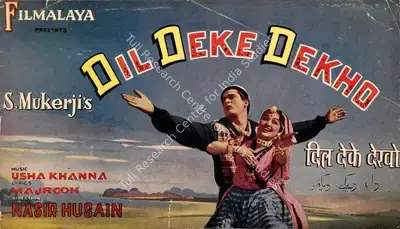
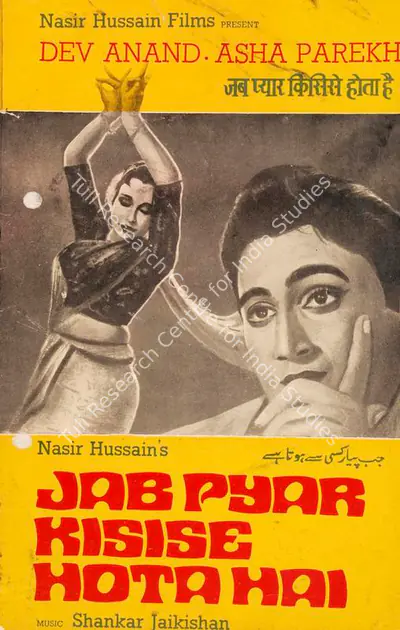
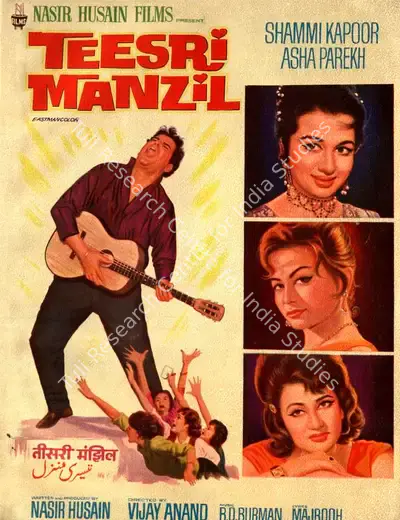
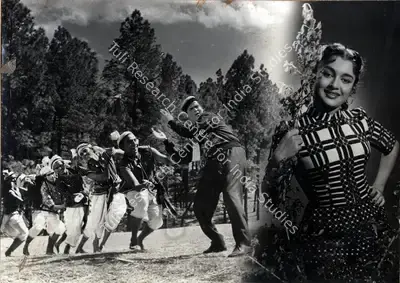
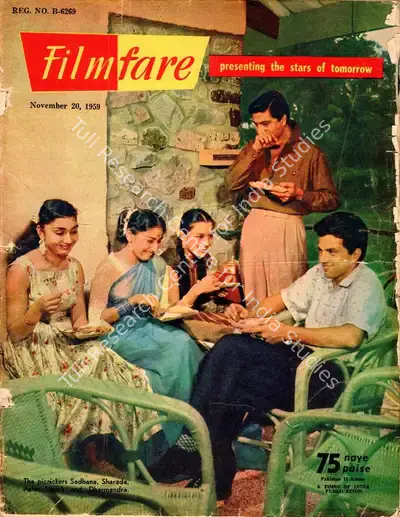
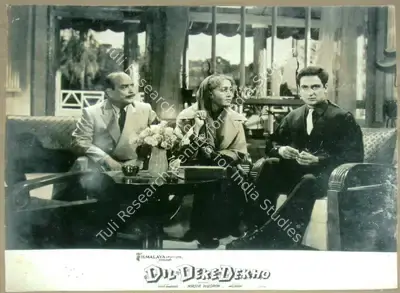
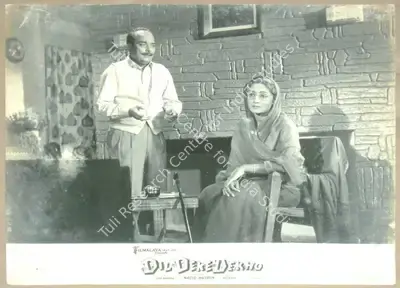
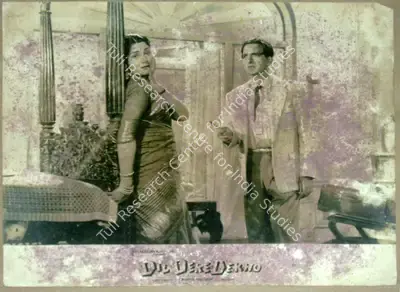
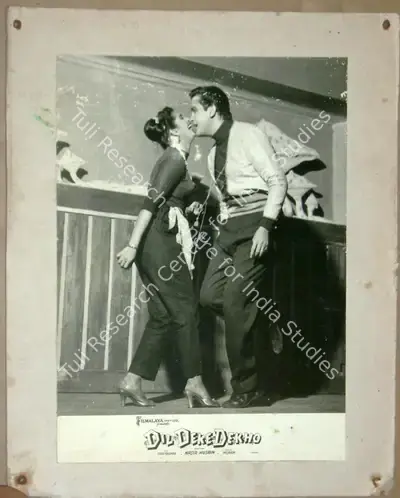
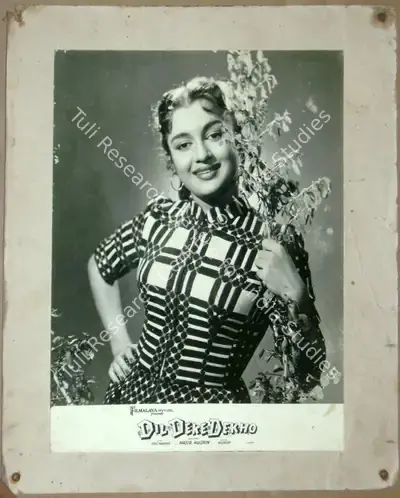
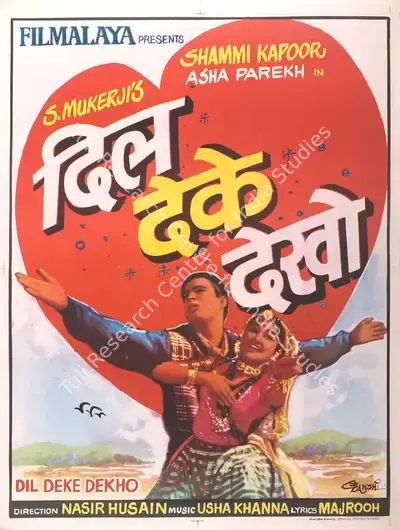
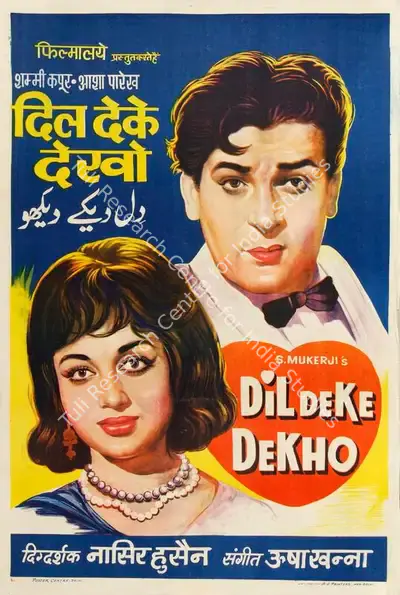
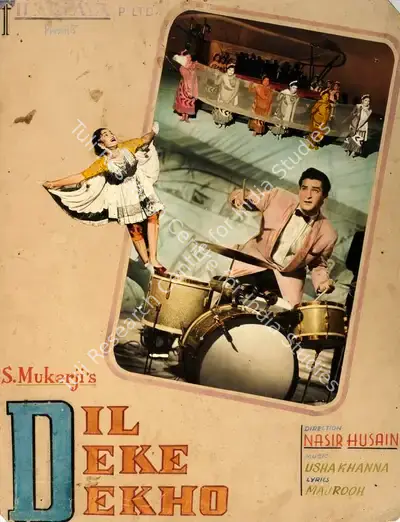
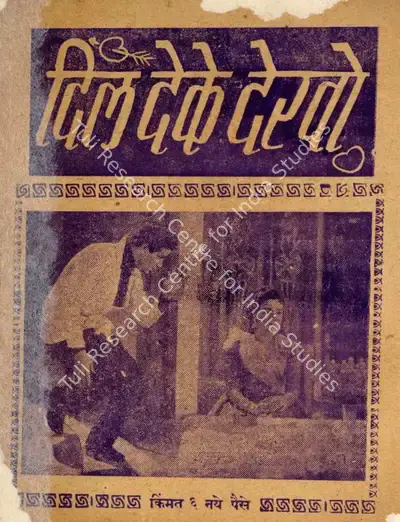
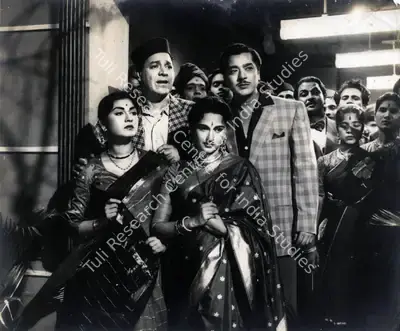
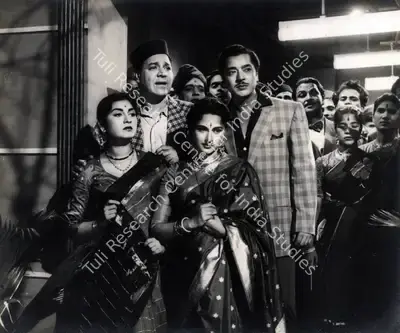
Credited as Baby Asha Parekh, she appeared in several early films before stepping away from cinema to complete her education. At 16, she faced rejection from Vijay Bhatt's Goonj Uthi Shehnai (1959), only to secure her breakthrough days later when producer Subodh Mukherjee and writer-director Nasir Hussain cast her opposite Shammi Kapoor in Dil Deke Dekho (1959). The film's success marked the beginning of a fruitful collaboration with Hussain across multiple hits, including Jab Pyar Kisi Se Hota Hai (1961), Teesri Manzil (1966) and Caravan (1971).
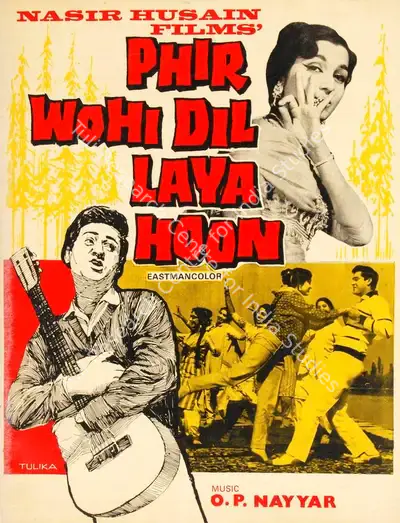
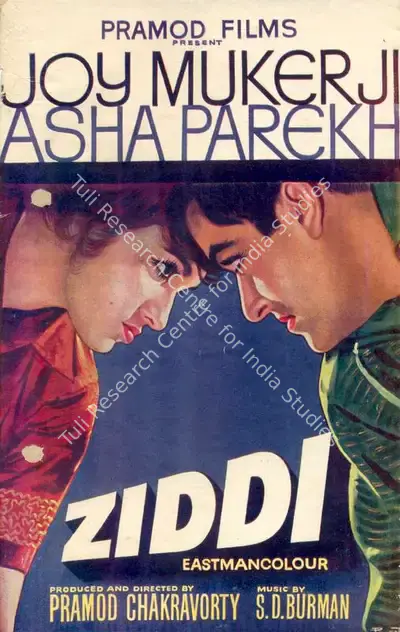
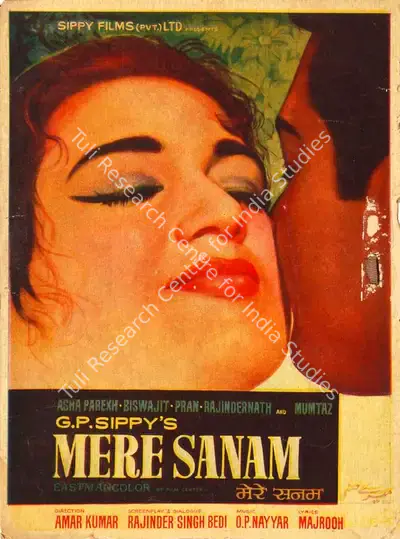
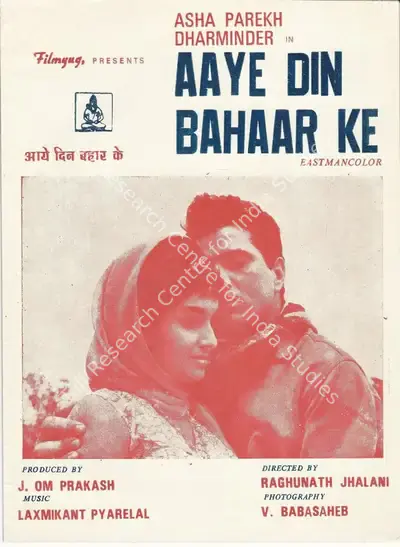
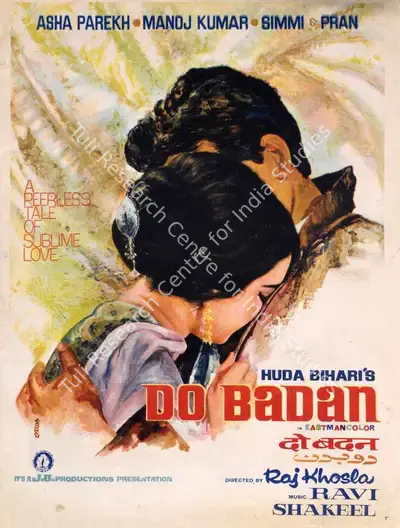
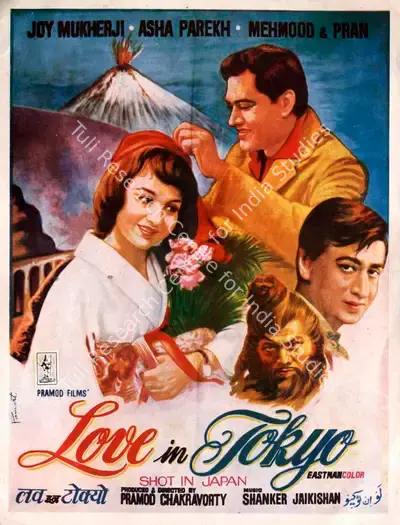
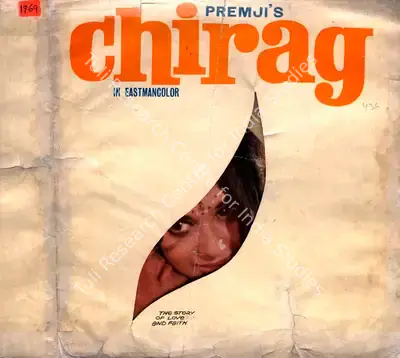
Throughout the 1960s, Parekh consolidated her stardom with a string of commercially successful and musically vibrant films such as Ziddi (1964), Mere Sanam (1965), Love in Tokyo (1966), Aaye Din Bahaar Ke (1966) and Upkar (1967). Her performance in Do Badan (1966) marked a turning point, earning critical recognition and shedding her early “glamour girl” image. She received a Filmfare nomination for Chirag (1969) and won the Filmfare Award for Best Actress for Kati Patang (1970), directed by Shakti Samanta. Later, Main Tulsi Tere Aangan Ki (1978) brought her further acclaim with a nomination for Best Supporting Actress.
Parekh also worked across Gujarati, Punjabi and Kannada cinema, and shared the screen with Amitabh Bachchan in Kaalia (1981), one of her final major film roles. She later transitioned to television, directing the Gujarati series Jyoti (1988–1989) and founding the production company Akruti, which backed popular shows including Kora Kagaz (1998–2002).
Her leadership extended beyond performance. She served as president of the Cine and TV Artistes' Association (1994–2000) and became the first woman chairperson of the Central Board of Film Certification (1998–2001). In 1991, alongside luminaries such as Dilip Kumar and Sunil Dutt, she co-founded the Cine Artiste Welfare Trust to support industry workers.
Celebrated as the “Jubilee Girl” for her remarkable box-office record, Parekh was among the highest-paid actresses of her era and topped trade rankings in 1967 and 1968. Her memoir, The Hit Girl (2017), offers candid reflections on her personal and professional life, including her decision never to marry and her enduring affection for Hussain. Deeply devoted to her family and to philanthropy, she established medical and charitable initiatives in Mumbai and remains committed to her dance academy and social causes.
In 2022, she was featured in Outlook India's list of the 75 Best Bollywood Actresses, affirming a legacy defined by grace, resilience and artistic distinction.
मुंबई के सांता क्रूज़ में जन्मीं सुधा “सलमा” लकड़ावाला, जो एक बोहरी मुस्लिम और स्वतंत्रता सेनानी थीं, और बाचूभाई पारेख एक गुजराती हिंदू के घर में पली-बढ़ीं। उनका पालन-पोषण एक सांस्कृतिक रूप से प्रगतिशील परिवार में हुआ। उनके माता-पिता पुणे के फर्ग्यूसन कॉलेज में मिले थे, और उनकी माँ को ब्रिटिश शासन के विरुद्ध संघर्ष में भाग लेने के कारण गर्भावस्था के दौरान कुछ समय के लिए जेल भी जाना पड़ा था। हालाँकि पारेख डॉक्टर बनना चाहती थीं, लेकिन एक रेल दुर्घटना के दर्दनाक अनुभव ने उनकी महत्वाकांक्षाओं को बदल दिया। नृत्य जल्द ही उनका जुनून बन गया। अभिनेता प्रेम नाथ से प्रेरित और मोहनलाल पांडे के मार्गदर्शन में कथक का प्रशिक्षण प्राप्त करने के बाद, उन्होंने फ़िल्म निर्माता बिमल रॉय का ध्यान आकर्षित किया, जिन्होंने उन्हें फ़िल्म 'माँ' (1952) में बाल कलाकार के रूप में लिया।
बेबी आशा पारेख के नाम से मशहूर, उन्होंने अपनी शुरुआती शिक्षा पूरी करने के लिए सिनेमा से ब्रेक लिया और इस ब्रेक लेने से पहले कई फ़िल्मों में काम किया। 16 साल की उम्र में, उन्हें विजय भट्ट की फ़िल्म 'गूँज उठी शहनाई' (1959) में रिजेक्शन मिला, लेकिन कुछ ही दिनों बाद निर्माता सुबोध मुखर्जी और लेखक-निर्देशक नासिर हुसैन ने उन्हें 'दिल देके देखो' (1959) में शम्मी कपूर के साथ कास्ट किया, जिससे उन्हें सफलता मिली। फ़िल्म की सफलता ने हुसैन के साथ उनके सफल सहयोग की शुरुआत की, जिसमें 'जब प्यार किसी से होता है' (1961), 'तीसरी मंज़िल' (1966) और 'कारवाँ' (1971) जैसी कई हिट फ़िल्में शामिल हैं।
1960 के दशक में, पारेख ने ज़िद्दी (1964), मेरे सनम (1965), लव इन टोक्यो (1966), आए दिन बहार के (1966) और उपकार (1967) जैसी व्यावसायिक रूप से सफल और संगीत से भरपूर फ़िल्मों के साथ अपनी स्टारडम को और मजबूत किया। दो बदन (1966) में उनके अभिनय ने उनके करियर में एक महत्वपूर्ण मोड़ लाया, जिसे समीक्षकों ने ख़ूब सराहा और उनकी शुरुआती "ग्लैमर गर्ल" की छवि बदल गई। उन्हें चिराग (1969) के लिए फ़िल्मफेयर नामांकन मिला और शक्ति सामंता द्वारा निर्देशित कटी पतंग (1970) के लिए सर्वश्रेष्ठ अभिनेत्री का फ़िल्मफेयर पुरस्कार मिला। बाद में, मैं तुलसी तेरे आँगन की (1978) ने उन्हें सर्वश्रेष्ठ सहायक अभिनेत्री के नामांकन ने और अधिक प्रसिद्धि दिलाई।
पारेख ने गुजराती, पंजाबी और कन्नड़ सिनेमा में भी काम किया और अपनी अंतिम प्रमुख फ़िल्म भूमिकाओं में से एक, कालिया (1981) में अमिताभ बच्चन के साथ स्क्रीन साझा की। बाद में उन्होंने टेलीविज़न की ओर रुख किया, गुजराती धारावाहिक ज्योति (1988-1989) का निर्देशन किया और अकृति नामक प्रोडक्शन कंपनी की स्थापना की, जिसने कोरा कागज़ (1998-2002) सहित कई लोकप्रिय शो का निर्माण किया।
उनका नेतृत्व केवल अभिनय तक ही सीमित नहीं था। उन्होंने सिने और टीवी आर्टिस्ट्स एसोसिएशन (1994-2000) के अध्यक्ष के रूप में कार्य किया और केंद्रीय फ़िल्म प्रमाणन बोर्ड (1998-2001) की पहली महिला अध्यक्ष बनीं। 1991 में, दिलीप कुमार और सुनील दत्त जैसे दिग्गजों के साथ मिलकर, उन्होंने उद्योग जगत के कामगारों के समर्थन के लिए सिने आर्टिस्ट वेलफेयर ट्रस्ट की स्थापना की।
अपनी शानदार बॉक्स-ऑफ़िस सफलता के लिए "जुबली गर्ल" के नाम से मशहूर पारेख अपने दौर की सबसे अधिक कमाई करने वाली अभिनेत्रियों में से एक थीं और 1967 और 1968 में उन्होंने ट्रेड रैंकिंग में शीर्ष स्थान हासिल किया था। उनकी आत्मकथा, द हिट गर्ल (2017), उनके व्यक्तिगत और पेशेवर जीवन पर स्पष्ट विचार प्रस्तुत करती है, जिसमें कभी शादी न करने का उनका निर्णय और हुसैन के प्रति उनका अटूट स्नेह शामिल है। अपने परिवार और समाज सेवा के प्रति गहरी निष्ठा रखते हुए, उन्होंने मुंबई में चिकित्सा और धर्मार्थ पहल स्थापित कीं और अपनी नृत्य अकादमी और सामाजिक कार्यों के प्रति समर्पित रहीं।
2022 में, उन्हें आउटलुक इंडिया की 75 सर्वश्रेष्ठ बॉलीवुड अभिनेत्रियों की सूची में शामिल किया गया था, जो गरिमा, दृढ़ता और कलात्मक विशिष्टता से परिभाषित उनकी विरासत की पुष्टि करता है।
- Age
- 82
Filmography 82
Research Centre



Related
35
Films
20
Personalities
15