


Introduction
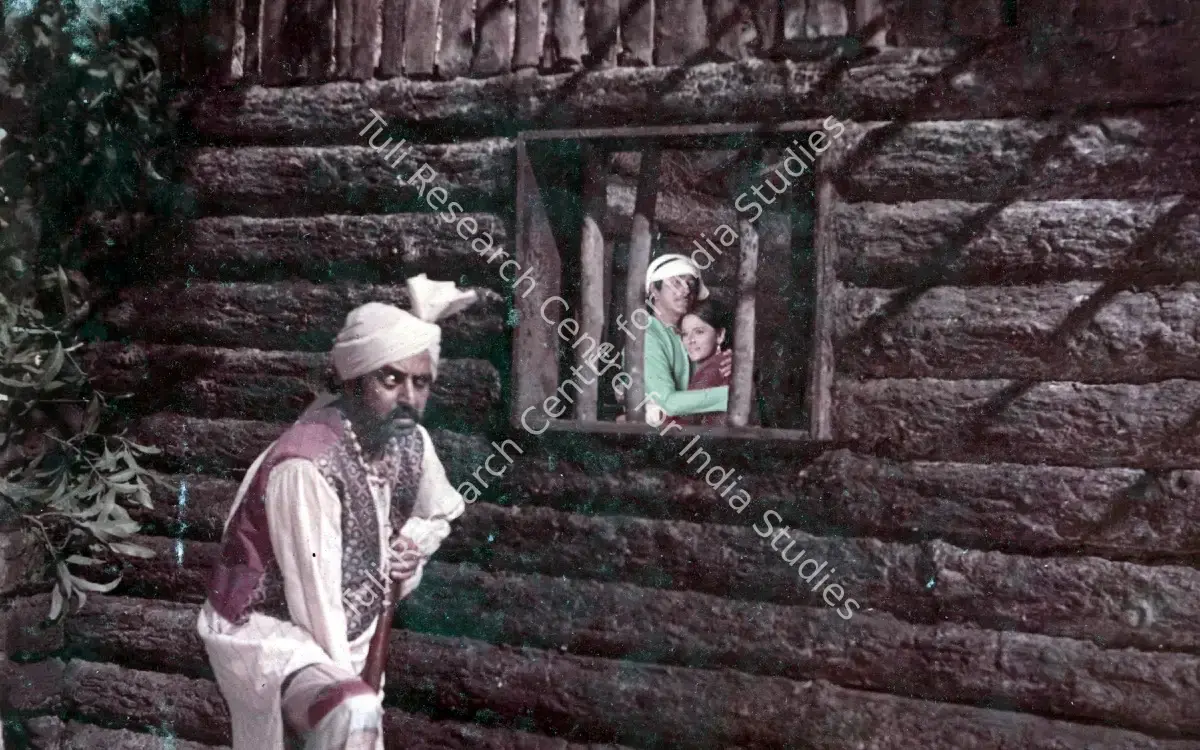
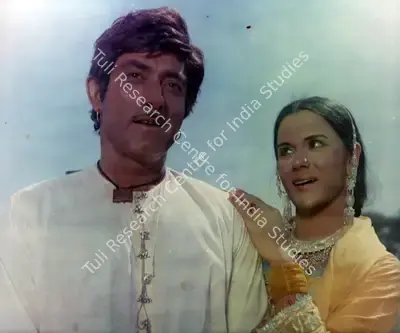
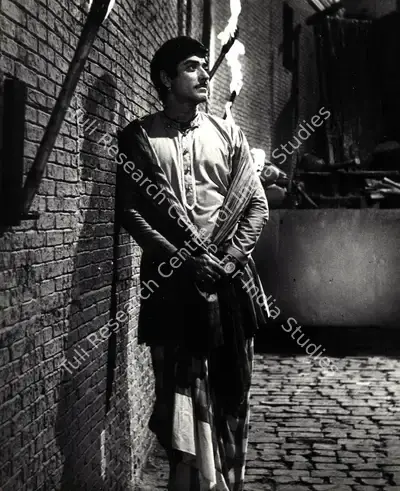
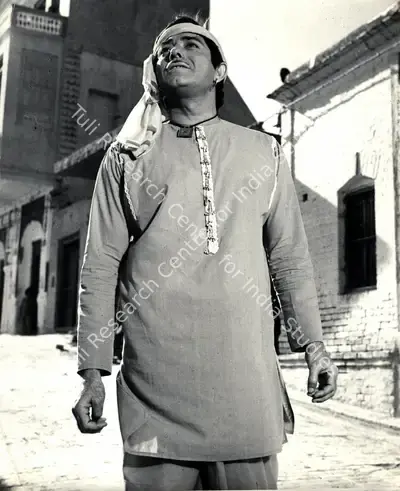
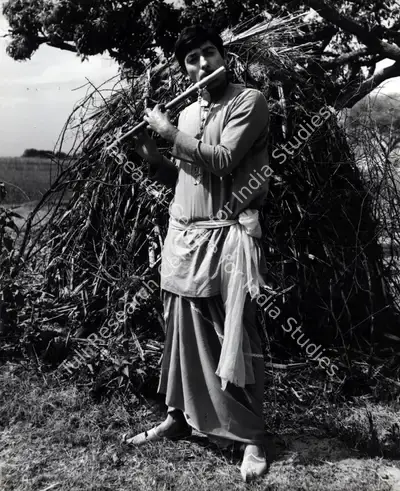
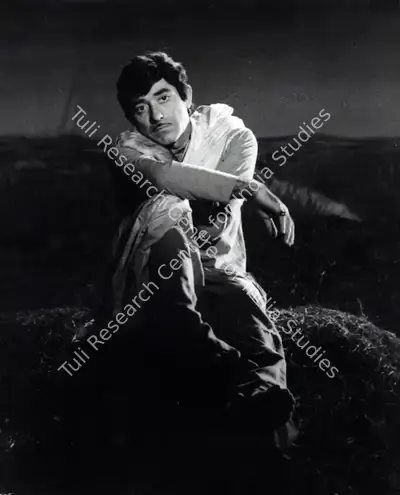
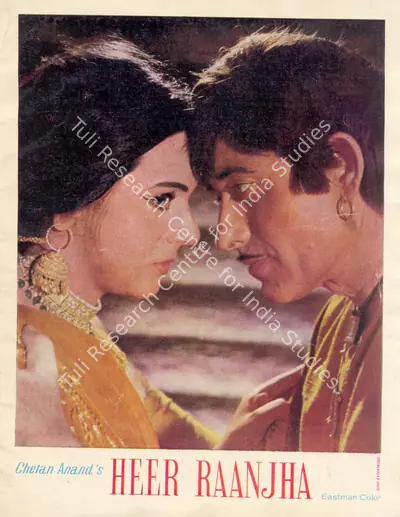
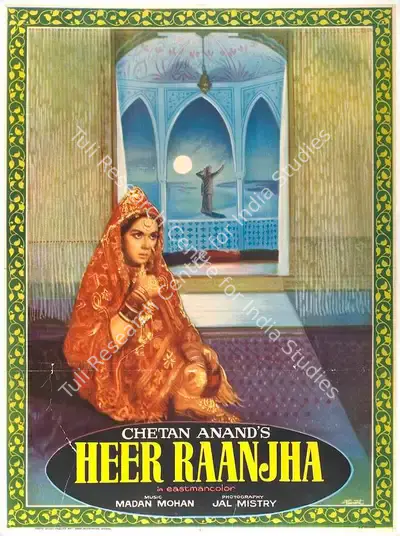
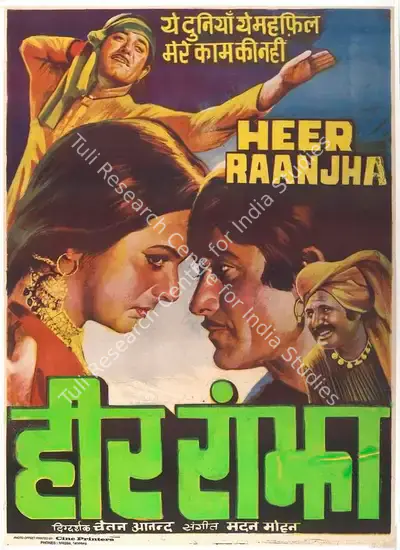
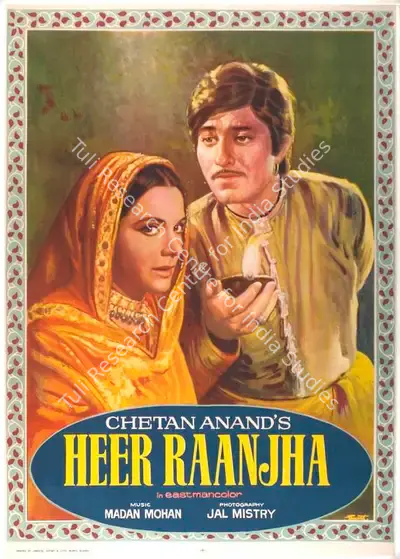
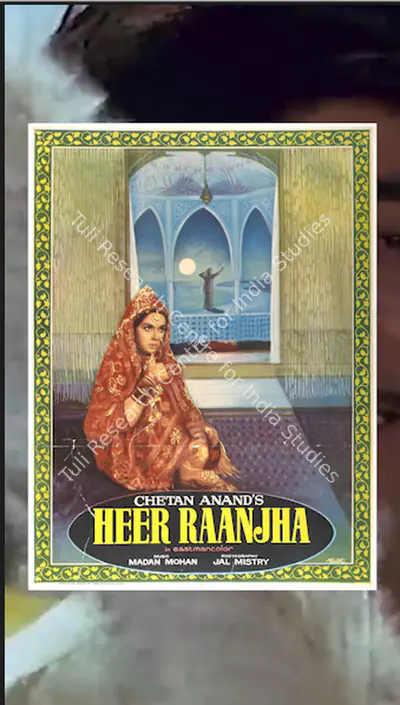
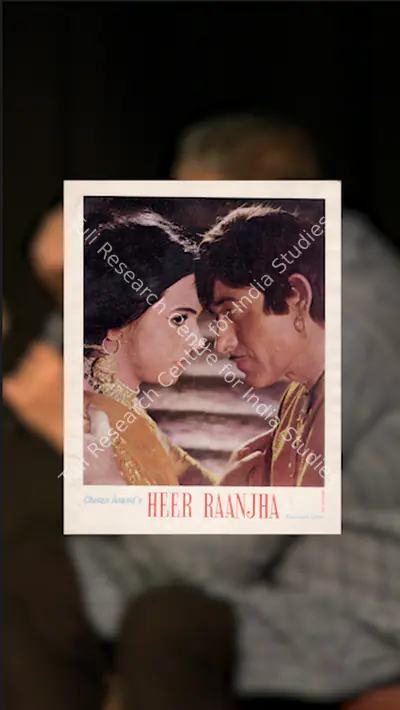
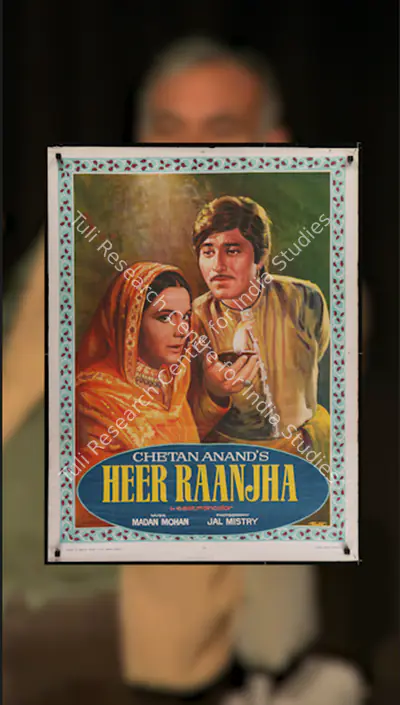
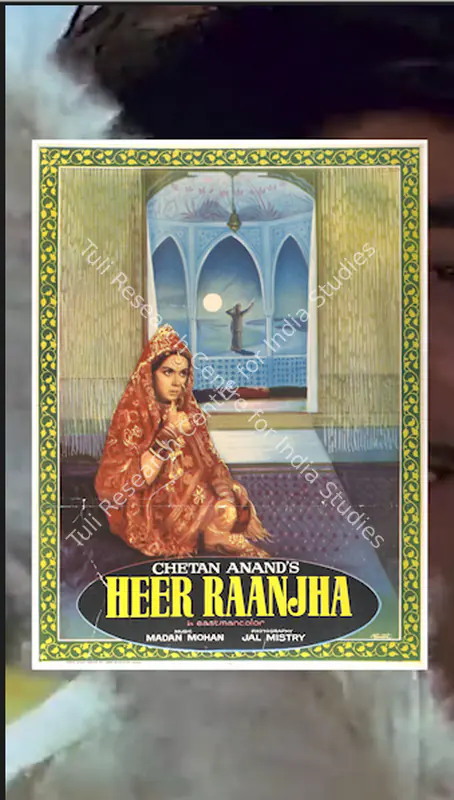
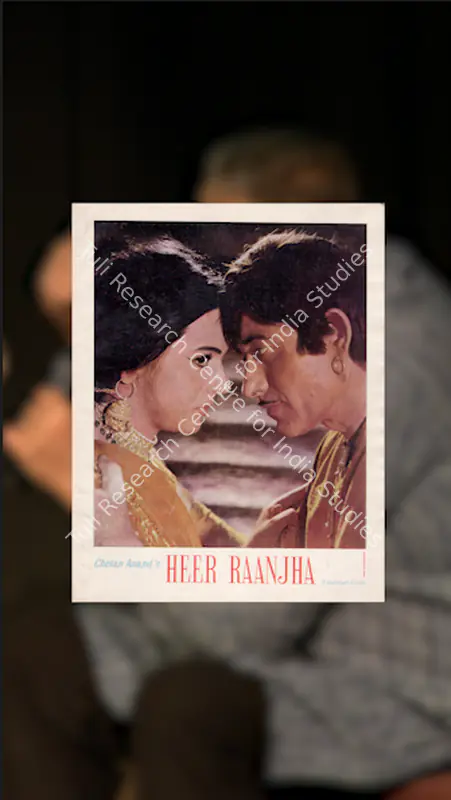
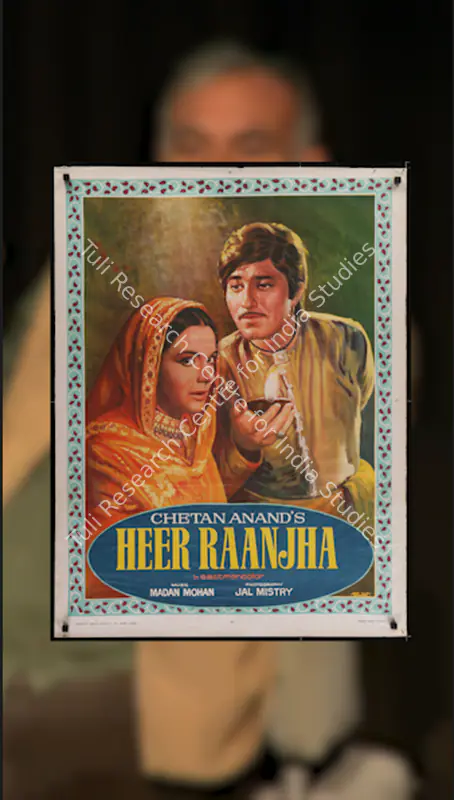
Heer Raanjha (1970) is a timeless romantic musical film based on the legendary Punjabi poem Heer by the renowned poet Waris Shah, written in 1766. Directed by Chetan Anand and produced by his son Ketan Anand, this cinematic masterpiece is the only film ever made with an entire screenplay written in verse. A massive box office success, Heer Raanjha stands out not only for its poetic brilliance but also for its exceptional performances, notably by the legendary Raaj Kumar. Known for his distinctive style, Raaj Kumar delivered dialogues penned by the acclaimed poet Kaifi Azmi, whose words imbue the film with a magical, almost ethereal quality, enhancing its status as a classic.
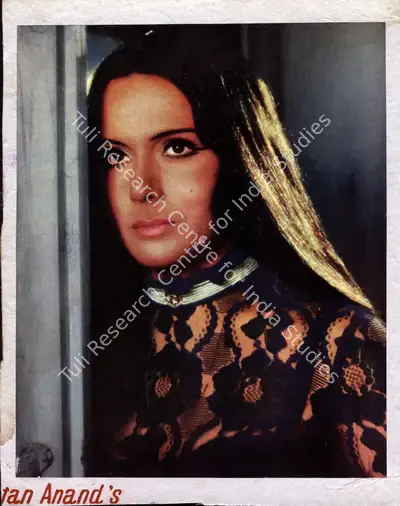
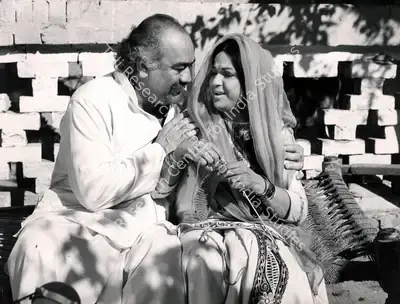
Starring Raaj Kumar, Priya Rajvansh, Pran, Prithviraj Kapoor, Ajit, Jayant, Sonia Sahni, Kamini Kaushal, Indrani Mukherjee, Achla Sachdev, and Tun Tun, the film boasts music composed by Madan Mohan, Chetan Anand's favorite collaborator, with lyrics by Kaifi Azmi. Azmi's poetic genius elevates the narrative, lending a lyrical charm rarely seen on film. His screenplay offers a faithful adaptation of Waris Shah's tragic romance of Heer and Ranjha, capturing the essence of the epic in a beautiful and evocative manner.
The film's music and songs are unforgettable. The haunting melodies, particularly Milo Na Tum To (Lata Mangeshkar), Do Dil Toote Do Dil Hare, and Mohammad Rafi's Yeh Duniya, Yeh Mehfil Mere Kaam Ki Nahin, continue to be celebrated for their emotional depth and lyrical beauty. However, it is Lata Mangeshkar's rendition of Doli Chadhte Heer Heer Ne Bain Kiye that stands as a testament to the brilliance of human vocal artistry, capturing an angelic purity that remains unparalleled.
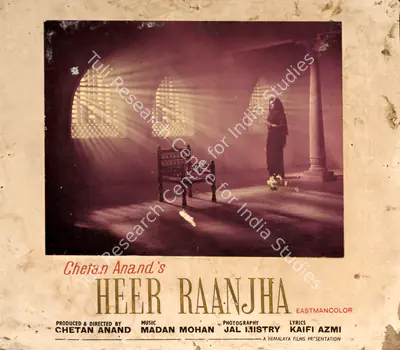
The cinematography by Jal Mistry, who frequently collaborated with Chetan Anand, was also pivotal in creating the film's captivating visual style. Mistry won the Filmfare Award for his work, solidifying Heer Raanjha as a masterpiece of both sound and vision.
टिकट खिड़की पर ज़बरदस्त कामयाबी हासिल करने वाली हीर रांझा न केवल अपनी नायाब काव्यात्मक शैली के लिए याद की जाती है, बल्कि इसमें अभिनेता राज कुमार का अभिनय भी विलक्षण था। अपनी ख़ास नाटकीय अभिनय शैली के लिए जाने जाने वाले राज कुमार ने दिग्गज शायर कैफ़ी आज़मी के लिखे कवितामय संवादों को जिस अदा से कहा, फ़िल्म को एक लगभग जादुई, अलौकिक किस्म की ऊँचाई मिल गई। ऐसे ही साहसिक प्रयोगों से तो कोई फ़िल्म क्लासिक बनती है।
अभिनेता राज कुमार, प्रिया राजवंश, प्राण, पृथ्वीराज कपूर, अजीत, जयंत, सोनिया साहनी, कामिनी कौशल, इंद्राणी मुखर्जी, अचला सचदेव और टुन टुन के अभिनय से सजी इस फ़िल्म में संगीत दिया है चेतन आनंद के पसंदीदा संगीतकार मदन मोहन ने और फ़िल्म के गीत लिखे हैं शायर कैफ़ी आज़मी ने। आज़मी की पद्य शैली पर पकड़ और काव्य प्रतिभा कहानी को ऊँचा मानक देते हैं तथा फ़िल्म को ऐसा लयात्मक आकर्षण मिलता है जो शायद ही पहले देखा गया हो। वारिस शाह का लिखा हीर और रांझा के प्यार का दुखांत अफ़साना फ़िल्म की पटकथा में बेहतर तरीके से अभिव्यक्त होता है। फ़िल्म इस काव्यरचना के निश्छल जज़्बे को भावपूर्ण तरीके से प्रस्तुत करती है।
हीर रांझा का संगीत अविस्मरणीय है। मदन मोहन की रची दिल को गहरे छू लेने वाली धुनें यादगार हैं। ख़ासकर लता मंगेशकर का गाया “मिलो ना तुम तो”, “दो दिल टूटे दो दिल हारे” और मोहम्मद रफ़ी का गाया “ये दुनिया, ये महफ़िल, मेरे काम की नहीं” अपने जज़्बातों से भरे बोलों और संगीत की सरल खूबसूरती के चलते अमर हो गए। पर फ़िल्म की सबसे विलक्षण उपलब्धि लता मंगेशकर का गाया “डोली चढ़ते ही हीर ने बैन किए” गीत है, जो अपनी उद्दाम भावनाओं से भरी दिव्य पवित्रता के चलते बहुत गहरे जाकर असर करता है और इंसानी गायन कला का बेजोड़ शिखर है।
इस फ़िल्म को जाल मिस्त्री की सिनेमैटोग्राफी भी विशेष बनाती है। जाल मिस्त्री अक्सर चेतन आनंद की फ़िल्मों में काम किया करते थे। उनके फ़िल्माए दृश्यों में भारतीय देहात का जीवन अपनी पूरी प्रामाणिकता के साथ दिखाई देता है। मिस्त्री को फ़िल्म में अपने उल्लेखनीय काम के लिए फ़िल्मफ़ेयर पुरस्कार मिला और इसके साथ ही हीर रांझा अपने ध्वनि और दृश्य दोनों ही पक्षों से भारतीय सिनेमा की एक यादगार कृति बन गई।
Body of Work
06:06 mins
07:01 mins
03:50 mins
04:24 mins
05:31 mins
06:41 mins
03:37 mins
05:03 mins
Research Centre
Posts 3
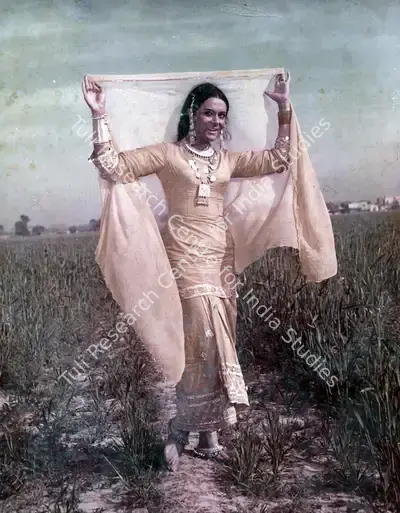
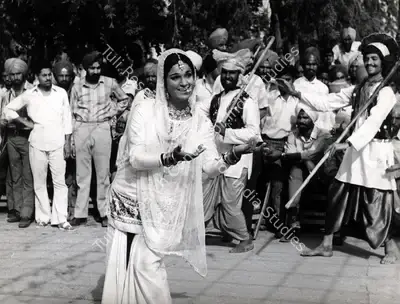
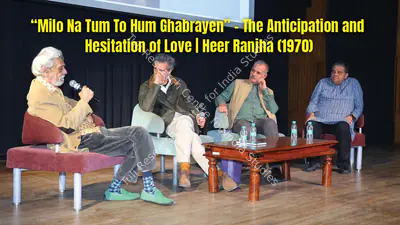
- “Milo Na Tum to hum Ghabrayen” from Chetan Anand's Heer Raanjha (1970) is the film's song of joy. Sung by Lata Mangeshkar and Mohammed Rafi, with music by Madan Mohan and lyrics by Kaifi Azmi, it captures the first flush of love as playful delight, capturing the confusion, the shyness, the sudden overflow of happiness that makes the heart ask, “What has happened to us?” Reminiscing about the song, filmmaker Ketan Anand revealed that this was the first time in the film that the colour yellow floods the screen. This change of palette signals the change of mood. After the earlier, more restrained tones, the arrival of yellow signals spring, joy and the fullness of life. “He went bananas with this song,” said Ketan Anand about his father, who expressed that joy in this song through Bhangra (traditional Punjabi folk dance) and the vibrant colours. This video is from 'A Musical Glue for Nation-Building: Deconstructing the Film Song', presented by the Tuli Research Centre for India Studies (T.R.I.S.) at the 7th Self-Discovery via Rediscovering India Festival.
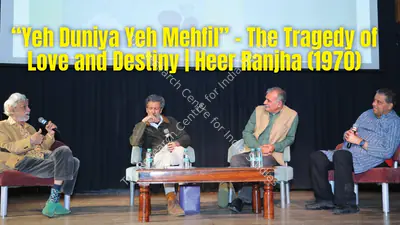
- "Yeh Duniya Yeh Mehfil Mere Kaam Ki Nahi" from Chetan Anand's Heer Raanjha (1970) is more than a sad song, it is a declaration that love is above all. Sung by Mohammed Rafi, with lyrics by Kaifi Azmi and music by Madan Mohan, it turns the pain of separation into a universal cry about the world, its gatherings and its celebrations; none of which matters once the love is lost. In this reel, film historian Pavan Jha examines the Sufi love at the song's core, where longing for the beloved doubles as a spiritual quest, and "duniya" and "mehfil" stand for everything that feels empty in absence of love. Madan Mohan's genius lies in keeping this firmly within the idiom of a popular film song, never pushing it into another genre, but crafting a melody that is soulful, accessible and instantly memorable. A deeply philosophical, Sufi-inflected lyric, the song reached the masses as a hit film number, and this is the reason why, decades later, the song remains a touchstone for heartbreak, longing, and the simple, powerful idea that love is the only thing that truly matters. This video is from 'A Musical Glue for Nation-Building: Deconstructing the Film Song', presented by the Tuli Research Centre for India Studies (T.R.I.S.) at the 7th Self-Discovery via Rediscovering India Festival.
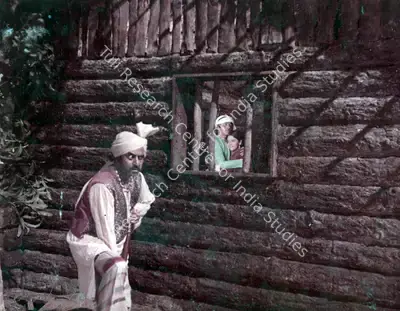
- Chetan Anand shot heartbreak the way other directors shot war, against a landscape vast enough to hold it. "Yeh Duniya Yeh Mehfil Mere Kaam Ki Nahi" from Heer Raanjha (1970) is a song of heartbreak staged against stunning visuals. Sung by Mohammed Rafi, with music by Madan Mohan and lyrics by Kaifi Azmi, it turns separation into philosophy. In this clip, Ravikant, Professor, CSDS (Centre for the Study of Developing Societies), calls the song one of the best statements on loss and the ambition to win it back. What makes the song unforgettable is the way voice, music and visuals come together, and Chetan Anand's use of landscape gives it a vast, almost mythical quality, creating a fantasy space where pain can be larger than life, where the song can say what the narrative cannot. The result is a beautiful moment in Indian cinema, where heartbreak, spirituality and landscape fuse into a deeply moving, visually rich film song that has become a timeless expression of love. This video is from 'A Musical Glue for Nation-Building: Deconstructing the Film Song', presented by the Tuli Research Centre for India Studies (T.R.I.S.) at the 7th Self-Discovery via Rediscovering India Festival.
Calendar 1
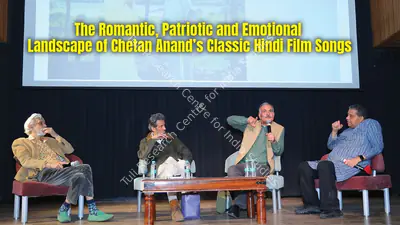
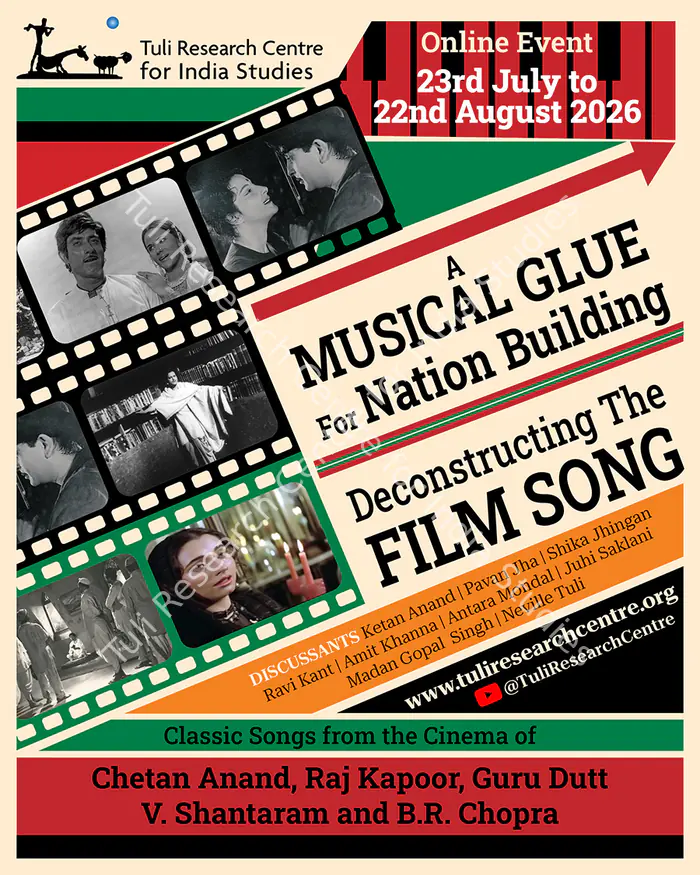
- ArchivedOffline-Online EventProject 80A Musical Glue for Nation-BuildingDeconstructing the Film Song23rd July - 22nd August 2026Ketan Anand | Ravikant | Pavan Jha | Madan Gopal Singh | Amit Khanna | Juhi Saklani | Antara Mondal | Shikha Jhingan | Neville TuliA key section of the India Studies framework at The Tuli Research Centre for India Studies (T.R.I.S.) is “Deconstructing the Film Song”. It began with a series of four workshops during our Self-Discovery via Rediscovering India Festival Series that brought together leading scholars & academics, film practitioners & students, along with fans of the Hindi film song. The objective of these workshops was to deconstruct iconic Hindi film songs to examine their formation across music, lyrics, playback, choreography, directorial visualisation, as they fuse into sites where aesthetics, ideology, and performance intersect, so as to help clarify the nature of India and her relationship to the film song. The Hindi Film Song functions as a narrative device, conveying myriad textures of emotion through melody, voice and poetry. As cultural texts that encode memory, desire, and ideology, songs are integral to the circulation and resonance of films in the public realm. Over time they have become autonomous bundles of creative energy - the glue that binds us over time, articulating and perhaps even defining the idea of Indianness. These first Workshops were an attempt to understand the nature and power of this glue, while contemplating the ways to situate it within TRIS' academic framework for Contemporary India Studies.Read More →
Related
13
Personalities
13