

Introduction
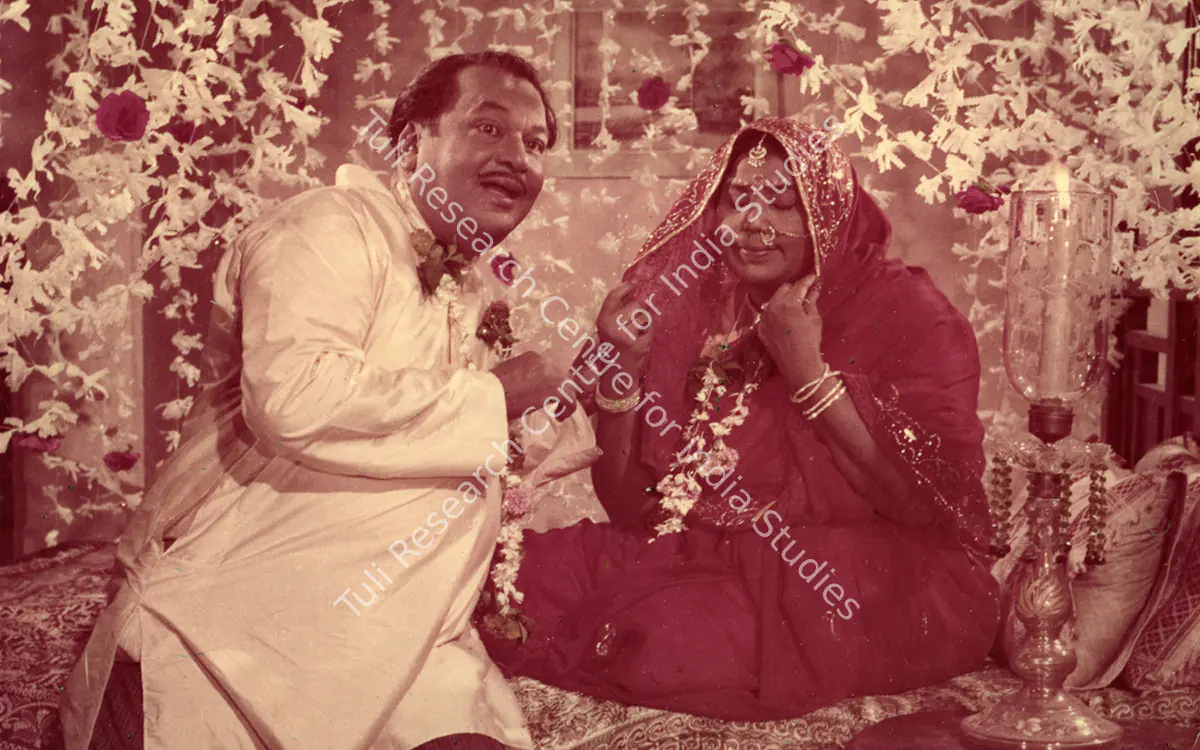
Uma Devi Khatri (11 July 1923 – 24 November 2003) Fondly remembered by her stage name Tun Tun, Uma Devi was a multifaceted artist who left an indelible mark on Indian cinema. Revered as Hindi cinema's first female comedienne, she appeared in over a hundred films, transforming her distinctive persona into a source of laughter and charm for generations of audiences. She was also an accomplished and popular singer who did playback for many actresses in films.
Born in a small village near Amroha in Uttar Pradesh, Uma Devi's early life was scarred by tragedy. Her parents and brother were murdered over a land dispute when she was barely a child, leaving her in the care of relatives and servants. In her later years, she recalled, “I don't remember who my parents were or how they looked... I must have been barely two when they died.” Her childhood, steeped in poverty and hardship, could have extinguished her spirit, yet it became the crucible that forged her resilience.
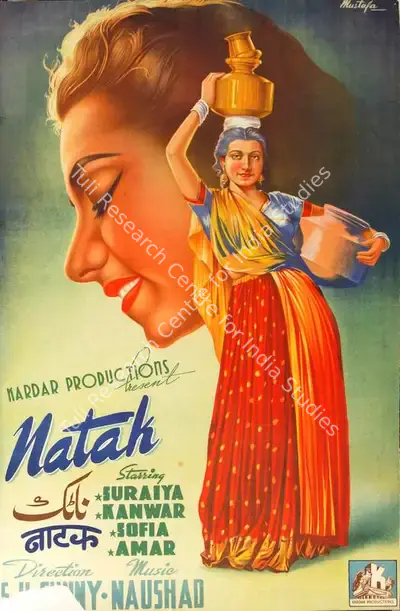
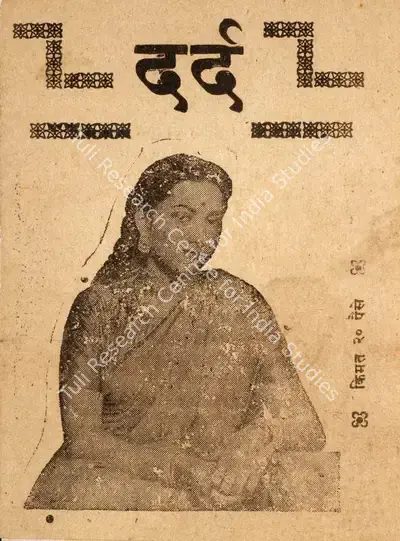
During her youth, she met Akhtar Abbas Kazi, an Excise Inspector who recognized her talent and became her guiding influence. When Kazi moved to Lahore during the Partition, Uma Devi, weary of life's uncertainties, journeyed to Bombay to pursue her dream of becoming a singer. Her determination led her to famed composer Naushad Ali, whom she boldly approached for an opportunity. Impressed by her confidence, Naushad gave her a break in Wamiq Azra (1946). Her melodious renditions in Dard (1947), including Afsana Likh Rahi Hoon” and Yeh Kaun Chala, brought her recognition.
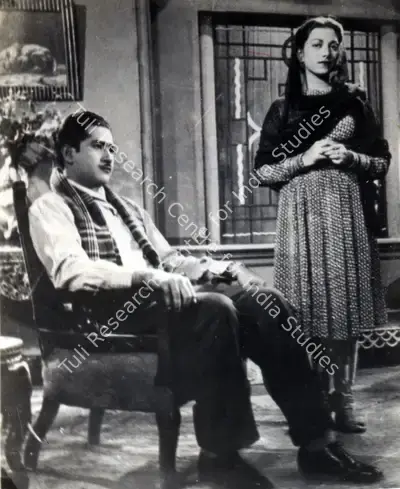
However, as newer voices like Lata Mangeshkar's rose to prominence, Naushad encouraged her to explore acting. Thus, Tun Tun was born with her debut in Babul (1950) alongside Dilip Kumar. Her vivacious humour, expressive face, and unabashed wit made her an instant favourite. Over the next five decades, she reigned as India's quintessential comedienne, appearing in nearly 200 films, turning her physique into a symbol of warmth and mirth rather than limitation.
As the trailblazer of female comedy in Bollywood, Tun Tun shattered gender conventions, establishing a legacy that inspired generations of women performers who followed in her luminous footsteps.
उत्तर प्रदेश में अमरोहा के पास एक छोटे से गाँव में जन्मीं उमा देवी का शुरुआती जीवन दुखद घटनाओं से भरा था। जब वह बहुत छोटी थीं, तब ज़मीन के झगड़े में उनके माता-पिता और भाई की हत्या कर दी गई, जिसके बाद उनकी देखभाल रिश्तेदारों और नौकरों ने की। बाद के सालों को उन्होंने याद करते हुए कहा, "मुझे याद नहीं कि मेरे माता-पिता कौन थे या वे कैसे दिखते थे... जब वे गुज़रे, तब मैं मुश्किल से दो साल की रही होऊँगी।" गरीबी और मुश्किलों से भरा उनका बचपन उनकी हिम्मत को तोड़ सकता था, लेकिन इसी ने उन्हें मज़बूत और साहसी बनाया।
जवानी के दिनों में उनकी मुलाक़ात एक्साइज़ इंस्पेक्टर अख़्तर अब्बास काज़ी से हुई, जिन्होंने उनके हुनर को पहचाना और उन्हें सही राह दिखाई। जब बंटवारे के समय काज़ी लाहौर चले गए, तो ज़िंदगी की अनिश्चितताओं से परेशान होकर उमा देवी गायिका बनने का सपना पूरा करने के लिए बॉम्बे चली गईं। अपनी लगन की वजह से वह मशहूर संगीतकार नौशाद अली से मिलीं और हिम्मत करके उनसे काम का मौका माँगा। उनके आत्मविश्वास से प्रभावित होकर नौशाद ने उन्हें 'वामिक़ अज़रा' (1946) में मौका दिया। 'दर्द' (1947) फ़िल्म में उनके गाए गानों, जैसे "अफ़साना लिख रही हूँ" और "ये कौन चला", ने उन्हें पहचान दिलाई।
हालांकि, जब लता मंगेशकर जैसी नई आवाज़ें मशहूर होने लगीं, तो नौशाद ने उन्हें एक्टिंग आज़माने के लिए प्रोत्साहित किया। इस तरह, दिलीप कुमार के साथ फ़िल्म 'बाबुल' (1950) से 'टुन टुन' का जन्म हुआ। उनके ज़िंदादिल मज़ाक, जज़्बाती चेहरे और बेबाक हाज़िरजवाबी ने उन्हें तुरंत सबका चहेता बना दिया। अगले पाँच दशकों तक, वह भारत की बेहतरीन कॉमेडियन के तौर पर छाई रहीं और लगभग 200 फ़िल्मों में काम किया। उन्होंने अपने शरीर को किसी कमी के बजाय अपनापन और ख़ुशी का प्रतीक बना लिया।
बॉलीवुड में महिला कॉमेडी की राह दिखाने वाली टुन टुन ने जेंडर से जुड़ी रूढ़ियों को तोड़ा और एक ऐसी विरासत क़ायम की जिसने आने वाली पीढ़ियों की महिला कलाकारों को प्रेरित किया, जिन्होंने उनके शानदार नक्शेकदम पर चलना जारी रखा।
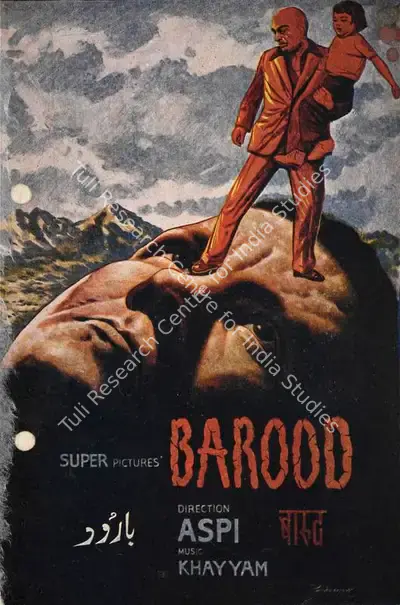
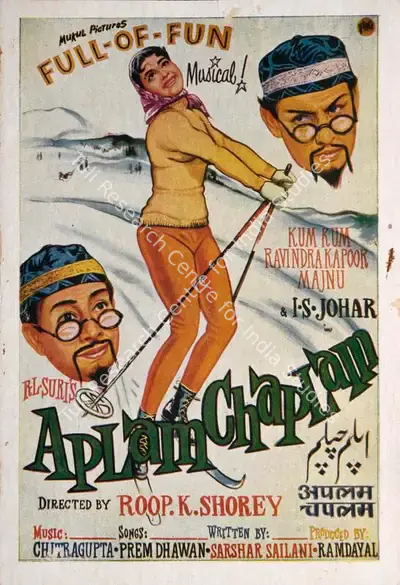
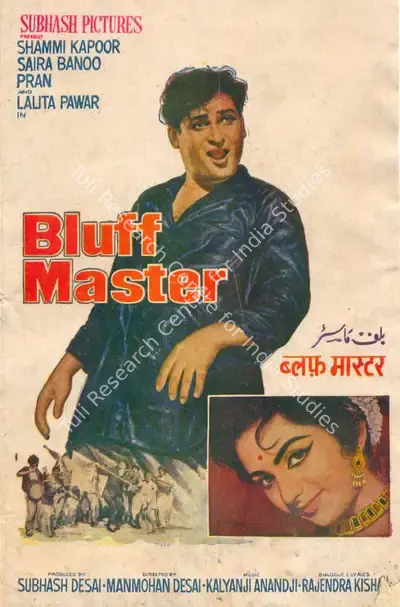
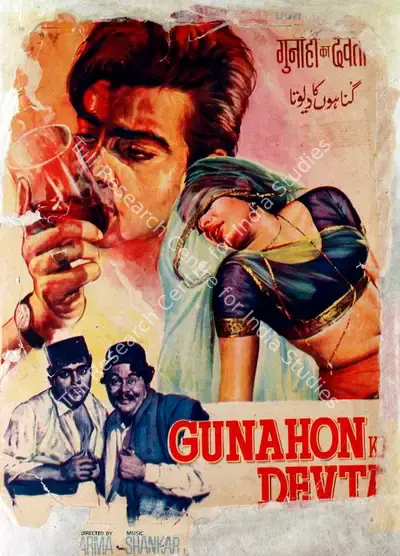
Filmography 205
Research Centre

Related
32
Films
20
Personalities
12