

Introduction
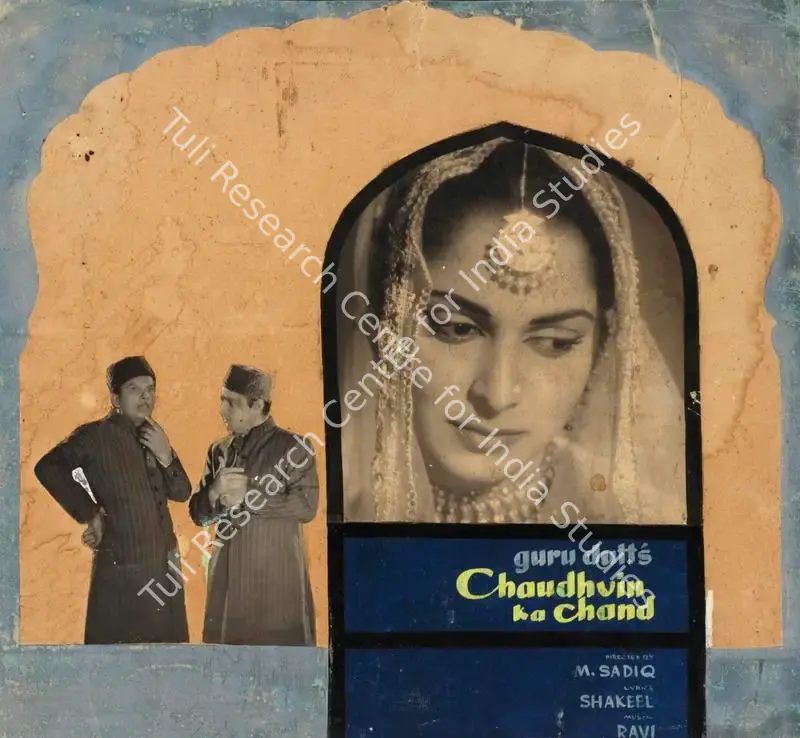
The 1960 classic Chaudhvin Ka Chand has attained cult status among cinephiles worldwide, particularly as a poignant exploration of love. Set against the backdrop of Lucknow—an idyllic, multicultural and artistic hub with predominantly Islamic roots—the film beautifully captures the essence of romance, sacrifice, and tehzeeb (refinement). While it is often placed alongside Guru Dutt's other monumental works like Sahib Bibi Aur Ghulam and Kaagaz Ke Phool, Chaudhvin Ka Chand stands out for its emotional depth and cultural richness.
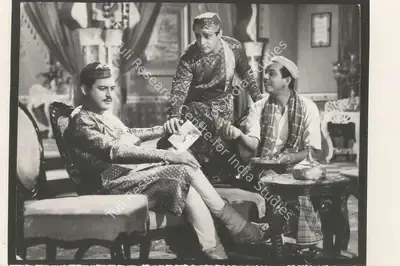
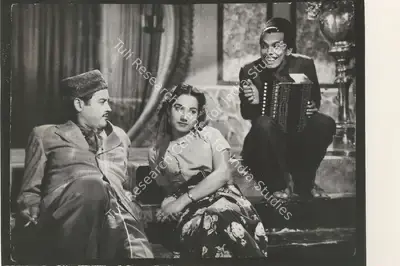
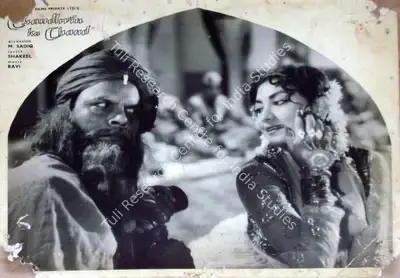
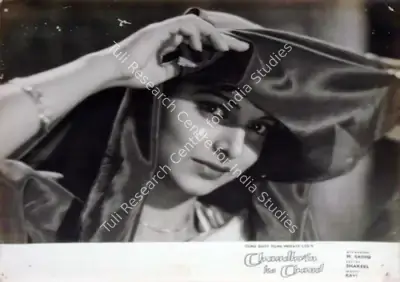
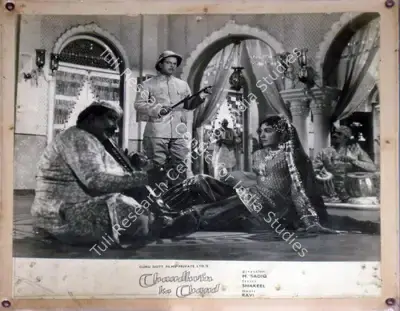
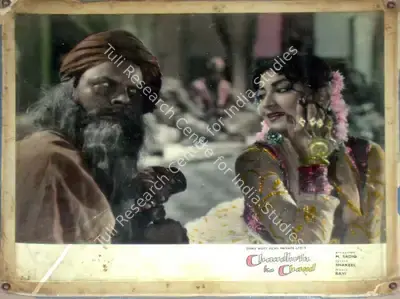
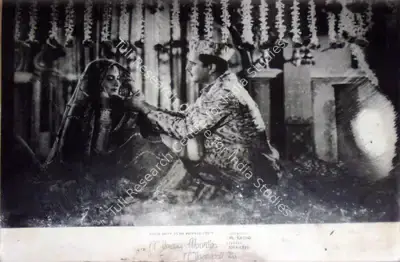
The film delves into the delicate love triangle between two friends, Aslam (Guru Dutt) and Nawab (Rehman), who unknowingly fall in love with the same woman, Jameela (Waheeda Rehman). This exploration of love and loss is made even more compelling by Ravi's unforgettable music, which plays a central role in expressing the characters' emotional turmoil. The cinematography by Nariman Irani captures Waheeda Rehman's ethereal beauty, elevating the film's visual appeal.
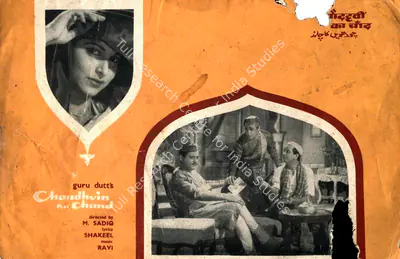
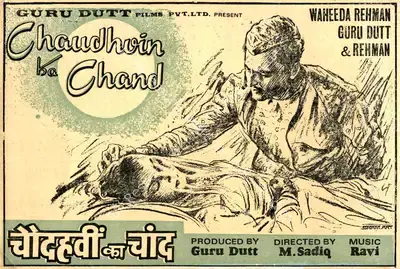
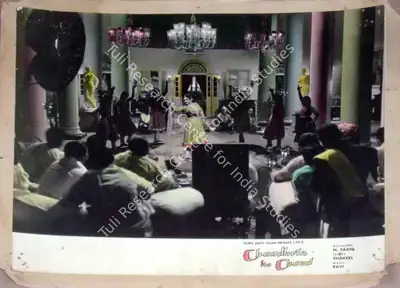
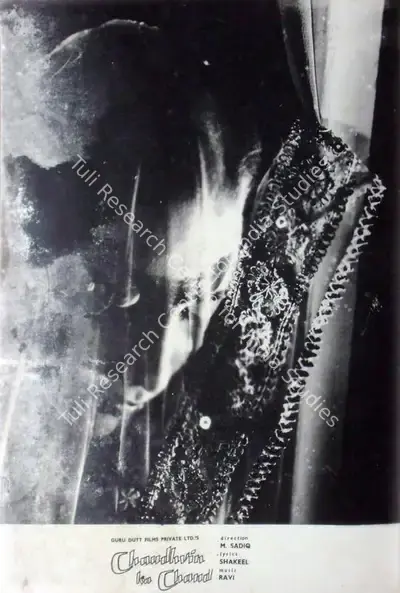
Produced by Guru Dutt for Guru Dutt Films and directed by Mohammed Sadiq, the screenplay by Saghir Ushmani further enriched the narrative. The film's lyrics, penned by Shakeel Badayuni, won him the Filmfare Award for Best Lyricist, while Mohammed Rafi won Best Male Playback Singer for his unforgettable renditions. The film also earned Biren Nag the Filmfare Award for Best Art Direction, a testament to the visual grandeur and the cultural setting that shaped the film's appeal.
Chaudhvin Ka Chand remains an enduring masterpiece, celebrated not just for its portrayal of love and loss but also for its exquisite music, stunning visuals, and brilliant performances, making it one of the most beloved films in Indian cinema.
फ़िल्म की कहानी ऐसे दो दोस्तों असलम (गुरु दत्त) और नवाब (रहमान) के बीच के नाज़ुक रिश्ते को दिखाती है, जिन्हें अनजाने में एक ही लड़की जमीला (वहीदा रहमान) से प्यार हो गया है। प्यार और बलिदान से रचे गए इस भावुक प्रेम त्रिकोण को संगीतकार रवि का अविस्मरणीय संगीत कहीं अधिक सम्मोहक बना देता है। यह इस फ़िल्म का संगीत ही है जो किरदारों की भावनात्मक उथल-पुथल को सबसे बेहतर तरीके से अभिव्यक्त करता है। नरीमन ईरानी की बेहतरीन सिनेमैटोग्राफी वहीदा रहमान की अलौकिक खूबसूरती को फ़िल्माने में चार चाँद लगाती है और फ़िल्म के सम्मोहन में इसकी एक बड़ी भूमिका है।
'गुरु दत्त फिल्म्स' के लिए गुरु दत्त द्वारा निर्मित और मोहम्मद सादिक द्वारा निर्देशित चौदहवीं का चाँद की उम्दा पटकथा सगीर उस्मानी ने लिखी थी। शायर और गीतकार शकील बदांयुनी को फ़िल्म में लिखे उनके गीत “चौदहवीं का चाँद हो” के लिए सर्वश्रेष्ठ गीतकार का फ़िल्मफ़ेयर पुरस्कार मिला तो मोहम्मद रफ़ी को इसी गीत के अविस्मरणीय गायन के लिए सर्वश्रेष्ठ पुरुष पार्श्वगायक का फ़िल्मफ़ेयर पुरस्कार मिला। इस फ़िल्म के लिए बीरेन नाग ने सर्वश्रेष्ठ कला निर्देशक का फ़िल्मफ़ेयर पुरस्कार भी जीता, जो इस बात का प्रमाण है कि फ़िल्म की दृश्य कारीगरी और भव्यता एवं सटीक सांस्कृतिक माहौल की पर्दे पर पुनर्रचना ने फ़िल्म की अपील को किस तरह बढ़ाया। दृश्य भव्यता और सांस्कृतिक सेटिंग का प्रमाण है जिसने फिल्म की अपील को आकार दिया।
चौदहवीं का चाँद के प्रति लोगों का प्रेम आज भी कम नहीं हुआ है। इसकी कहानी सिर्फ़ प्यार और बलिदान तक सीमित नहीं बल्कि इसका उत्कृष्ट संगीत, भव्य दृश्यविधान और शानदार अभिनय भी इसे भारतीय सिनेमा की सबसे चाही गई प्रेम कहानियों में से एक बनाता है।
Body of Work
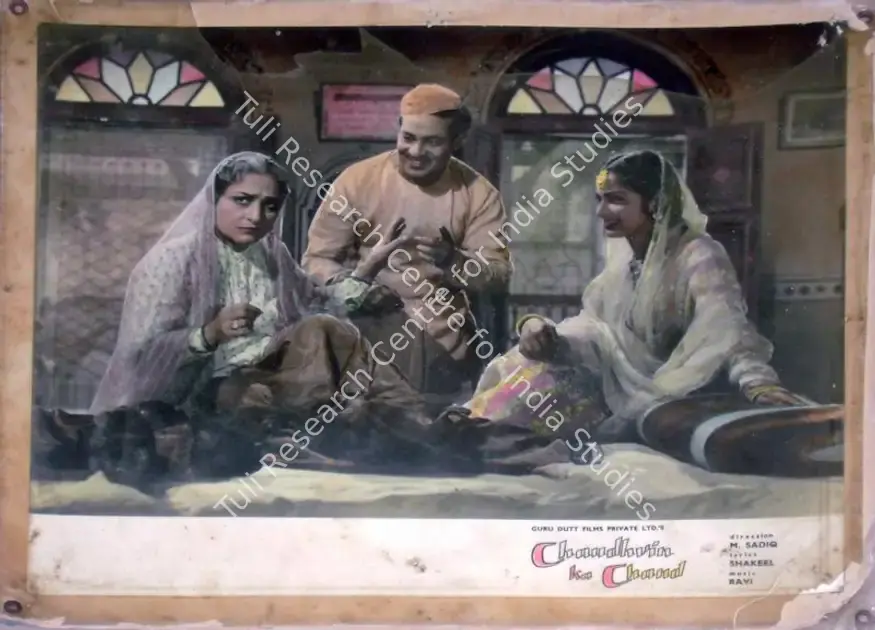
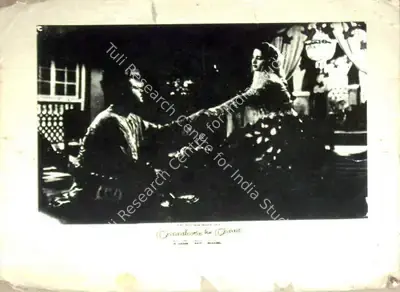
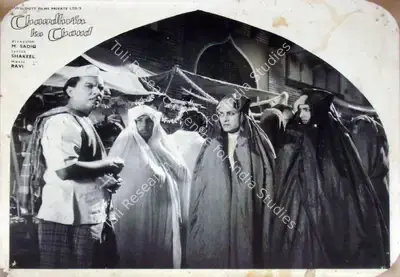
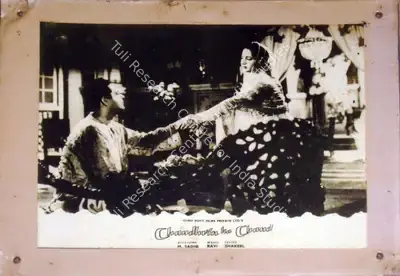
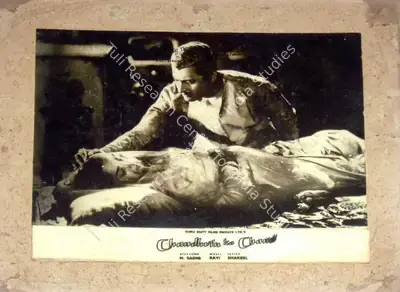
Synopsis Set in muslim Lucknow, this is the story of three friends, the rich Nawab, Aslam and Shaida. In a bazaar one day, the Nawab catches a glimpse of Jamila's face and falls in love with her. At a party, he gets hold of a torn piece of Jamila's veil and gives it to a maidservant to trace the identity of its owner. But the girls at the party have exchanged their veils and the wrong girl is identified. In the meantime , the Nawab's ailing mother chooses a bride for her son but he refuses to marry her, and persuades Aslam to marry her instead. The woman turns out to be Jamila. Later, when Aslam realises that the Nawab is in love with his wife, he pretends to tire of her, hoping that she will demand a divorce and be free to marry the Nawab. The Nawab learns of Aslam's attempted sacrifice and in tradition of male friendships on the screen, the Nawab chooses to die for his friend...
Research Centre

Related
12
Personalities
12