

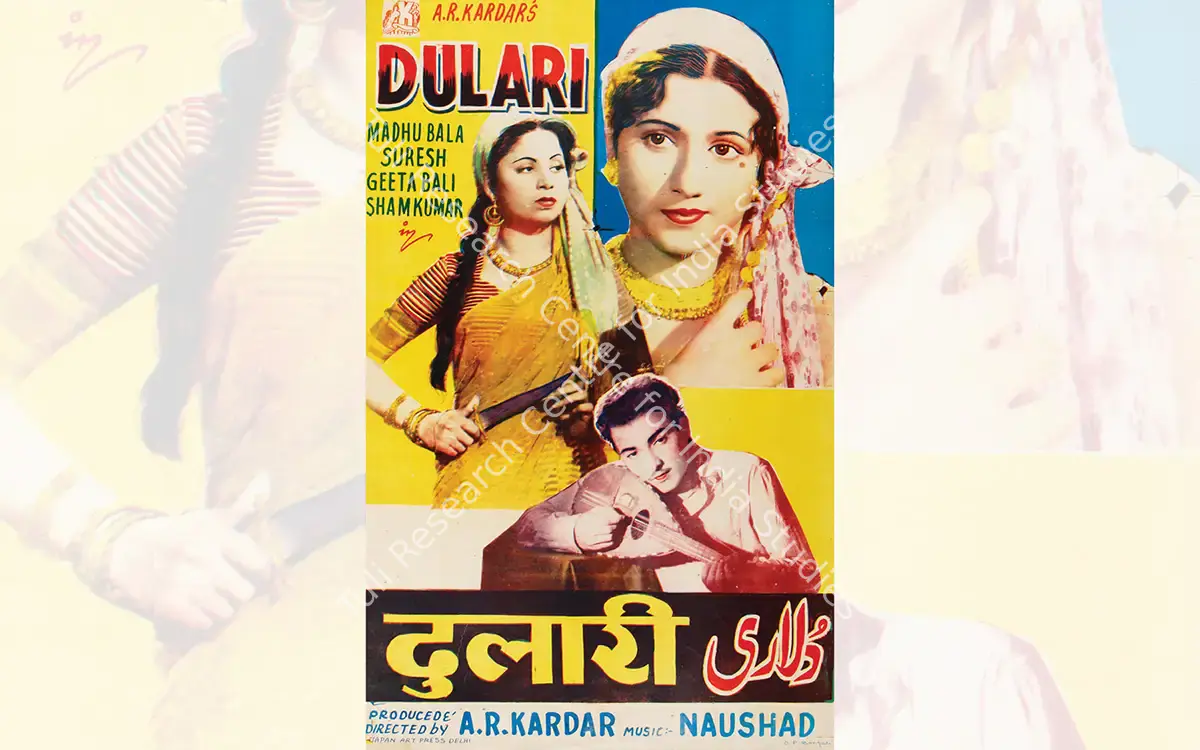
Introduction
Abdur Rashid Kardar (1904–1989) He occupies a foundational place in the history of South Asian cinema as an actor, director, producer, and studio pioneer who played a decisive role in establishing the film industry in Lahore during the late colonial period. Born on 2 October 1904 into the prominent Arain Zaildar family of Bhati Gate, Lahore, Kardar emerged from a culturally vibrant milieu associated with writers, poets, and intellectuals. He was also the stepbrother of Abdul Hafeez Kardar, the celebrated cricketer and first captain of the Pakistan national cricket team. Over the course of a career spanning more than four decades, Kardar evolved from a calligrapher and poster artist into one of the most influential figures in Indian cinema.
Kardar's personal life reflected his extensive familial and social connections within the cultural circles of the subcontinent. He married twice. His first wife, Akhtar Sultana Kardar, shared with him the early years of his career and family life. The couple had several children, including a son who died tragically in infancy at the age of three. Akhtar Sultana Kardar passed away in 1988, only a year before Kardar's own death. His second marriage was to Bahar, whose sister Sardar was married to the noted filmmaker Mehboob Khan, thereby linking Kardar to another influential cinematic family. Altogether, Kardar had six daughters and one son, though his only son did not survive childhood. Most of his daughters eventually settled abroad after marriage, while his youngest daughter, Yasmin Kardar, remained in India and later assumed responsibility for managing the distribution rights of her father's films, preserving his cinematic legacy for subsequent generations.
Kardar began his professional life as an arts scholar and calligraphist, designing posters for foreign film productions and contributing to newspapers in the early 1920s. These engagements introduced him to emerging cinematic circles across India. His formal entry into filmmaking came in 1928 with The Daughters of Today, the first silent film produced in Lahore at a time when the city possessed only a handful of cinema halls and relied heavily on films imported from Bombay, Calcutta, Hollywood, and London. Conceived by G.K. Mehta, a former North-Western Railway officer who imported filmmaking equipment from London, the project enlisted Kardar as an assistant director and actor. His close associate, Muhammad Ismail, also participated in the production.
Inspired by the possibilities of cinema, Kardar and Ismail established the United Players Corporation in 1928 after selling their personal belongings to finance the venture. Their studio on Ravi Road became the foundation of Lahore's nascent film industry, despite primitive working conditions and limited technical resources. Productions were dependent on daylight, and equipment was transported by horse-drawn carriages along uneven roads. Nevertheless, Kardar's determination led to the release of Husn Ka Daku (1930), also known as Mysterious Eagle, his directorial debut. The film achieved moderate commercial success and firmly positioned Lahore as an emerging centre of film production. It was followed by Sarfarosh (1930), which further strengthened the city's cinematic reputation and encouraged additional producers to invest in the industry.
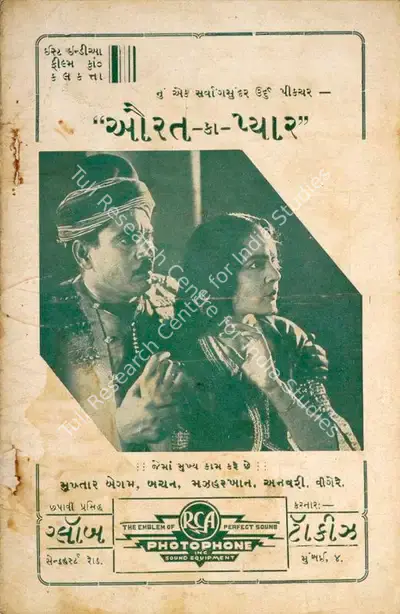
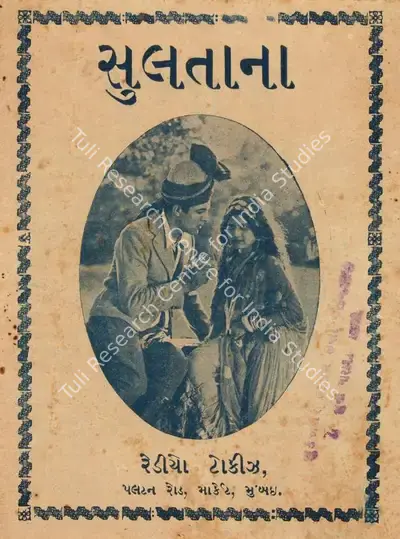
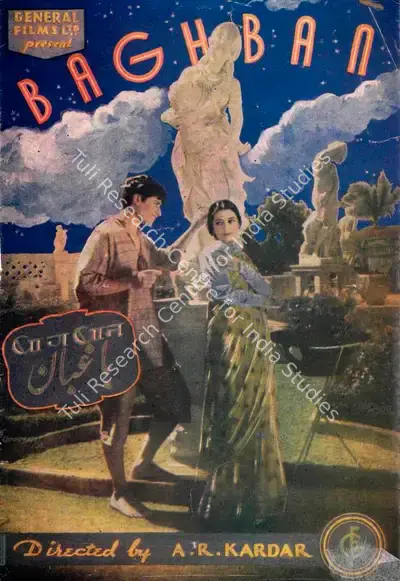
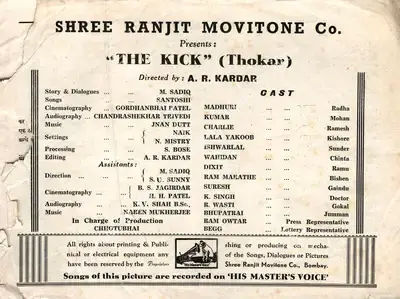
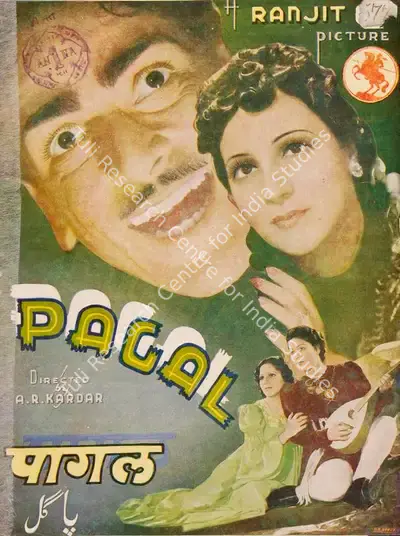
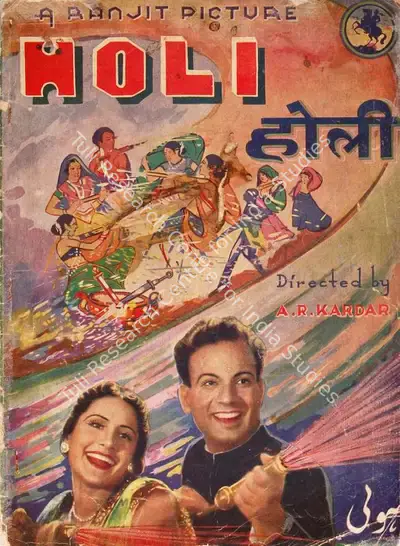
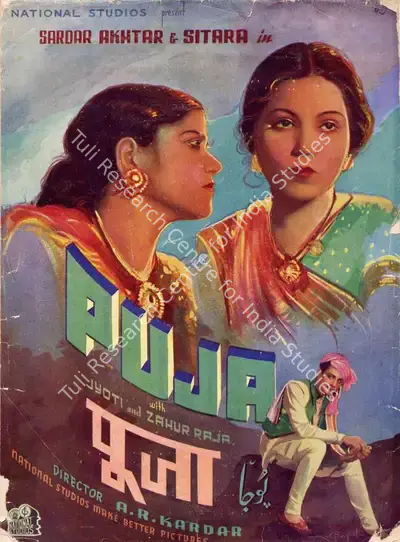
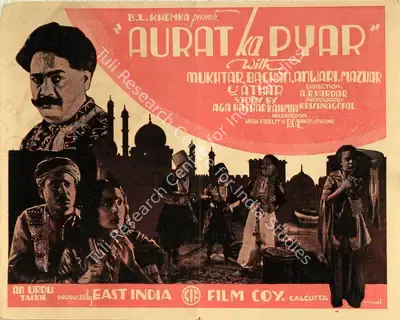
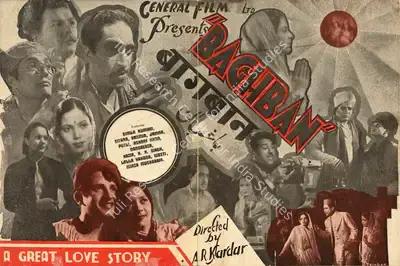
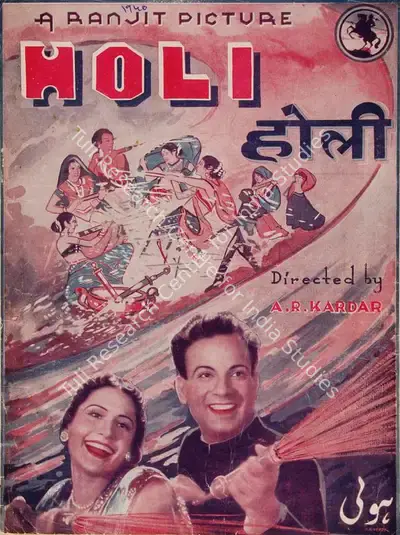
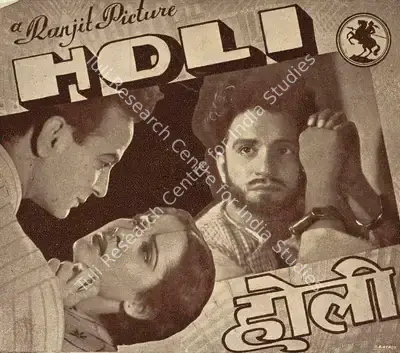
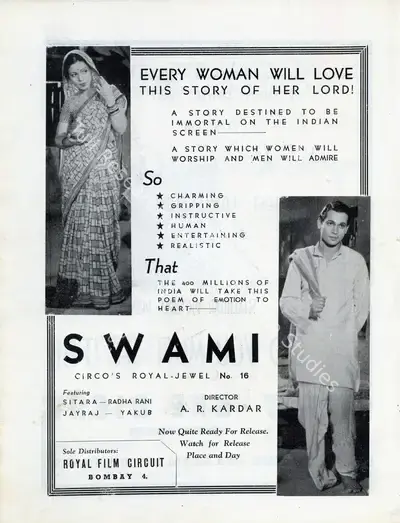
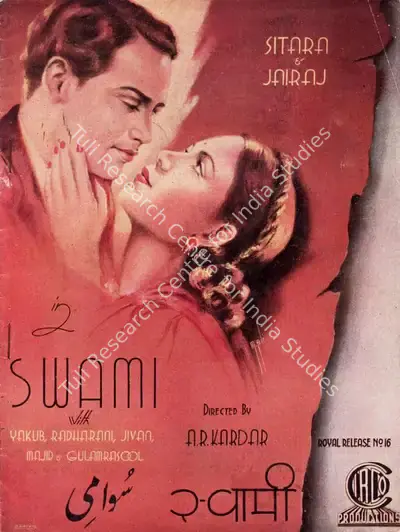
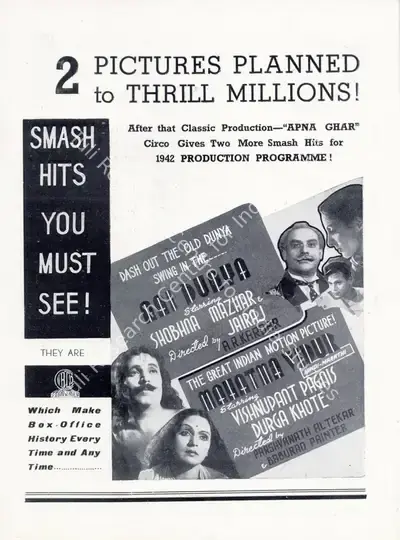
In 1930 Kardar moved to Calcutta and joined the East India Film Company, directing several films before relocating to Bombay in 1937. There he worked briefly with Film City and later with Ranjit Movietone. Following the collapse of Circo Productions Ltd. in 1939, Kardar acquired the company and established Kardar Productions and Kardar Studios, which soon became among the best-equipped studios in Bombay, notable for introducing air-conditioned make-up rooms. His directorial achievements included acclaimed films such as Heer Ranjha (1932), Baghban (1938), Shahjehan (1946), Dard (1947), Dillagi (1949), Dastan (1951), and Dil Diya Dard Liya (1966). He also contributed as a producer and screenwriter, shaping the artistic and industrial development of Hindi cinema.
Kardar received the Indian Motion Pictures' Producers Association Award for his outstanding contribution to Indian cinema. He died on 22 November 1989 in Mumbai at the age of eighty-five, leaving behind a legacy deeply intertwined with the evolution of the Indian and Pakistani film industries.
करदार का निजी जीवन उपमहाद्वीप के सांस्कृतिक हलकों में उनके व्यापक पारिवारिक और सामाजिक संबंधों को दर्शाता था। उन्होंने दो विवाह किए। उनकी पहली पत्नी, अख़्तर सुल्ताना करदार ने उनके करियर और पारिवारिक जीवन के शुरुआती वर्षों में उनका साथ दिया। इस दंपति के कई बच्चे थे, जिनमें एक बेटा भी शामिल था जिसकी तीन साल की उम्र में ही दुखद रूप से मृत्यु हो गई थी। करदार की मृत्यु से मात्र एक साल पहले, अख़्तर सुल्ताना करदार का देहांत 1988 में हुआ। उनका दूसरा विवाह बहार से हुआ, जिनकी बहन सरदार का विवाह प्रसिद्ध फ़िल्म निर्माता महबूब ख़ान से हुआ था, इस प्रकार करदार एक और प्रभावशाली सिनेमाई परिवार से जुड़ गए। कुल मिलाकर करदार की छह बेटियाँ और एक बेटा था, हालाँकि उनका इकलौता बेटा बचपन में ही मर गया। उनकी अधिकांश बेटियाँ विवाह के बाद विदेश में बस गईं, जबकि उनकी सबसे छोटी बेटी, यास्मीन करदार, भारत में ही रहीं और बाद में अपने पिता की फ़िल्मों के वितरण अधिकारों के प्रबंधन की जिम्मेदारी संभाली, जिससे उनकी सिनेमाई विरासत आने वाली पीढ़ियों के लिए संरक्षित रही।
करदार ने अपने पेशेवर जीवन की शुरुआत एक कला विद्वान और खुशनवीस के रूप में की। 1920 के दशक की शुरुआत में उन्होंने विदेशी फ़िल्म निर्माणों के लिए पोस्टर डिज़ाइन किए और समाचार पत्रों में योगदान दिया। इन कार्यों ने उन्हें भारत भर में उभरते सिनेमाई जगत से परिचित कराया। फ़िल्म निर्माण में उनका औपचारिक प्रवेश 1928 में 'द डॉटर्स ऑफ़ टुडे' के साथ हुआ, जो लाहौर में निर्मित पहली मूक फ़िल्म थी। उस समय शहर में केवल कुछ ही सिनेमाघर थे और फ़िल्में बॉम्बे, कलकत्ता, हॉलीवुड और लंदन से मंगाए फ़िल्मों पर बहुत अधिक निर्भर थीं। जी.के. मेहता जो उत्तर-पश्चिमी रेलवे के पूर्व अधिकारी थे और जिन्होंने लंदन से फ़िल्म निर्माण उपकरण आयात किए थे। उनके द्वारा परिकल्पित इस परियोजना में करदार को सहायक निर्देशक और अभिनेता के रूप में शामिल किया गया था। उनके क़रीबी सहयोगी, मोहम्मद इस्माइल ने भी निर्माण में भाग लिया।
सिनेमा की संभावनाओं से प्रेरित होकर करदार और इस्माइल ने अपनी निजी संपत्ति बेचकर 1928 में यूनाइटेड प्लेयर्स कॉर्पोरेशन की स्थापना की। इस कारोबार को आर्थिक मदद देने के बाद उन्होंने कंपनी को वित्तपोषित किया। रावी रोड पर स्थित उनका स्टूडियो लाहौर के नवोदित फ़िल्म उद्योग की नींव बना, हालांकि उस समय काम करने की परिस्थितियाँ बहुत शुरूआती थीं और तकनीकी संसाधन सीमित थे। निर्माण कार्य दिन के उजाले पर निर्भर था और उपकरण ऊबड़-खाबड़ सड़कों पर घोड़ों द्वारा खींची जाने वाली गाड़ियों से ले जाए जाते थे। फ़िर भी करदार के दृढ़ संकल्प ने उनकी पहली निर्देशित फ़िल्म 'हुस्न का डाकू' (1930), जिसे 'रहस्यमयी चील' के नाम से भी जाना जाता है, जिसको रिलीज़ करने में महत्वपूर्ण भूमिका निभाई। फ़िल्म को मध्यम व्यावसायिक सफलता मिली और इसने लाहौर को फ़िल्म निर्माण के एक उभरते केंद्र के रूप में स्थापित किया। इसके बाद 'सरफरोश' (1930) आई, जिसने शहर की सिनेमाई प्रतिष्ठा को और मज़बूत किया और अन्य निर्माताओं को भी इस उद्योग में निवेश करने के लिए प्रोत्साहित किया।
1930 में करदार कलकत्ता चले गए और ईस्ट इंडिया फ़िल्म कंपनी में शामिल हो गए। यहाँ उन्होंने कई फ़िल्मों का निर्देशन किया और इसके बाद 1937 में बॉम्बे चले गए। वहां उन्होंने कुछ समय के लिए फ़िल्म सिटी और बाद में रंजीत मूवीटोन के साथ काम किया। 1939 में सिरको प्रोडक्शंस लिमिटेड के बंद होने के बाद करदार ने कंपनी का अधिग्रहण कर लिया और करदार प्रोडक्शंस और करदार स्टूडियो की स्थापना की, जो जल्द ही बॉम्बे के सबसे सुसज्जित स्टूडियो में से एक बन गया, और वातानुकूलित मेकअप रूम शुरू करने के लिए प्रसिद्ध हुआ। उनके निर्देशन में बनी फ़िल्मों में हीर रांझा (1932), बाग़बान (1938), शाहजहाँ (1946), दर्द (1947), दिल्लगी (1949), दास्तान (1951) और दिल दिया दर्द लिया (1966) जैसी प्रशंसित फ़िल्में शामिल हैं। उन्होंने निर्माता और पटकथा लेखक के रूप में भी योगदान दिया और हिंदी सिनेमा के कलात्मक और औद्योगिक विकास को आकार दिया।
भारतीय सिनेमा में उनके उत्कृष्ट योगदान के लिए करदार को इंडियन मोशन पिक्चर्स प्रोड्यूसर्स एसोसिएशन पुरस्कार से सम्मानित किया गया था। 22 नवंबर 1989 को मुंबई में पचासी वर्ष की आयु में उनका निधन हो गया। वे अपने पीछे भारतीय और पाकिस्तानी फ़िल्म उद्योगों के विकास से गहराई से जुड़ी एक विरासत छोड़ गए हैं।
Filmography 48
Research Centre
Related
21
Films
20
Personalities
1