
Introduction
Jagjit Kaur (May 1930 – 15 August 2021) She was an eminent Indian playback singer whose contributions to Hindi and Urdu cinema remain distinguished for their emotional depth, classical refinement, and lyrical sensitivity. Although her recorded repertoire was comparatively limited when measured against many of her contemporaries, the quality and artistic integrity of her performances secured her a lasting place in the history of Indian film music.
Kaur possessed a rare vocal individuality characterised by distinctive softness, tenderness, and emotional restraint. Her singing conveyed profound feelings of longing, affection, melancholy, and devotion without excessive ornamentation or dramatic emphasis. She allowed the poetry and emotional essence of a composition to remain at the centre of her interpretation. Her voice was marked by subtle tonal variations, graceful phrasing, and an understated elegance that created a lasting impact through sincerity rather than vocal display. This distinctive quality made her particularly suited to the sensitive and poetic compositions of her husband, the celebrated music director Mohammed Zahur Khayyam.
Born into an aristocratic Punjabi family in May 1930, she grew up in an environment that encouraged her artistic abilities from an early age. She developed an interest in music during her childhood and performed on radio before and after the Partition of India, experiences that helped shape her musical identity. She entered the field of playback singing in the early 1950s, initially working in Punjabi cinema before establishing herself as a respected voice in Hindi films.
In 1954, Kaur married Mohammed Zahur Khayyam in one of the earliest inter-communal marriages within the Indian film industry. At a time when such unions were uncommon, their marriage represented a partnership built on mutual respect, affection, and shared artistic values. Their personal relationship was closely intertwined with their professional collaboration, and Khayyam composed several of the songs that became associated with Kaur's legacy.
The couple had one son, Pradeep, whose premature death from a heart attack in 2012 was a deeply painful loss. In memory of his compassionate nature and his desire to support others, Jagjit Kaur and Khayyam established the Khayyam Jagjit Kaur KPG Charitable Trust, which aimed to assist artists and technicians facing financial difficulties.
Throughout their life together, Kaur remained a devoted companion and an important source of encouragement for Khayyam. Their creative partnership reflected a rare harmony between composer and singer, with Kaur's delicate vocal style complementing Khayyam's emphasis on melody, poetry, and emotional expression. Following Khayyam's death on 19 August 2019 at the age of ninety-two after a cardiac arrest, Kaur lived a quieter life away from public attention. She passed away on 15 August 2021 at the age of ninety-one.
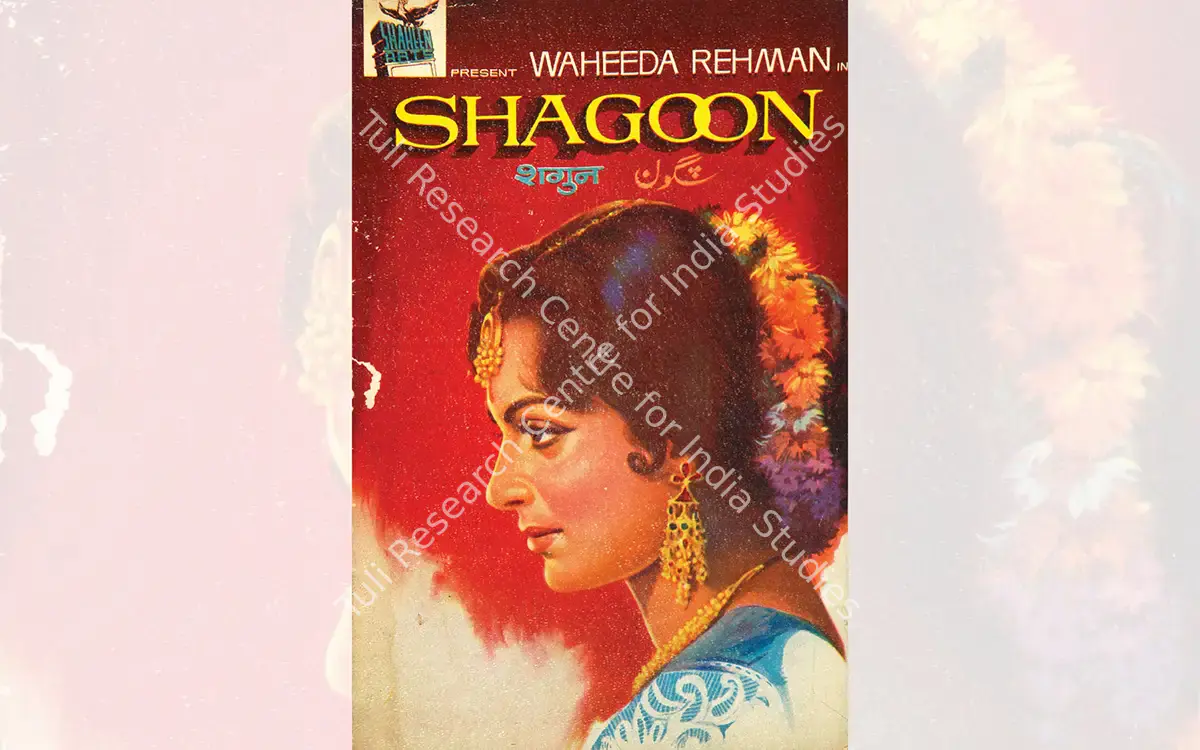
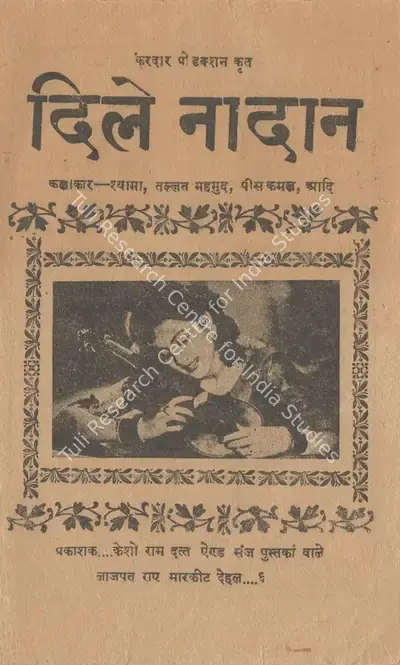
Among Jagjit Kaur's finest and most enduring recordings are Tum Apna Ranj-o-Gham Apni Pareshani Mujhe De Do from Shagoon (1964), with lyrics by Sahir Ludhianvi and music composed by Khayyam; Dekho Dekho Ji Gori Sasural Chali from Shagoon (1964), with lyrics by Sahir Ludhianvi and music by Khayyam; Khamosh Zindagi Ko Afsana Mil Gaya from Dil-e-Nadan (1953), with lyrics by Shakeel Badayuni and music by Ghulam Mohammad; Chanda Gaaye Raagini from Dil-e-Nadan (1953), composed by Ghulam Mohammad; Pehle To Aankh Milana, a duet with Mohammed Rafi from Shola Aur Shabnam (1961), with lyrics by Kaifi Azmi and music by Khayyam; Ladi Re Ladi Tujhse Aankh Jo Ladi from Shola Aur Shabnam (1961), with lyrics by Kaifi Azmi and music by Khayyam; Nain Milake Pyar Jata Ke Aag Laga Di, a duet with Mohammed Rafi from Mera Bhai Mera Dushman (1967), composed by Khayyam; Saada Chidiya Da Chamba Ve, sung with Pamela Chopra in Kabhi Kabhie (1976), composed by Khayyam; Kaahe Ko Byahi Bides from Umrao Jaan (1981), composed by Khayyam; Dekh Lo Aaj Humko Jee Bhar Ke from Bazaar (1982), composed by Khayyam; and Chale Aao Saiyan Rangeele Main Vaari Re, a duet with Pamela Chopra from Bazaar (1982), composed by Khayyam.
Beyond playback singing, Jagjit Kaur also demonstrated her creative versatility by composing the music for the Punjabi film Satguru Teri Oat (1974), featuring actors such as Dara Singh and Som Dutt.
Jagjit Kaur's legacy rests not on the volume of her recordings but on their artistic excellence. Her voice, distinguished by dignity, emotional sincerity, and refined musical expression, continues to be cherished by admirers of the golden era of Indian cinema.
Kaur possessed a rare vocal individuality characterised by distinctive softness, tenderness, and emotional restraint. Her singing conveyed profound feelings of longing, affection, melancholy, and devotion without excessive ornamentation or dramatic emphasis. She allowed the poetry and emotional essence of a composition to remain at the centre of her interpretation. Her voice was marked by subtle tonal variations, graceful phrasing, and an understated elegance that created a lasting impact through sincerity rather than vocal display. This distinctive quality made her particularly suited to the sensitive and poetic compositions of her husband, the celebrated music director Mohammed Zahur Khayyam.
Born into an aristocratic Punjabi family in May 1930, she grew up in an environment that encouraged her artistic abilities from an early age. She developed an interest in music during her childhood and performed on radio before and after the Partition of India, experiences that helped shape her musical identity. She entered the field of playback singing in the early 1950s, initially working in Punjabi cinema before establishing herself as a respected voice in Hindi films.
In 1954, Kaur married Mohammed Zahur Khayyam in one of the earliest inter-communal marriages within the Indian film industry. At a time when such unions were uncommon, their marriage represented a partnership built on mutual respect, affection, and shared artistic values. Their personal relationship was closely intertwined with their professional collaboration, and Khayyam composed several of the songs that became associated with Kaur's legacy.
The couple had one son, Pradeep, whose premature death from a heart attack in 2012 was a deeply painful loss. In memory of his compassionate nature and his desire to support others, Jagjit Kaur and Khayyam established the Khayyam Jagjit Kaur KPG Charitable Trust, which aimed to assist artists and technicians facing financial difficulties.
Throughout their life together, Kaur remained a devoted companion and an important source of encouragement for Khayyam. Their creative partnership reflected a rare harmony between composer and singer, with Kaur's delicate vocal style complementing Khayyam's emphasis on melody, poetry, and emotional expression. Following Khayyam's death on 19 August 2019 at the age of ninety-two after a cardiac arrest, Kaur lived a quieter life away from public attention. She passed away on 15 August 2021 at the age of ninety-one.
Among Jagjit Kaur's finest and most enduring recordings are Tum Apna Ranj-o-Gham Apni Pareshani Mujhe De Do from Shagoon (1964), with lyrics by Sahir Ludhianvi and music composed by Khayyam; Dekho Dekho Ji Gori Sasural Chali from Shagoon (1964), with lyrics by Sahir Ludhianvi and music by Khayyam; Khamosh Zindagi Ko Afsana Mil Gaya from Dil-e-Nadan (1953), with lyrics by Shakeel Badayuni and music by Ghulam Mohammad; Chanda Gaaye Raagini from Dil-e-Nadan (1953), composed by Ghulam Mohammad; Pehle To Aankh Milana, a duet with Mohammed Rafi from Shola Aur Shabnam (1961), with lyrics by Kaifi Azmi and music by Khayyam; Ladi Re Ladi Tujhse Aankh Jo Ladi from Shola Aur Shabnam (1961), with lyrics by Kaifi Azmi and music by Khayyam; Nain Milake Pyar Jata Ke Aag Laga Di, a duet with Mohammed Rafi from Mera Bhai Mera Dushman (1967), composed by Khayyam; Saada Chidiya Da Chamba Ve, sung with Pamela Chopra in Kabhi Kabhie (1976), composed by Khayyam; Kaahe Ko Byahi Bides from Umrao Jaan (1981), composed by Khayyam; Dekh Lo Aaj Humko Jee Bhar Ke from Bazaar (1982), composed by Khayyam; and Chale Aao Saiyan Rangeele Main Vaari Re, a duet with Pamela Chopra from Bazaar (1982), composed by Khayyam.
Beyond playback singing, Jagjit Kaur also demonstrated her creative versatility by composing the music for the Punjabi film Satguru Teri Oat (1974), featuring actors such as Dara Singh and Som Dutt.
Jagjit Kaur's legacy rests not on the volume of her recordings but on their artistic excellence. Her voice, distinguished by dignity, emotional sincerity, and refined musical expression, continues to be cherished by admirers of the golden era of Indian cinema.
जगजीत कौर (मई 1930 – 15 अगस्त 2021) एक मशहूर भारतीय प्लेबैक सिंगर थीं। हिंदी और उर्दू सिनेमा में उनके योगदान को उनकी गायकी की भावनात्मक गहराई, शास्त्रीय बारीकियों और गीतों के भावों को समझने की क्षमता के लिए हमेशा याद किया जाएगा। भले ही उनके गाए गानों की संख्या उनके दौर के दूसरे गायकों के मुकाबले कम थी, लेकिन उनकी गायकी की क्वालिटी और कलात्मक ईमानदारी ने भारतीय फ़िल्म संगीत के इतिहास में उनके लिए एक ख़ास और स्थायी जगह बना दी।
कौर की आवाज़ में एक अनोखी ख़ासियत थी। उसमें एक ख़ास तरह की कोमलता, नरमी और भावनाओं पर संयम झलकता था। उनकी गायकी में तड़प, प्यार, उदासी और भक्ति जैसे गहरे भाव बिना किसी दिखावटी सजावट या नाटकीय ज़ोर के ही सामने आते थे। वह हमेशा गाने की शायरी और उसके भावनात्मक सार को ही अपनी गायकी के केंद्र में रखती थीं। उनकी आवाज़ में सुरों के बारीक उतार-चढ़ाव, ग्रेसफुल अंदाज़ और एक सादगी भरी ख़ूबसूरती थी, जो दिखावे के बजाय सच्चाई से लोगों पर गहरा असर डालती थी। इसी ख़ास ख़ूबी की वजह से वह अपने पति, मशहूर म्यूज़िक डायरेक्टर मोहम्मद ज़हूर ख़य्याम की संवेदनशील और काव्यात्मक रचनाओं को गाने के लिए सबसे उपयुक्त थीं।
मई 1930 में एक अमीर पंजाबी परिवार में जन्मीं वे ऐसे माहौल में पली-बढ़ीं जहाँ बचपन से ही उनकी कलात्मक क्षमताओं को बढ़ावा मिला। बचपन में ही उन्हें संगीत में दिलचस्पी हो गई थी और उन्होंने भारत के बंटवारे से पहले और बाद में रेडियो पर परफ़ॉर्म किया। इन अनुभवों ने उनकी संगीत की पहचान बनाने में मदद की। 1950 के दशक की शुरुआत में उन्होंने प्लेबैक सिंगिंग की दुनिया में कदम रखा। शुरुआत में उन्होंने पंजाबी सिनेमा में काम किया और बाद में हिंदी फ़िल्मों में अपनी एक सम्मानित पहचान बनाई।
1954 में कौर ने मोहम्मद ज़हूर ख़य्याम से शादी की, जो भारतीय फ़िल्म इंडस्ट्री में शुरुआती अंतर-धार्मिक शादियों में से एक थी। ऐसे समय में जब ऐसी शादियाँ आम नहीं थीं, उनकी शादी आपसी सम्मान, स्नेह और साझा कलात्मक मूल्यों पर आधारित एक साझेदारी थी। उनका निजी रिश्ता उनके पेशेवर सहयोग से गहराई से जुड़ा हुआ था, और ख़य्याम ने कई ऐसे गाने कंपोज़ किए जो कौर की पहचान का हिस्सा बन गए।
इस जोड़े का एक बेटा था, प्रदीप, जिसकी 2012 में दिल का दौरा पड़ने से समय से पहले मौत हो गई। यह एक बहुत ही दुखद नुक़सान था। उसके दयालु स्वभाव और दूसरों की मदद करने की इच्छा को ध्यान में रखते हुए, जगजीत कौर और खय्याम ने 'खय्याम जगजीत कौर KPG चैरिटेबल ट्रस्ट' की स्थापना की, जिसका मक़सद आर्थिक तंगी का सामना कर रहे कलाकारों और तकनीशियनों की मदद करना था।
अपनी साथ की पूरी ज़िंदगी में, कौर और खय्याम एक समर्पित साथी और उन्हें प्रोत्साहित करने वाली एक अहम हस्ती बनी रहीं। उनकी रचनात्मक साझेदारी में संगीतकार और गायिका के बीच एक अनोखा तालमेल दिखता था। कौर की कोमल गायकी ख़य्याम के धुन, शायरी और भावनाओं को व्यक्त करने पर दिए जाने वाले ज़ोर के साथ बख़ूबी मेल खाती थी। 19 अगस्त 2019 को 92 साल की उम्र में कार्डियक अरेस्ट के कारण ख़य्याम के निधन के बाद, कौर ने लोगों की नज़रों से दूर एक शांत जीवन बिताया। 15 अगस्त 2021 को 91 साल की उम्र में उनका निधन हो गया।
जगजीत कौर की सबसे यादगार और स्थायी रिकॉर्डिंग्स में शगून (1964) का 'तुम अपना रंज-ओ-ग़म, अपनी परेशानी मुझे दे दो' विशेष रूप से उल्लेखनीय है। इस अमर गीत के बोल साहिर लुधियानवी ने लिखे और संगीत ख़य्याम ने दिया। उनके अन्य चर्चित गीतों में शगून (1964) का 'देखो देखो जी गोरी ससुराल चली' भी शामिल है, जिसके गीत साहिर लुधियानवी और संगीत ख़य्याम का है। दिल-ए-नादान (1953) में उन्होंने 'ख़ामोश ज़िंदगी को अफ़साना मिल गया' गाया, जिसके बोल शकील बदायूँनी ने लिखे और संगीत ग़ुलाम मोहम्मद का था। इसी फ़िल्म का 'चंदा गाए रागिनी' तथा 'पहले तो आँख मिलाना' भी ग़ुलाम मोहम्मद के संगीत में उनकी उल्लेखनीय प्रस्तुतियाँ हैं। शोला और शबनम (1961) में मोहम्मद रफ़ी के साथ उनका युगल गीत 'नैन मिला के प्यार जता के आग लगा दी' काफ़ी लोकप्रिय हुआ। इसके बोल कैफ़ी आज़मी ने लिखे और संगीत ख़य्याम ने दिया। इसी फ़िल्म का 'लाड़ी रे लाड़ी, तुझसे आँख जो लाड़ी' भी कैफ़ी आज़मी और ख़य्याम की जोड़ी की एक यादगार रचना है। मेरा भाई मेरा दुश्मन (1967) में मोहम्मद रफ़ी के साथ गाया गया उनका युगल गीत भी उल्लेखनीय है, जिसका संगीत ख़य्याम ने तैयार किया। बाद के वर्षों में कभी-कभी (1976) का पंजाबी लोकगीत 'साडा चिड़ियाँ दा चम्बा वे', जिसे उन्होंने पामेला चोपड़ा के साथ गाया, बेहद लोकप्रिय हुआ। इसका संगीत भी ख़य्याम ने ही दिया था। उमराव जान (1981) में उनका गाया 'काहे को ब्याही बिदेस' अपनी मार्मिकता के कारण आज भी याद किया जाता है। इसके बाद बाज़ार (1982) में 'देख लो आज हमको जी भर के' और पामेला चोपड़ा के साथ गाया गया युगल गीत 'चले आओ सैयाँ रंगीले, मैं वारी रे' भी उनकी उल्लेखनीय प्रस्तुतियों में गिने जाते हैं। इन दोनों गीतों का संगीत भी ख़य्याम ने ही तैयार किया।
पार्श्व गायन से परे, जगजीत कौर ने पंजाबी फ़िल्म सतगुरु तेरी ओट (1974) के लिए संगीत तैयार करके अपनी रचनात्मक बहुमुखी प्रतिभा का भी प्रदर्शन किया, जिसमें दारा सिंह और सोम दत्त जैसे अभिनेता शामिल थे।
जगजीत कौर की विरासत उनकी रिकॉर्डिंग की मात्रा पर नहीं बल्कि उनकी कलात्मक उत्कृष्टता पर टिकी है। गरिमा, भावनात्मक ईमानदारी और परिष्कृत संगीत अभिव्यक्ति से प्रतिष्ठित उनकी आवाज़, भारतीय सिनेमा के स्वर्ण युग के प्रशंसकों द्वारा आज भी संजोई जाती है।
कौर की आवाज़ में एक अनोखी ख़ासियत थी। उसमें एक ख़ास तरह की कोमलता, नरमी और भावनाओं पर संयम झलकता था। उनकी गायकी में तड़प, प्यार, उदासी और भक्ति जैसे गहरे भाव बिना किसी दिखावटी सजावट या नाटकीय ज़ोर के ही सामने आते थे। वह हमेशा गाने की शायरी और उसके भावनात्मक सार को ही अपनी गायकी के केंद्र में रखती थीं। उनकी आवाज़ में सुरों के बारीक उतार-चढ़ाव, ग्रेसफुल अंदाज़ और एक सादगी भरी ख़ूबसूरती थी, जो दिखावे के बजाय सच्चाई से लोगों पर गहरा असर डालती थी। इसी ख़ास ख़ूबी की वजह से वह अपने पति, मशहूर म्यूज़िक डायरेक्टर मोहम्मद ज़हूर ख़य्याम की संवेदनशील और काव्यात्मक रचनाओं को गाने के लिए सबसे उपयुक्त थीं।
मई 1930 में एक अमीर पंजाबी परिवार में जन्मीं वे ऐसे माहौल में पली-बढ़ीं जहाँ बचपन से ही उनकी कलात्मक क्षमताओं को बढ़ावा मिला। बचपन में ही उन्हें संगीत में दिलचस्पी हो गई थी और उन्होंने भारत के बंटवारे से पहले और बाद में रेडियो पर परफ़ॉर्म किया। इन अनुभवों ने उनकी संगीत की पहचान बनाने में मदद की। 1950 के दशक की शुरुआत में उन्होंने प्लेबैक सिंगिंग की दुनिया में कदम रखा। शुरुआत में उन्होंने पंजाबी सिनेमा में काम किया और बाद में हिंदी फ़िल्मों में अपनी एक सम्मानित पहचान बनाई।
1954 में कौर ने मोहम्मद ज़हूर ख़य्याम से शादी की, जो भारतीय फ़िल्म इंडस्ट्री में शुरुआती अंतर-धार्मिक शादियों में से एक थी। ऐसे समय में जब ऐसी शादियाँ आम नहीं थीं, उनकी शादी आपसी सम्मान, स्नेह और साझा कलात्मक मूल्यों पर आधारित एक साझेदारी थी। उनका निजी रिश्ता उनके पेशेवर सहयोग से गहराई से जुड़ा हुआ था, और ख़य्याम ने कई ऐसे गाने कंपोज़ किए जो कौर की पहचान का हिस्सा बन गए।
इस जोड़े का एक बेटा था, प्रदीप, जिसकी 2012 में दिल का दौरा पड़ने से समय से पहले मौत हो गई। यह एक बहुत ही दुखद नुक़सान था। उसके दयालु स्वभाव और दूसरों की मदद करने की इच्छा को ध्यान में रखते हुए, जगजीत कौर और खय्याम ने 'खय्याम जगजीत कौर KPG चैरिटेबल ट्रस्ट' की स्थापना की, जिसका मक़सद आर्थिक तंगी का सामना कर रहे कलाकारों और तकनीशियनों की मदद करना था।
अपनी साथ की पूरी ज़िंदगी में, कौर और खय्याम एक समर्पित साथी और उन्हें प्रोत्साहित करने वाली एक अहम हस्ती बनी रहीं। उनकी रचनात्मक साझेदारी में संगीतकार और गायिका के बीच एक अनोखा तालमेल दिखता था। कौर की कोमल गायकी ख़य्याम के धुन, शायरी और भावनाओं को व्यक्त करने पर दिए जाने वाले ज़ोर के साथ बख़ूबी मेल खाती थी। 19 अगस्त 2019 को 92 साल की उम्र में कार्डियक अरेस्ट के कारण ख़य्याम के निधन के बाद, कौर ने लोगों की नज़रों से दूर एक शांत जीवन बिताया। 15 अगस्त 2021 को 91 साल की उम्र में उनका निधन हो गया।
जगजीत कौर की सबसे यादगार और स्थायी रिकॉर्डिंग्स में शगून (1964) का 'तुम अपना रंज-ओ-ग़म, अपनी परेशानी मुझे दे दो' विशेष रूप से उल्लेखनीय है। इस अमर गीत के बोल साहिर लुधियानवी ने लिखे और संगीत ख़य्याम ने दिया। उनके अन्य चर्चित गीतों में शगून (1964) का 'देखो देखो जी गोरी ससुराल चली' भी शामिल है, जिसके गीत साहिर लुधियानवी और संगीत ख़य्याम का है। दिल-ए-नादान (1953) में उन्होंने 'ख़ामोश ज़िंदगी को अफ़साना मिल गया' गाया, जिसके बोल शकील बदायूँनी ने लिखे और संगीत ग़ुलाम मोहम्मद का था। इसी फ़िल्म का 'चंदा गाए रागिनी' तथा 'पहले तो आँख मिलाना' भी ग़ुलाम मोहम्मद के संगीत में उनकी उल्लेखनीय प्रस्तुतियाँ हैं। शोला और शबनम (1961) में मोहम्मद रफ़ी के साथ उनका युगल गीत 'नैन मिला के प्यार जता के आग लगा दी' काफ़ी लोकप्रिय हुआ। इसके बोल कैफ़ी आज़मी ने लिखे और संगीत ख़य्याम ने दिया। इसी फ़िल्म का 'लाड़ी रे लाड़ी, तुझसे आँख जो लाड़ी' भी कैफ़ी आज़मी और ख़य्याम की जोड़ी की एक यादगार रचना है। मेरा भाई मेरा दुश्मन (1967) में मोहम्मद रफ़ी के साथ गाया गया उनका युगल गीत भी उल्लेखनीय है, जिसका संगीत ख़य्याम ने तैयार किया। बाद के वर्षों में कभी-कभी (1976) का पंजाबी लोकगीत 'साडा चिड़ियाँ दा चम्बा वे', जिसे उन्होंने पामेला चोपड़ा के साथ गाया, बेहद लोकप्रिय हुआ। इसका संगीत भी ख़य्याम ने ही दिया था। उमराव जान (1981) में उनका गाया 'काहे को ब्याही बिदेस' अपनी मार्मिकता के कारण आज भी याद किया जाता है। इसके बाद बाज़ार (1982) में 'देख लो आज हमको जी भर के' और पामेला चोपड़ा के साथ गाया गया युगल गीत 'चले आओ सैयाँ रंगीले, मैं वारी रे' भी उनकी उल्लेखनीय प्रस्तुतियों में गिने जाते हैं। इन दोनों गीतों का संगीत भी ख़य्याम ने ही तैयार किया।
पार्श्व गायन से परे, जगजीत कौर ने पंजाबी फ़िल्म सतगुरु तेरी ओट (1974) के लिए संगीत तैयार करके अपनी रचनात्मक बहुमुखी प्रतिभा का भी प्रदर्शन किया, जिसमें दारा सिंह और सोम दत्त जैसे अभिनेता शामिल थे।
जगजीत कौर की विरासत उनकी रिकॉर्डिंग की मात्रा पर नहीं बल्कि उनकी कलात्मक उत्कृष्टता पर टिकी है। गरिमा, भावनात्मक ईमानदारी और परिष्कृत संगीत अभिव्यक्ति से प्रतिष्ठित उनकी आवाज़, भारतीय सिनेमा के स्वर्ण युग के प्रशंसकों द्वारा आज भी संजोई जाती है।
No personalia records available yet.
Filmography 3
Research Centre
20 of 50
20 of 50